Loading collection...
😤
Insults & Criticism Vocabulary
Elegant ways to express disapproval or criticize
22 words
All 22 Words
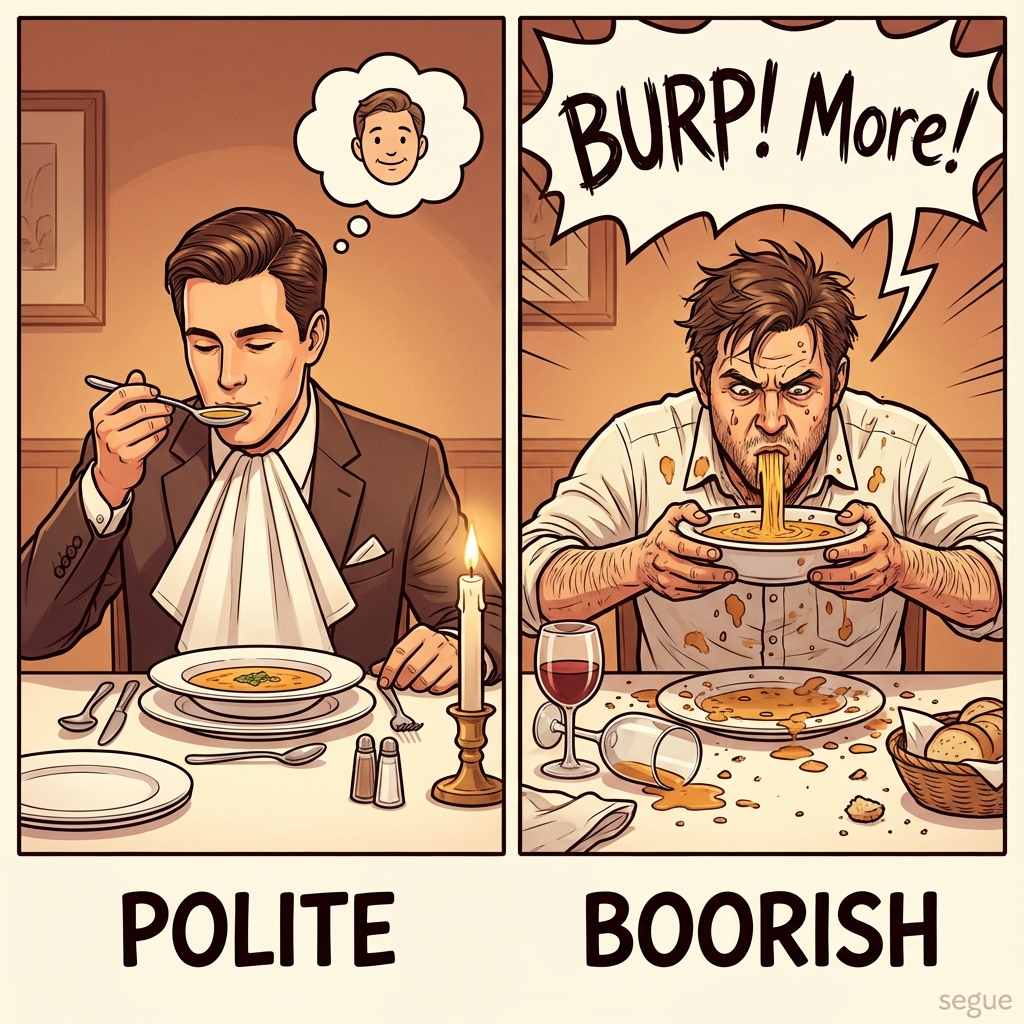
boorish
/ˈbʊɹɪʃ/rough and bad-mannered; coarse
“His boorish behavior at the dinner party embarrassed everyone.”
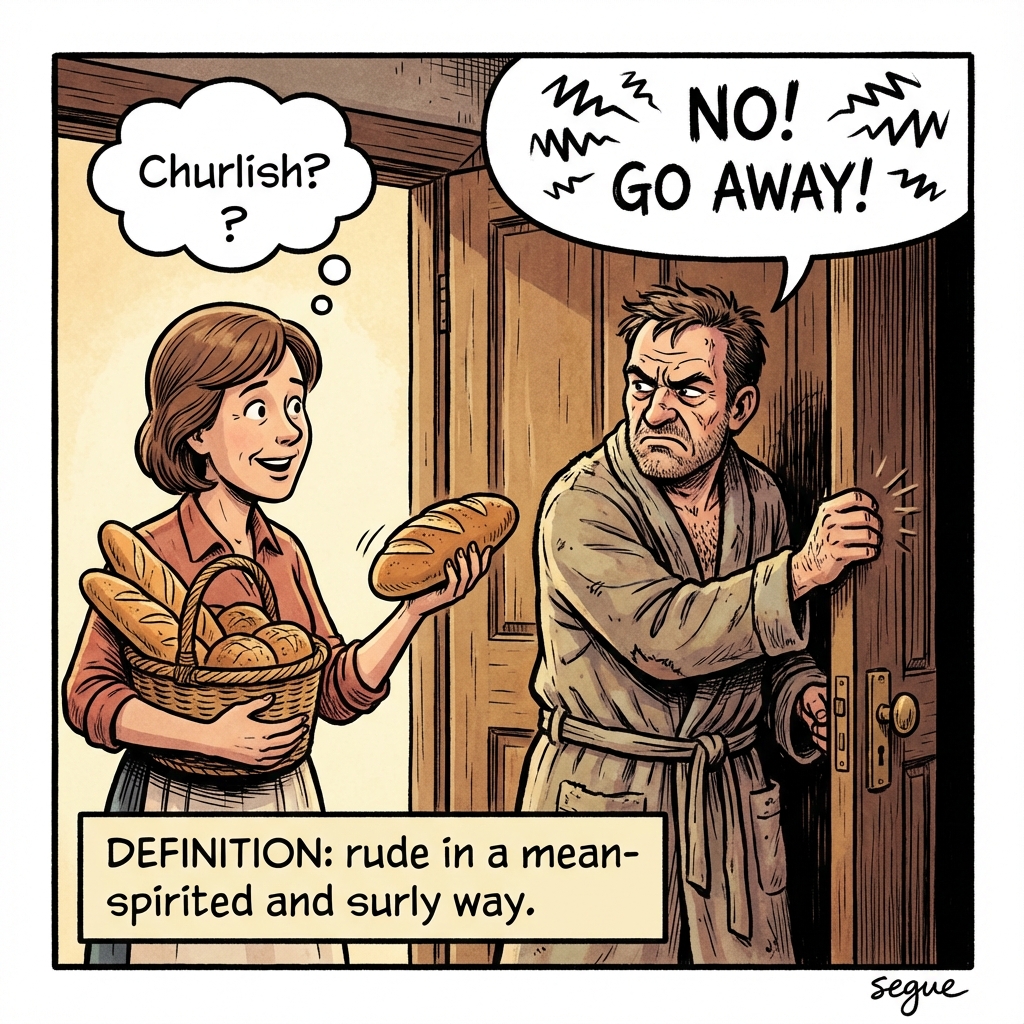
churlish
/ˈtʃɝɫɪʃ/rude in a mean-spirited and surly way
“It would be churlish to refuse such a generous offer.”
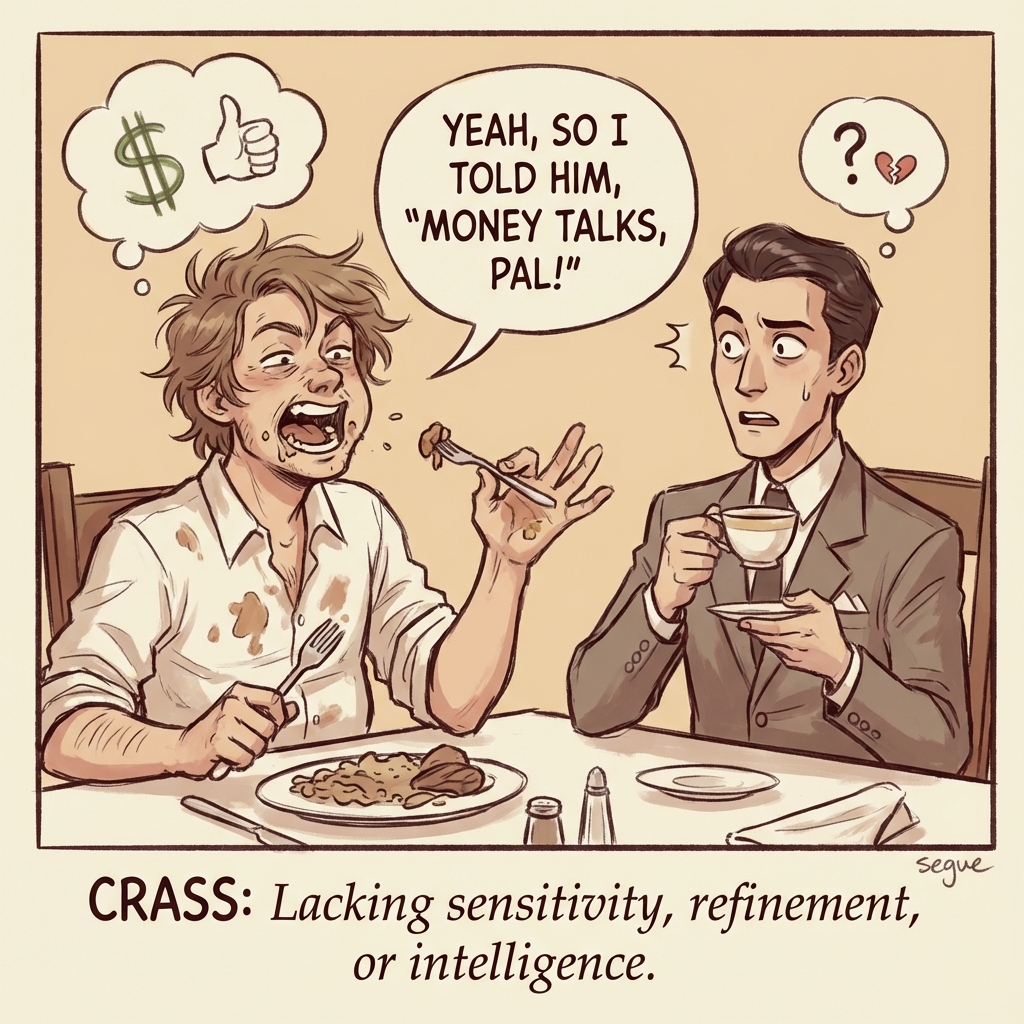
crass
/ˈkɹæs/lacking sensitivity, refinement, or intelligence
“His crass jokes offended the entire audience.”
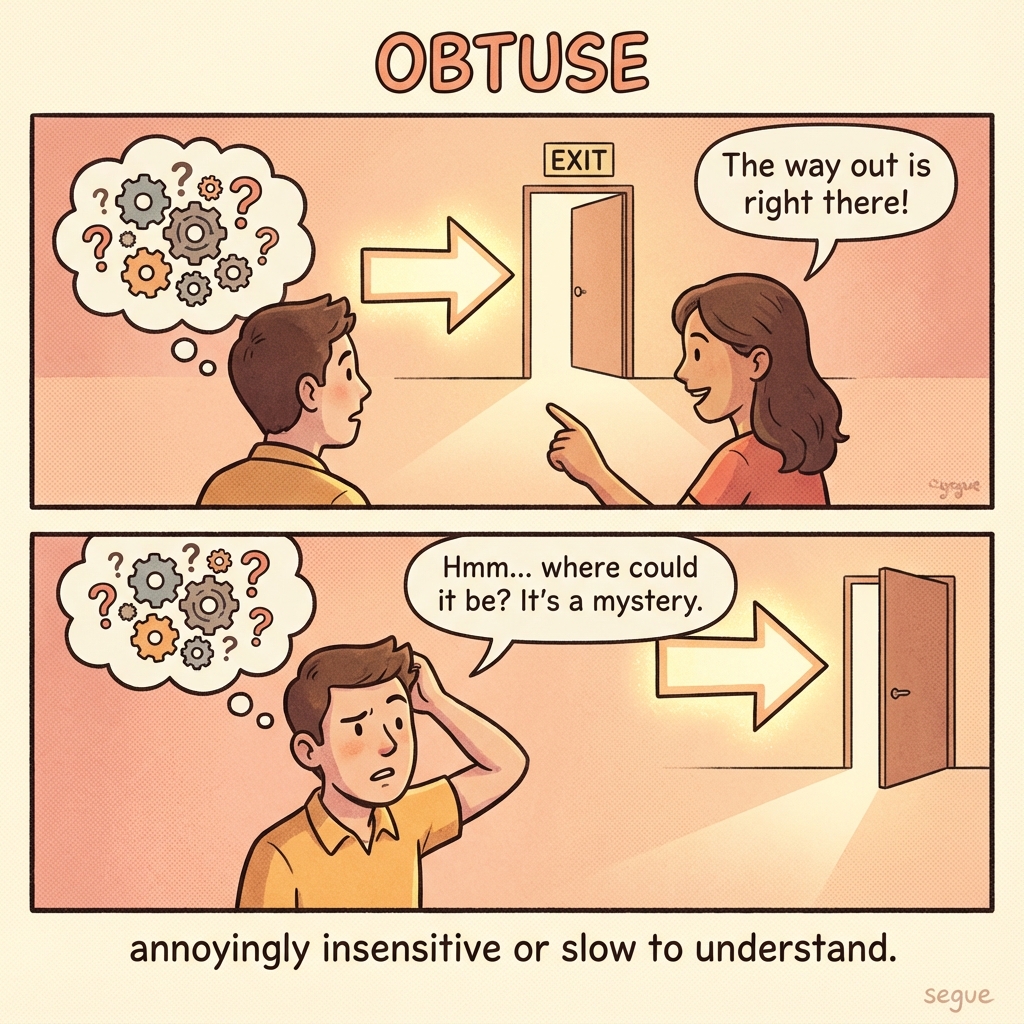
obtuse
/ɑbˈtus/annoyingly insensitive or slow to understand
“Don't be so obtuse—the answer is obvious.”
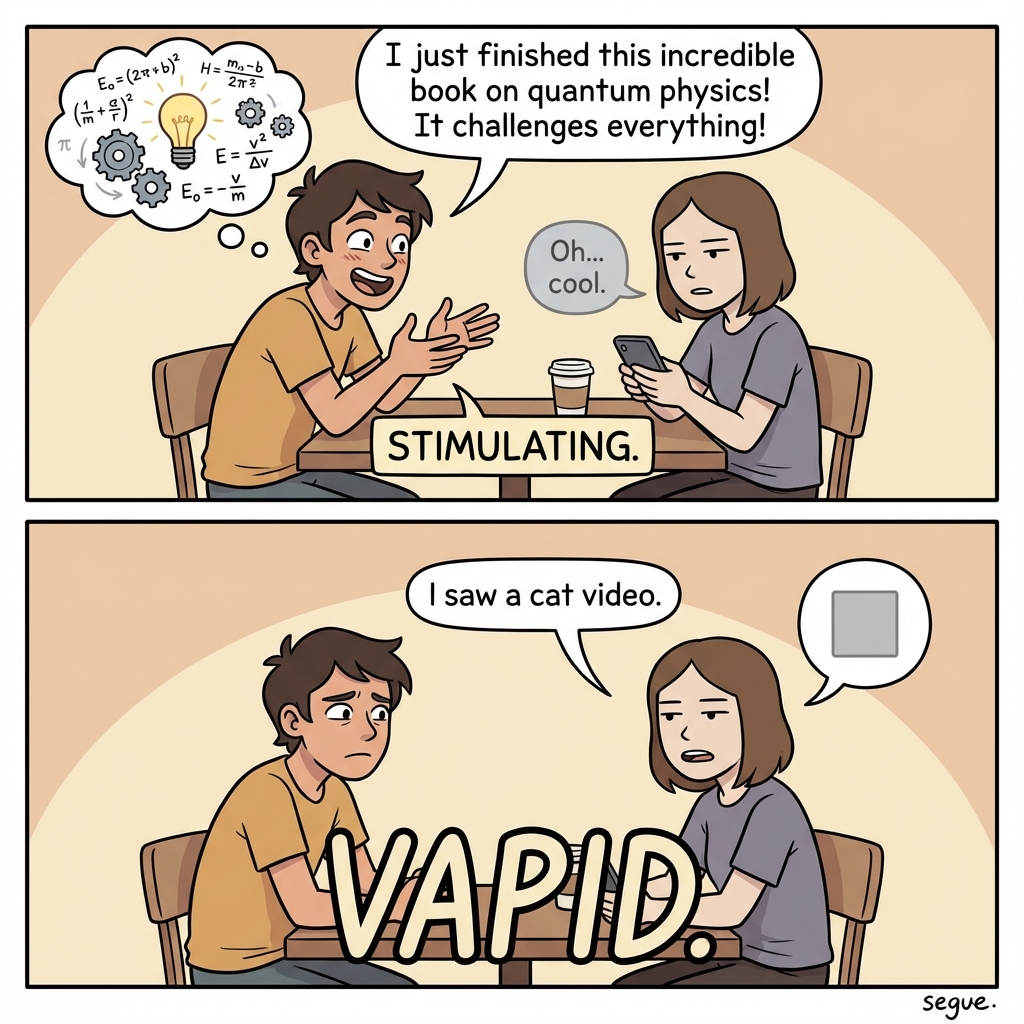
vapid
/ˈvæpɪd/offering nothing that is stimulating or challenging; bland
“The vapid conversation bored her to tears.”
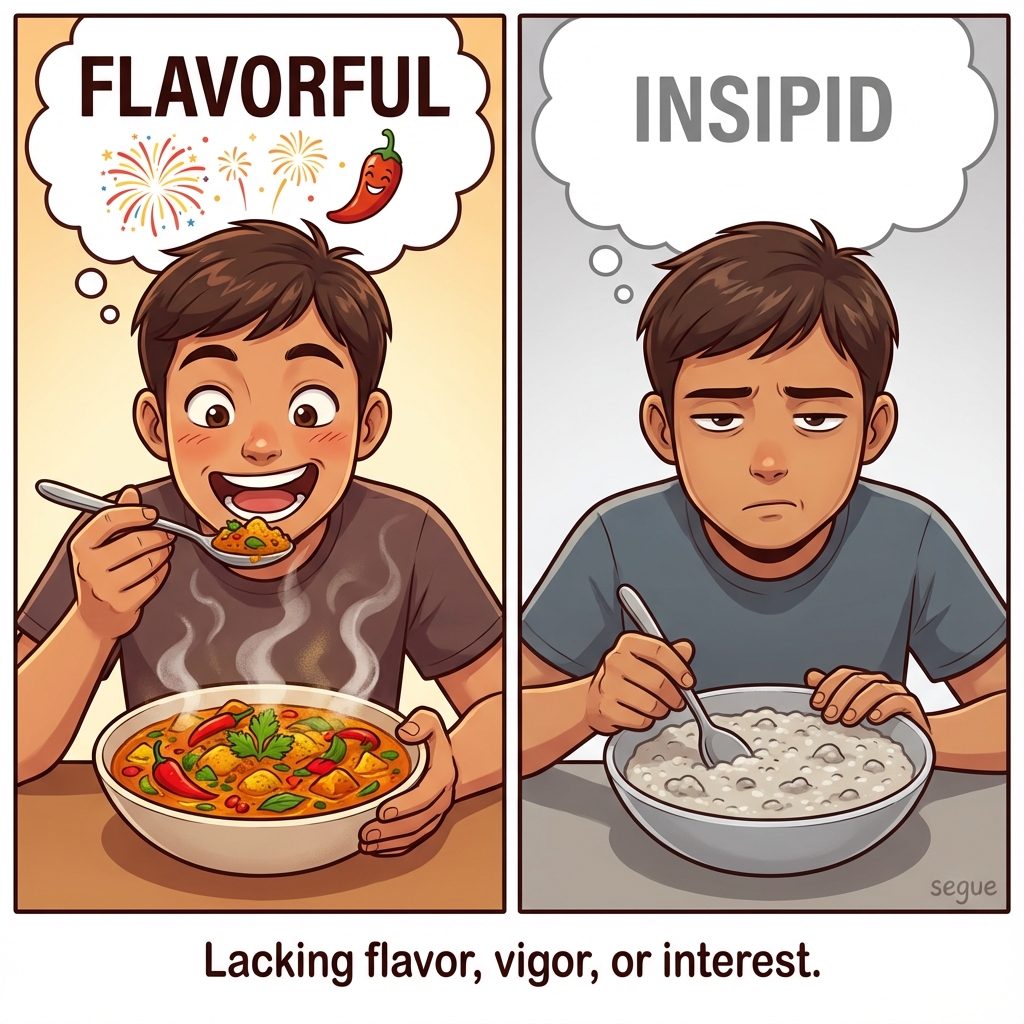
insipid
/ˌɪnˈsɪpəd/lacking flavor, vigor, or interest
“The insipid performance failed to engage the audience.”
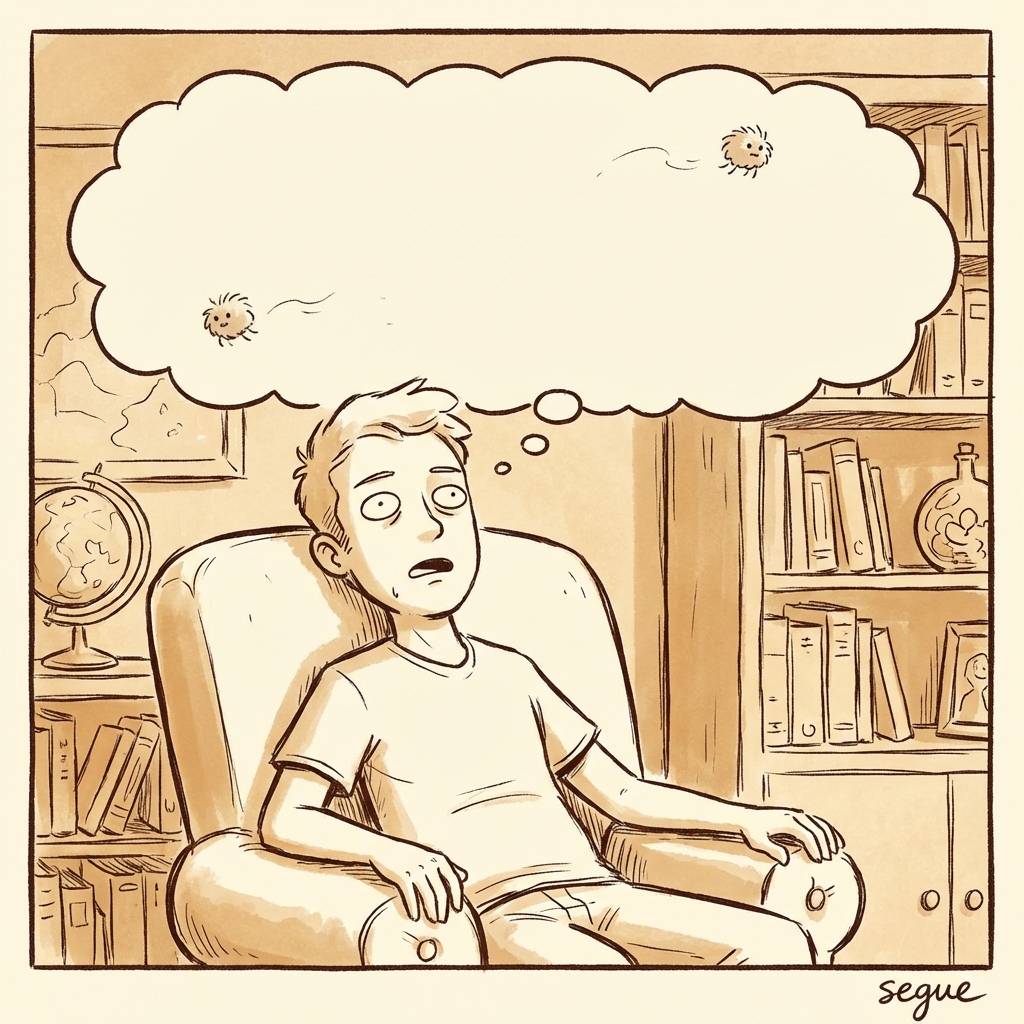
vacuous
/ˈvækjuəs/having or showing a lack of thought or intelligence
“His vacuous smile revealed nothing about his thoughts.”

fatuous
/ˈfætʃəwəs/silly and pointless
“Her fatuous remarks added nothing to the discussion.”
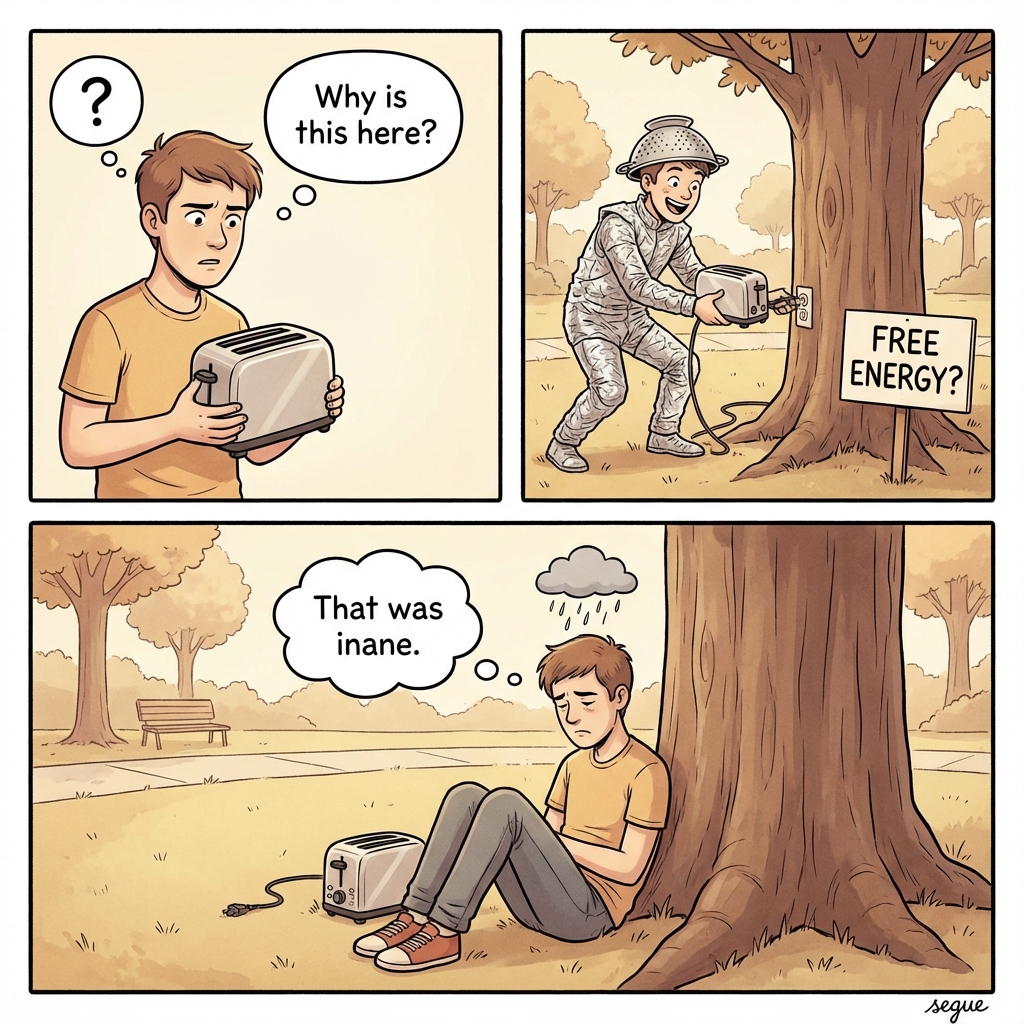
inane
/ˌɪˈneɪn/silly; stupid; lacking sense or meaning
“The inane questions wasted everyone's time.”
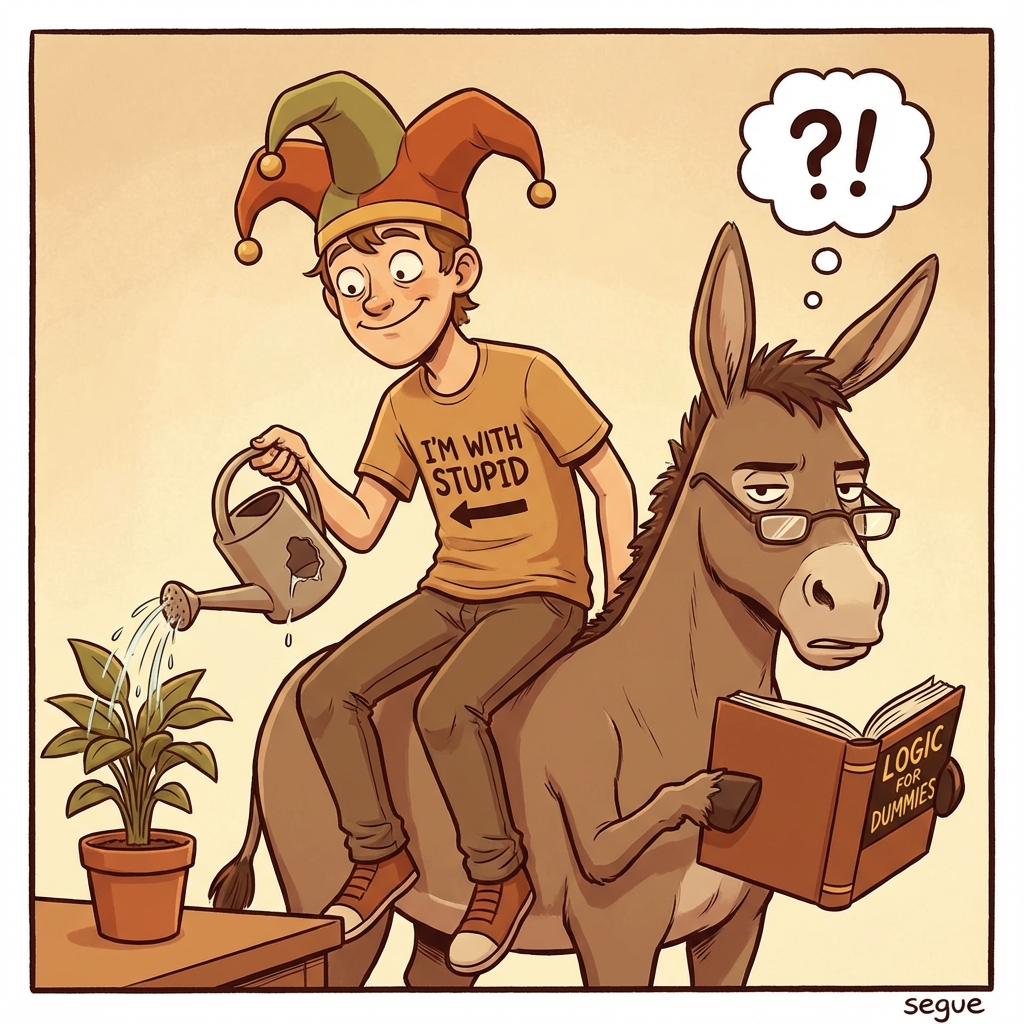
asinine
/ˈæsəˌnaɪn/extremely stupid or foolish
“The asinine decision cost the company millions.”
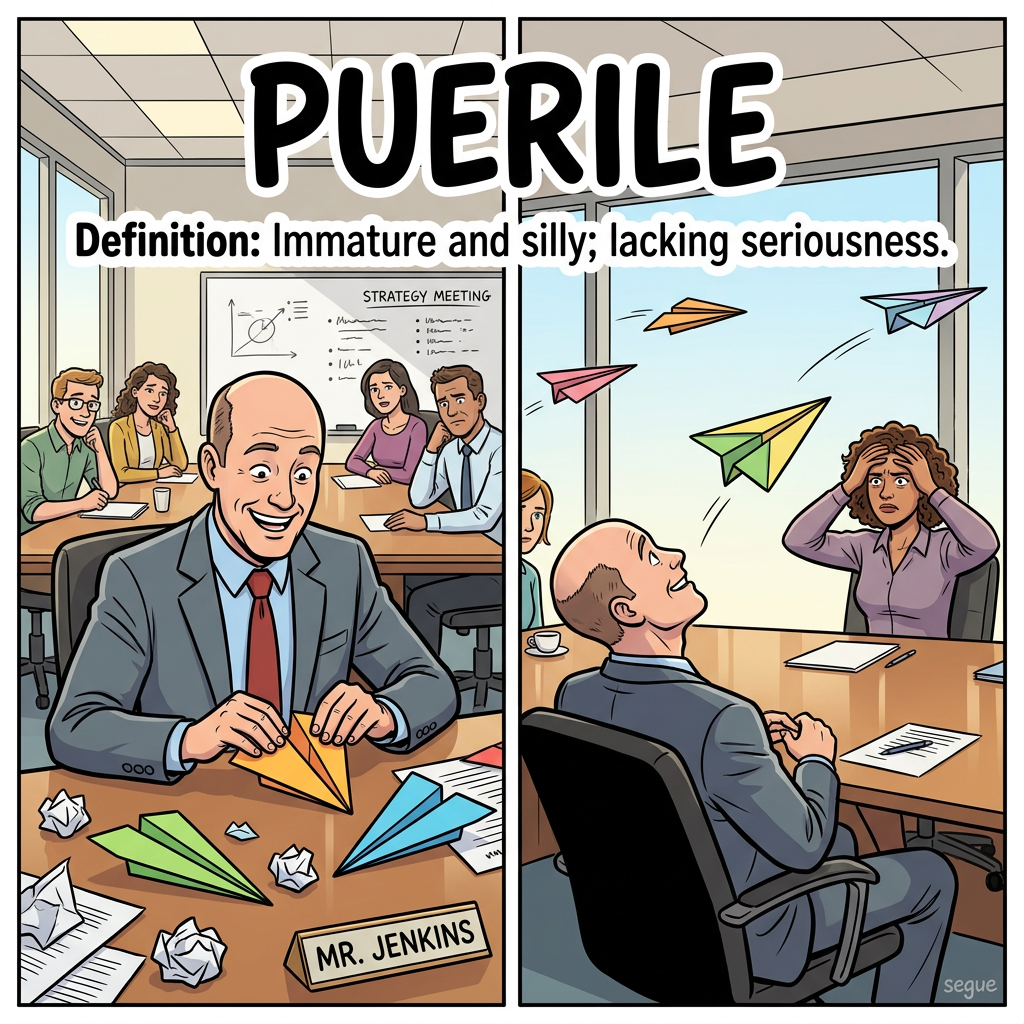
puerile
/pjuˈɹiɫ/childishly silly and trivial
“His puerile jokes were inappropriate for the occasion.”
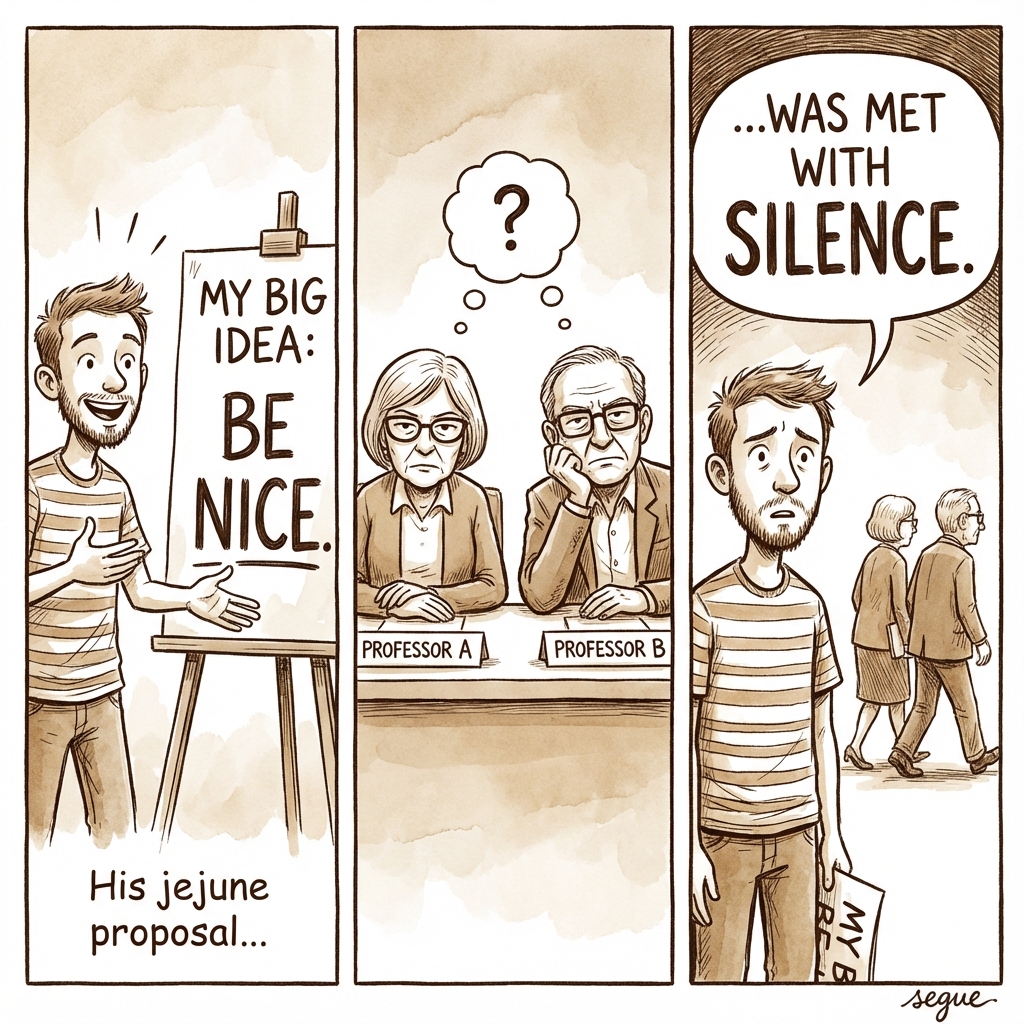
jejune
/ˌdʒɛˈdʒun/naive, simplistic, and superficial; dull
“The jejune analysis missed all the important points.”

pedestrian
/pəˈdɛstɹiən/lacking inspiration or excitement; dull
“The pedestrian writing failed to capture readers' attention.”
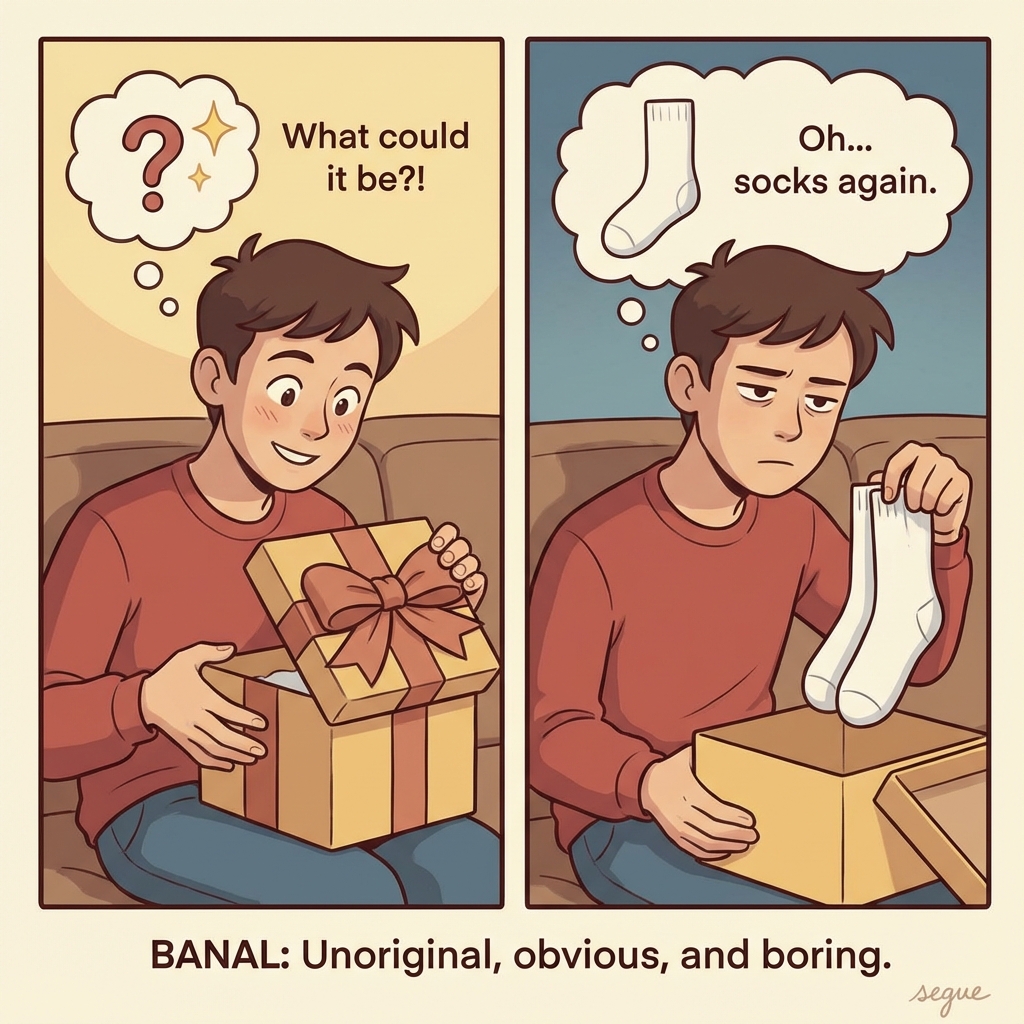
banal
/bəˈnɑɫ/so lacking in originality as to be obvious and boring
“The movie was full of banal dialogue and predictable plot twists.”
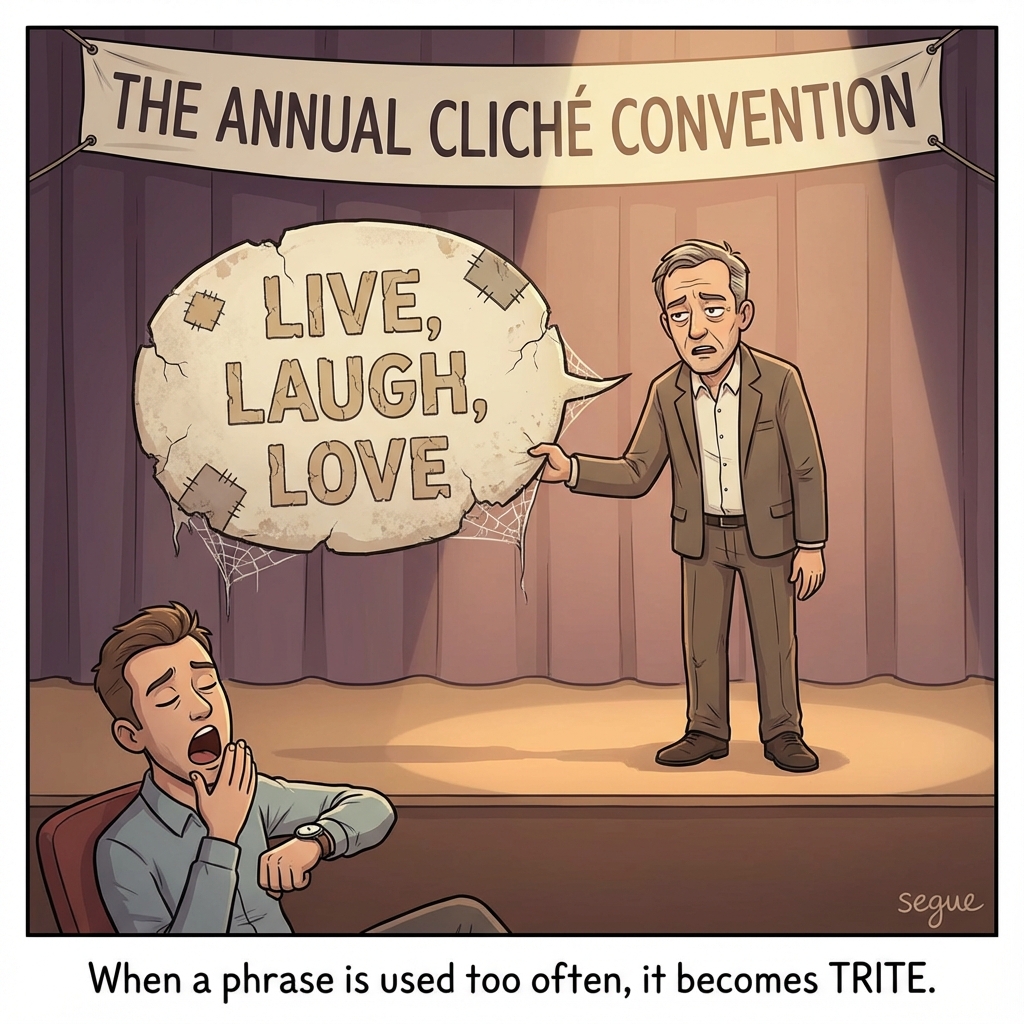
trite
/ˈtɹaɪt/lacking originality or freshness; overused
“The trite expressions made the speech forgettable.”
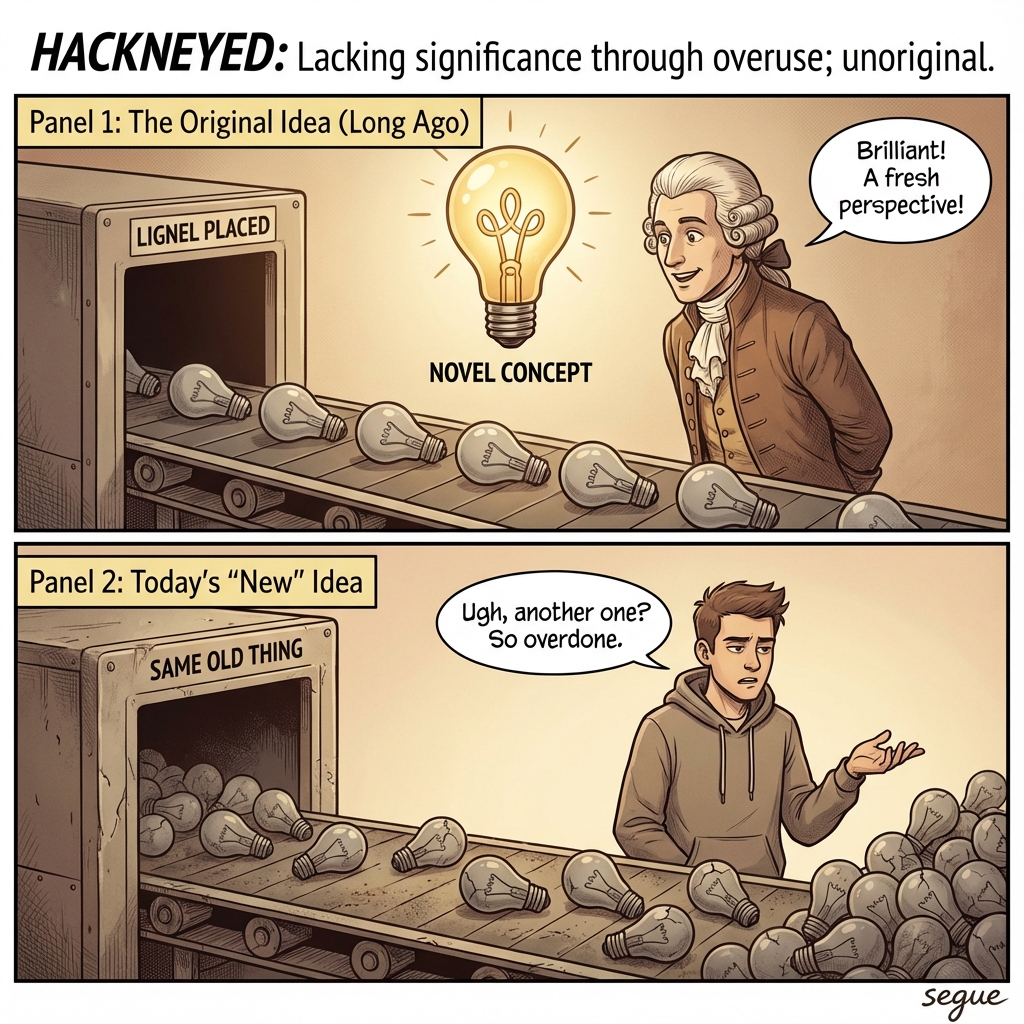
hackneyed
/ˈhæknid/lacking significance through overuse; unoriginal
“The hackneyed plot had been done a thousand times before.”

meretricious
/ˌmerɪˈtrɪʃəs/apparently attractive but having no real value; flashy
“The meretricious design impressed at first but quickly felt cheap.”
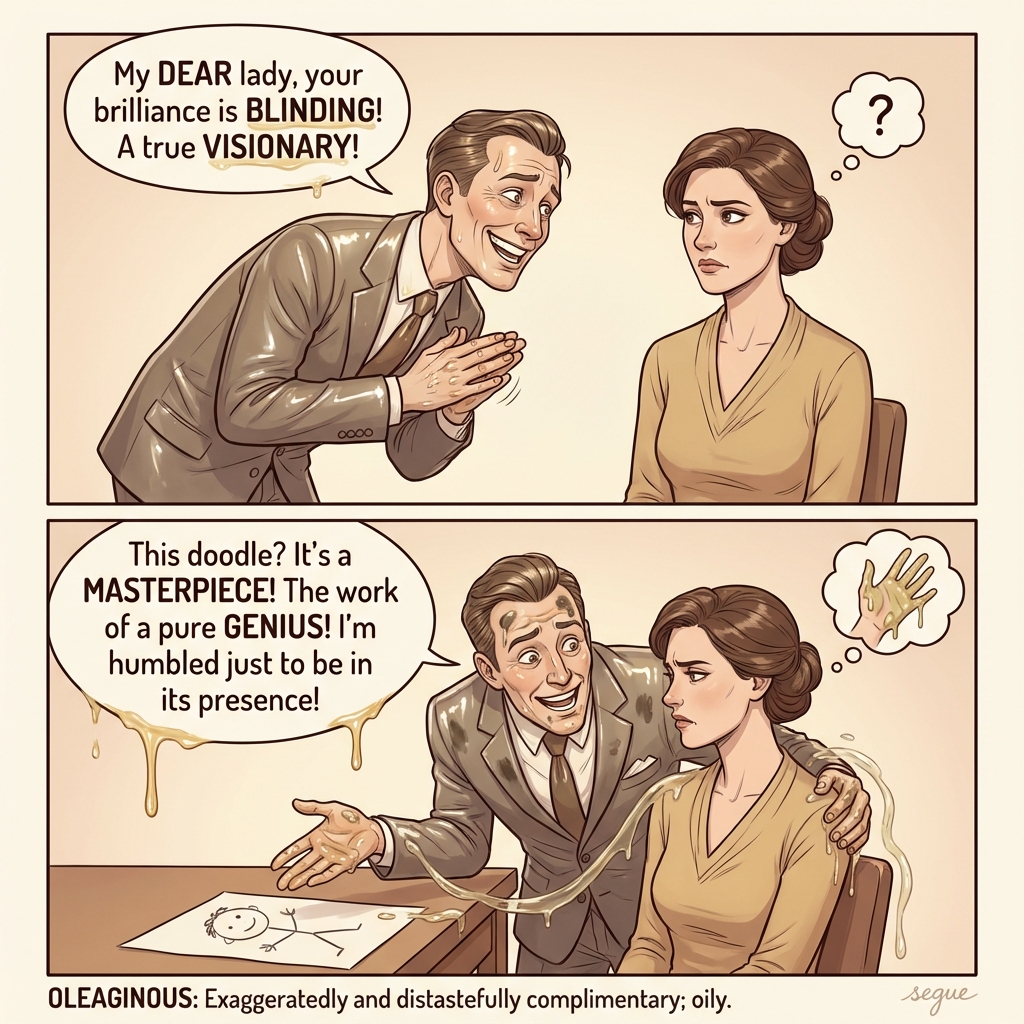
oleaginous
/ˌoʊɫiˈædʒənəs/exaggeratedly and distastefully complimentary; oily
“His oleaginous manner made everyone uncomfortable.”

sanctimonious
/ˌsæŋktəˈmoʊniəs/making a show of being morally superior to others
“Her sanctimonious lecture about ethics was hypocritical.”
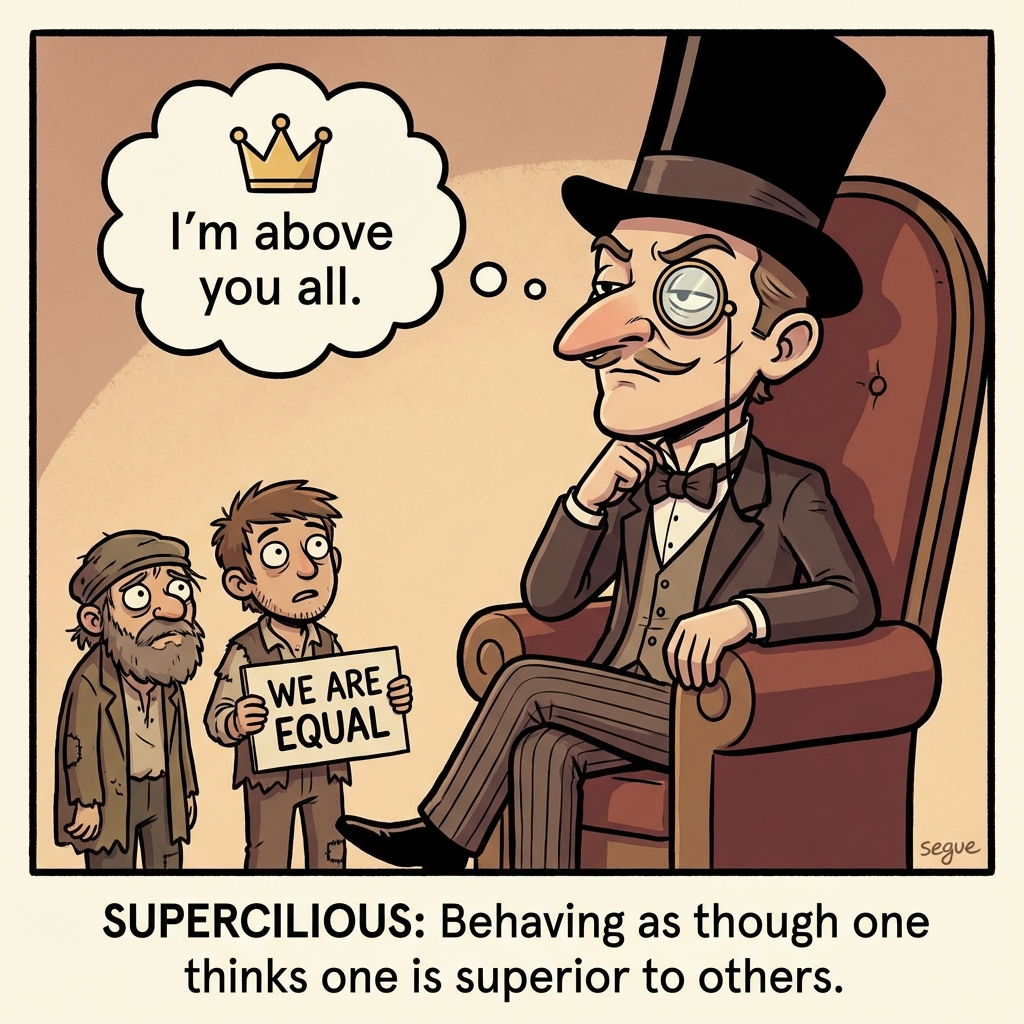
supercilious
/ˌsupɝˈsɪɫiəs/behaving as though one thinks one is superior to others
“His supercilious attitude alienated potential allies.”
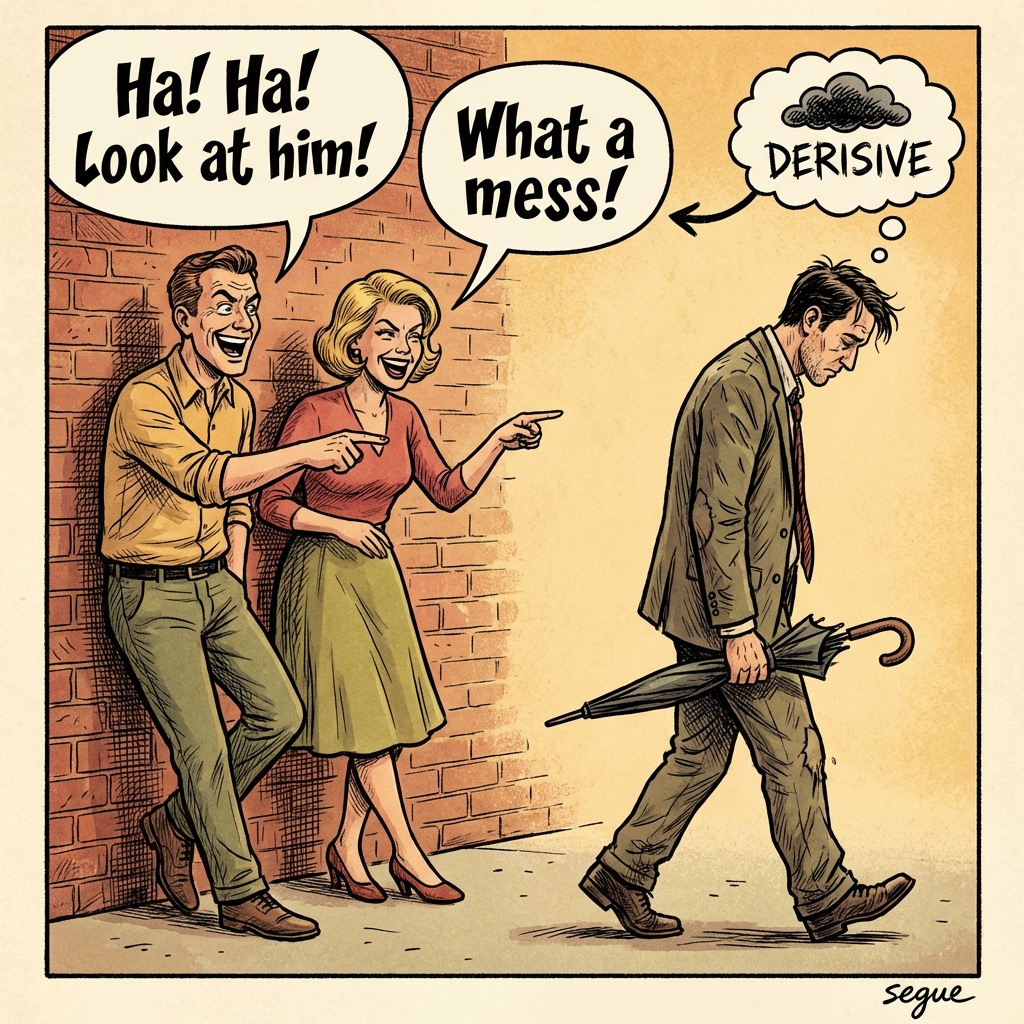
derisive
/dɝˈaɪsɪv/expressing contempt or ridicule
“She gave a derisive laugh at his suggestion.”
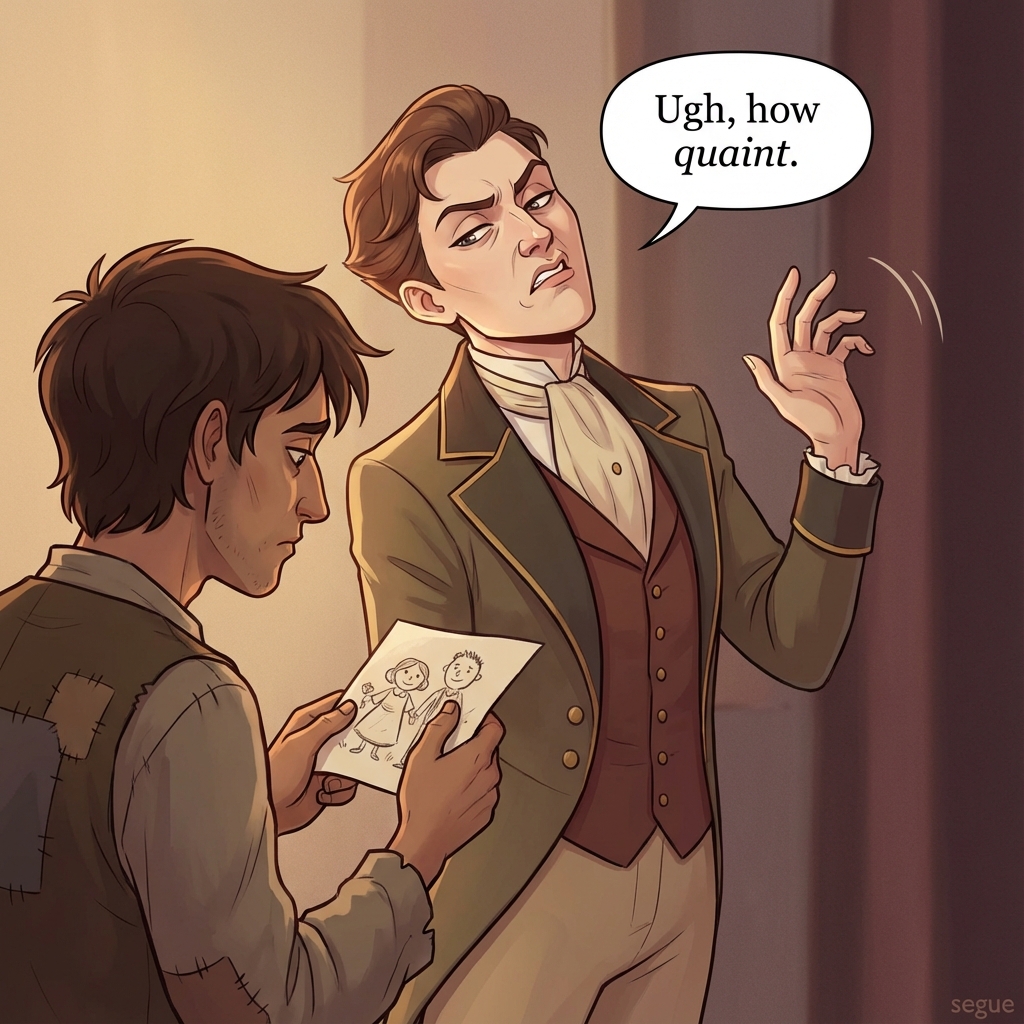
scornful
/ˈskɔɹnfəɫ/feeling or expressing contempt or derision
“He was scornful of anyone who didn't share his views.”
More from Communication
Explore other vocabulary categories in this collection.