Loading collection...
📡
Information Theory Vocabulary
Concepts from Shannon's theory of communication and information
12 words
All 12 Words
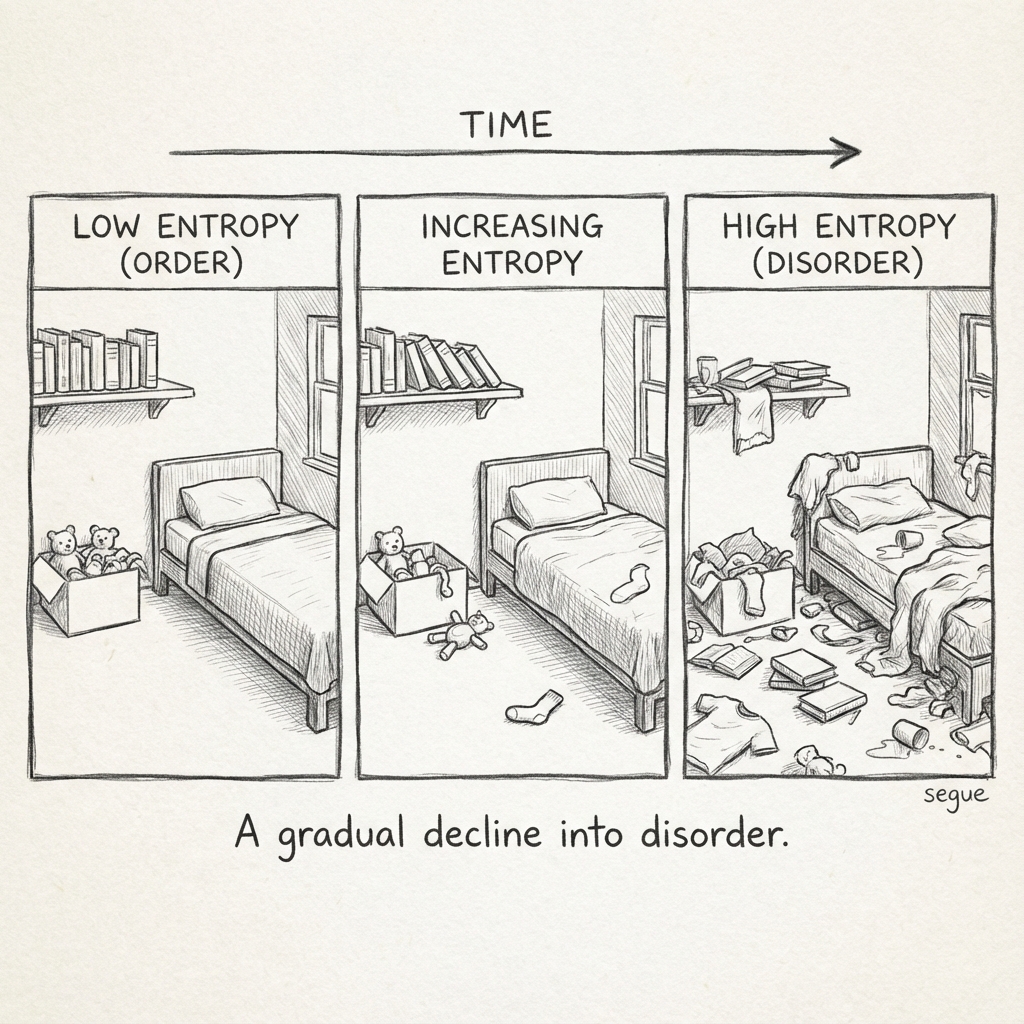
entropy
/ˈɛntɹəpi/a measure of uncertainty or randomness in information; the average information content
“The entropy of the message was high, indicating unpredictability.”

redundancy
/ɹɪˈdəndənsi/the use of more information than necessary; repetition that aids error correction
“Natural language has high redundancy, allowing us to understand garbled speech.”
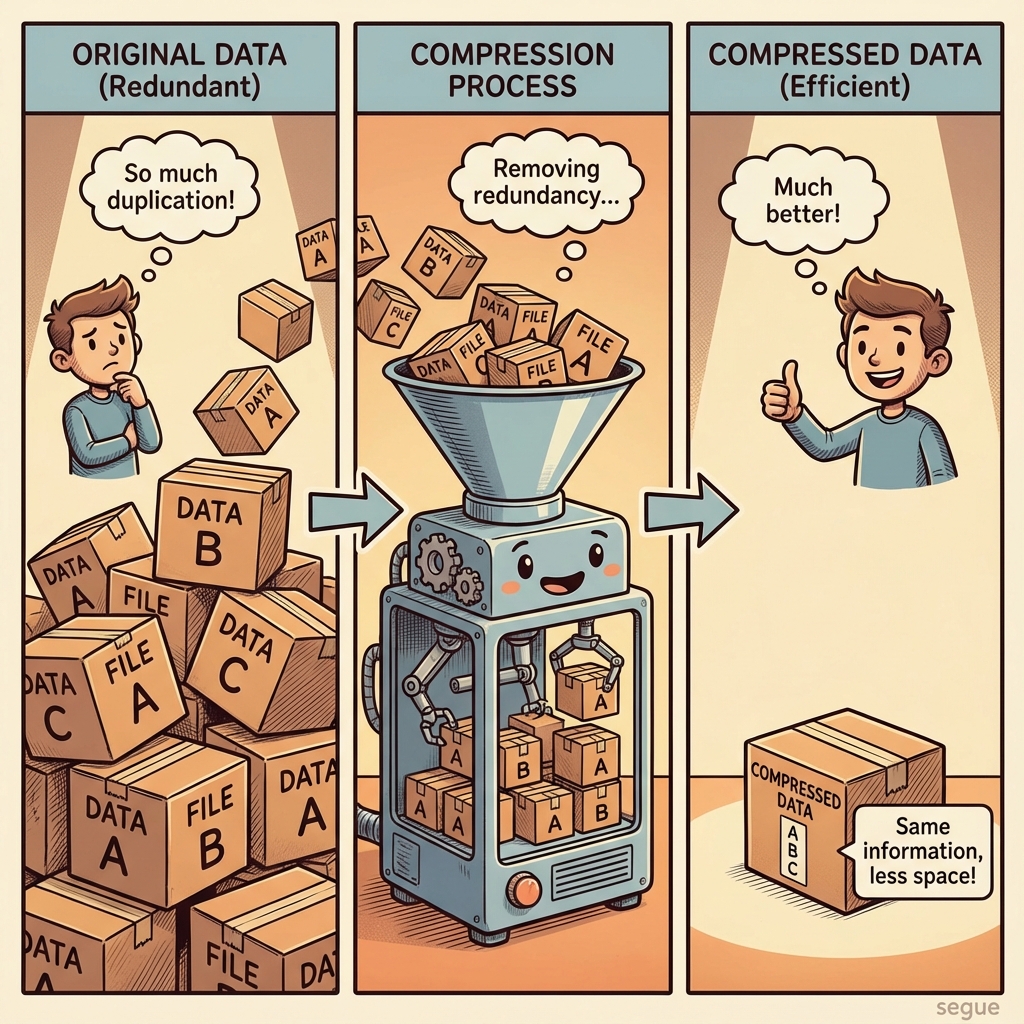
compression
/kəmˈpɹɛʃən/reducing the size of data by eliminating redundancy
“Effective compression preserves meaning while removing unnecessary bits.”
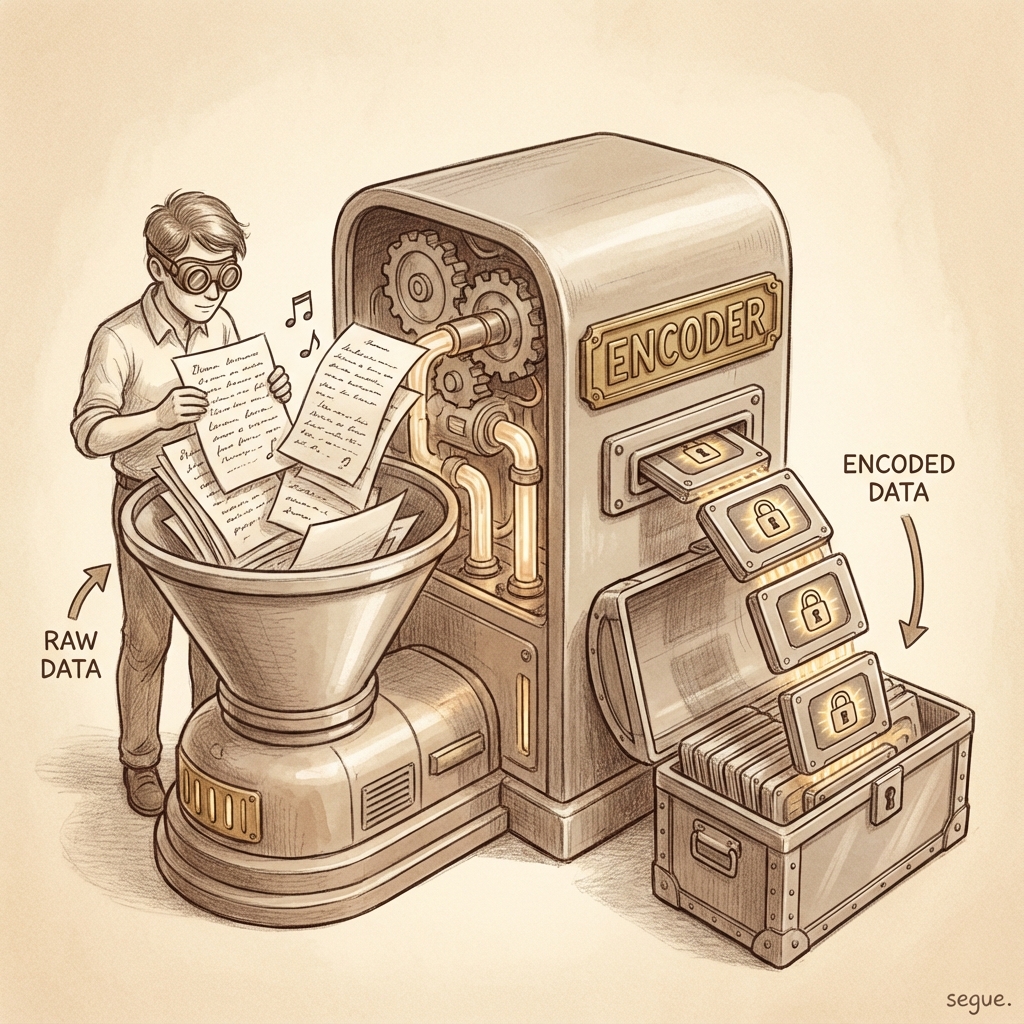
encoding
/ɛnˈkoʊdɪŋ/converting information from one form to another for transmission or storage
“The brain encodes experiences into neural patterns.”
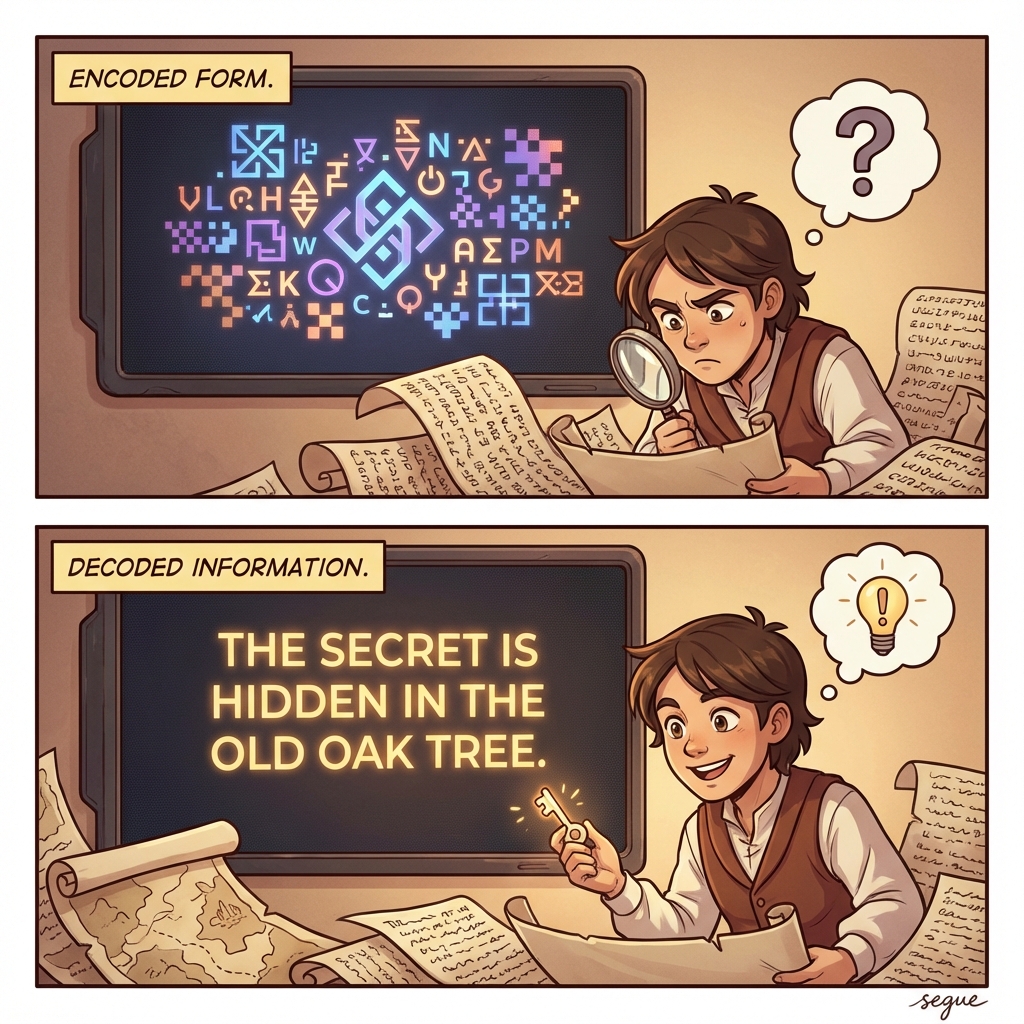
decoding
/dɪˈkoʊdɪŋ/extracting the original information from an encoded form
“Decoding the signal required understanding the sender's conventions.”
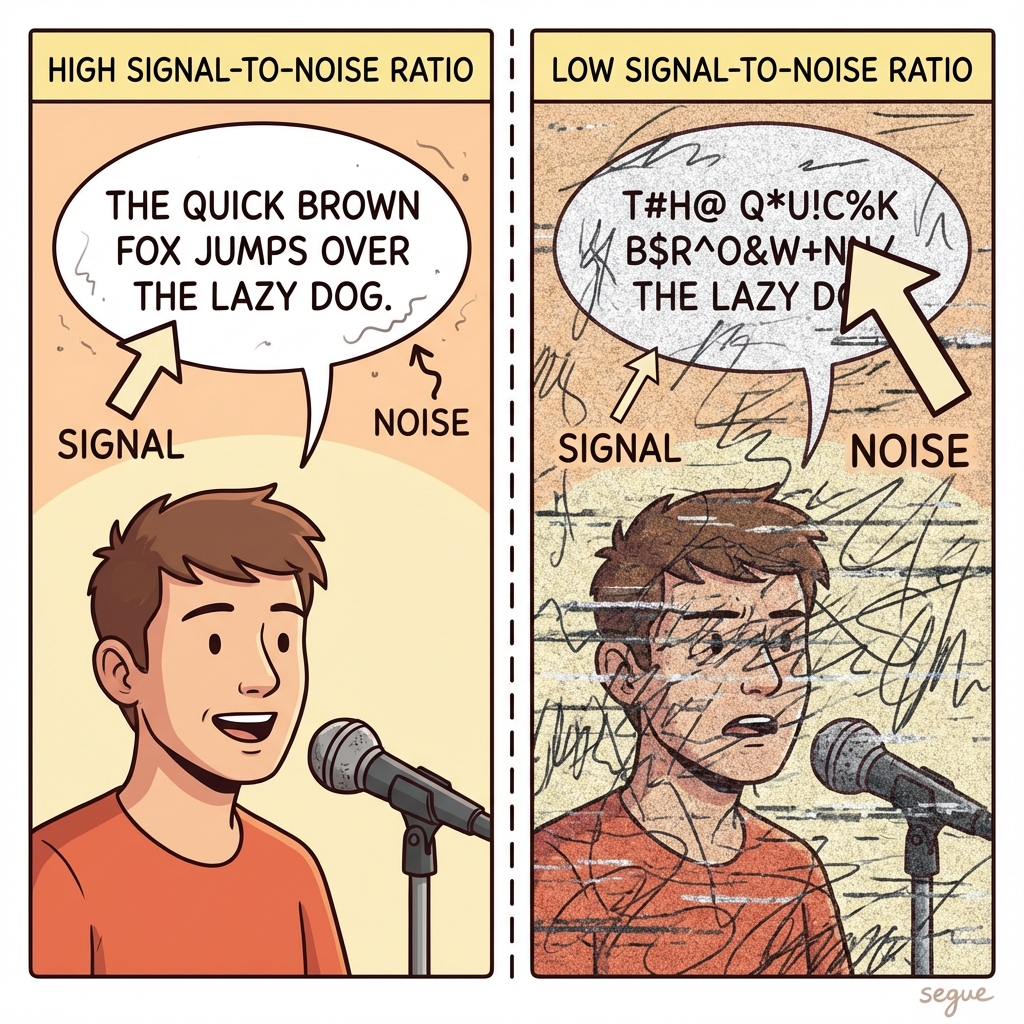
signal-to-noise ratio
/ˈsɪɡnəl tə ˌnɔɪz ˌreɪʃioʊ/the proportion of meaningful information to irrelevant interference
“The meeting had a low signal-to-noise ratio—mostly off-topic chatter.”

bandwidth
/ˈbændwɪdθ/the capacity of a channel to transmit information; cognitive processing capacity
“I don't have the bandwidth to take on another project.”

lossless
/ˈlɔːsləs/preserving all original information through transformation
“The summary was not lossless—key nuances were omitted.”
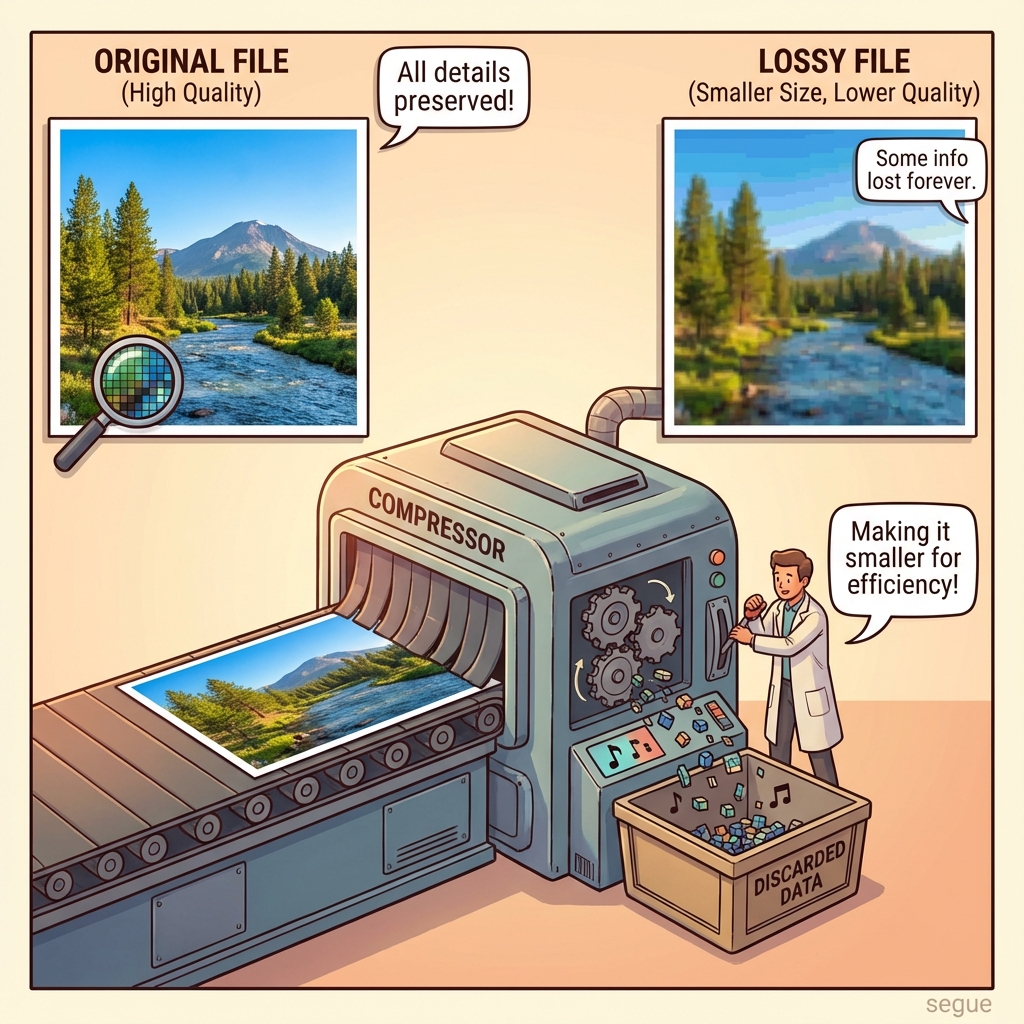
lossy
/ˈlɔːsi/sacrificing some information for efficiency or simplicity
“Human memory is inherently lossy, retaining gist over detail.”
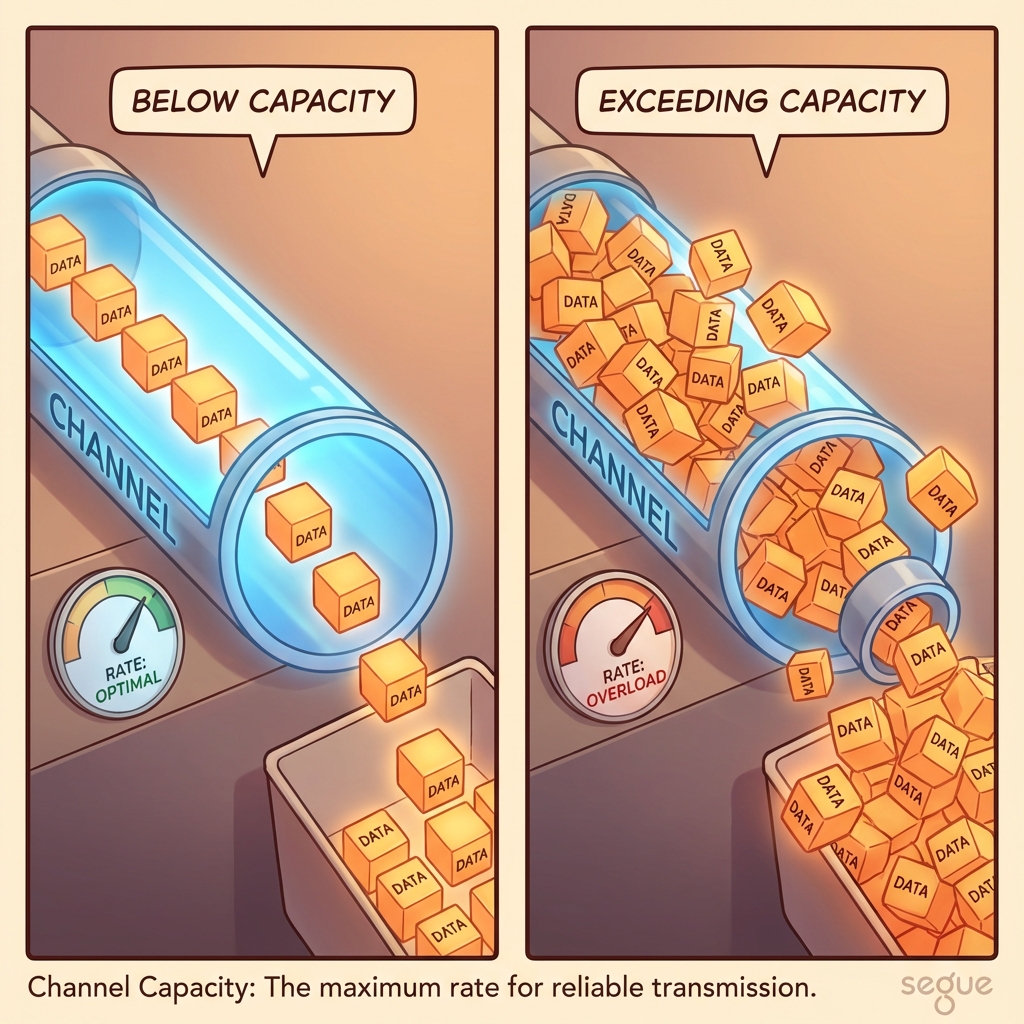
channel capacity
/ˈtʃænəl kəˌpæsɪti/the maximum rate at which information can be reliably transmitted
“The channel capacity of human attention is surprisingly limited.”
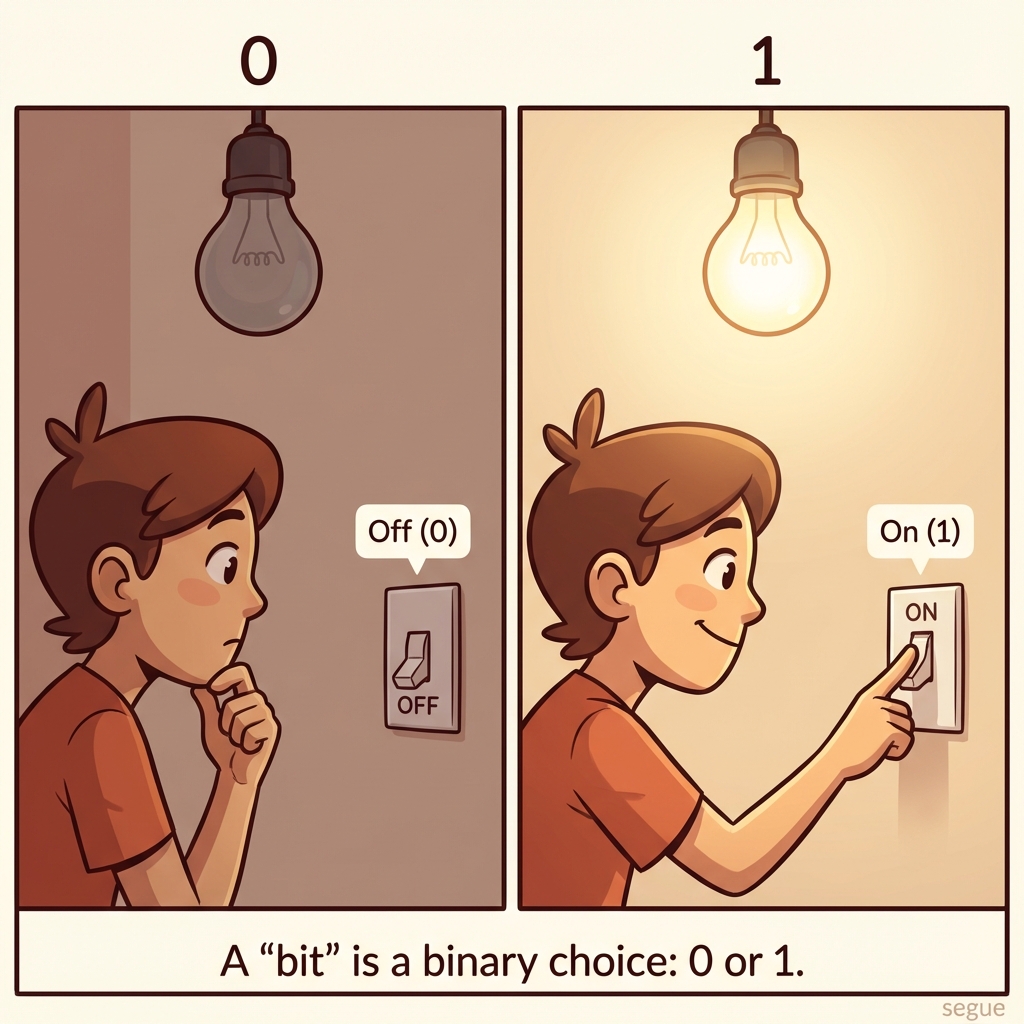
bit
/ˈbɪt/the fundamental unit of information; a binary choice
“Each yes/no question extracts one bit of information.”
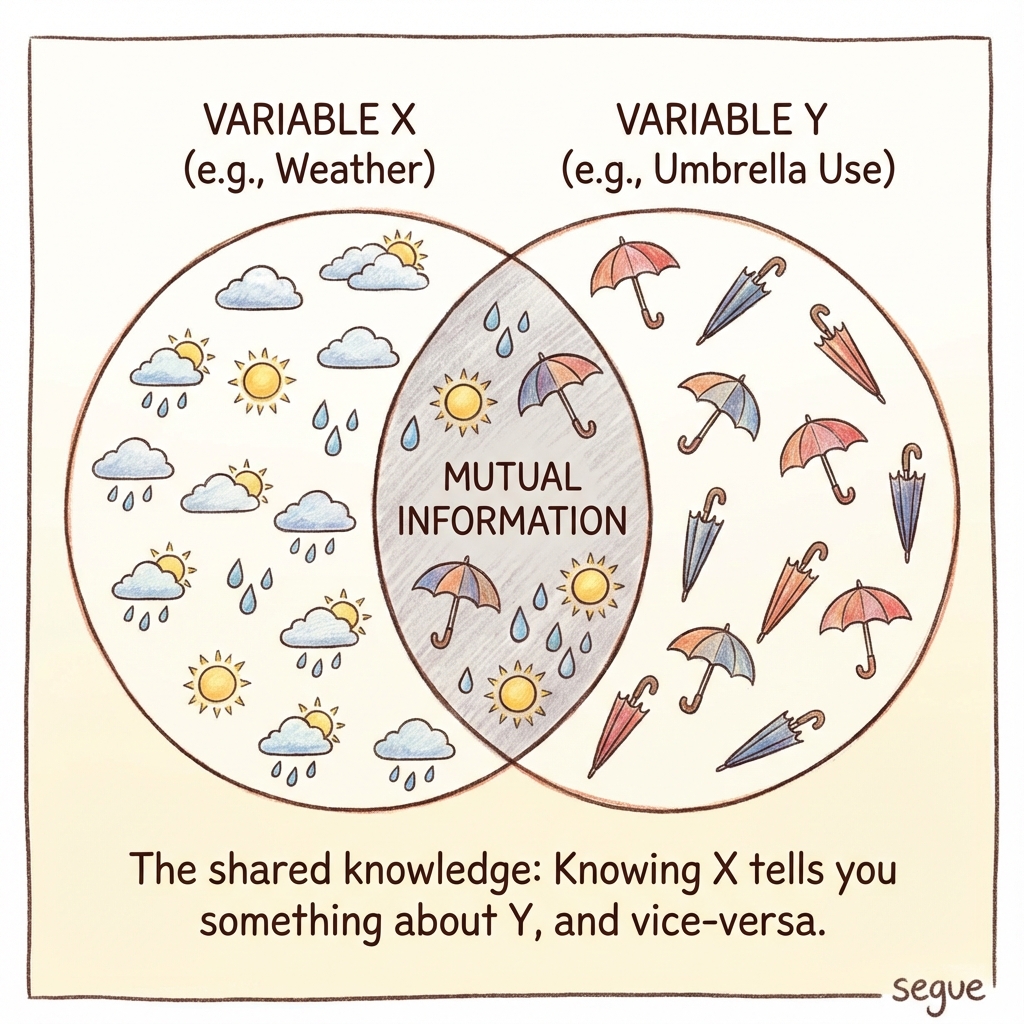
mutual information
/ˌmjuːtʃuəl ˌɪnfərˈmeɪʃən/the amount of information one variable contains about another
“The high mutual information between the signals suggested a common source.”
More from Technology & Systems
Explore other vocabulary categories in this collection.