Loading collection...
💬
Idioms & Expressions Vocabulary
Common English idioms and figurative expressions
43 words
All 43 Words
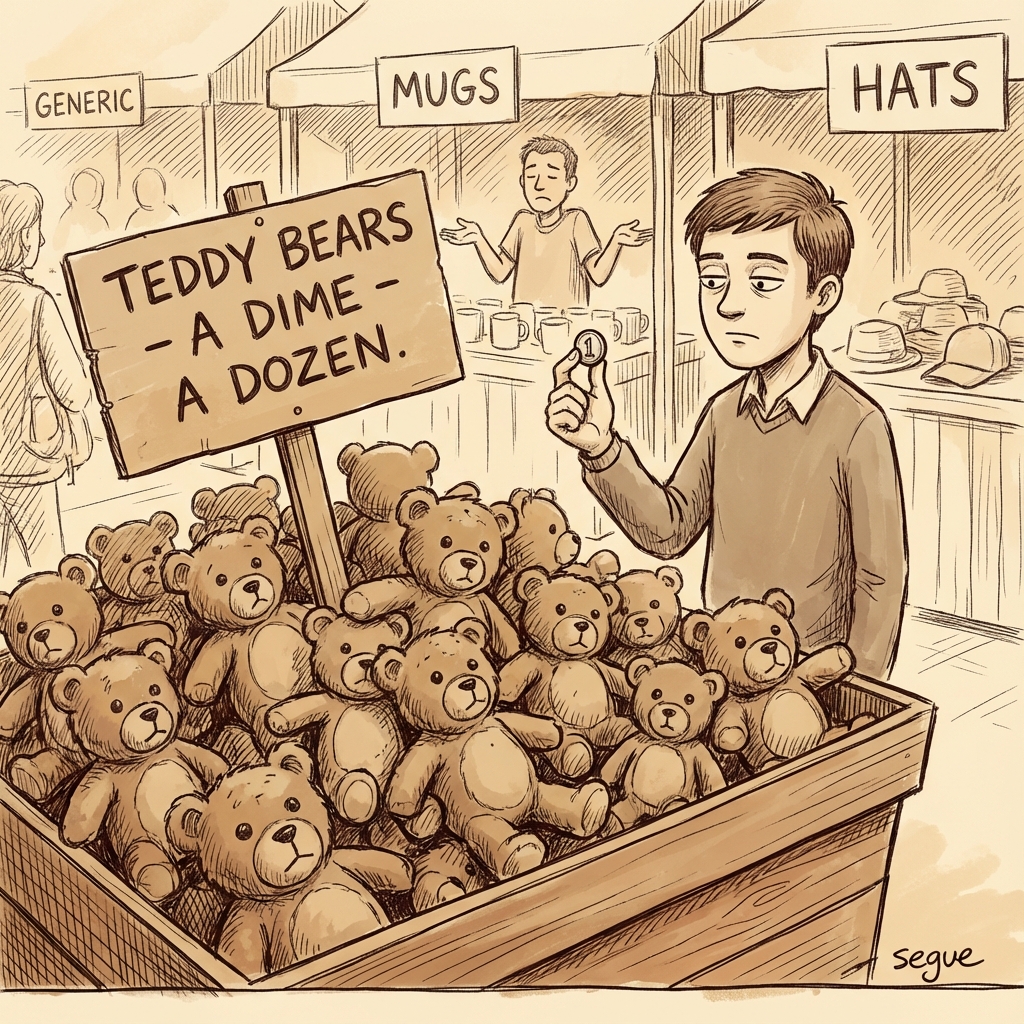
a dime a dozen
/ə ˌdaɪm ə ˈdʌzən/very common and of little value
“Good ideas are a dime a dozen; execution is what matters.”
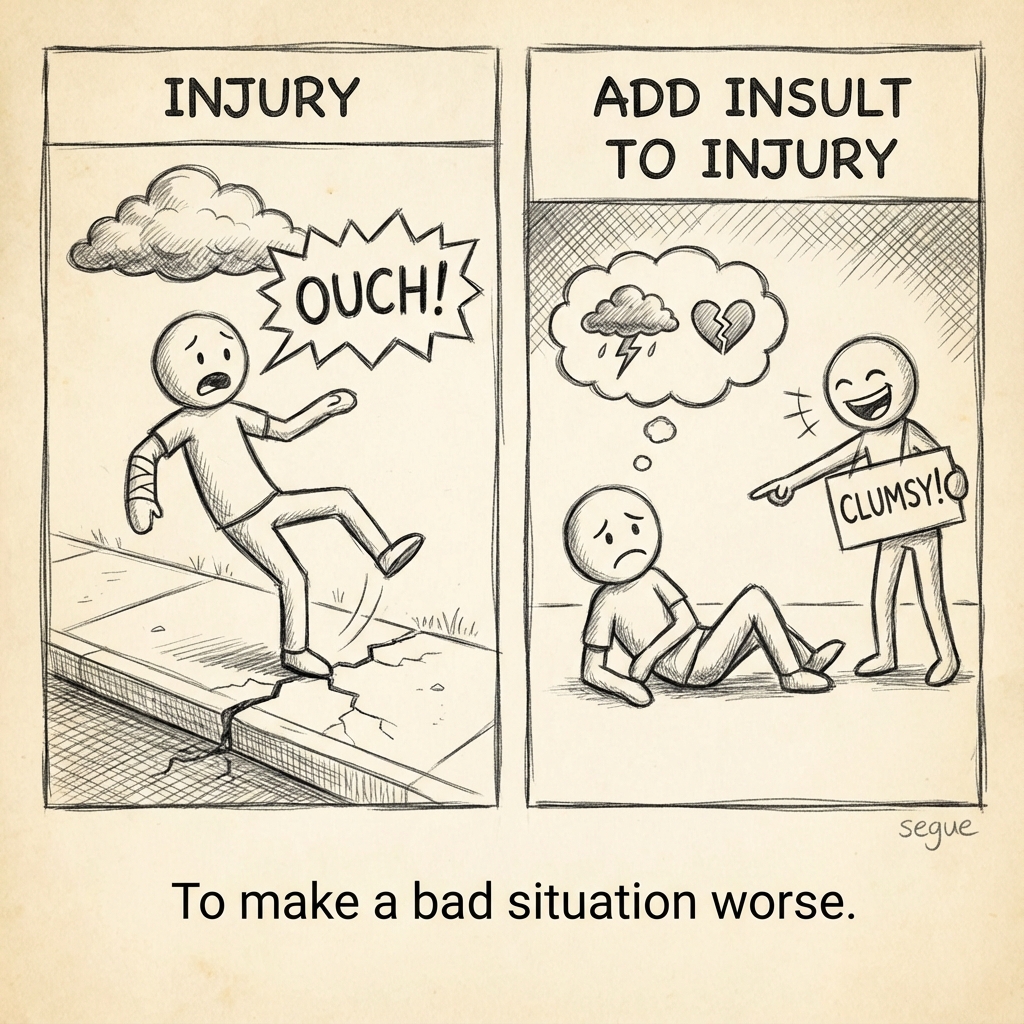
add insult to injury
/ˌæd ɪnˌsʌlt tuː ˈɪndʒəri/to make a bad situation worse
“They fired him and, to add insult to injury, escorted him out.”
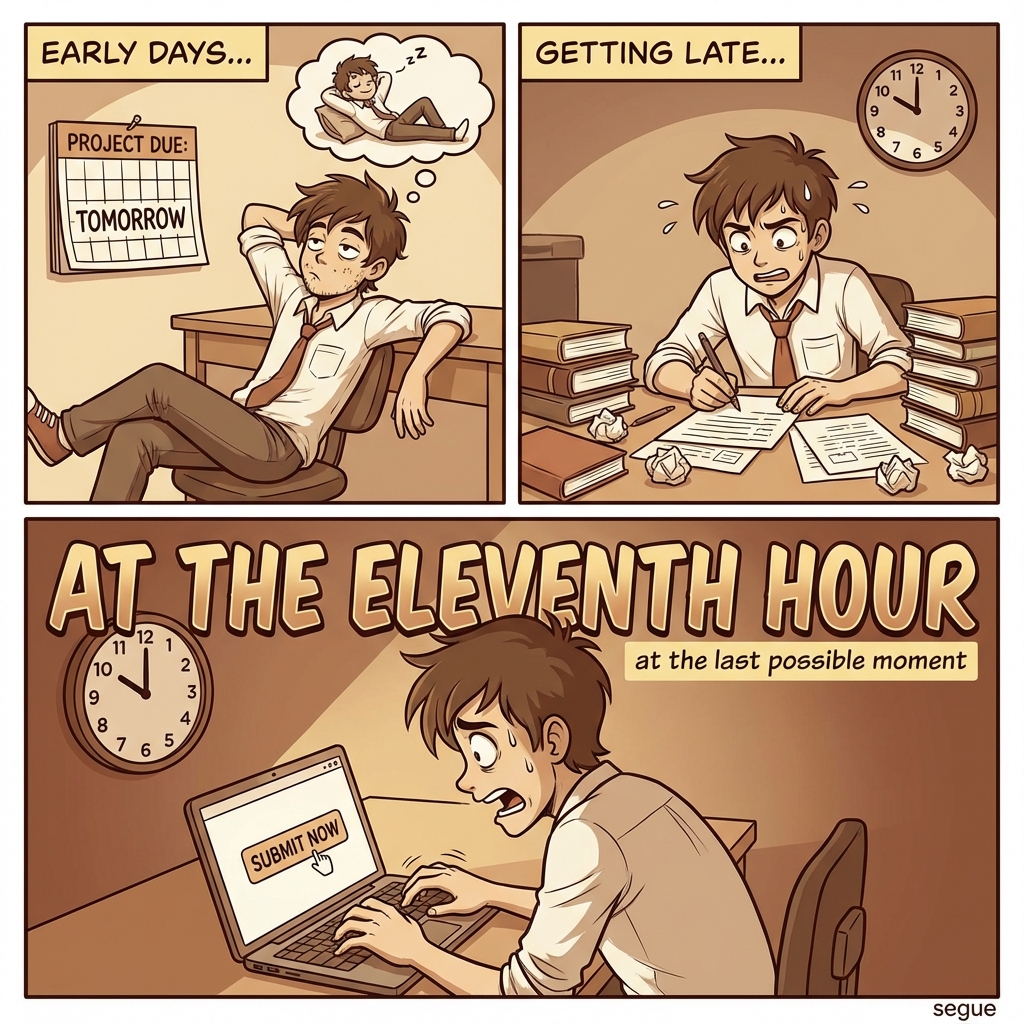
at the eleventh hour
/æt ði ɪˌlevənθ ˈaʊər/at the last possible moment
“The deal was saved at the eleventh hour.”
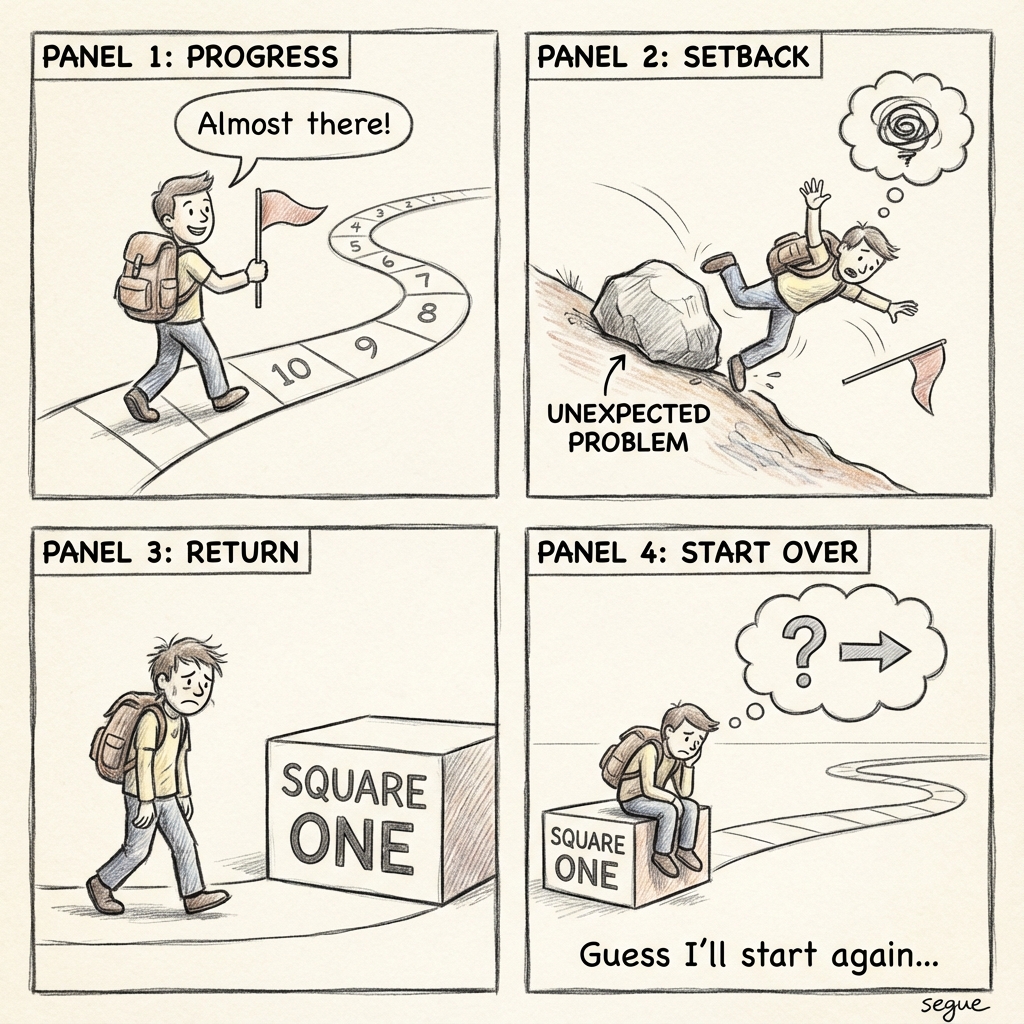
back to square one
/ˌbæk tə ˌskweər ˈwʌn/returning to the starting point after a setback
“The project failed, so we're back to square one.”
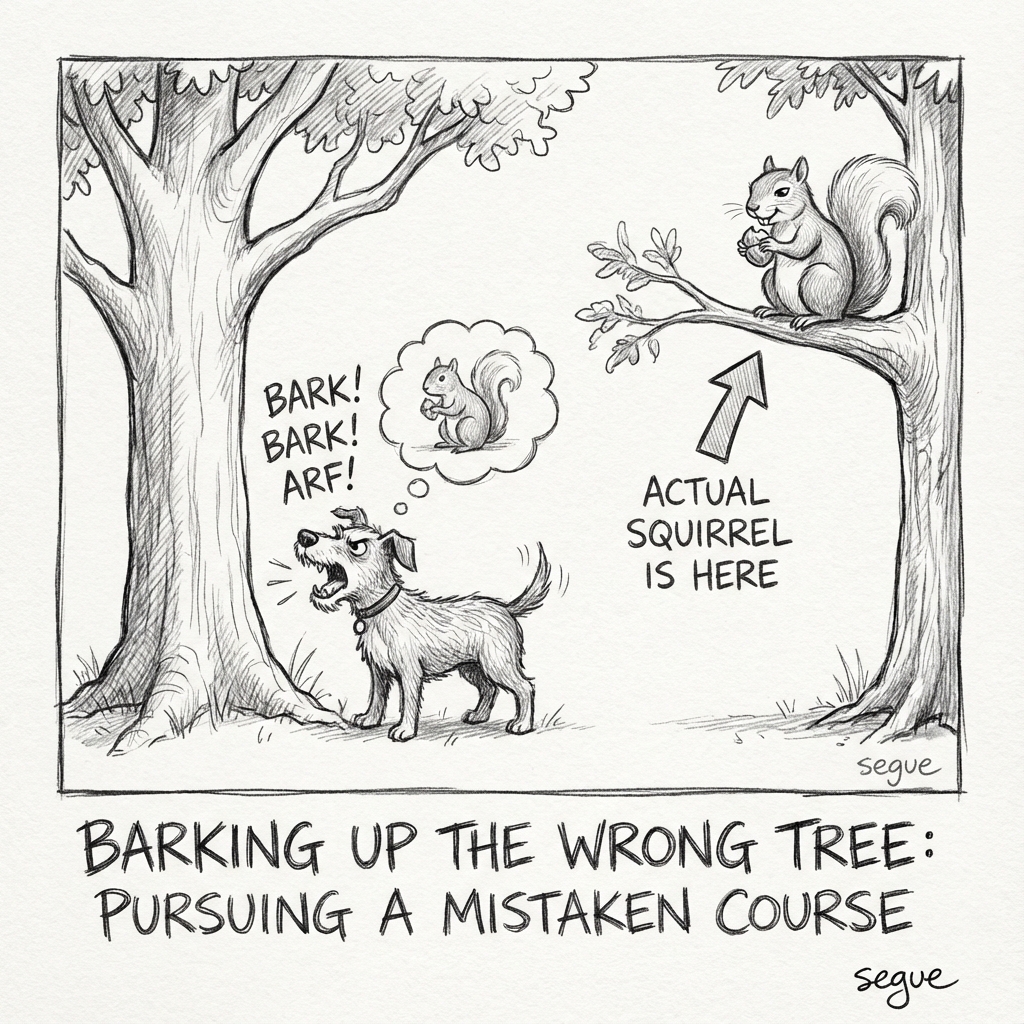
barking up the wrong tree
/ˌbɑːrkɪŋ ʌp ðə ˌrɒŋ ˈtriː/pursuing a mistaken or misguided course
“If you think I took your keys, you're barking up the wrong tree.”
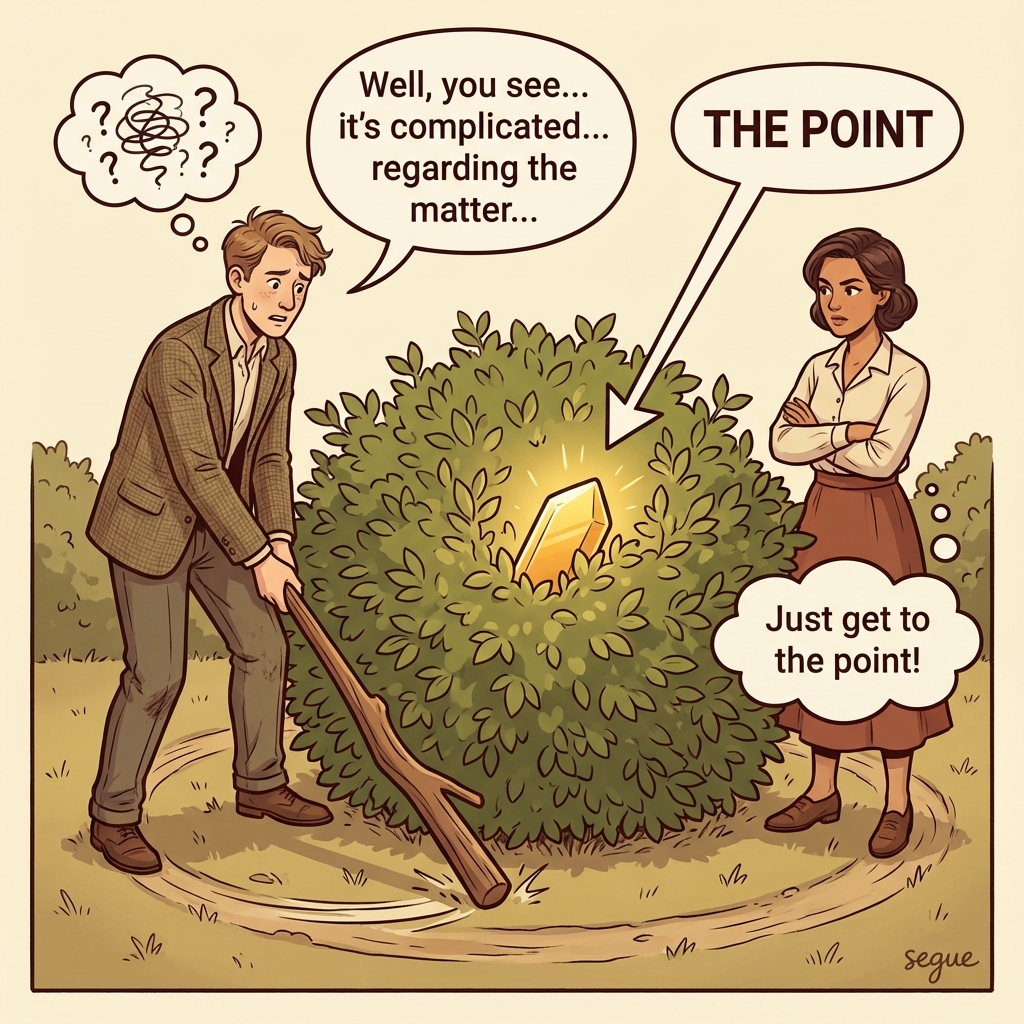
beat around the bush
/ˌbiːt əˌraʊnd ðə ˈbʊʃ/to avoid getting to the point; speak evasively
“Stop beating around the bush and tell me what happened.”
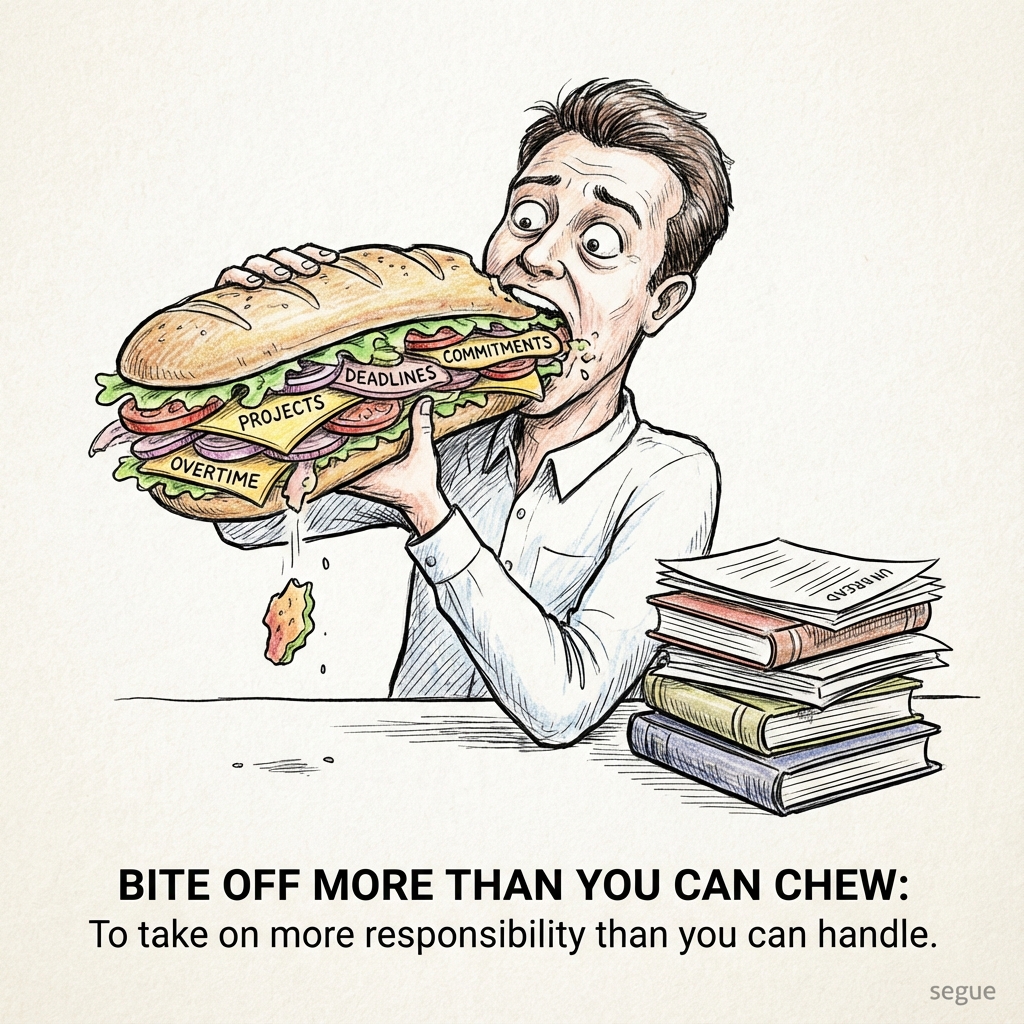
bite off more than you can chew
/ˌbaɪt ɔːf ˌmɔːr ðən jə kæn ˈtʃuː/to take on more responsibility than you can handle
“By accepting three projects, she bit off more than she could chew.”
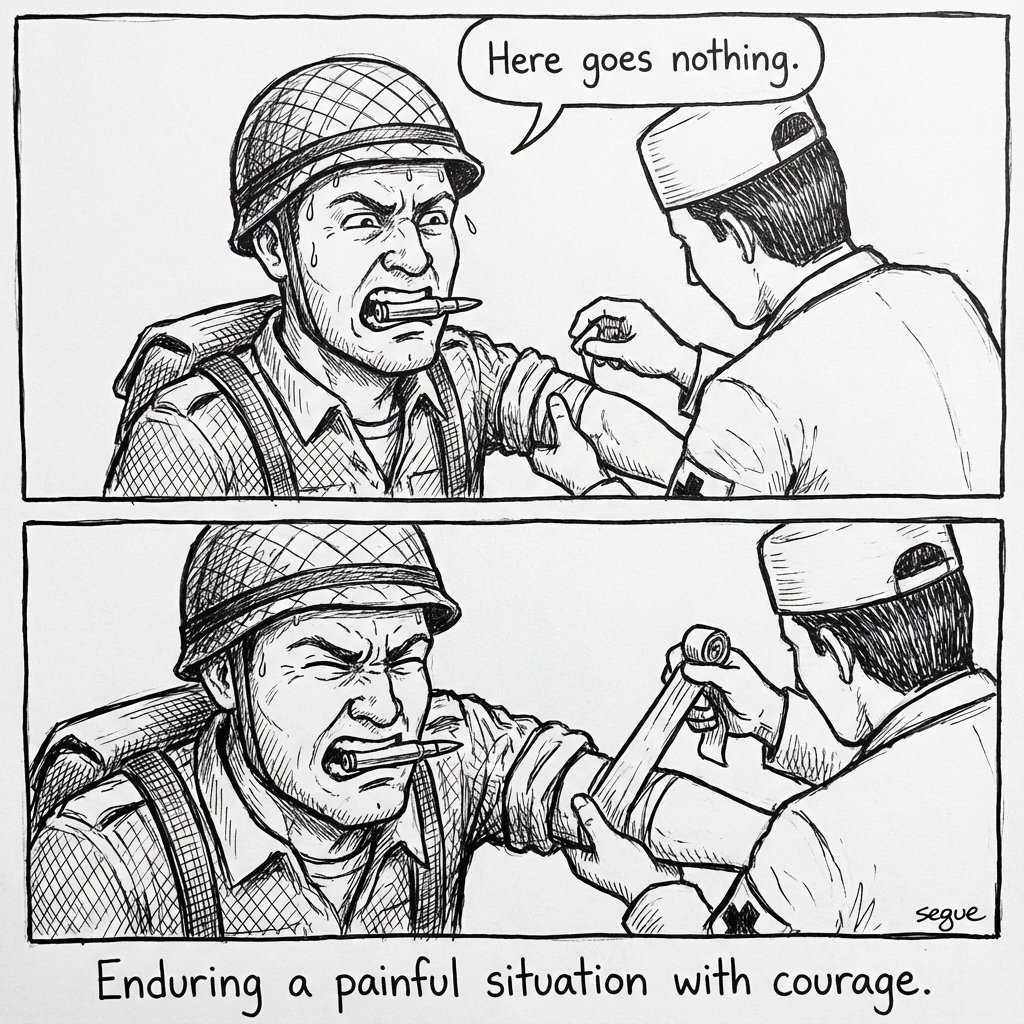
bite the bullet
/ˌbaɪt ðə ˈbʊlɪt/to endure a painful situation with courage
“I decided to bite the bullet and have the difficult conversation.”
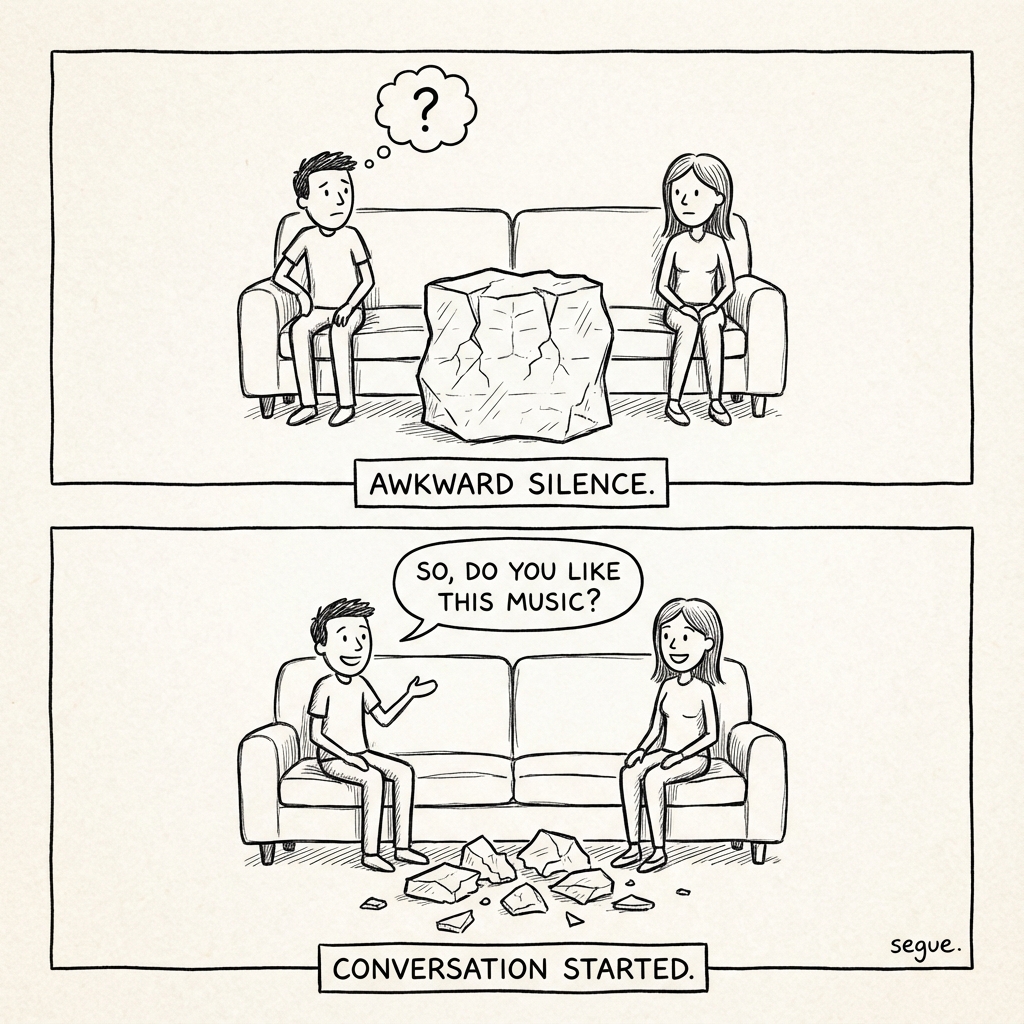
break the ice
/ˌbreɪk ði ˈaɪs/to initiate conversation in a social setting
“His joke helped break the ice at the awkward meeting.”
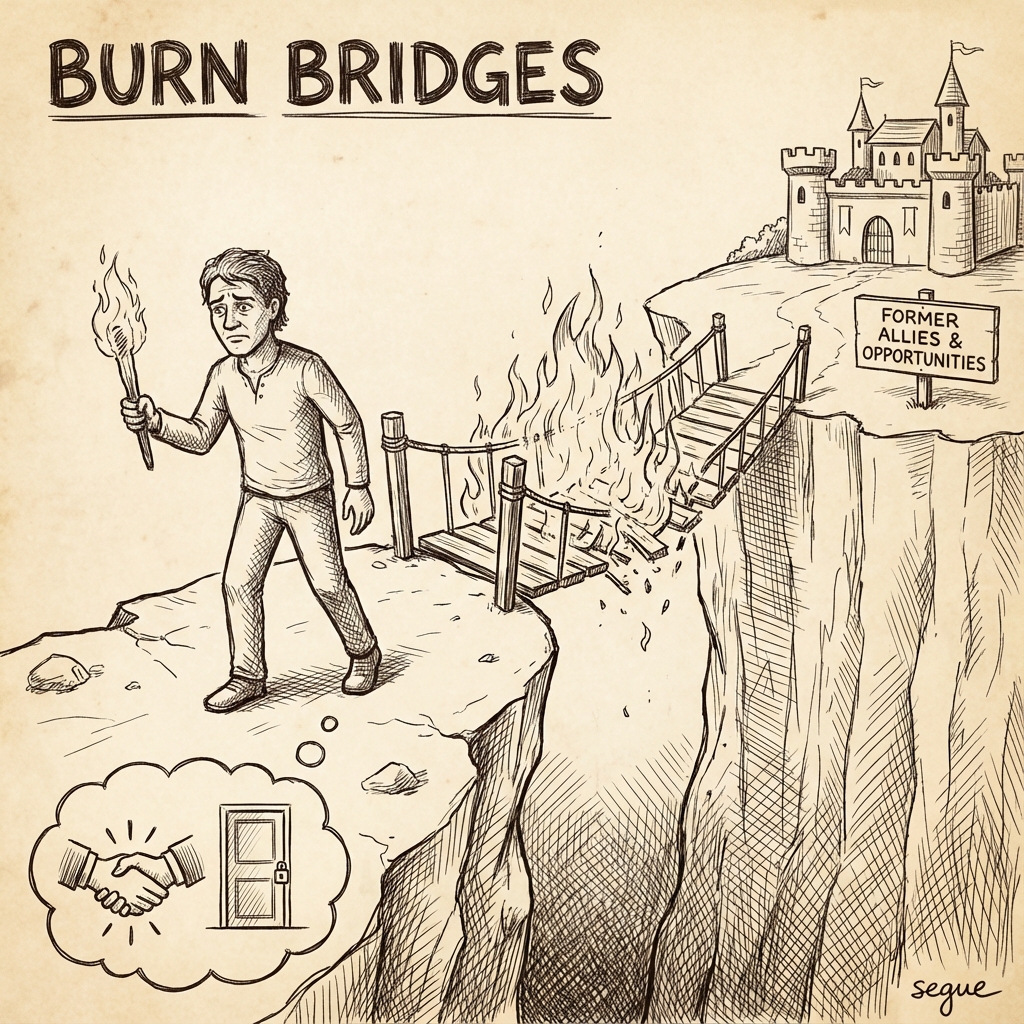
burn bridges
/ˌbɜːrn ˈbrɪdʒɪz/to destroy relationships or opportunities permanently
“Don't burn bridges—you might need those contacts later.”

burn the midnight oil
/ˌbɜːrn ðə ˌmɪdnaɪt ˈɔɪl/to work late into the night
“She burned the midnight oil to finish the proposal.”
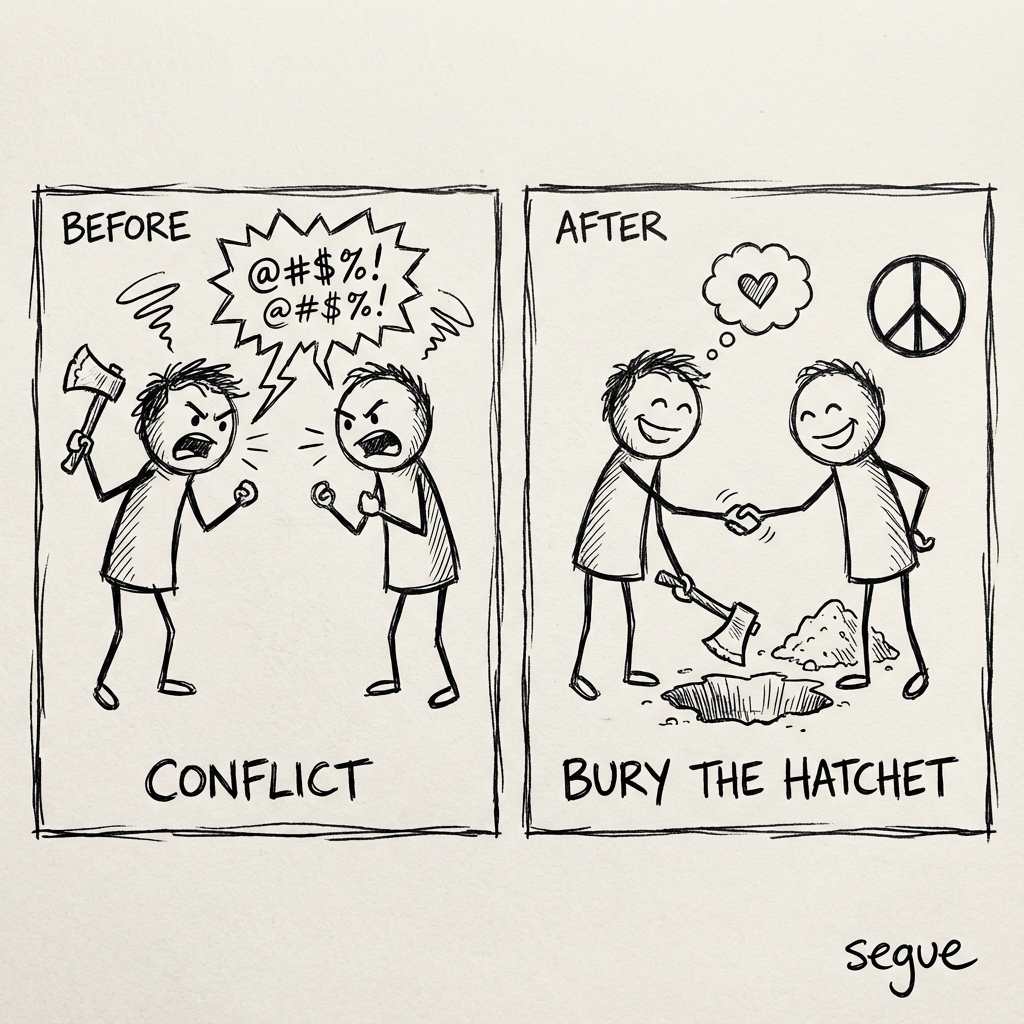
bury the hatchet
/ˌberi ðə ˈhætʃɪt/to make peace; end a conflict
“After years of feuding, they finally buried the hatchet.”
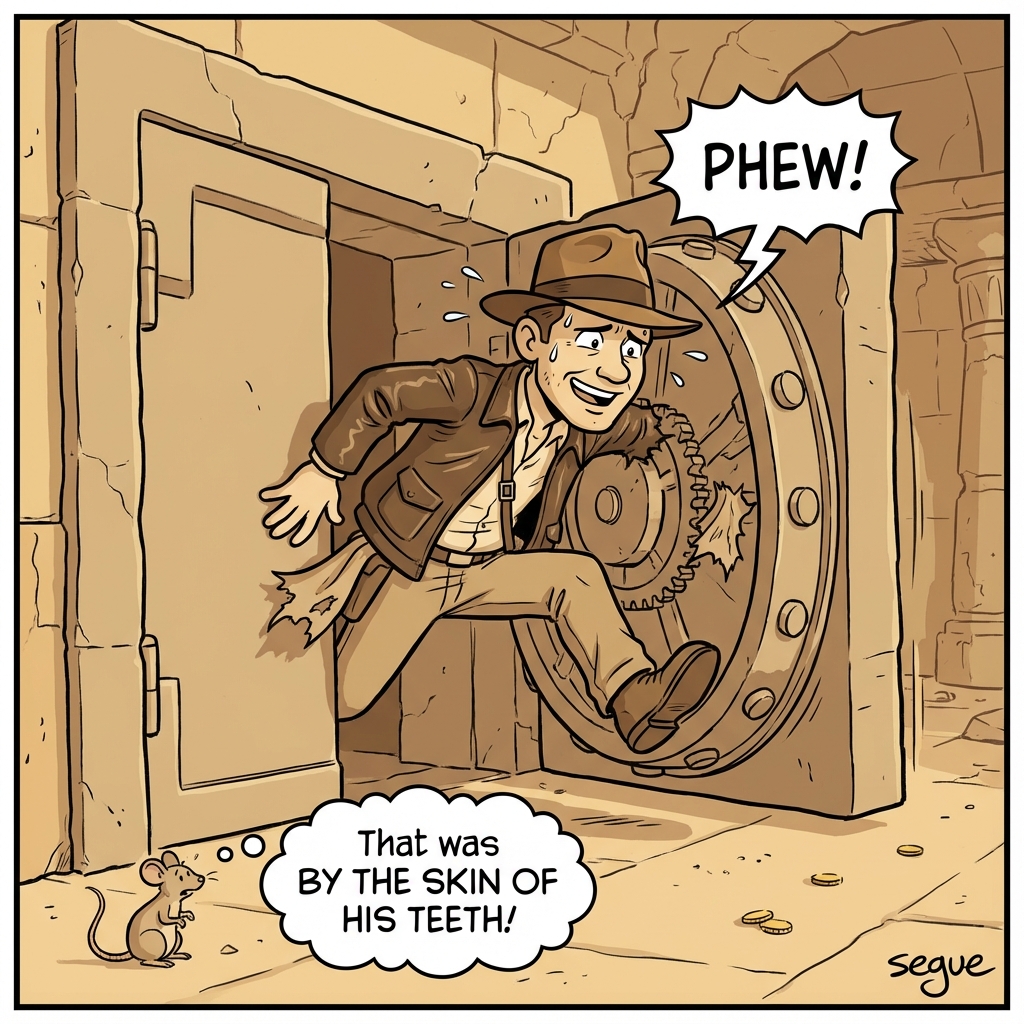
by the skin of one's teeth
/baɪ ðə ˌskɪn əv wʌnz ˈtiːθ/just barely; by a very narrow margin
“He passed the exam by the skin of his teeth.”
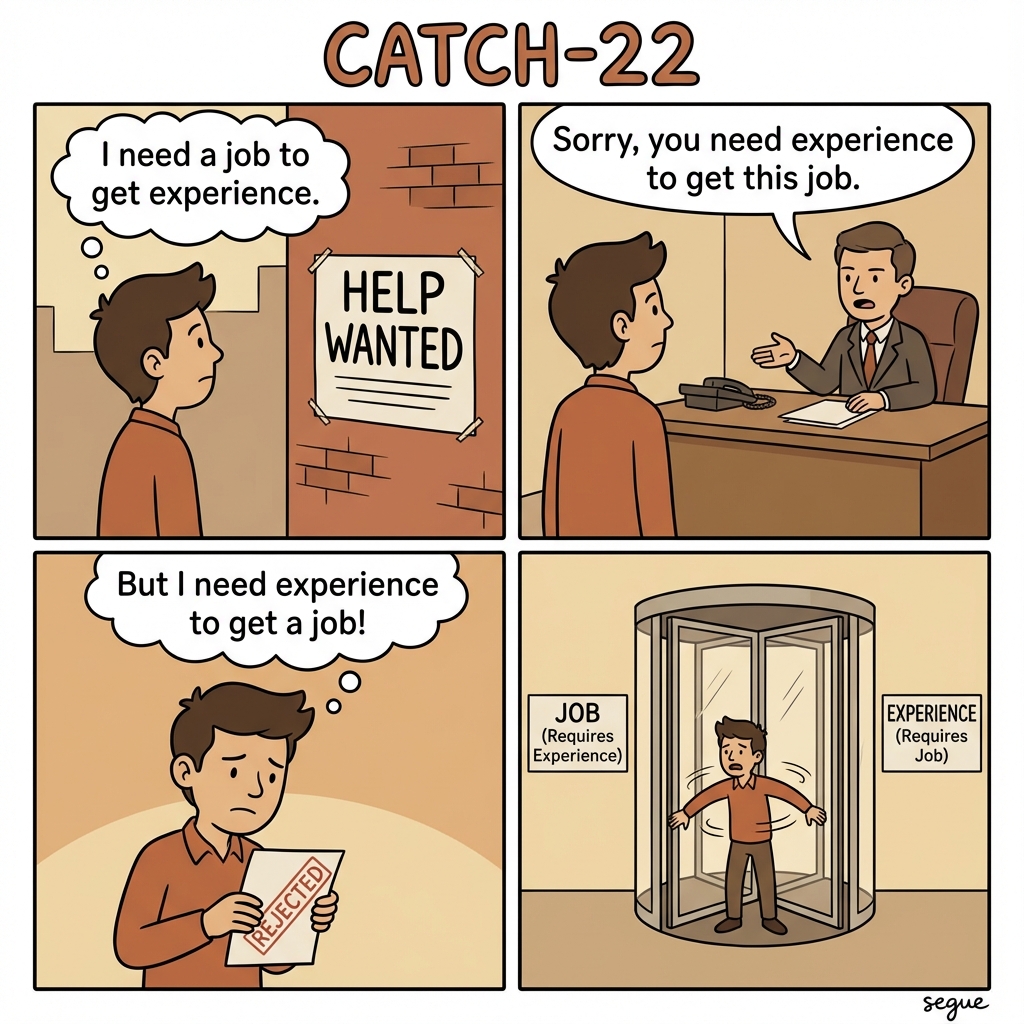
catch-22
/ˌkætʃ twentiˈtuː/a paradoxical situation with no escape due to contradictory rules
“It's a catch-22: you need experience to get hired, but you need a job to get experience.”
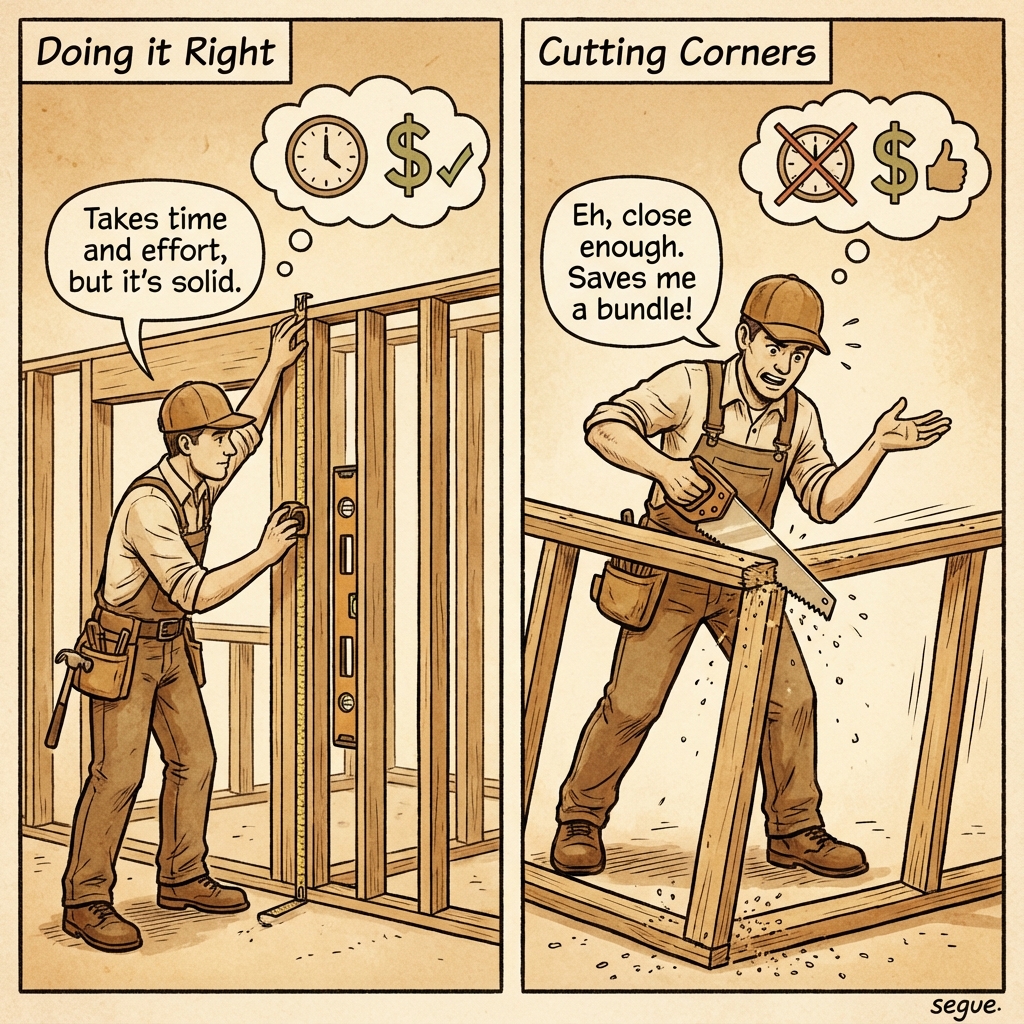
cut corners
/ˌkʌt ˈkɔːrnərz/to do something in the easiest or cheapest way
“The contractor cut corners, and the building had problems.”
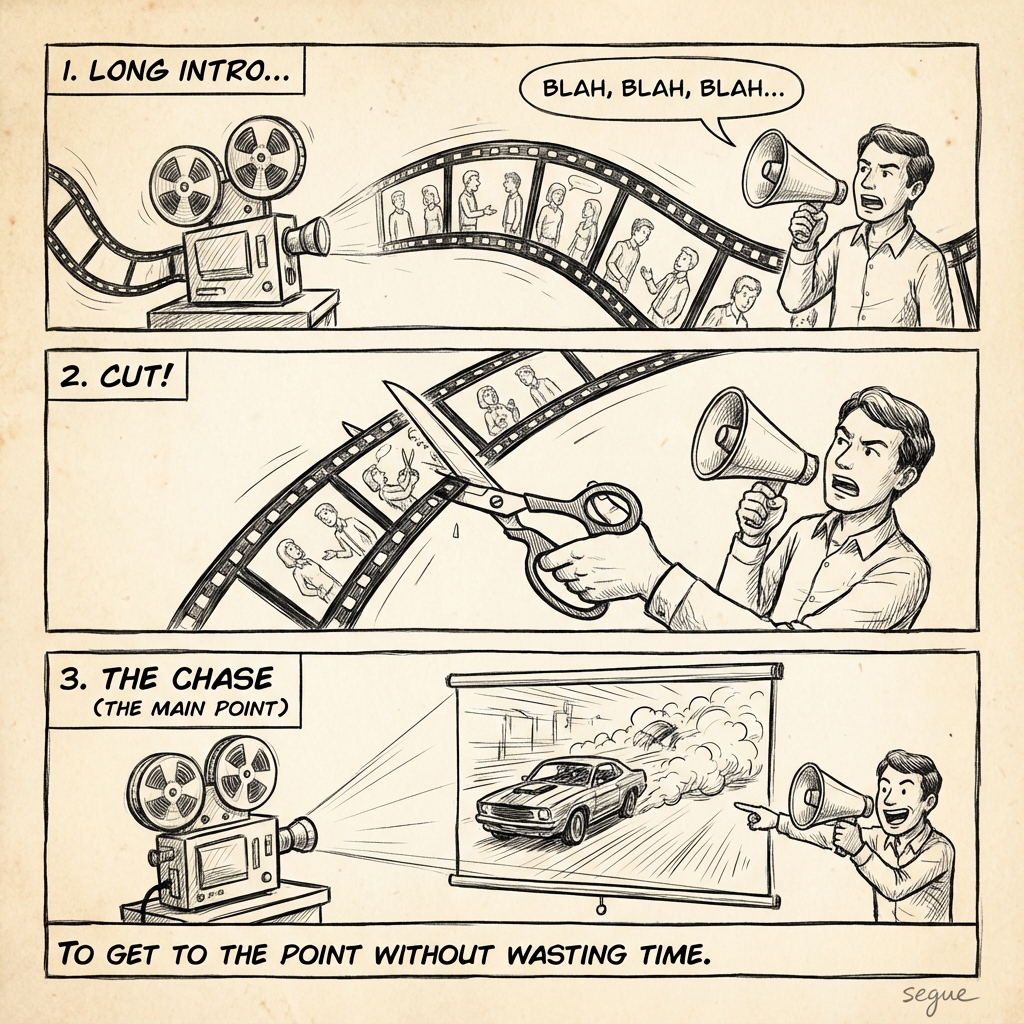
cut to the chase
/ˌkʌt tə ðə ˈtʃeɪs/to get to the point without wasting time
“Let's cut to the chase—what's your offer?”
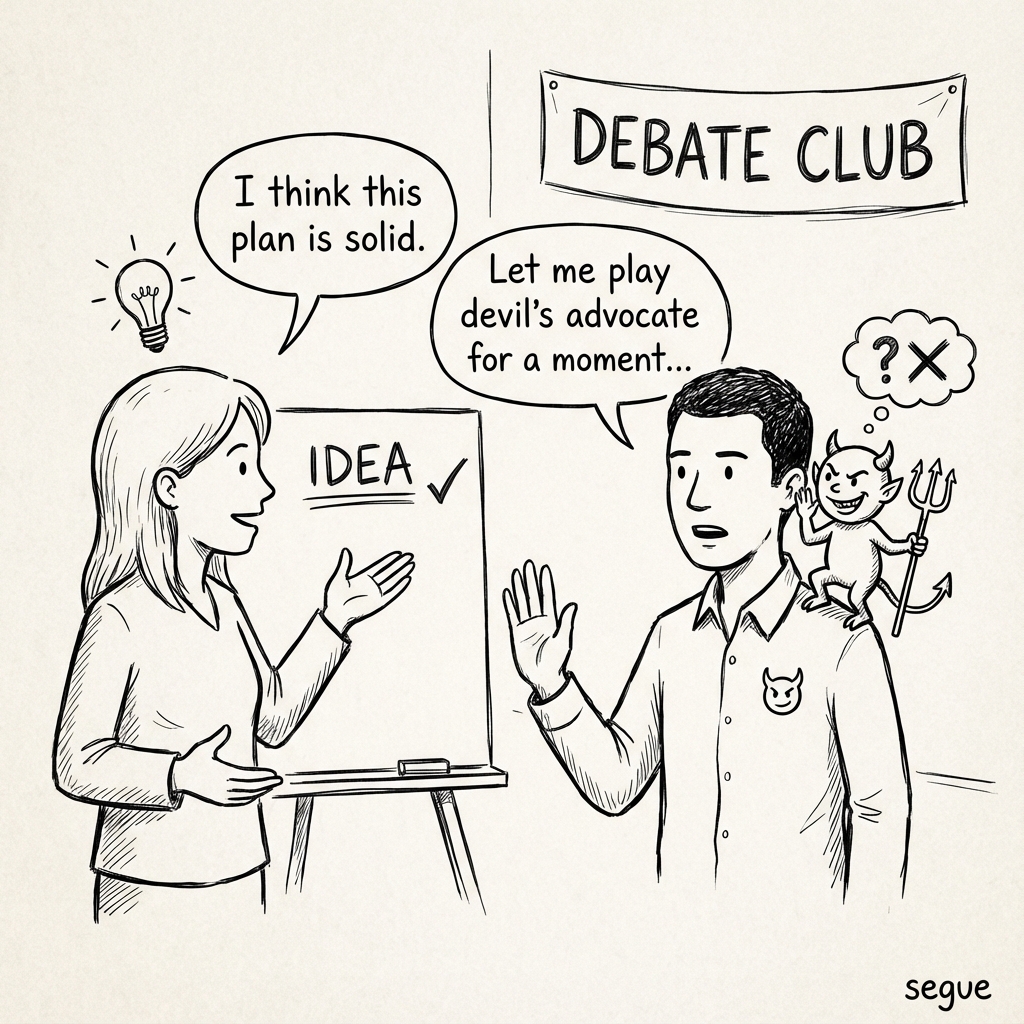
devil's advocate
/ˌdevəlz ˈædvəkət/one who argues against something for the sake of debate
“Let me play devil's advocate and challenge your assumptions.”
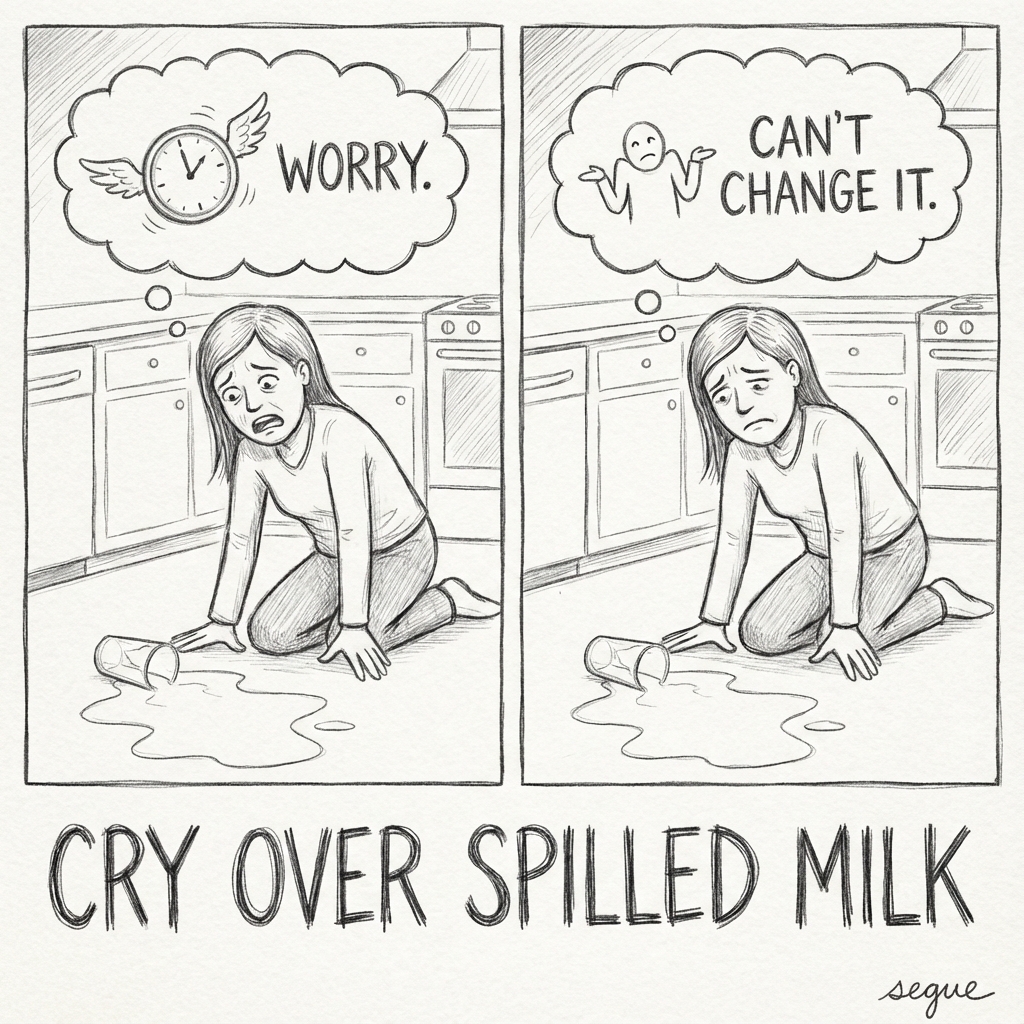
don't cry over spilled milk
/ˌdoʊnt ˌkraɪ ˌoʊvər ˌspɪld ˈmɪlk/don't waste time worrying about things that can't be changed
“The mistake is done—don't cry over spilled milk.”
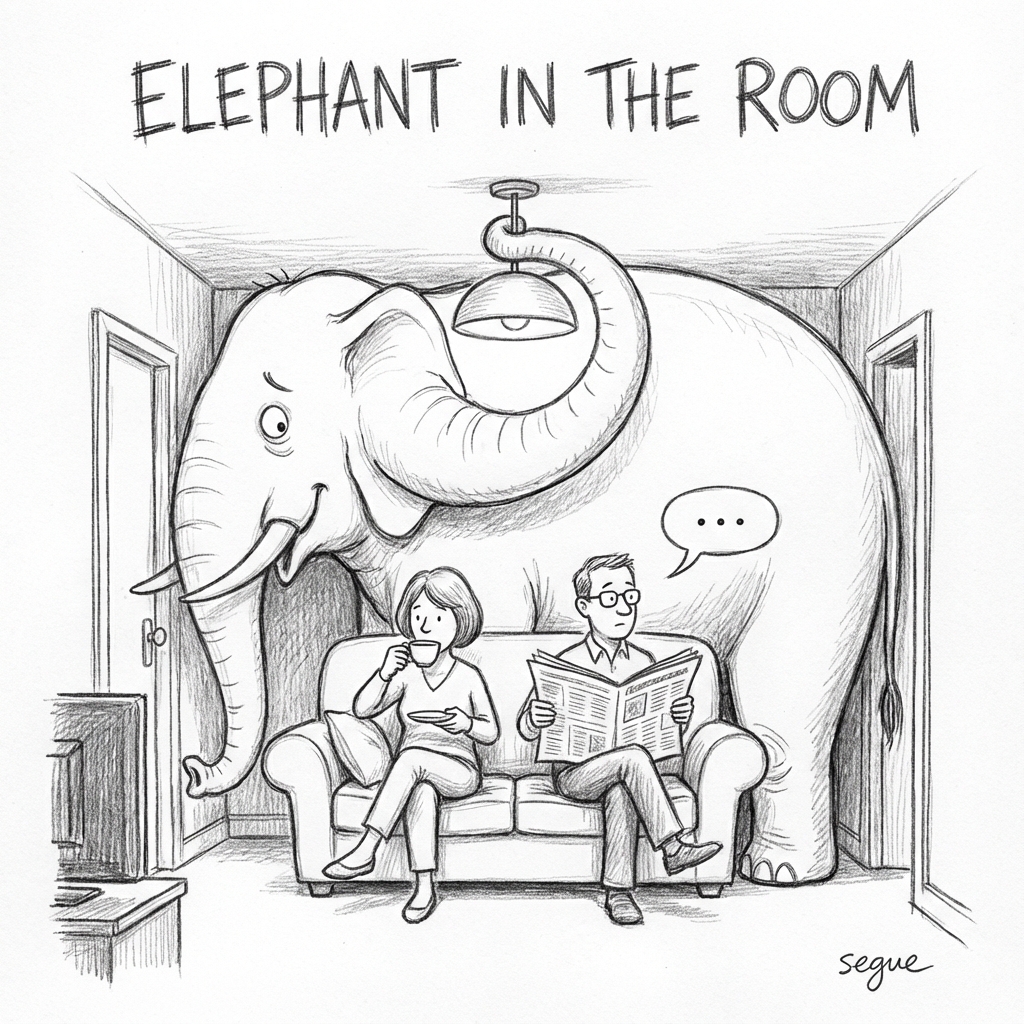
elephant in the room
/ˌeləfənt ɪn ðə ˈruːm/an obvious problem that everyone ignores
“The company's debt was the elephant in the room.”
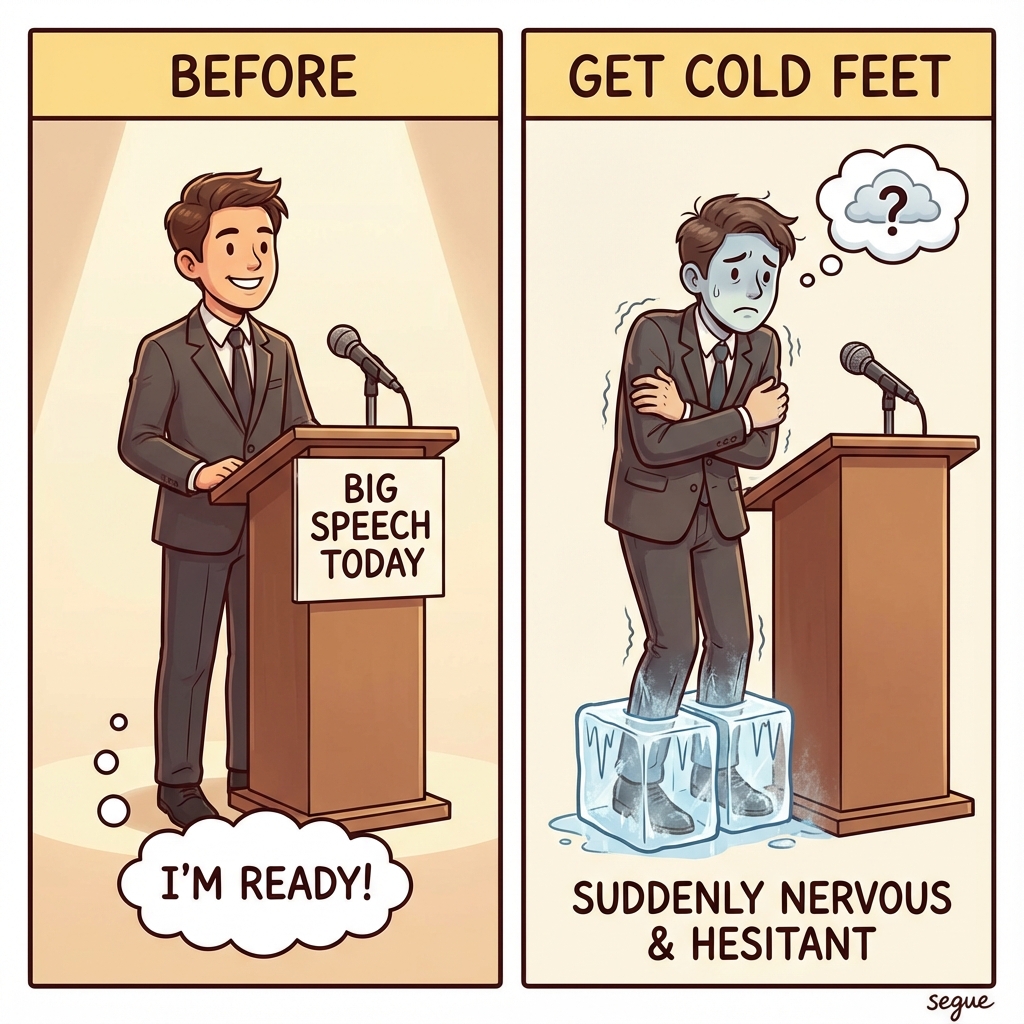
get cold feet
/ˌɡet koʊld ˈfiːt/to become nervous and hesitate before doing something
“He got cold feet and canceled the wedding.”
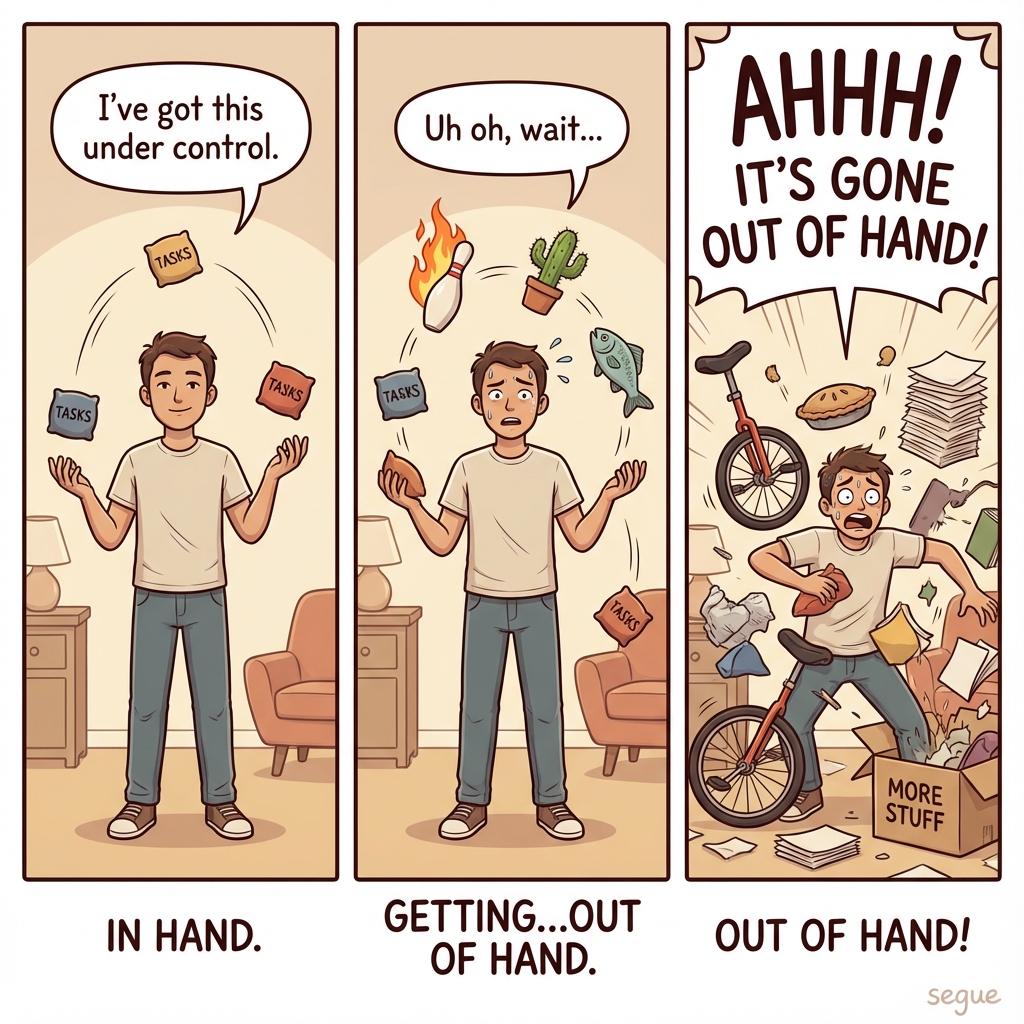
get out of hand
/ˌɡet aʊt əv ˈhænd/to become uncontrolled or unmanageable
“The protest got out of hand quickly.”
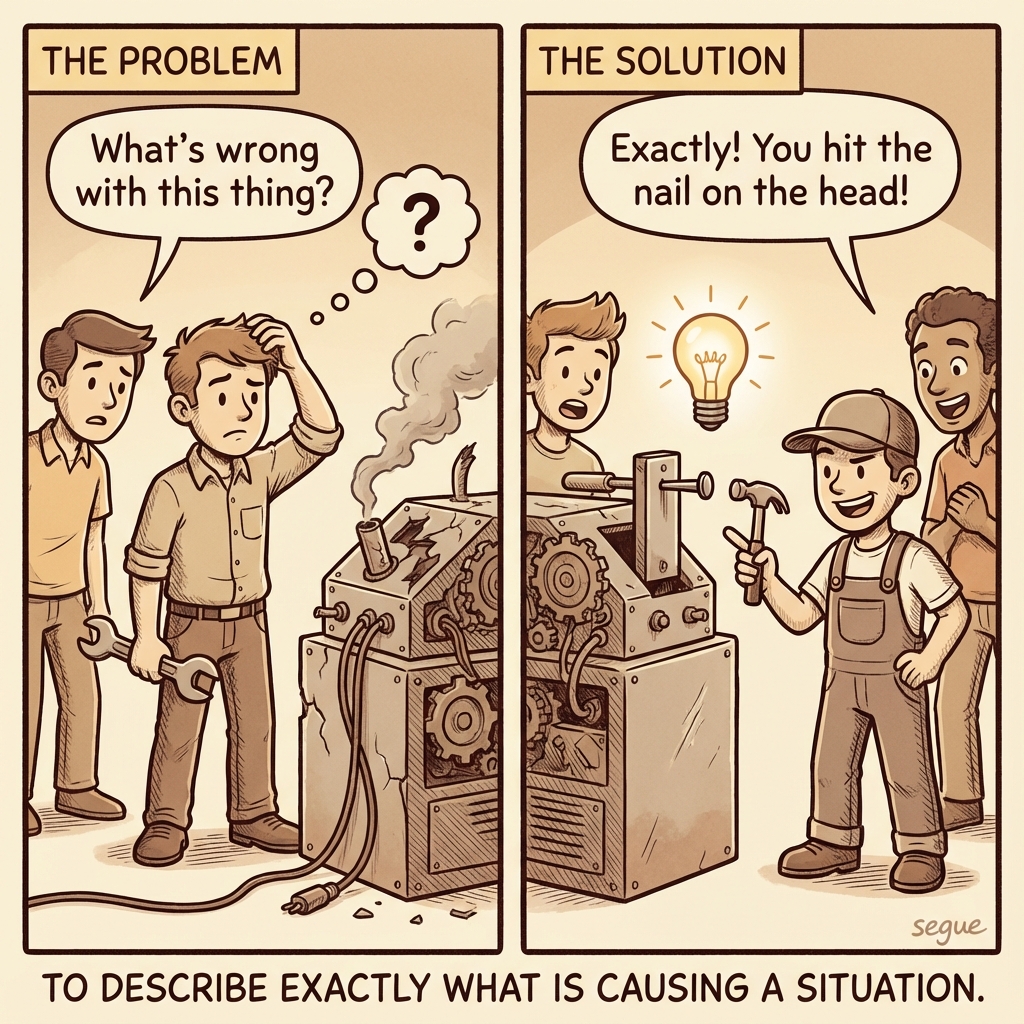
hit the nail on the head
/ˌhɪt ðə ˌneɪl ɒn ðə ˈhed/to describe exactly what is causing a situation
“You hit the nail on the head—that's exactly the problem.”
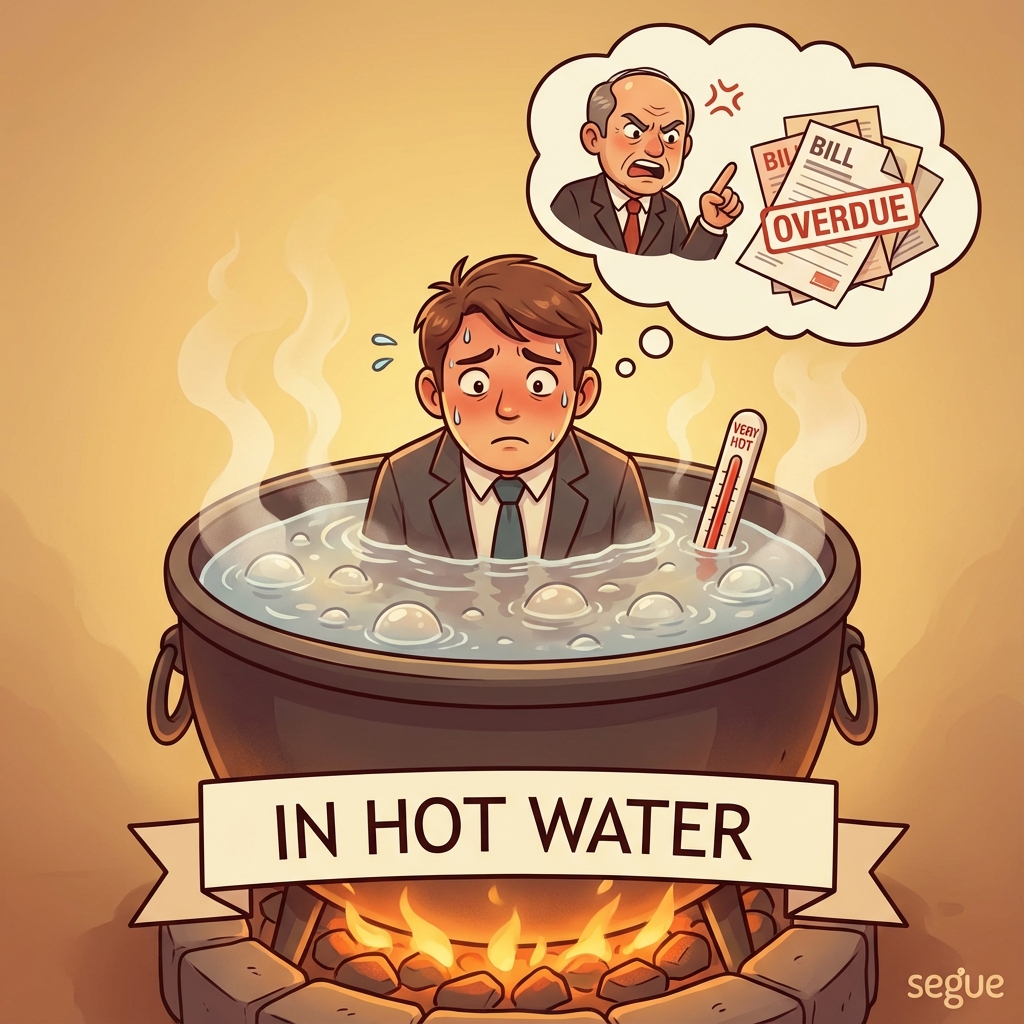
in hot water
/ɪn ˌhɒt ˈwɔːtər/in trouble or in a difficult situation
“He's in hot water with his boss after missing the deadline.”
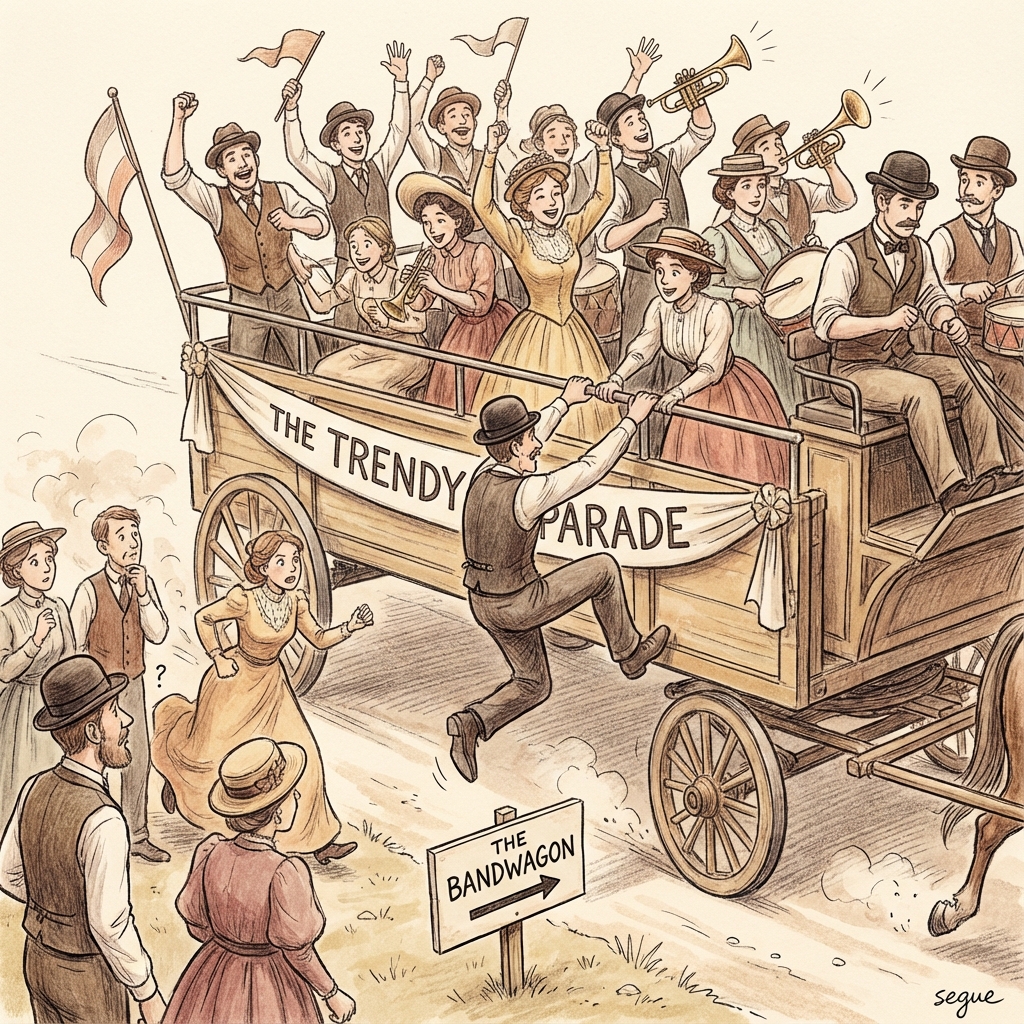
jump on the bandwagon
/ˌdʒʌmp ɒn ðə ˈbændwæɡən/to join others in doing something fashionable
“Every company jumped on the AI bandwagon.”
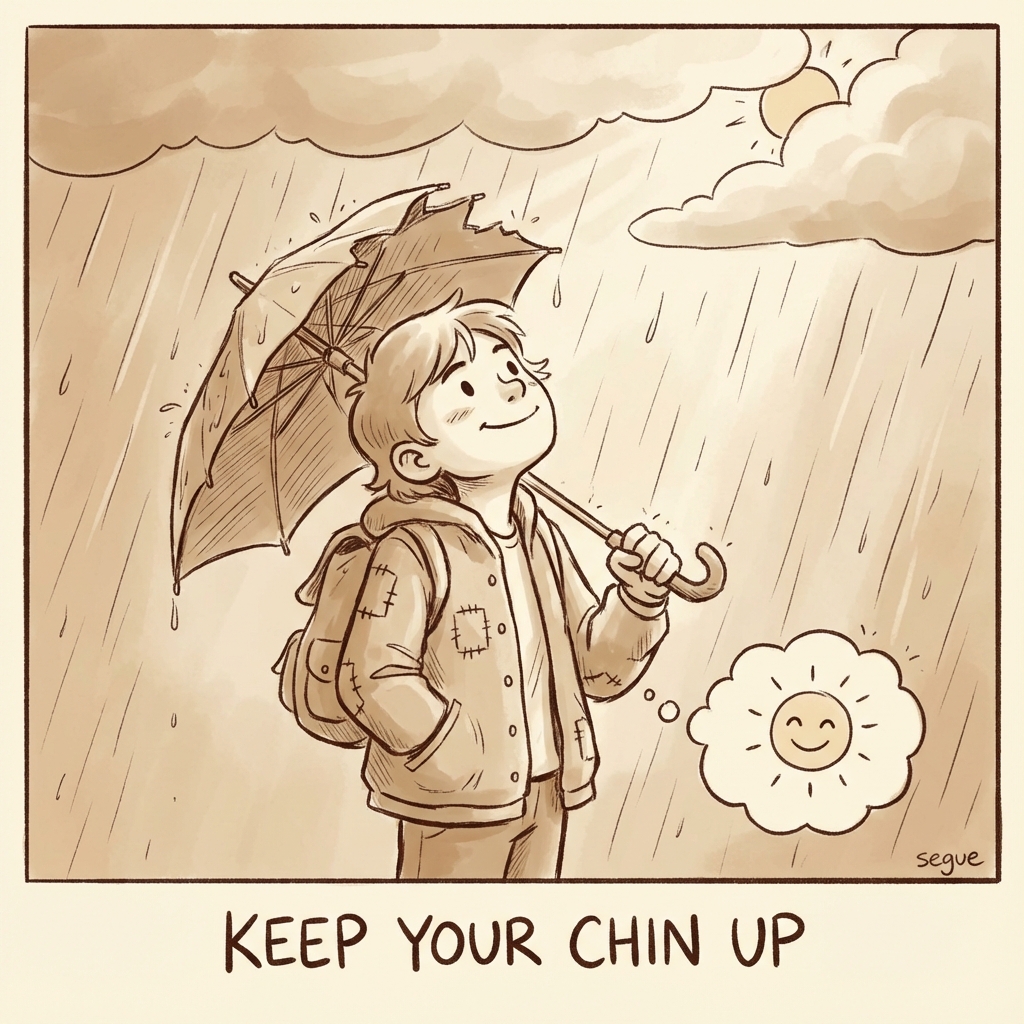
keep your chin up
/ˌkiːp jɔːr ˌtʃɪn ˈʌp/remain cheerful in difficult circumstances
“Keep your chin up—things will improve.”
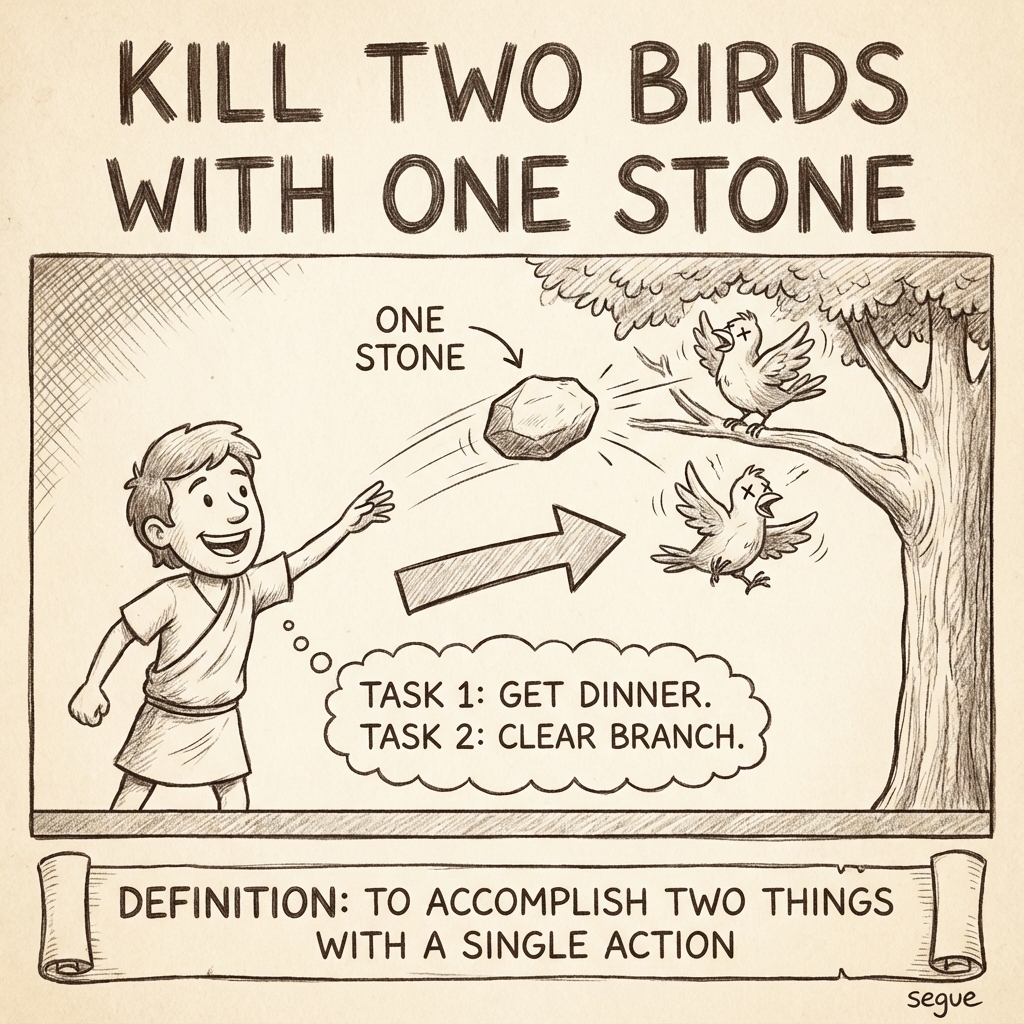
kill two birds with one stone
/ˌkɪl ˌtuː ˌbɜːrdz wɪð ˌwʌn ˈstoʊn/to accomplish two things with a single action
“Biking to work lets me kill two birds with one stone—exercise and commuting.”
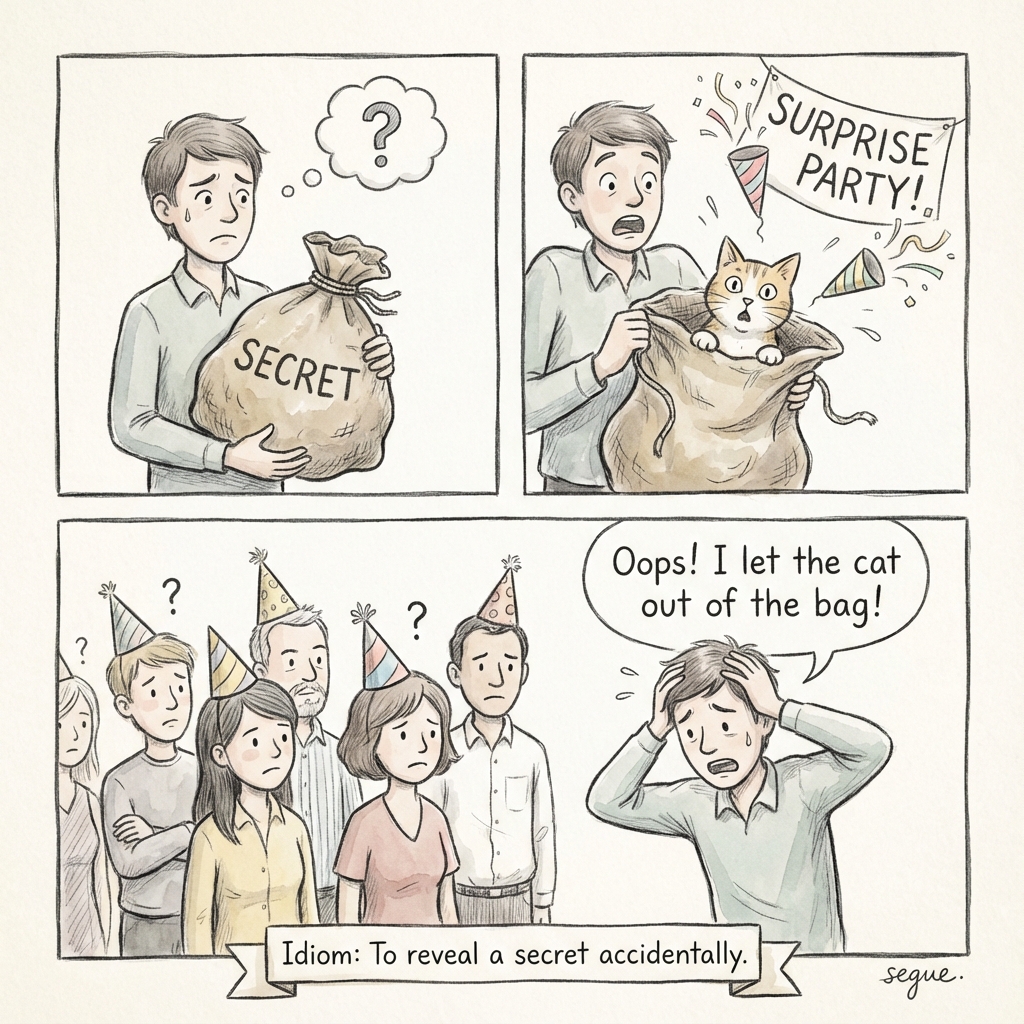
let the cat out of the bag
/ˌlet ðə ˌkæt aʊt əv ðə ˈbæɡ/to reveal a secret accidentally
“She let the cat out of the bag about the surprise party.”
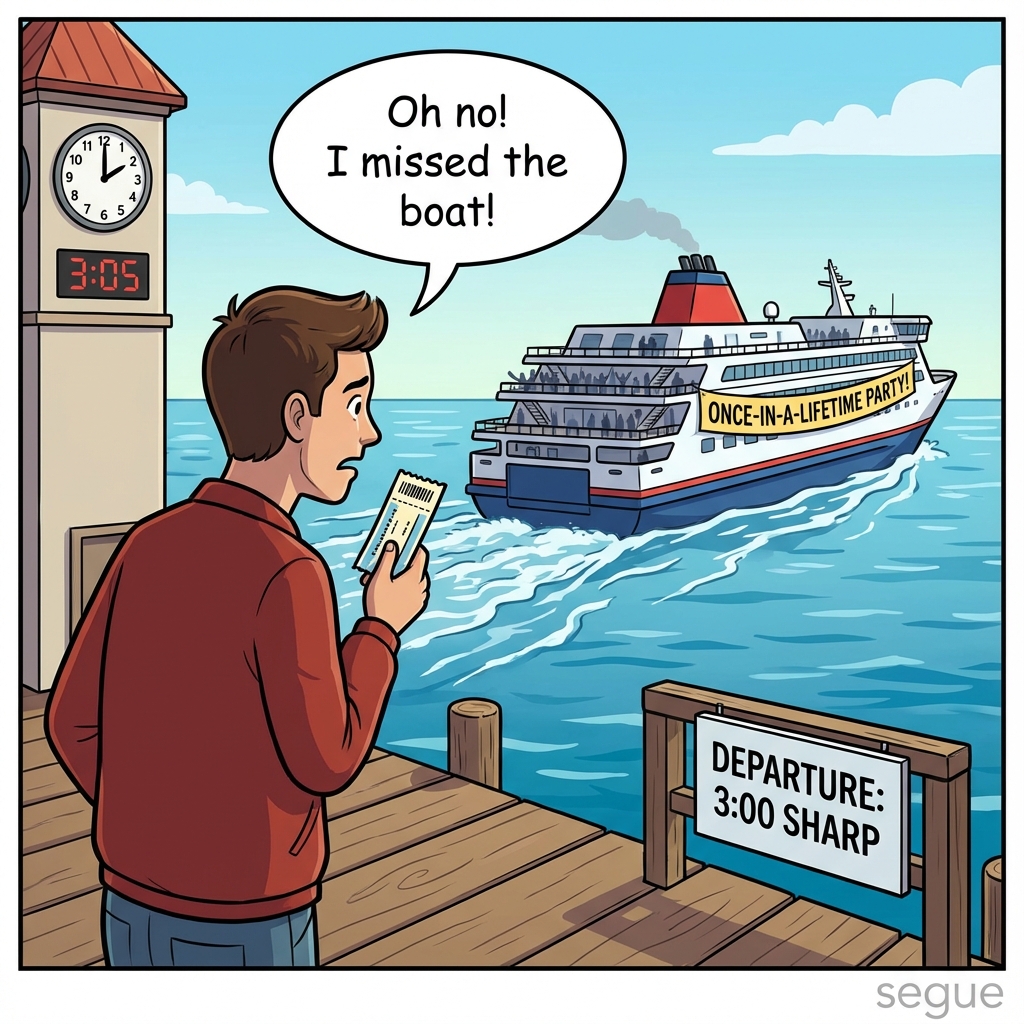
miss the boat
/ˌmɪs ðə ˈboʊt/to miss an opportunity
“If you don't invest now, you'll miss the boat.”

on the same page
/ˌɒn ðə ˌseɪm ˈpeɪdʒ/in agreement; having the same understanding
“Let's make sure we're all on the same page before proceeding.”
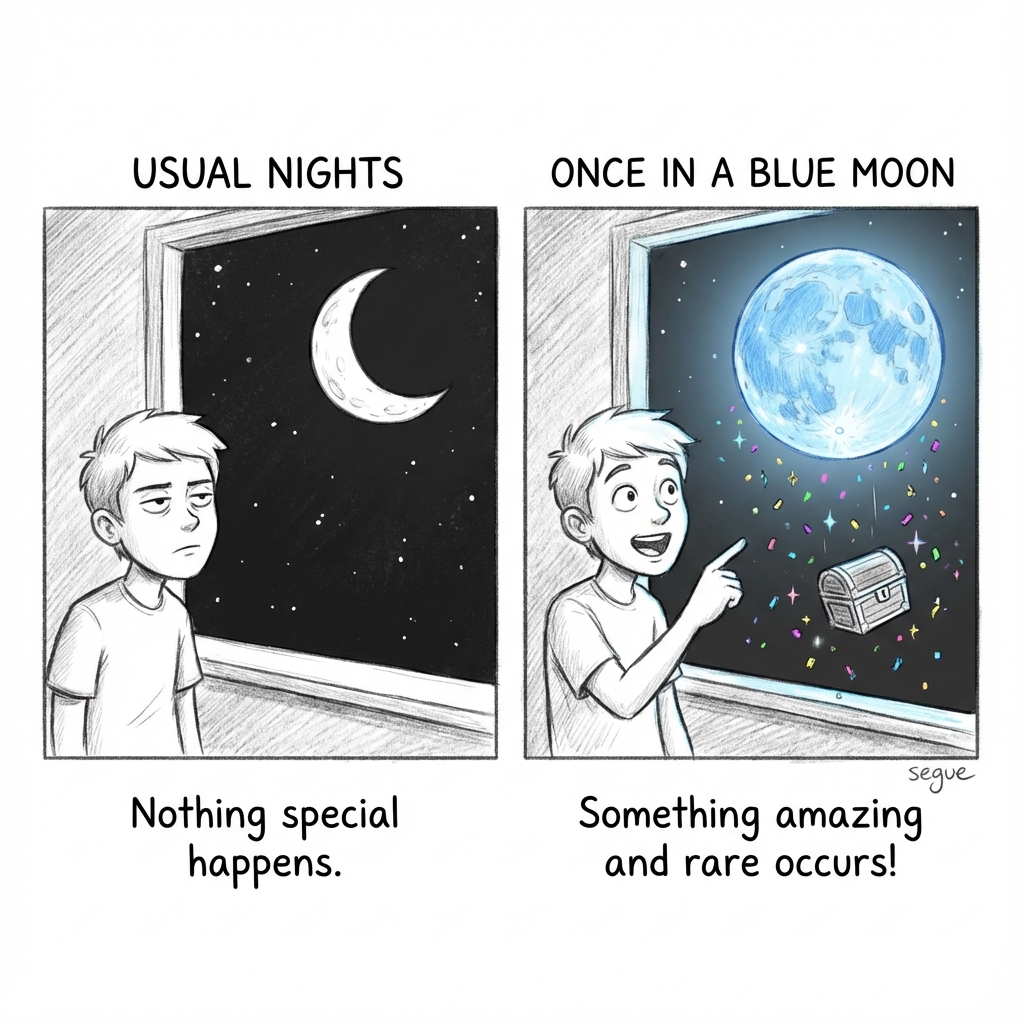
once in a blue moon
/ˌwʌns ɪn ə ˌbluː ˈmuːn/very rarely
“He only visits once in a blue moon.”
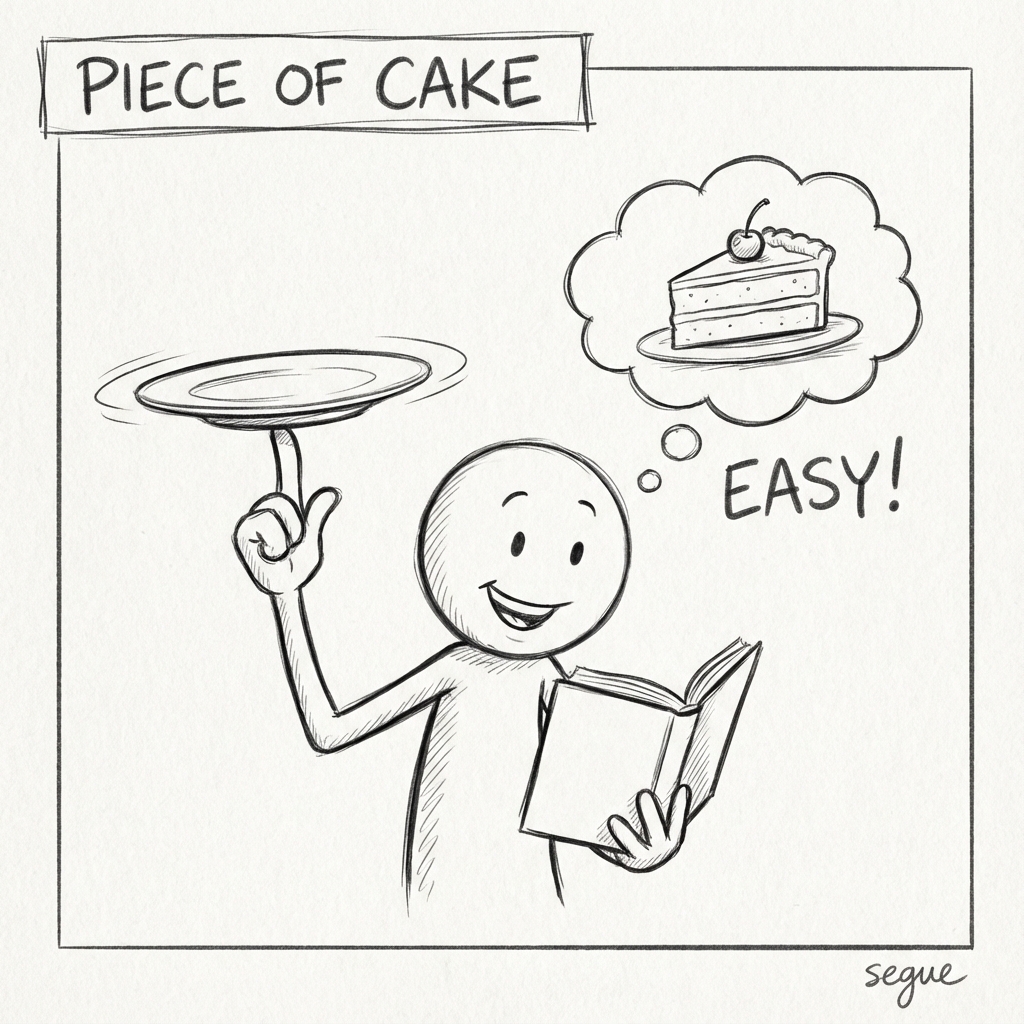
piece of cake
/ˌpiːs əv ˈkeɪk/something very easy to do
“The test was a piece of cake.”
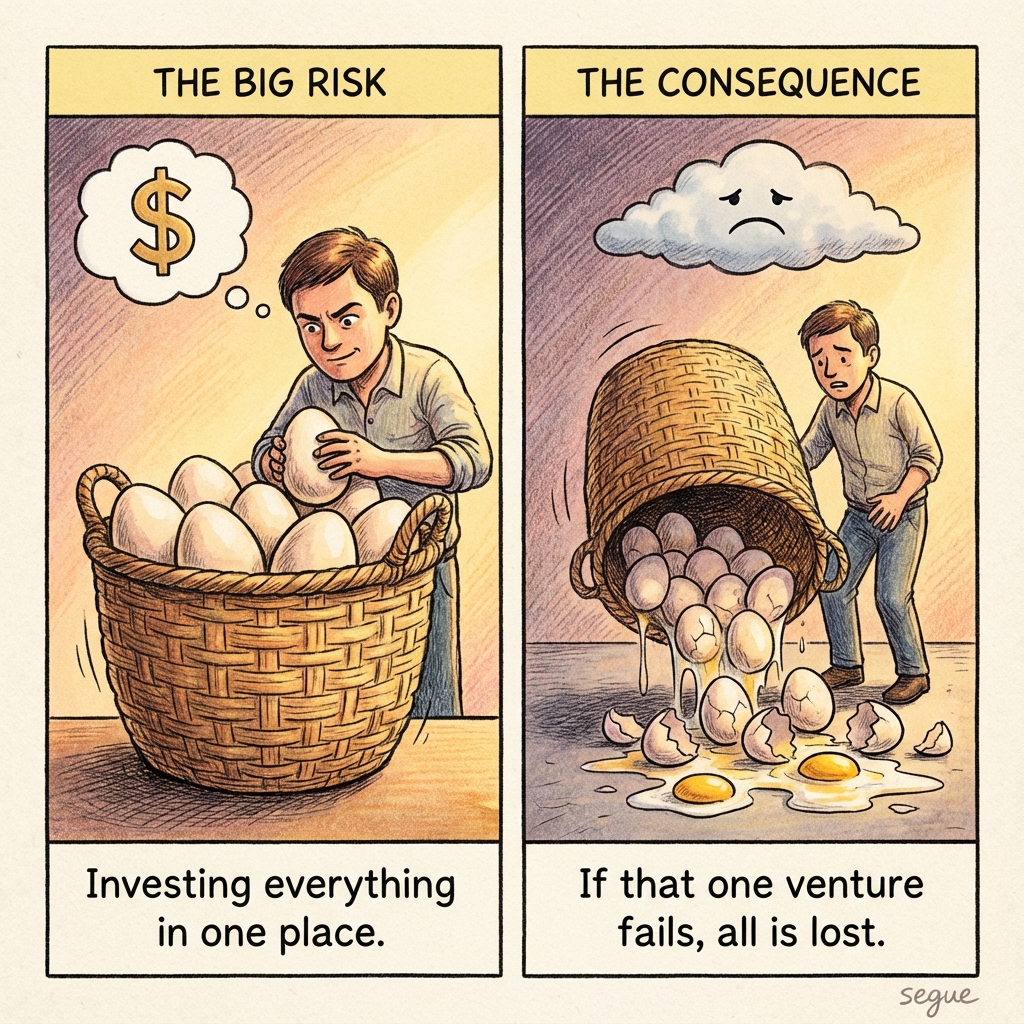
put all your eggs in one basket
/ˌpʊt ˌɔːl jɔːr ˌeɡz ɪn ˌwʌn ˈbæskɪt/to risk everything on a single venture
“Diversify your investments—don't put all your eggs in one basket.”
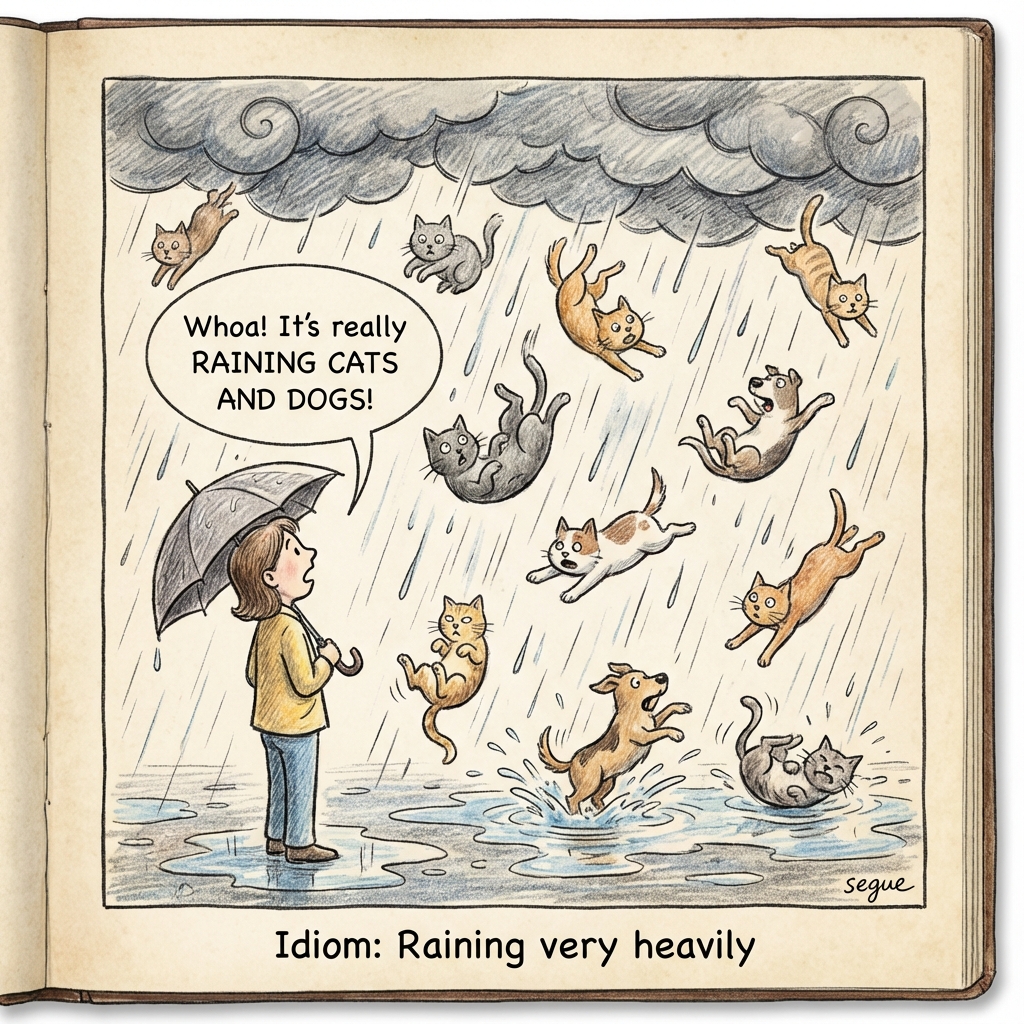
raining cats and dogs
/ˌreɪnɪŋ ˌkæts ən ˈdɒɡz/raining very heavily
“We can't go outside—it's raining cats and dogs!”
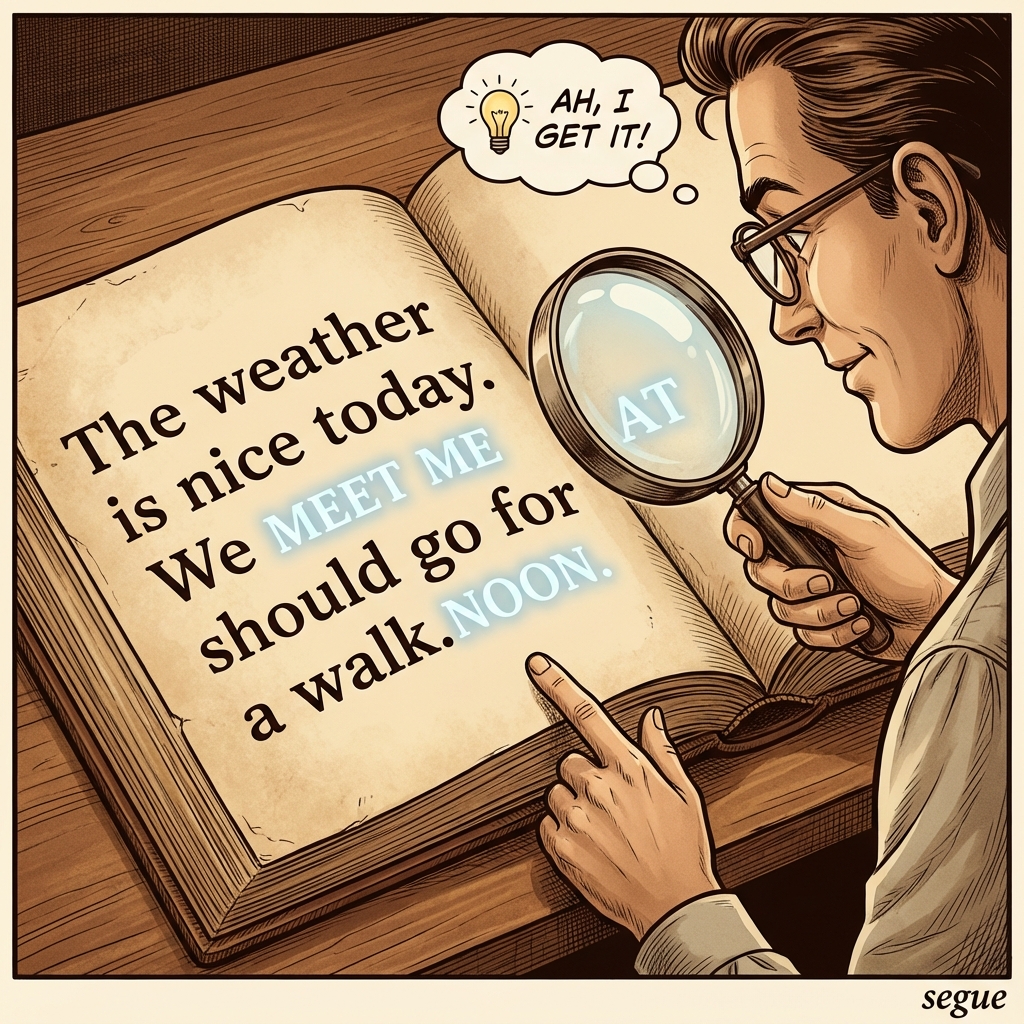
read between the lines
/ˌriːd bɪˌtwiːn ðə ˈlaɪnz/to understand the hidden meaning
“Read between the lines—she's not happy here.”
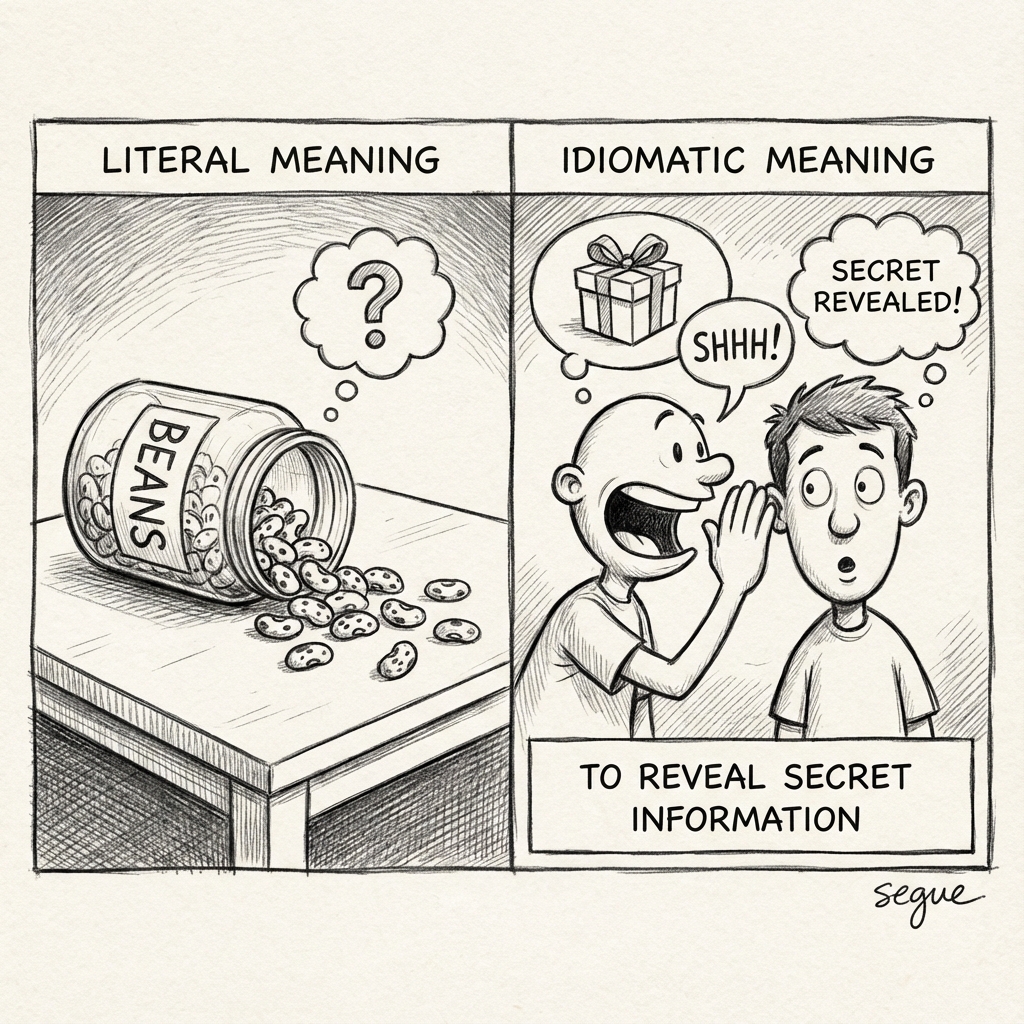
spill the beans
/ˌspɪl ðə ˈbiːnz/to reveal secret information
“Who spilled the beans about the merger?”
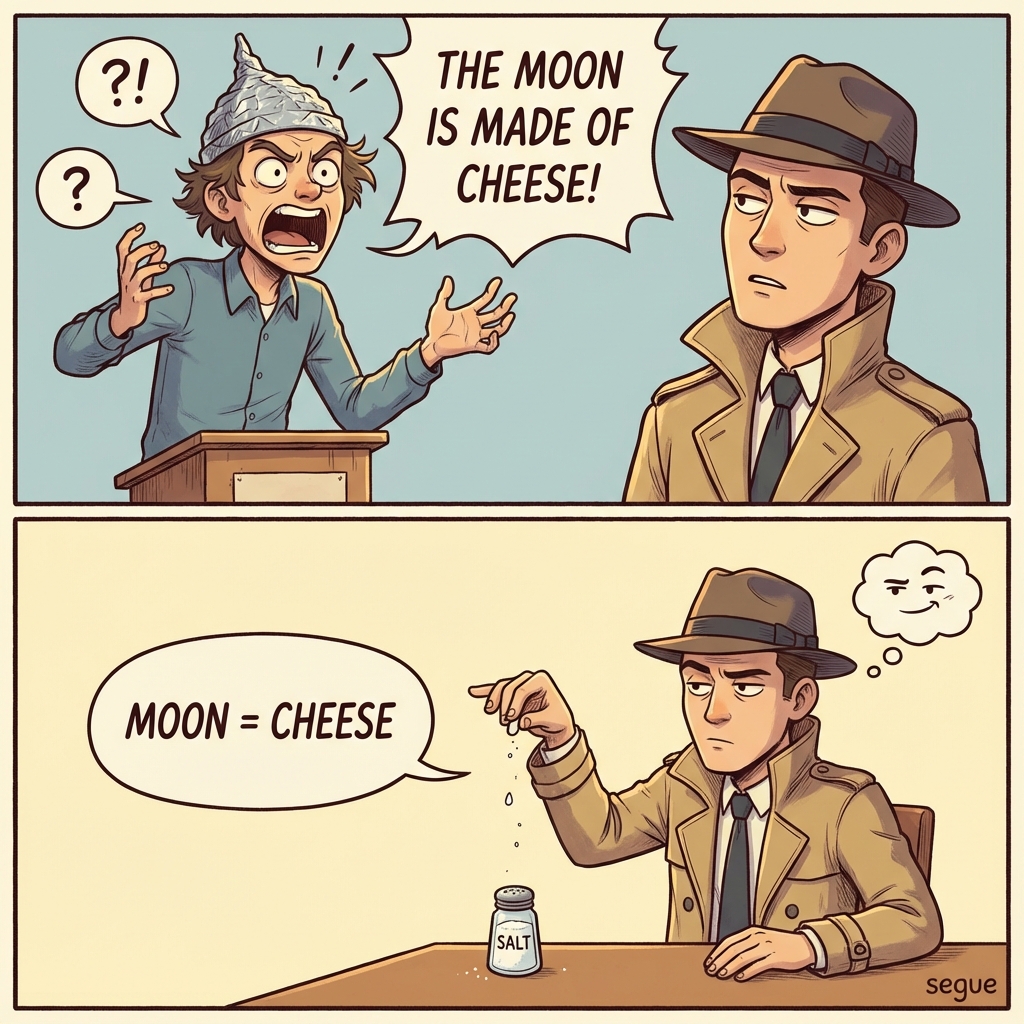
take with a grain of salt
/ˌteɪk wɪð ə ˌɡreɪn əv ˈsɒlt/to view something with skepticism
“Take his claims with a grain of salt.”
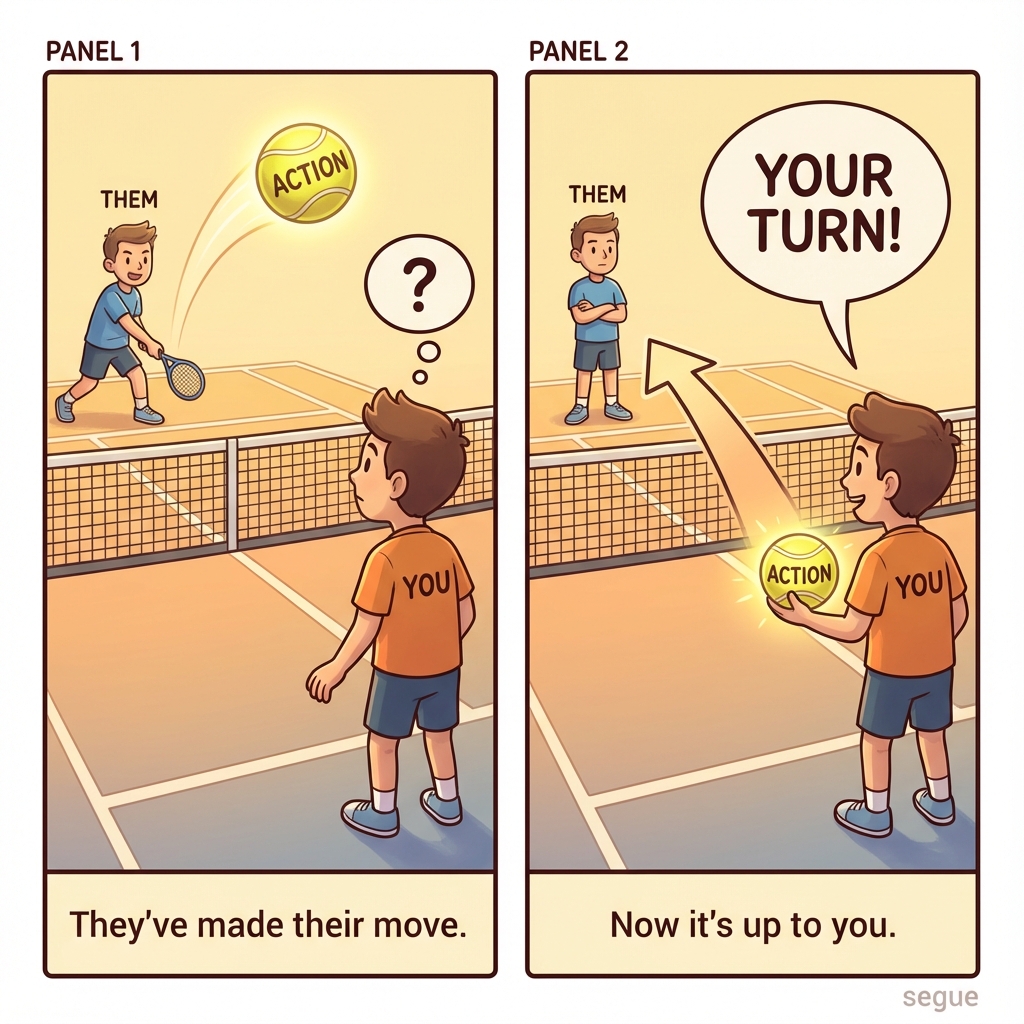
the ball is in your court
/ðə ˌbɔːl ɪz ɪn jɔːr ˈkɔːrt/it's your turn to take action
“I've made my offer—the ball is in your court.”
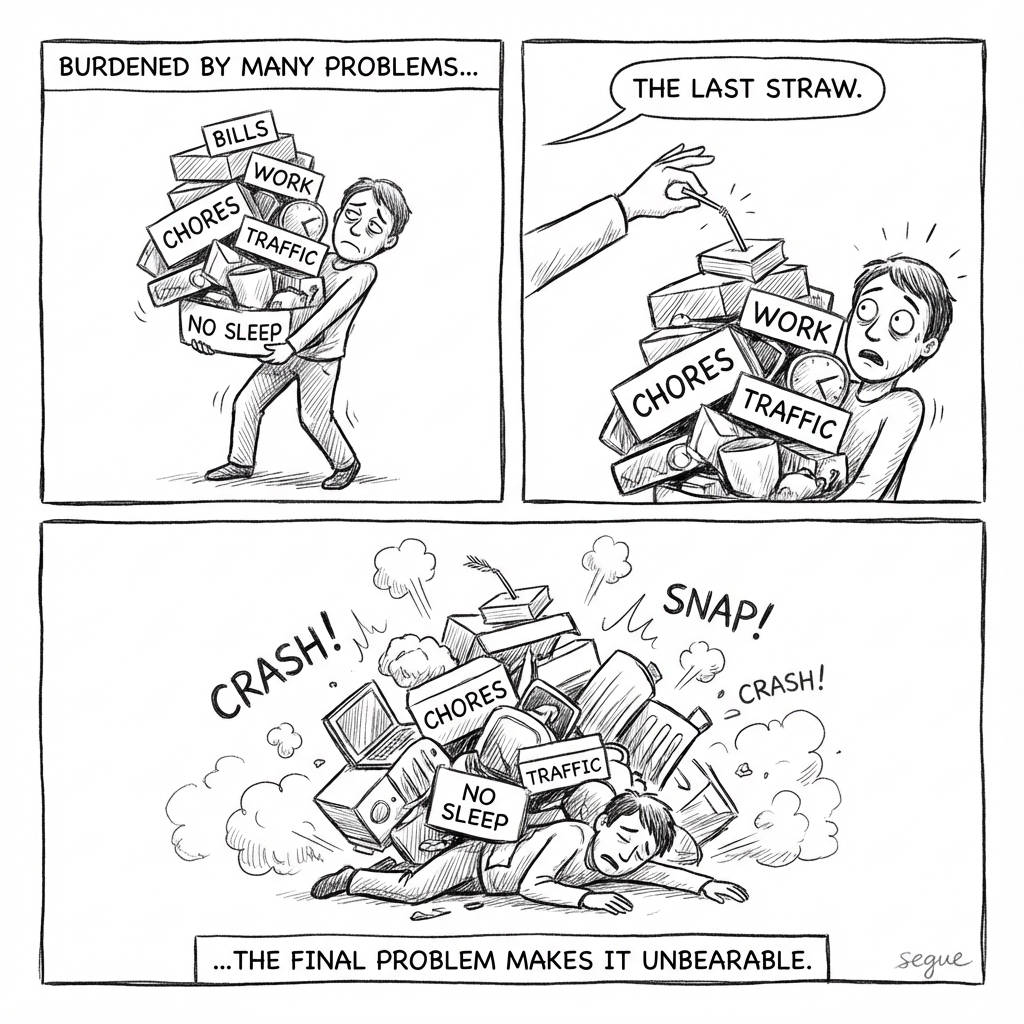
the last straw
/ðə ˌlɑːst ˈstrɔː/the final problem that makes a situation unbearable
“The pay cut was the last straw—she resigned.”
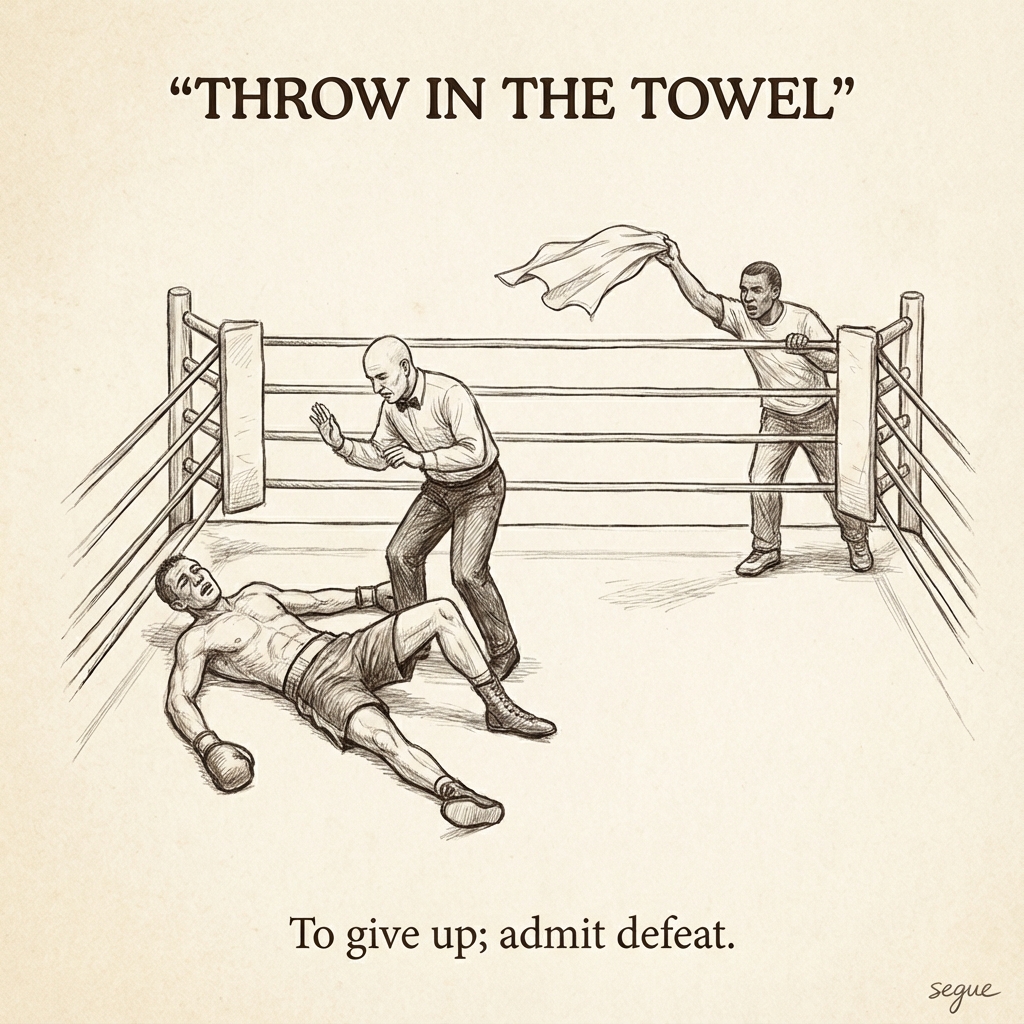
throw in the towel
/ˌθroʊ ɪn ðə ˈtaʊəl/to give up; admit defeat
“After three failures, he threw in the towel.”
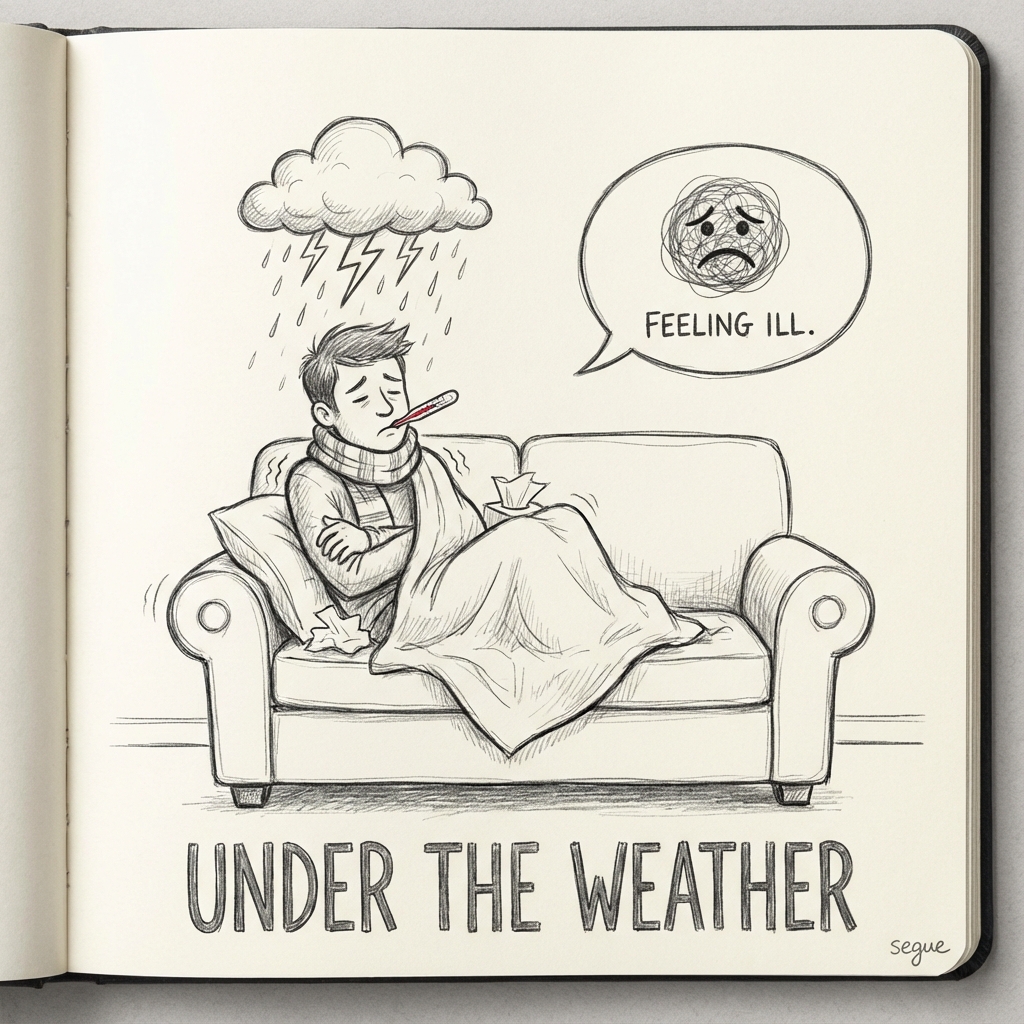
under the weather
/ˌʌndər ðə ˈweðər/feeling ill or unwell
“I'm feeling a bit under the weather today.”
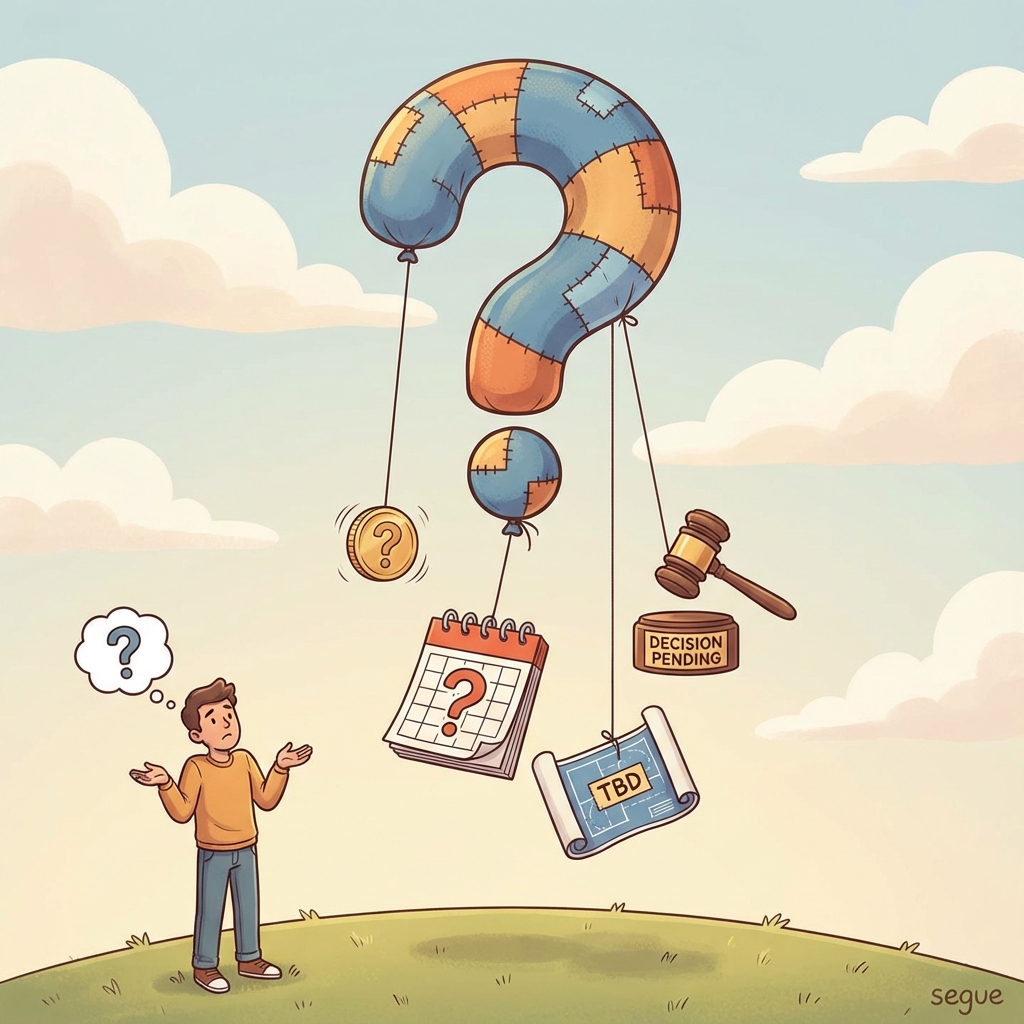
up in the air
/ˌʌp ɪn ði ˈeər/uncertain; not yet decided
“The project timeline is still up in the air.”
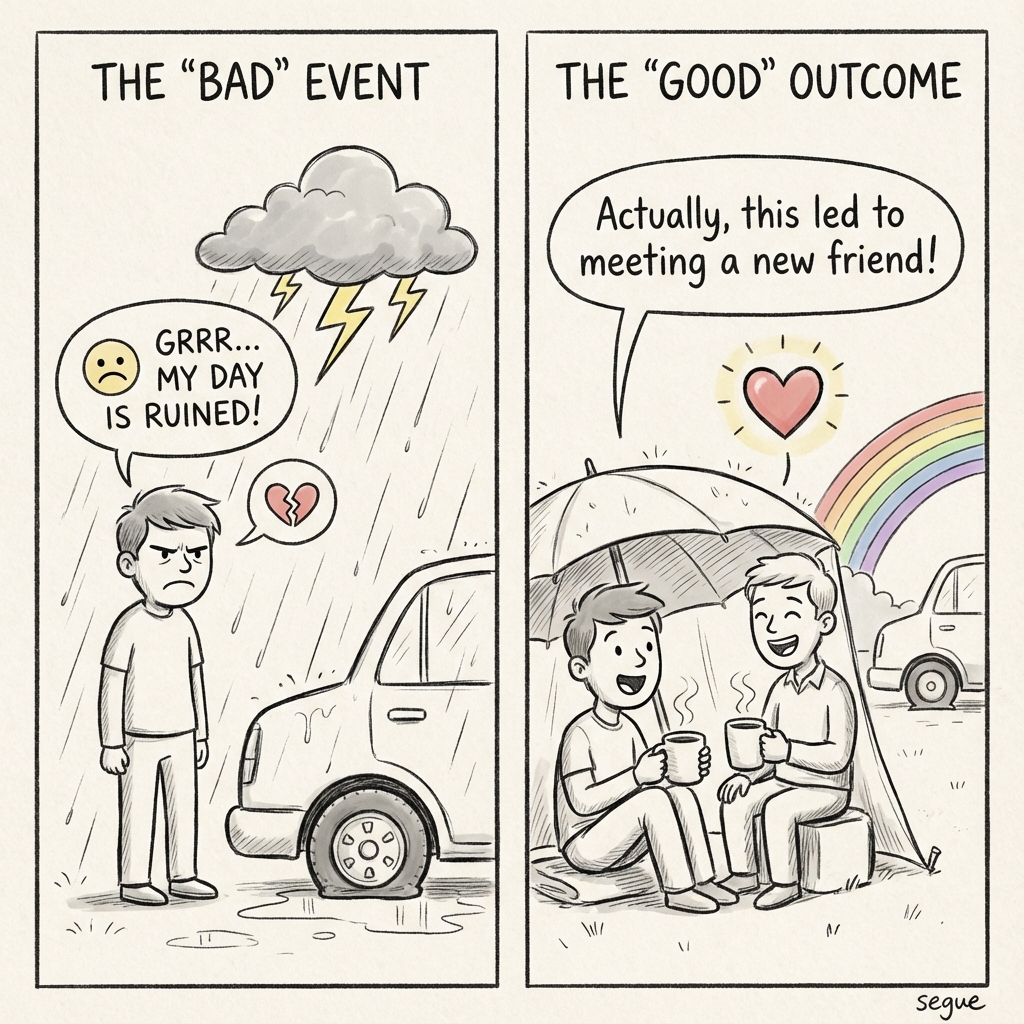
blessing in disguise
/ˌblesɪŋ ɪn dɪsˈɡaɪz/a good thing that seemed bad at first
“Losing that job was a blessing in disguise as it led to a better career.”

best of both worlds
/ˌbest əv ˌboʊθ ˈwɜːrldz/a situation where you have the advantages of two different things
“Working part-time gives her the best of both worlds: income and free time.”
More from Communication
Explore other vocabulary categories in this collection.