Loading collection...
🧬
Identity & Self Vocabulary
Words relating to individual character, distinctiveness, and the self
17 words
All 17 Words
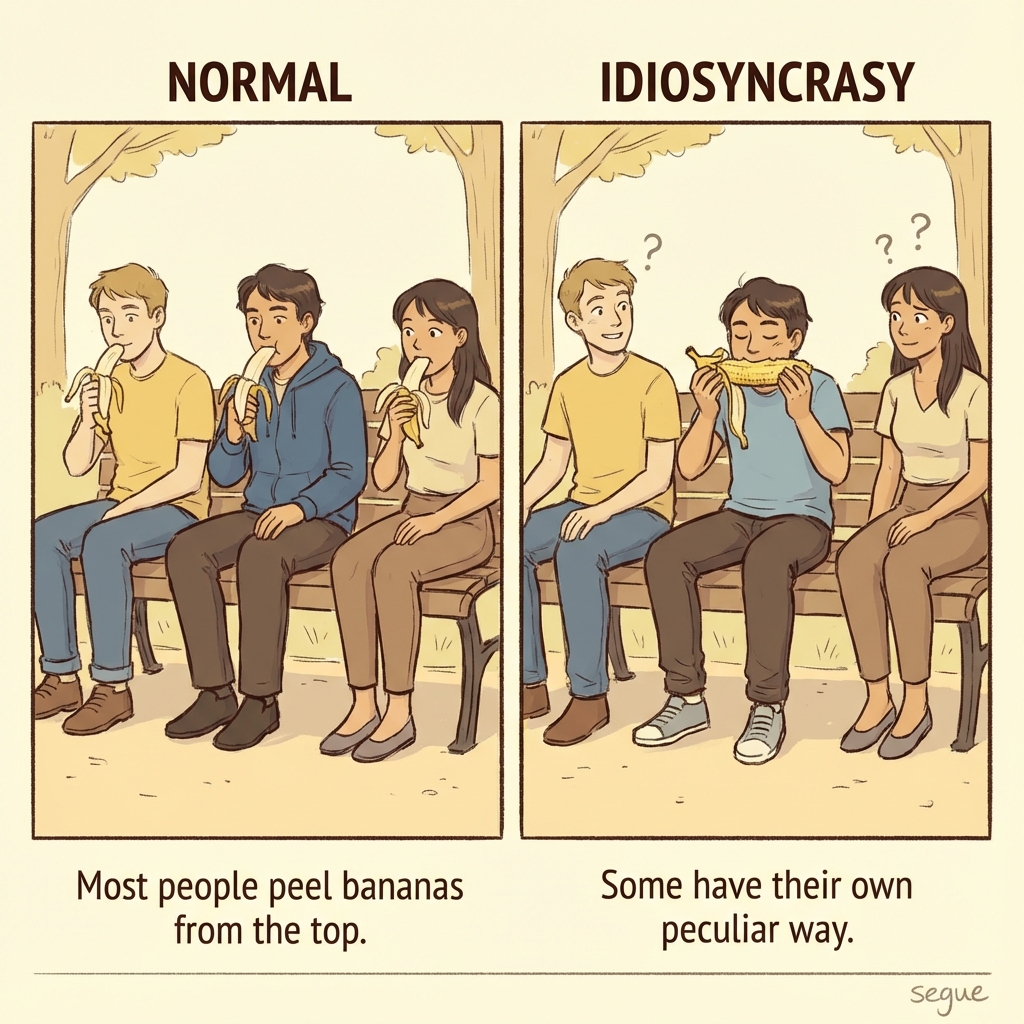
idiosyncrasy
/ˌɪdioʊˈsɪnkɹəˌsi/a mode of behavior or way of thought peculiar to an individual
“His idiosyncrasy of humming while working annoyed his colleagues.”

fingerprint
/ˈfɪŋɡɝˌpɹɪnt/a distinctive characteristic or mark that identifies something
“The architect's fingerprint was visible in every curve of the building.”

hallmark
/ˈhɑɫˌmɑɹk/a distinctive feature, especially one of excellence
“Attention to detail is the hallmark of her work.”
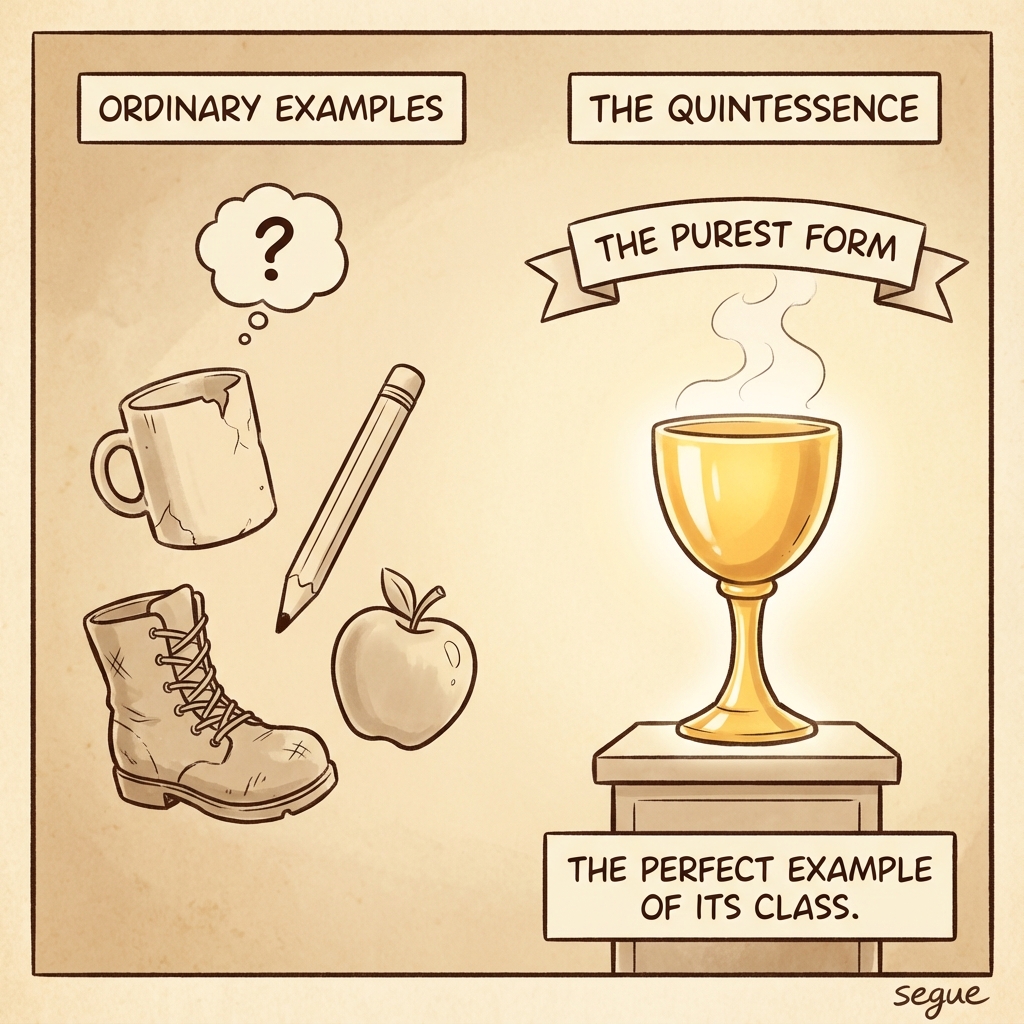
quintessence
/kwɪnˈtɛsəns/the most perfect or typical example of a quality or class
“He was the quintessence of professionalism.”
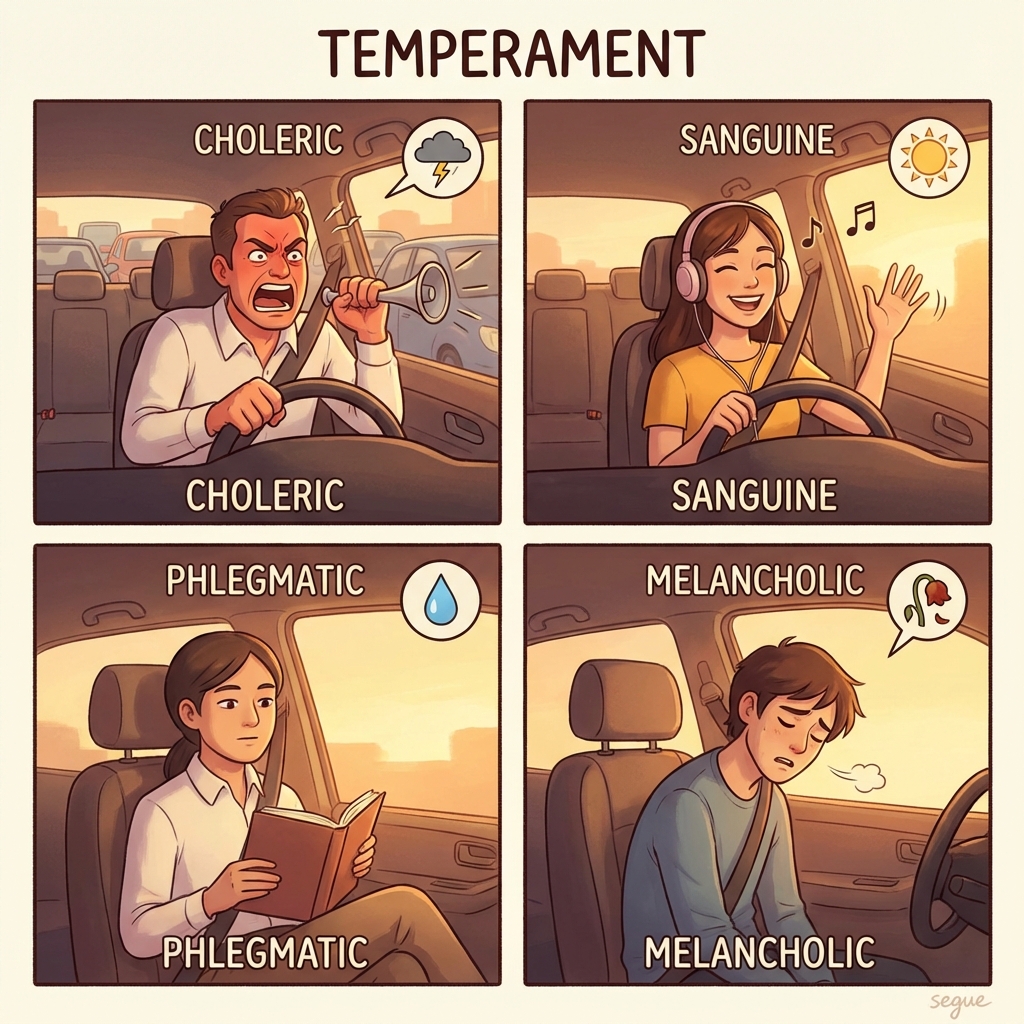
temperament
/ˈtɛmpɝmənt/a person's distinct nature or character, especially as it affects their behavior
“She has a calm and artistic temperament.”

signature
/ˈsɪɡnətʃɝ/a distinctive pattern, product, or characteristic by which someone or something can be identified
“The chef's signature dish was known throughout the city.”
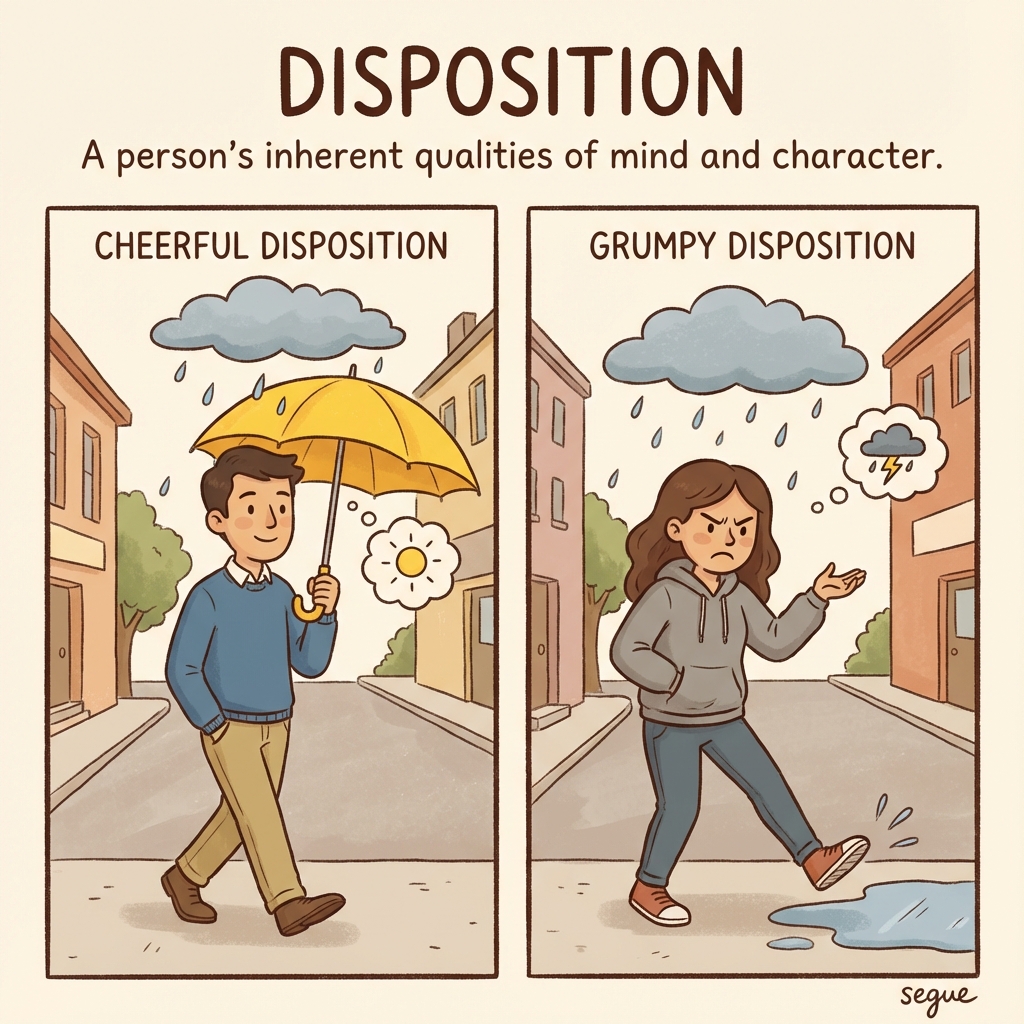
disposition
/ˌdɪspəˈzɪʃən/a person's inherent qualities of mind and character
“He has a cheerful disposition even in difficult times.”
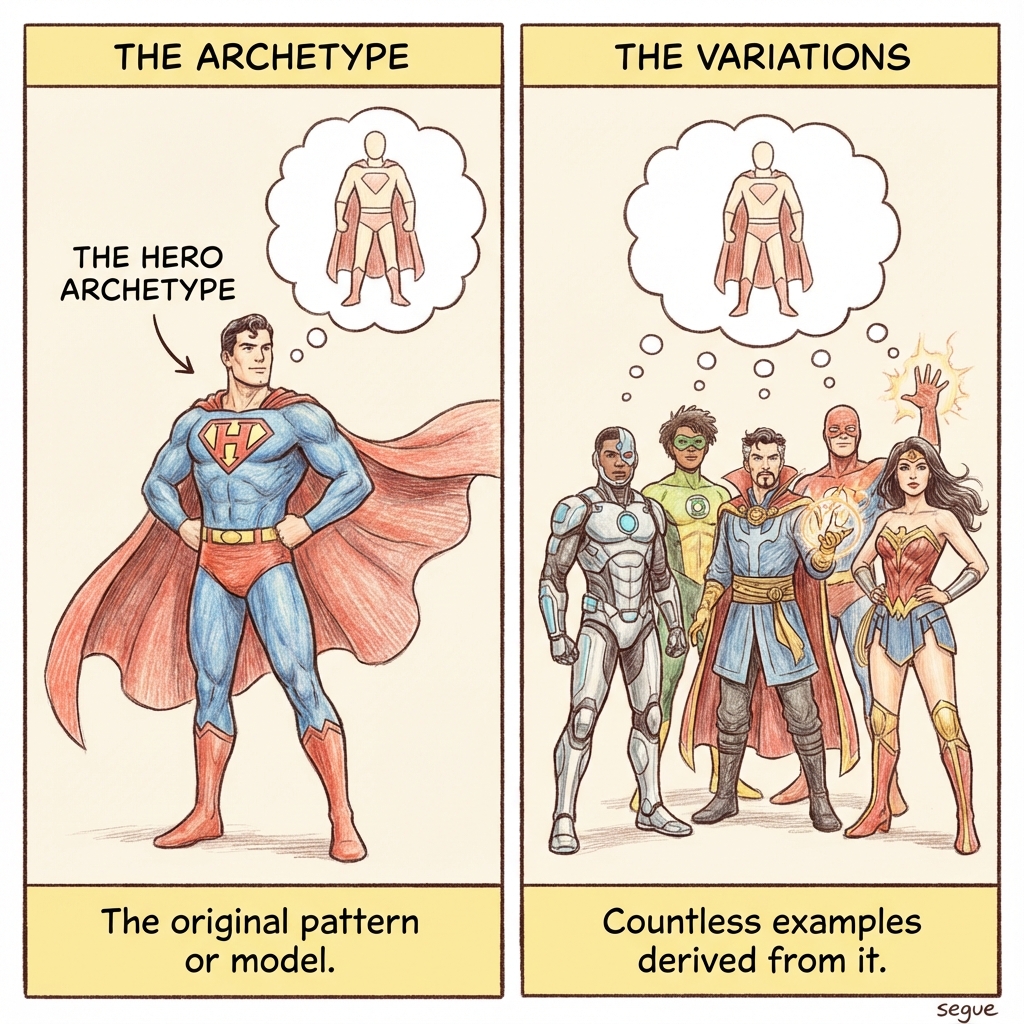
archetype
/ˈɑɹkɪˌtaɪp/a very typical example of a certain person or thing
“He is the archetype of the successful entrepreneur.”

intrinsic
/ˌɪnˈtɹɪnsɪk/belonging naturally; essential
“Access to the arts is intrinsic to a high quality of life.”
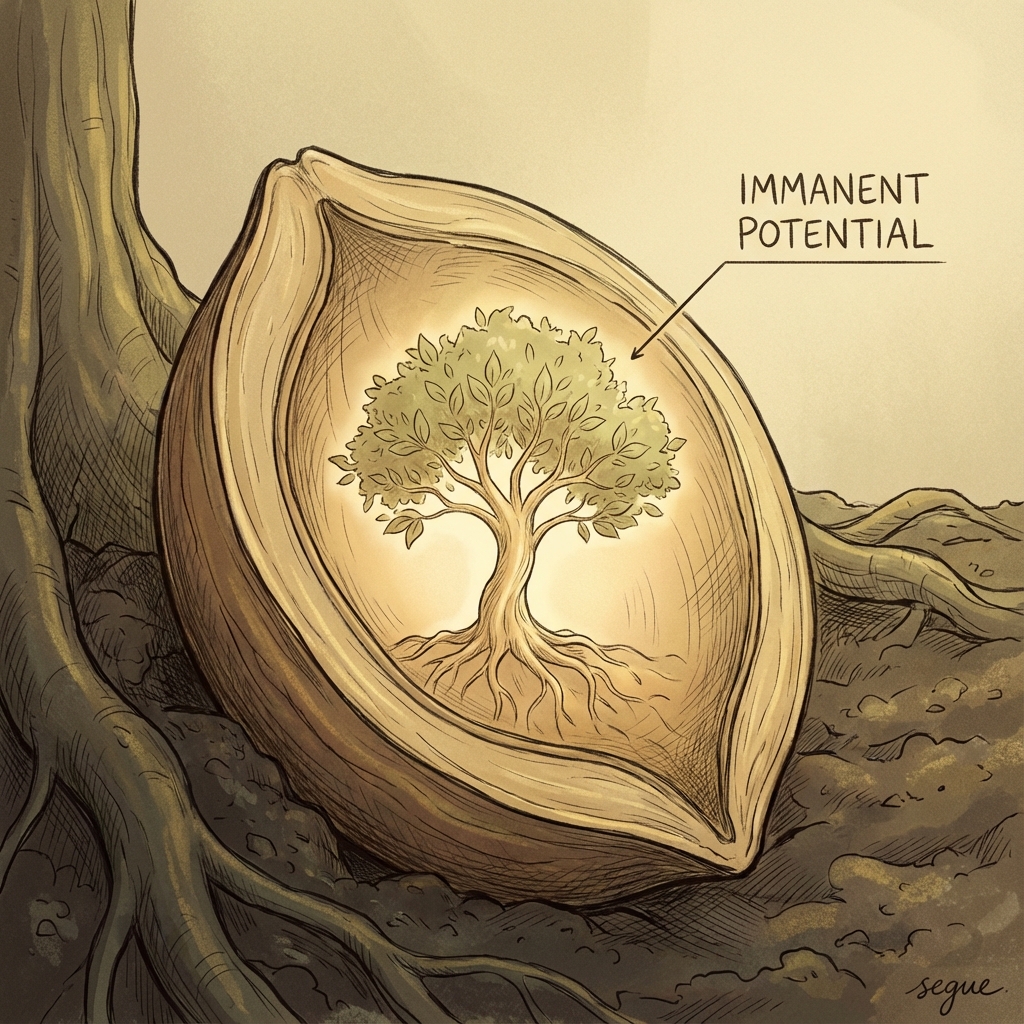
immanent
/ˈɪmənənt/existing or operating within; inherent
“The principles of justice are immanent in the human spirit.”
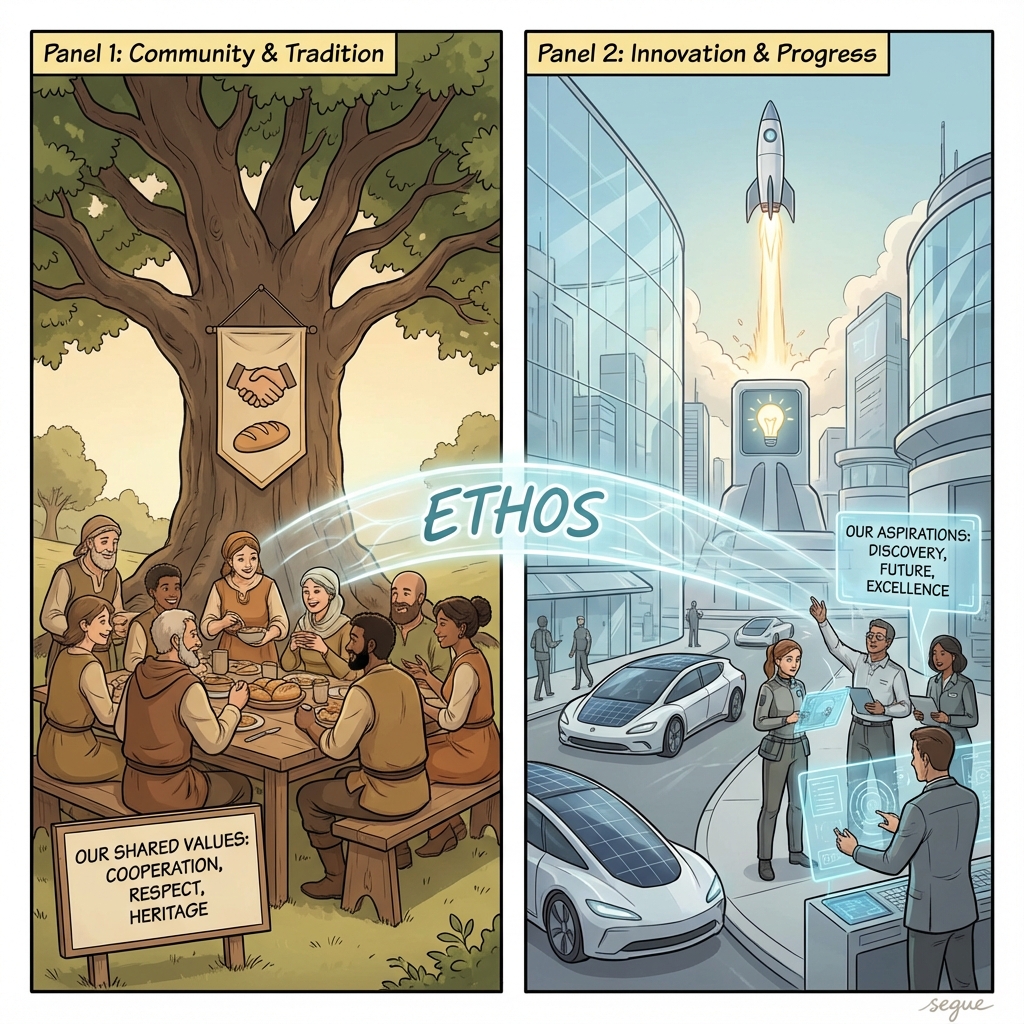
ethos
/ˈiθɑs/the characteristic spirit of a culture, era, or community as manifested in its beliefs and aspirations
“The company's ethos is built on trust and transparency.”

persona
/pɝˈsoʊnə/the aspect of someone's character that is presented to or perceived by others
“His public persona is very different from his private self.”
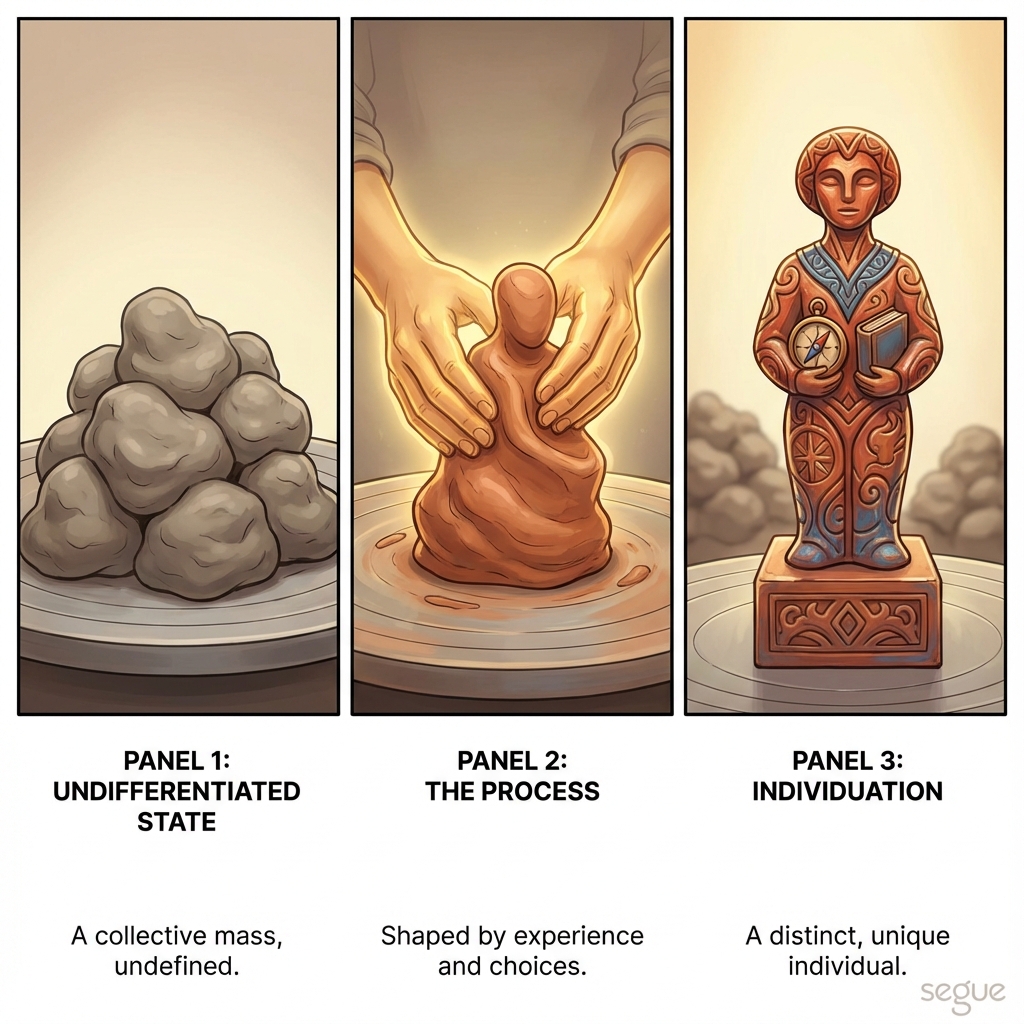
individuation
/ˌɪndɪˌvɪdʒuˈeɪʃən/the process of becoming a distinct individual
“Adolescence is a critical period for individuation.”
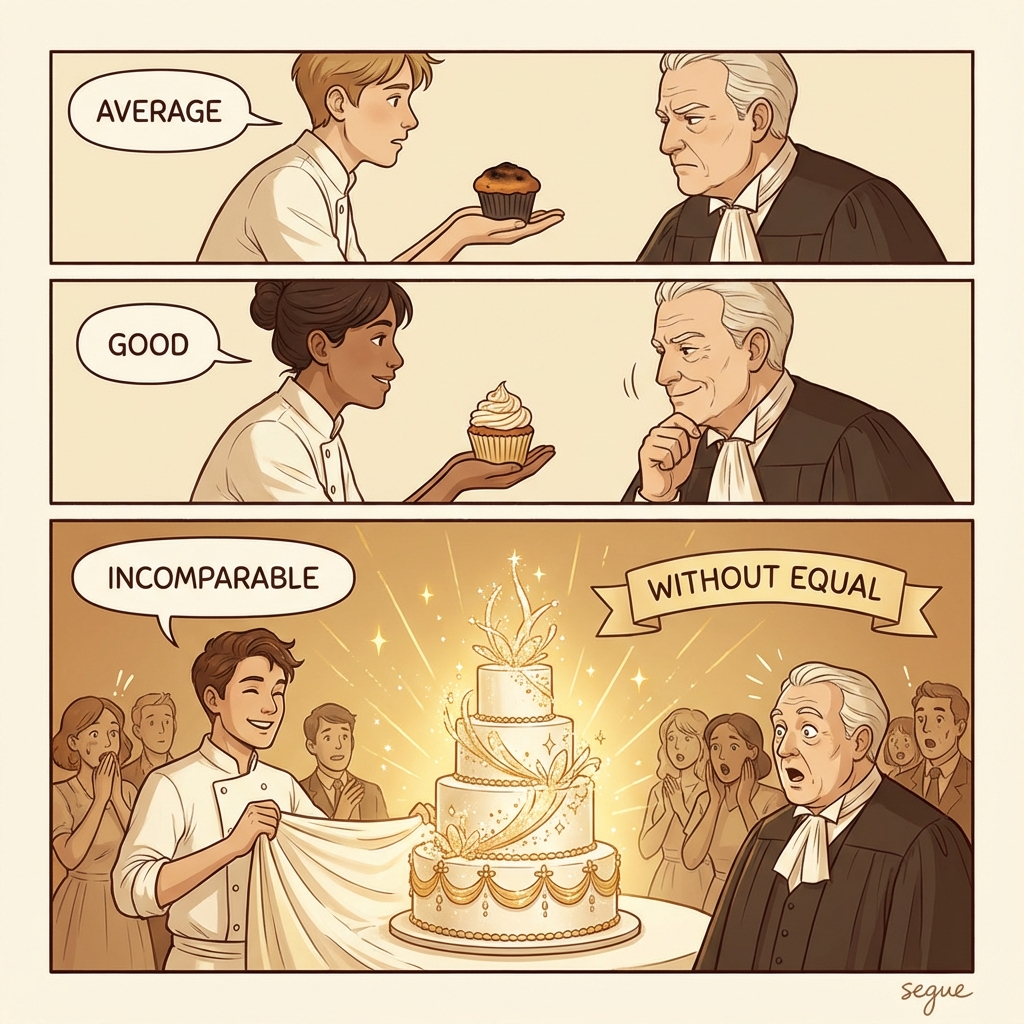
incomparable
/ˌɪnˈkɑmpɝəbəɫ/without an equal in quality or extent; matchless
“Her incomparable talent set her apart from her peers.”

self-determination
/ˈsɛɫfdɪˌtɝməˈneɪʃən/the process by which a person controls their own life
“Education is a key factor in self-determination.”

autonomy
/əˈtɑnəmi/the right or condition of self-government
“The manager gave her team significant autonomy.”
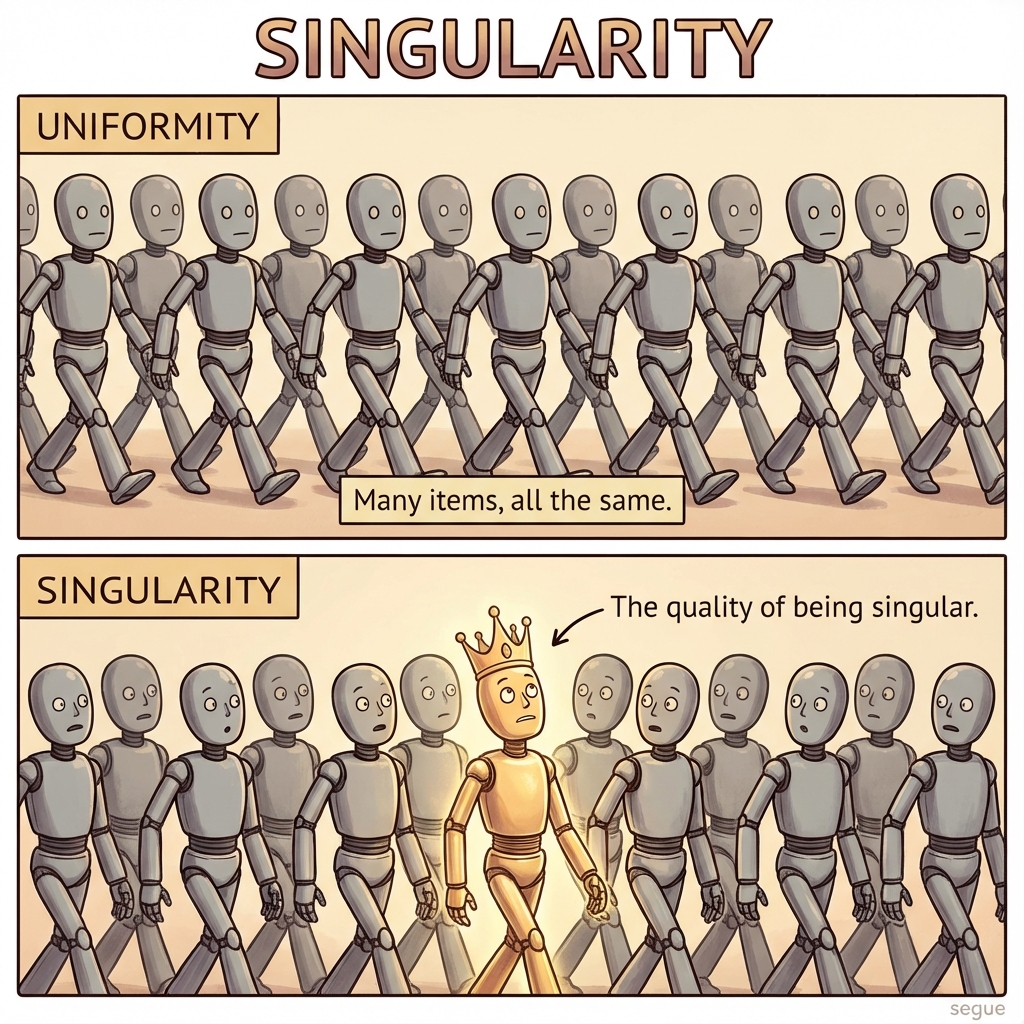
singularity
/ˈsɪŋɡjəˈɫɛɹəti/the state, fact, quality, or condition of being singular
“The singularity of his voice made him instantly recognizable.”
More from Identity & Growth
Explore other vocabulary categories in this collection.