Loading collection...
🏛️
Historical & Epochs Vocabulary
Words for eras, ages, and historical periods
10 words
All 10 Words

epoch
/ˈɛpək/a particular period of time marked by distinctive features
“The digital revolution marked a new epoch in human history.”
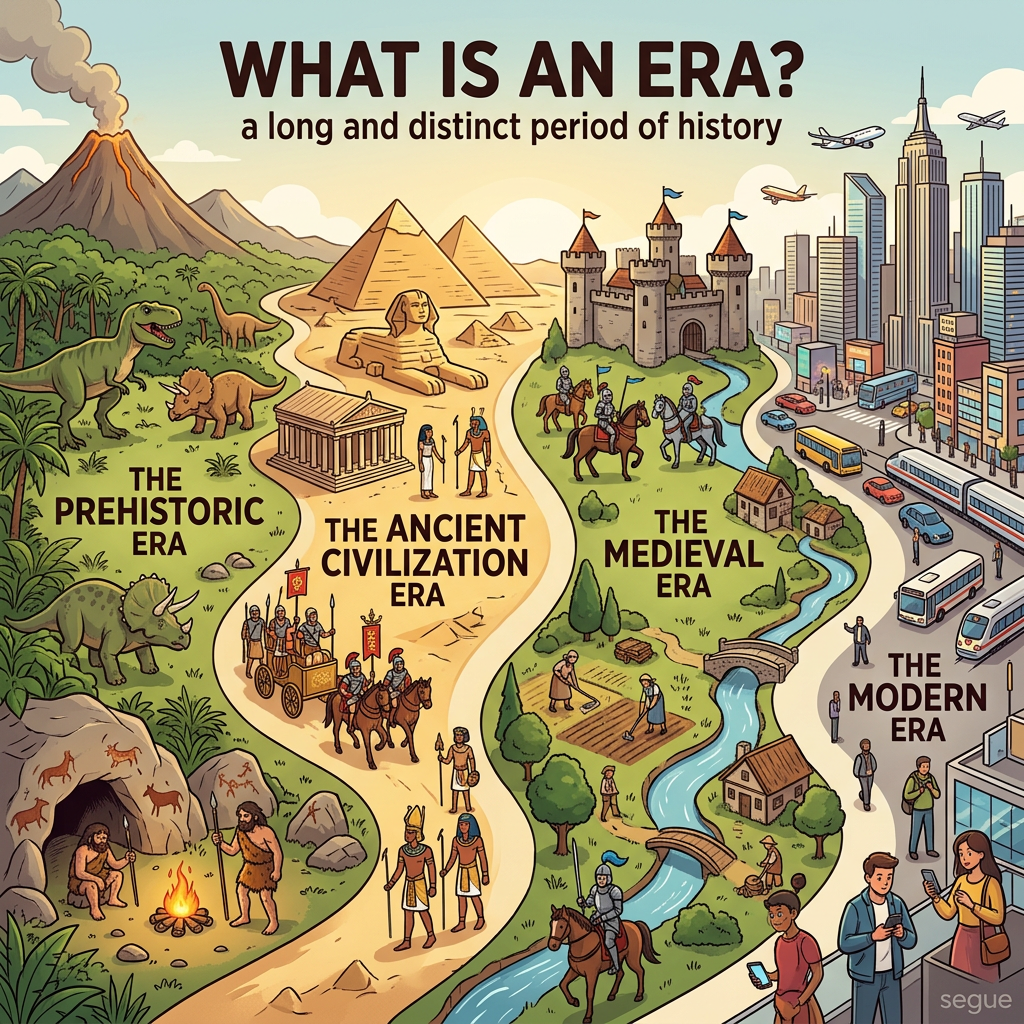
era
/ˈɛɹə/a long and distinct period of history
“The Victorian era was characterized by strict moral codes.”
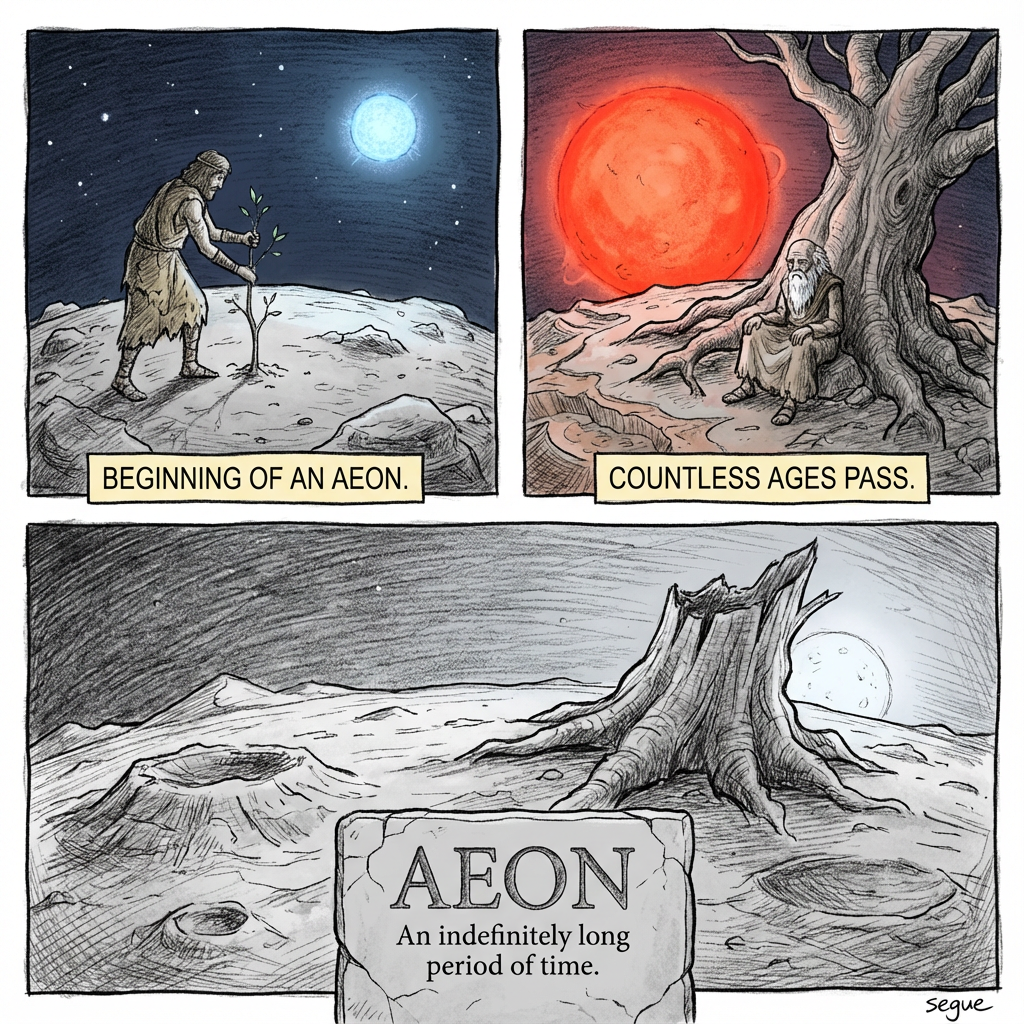
aeon
/ˈiːɒn/an indefinitely long period of time; an age
“It seemed like aeons since they had last spoken.”
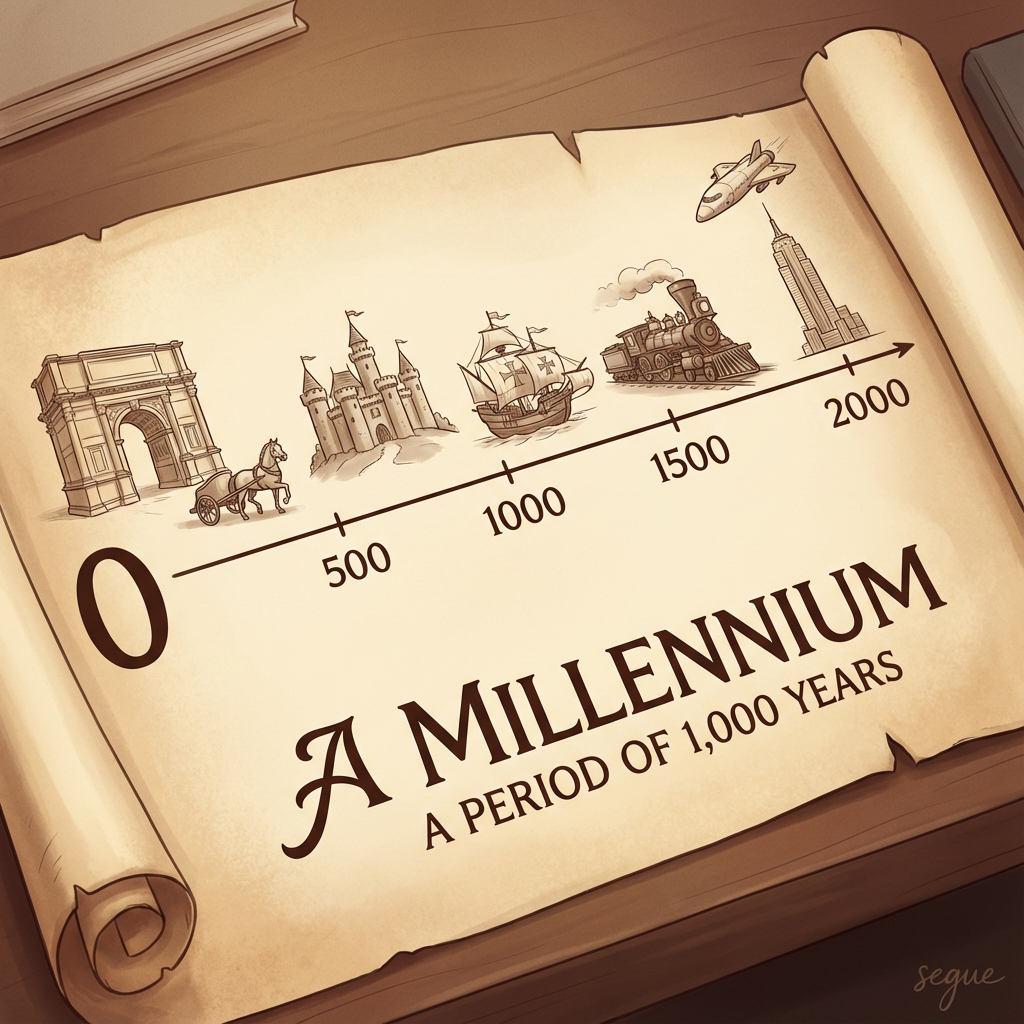
millennium
/məˈɫɛniəm/a period of a thousand years
“Humanity entered the third millennium with great optimism.”
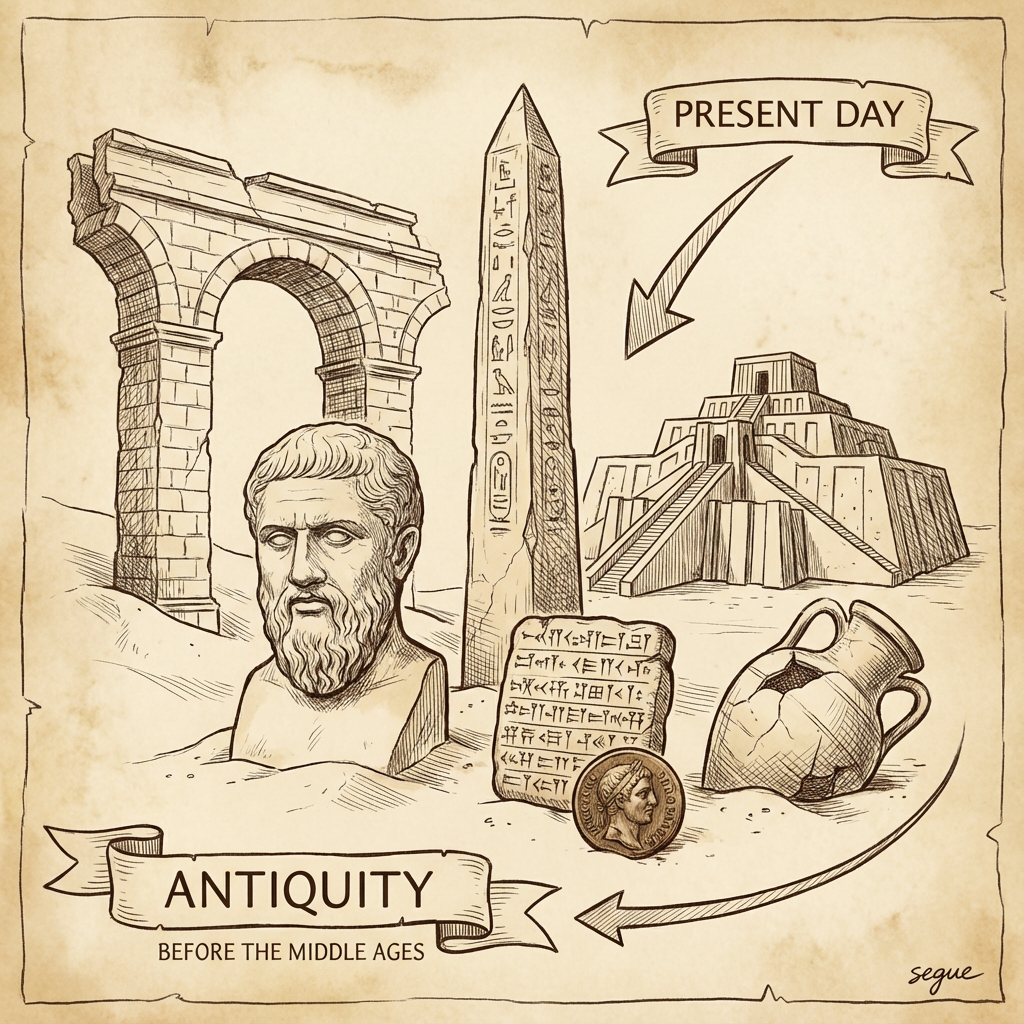
antiquity
/ænˈtɪkwəti/the ancient past, especially before the Middle Ages
“The ruins date back to antiquity.”
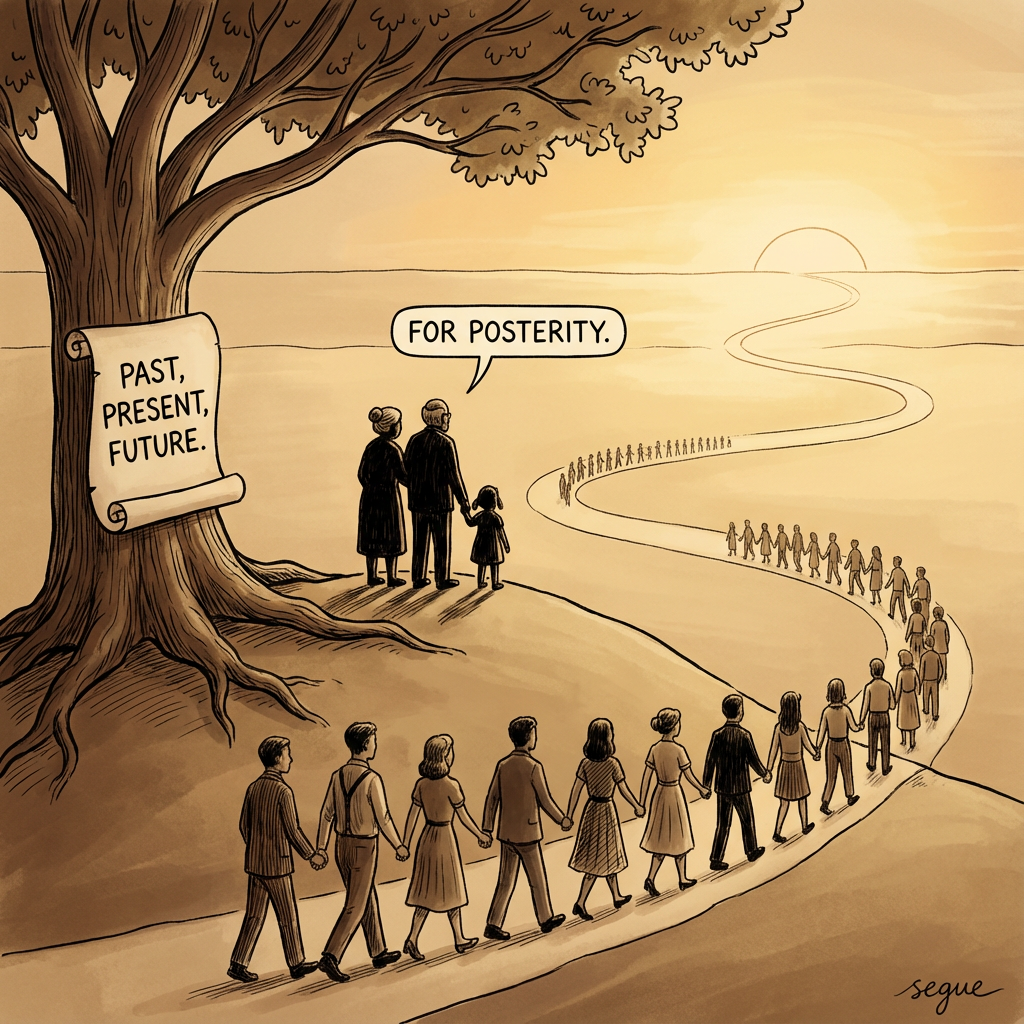
posterity
/pɑˈstɛɹəti/all future generations of people
“We must preserve these forests for posterity.”
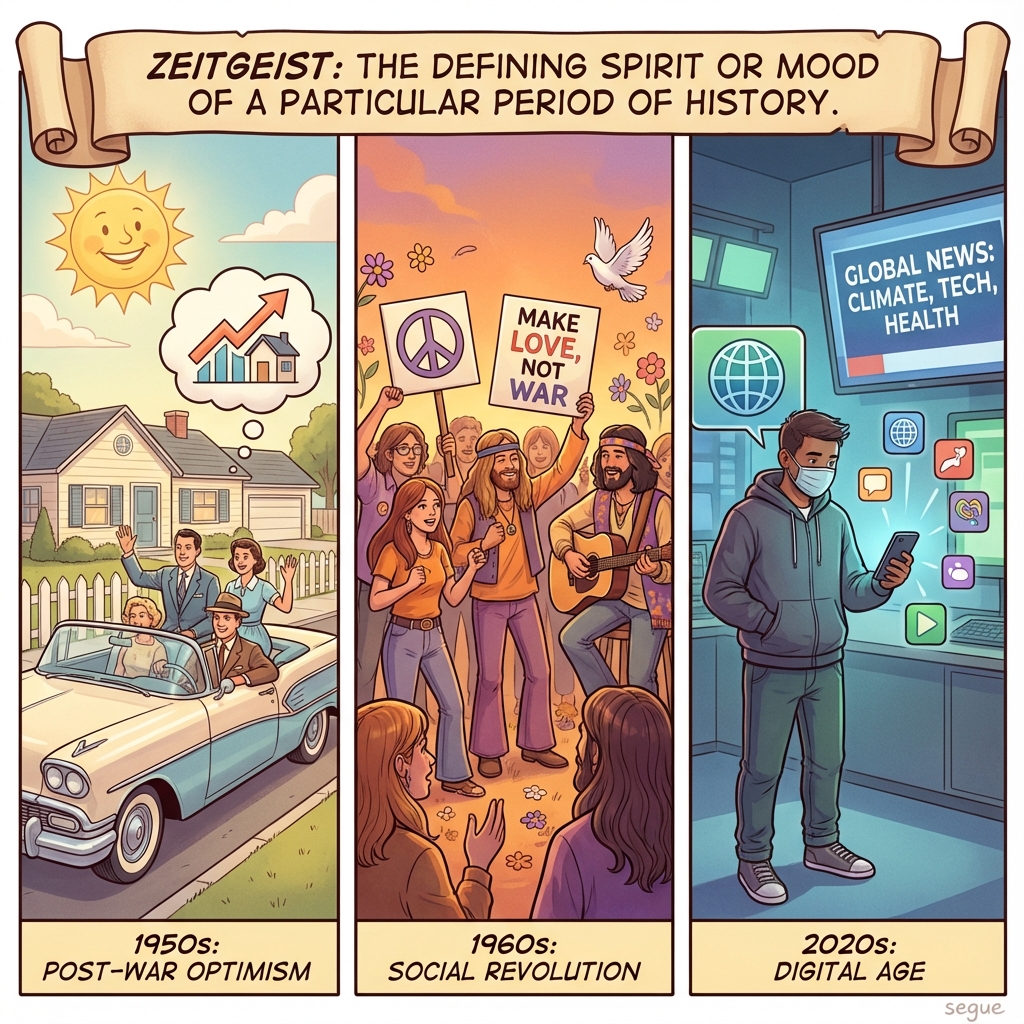
zeitgeist
/ˈtsaɪtɡaɪst/the defining spirit or mood of a particular period
“The zeitgeist of the 1960s was one of rebellion and change.”
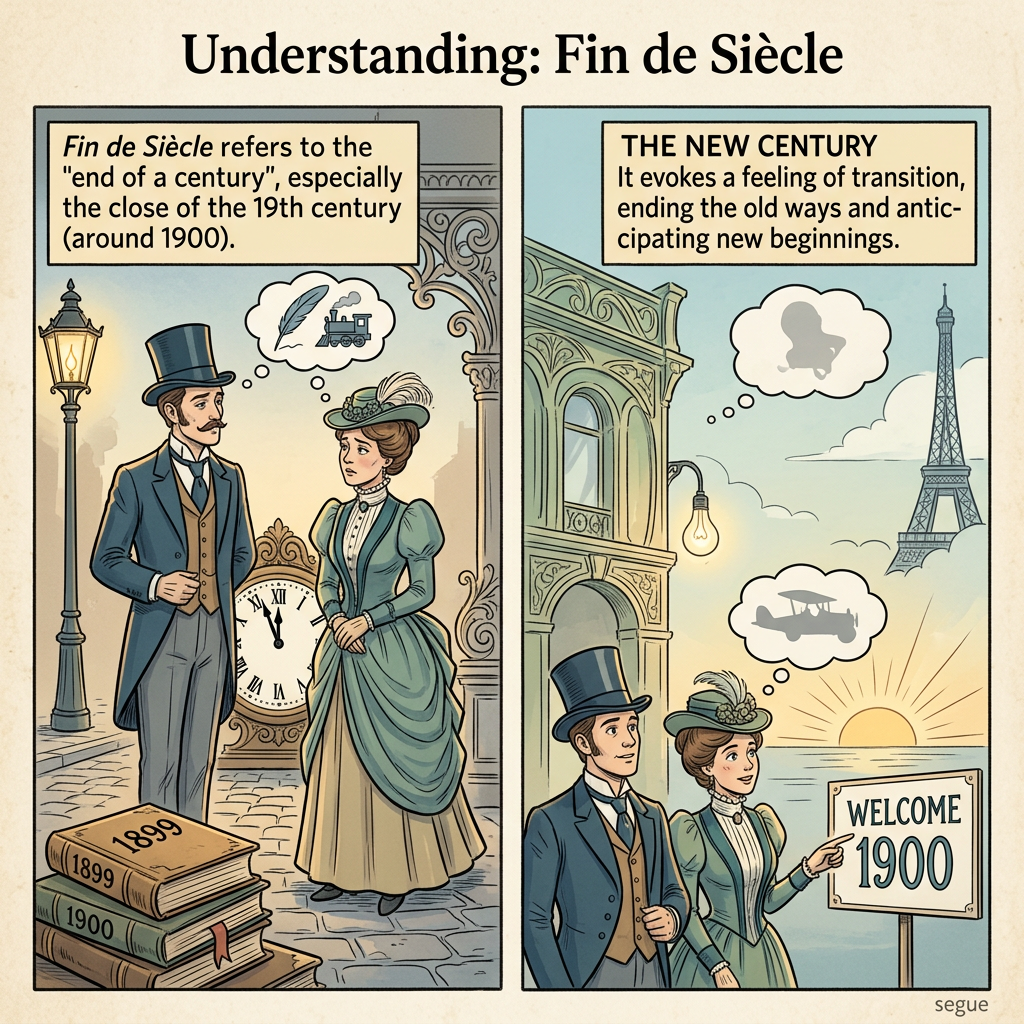
fin de siècle
/ˌfæn də siˈeklə/relating to the end of a century, especially the 19th century
“The fin de siècle atmosphere was marked by decadence and ennui.”
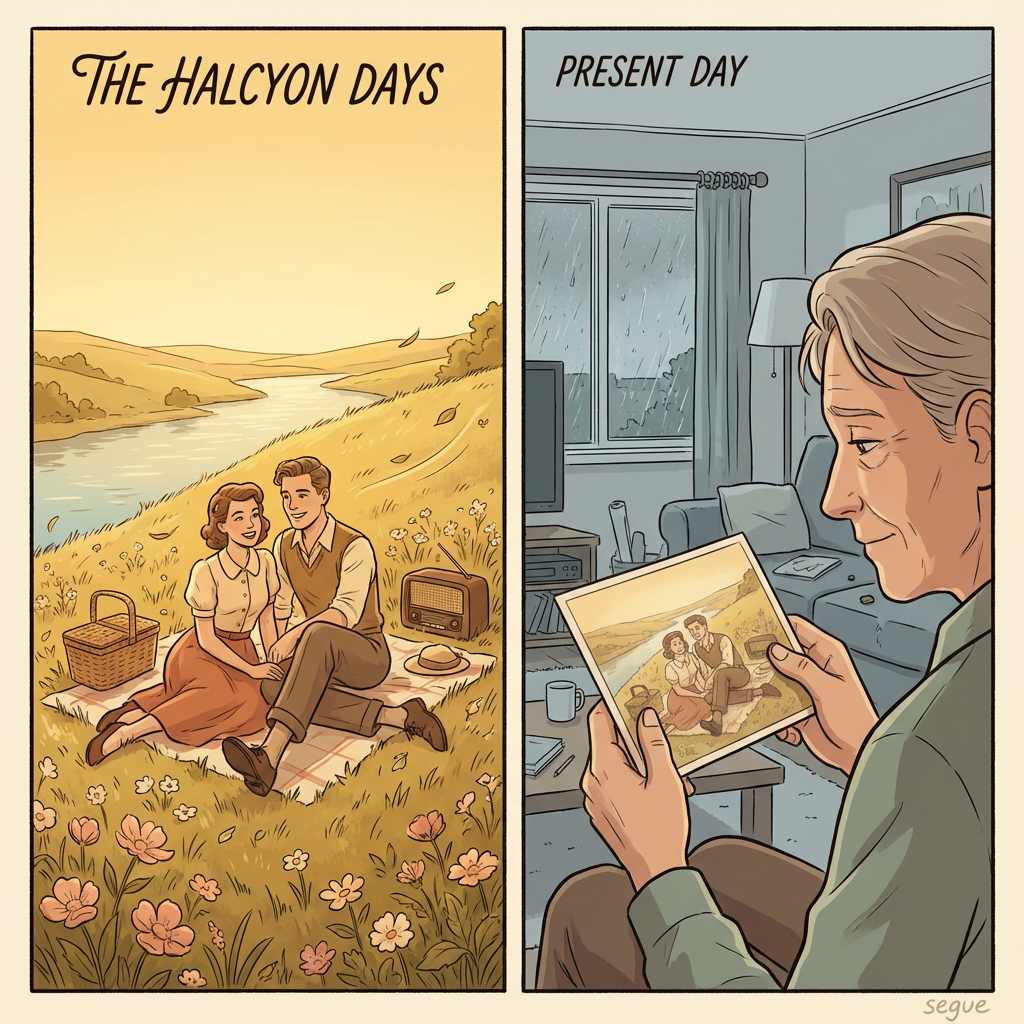
halcyon
/ˈhæɫsiən/denoting a period of time in the past that was idyllically happy
“He looked back on the halcyon days of his youth.”
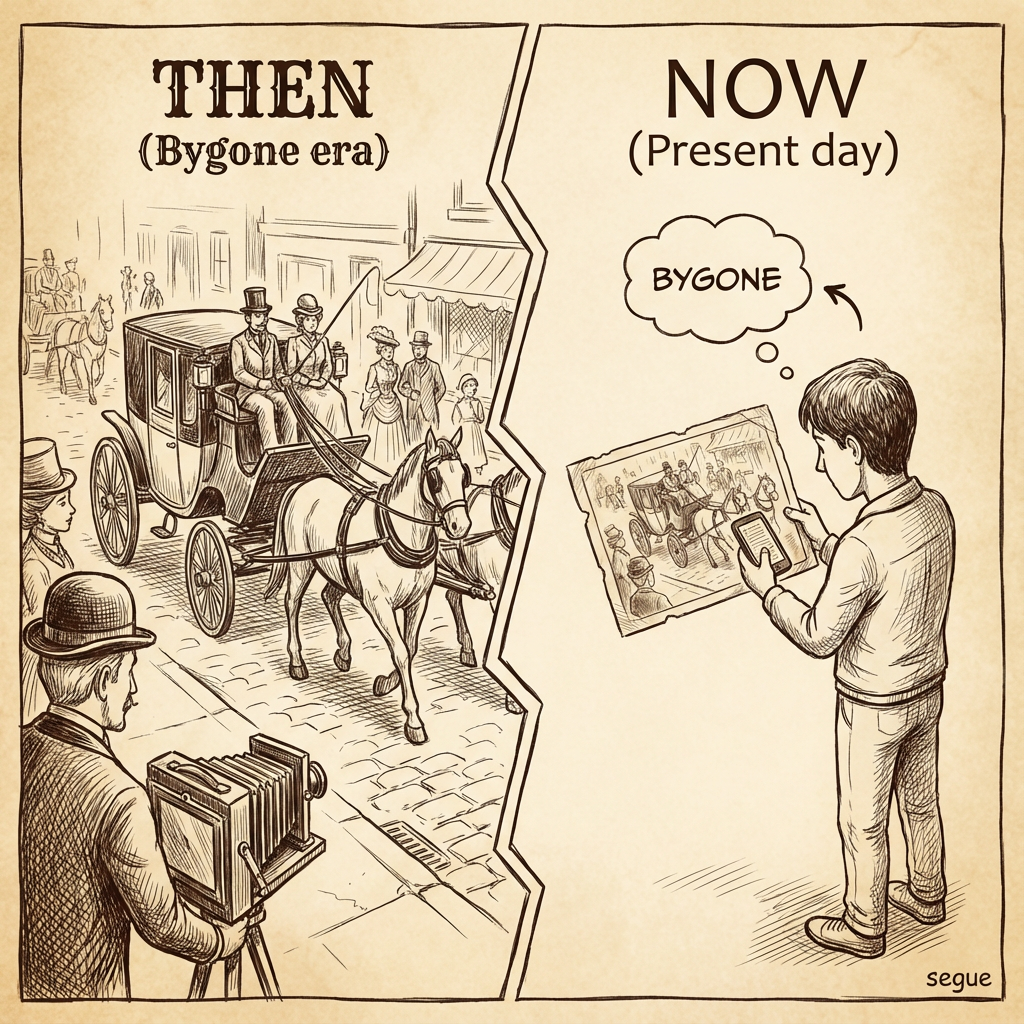
bygone
/ˈbaɪˌɡɔn/belonging to an earlier time
“These tools are relics of a bygone era.”
More from Time & Change
Explore other vocabulary categories in this collection.