Loading collection...
🔄
Habit Formation Vocabulary
Mechanisms of behavior change and routine
7 words
All 7 Words
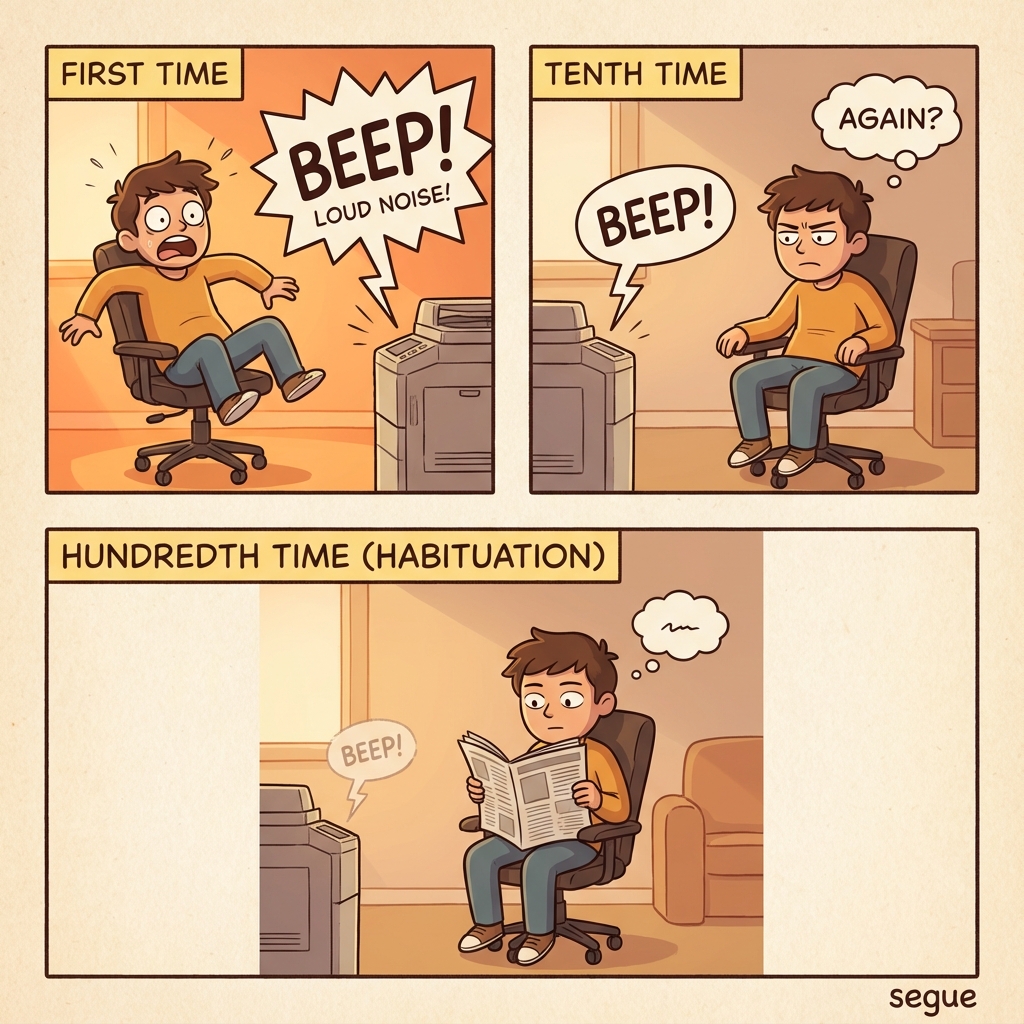
habituation
/həˌbɪtʃuˈeɪʃən/the diminishing of a physiological or emotional response to a frequently repeated stimulus
“Habituation allows us to ignore background noise after a while.”
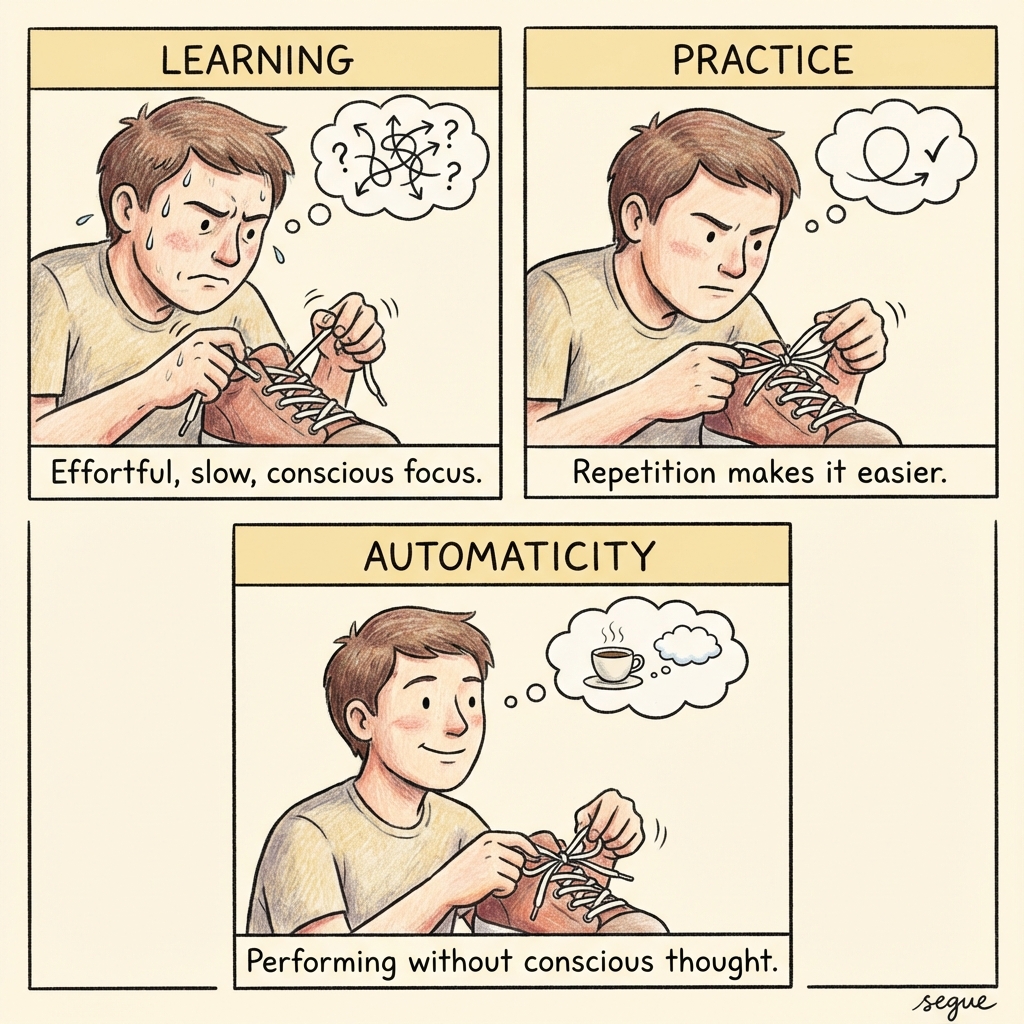
automaticity
/ˌɔːtəməˈtɪsɪti/the ability to do things without occupying the mind with the low-level details required
“Driving becomes a matter of automaticity for experienced drivers.”
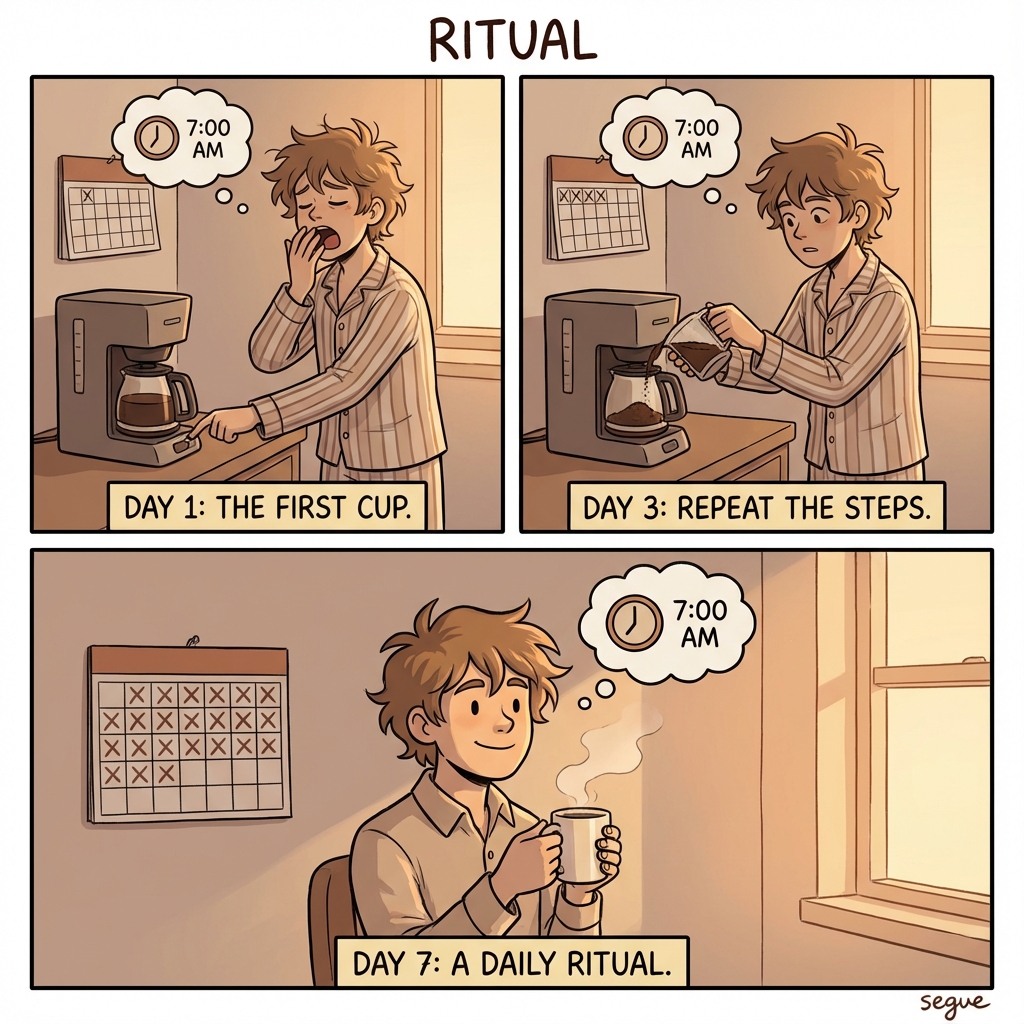
ritual
/ˈɹɪtʃuəɫ/a series of actions or type of behavior regularly and invariably followed by someone
“Her morning coffee ritual was essential for starting the day.”
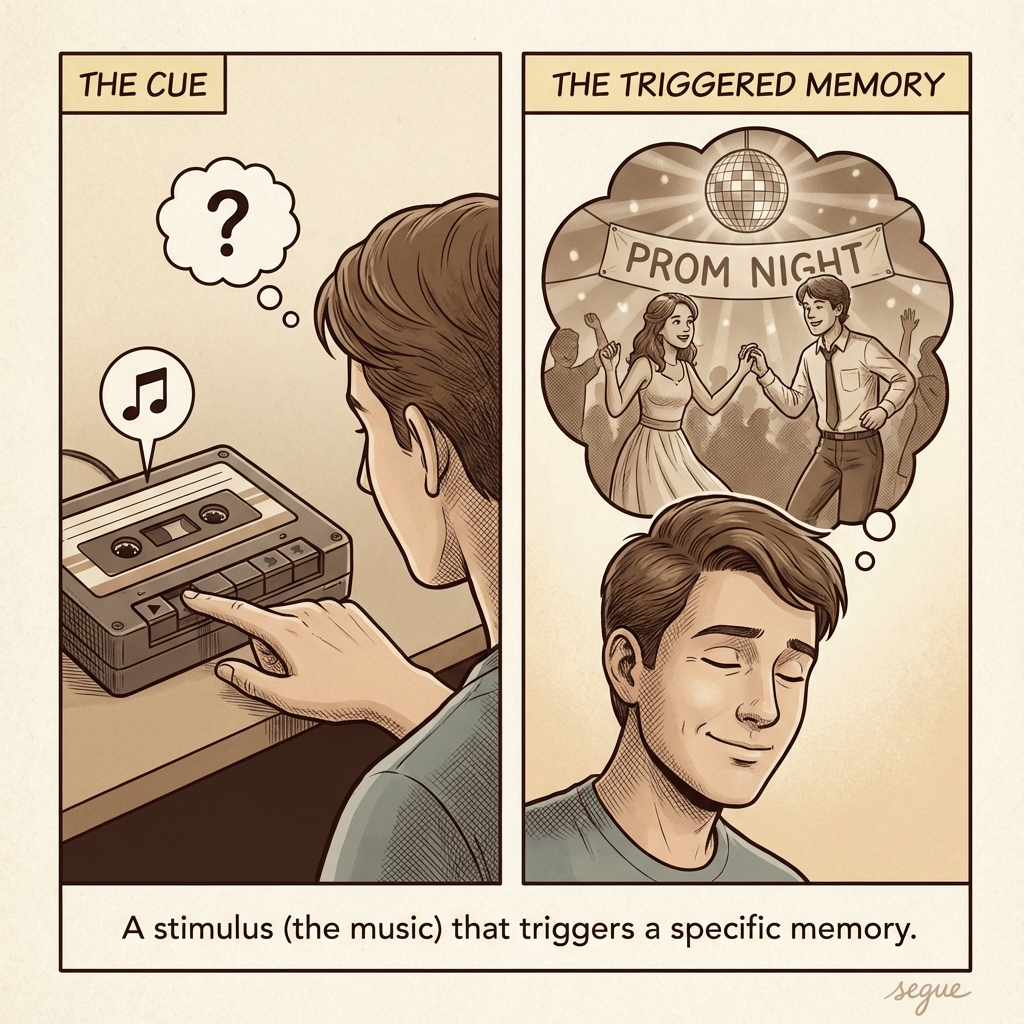
cue
/ˈkju/a stimulus that triggers a specific behavior or memory
“Putting on running shoes can be a powerful cue for exercise.”

craving
/ˈkɹeɪvɪŋ/a powerful desire for something
“The craving for sugar can derail a diet.”
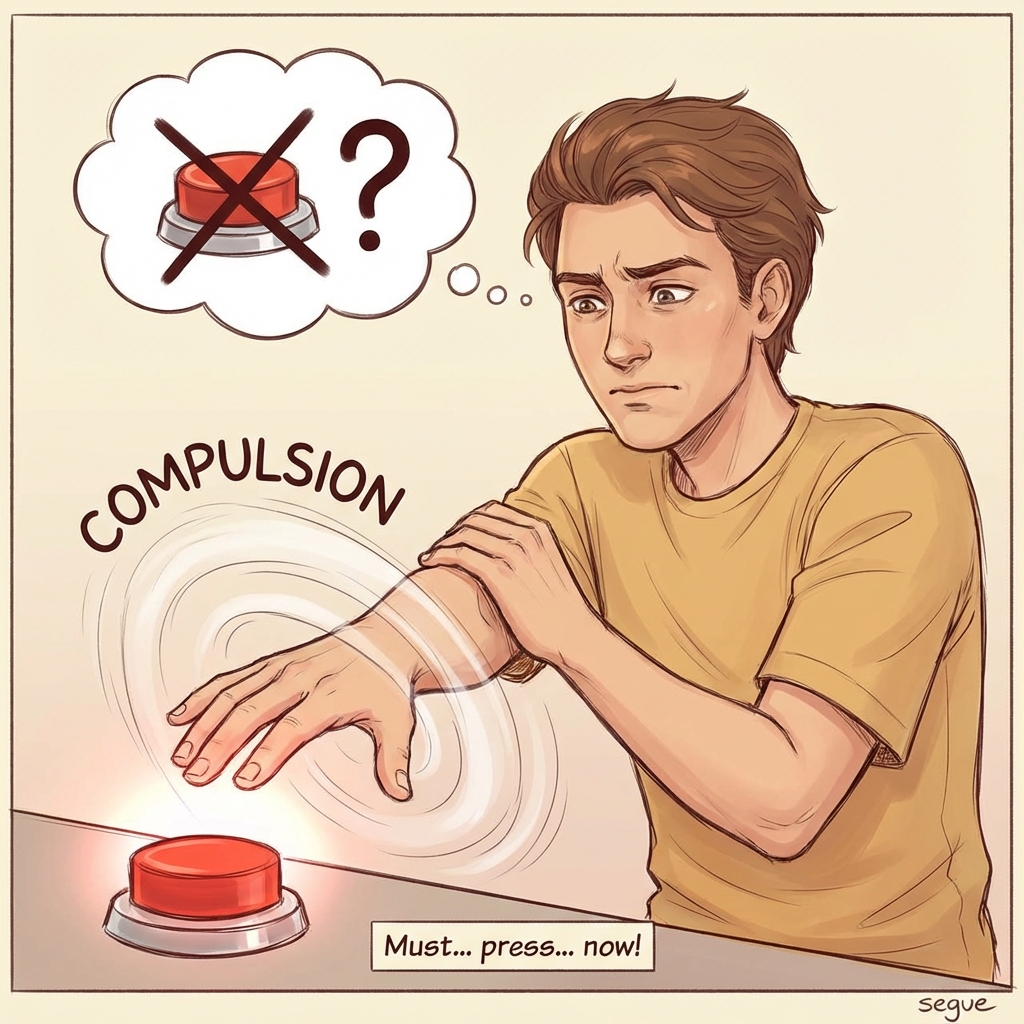
compulsion
/kəmˈpəɫʃən/an irresistible urge to behave in a certain way
“He felt a compulsion to check his phone constantly.”
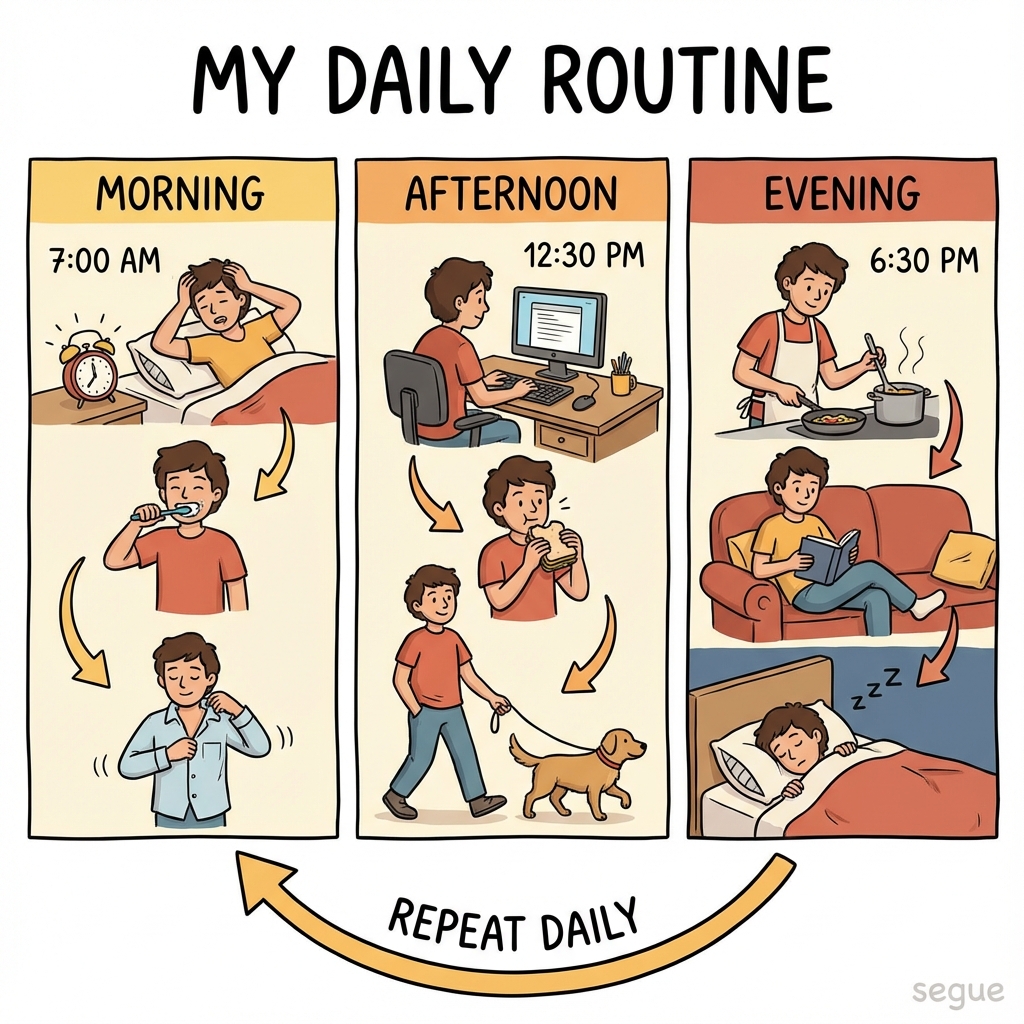
routine
/ɹuˈtin/a sequence of actions regularly followed
“A consistent routine builds momentum.”
More from Identity & Growth
Explore other vocabulary categories in this collection.