Loading collection...
🌱
Growth & Maturation Vocabulary
Words relating to development, learning, and expanding the mind
17 words
All 17 Words
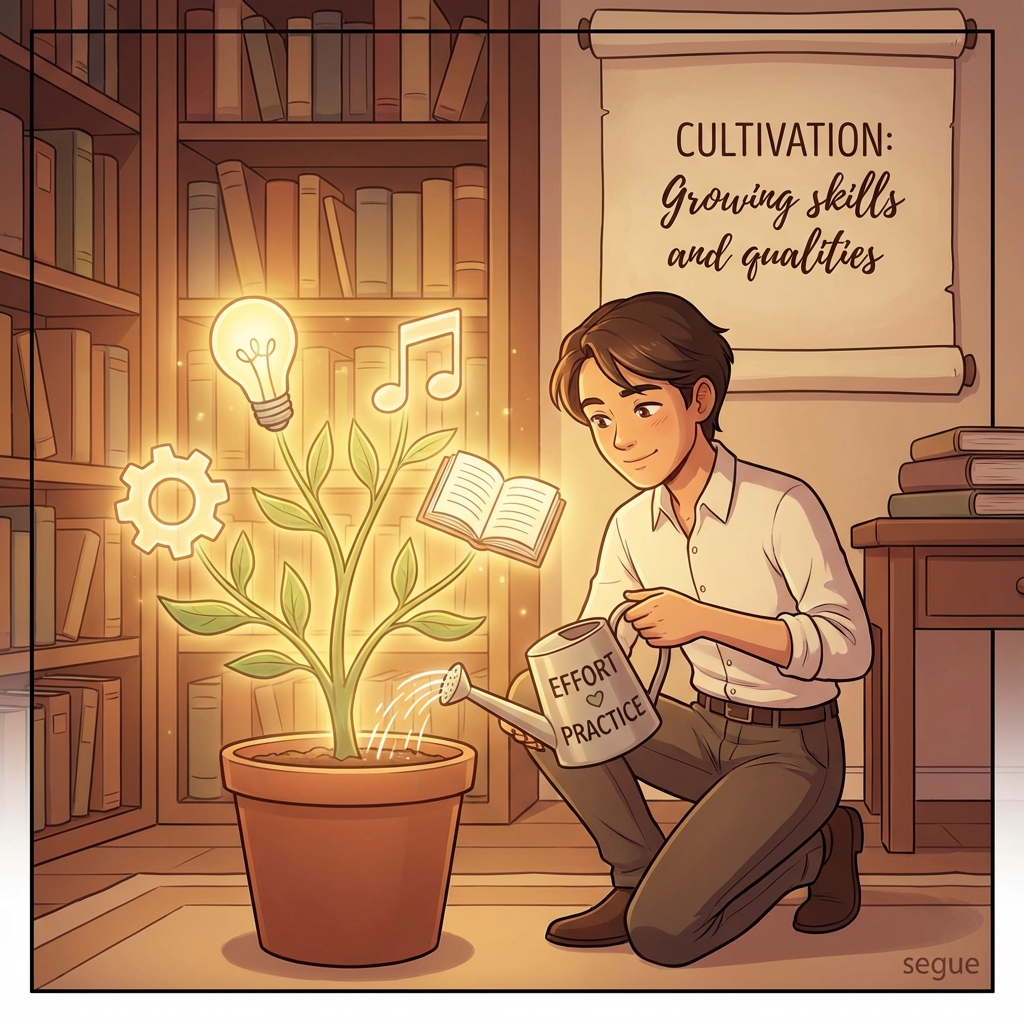
cultivation
/ˌkəɫtɪˈveɪʃən/the process of trying to acquire or develop a quality or skill
“The cultivation of patience takes time and effort.”
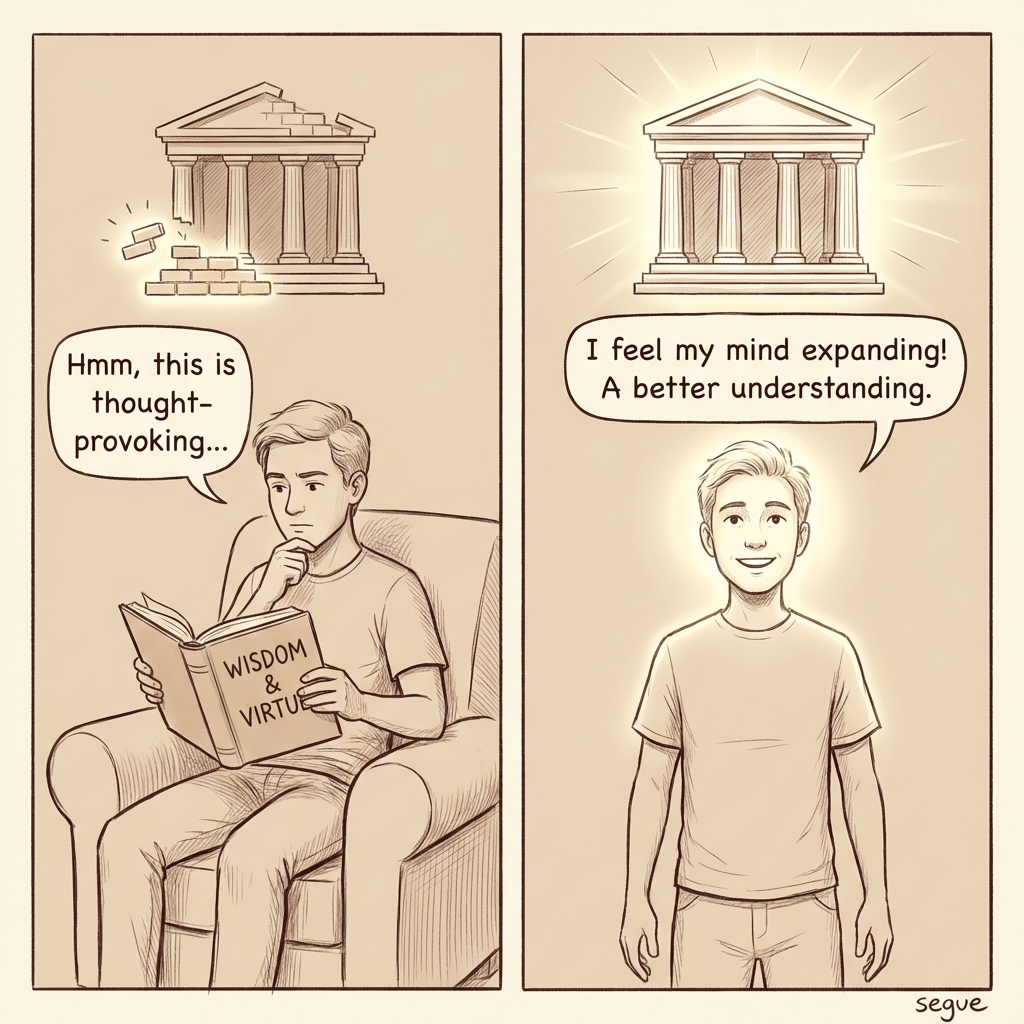
edification
/ˌɛdəfəˈkeɪʃən/the instruction or improvement of a person morally or intellectually
“The lecture was intended for the edification of the students.”
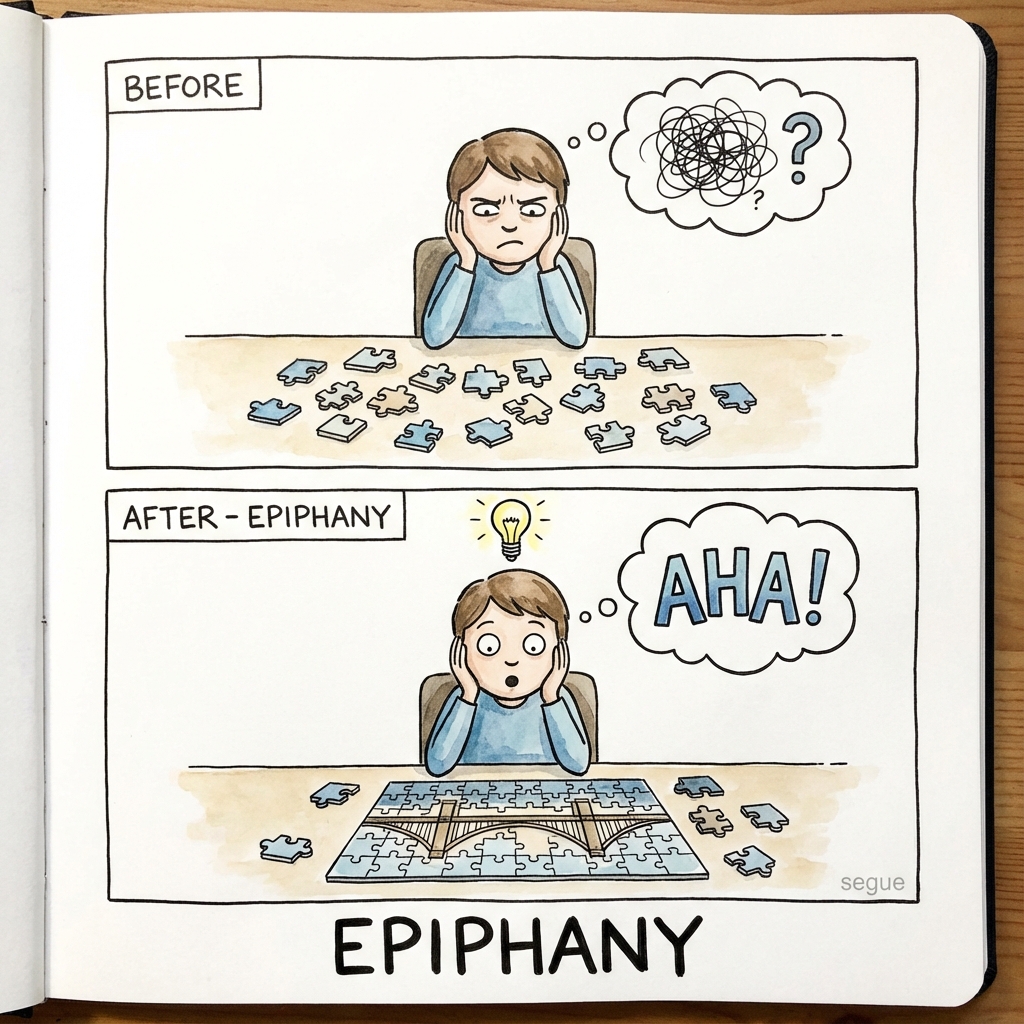
epiphany
/ɪˈpɪfəni/a moment of sudden revelation or insight
“She had an epiphany that changed her career path.”
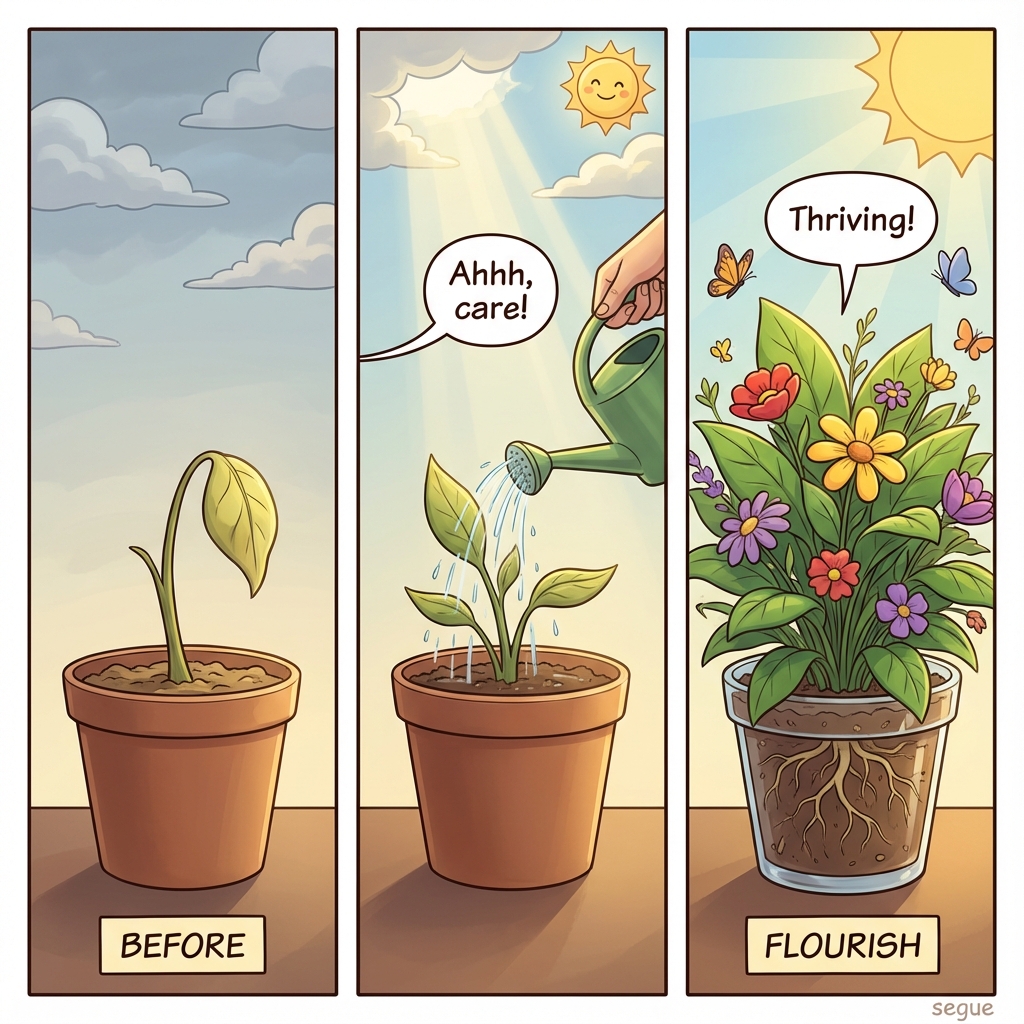
flourish
/ˈfɫɝɪʃ/to grow or develop in a healthy or vigorous way
“The arts scene began to flourish in the new district.”
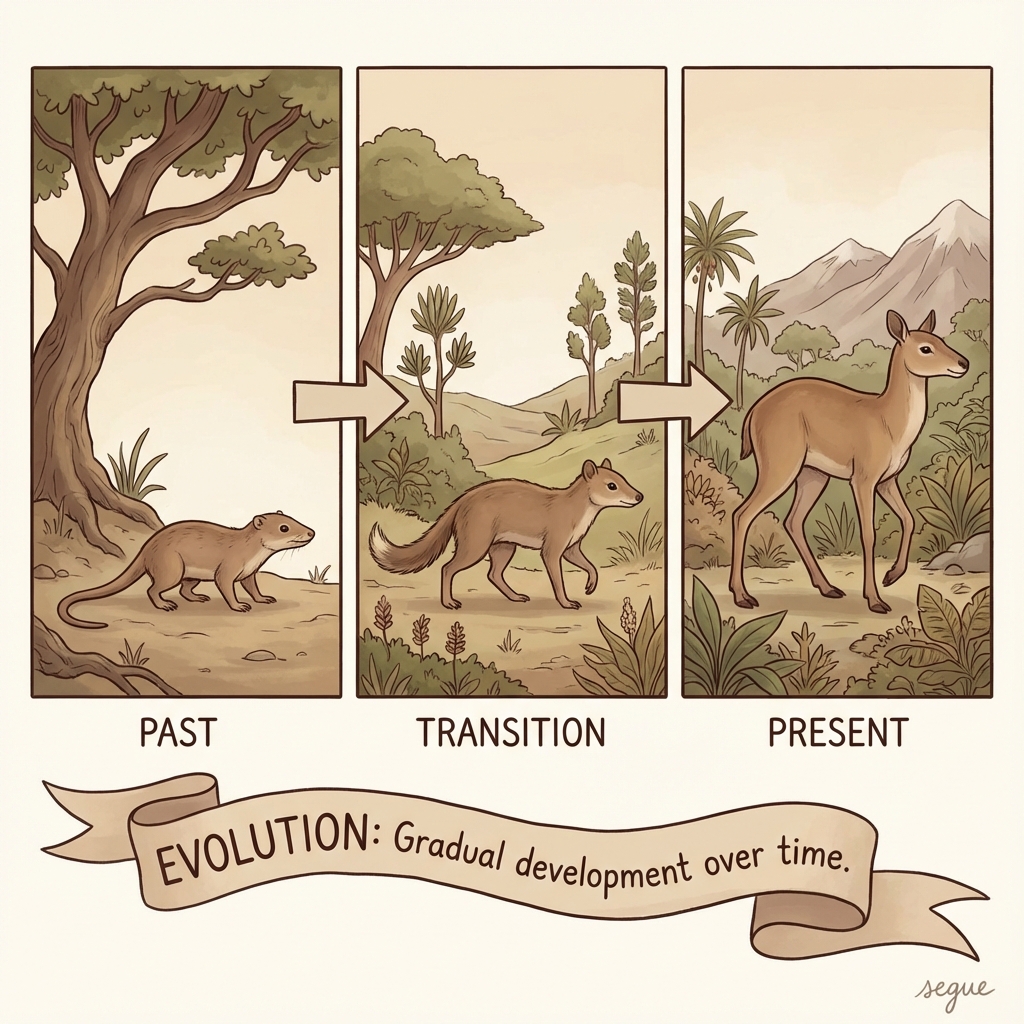
evolution
/ˌɛvəˈɫuʃən/the gradual development of something, especially from a simple to a more complex form
“We witnessed the evolution of his writing style over the years.”
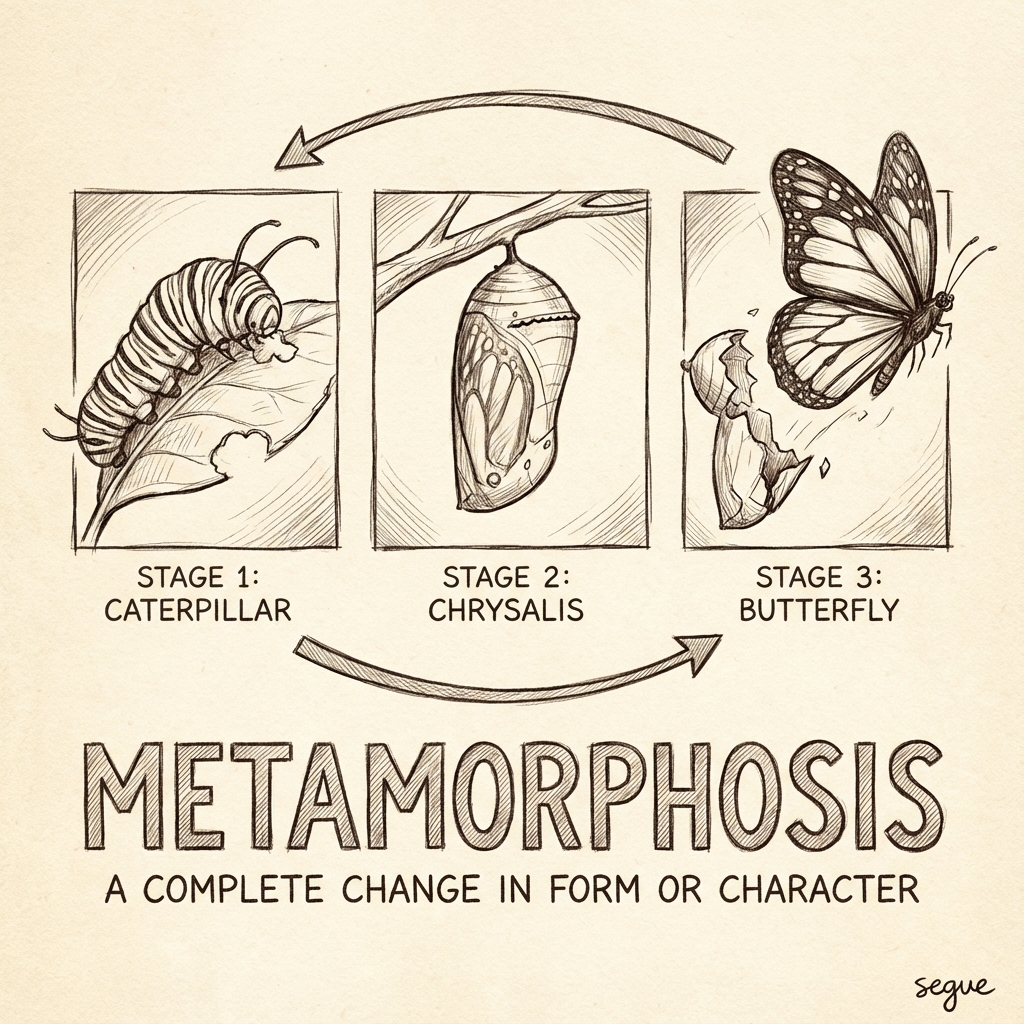
metamorphosis
/ˌmɛtəˈmɔɹfəsəs/a change of the form or nature of a thing or person into a completely different one
“The company underwent a metamorphosis into a global brand.”
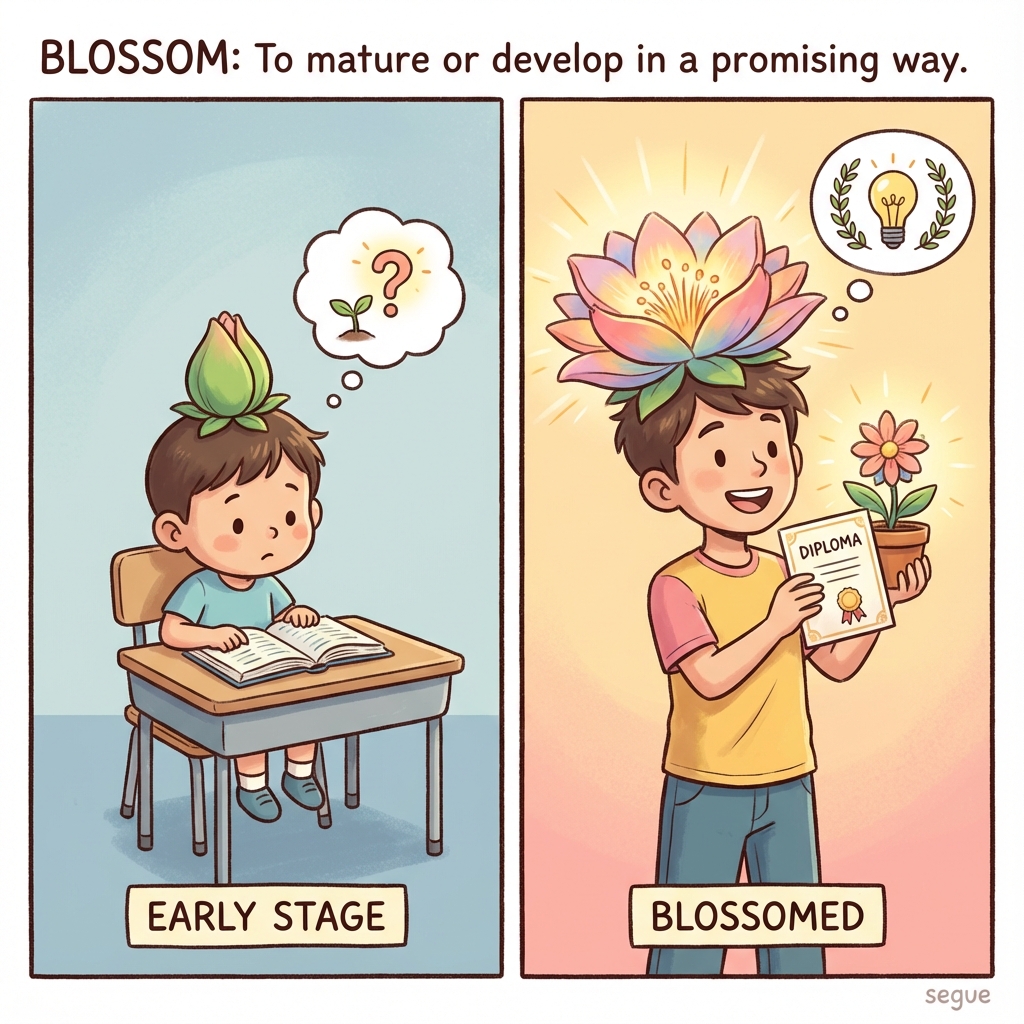
blossom
/ˈbɫɑsəm/to mature or develop in a promising or healthy way
“Their friendship began to blossom after the trip.”
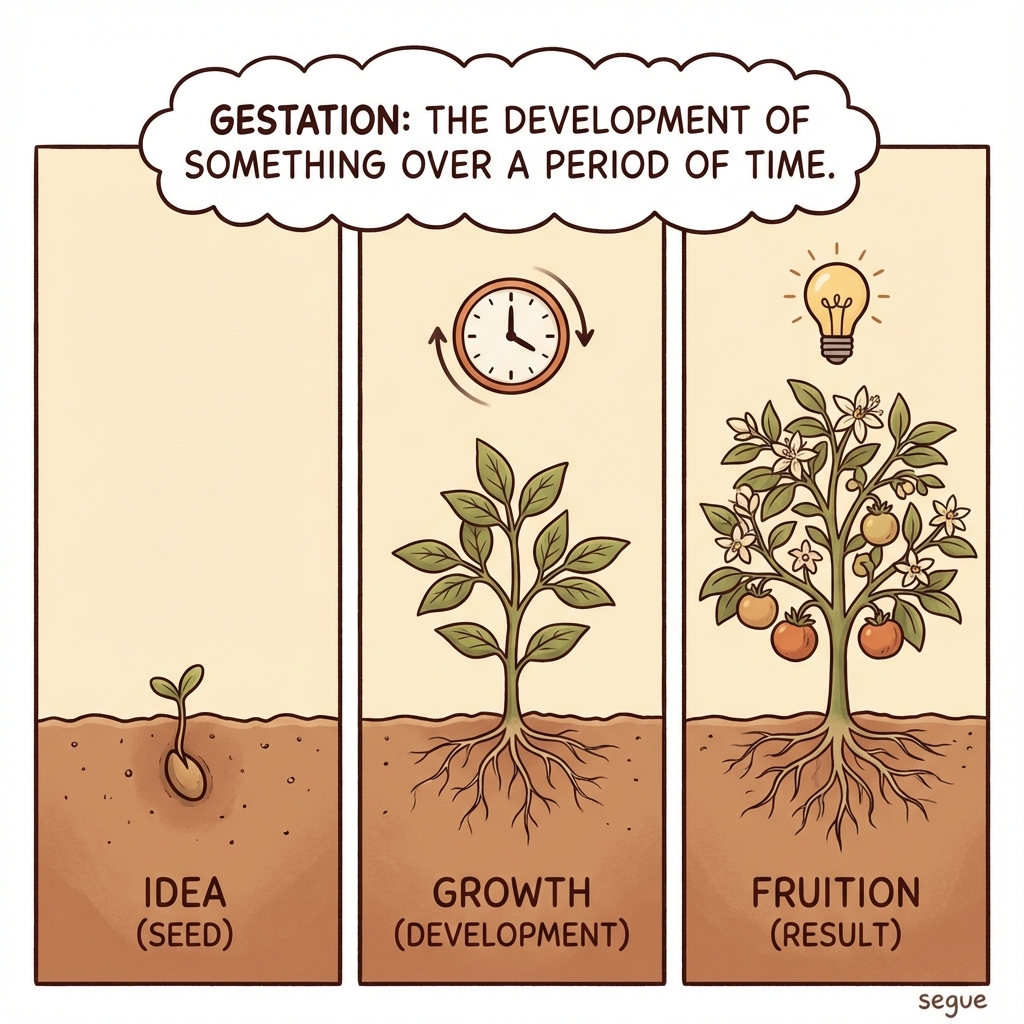
gestation
/dʒɛˈsteɪʃən/the development of something over a period of time
“The project had a long gestation period before launching.”
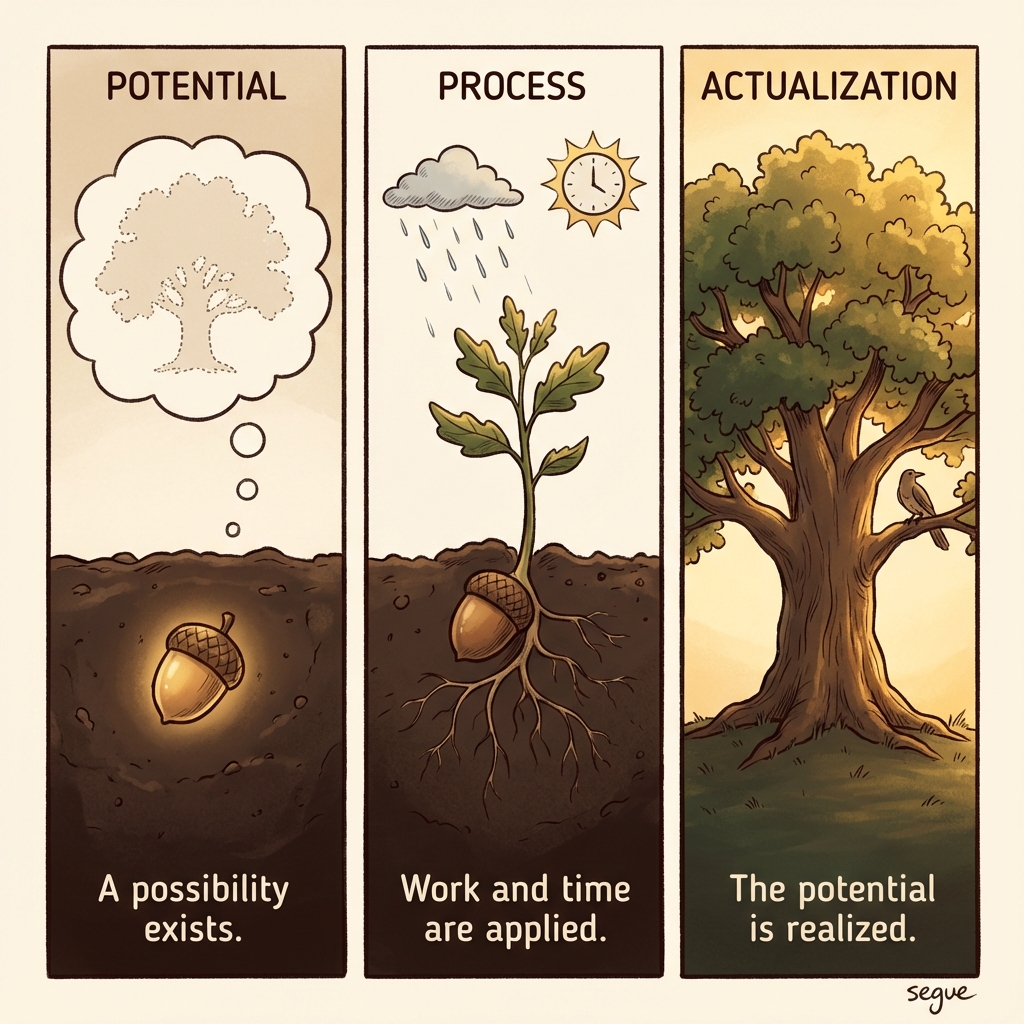
actualization
/ˌæktʃuəlaɪˈzeɪʃən/the realization of a potential
“Self-actualization is the highest need in Maslow's hierarchy.”
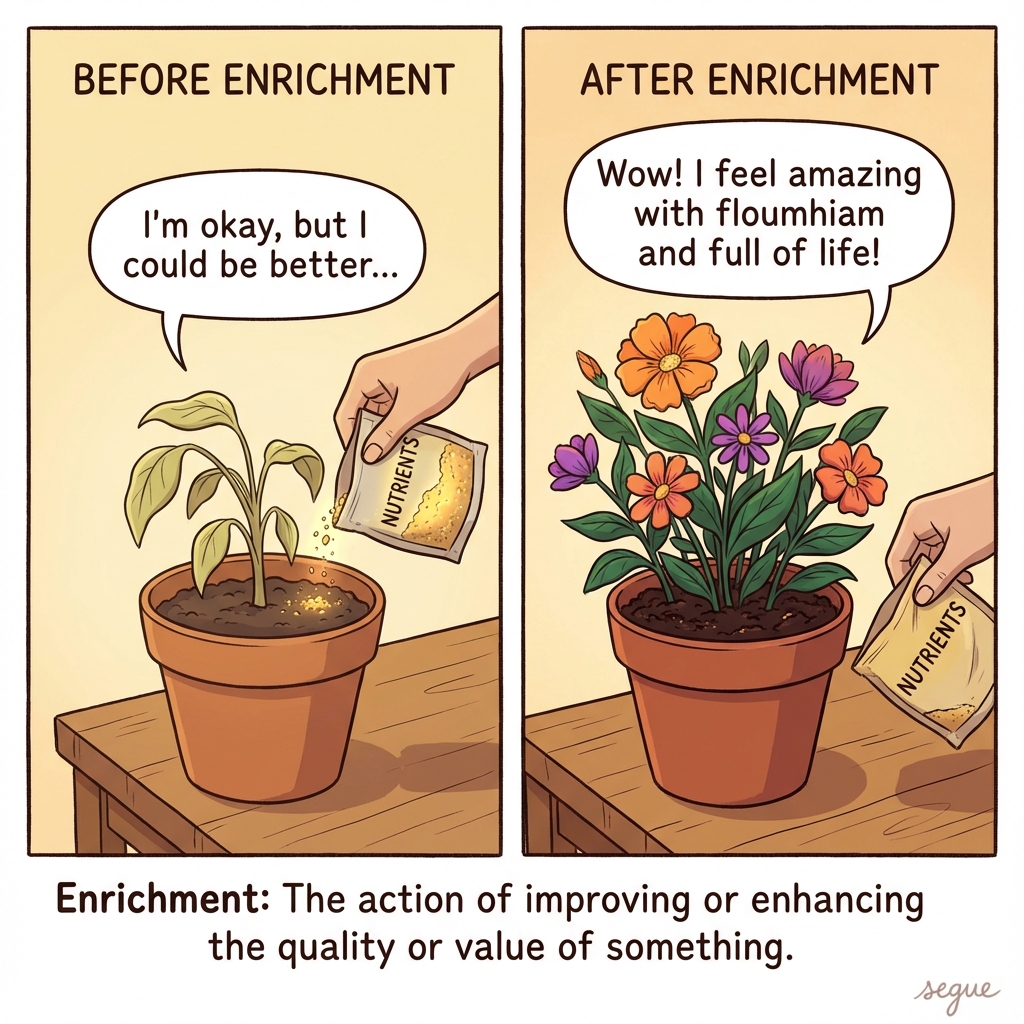
enrichment
/ɛnˈɹɪtʃmənt/the action of improving or enhancing the quality or value of something
“Cultural enrichment is a benefit of travel.”
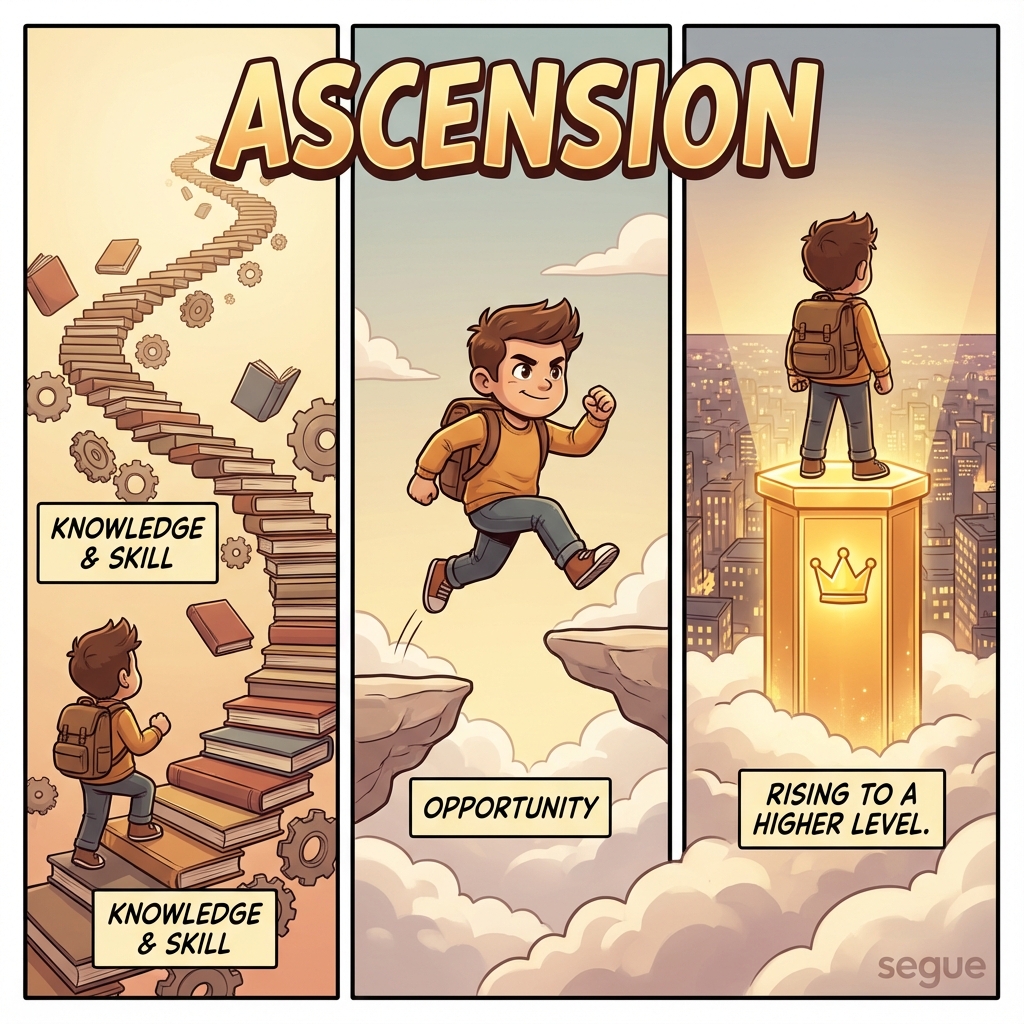
ascension
/əˈsɛnʃən/the act of rising to an important position or a higher level
“His rapid ascension to the board surprised everyone.”
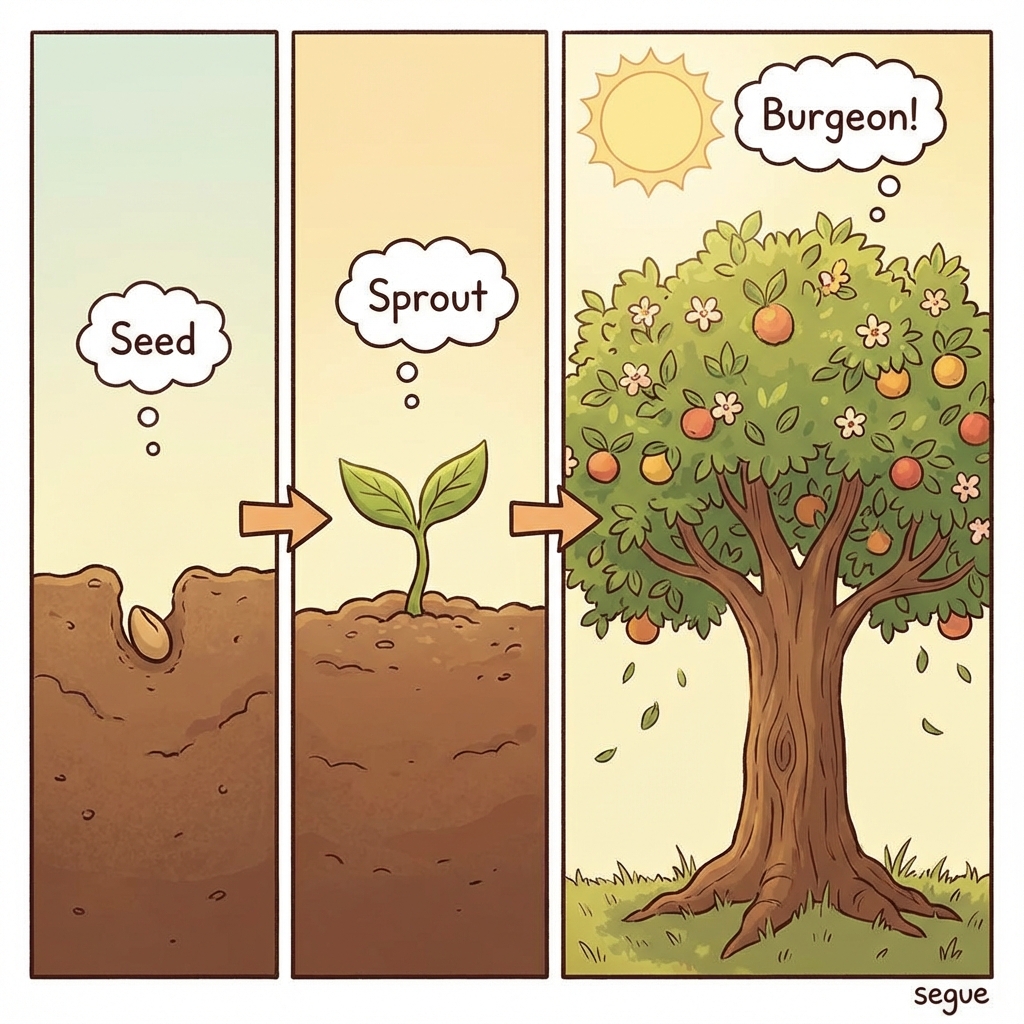
burgeon
/ˈbɝdʒən/to begin to grow or increase rapidly; flourish
“The burgeoning market attracted many investors.”
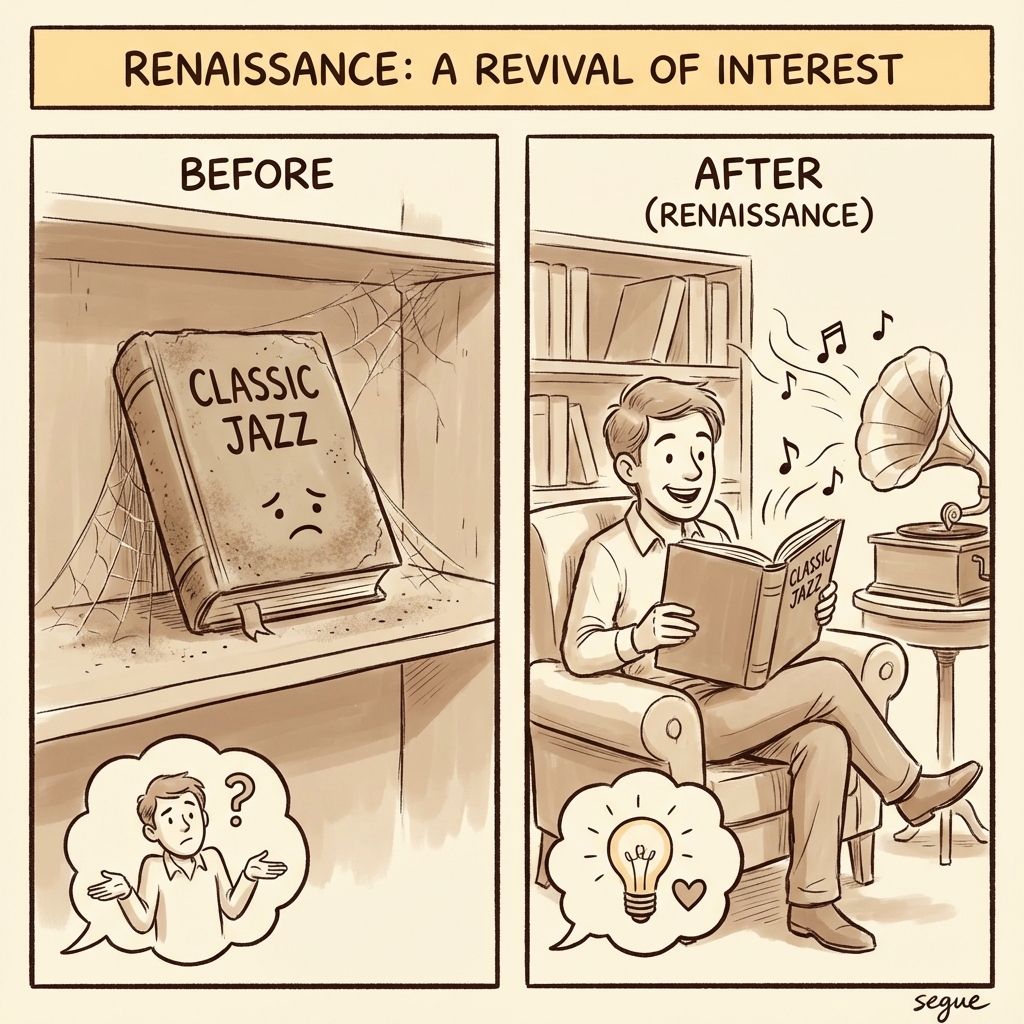
renaissance
/ˌɹɛnəˈsɑns/a revival of or renewed interest in something
“Vinyl records are enjoying a renaissance.”
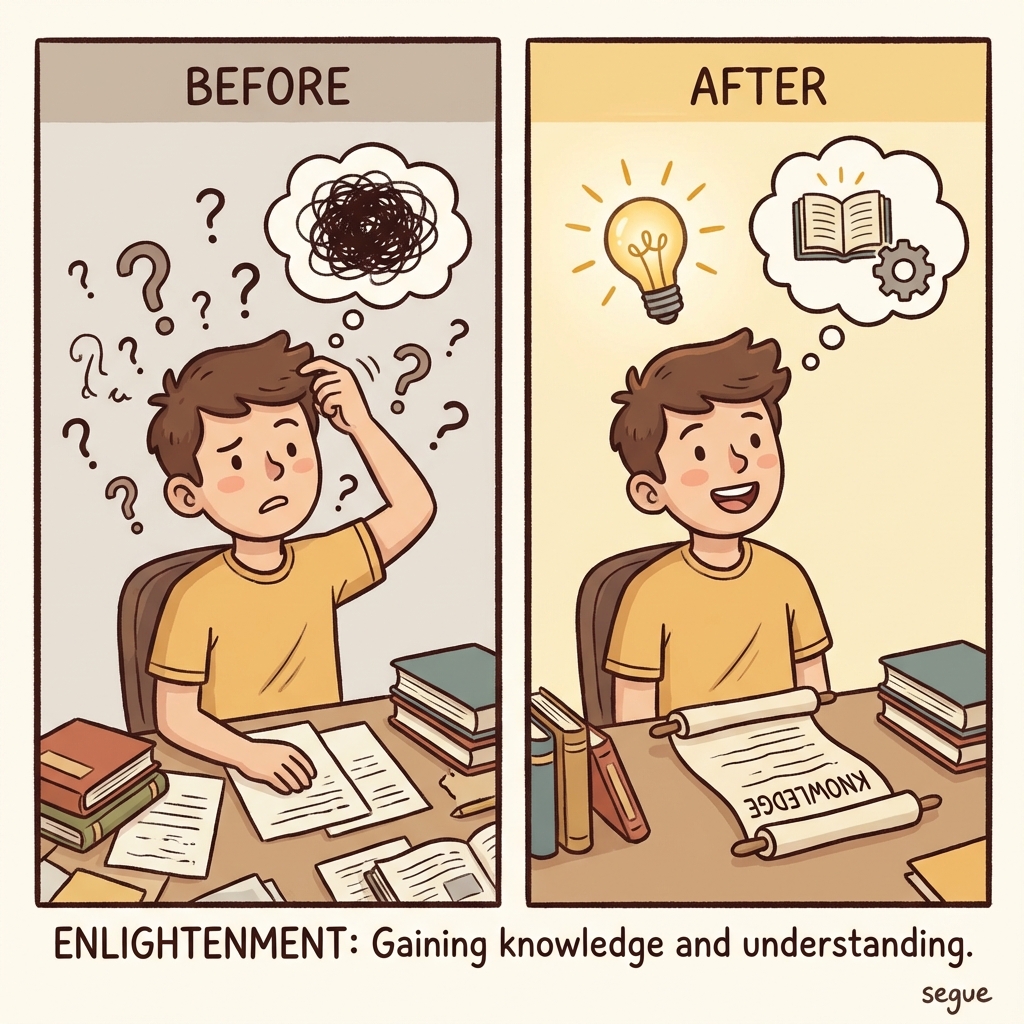
enlightenment
/ˌɛnˈɫaɪtənmənt/the state of having knowledge or understanding
“He sought spiritual enlightenment through meditation.”
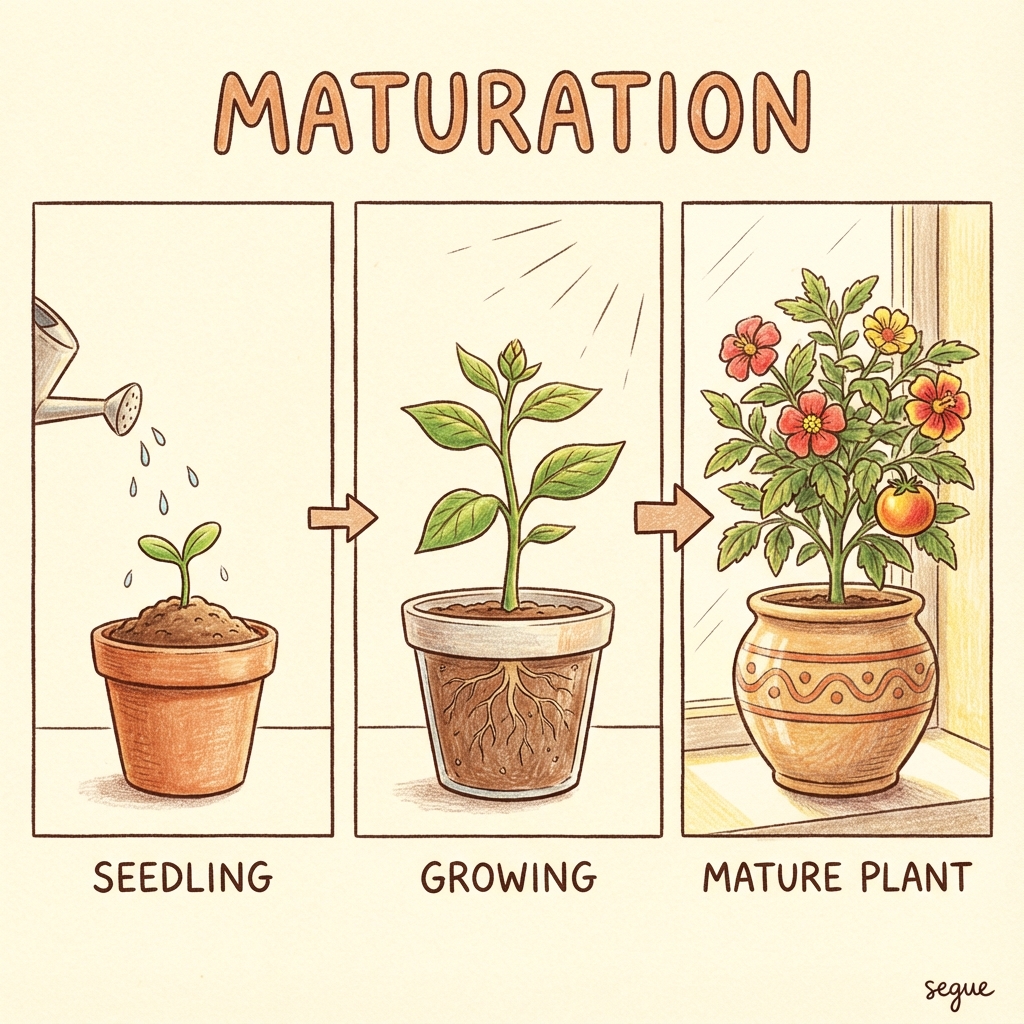
maturation
/ˌmætʃɝˈeɪʃən/the action or process of maturing
“The maturation of the wine improved its flavor.”
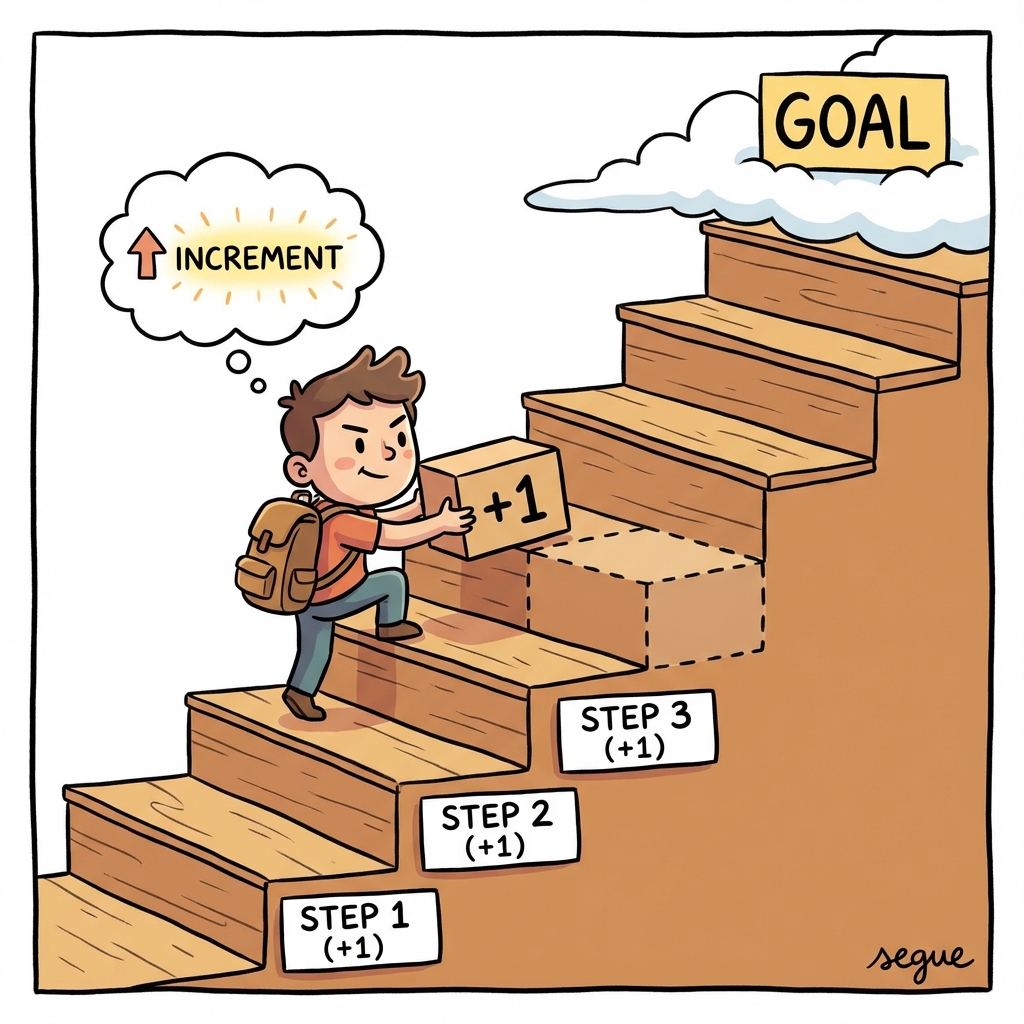
increment
/ˈɪnkɹəmənt/an increase or addition, especially one of a series on a fixed scale
“She learned the language in small increments.”
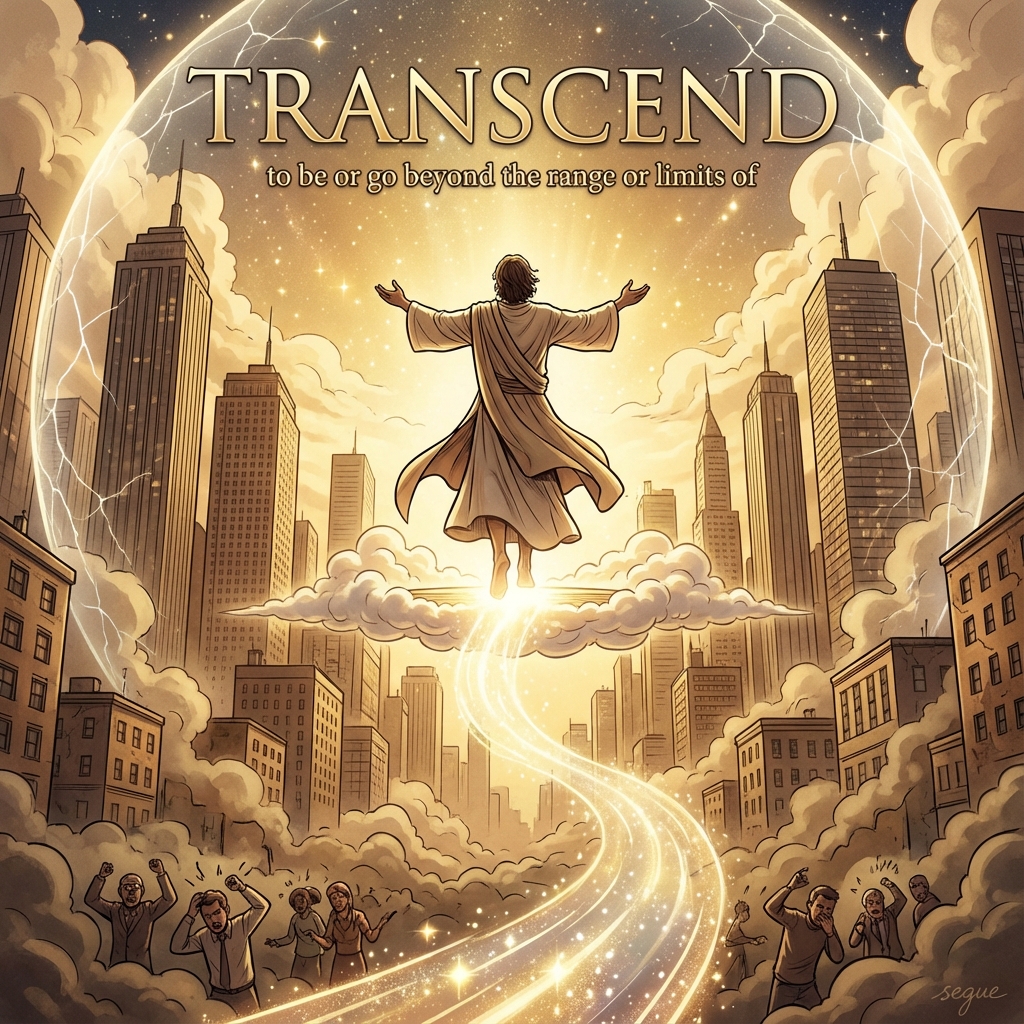
transcend
/tɹænˈsɛnd/to be or go beyond the range or limits of
“Great art can transcend cultural barriers.”
More from Identity & Growth
Explore other vocabulary categories in this collection.