Loading collection...
🌱
Growth & Fertility Vocabulary
Words for abundance, reproduction, and natural vitality
10 words
All 10 Words
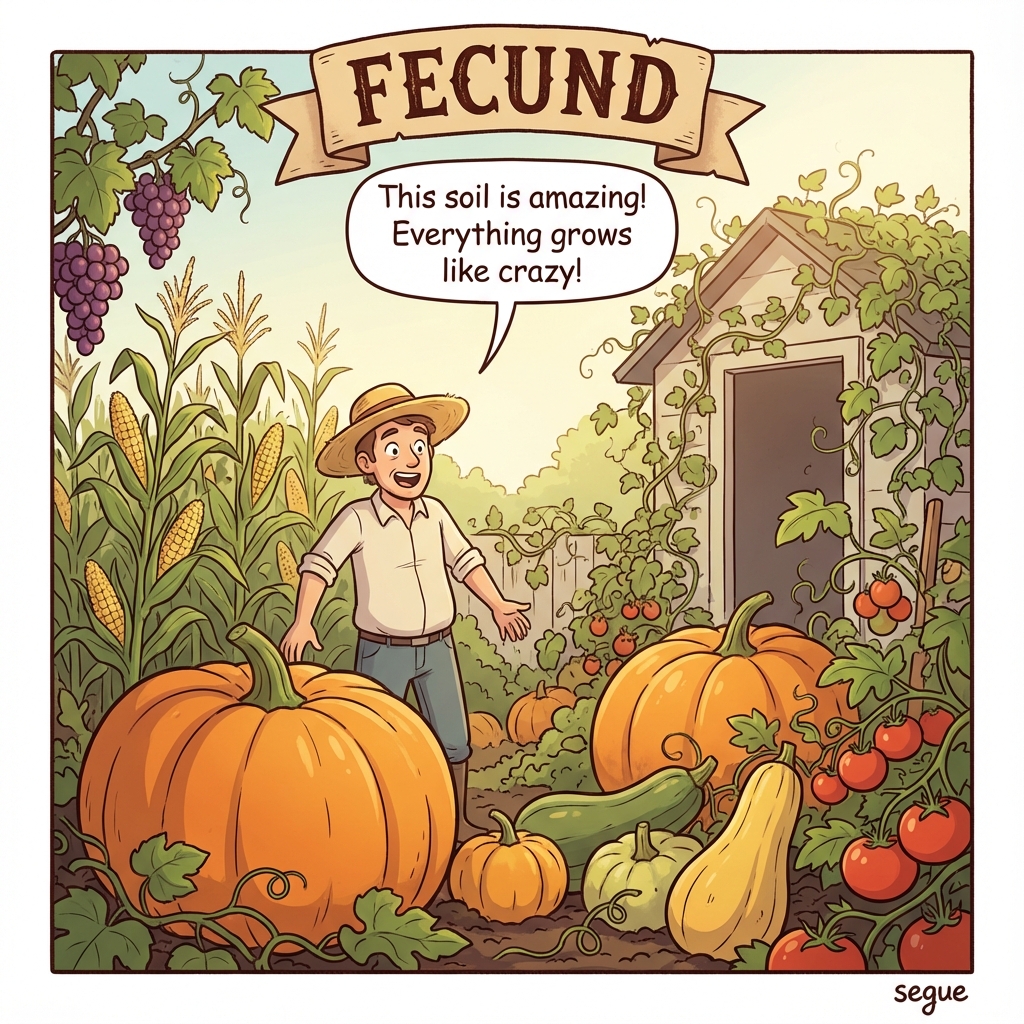
fecund
/ˈfiːkənd/producing or capable of producing much fruit or vegetation
“The fecund valley provided food for the entire region.”
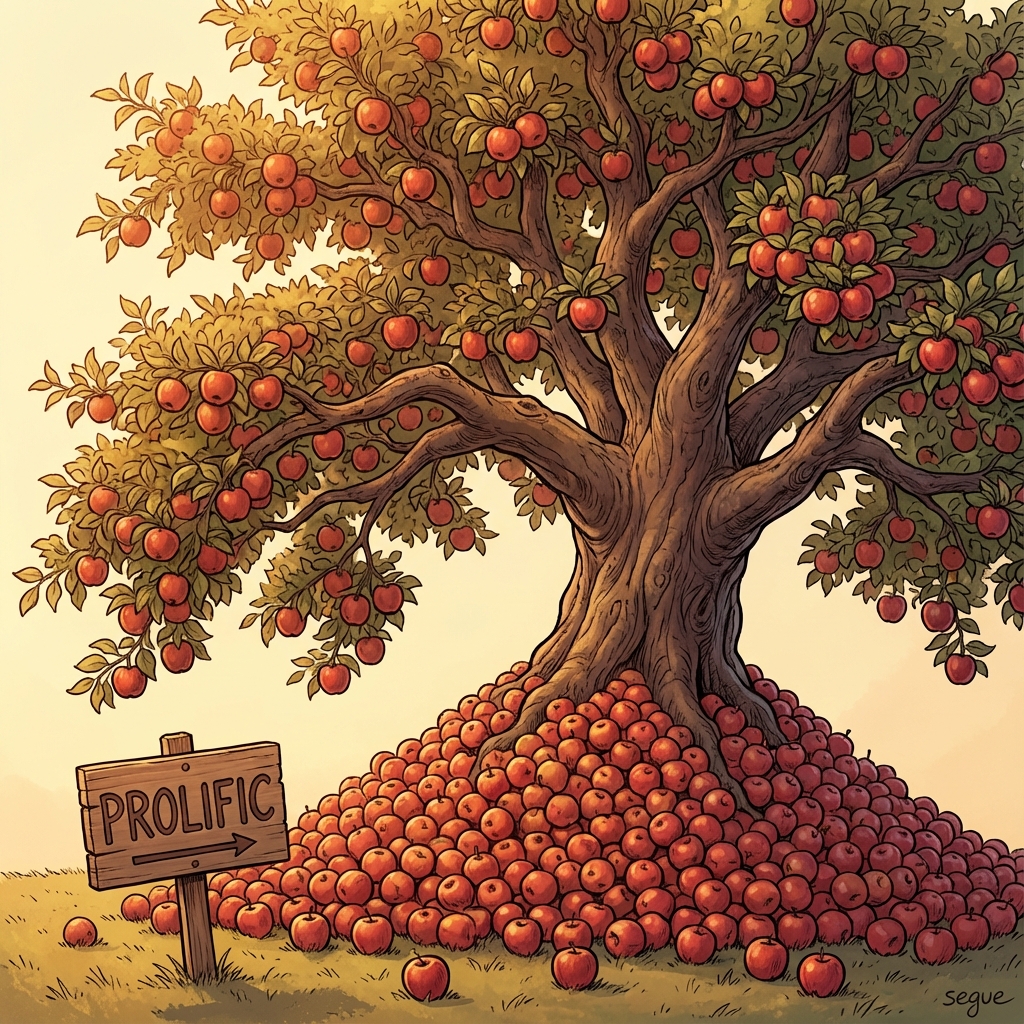
prolific
/pɹoʊˈɫɪfɪk/producing much fruit, foliage, or offspring
“The prolific author published dozens of novels.”
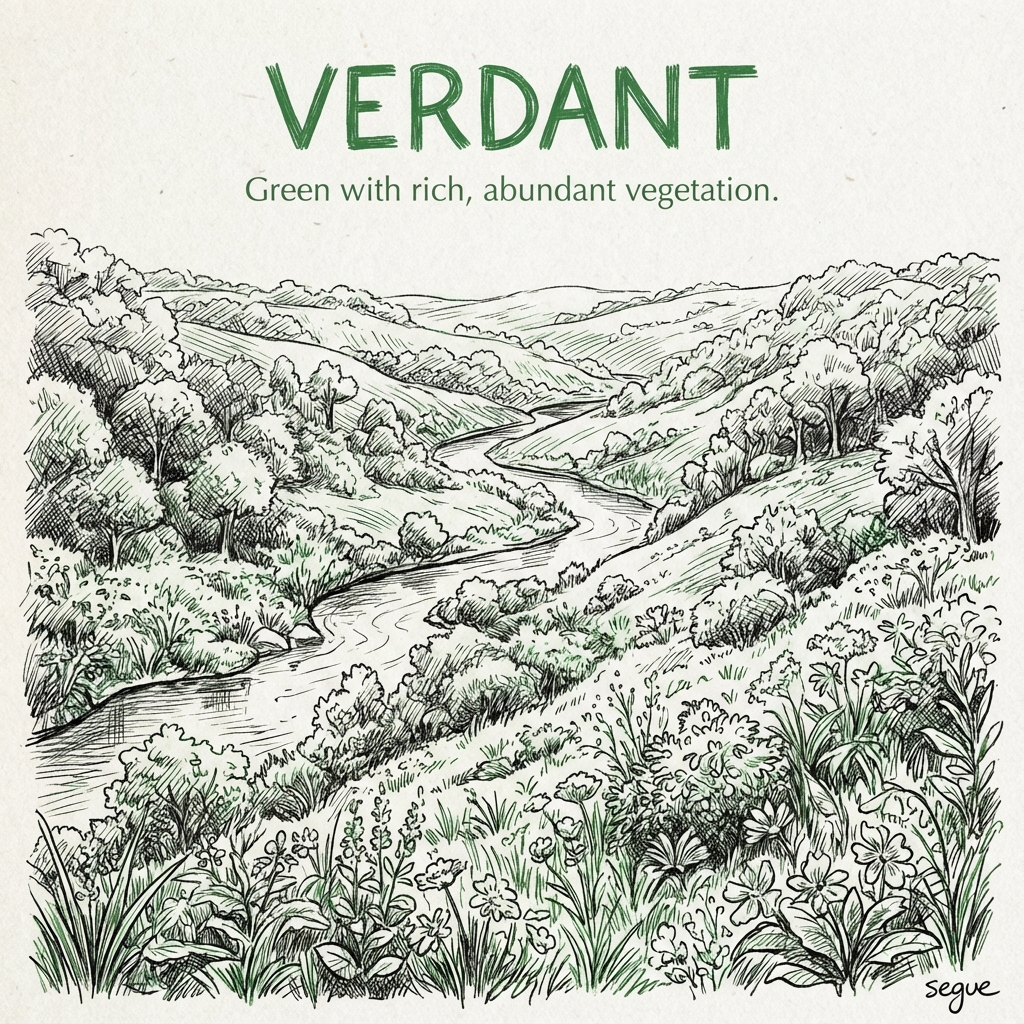
verdant
/ˈvɝdənt/green with grass or other rich vegetation
“The verdant hillsides glowed in the spring sunlight.”
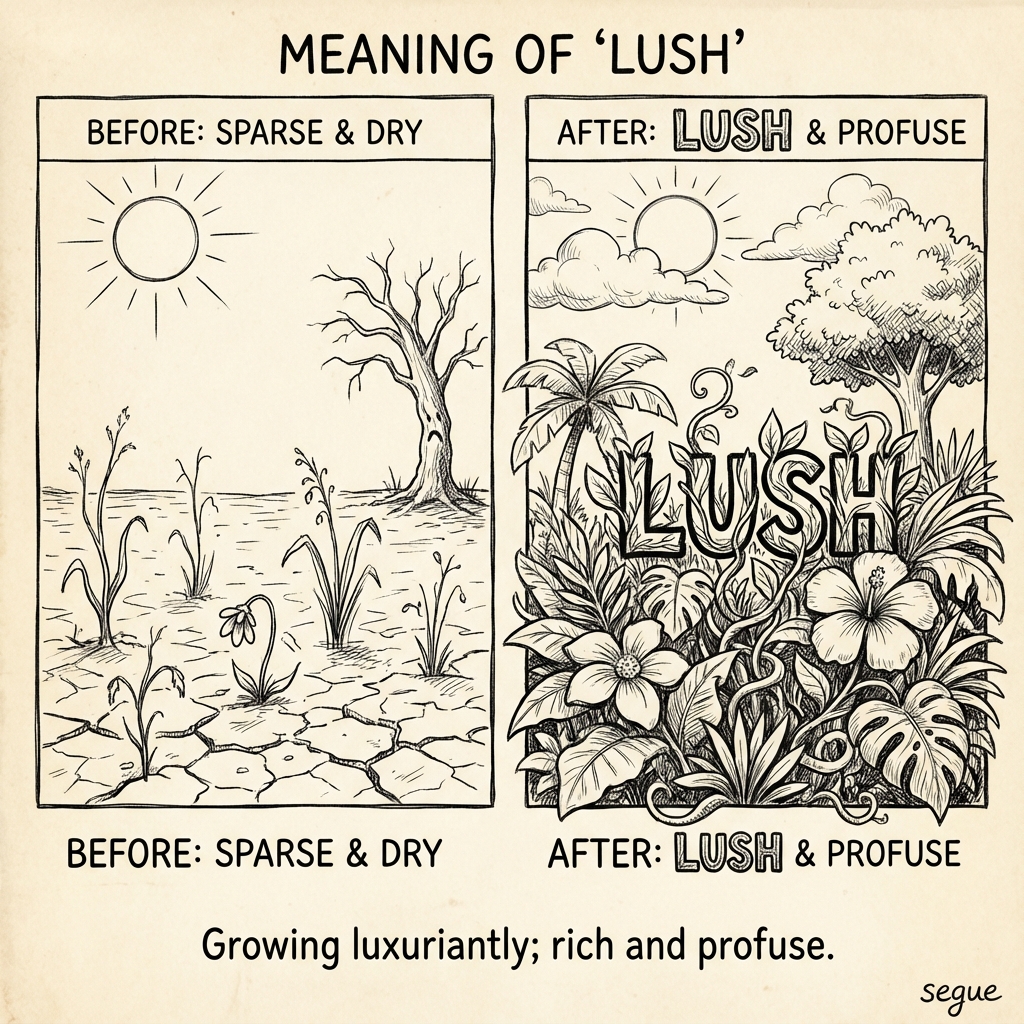
lush
/ˈɫəʃ/growing luxuriantly; rich and profuse
“The lush tropical garden was alive with color.”
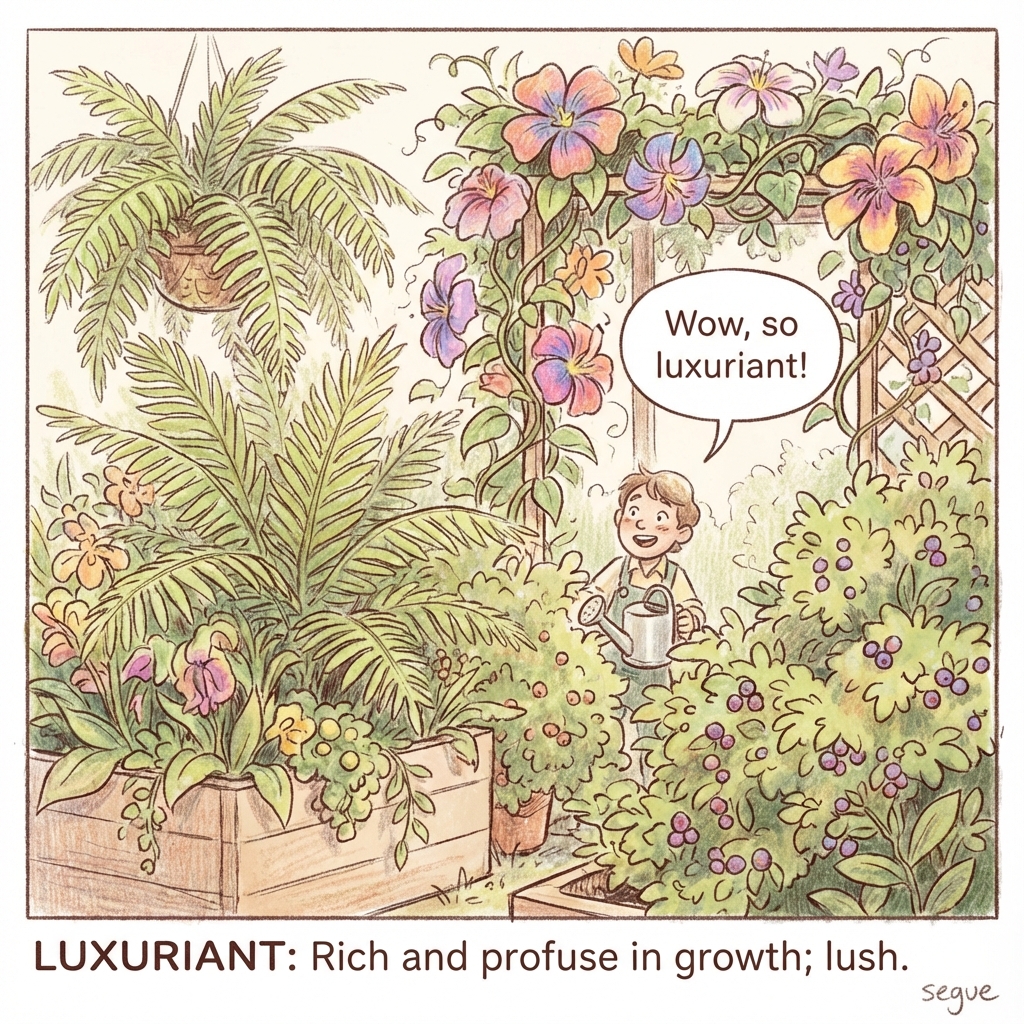
luxuriant
/ɫəɡˈʒɝiənt/rich and profuse in growth; lush
“Her luxuriant hair cascaded down her back.”
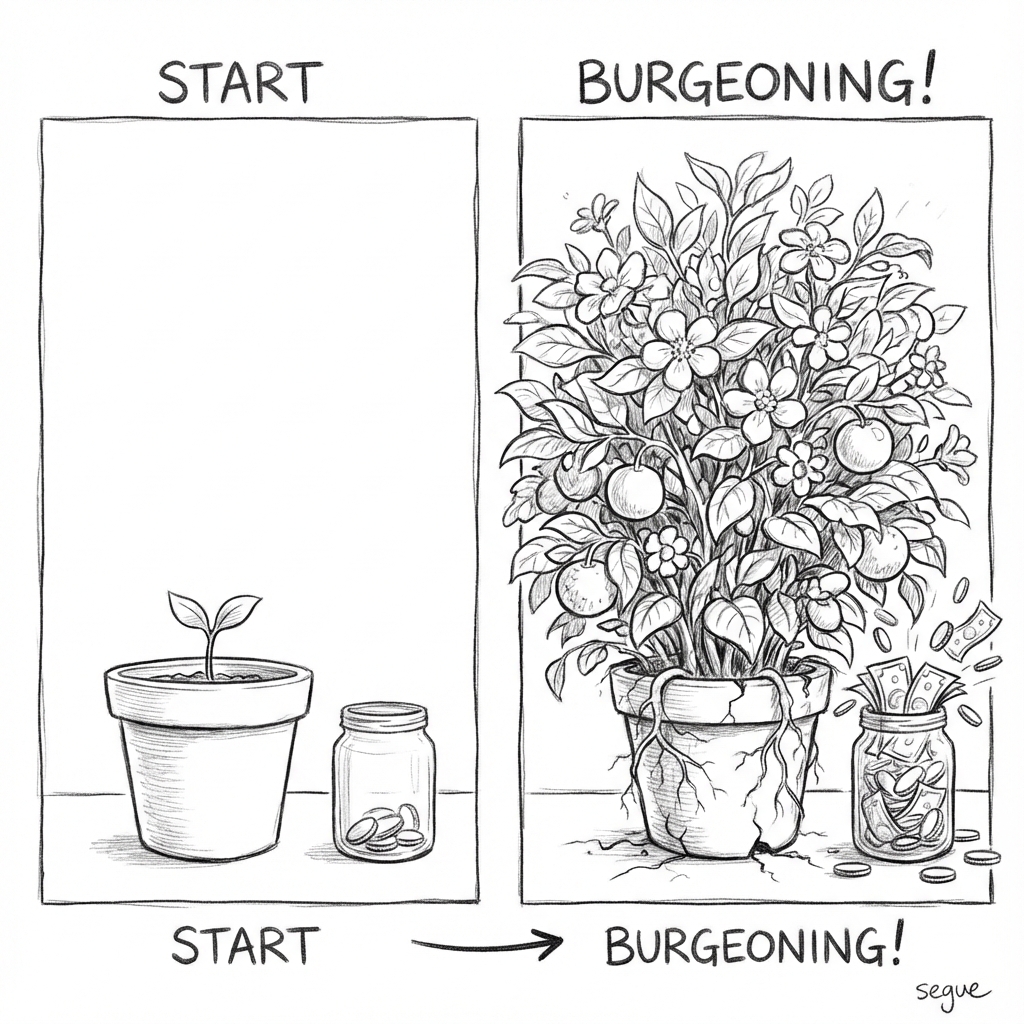
burgeoning
/ˈbɝdʒənɪŋ/beginning to grow or increase rapidly
“The burgeoning population strained resources.”
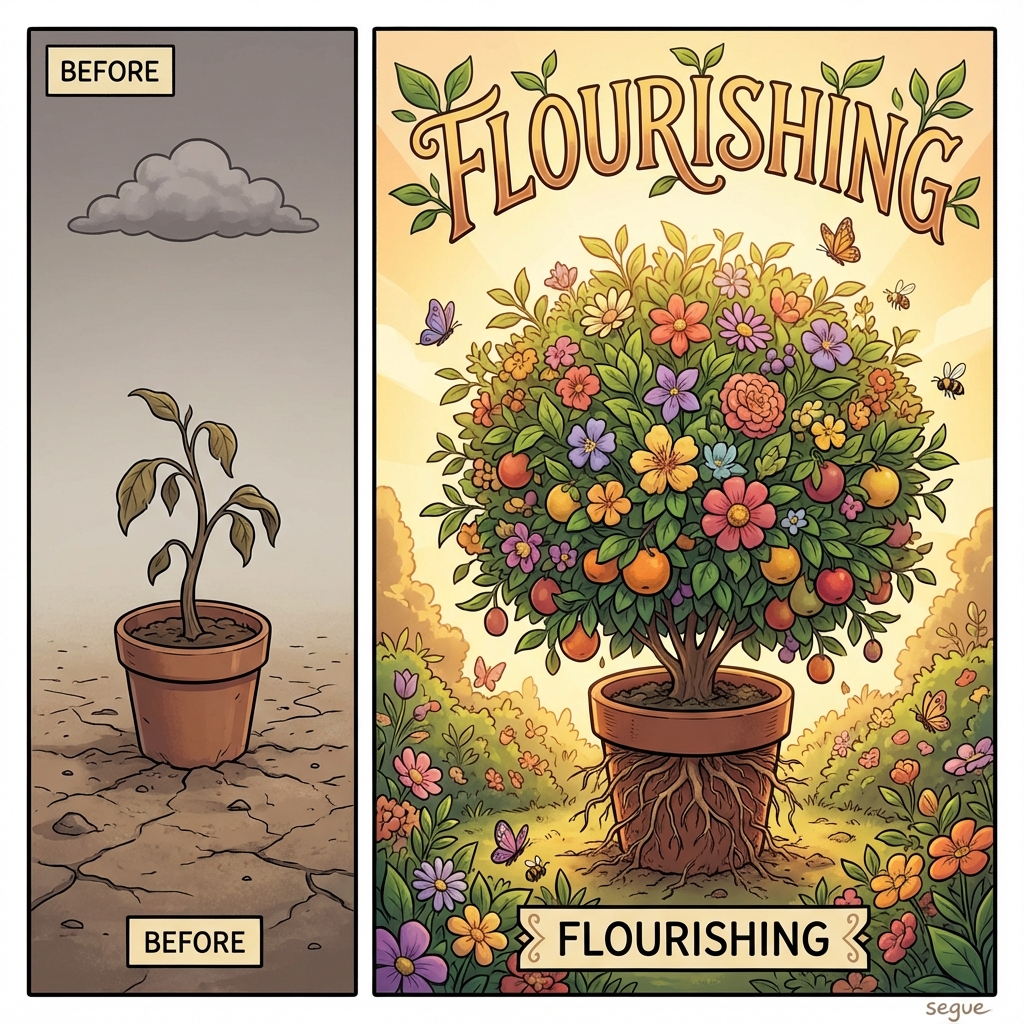
flourishing
/ˈfɫɝɪʃɪŋ/developing rapidly and successfully; thriving
“The flourishing economy created new opportunities.”
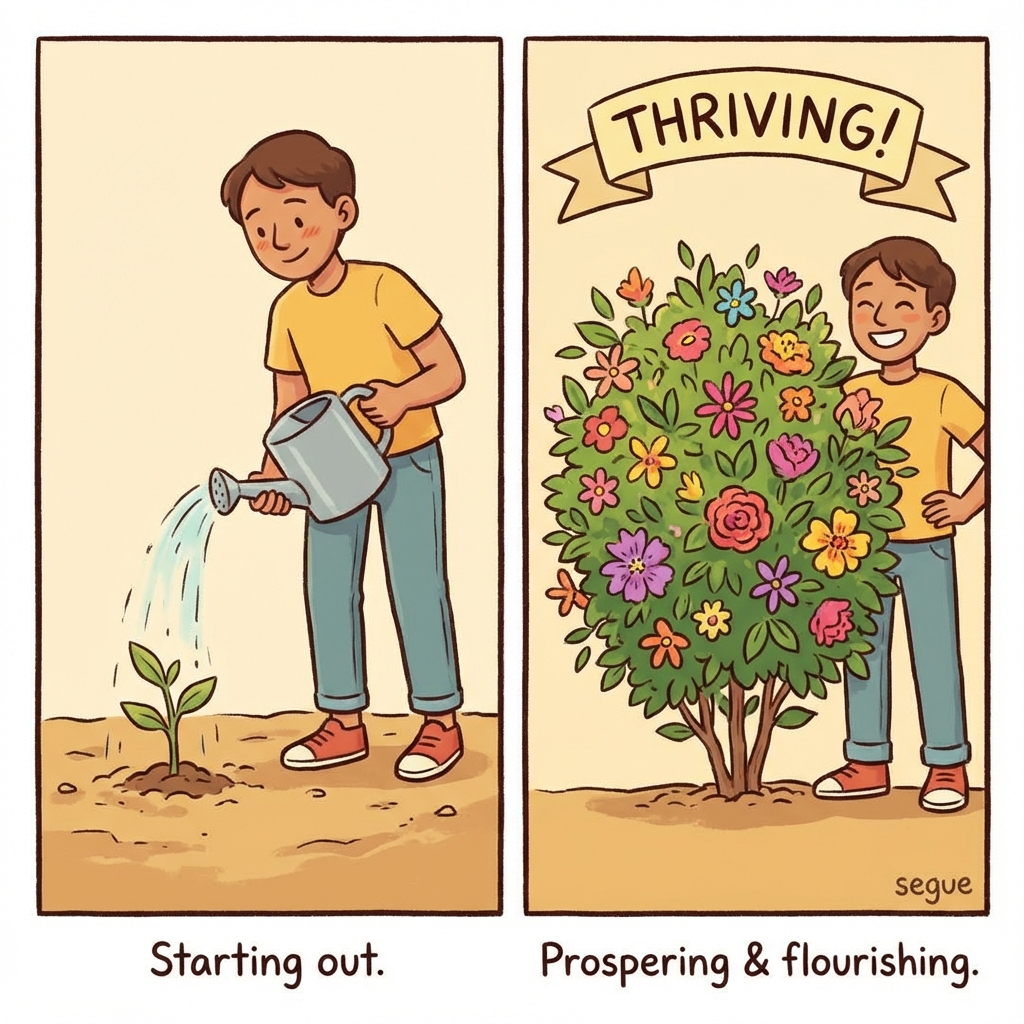
thriving
/ˈθɹaɪvɪŋ/prospering; flourishing
“The thriving community attracted new businesses.”
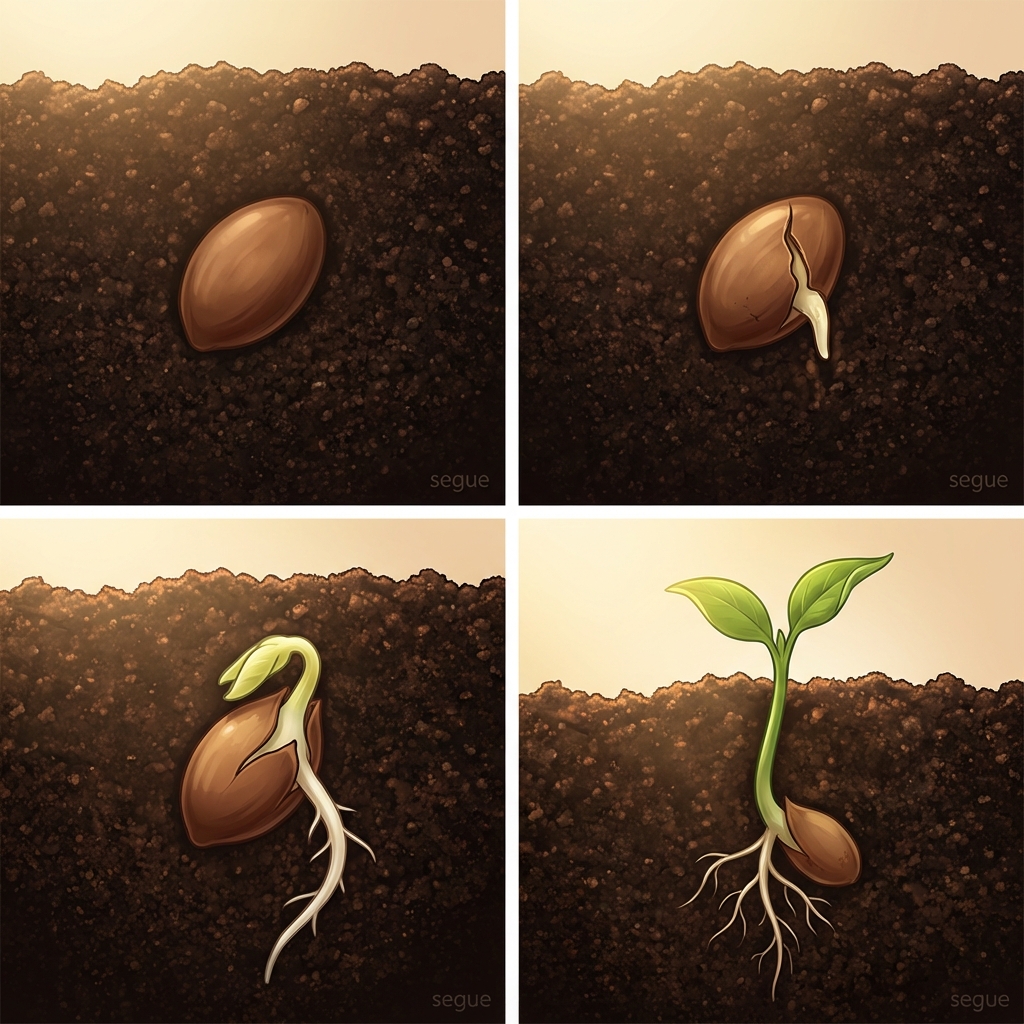
germinate
/ˈdʒɝməˌneɪt/to begin to grow and develop
“Seeds need moisture and warmth to germinate.”
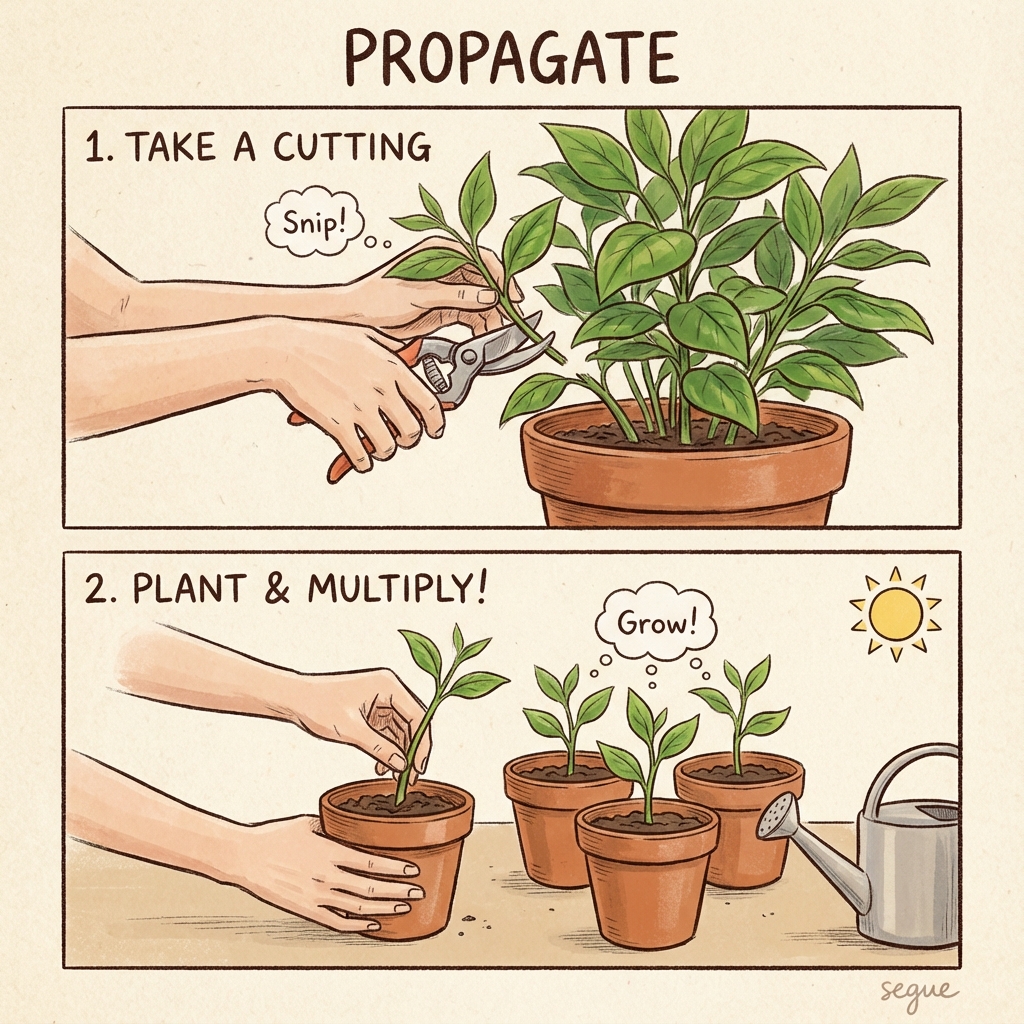
propagate
/ˈpɹɑpəˌɡeɪt/to breed specimens of a plant or animal; to spread
“Some plants propagate through runners or cuttings.”
More from Nature & Environment
Explore other vocabulary categories in this collection.