Loading collection...
🔄
Frequency & Occurrence Vocabulary
Words about how often things happen
10 words
All 10 Words
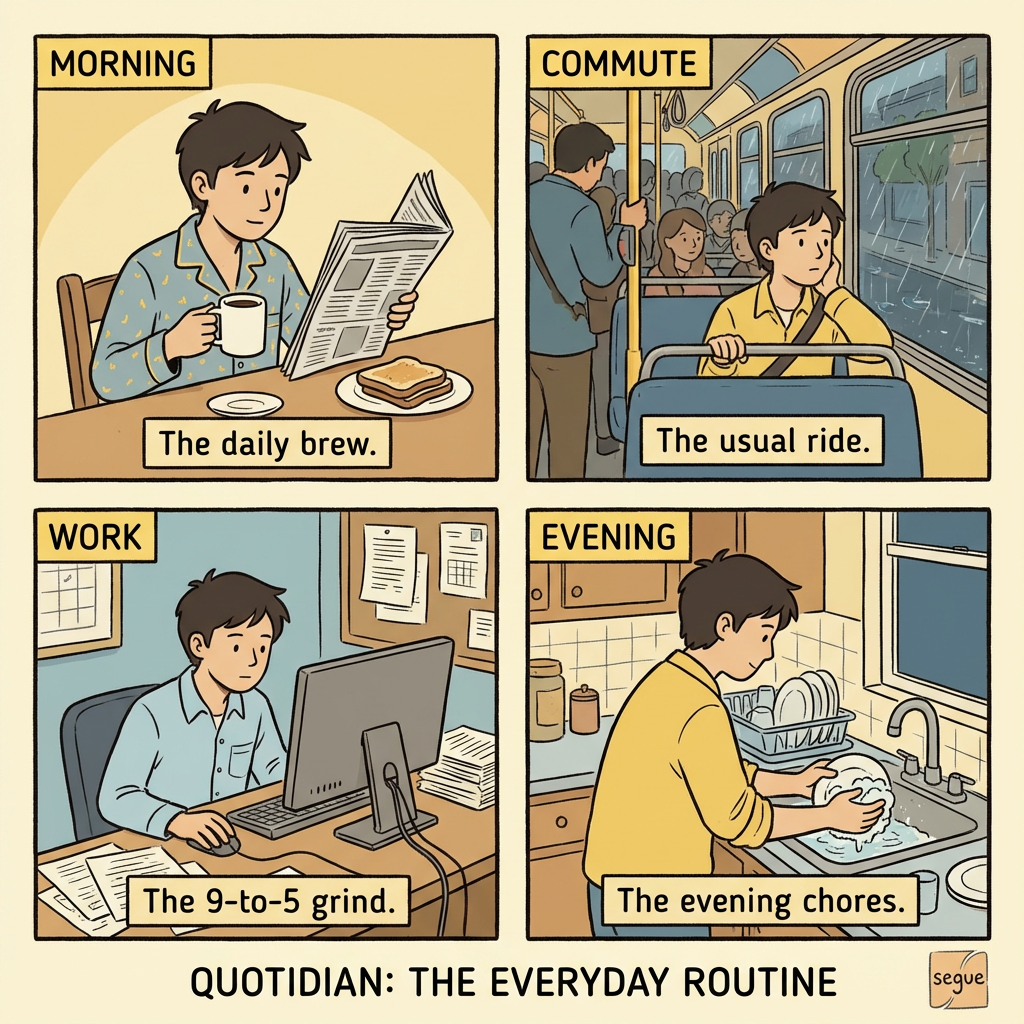
quotidian
/kwoʊˈtɪdiən/occurring every day; ordinary or everyday
“She found beauty in the quotidian routines of daily life.”
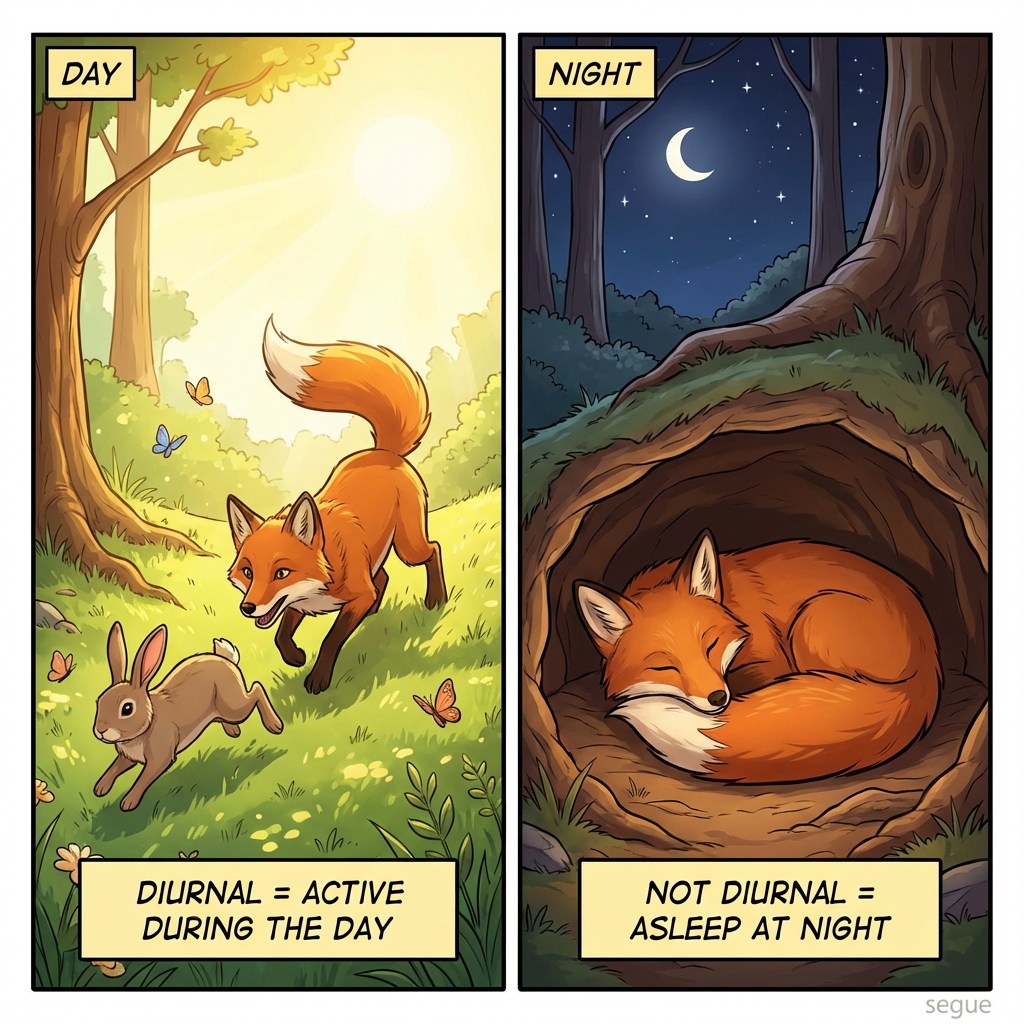
diurnal
/daɪˈɝnəɫ/of or during the day; daily
“Humans have a diurnal sleep cycle, unlike nocturnal owls.”
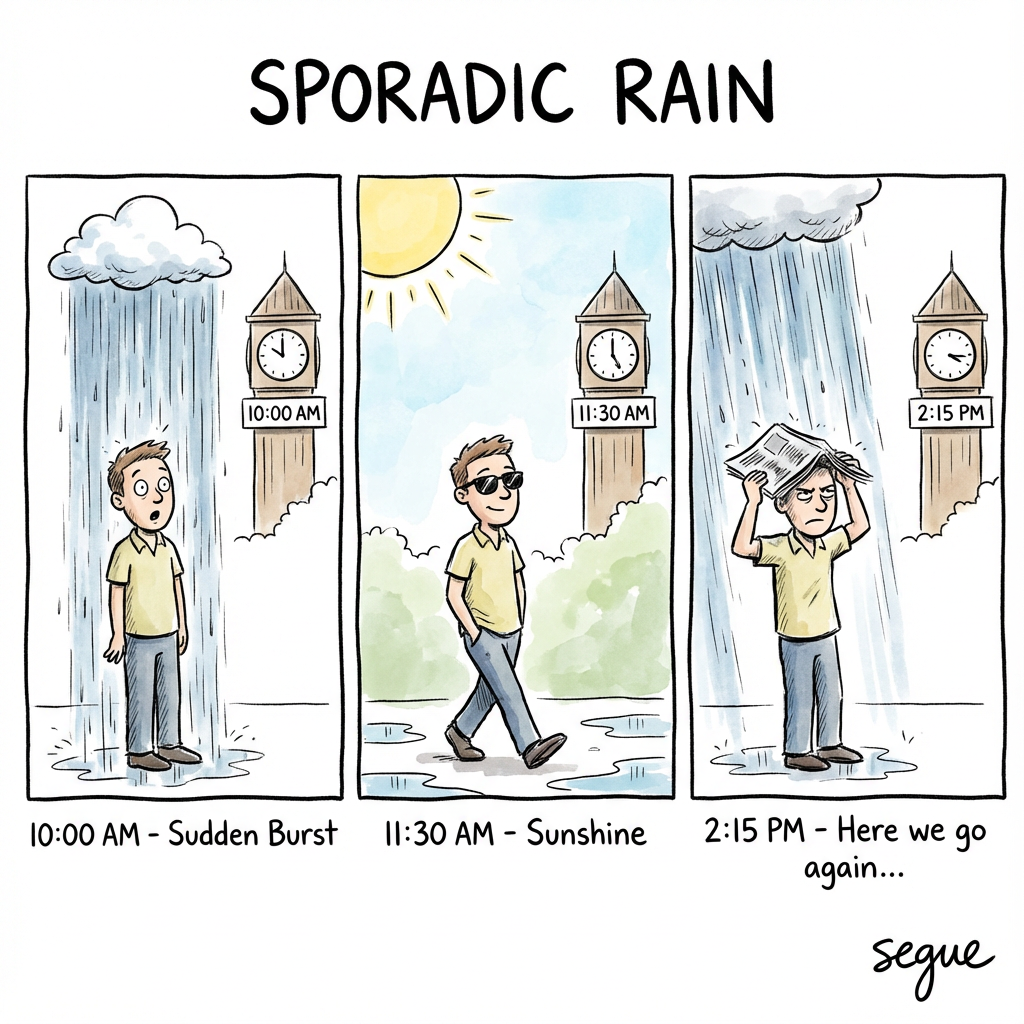
sporadic
/spɝˈædɪk/occurring at irregular intervals; scattered
“Sporadic gunfire echoed through the night.”
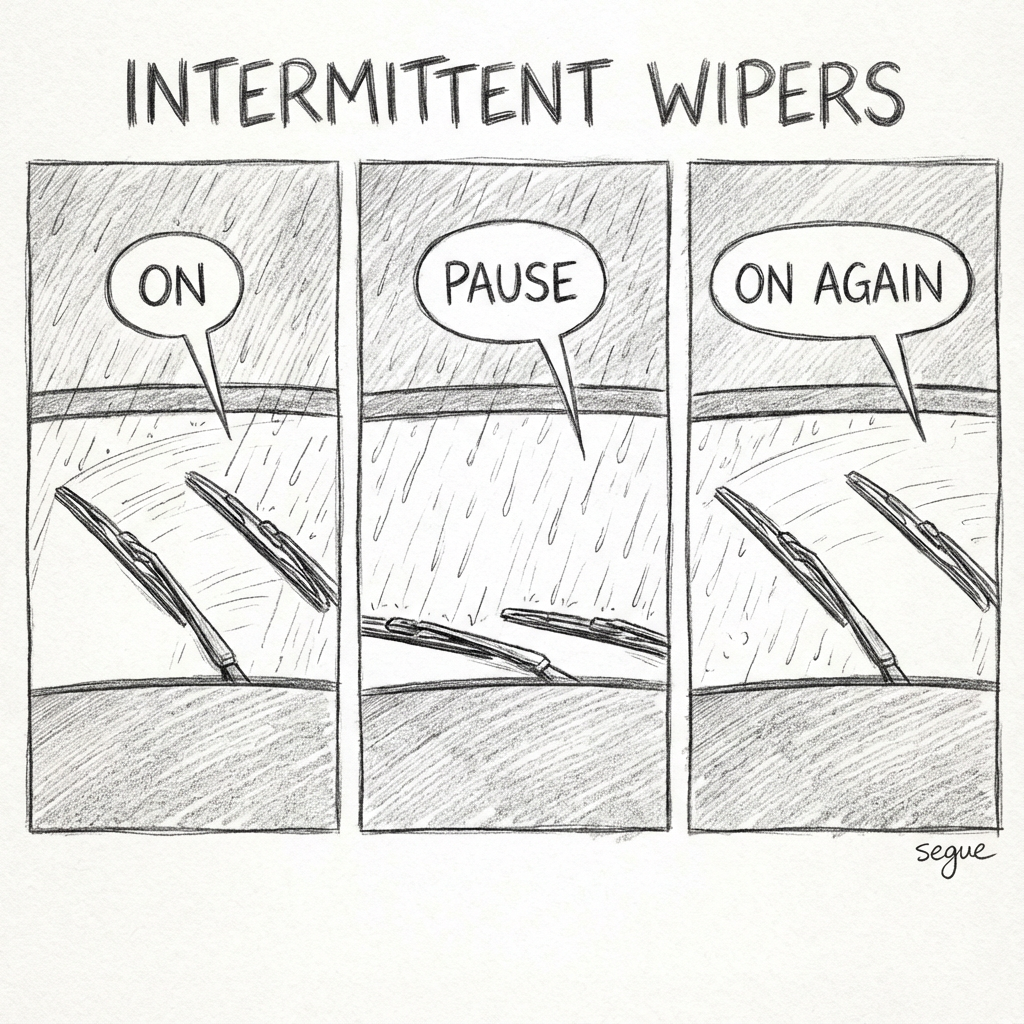
intermittent
/ˌɪntɝˈmɪtənt/occurring at irregular intervals; not continuous
“The intermittent rain made planning the picnic difficult.”
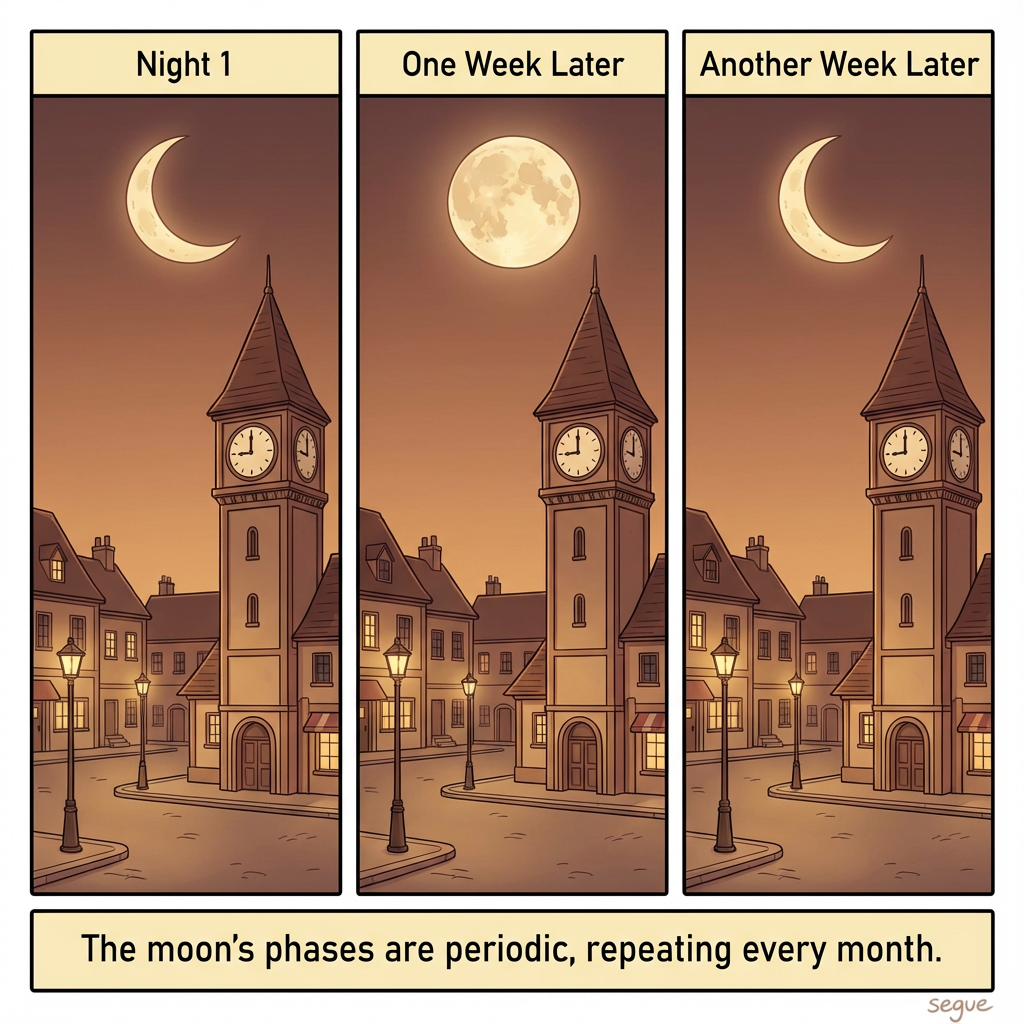
periodic
/ˌpɪɹiˈɑdɪk/appearing or occurring at intervals
“The periodic table organizes elements by their properties.”
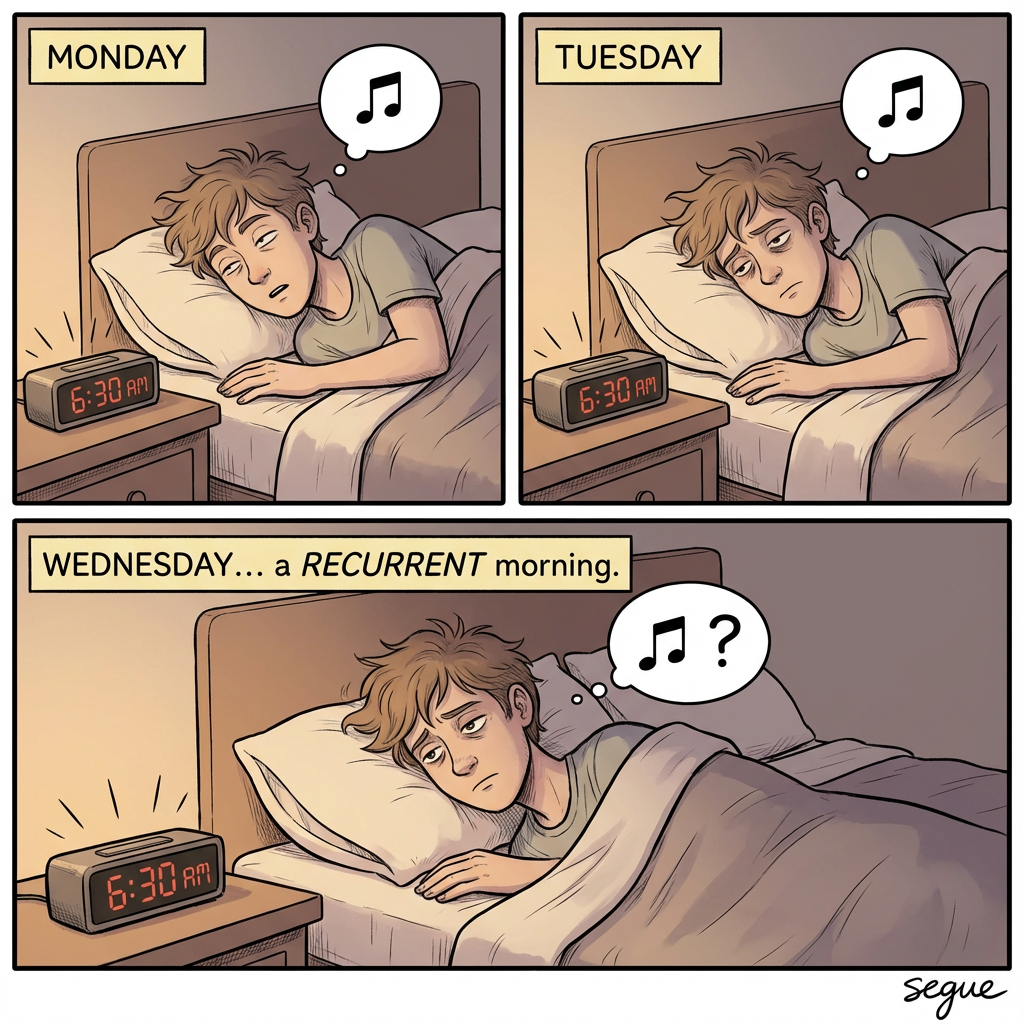
recurrent
/ɹiˈkɝənt/occurring often or repeatedly
“She suffered from recurrent nightmares after the accident.”
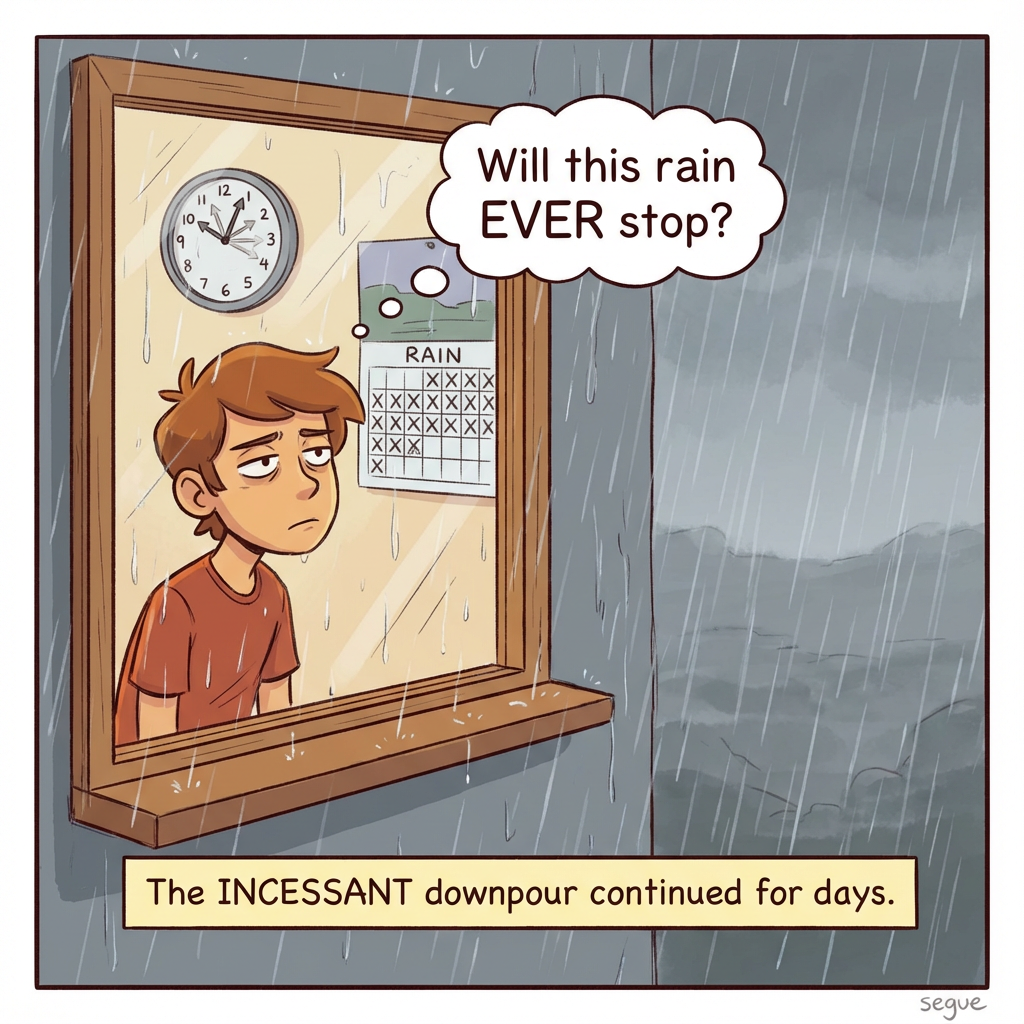
incessant
/ˌɪnˈsɛsənt/continuing without pause or interruption
“The incessant noise of construction drove him mad.”
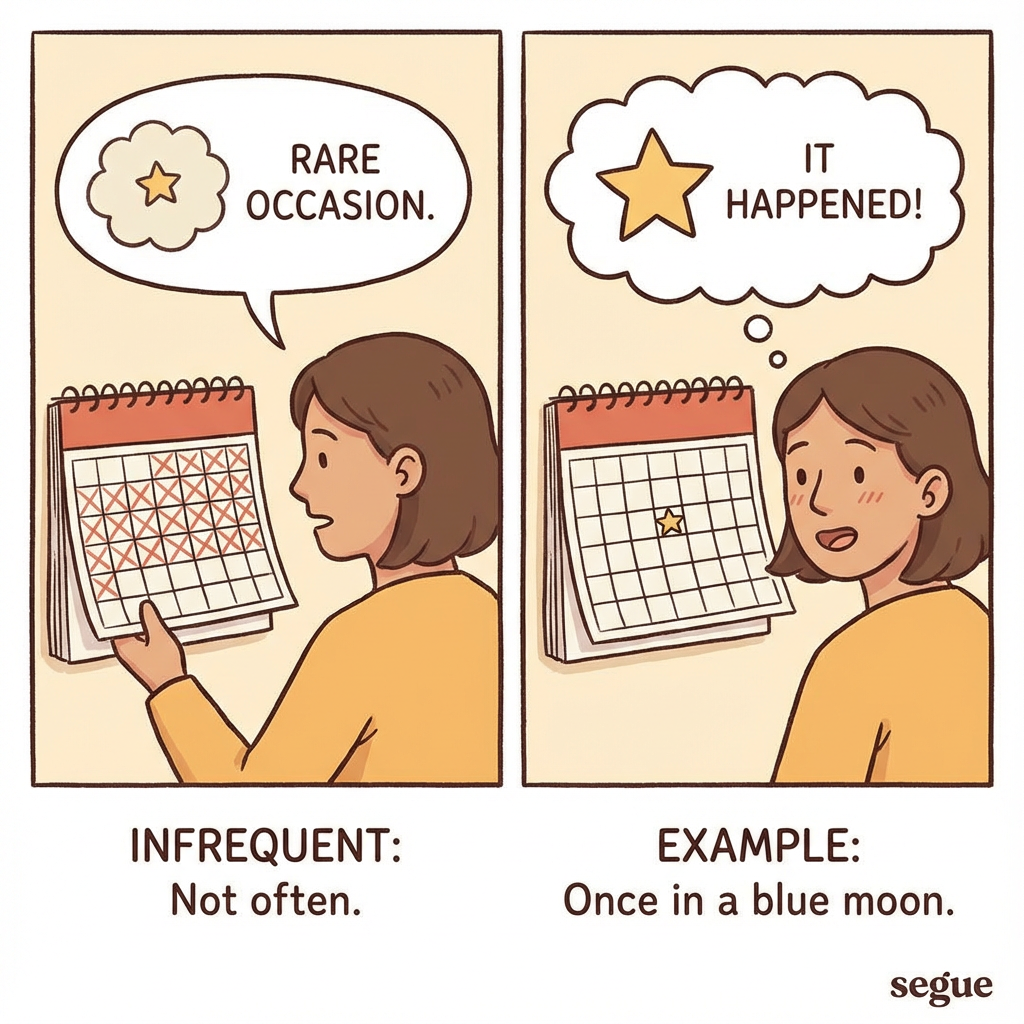
infrequent
/ˌɪnˈfɹikwənt/not occurring often; rare
“Her visits became increasingly infrequent over the years.”
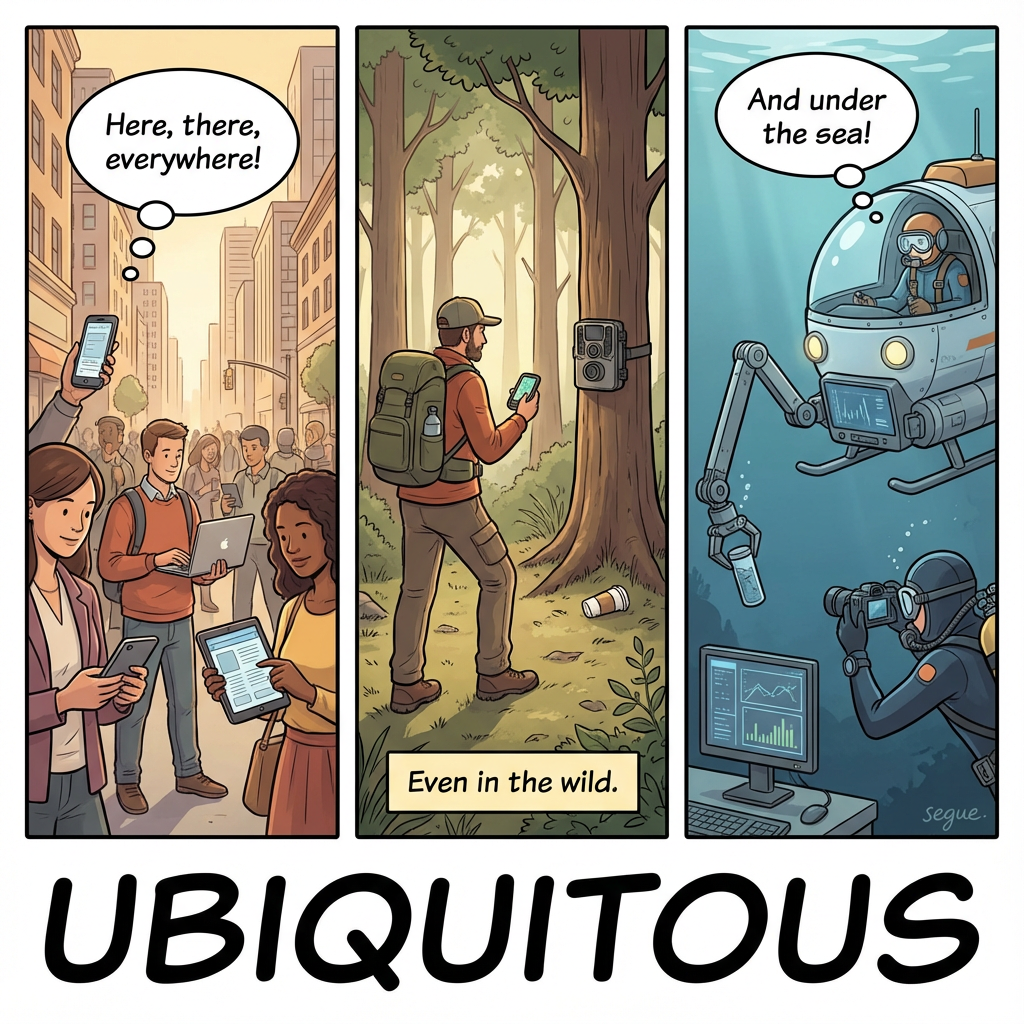
ubiquitous
/juˈbɪkwɪtəs/present, appearing, or found everywhere
“Smartphones have become ubiquitous in modern society.”
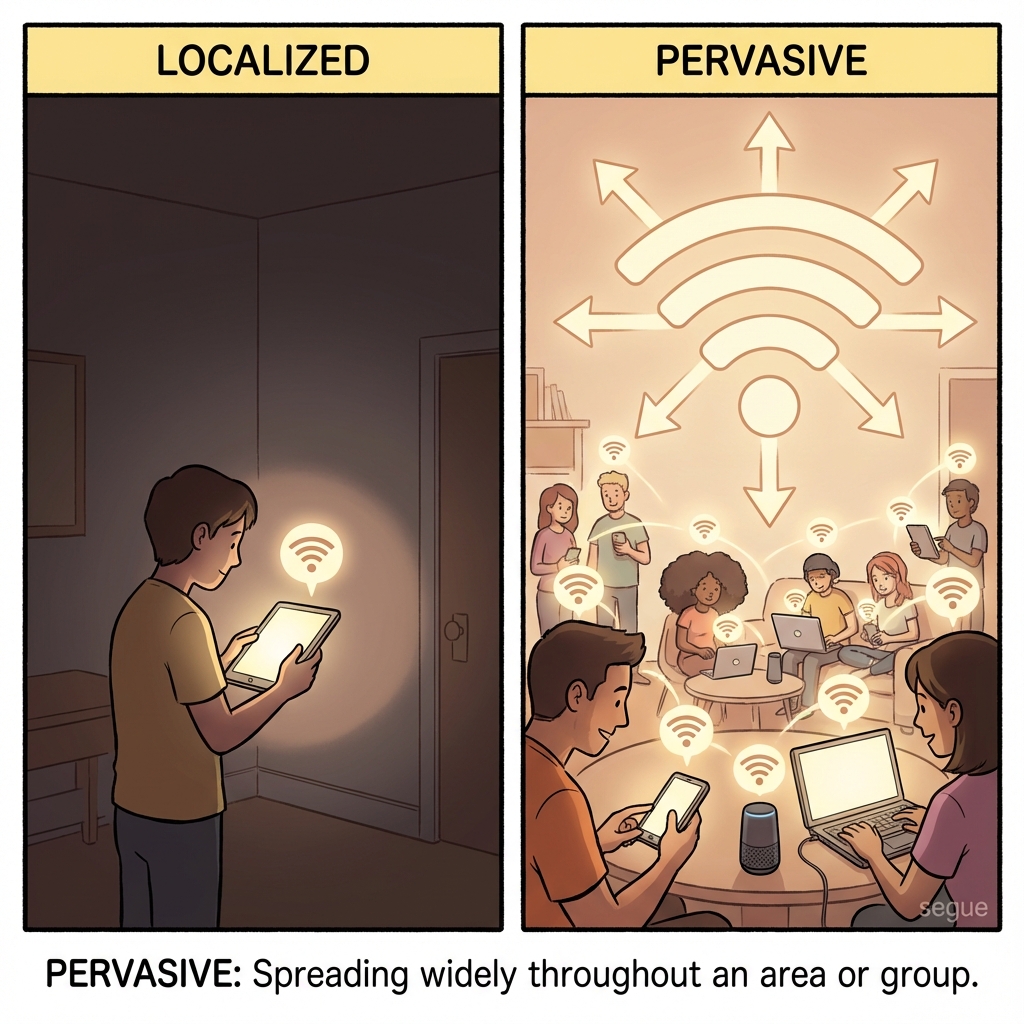
pervasive
/pɝˈveɪsɪv/spreading widely throughout an area or group
“A pervasive sense of dread hung over the village.”
More from Time & Change
Explore other vocabulary categories in this collection.