Loading collection...
🇫🇷
French Expressions Vocabulary
French phrases commonly used in English conversation and writing
40 words
All 40 Words
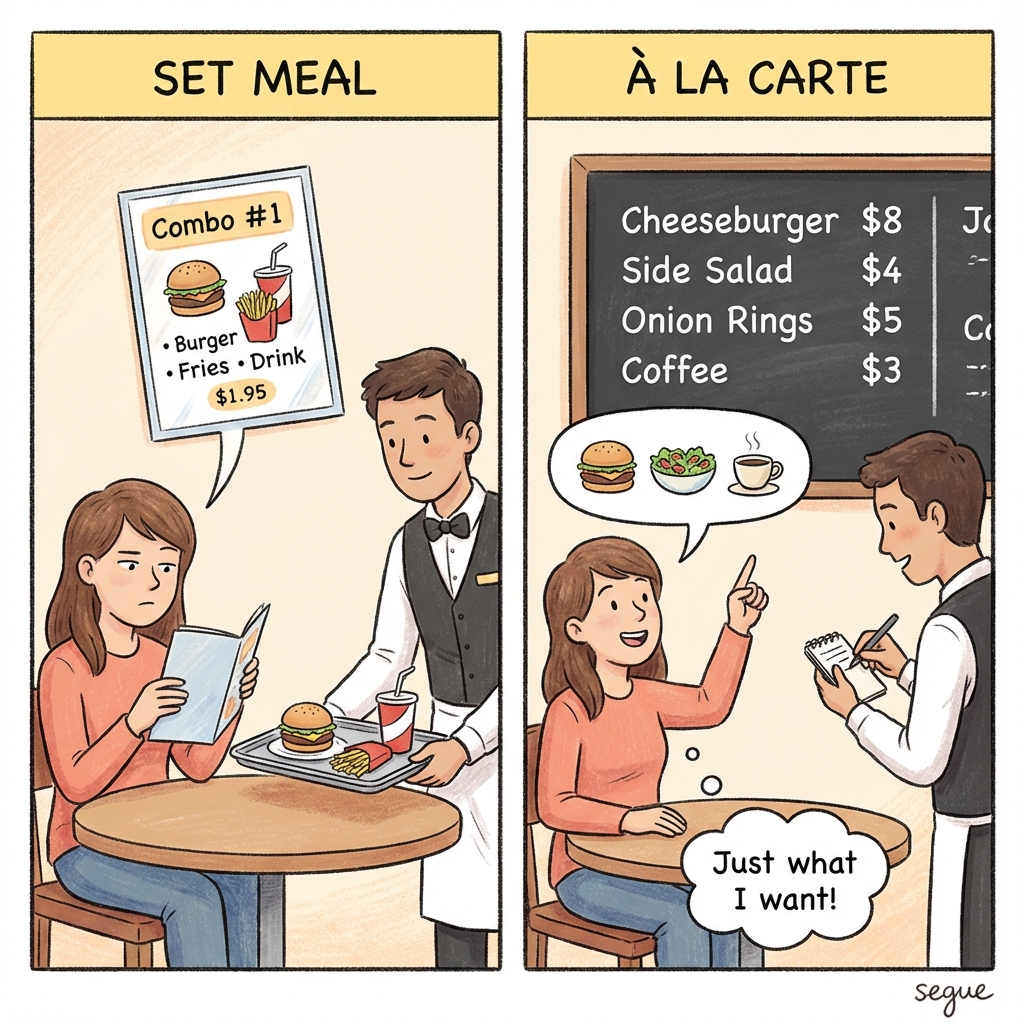
à la carte
/ˌɑː lɑː ˈkɑːrt/ordering individual items from a menu rather than a set meal
“We ordered à la carte to try different dishes.”
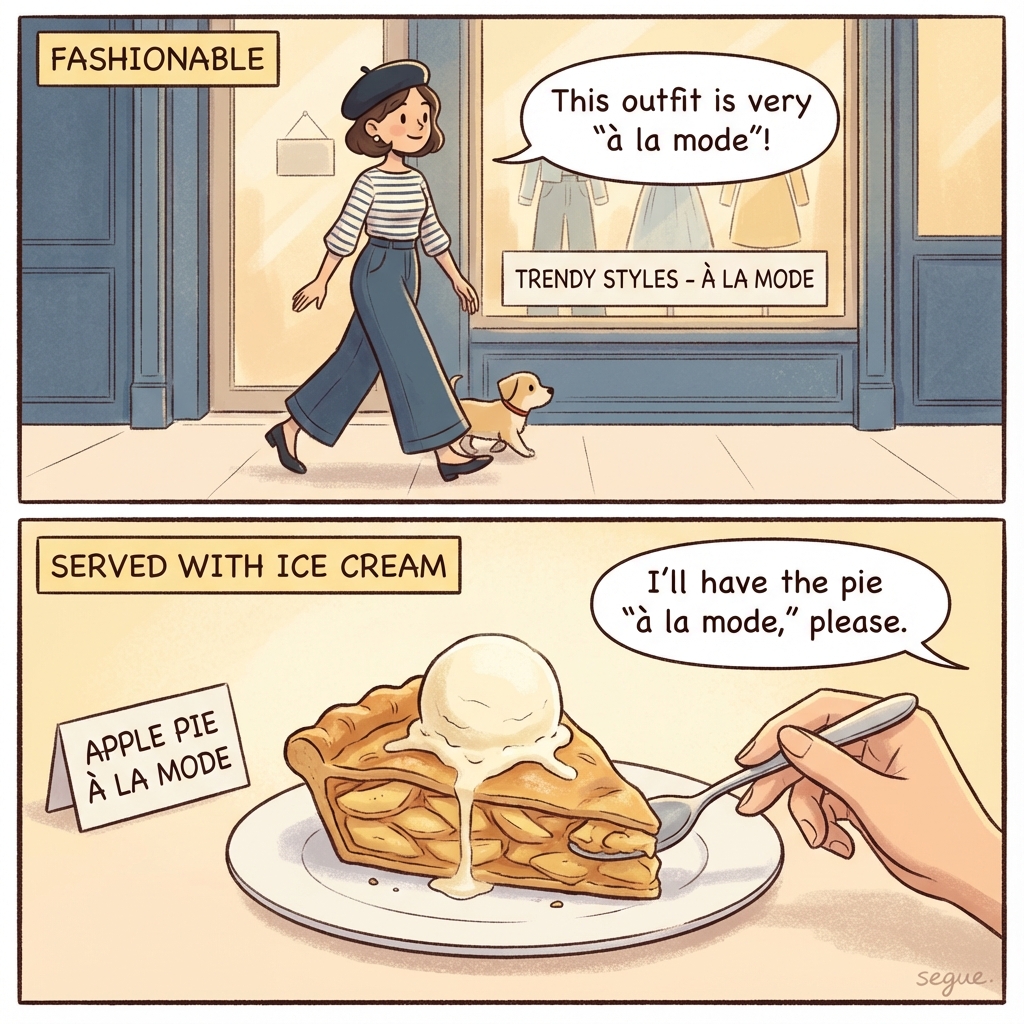
à la mode
/ˌɑː lɑː ˈmoʊd/fashionable; in style; or served with ice cream
“Apple pie à la mode is a classic American dessert.”

au contraire
/ˌoʊ kɒnˈtreər/on the contrary; quite the opposite
“You think I'm upset? Au contraire, I'm delighted!”

au courant
/ˌoʊ kʊˈrɑːn/fully informed; up to date with current events
“She stays au courant with industry trends.”
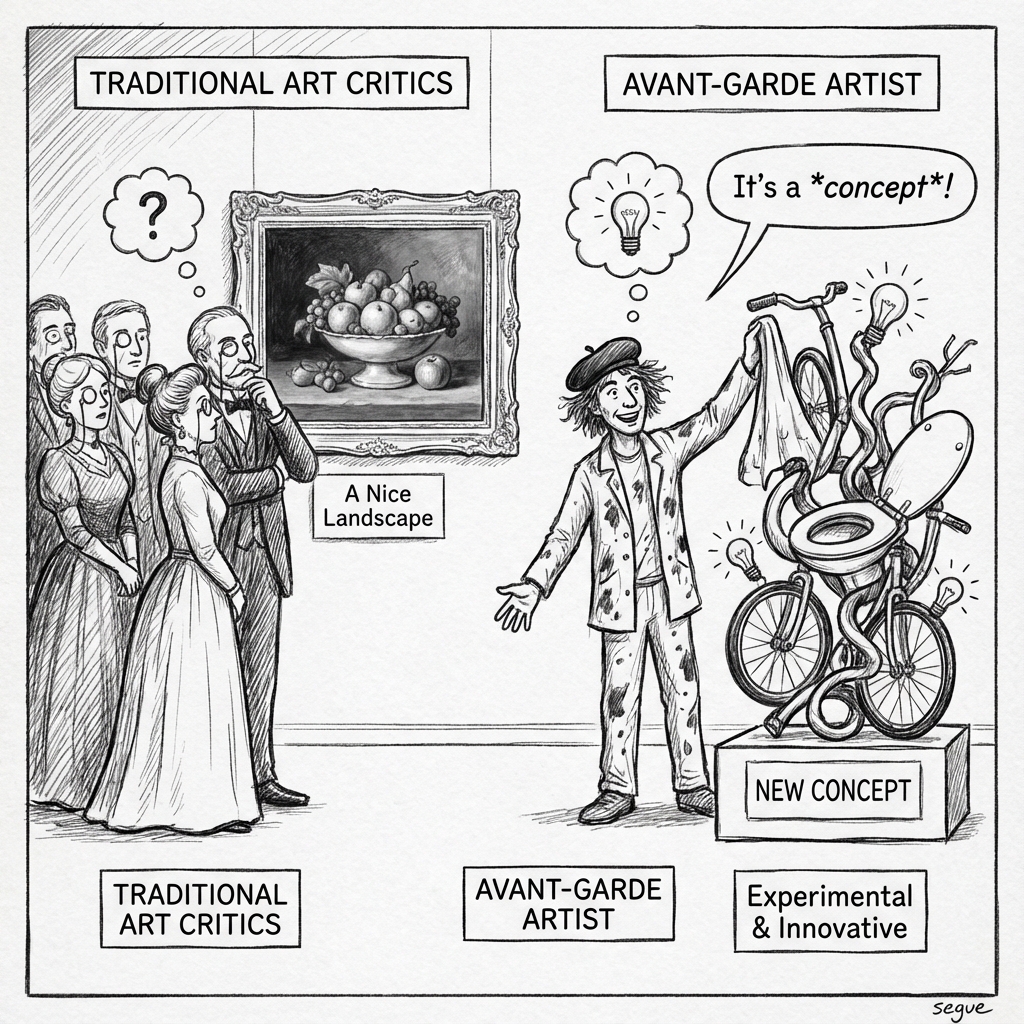
avant-garde
/əˈvɑnˈɡɑɹd/new and experimental ideas, especially in art
“The avant-garde film challenged conventional storytelling.”
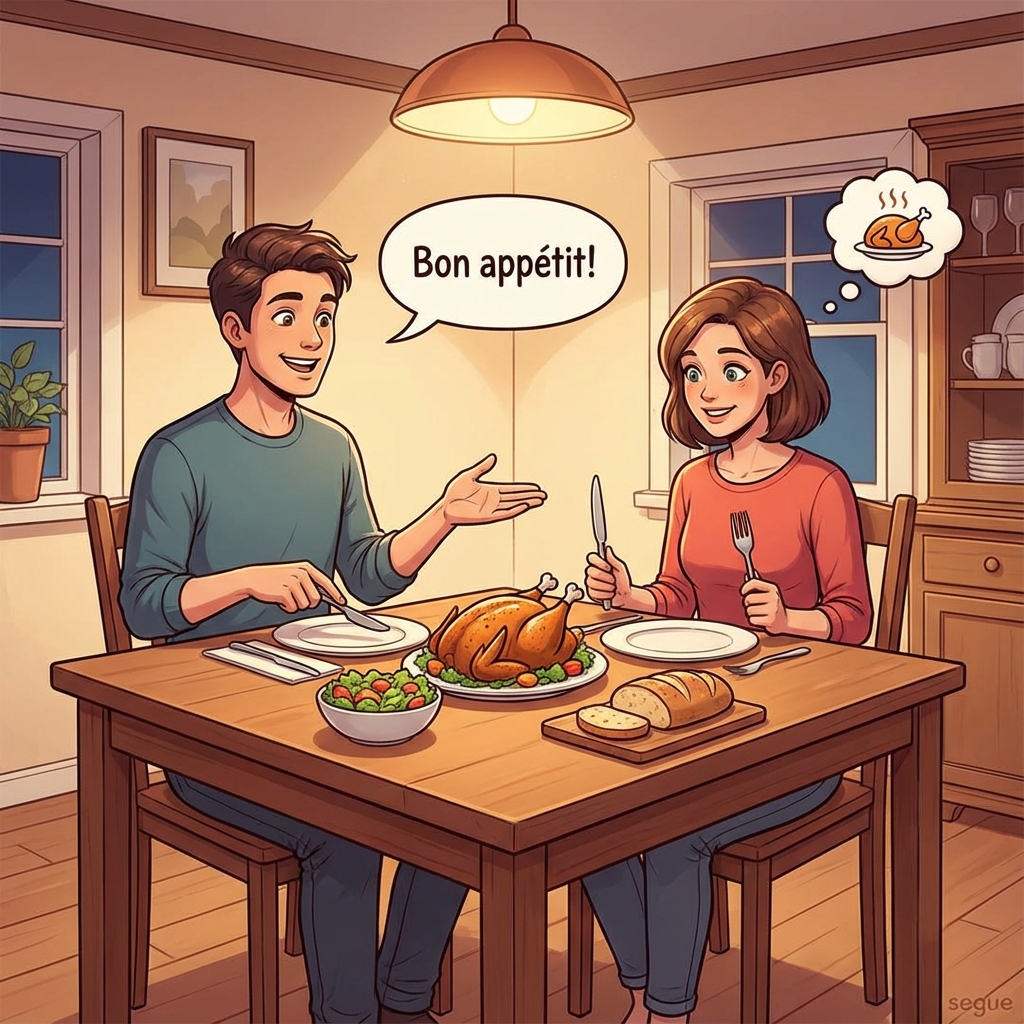
bon appétit
/ˌbɒn æpəˈtiː/enjoy your meal (said before eating)
“The chef wished us bon appétit as he served the dish.”
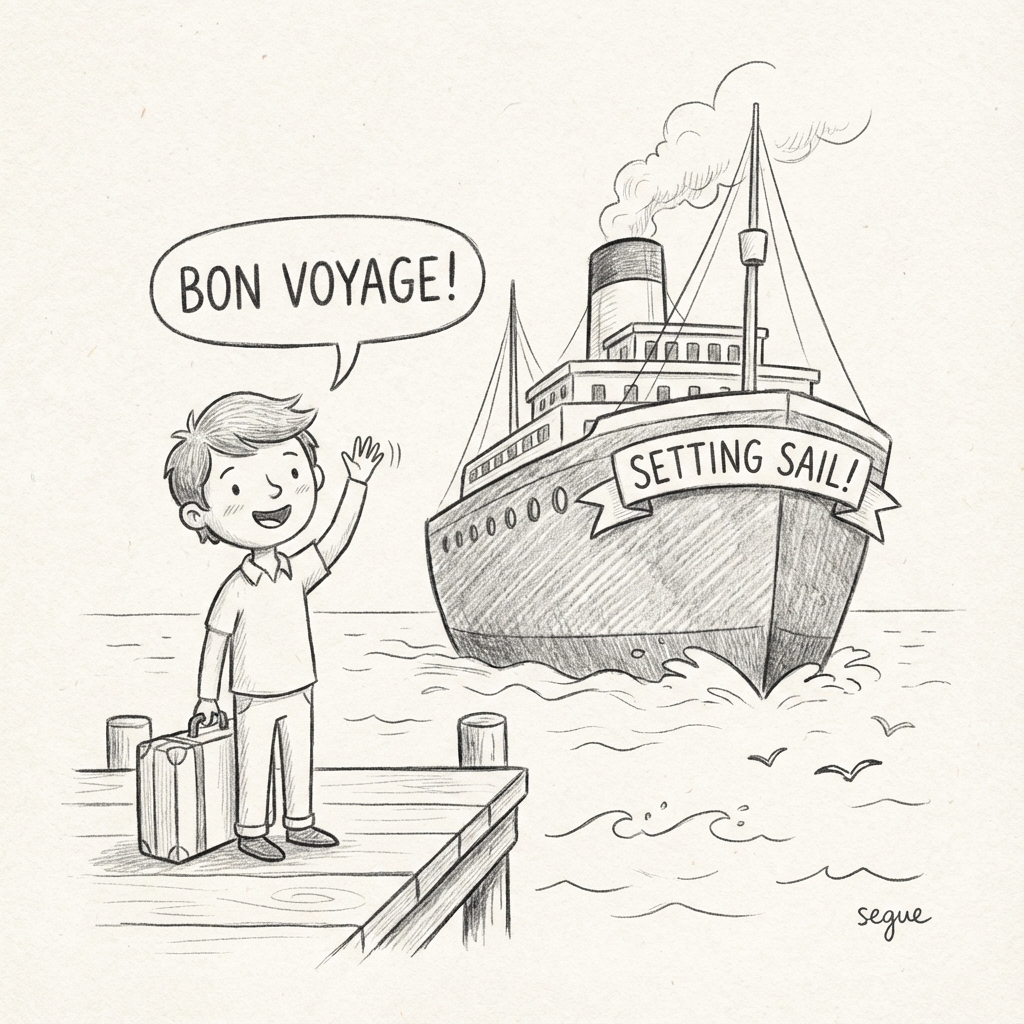
bon voyage
/ˌbɒn vɔɪˈɑːʒ/have a good journey (farewell to travelers)
“They shouted bon voyage as the ship departed.”
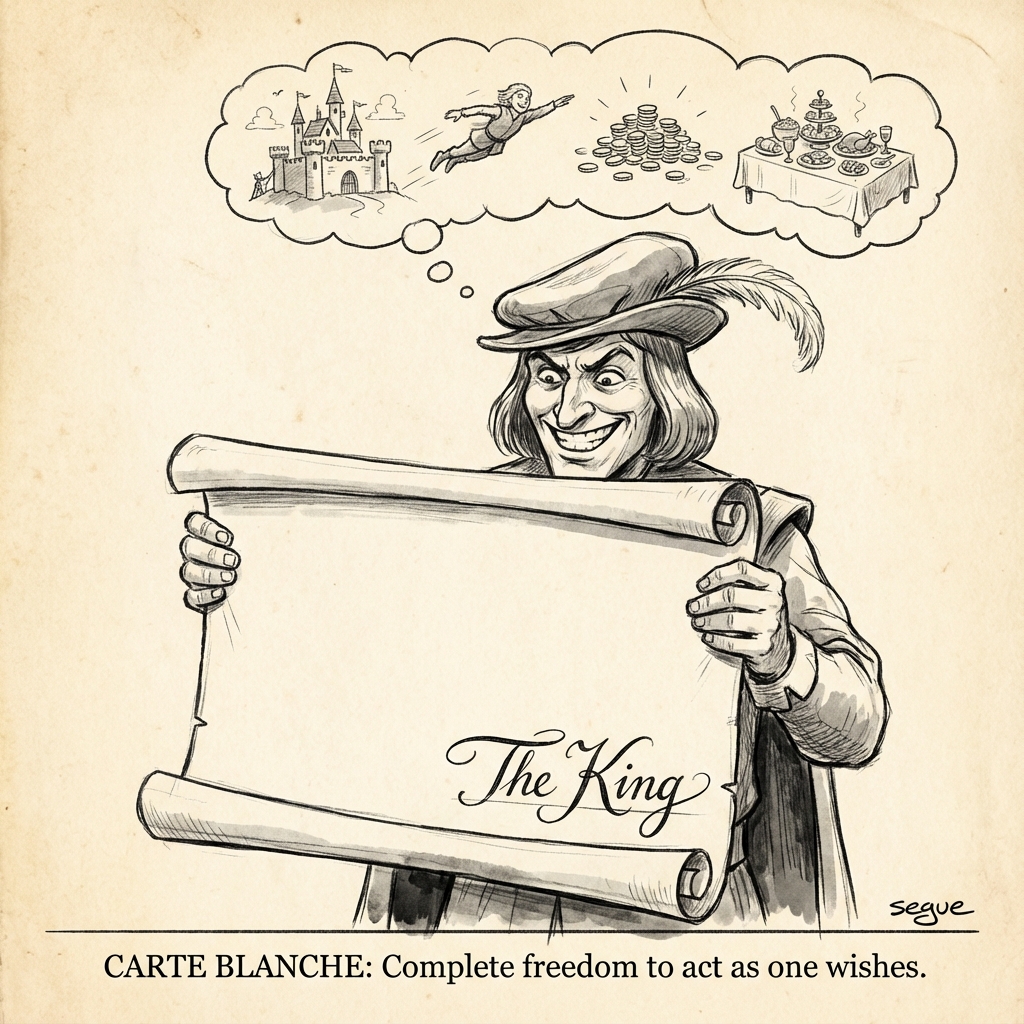
carte blanche
/ˌkɑːrt ˈblɑːnʃ/complete freedom to act as one wishes
“The director was given carte blanche on the project.”
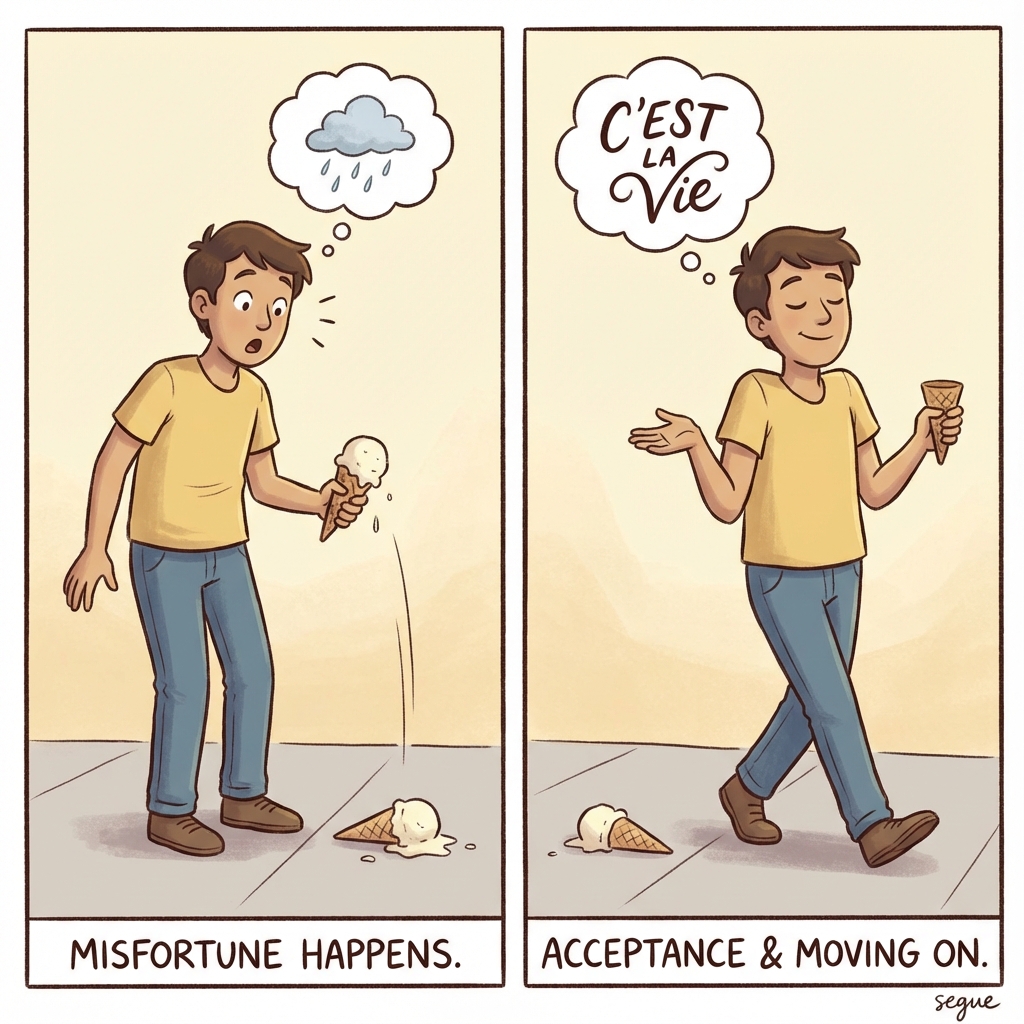
c'est la vie
/ˌseɪ lɑː ˈviː/that's life; such is life (acceptance of circumstances)
“The flight was canceled—c'est la vie.”

chef-d'oeuvre
/ˌʃeɪ ˈdɜːvrə/a masterpiece; an outstanding work
“The painting is considered her chef-d'oeuvre.”

cliché
/kliːˈʃeɪ/an overused phrase or idea that has lost originality
“Avoid clichés in your writing.”
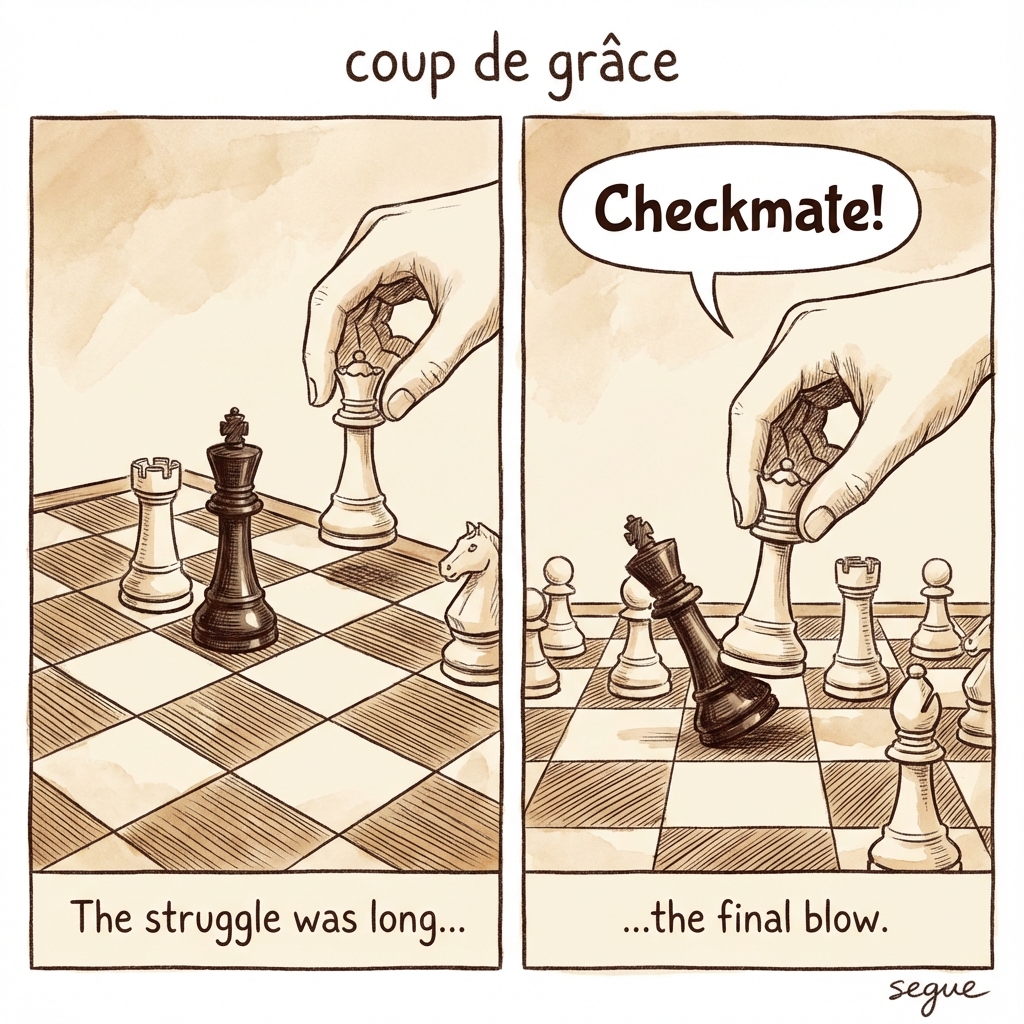
coup de grâce
/ˌkuː də ˈɡrɑːs/a final blow that ends something; a finishing stroke
“The scandal was the coup de grâce for his career.”
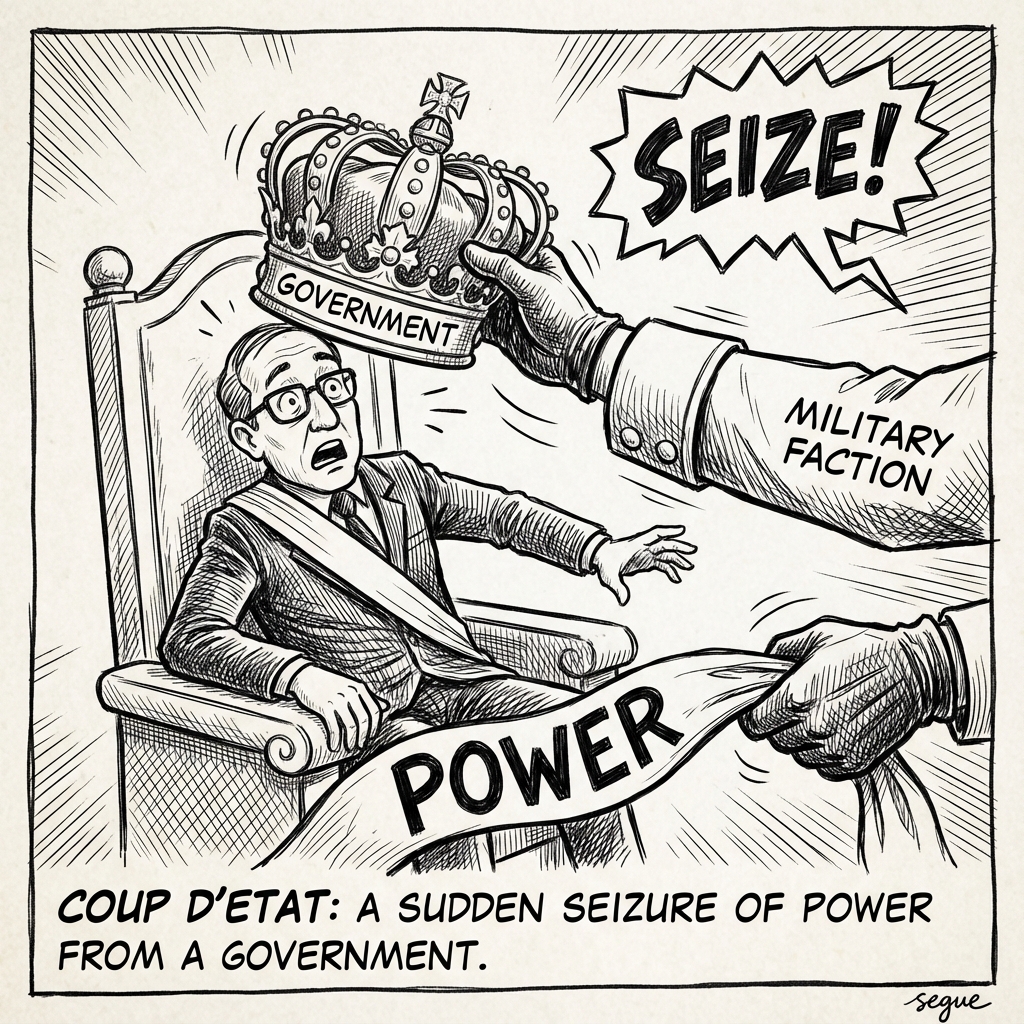
coup d'état
/ˌkuː deɪˈtɑː/a sudden seizure of power from a government
“The military staged a coup d'état overnight.”
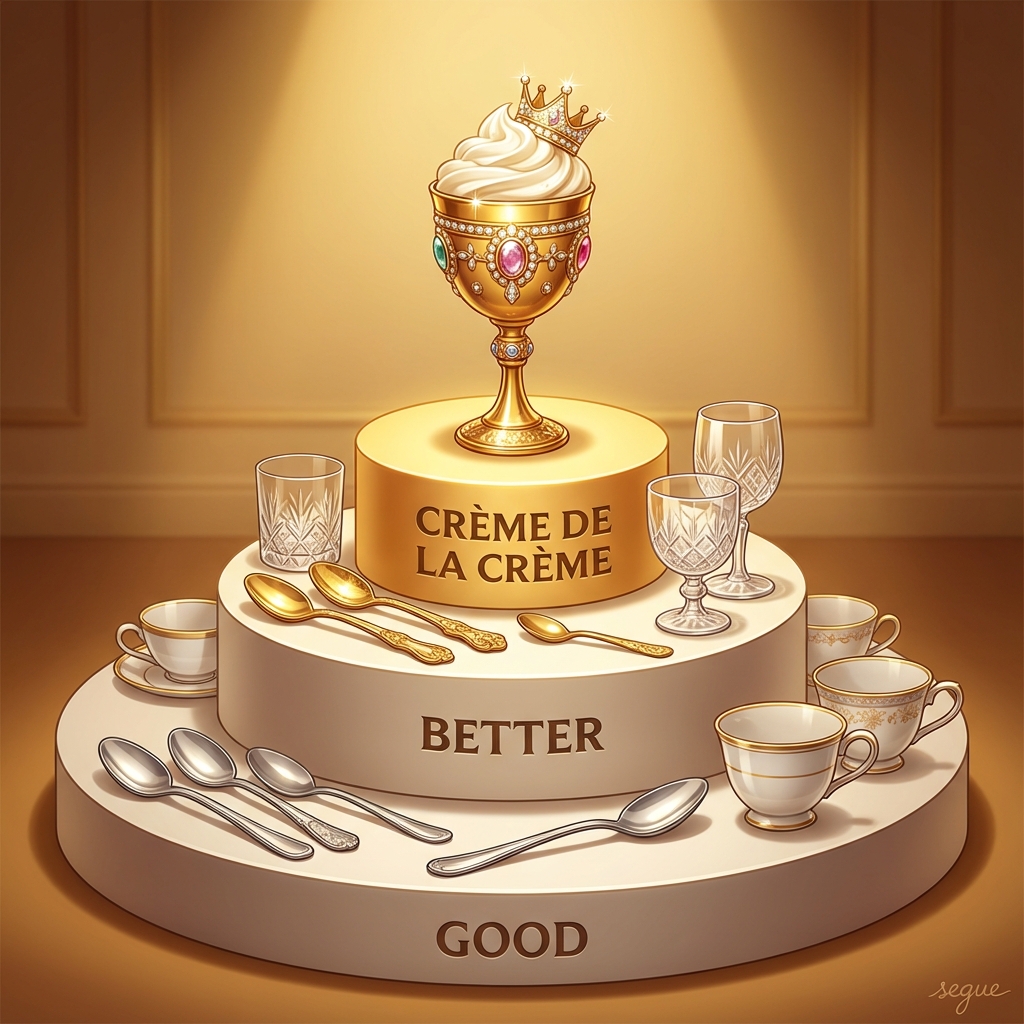
crème de la crème
/ˌkrem də lɑː ˈkrem/the best of the best; the elite
“These students are the crème de la crème.”
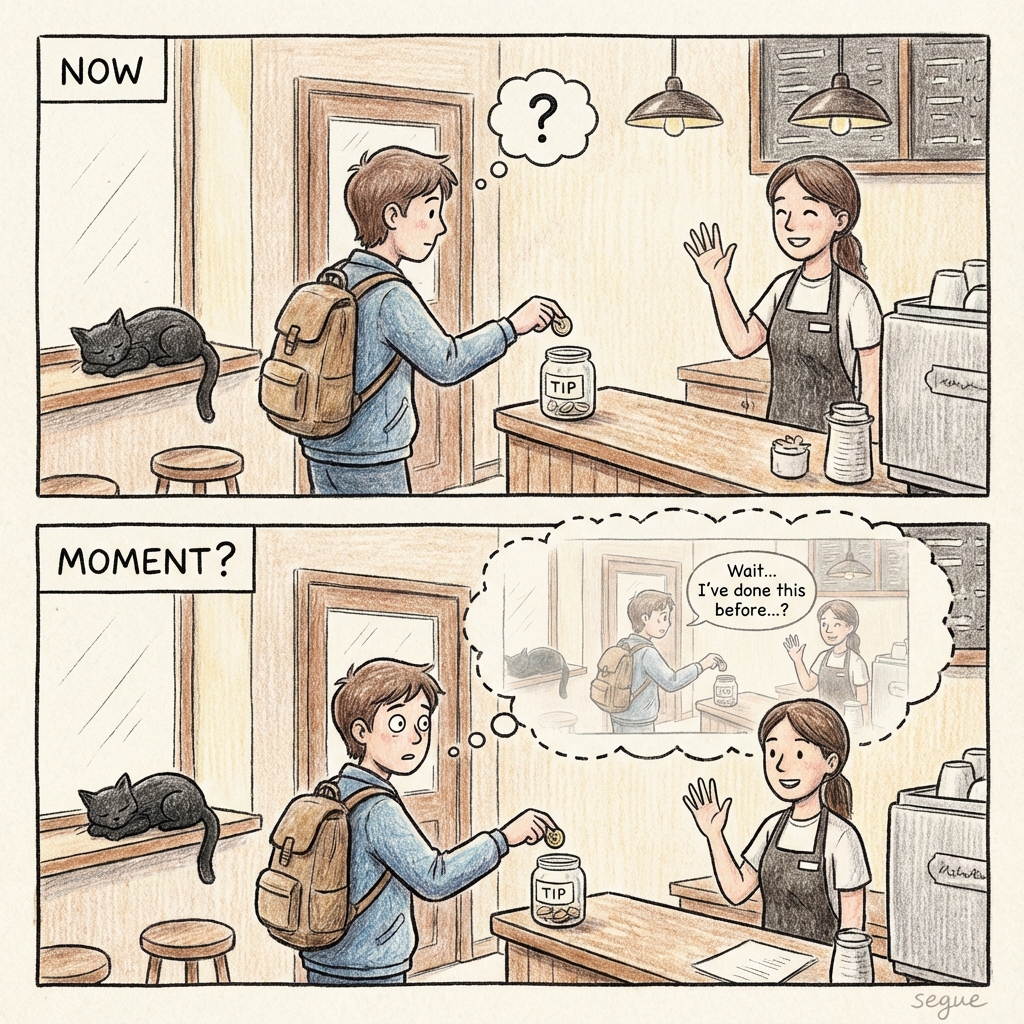
déjà vu
/ˌdeɪʒɑː ˈvuː/the feeling of having experienced something before
“Walking into the room gave me an eerie sense of déjà vu.”
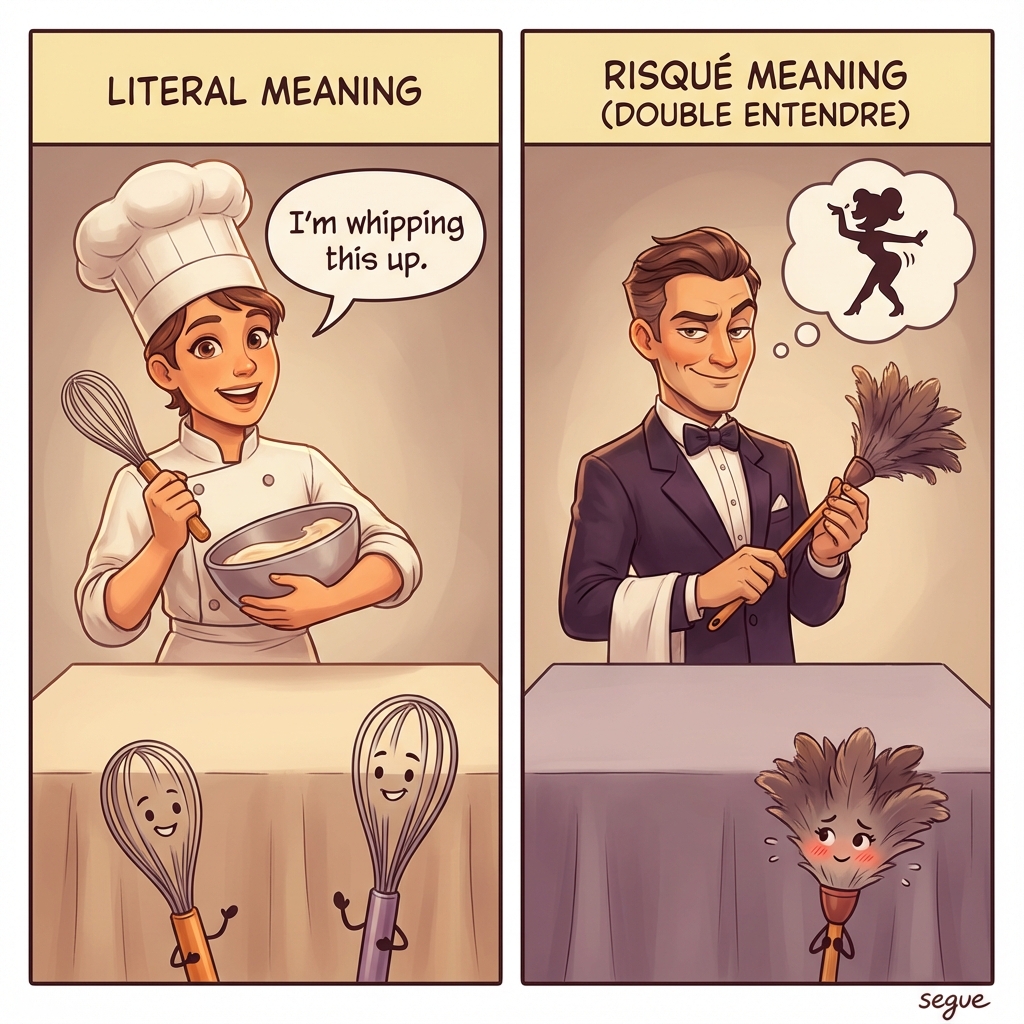
double entendre
/ˌdʌbəl ɑːnˈtɑːndrə/a word or phrase with two meanings, one usually risqué
“His comedy was full of clever double entendres.”
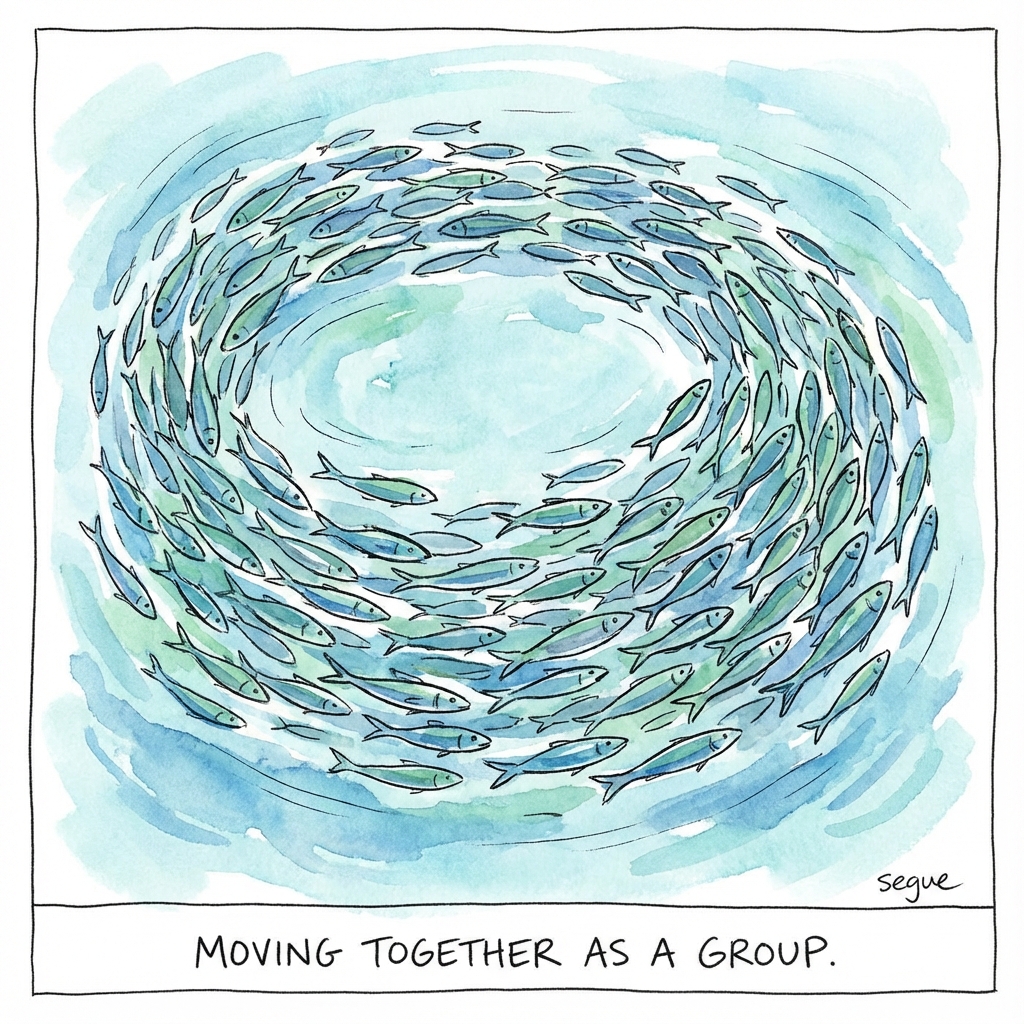
en masse
/ˌɒn ˈmæs/all together; as a group
“The employees resigned en masse in protest.”
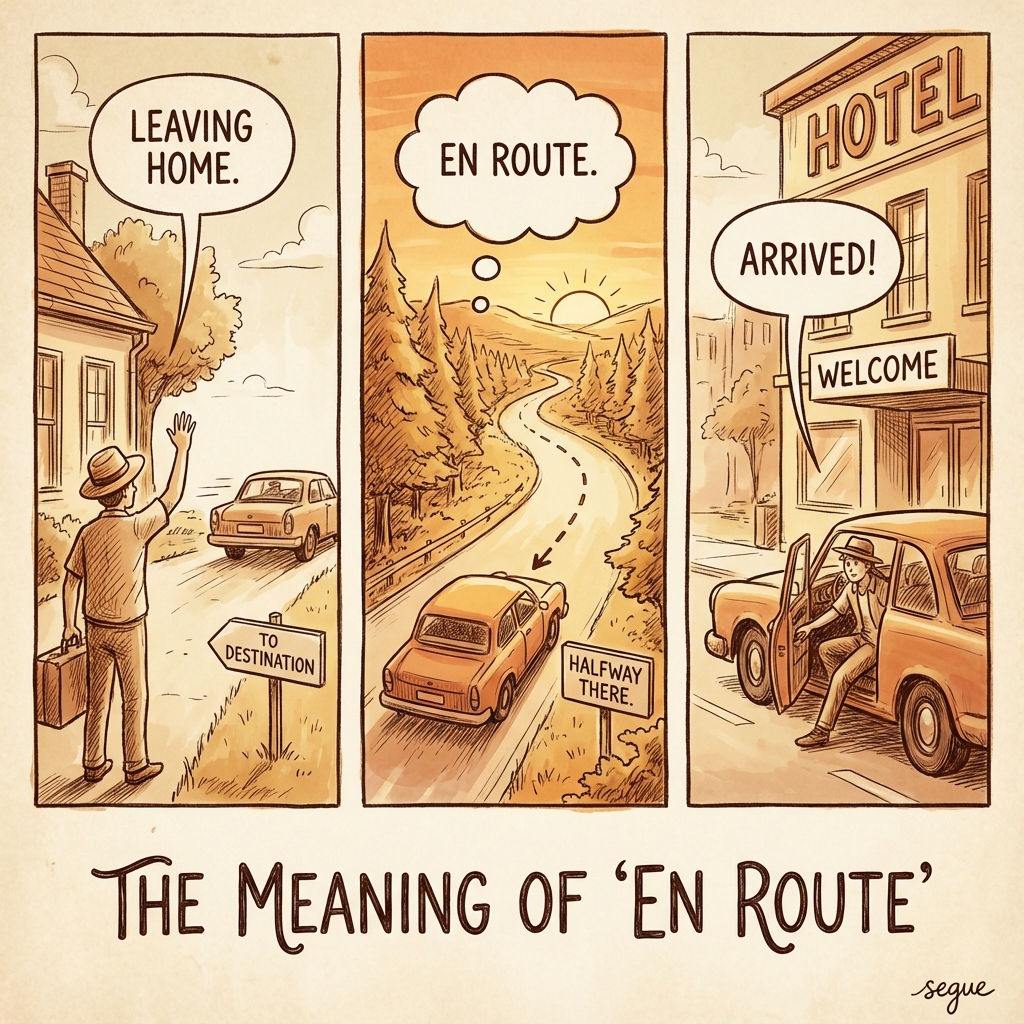
en route
/ˌɒn ˈruːt/on the way; during the journey
“We stopped for coffee en route to the airport.”
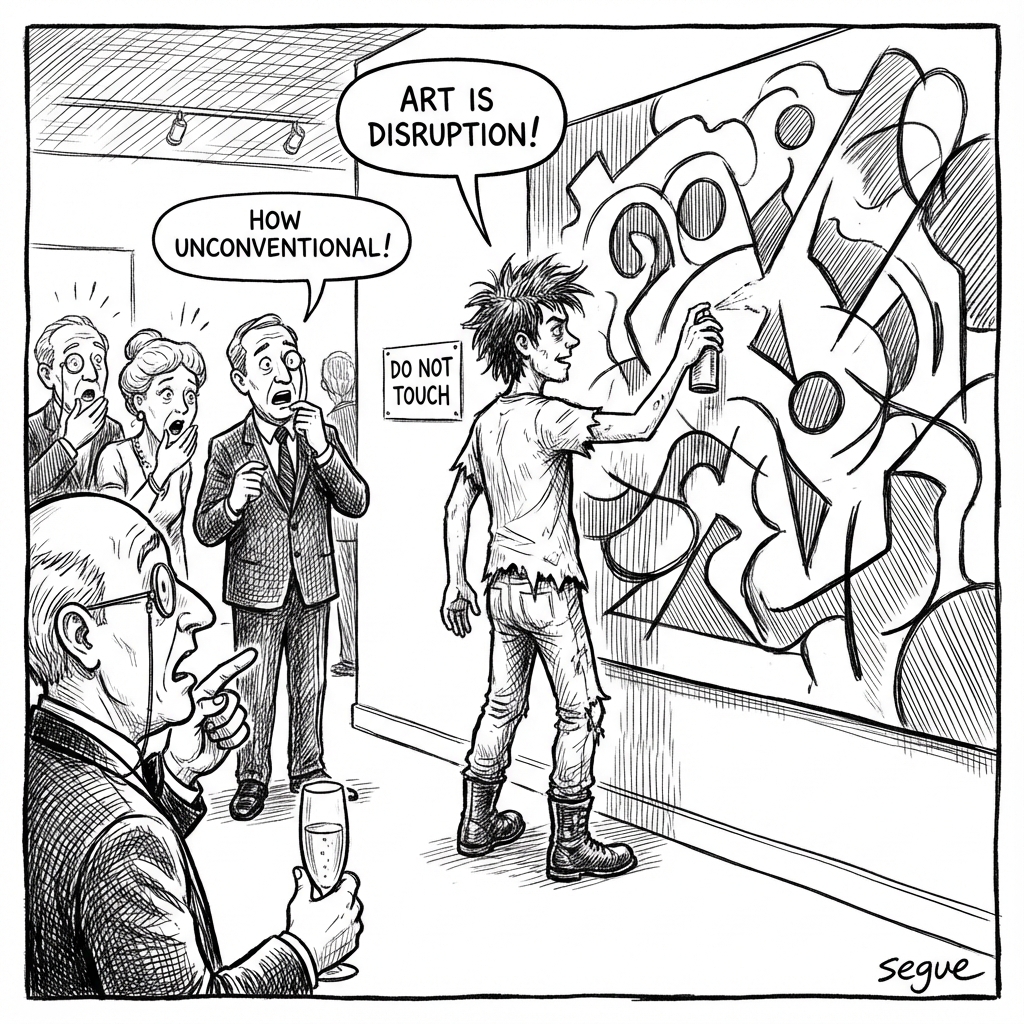
enfant terrible
/ˌɒnfɒn teˈriːblə/a person who behaves unconventionally or controversially
“The enfant terrible of modern art shocked critics again.”
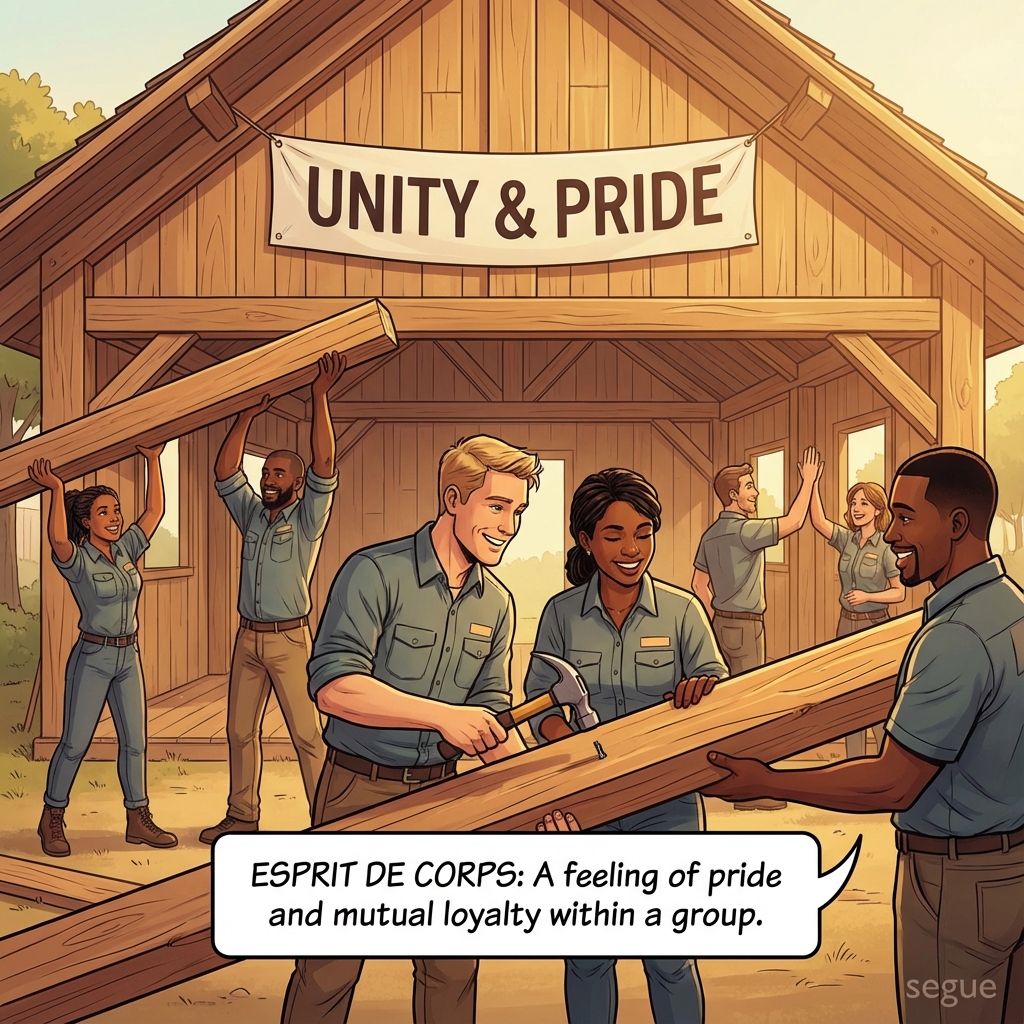
esprit de corps
/eˌspriː də ˈkɔːr/a feeling of pride and mutual loyalty within a group
“The team's esprit de corps was evident in their celebration.”
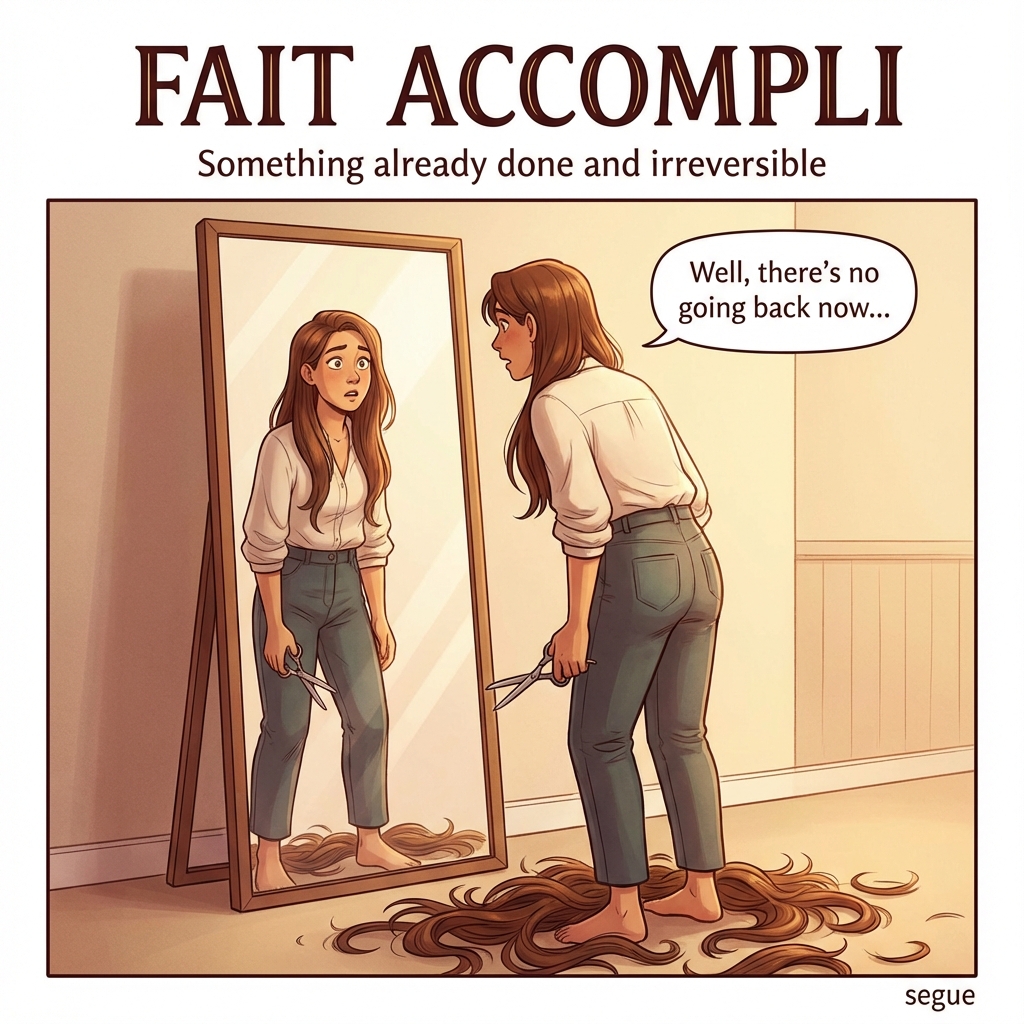
fait accompli
/ˌfeɪt əˌkɒmˈpliː/something already done and irreversible
“By the time we arrived, the merger was a fait accompli.”
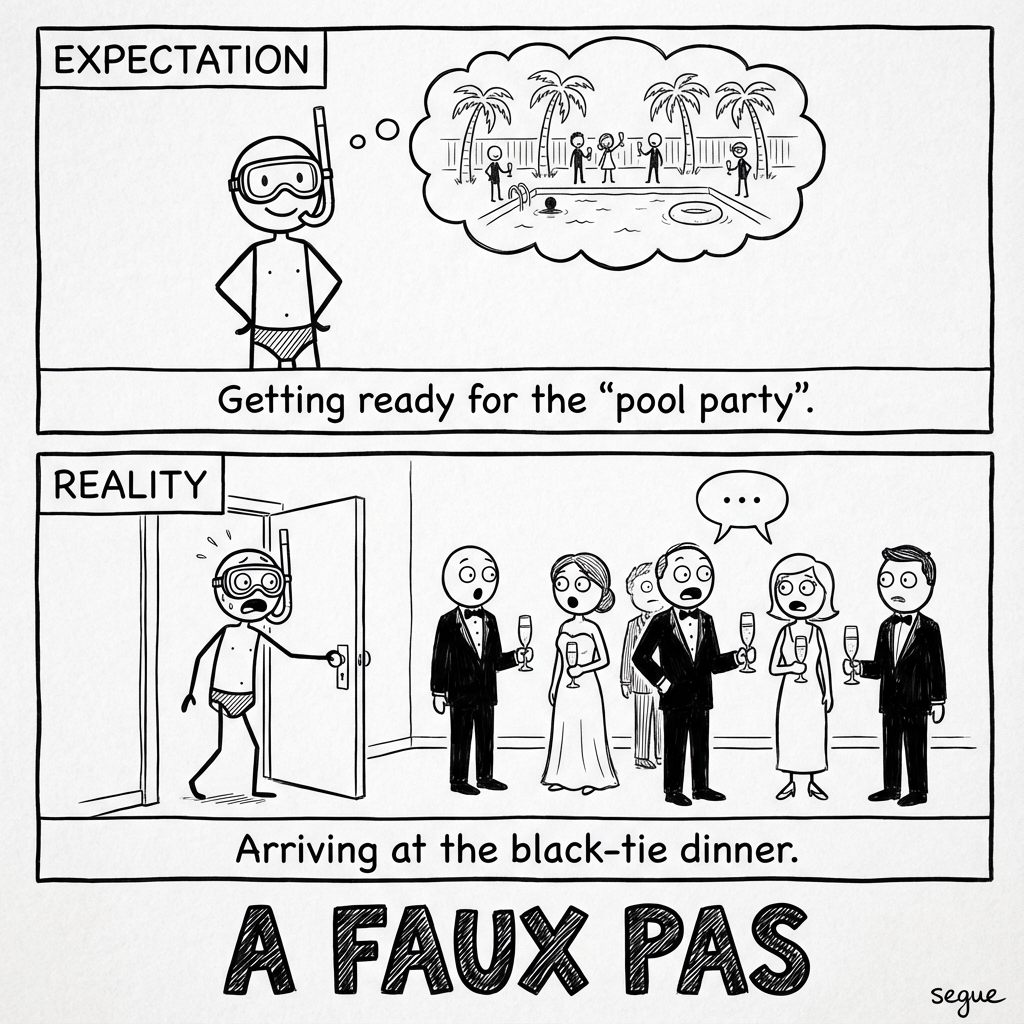
faux pas
/ˌfoʊ ˈpɑː/an embarrassing social blunder or mistake
“Wearing jeans to the gala was a major faux pas.”
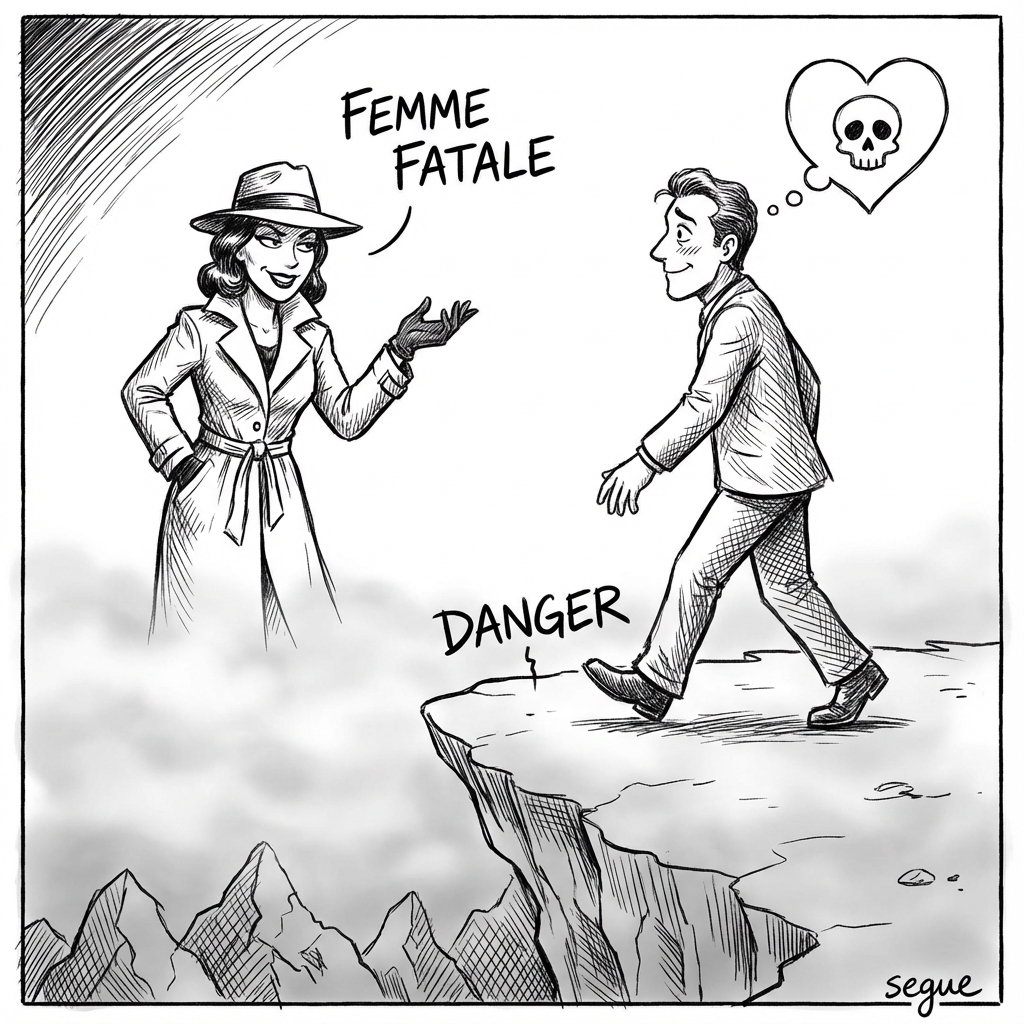
femme fatale
/ˌfem fəˈtɑːl/an attractive woman who leads men into danger
“The film noir featured a classic femme fatale.”
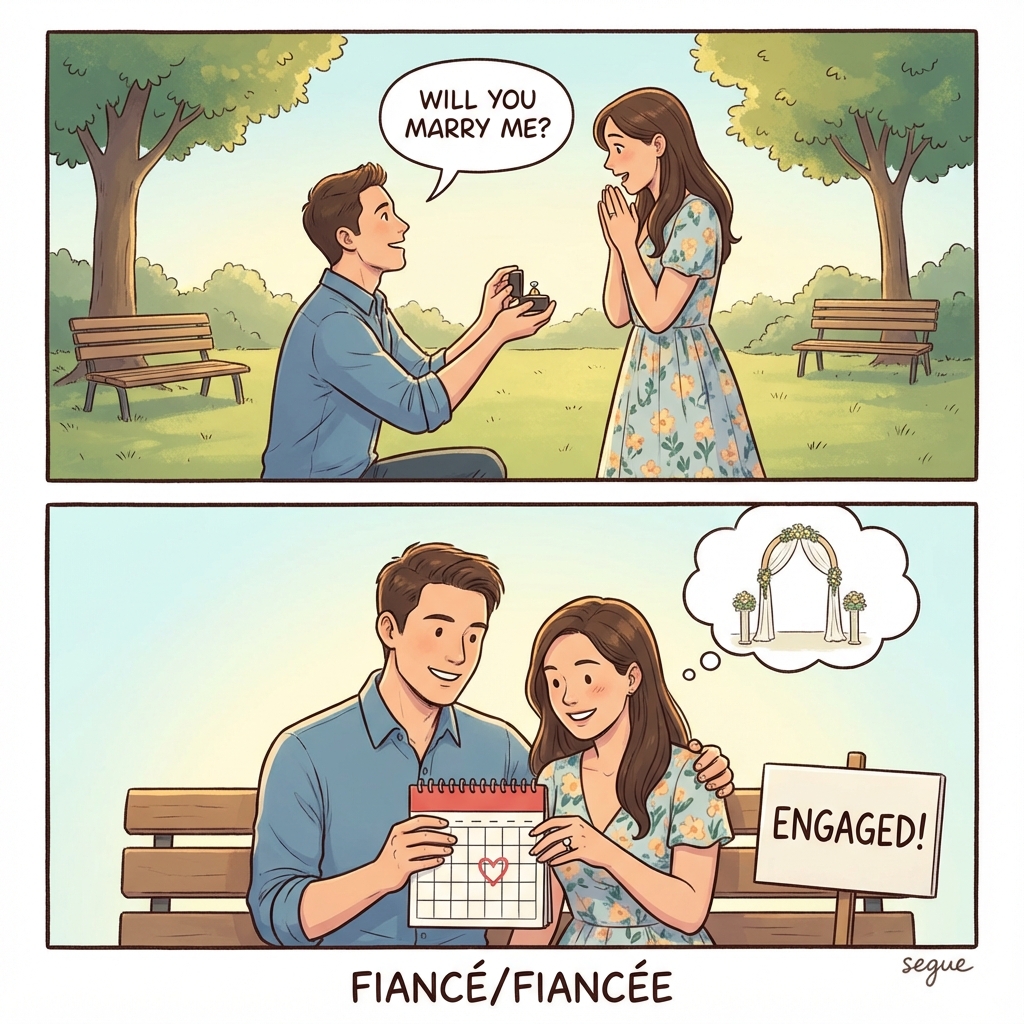
fiancé/fiancée
/fiˌɑːnˈseɪ/a man/woman engaged to be married
“She introduced her fiancé to her parents.”

haute couture
/ˌoʊt kuːˈtʊər/high fashion; exclusive custom-fitted clothing
“The designer's haute couture collection debuted in Paris.”
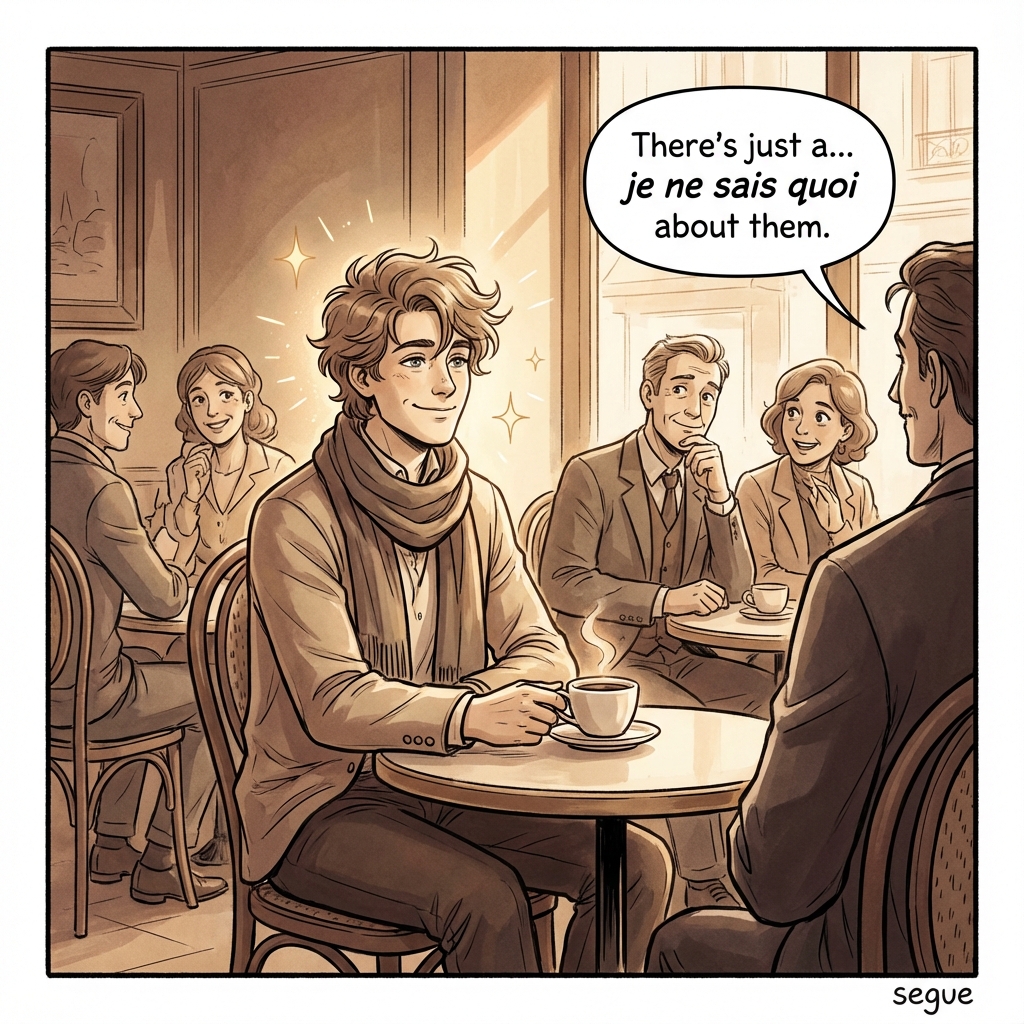
je ne sais quoi
/ˌʒə nə seɪ ˈkwɑː/an indefinable, attractive quality
“She has a certain je ne sais quoi that captivates everyone.”
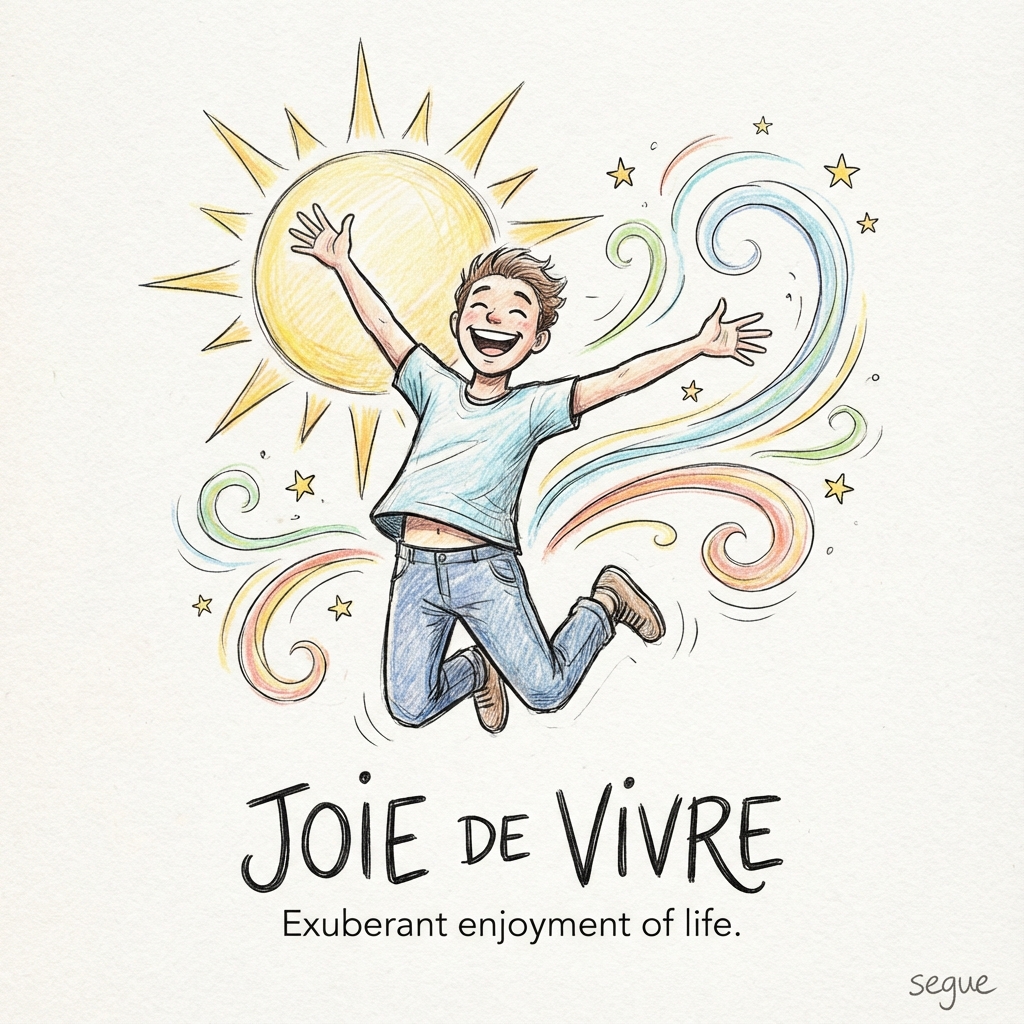
joie de vivre
/ˌʒwɑː də ˈviːvrə/exuberant enjoyment of life
“His joie de vivre was infectious at parties.”
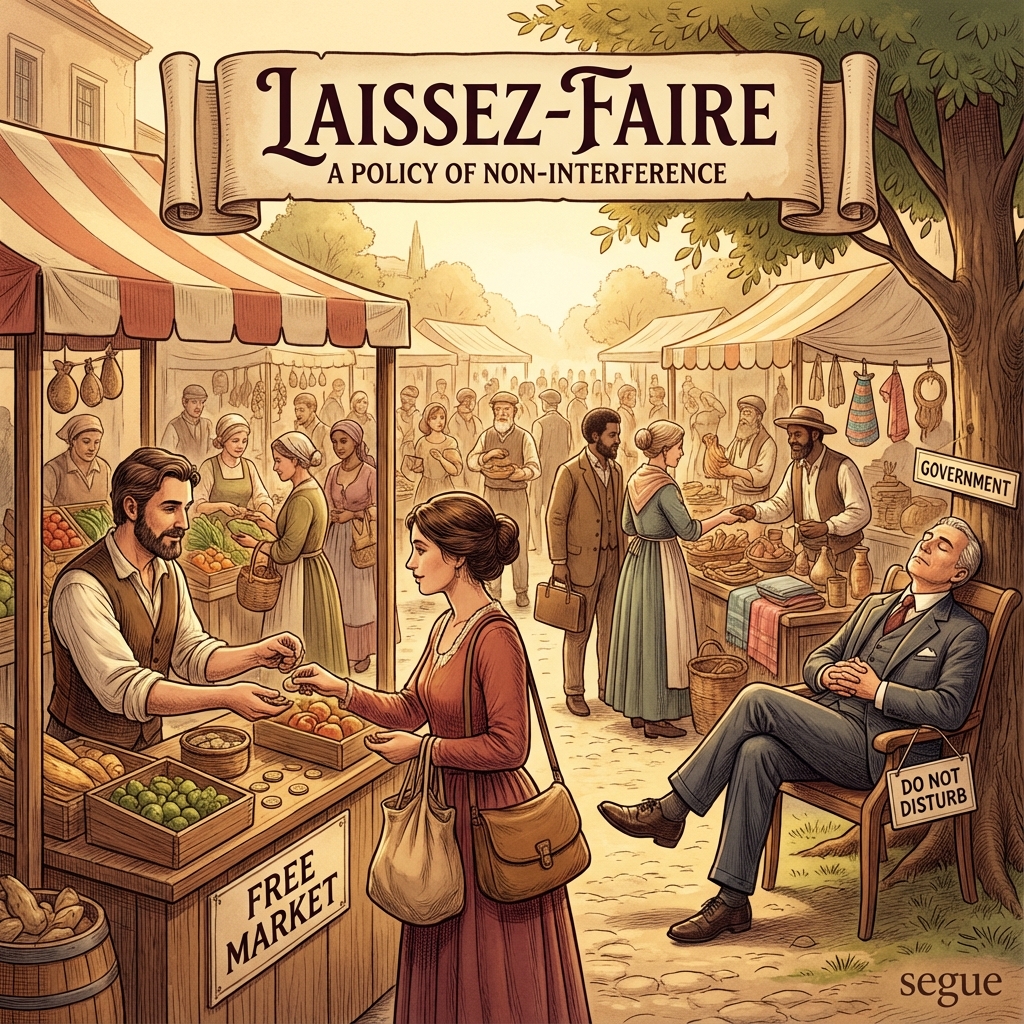
laissez-faire
/ˌleseɪ ˈfeər/a policy of non-interference; letting things take their course
“The government adopted a laissez-faire approach to the economy.”
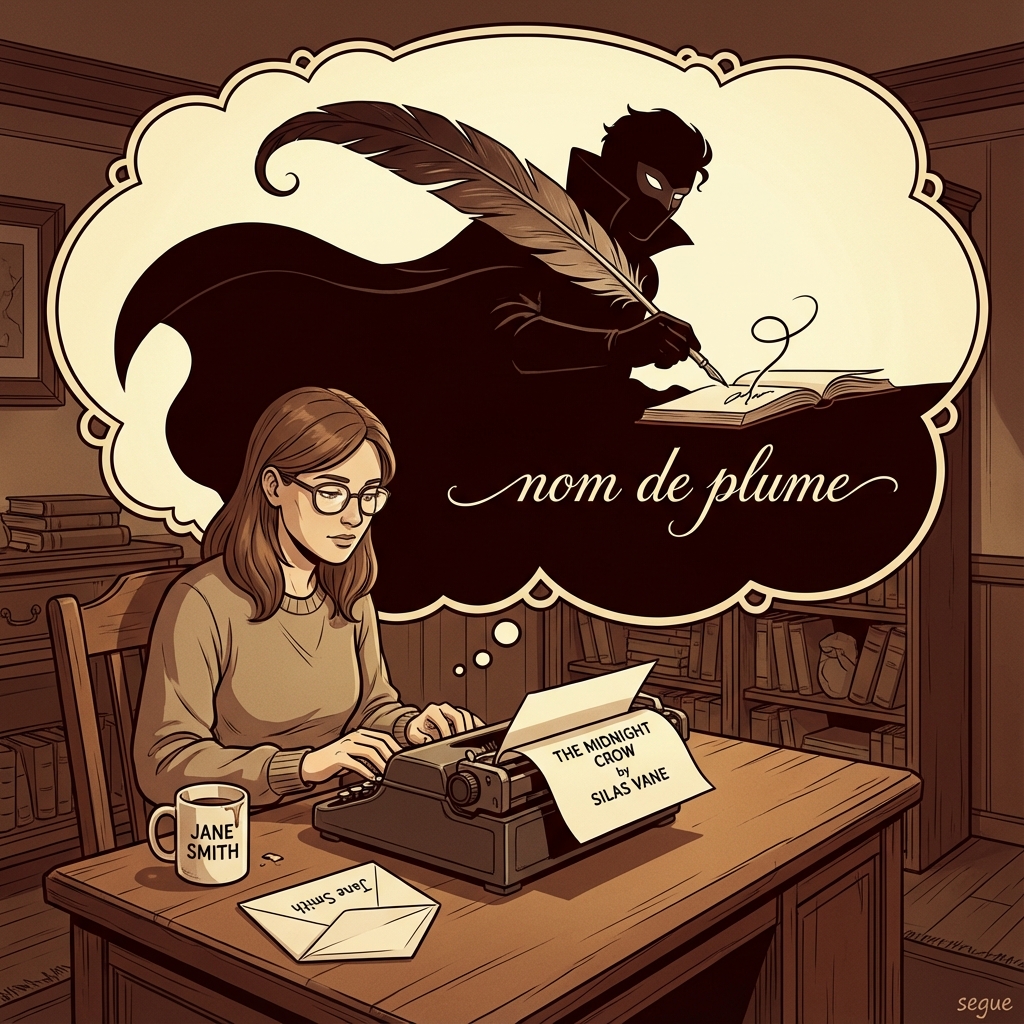
nom de plume
/ˌnɒm də ˈpluːm/a pen name; pseudonym used by writers
“Mark Twain was his nom de plume.”
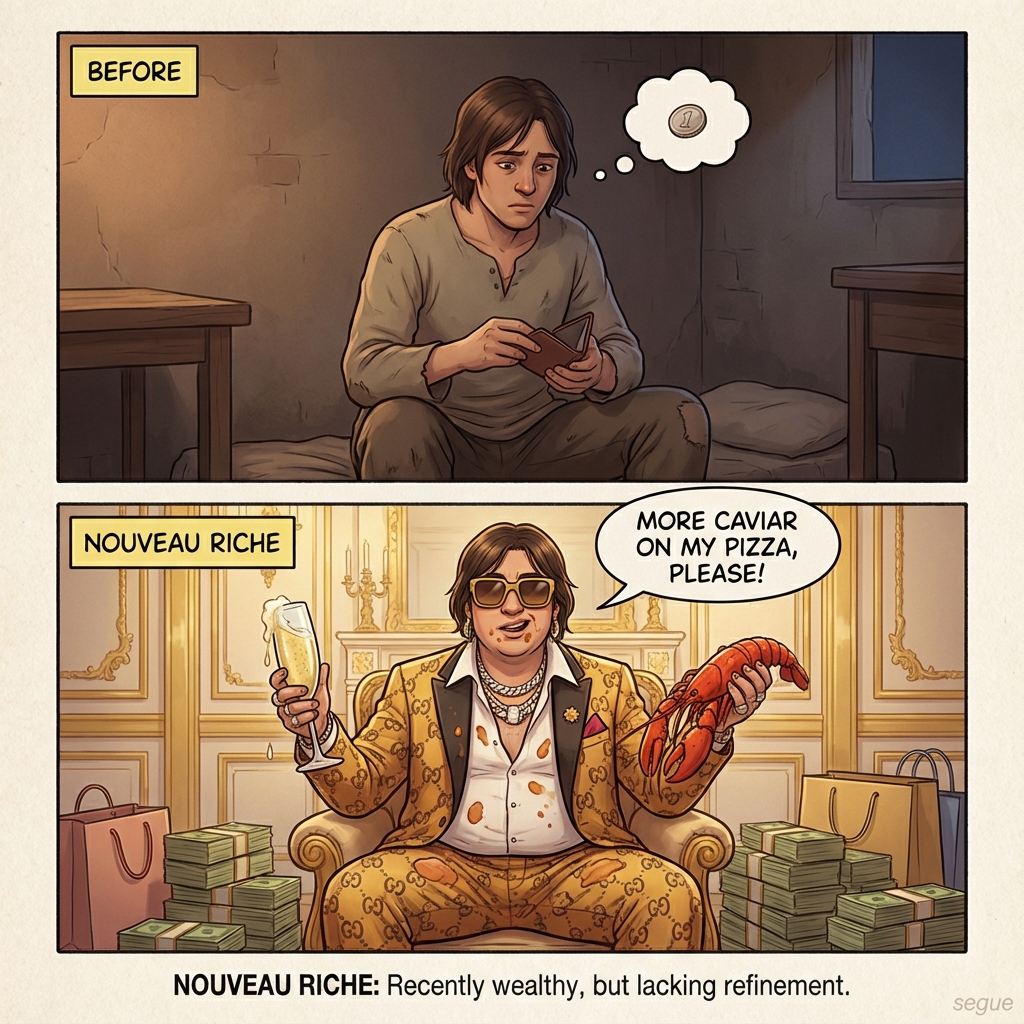
nouveau riche
/ˌnuːvoʊ ˈriːʃ/people who have recently acquired wealth but lack refinement
“The nouveau riche flaunted their money ostentatiously.”
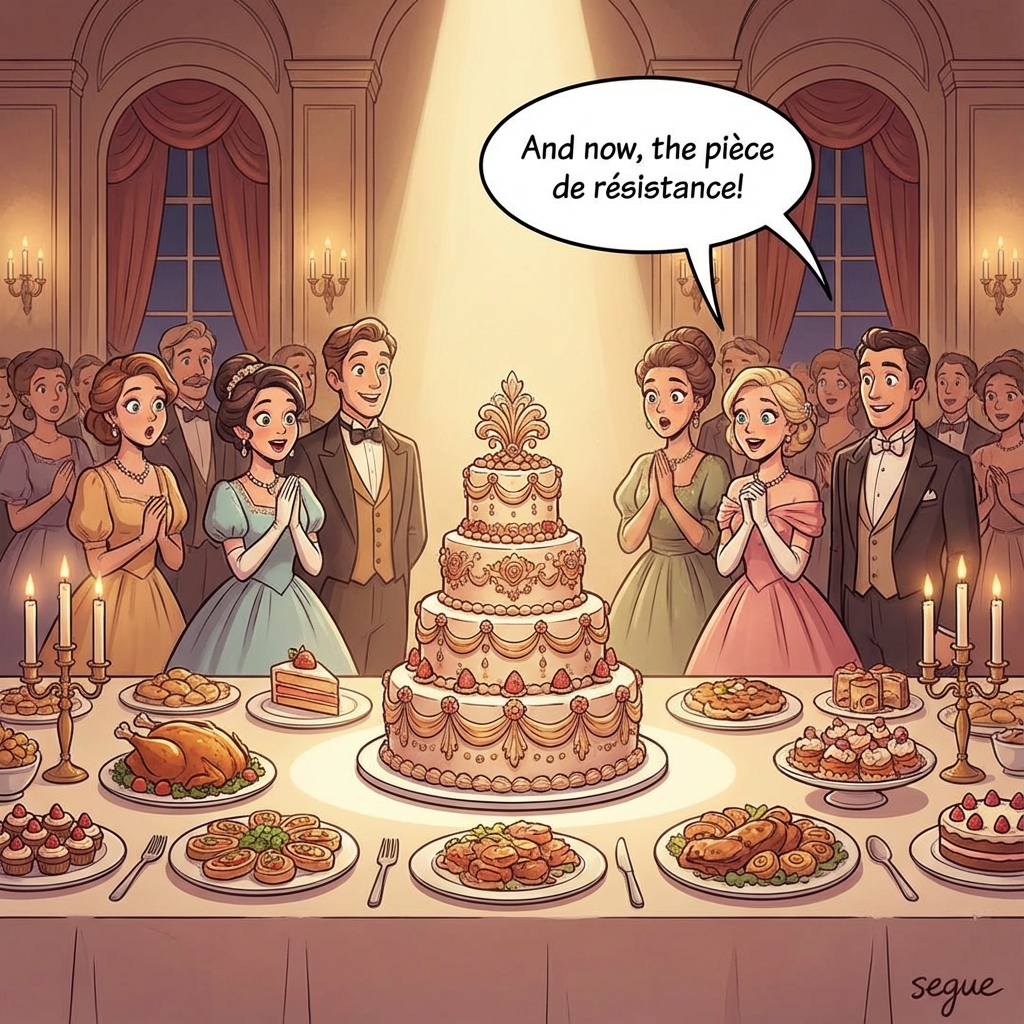
pièce de résistance
/piˌes də reɪˈzɪstɒns/the most important or impressive item
“The chocolate soufflé was the pièce de résistance of dinner.”
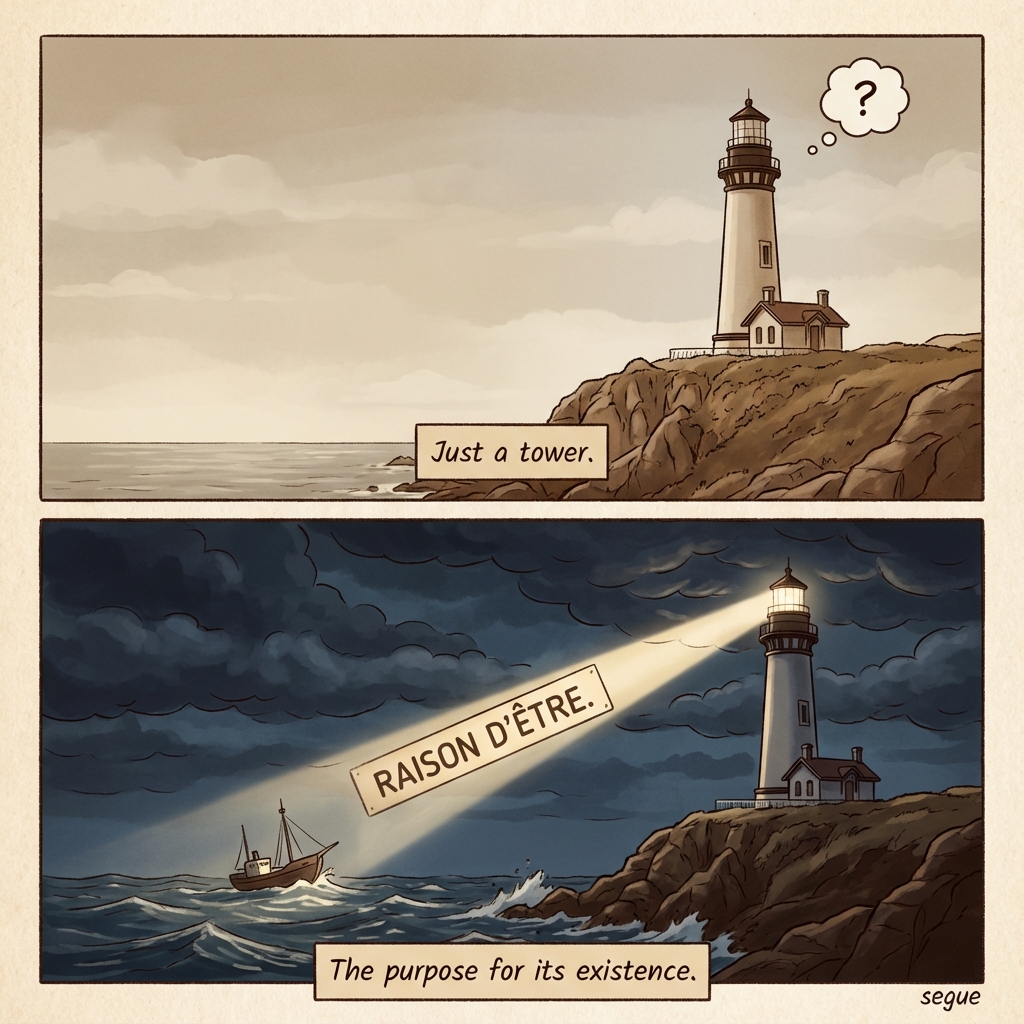
raison d'être
/ˌreɪzɒn ˈdetrə/the most important reason for existence
“Innovation is the company's raison d'être.”
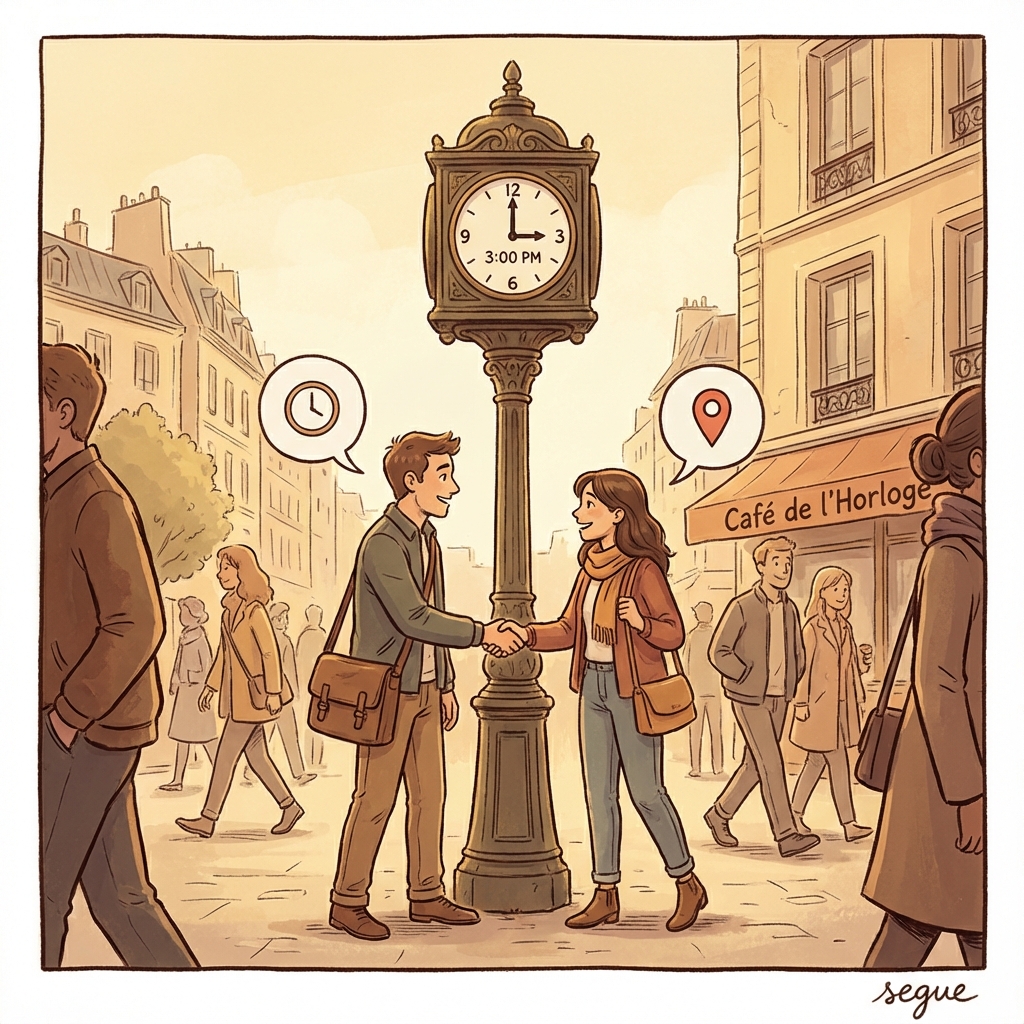
rendez-vous
/ˈrɒndɪvuː/a meeting at an agreed time and place
“They arranged a secret rendez-vous at midnight.”
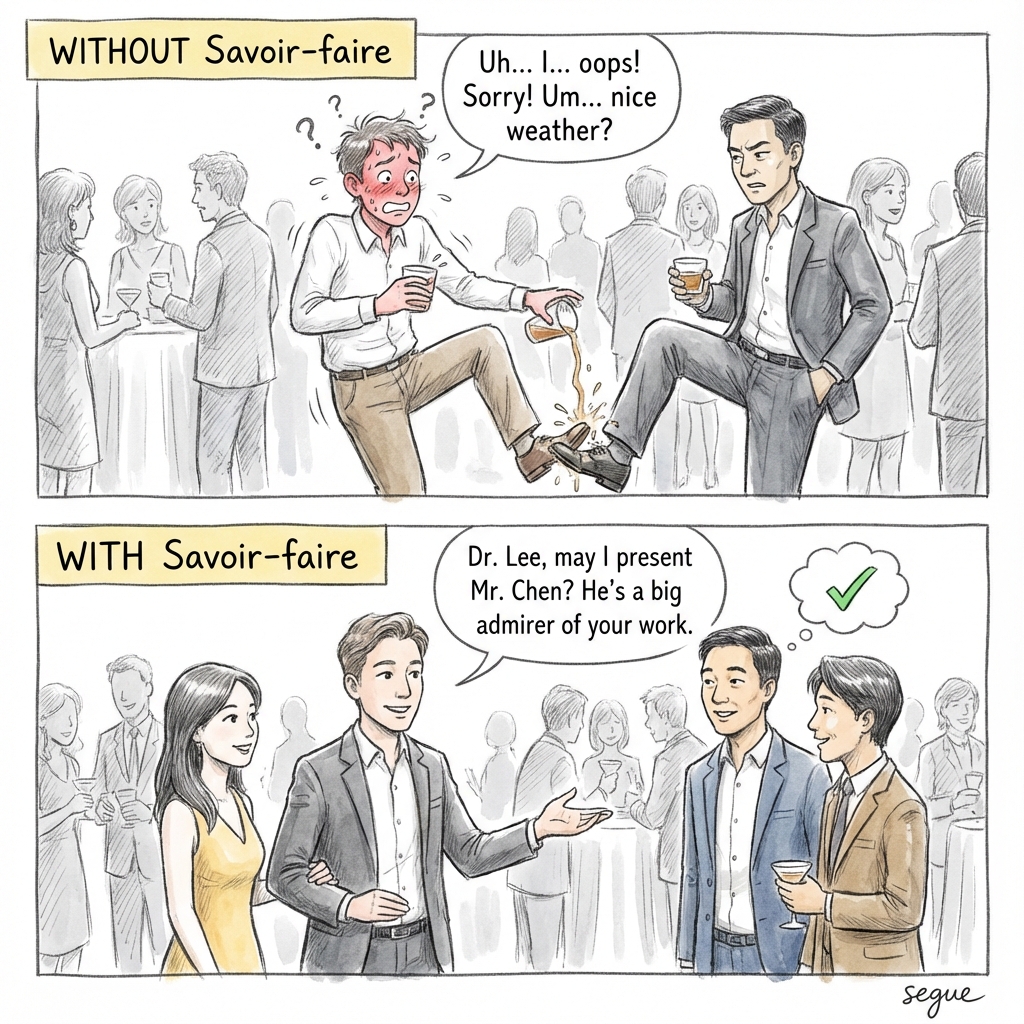
savoir-faire
/ˌsævwɑːr ˈfeər/the ability to act appropriately in social situations
“Her savoir-faire impressed the diplomats.”
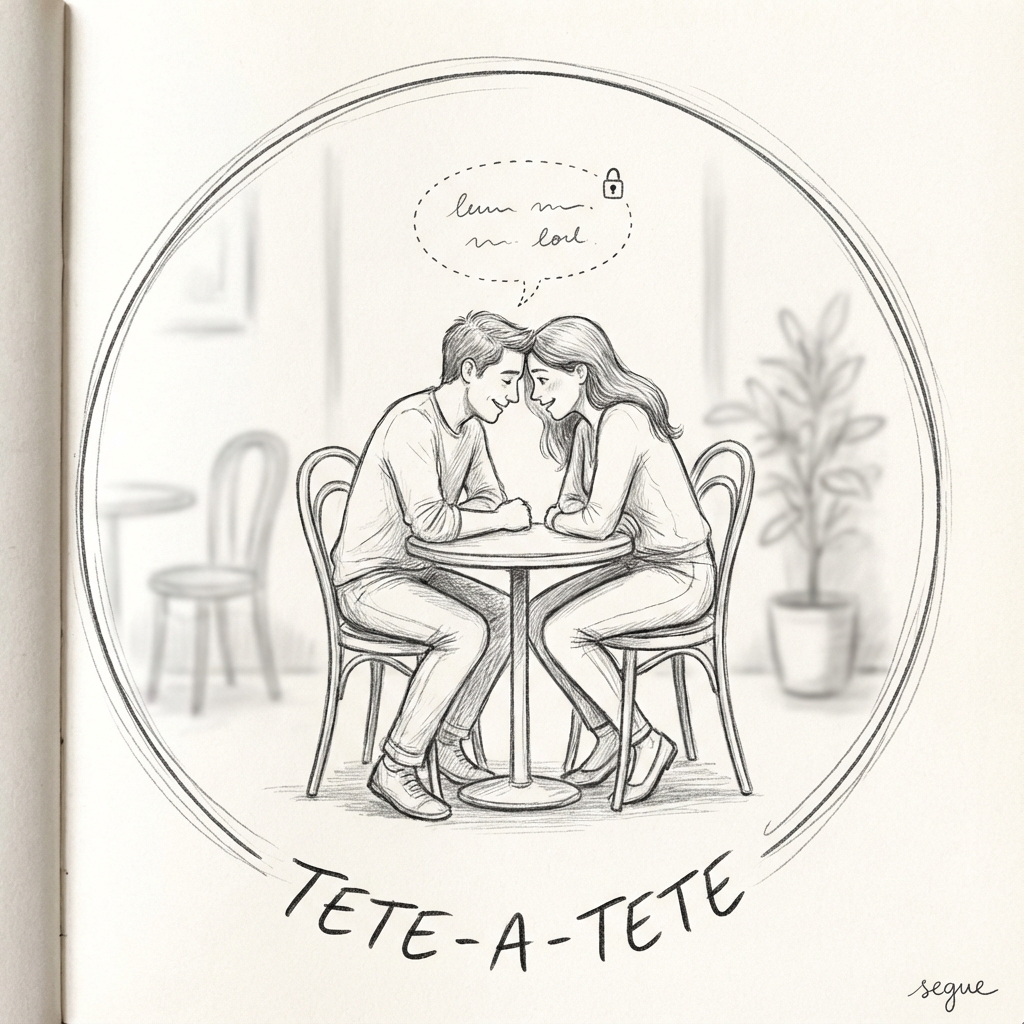
tête-à-tête
/ˌteɪt ɑː ˈteɪt/a private conversation between two people
“They had a tête-à-tête over coffee.”
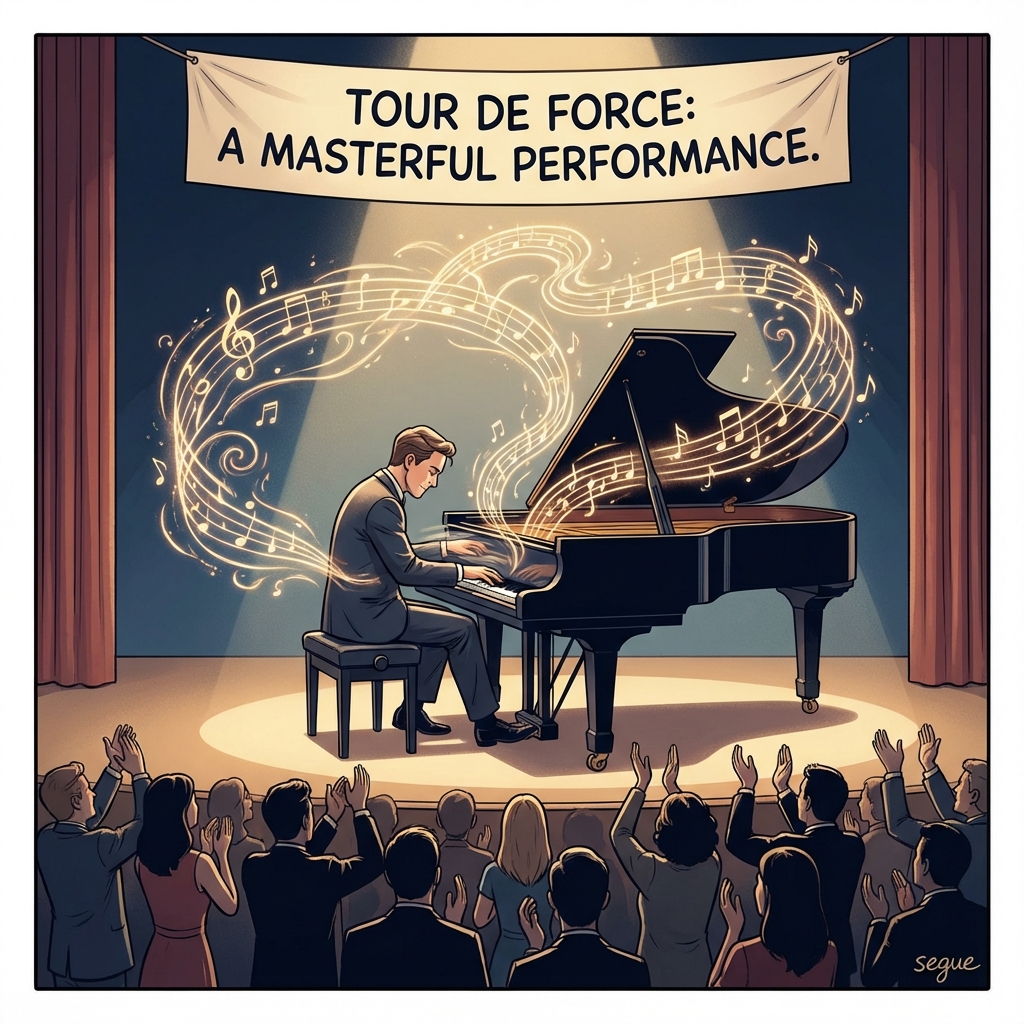
tour de force
/ˌtʊər də ˈfɔːrs/an impressive display of skill or achievement
“Her performance was a tour de force.”
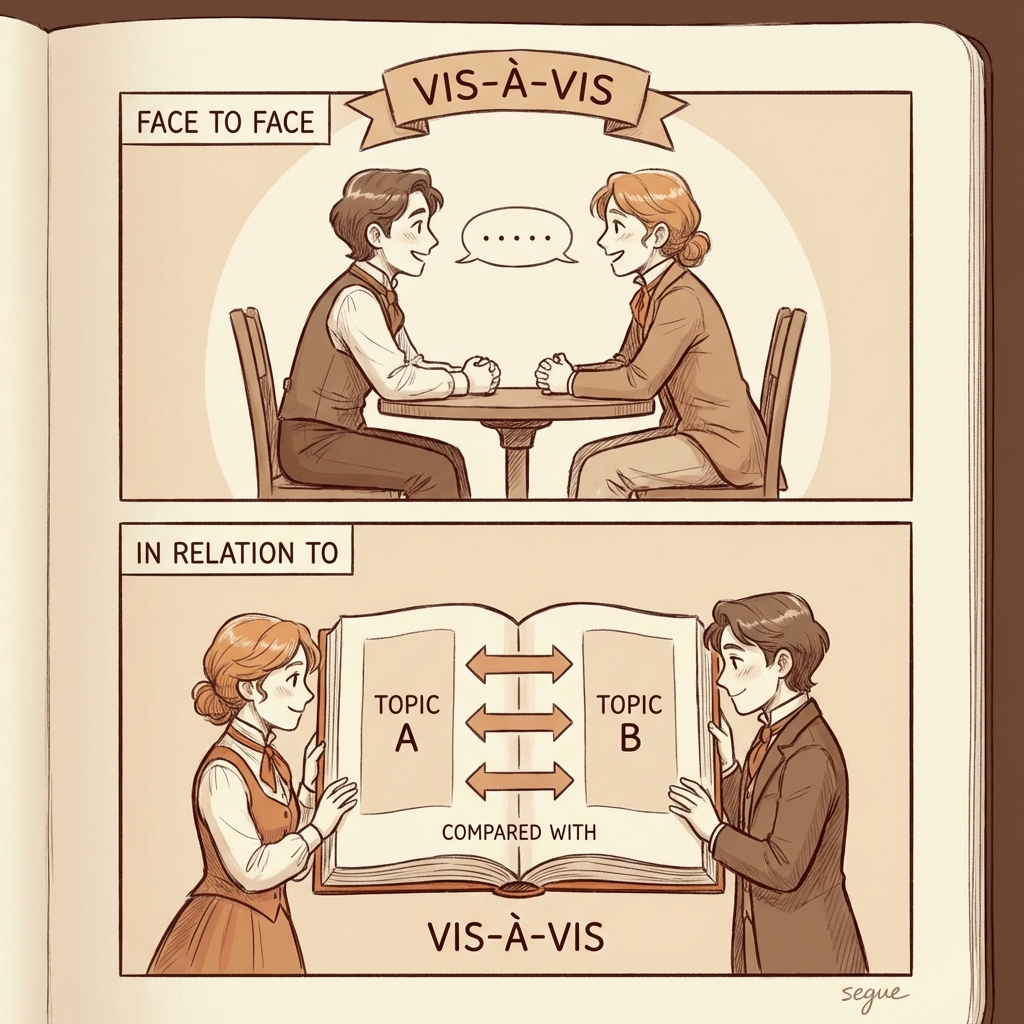
vis-à-vis
/ˌviːz ɑː ˈviː/in relation to; compared with; face to face
“We need to discuss our position vis-à-vis the competition.”
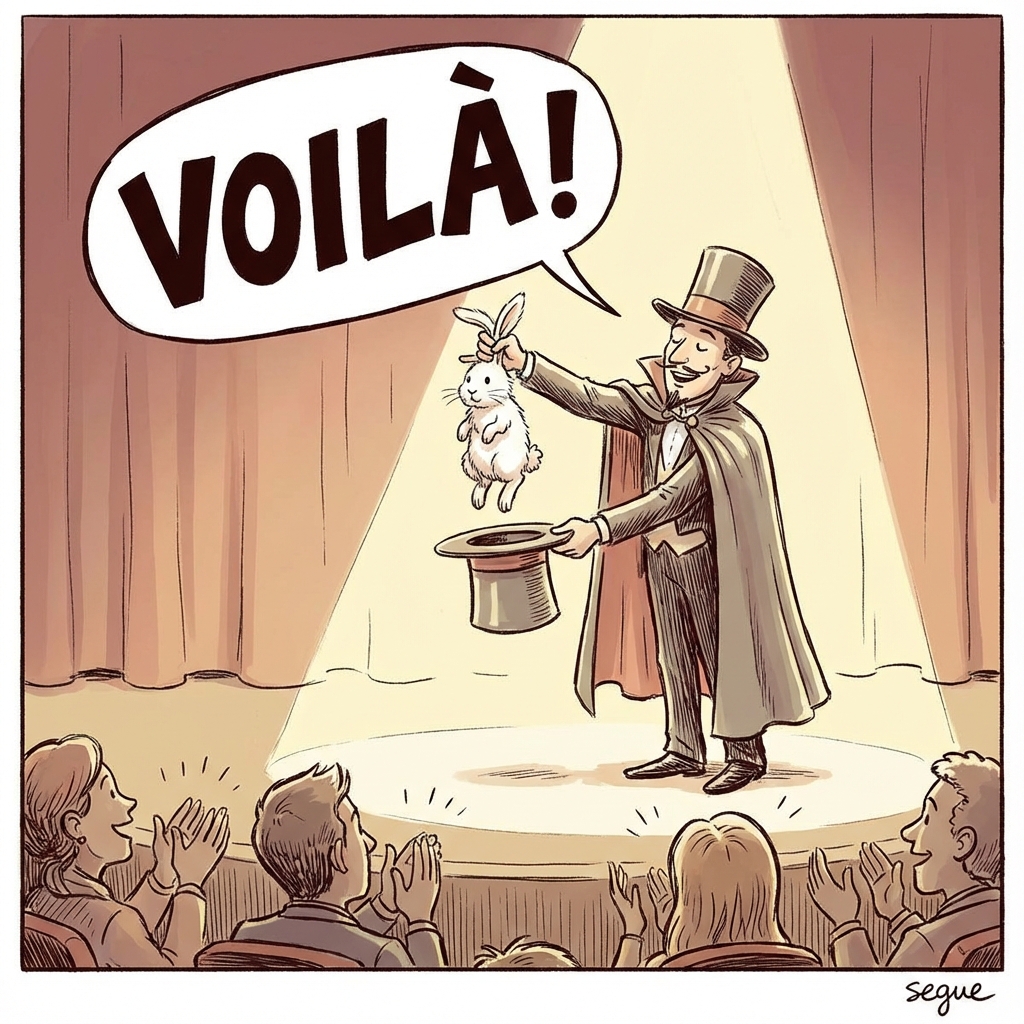
voilà
/vwɑːˈlɑː/there it is; used to call attention to something
“Add the final ingredient and voilà—dinner is served!”
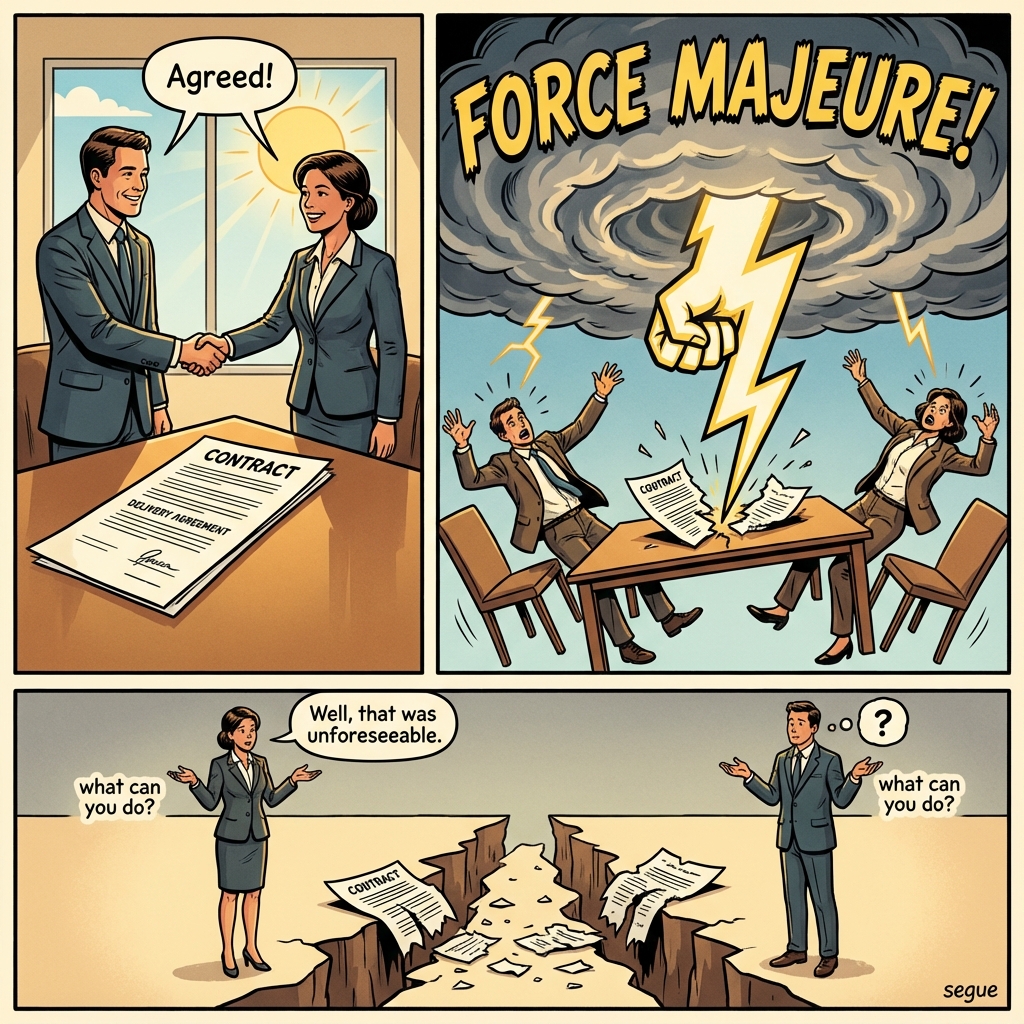
force majeure
/ˌfɔːrs mæˈʒɜːr/unforeseeable circumstances that prevent fulfillment of a contract
“The pandemic was declared a force majeure event.”
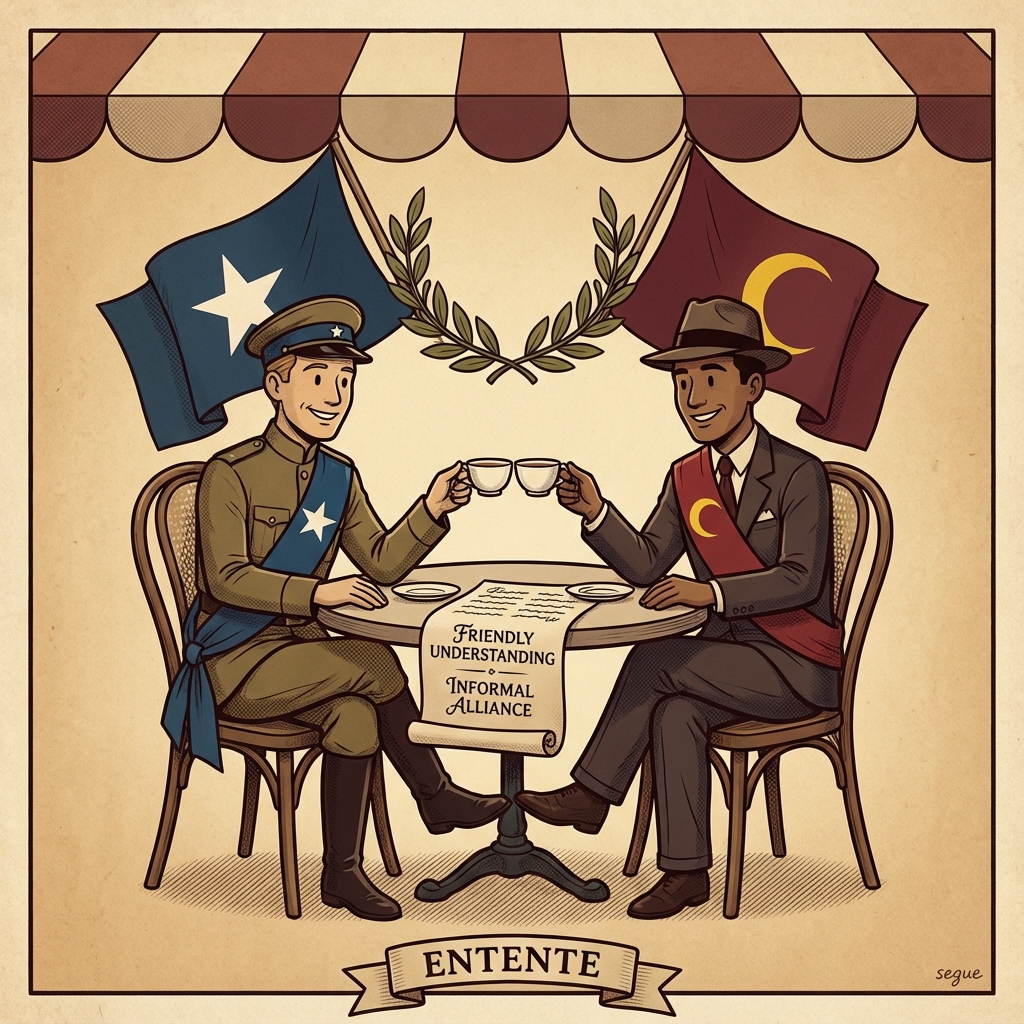
entente
/ɑːnˈtɑːnt/a friendly understanding or informal alliance between states
“The diplomatic entente ensured peace between the nations.”
More from Foreign Phrases
Explore other vocabulary categories in this collection.