Loading collection...
✨
Flattery & Praise Vocabulary
Eloquent ways to compliment and express admiration
22 words
All 22 Words

effusive
/ˈɛfjusɪv/expressing feelings of gratitude or pleasure in an unrestrained way
“Her effusive praise made him blush with embarrassment.”

laudatory
/ˈɫɔdəˌtɔɹi/expressing praise and commendation
“The laudatory review helped the book become a bestseller.”

fulsome
/ˈfʊɫsəm/complimentary or flattering to an excessive degree
“His fulsome tribute to the retiring executive seemed overdone.”

panegyric
/ˌpænɪˈdʒɪrɪk/a public speech or text in praise of someone or something
“The panegyric celebrated the hero's lifetime achievements.”

encomium
/ɛnˈkɔˌmɪəm/a speech or piece of writing that praises someone highly
“The president delivered an encomium at the memorial service.”

accolade
/ˈækəˌɫeɪd/an award or privilege granted as a special honor
“She received the highest accolade in her field.”
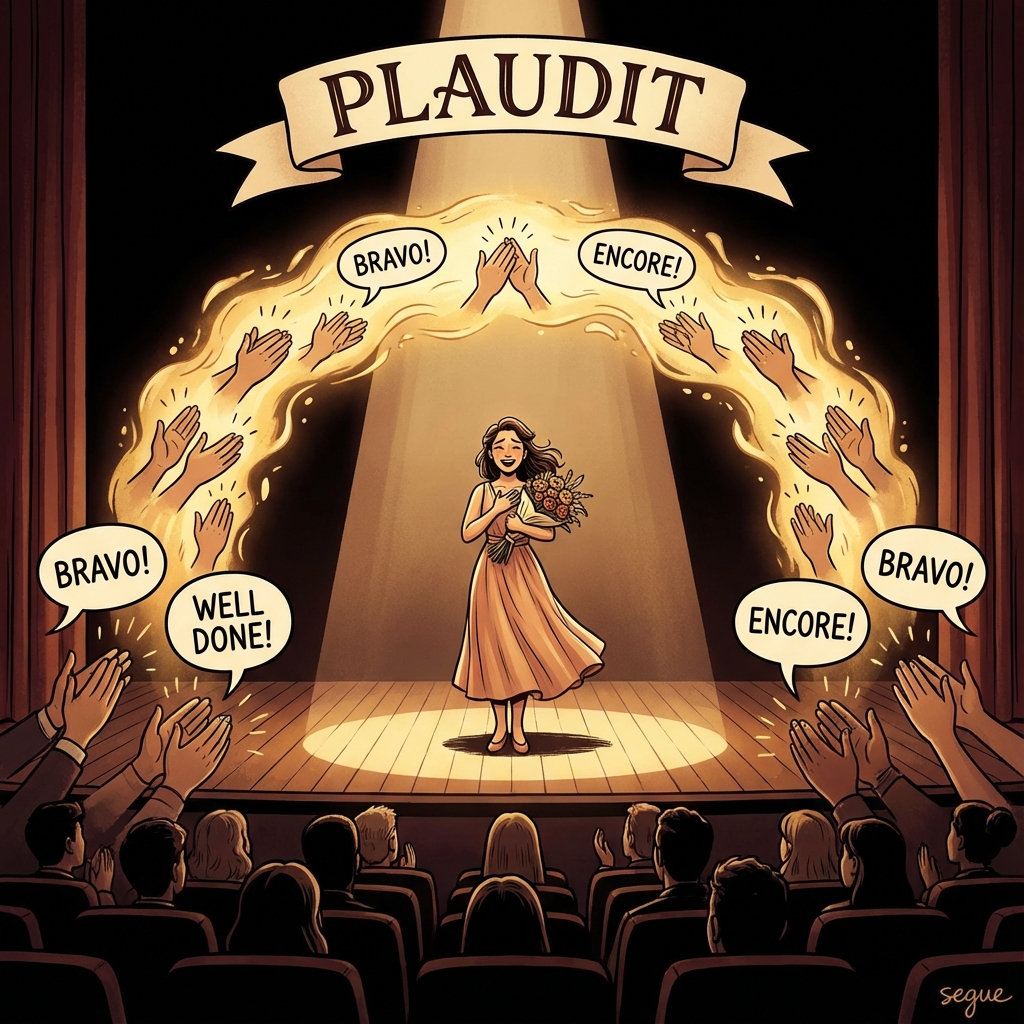
plaudit
/ˈpɫɔdɪt/an expression of praise or approval
“The performance earned plaudits from critics worldwide.”

commendation
/ˌkɑmənˈdeɪʃən/formal or official praise
“He received a commendation for his bravery.”

approbation
/ˌæpɹəˈbeɪʃən/approval or praise
“The project won the approbation of senior management.”

adulation
/ˌædʒəˈɫeɪʃən/excessive admiration or praise
“The celebrity was uncomfortable with the constant adulation.”

veneration
/ˌvɛnɝˈeɪʃən/great respect; reverence
“The artist's work inspired veneration from young painters.”

esteem
/əˈstim/respect and admiration
“She held her mentor in the highest esteem.”
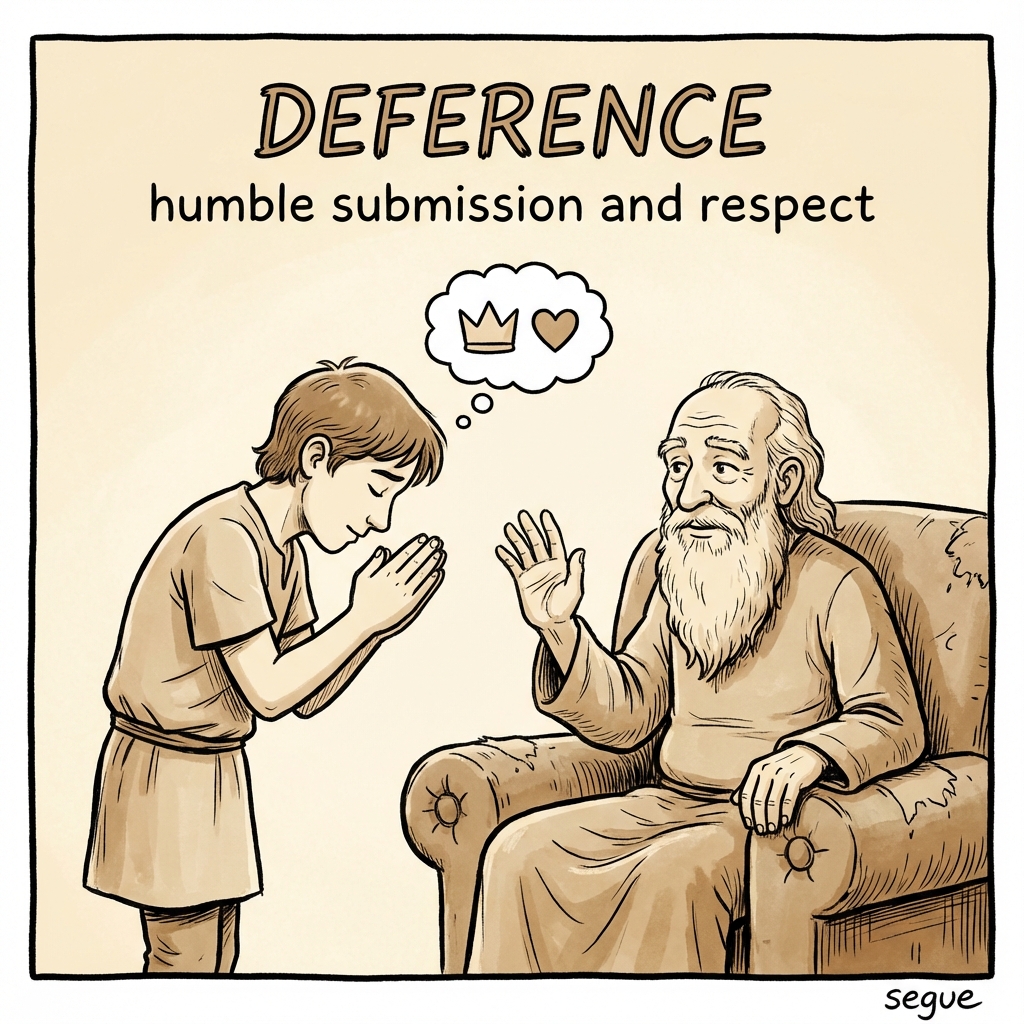
deference
/ˈdɛfɝəns/humble submission and respect
“He spoke with deference to his elders.”

homage
/ˈɑmədʒ/special honor or respect shown publicly
“The film was a homage to classic Hollywood musicals.”

tribute
/ˈtɹɪbjut/an act, statement, or gift intended to show gratitude or respect
“The concert was a tribute to the legendary musician.”

eulogize
/ˈjuɫəˌdʒaɪz/to praise highly in speech or writing
“Friends gathered to eulogize the beloved teacher.”
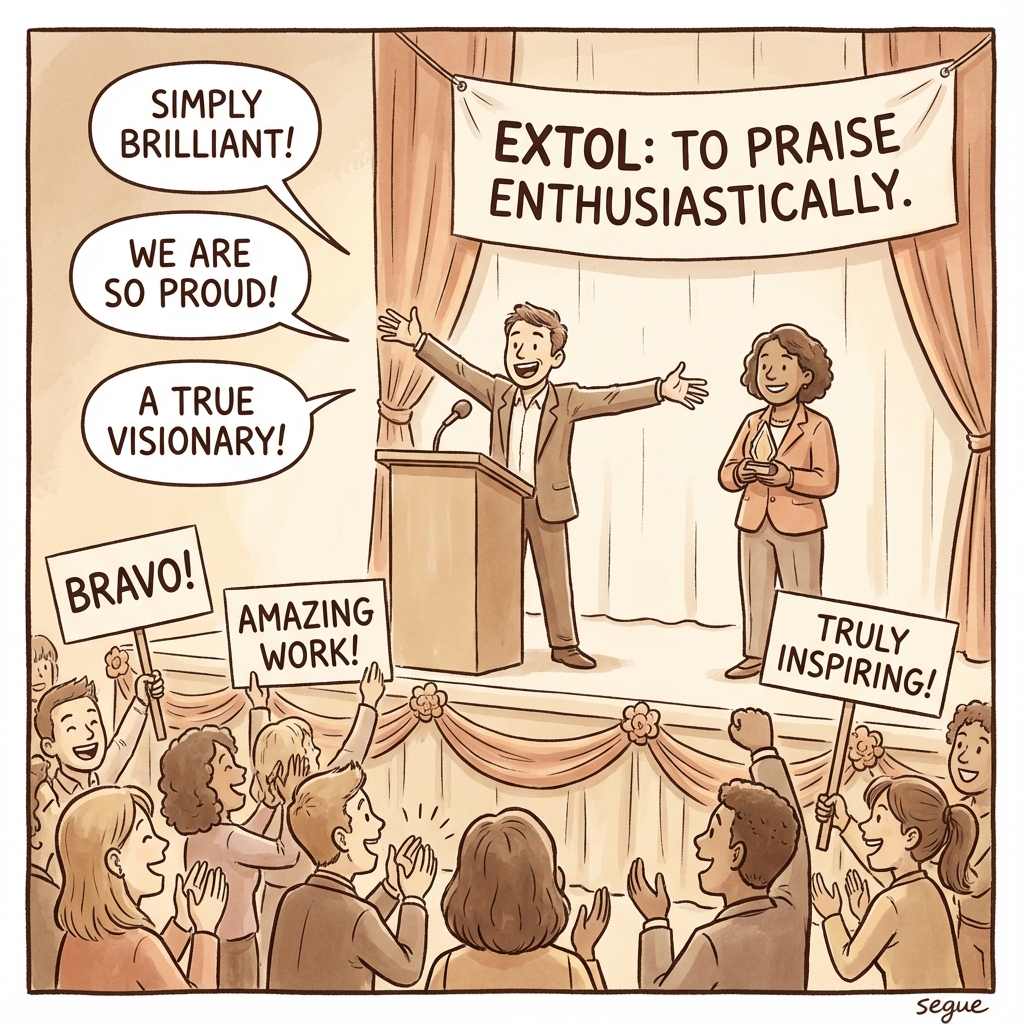
extol
/ɪkˈstoʊɫ/to praise enthusiastically
“Critics extolled the novel's innovative narrative structure.”
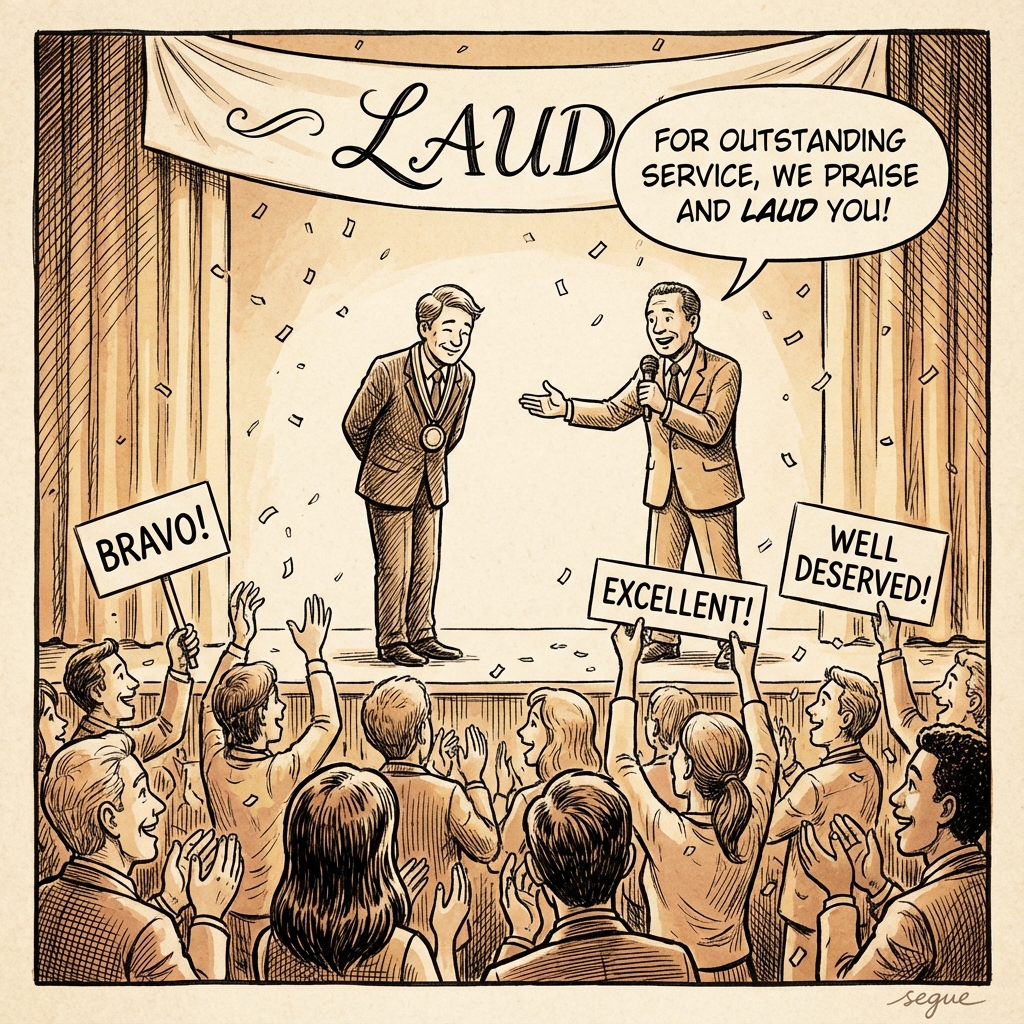
laud
/ˈɫɔd/to praise highly, especially in a public context
“The organization lauded her contributions to the community.”

exalt
/ɪɡˈzɔɫt/to hold in very high regard; to praise highly
“The culture exalts individual achievement above all else.”

glorify
/ˈɡɫɔɹəˌfaɪ/to describe or represent as admirable; to praise
“The biography glorified the subject while ignoring his flaws.”
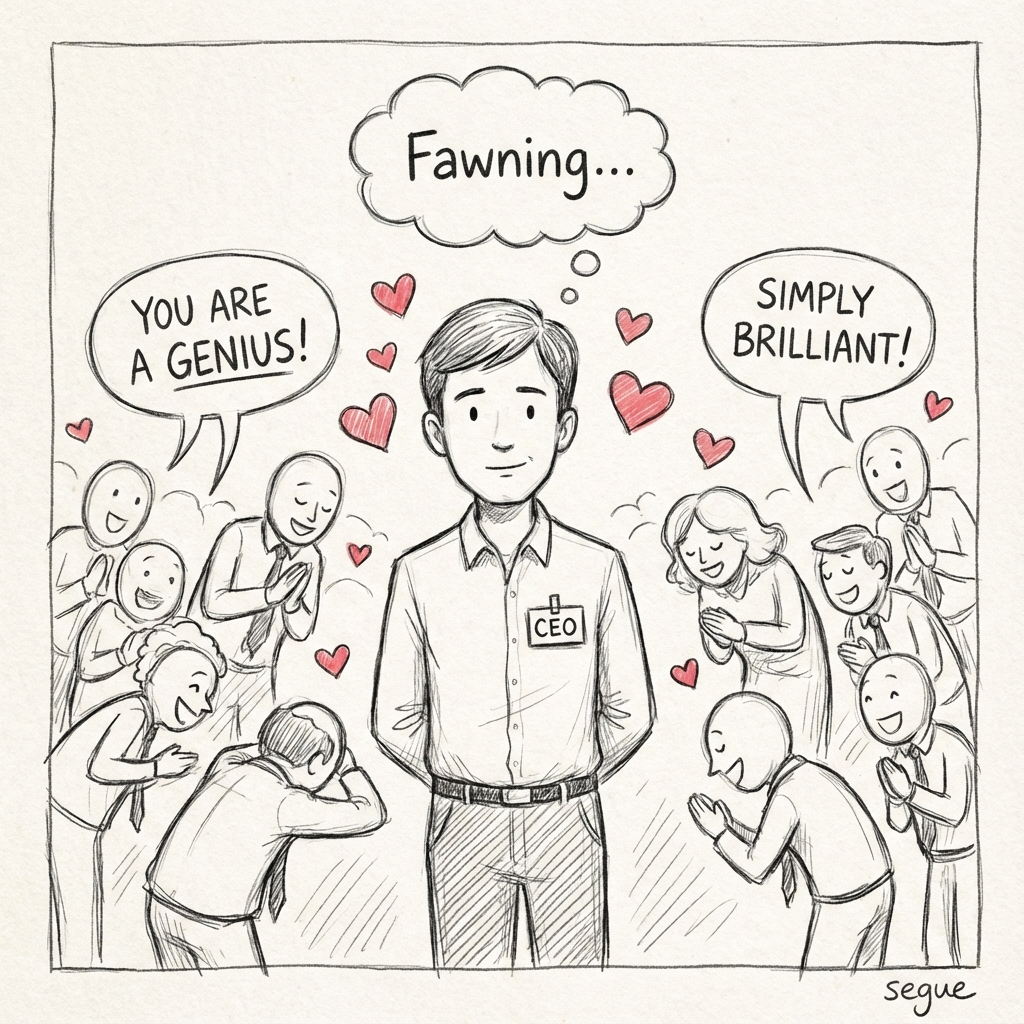
fawning
/ˈfɔnɪŋ/displaying exaggerated flattery or affection
“The fawning waiter anticipated their every need.”

idolize
/ˈaɪdəˌɫaɪz/to admire, revere, or love greatly or excessively
“Teenagers often idolize pop stars.”
More from Communication
Explore other vocabulary categories in this collection.