Loading collection...
🔁
Figures of Repetition Vocabulary
Rhetorical devices that use repetition for emphasis and rhythm
8 words
All 8 Words
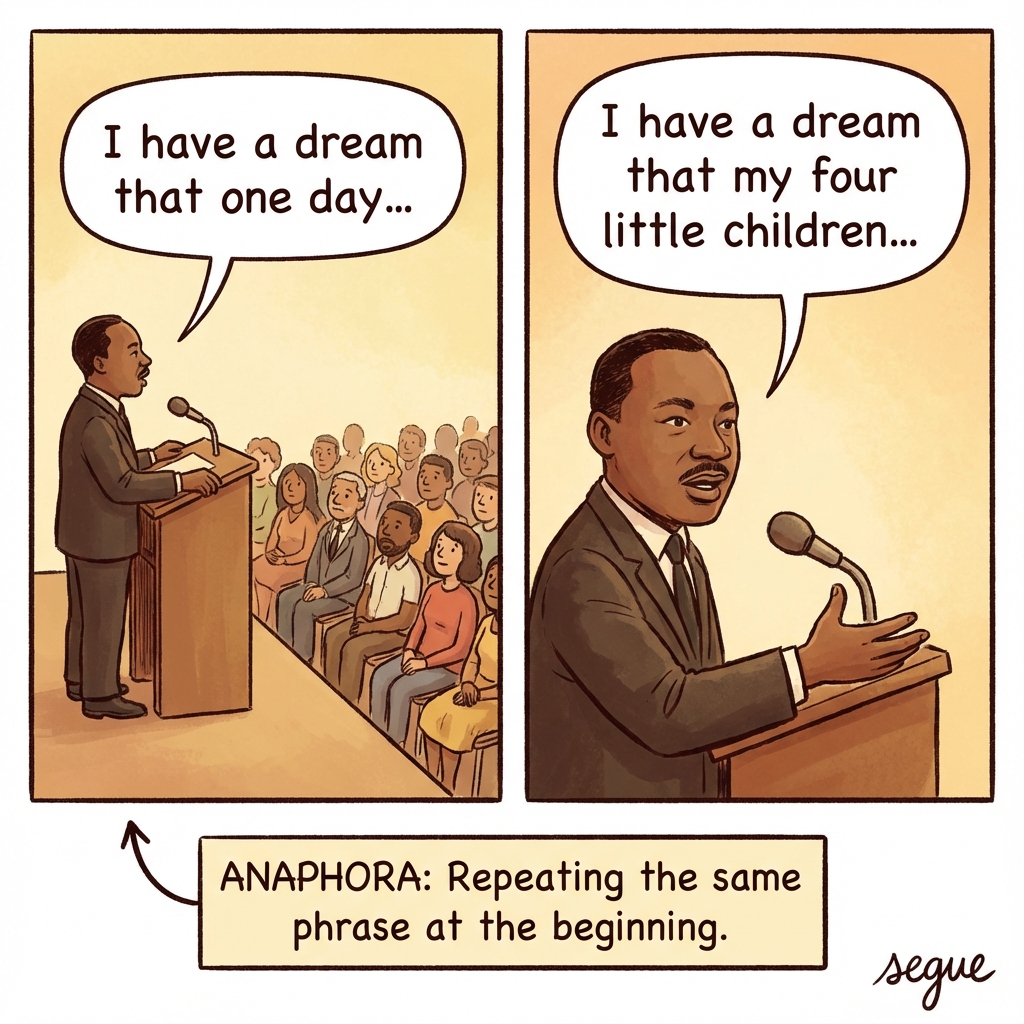
anaphora
/əˈnæfɝə/repetition of a word or phrase at the beginning of successive clauses
“I have a dream... I have a dream... I have a dream—King's anaphora built unstoppable momentum.”
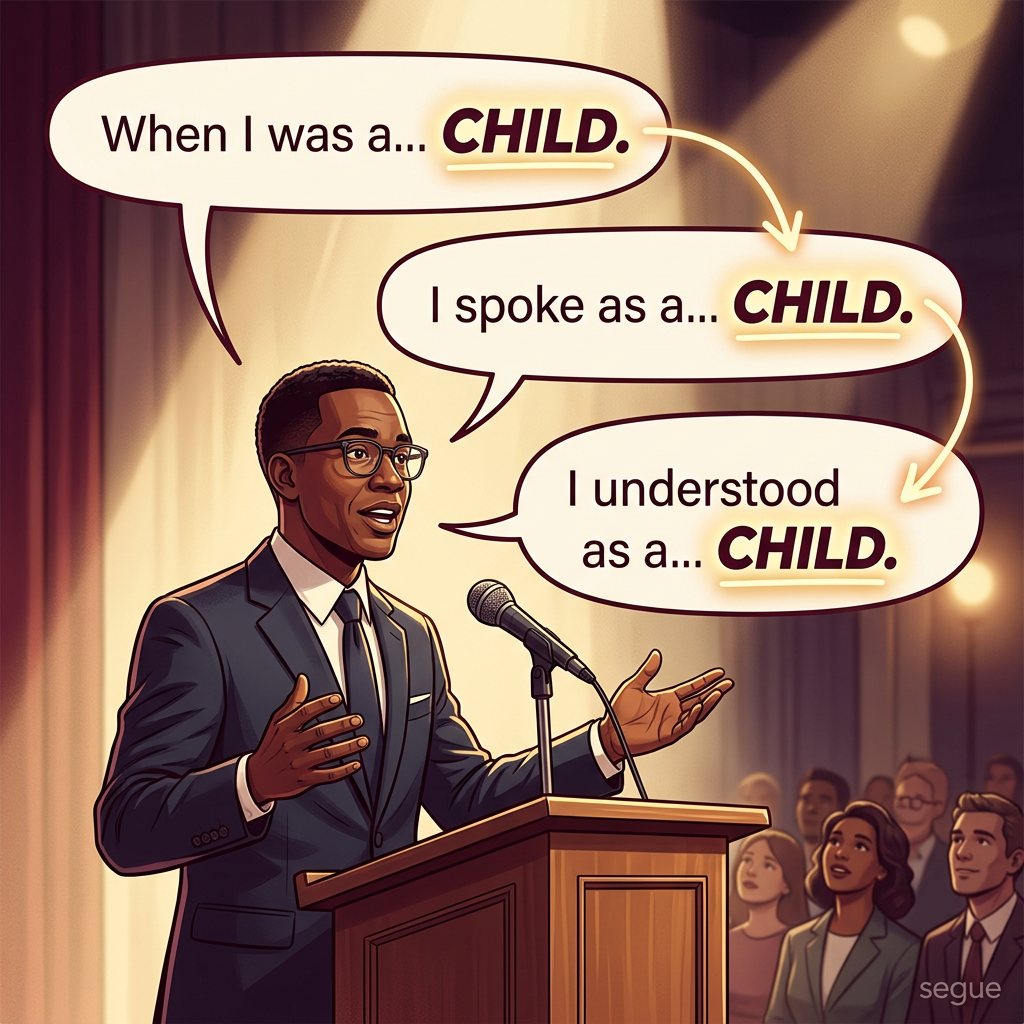
epistrophe
/ɪˈpɪstrəfi/repetition of a word or phrase at the end of successive clauses
“Government of the people, by the people, for the people—Lincoln's epistrophe at Gettysburg.”
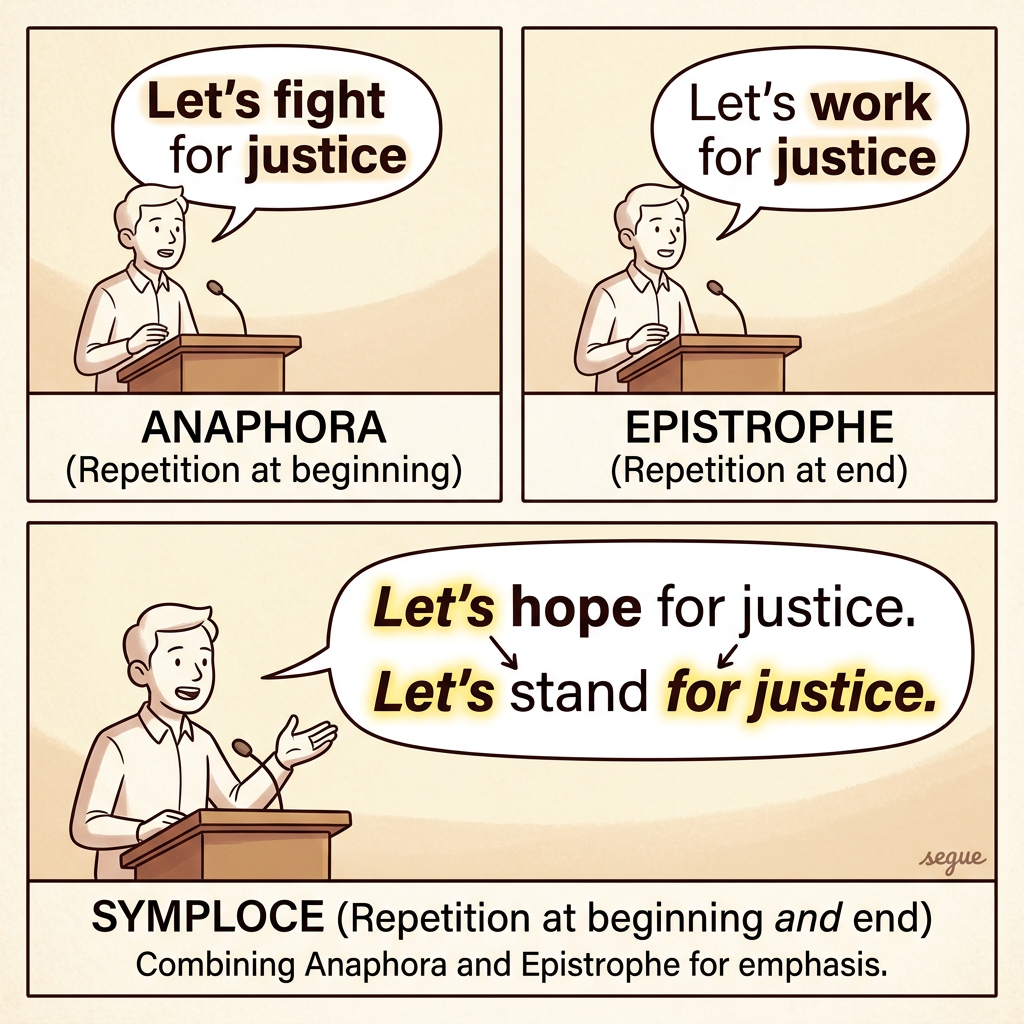
symploce
/ˈsɪmploʊsi/combining anaphora and epistrophe—repetition at both beginning and end
“When there is talk of violence, let us stand up and talk against it. When there is talk of hatred, let us stand up and talk against it.”
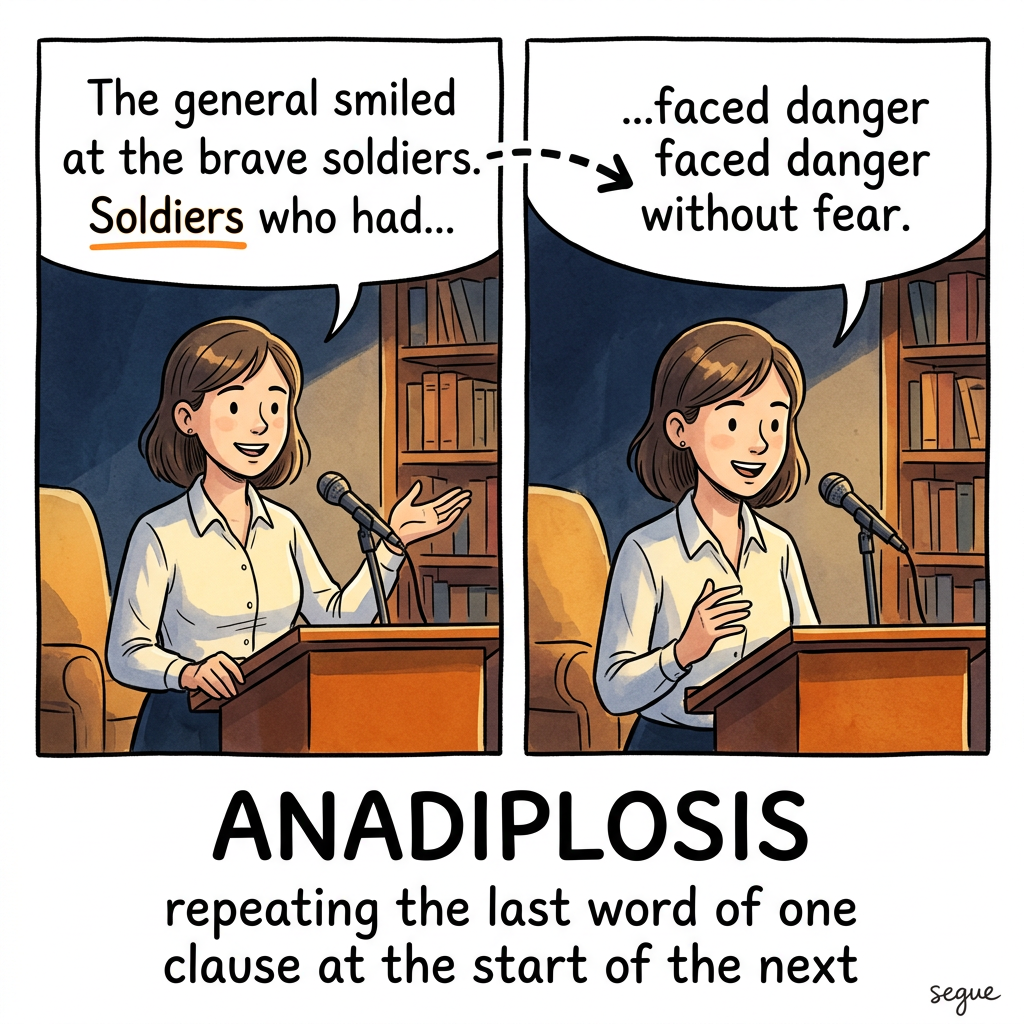
anadiplosis
/ˌænədɪˈploʊsɪs/repeating the last word of one clause at the start of the next
“Fear leads to anger. Anger leads to hate. Hate leads to suffering—Yoda's anadiplosis.”
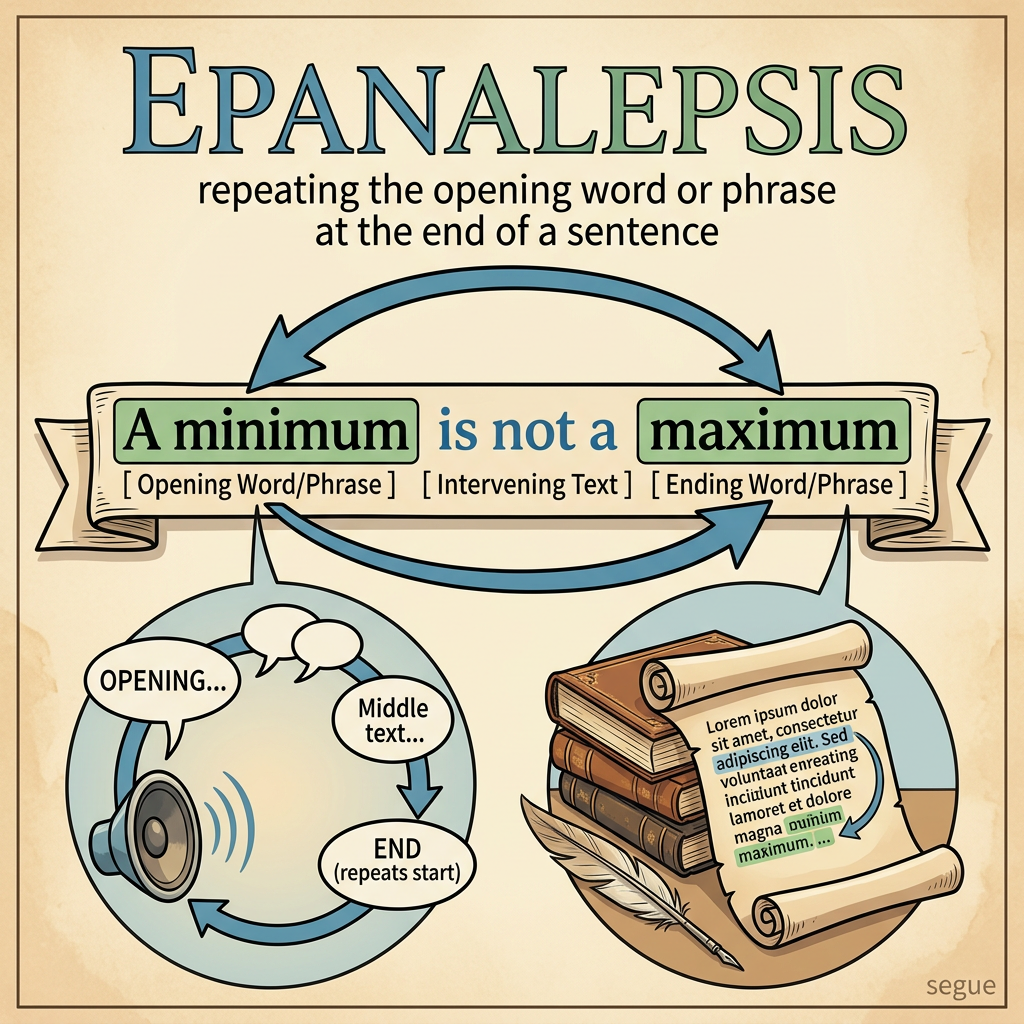
epanalepsis
/ɪˌpænəˈlepsɪs/repeating the opening word or phrase at the end of a sentence
“The king is dead, long live the king.”
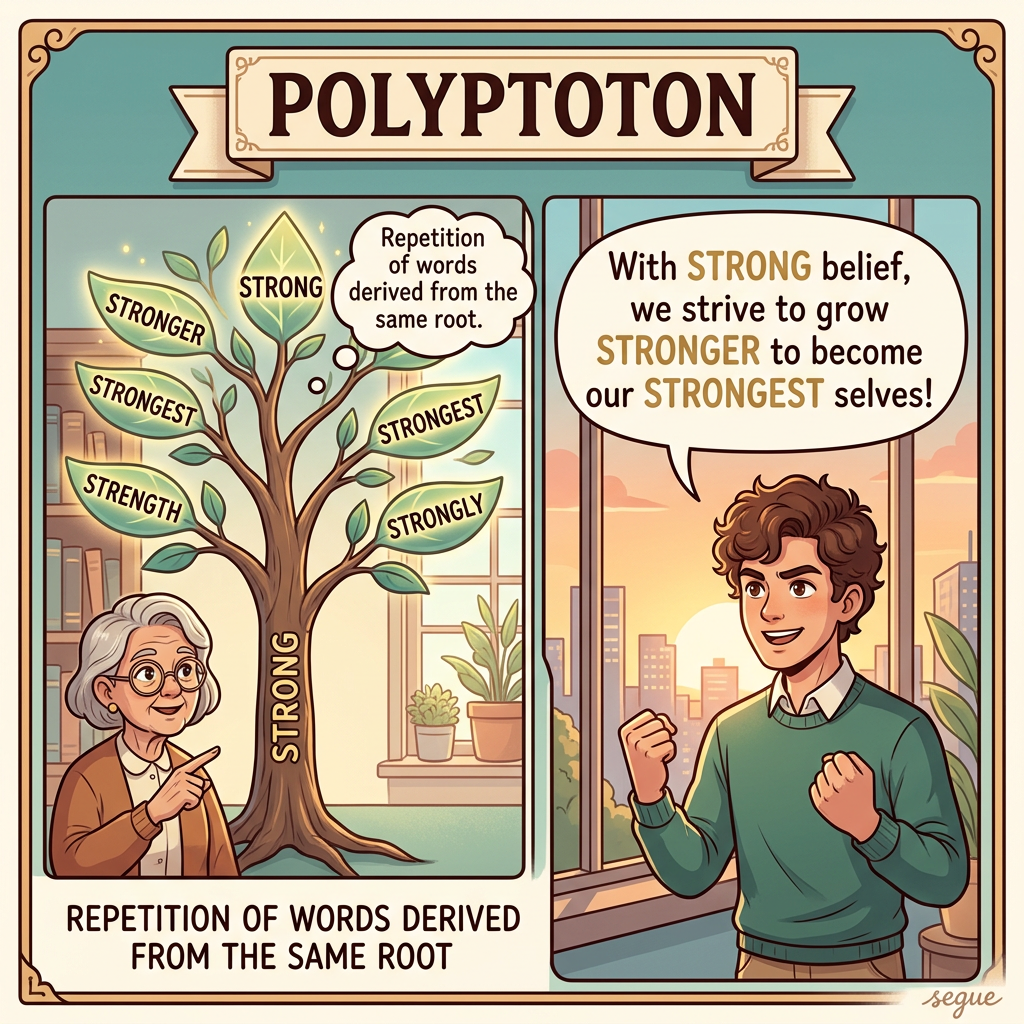
polyptoton
/pəˈlɪptətɒn/repetition of words derived from the same root
“Love is not love which alters when it alteration finds—Shakespeare's polyptoton.”
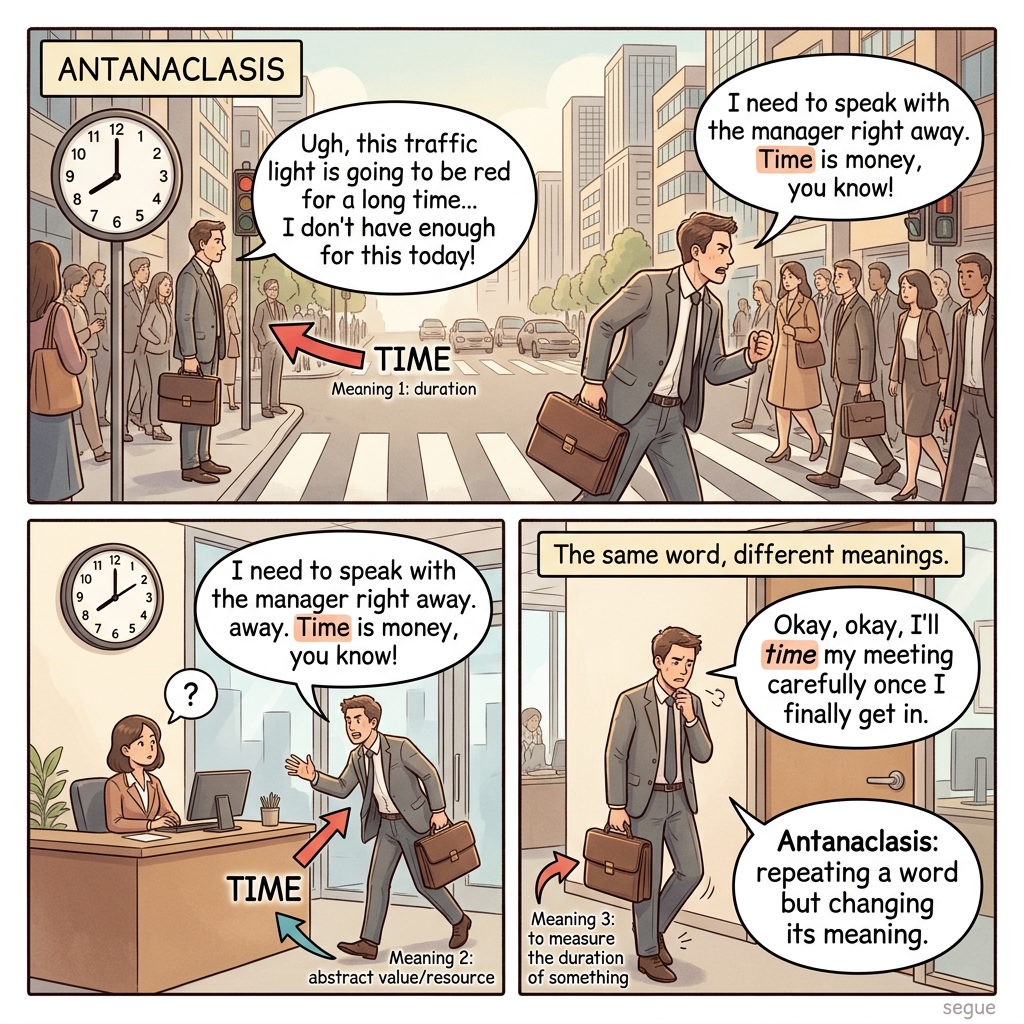
antanaclasis
/ˌæntəˈnækləsɪs/repetition of a word with a different meaning each time
“Your argument is sound—all sound and no substance.”
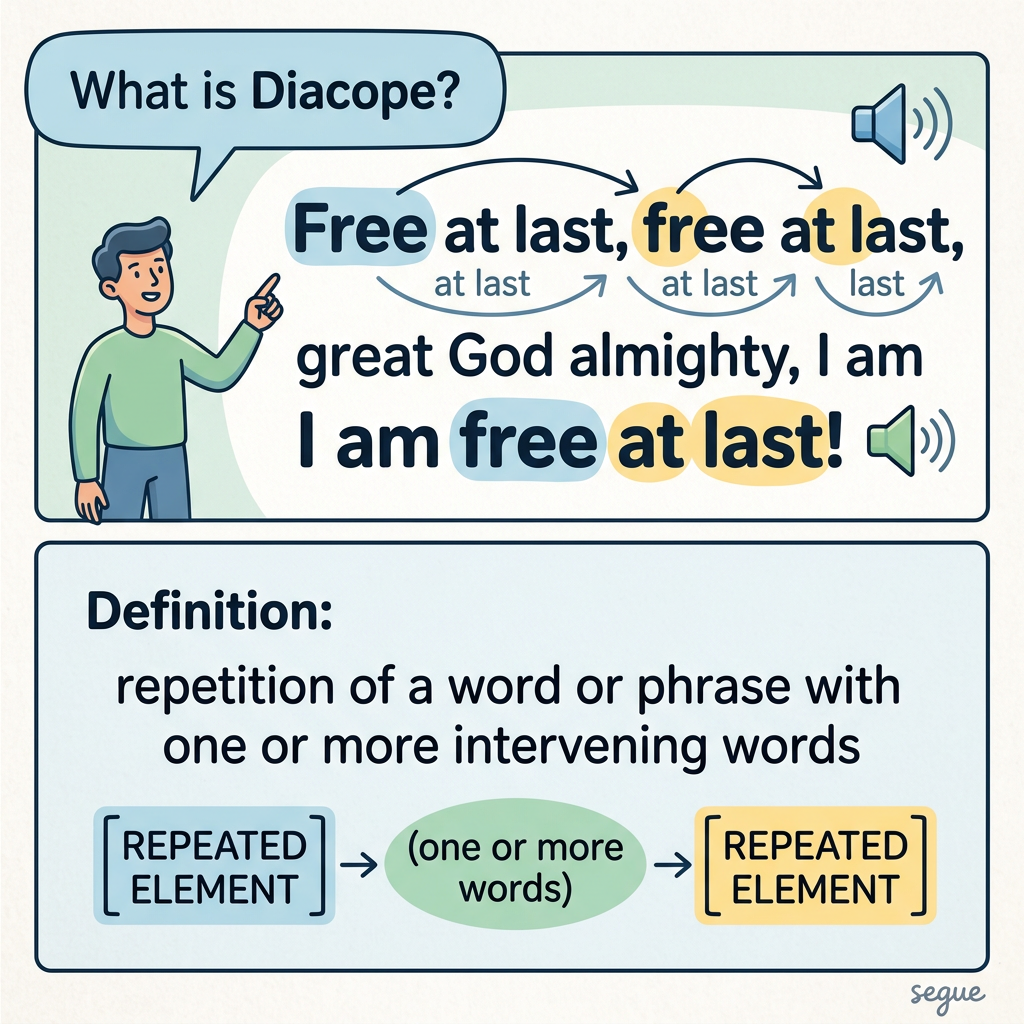
diacope
/daɪˈækəpi/repetition of a word with one or more words in between
“Bond. James Bond.”
More from Intellectual
Explore other vocabulary categories in this collection.