Loading collection...
🔗
Figures of Comparison Vocabulary
Rhetorical devices that draw comparisons
8 words
All 8 Words
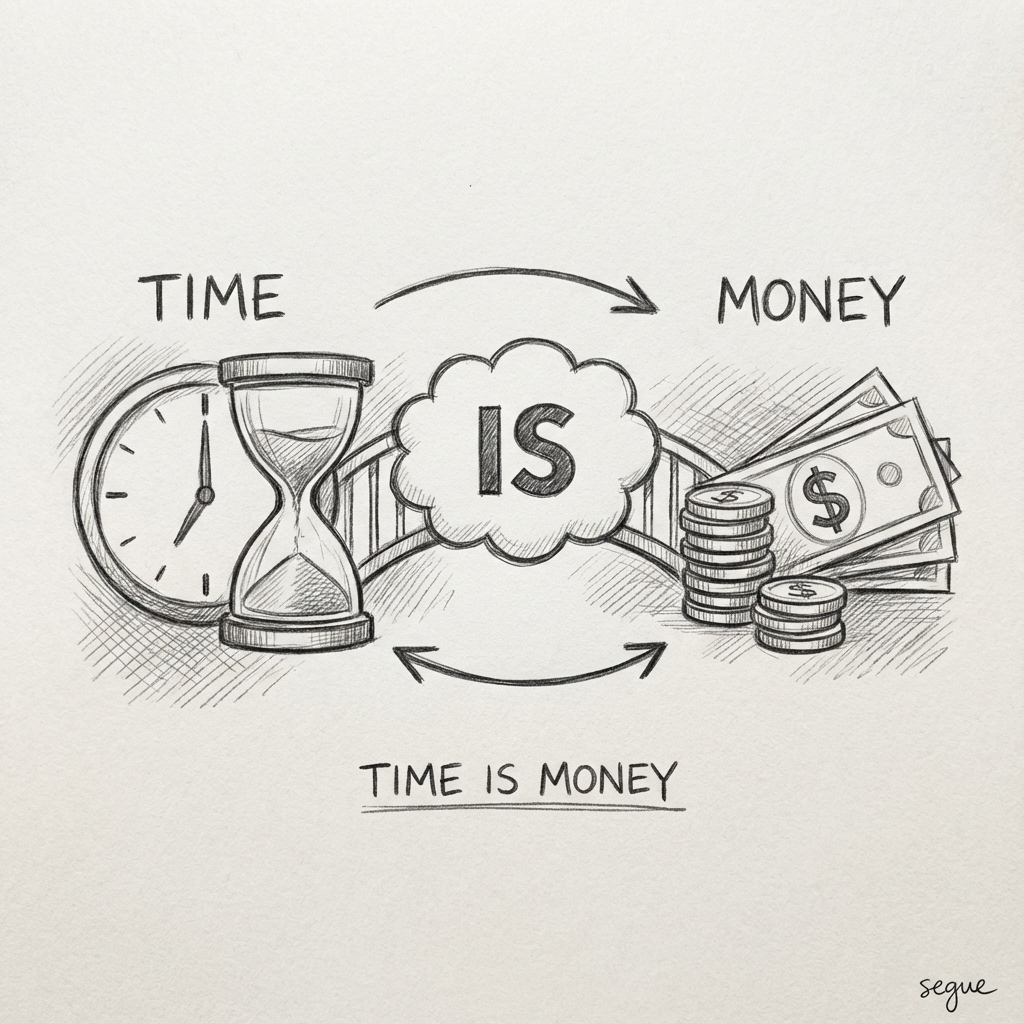
metaphor
/ˈmɛtəfɔɹ/an implicit comparison stating one thing is another
“All the world's a stage—Shakespeare's metaphor.”
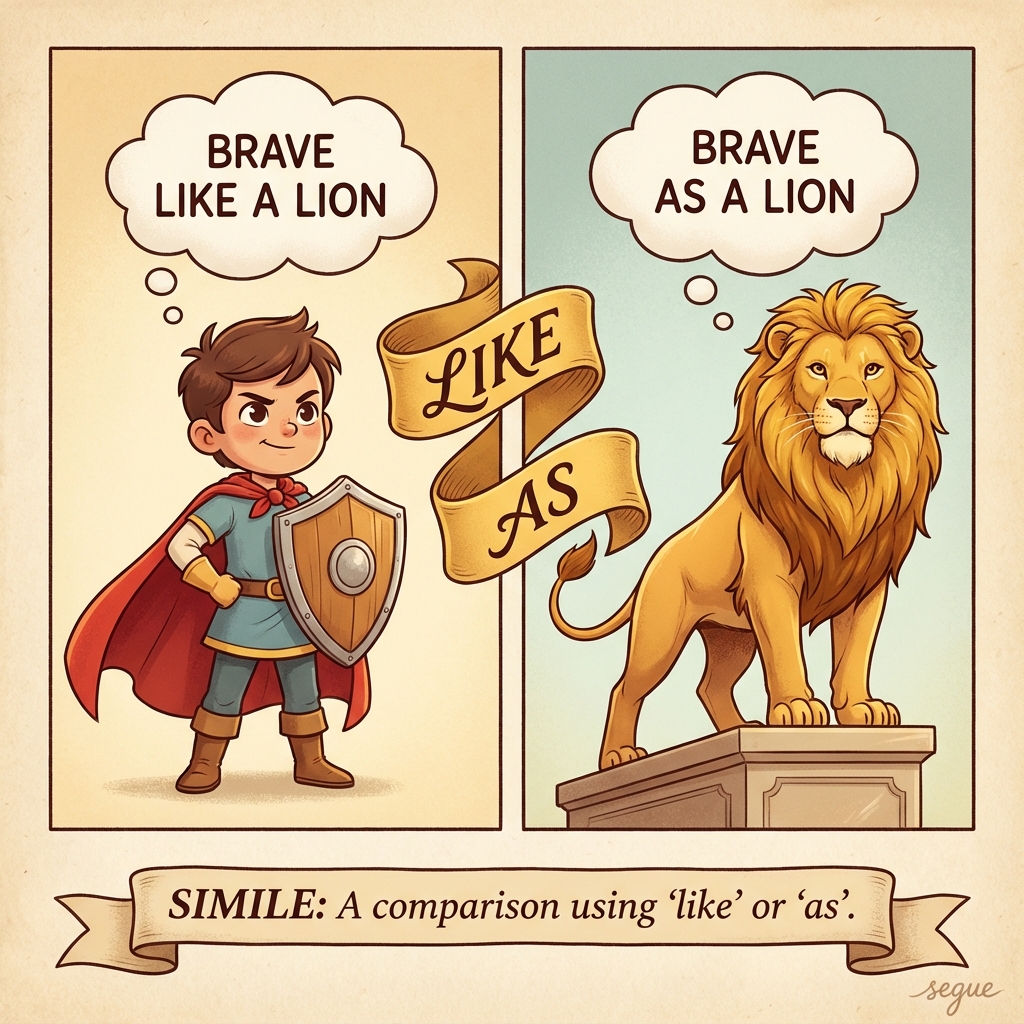
simile
/ˈsɪməli/an explicit comparison using 'like' or 'as'
“Life is like a box of chocolates.”
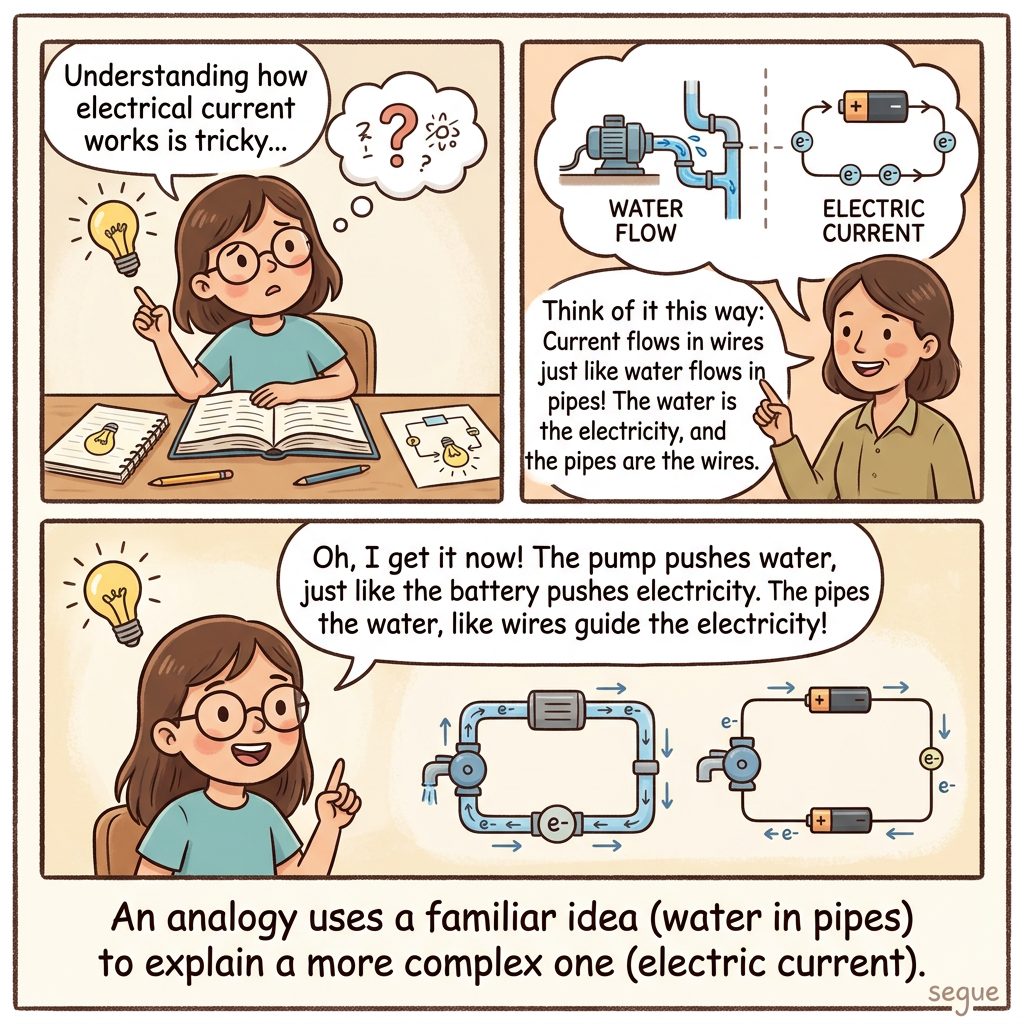
analogy
/əˈnæɫədʒi/comparison explaining one thing in terms of another
“The brain is like a computer—an analogy, though imperfect.”
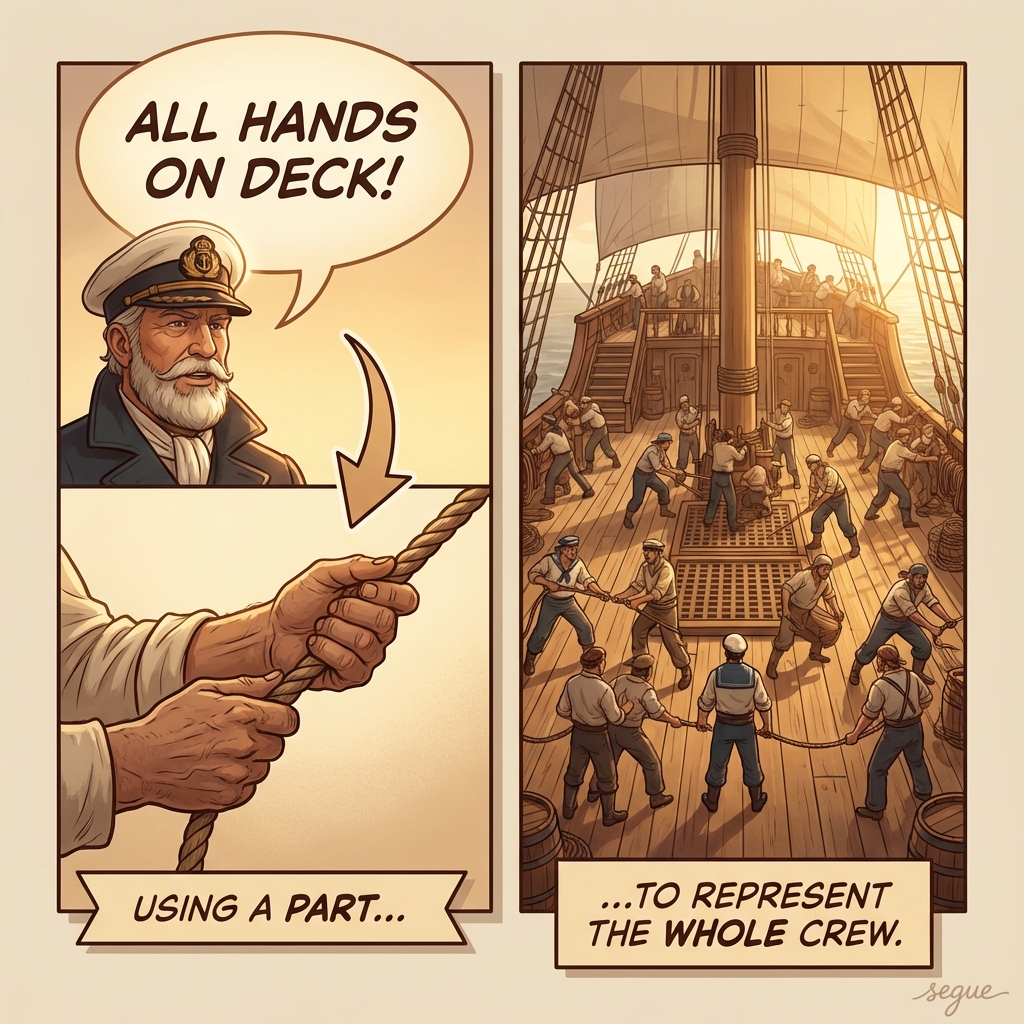
synecdoche
/sɪˈnekdəki/using a part to represent the whole, or vice versa
“All hands on deck—hands representing sailors.”
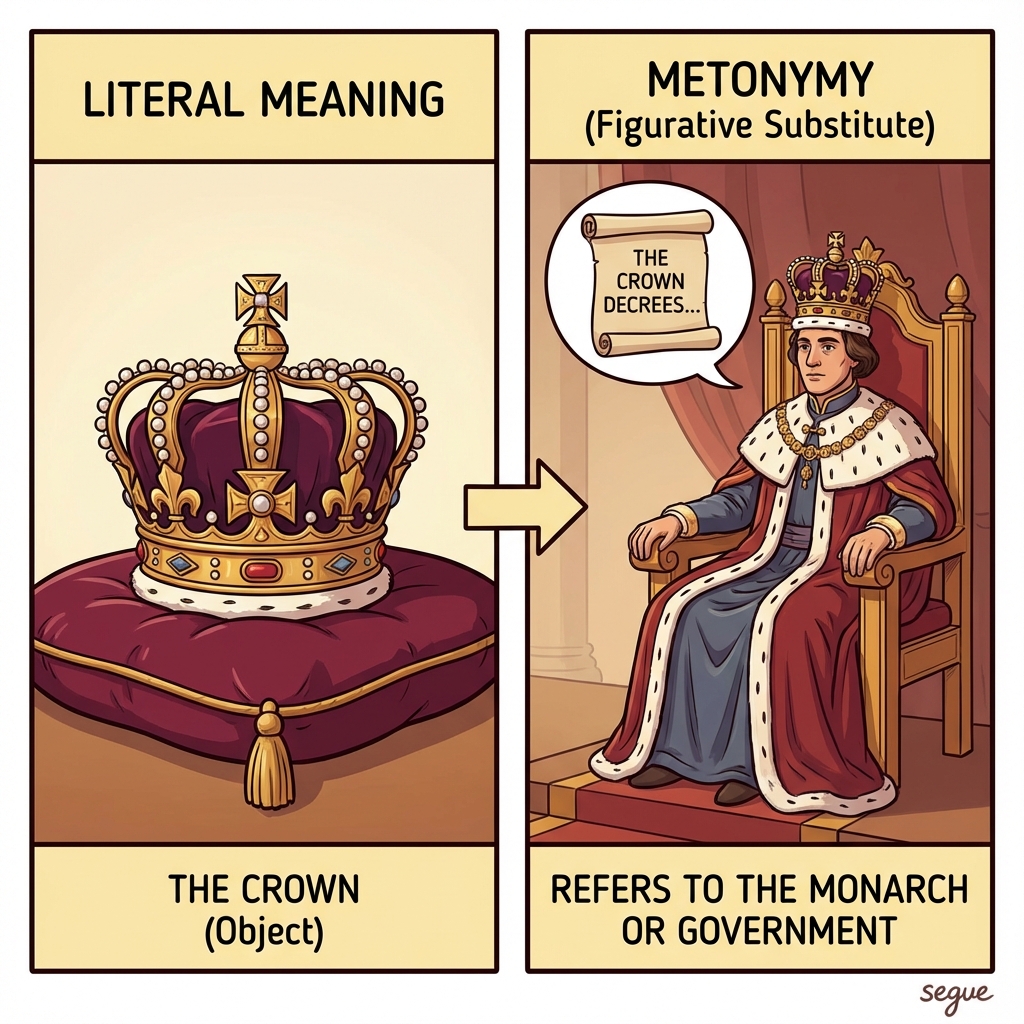
metonymy
/məˈtɒnɪmi/substituting something closely associated for the thing itself
“The pen is mightier than the sword—pen for writing, sword for military force.”
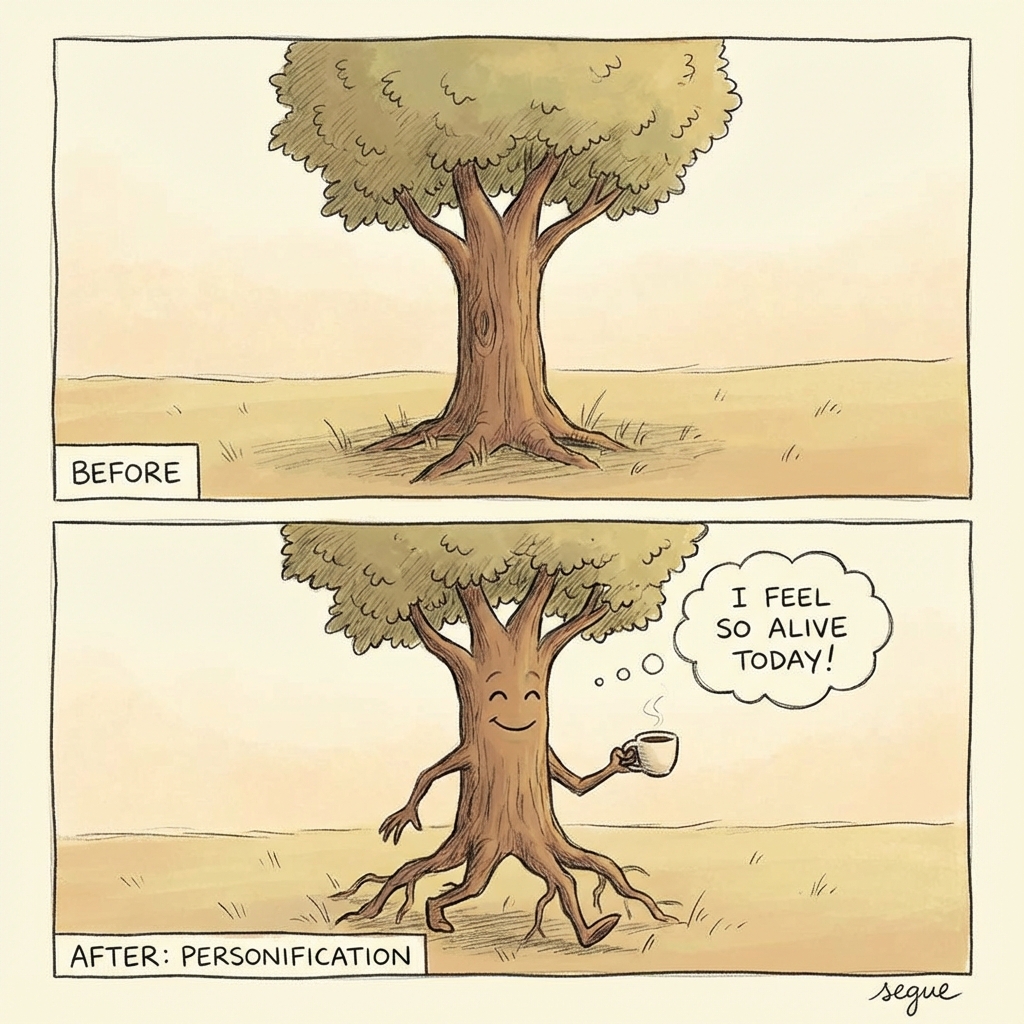
personification
/pɝˌsɑnəfəˈkeɪʃən/giving human qualities to non-human things
“Death, be not proud—Donne's personification.”
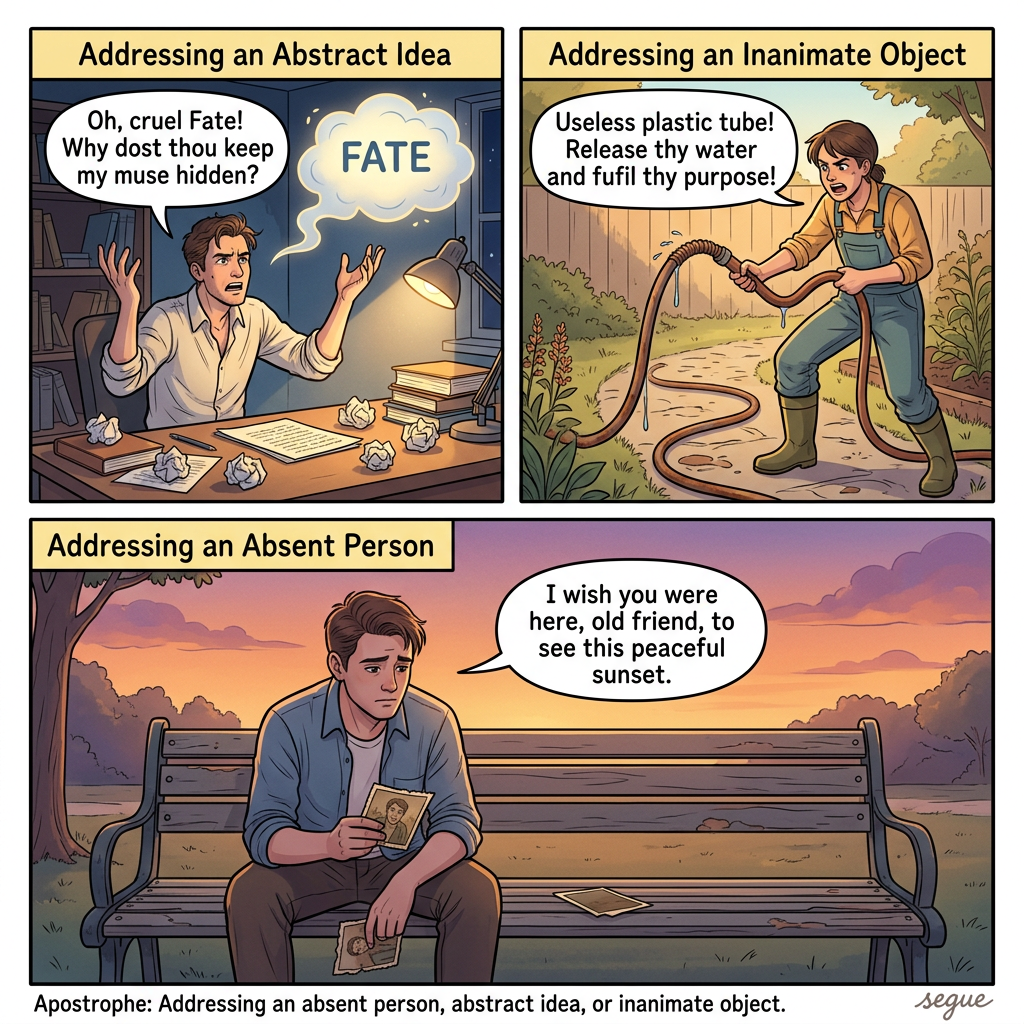
apostrophe
/əˈpɑstɹəˌfi/addressing an absent person, abstract idea, or inanimate object
“O Death, where is thy sting?”
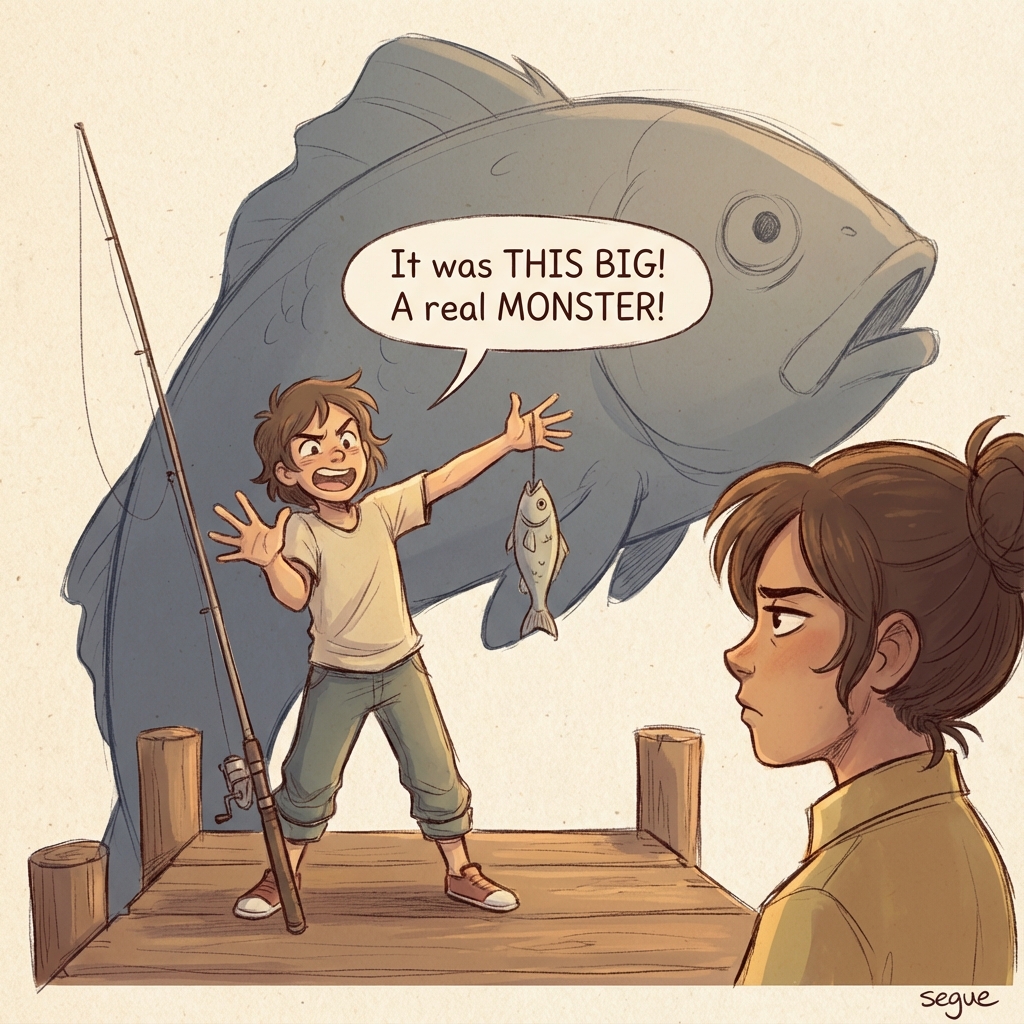
hyperbole
/haɪˈpɝbəˌɫi/deliberate exaggeration for emphasis
“I've told you a million times—hyperbole for emphasis.”
More from Intellectual
Explore other vocabulary categories in this collection.