Loading collection...
📐
Figures of Arrangement Vocabulary
Rhetorical devices that structure ideas
9 words
All 9 Words
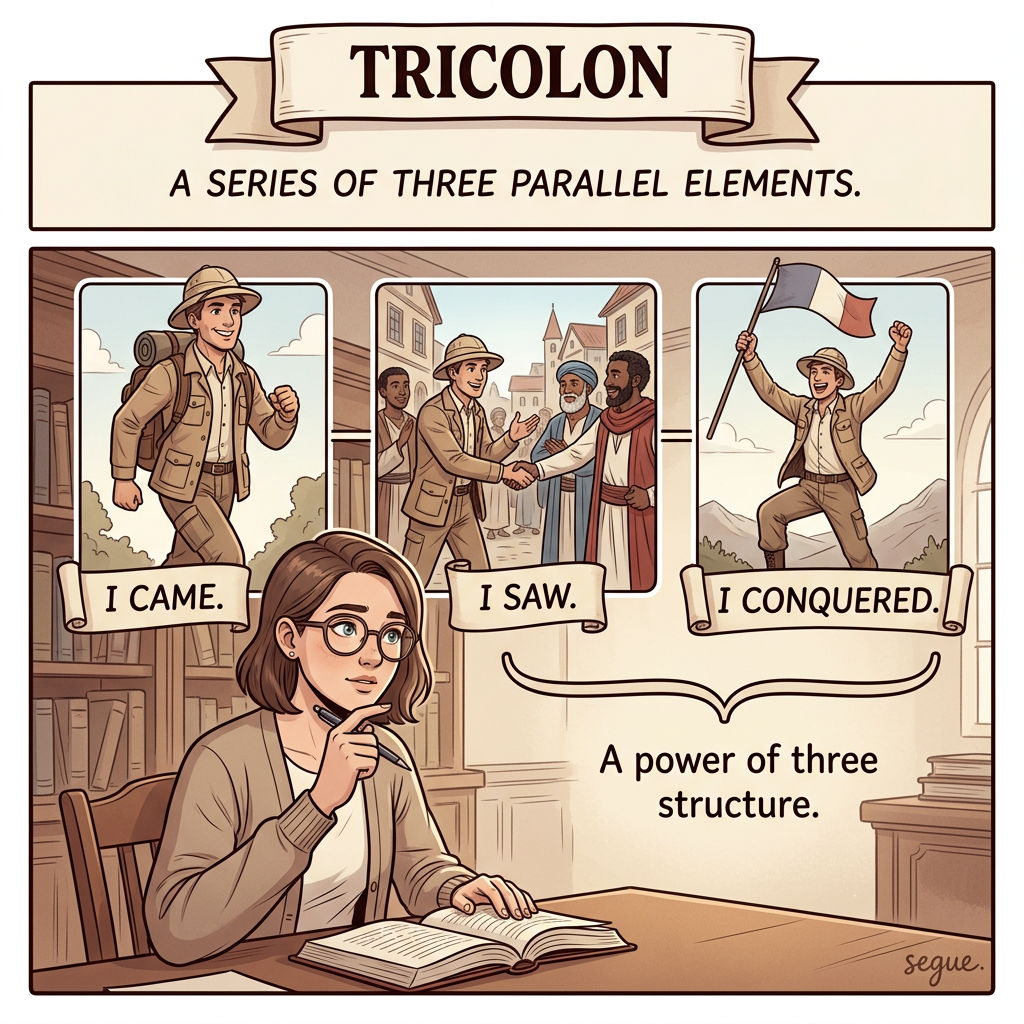
tricolon
/ˈtraɪkəlɒn/a series of three parallel elements
“Veni, vidi, vici—Caesar's tricolon.”
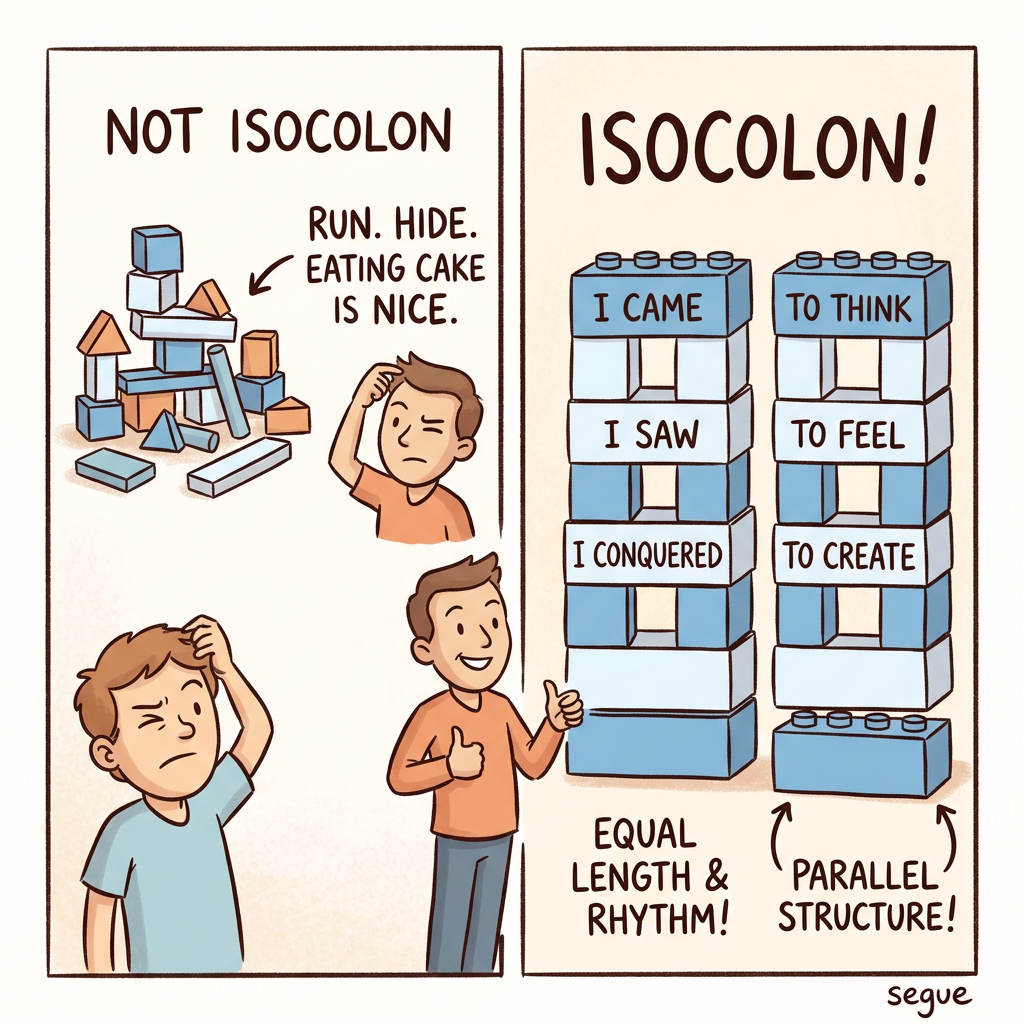
isocolon
/aɪˈsɒkəlɒn/parallel structures of equal length and rhythm
“The bigger they are, the harder they fall.”
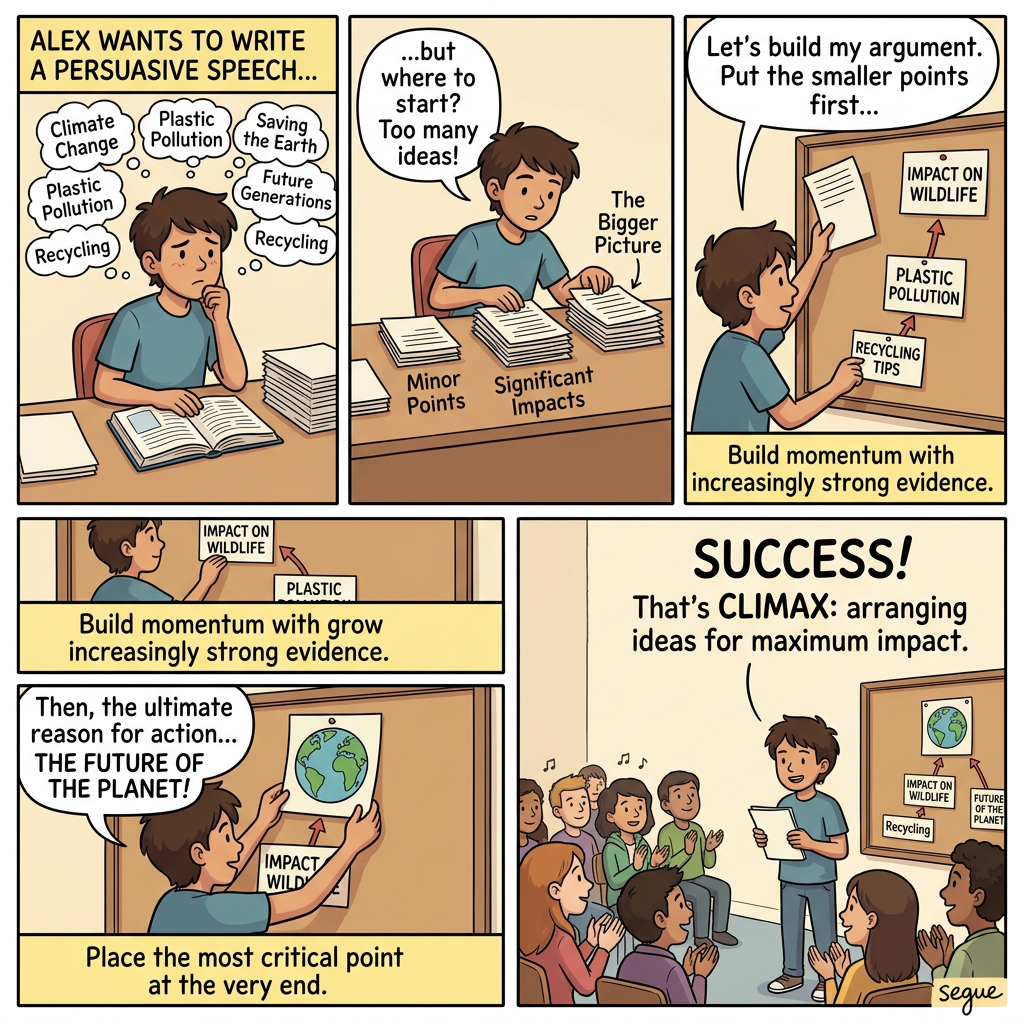
climax
/ˈkɫaɪˌmæks/arranging ideas in order of increasing importance
“I came, I saw, I conquered—building to the climax.”
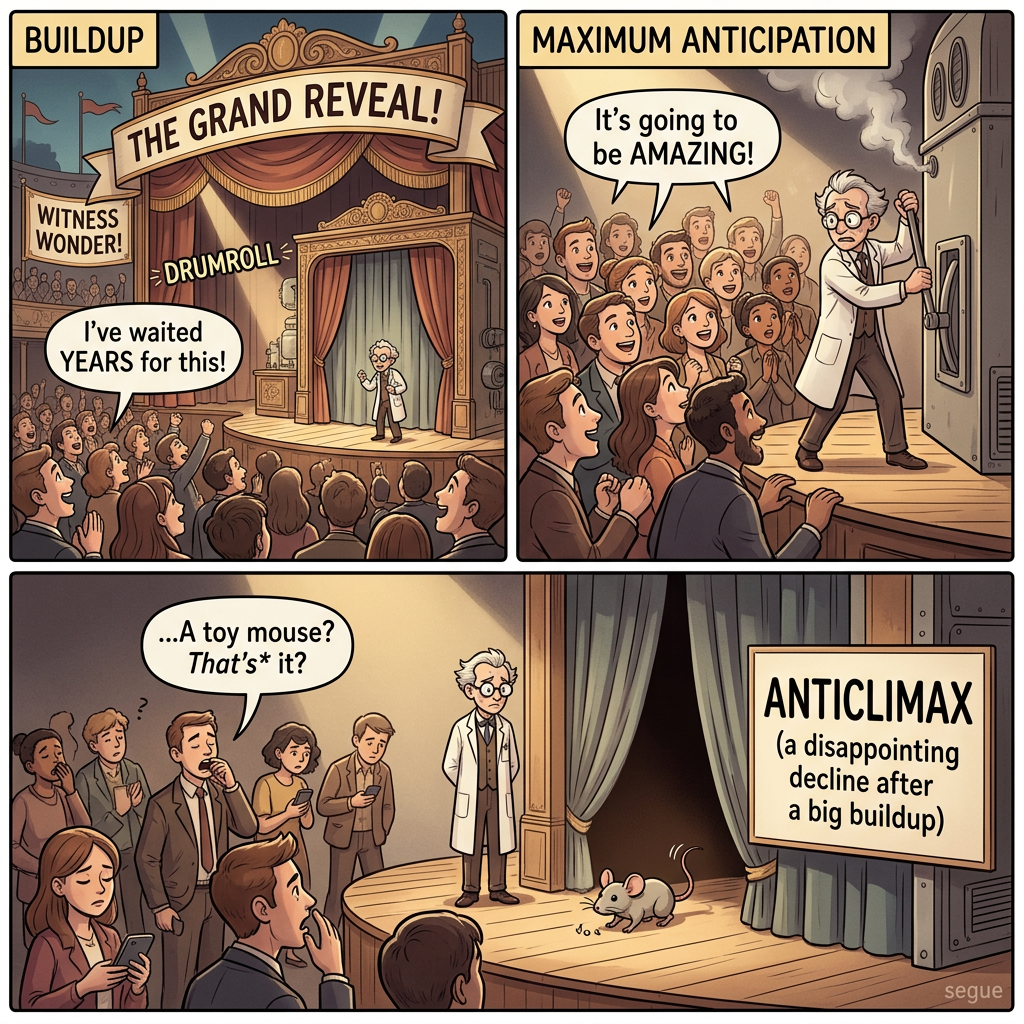
anticlimax
/ˌæntɪˈklaɪmæks/a disappointing decline after a buildup
“For God, for country, and for Yale—anticlimax through bathos.”
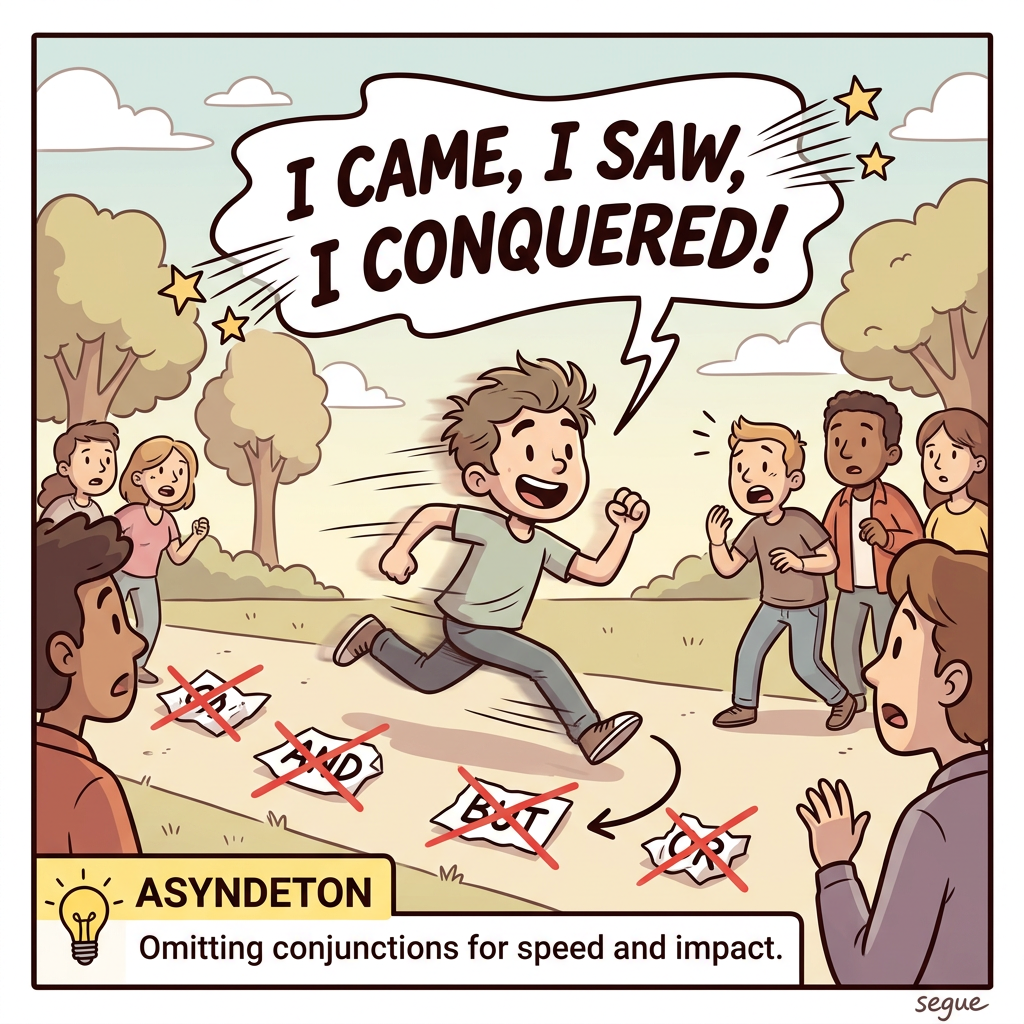
asyndeton
/əˈsɪndətɒn/omitting conjunctions for speed and impact
“I came, I saw, I conquered—asyndeton removes 'and.'”
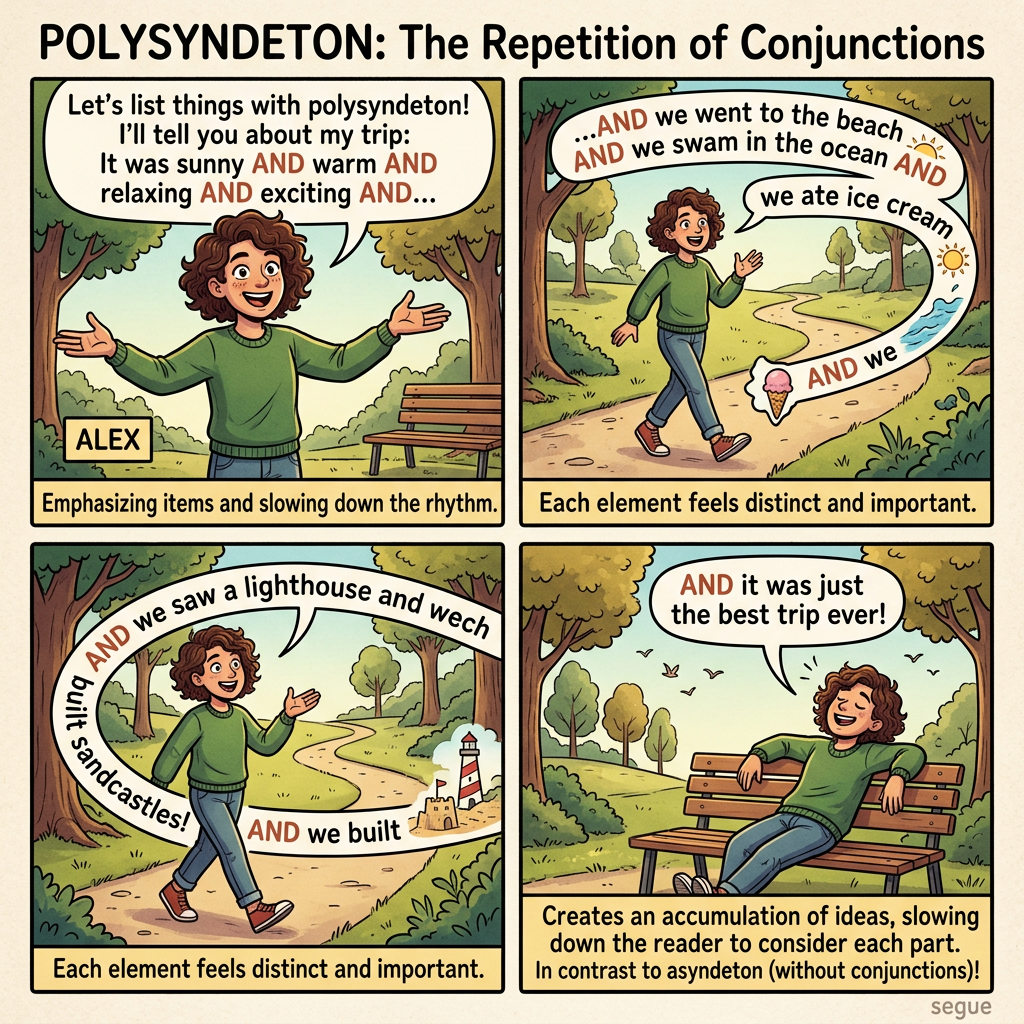
polysyndeton
/ˌpɒliˈsɪndɪtɒn/using many conjunctions for emphasis
“And the rain fell and the floods came and the winds blew.”
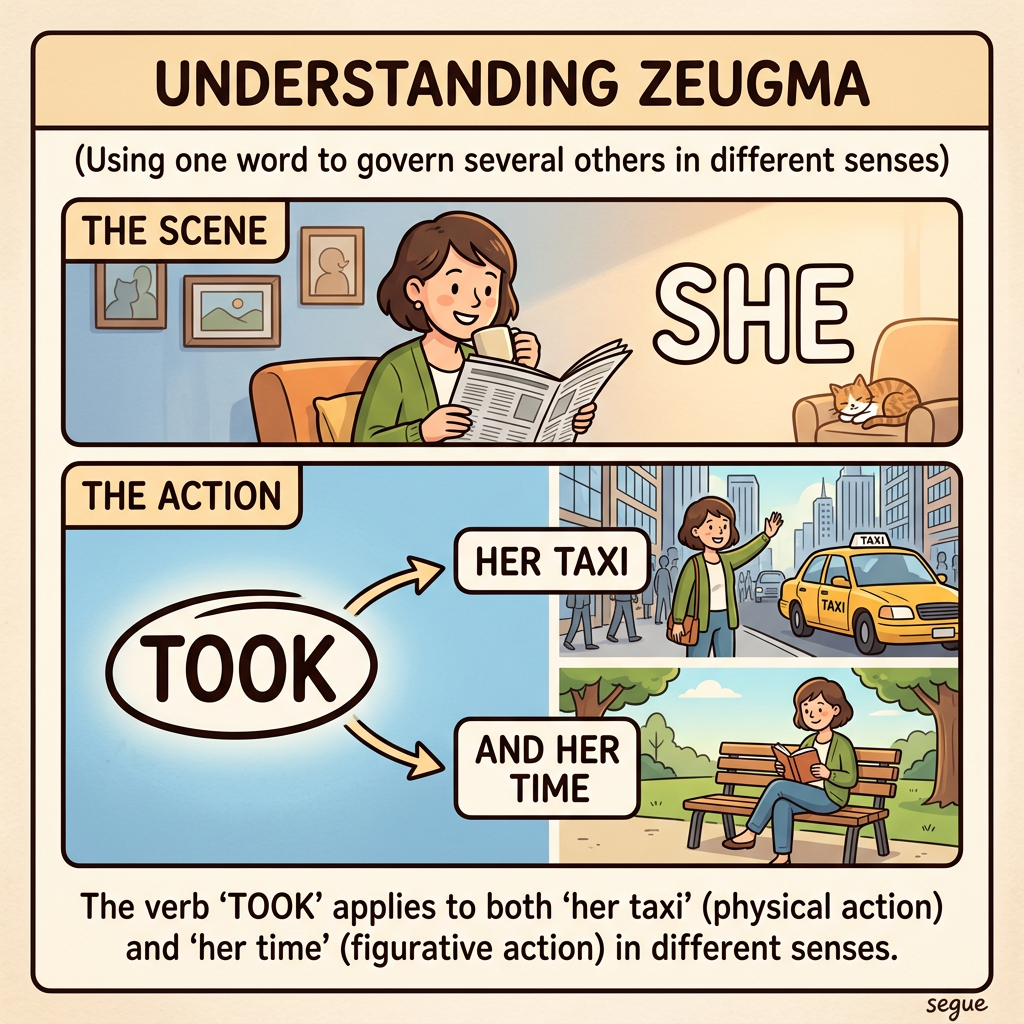
zeugma
/ˈzjuːɡmə/using one word to govern several others in different senses
“She lowered her standards and her neckline.”
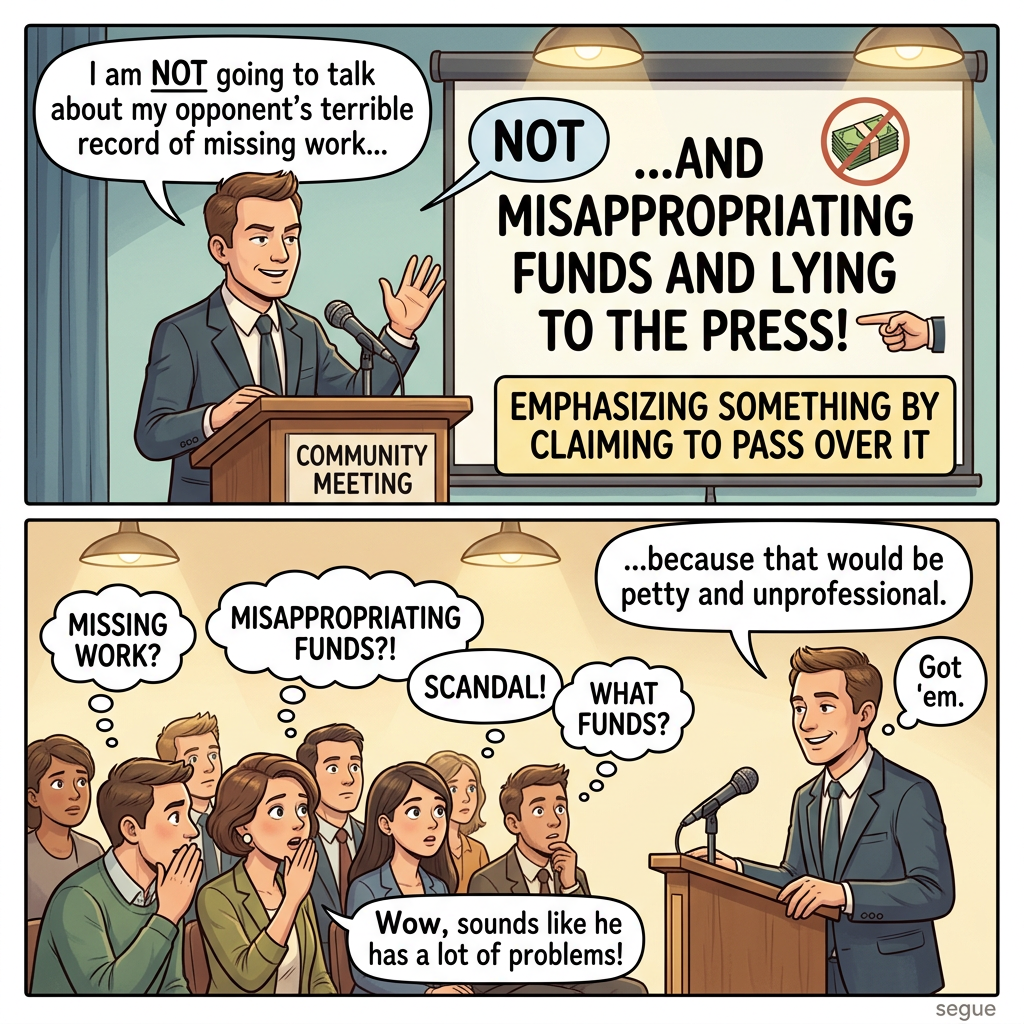
paralipsis
/ˌpærəˈlɪpsɪs/emphasizing something by claiming to pass over it
“I won't even mention his criminal record.”
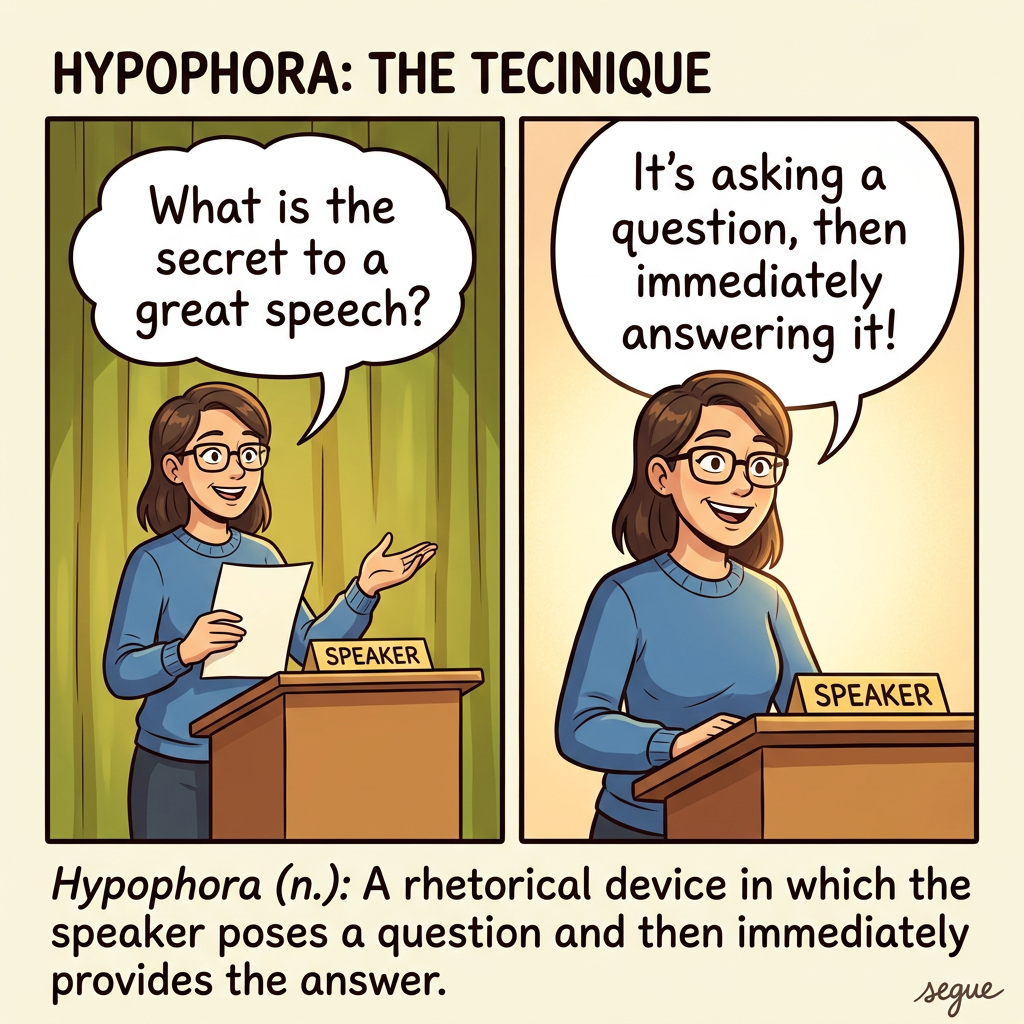
hypophora
/haɪˈpɒfərə/asking a question then immediately answering it
“What makes a great leader? Vision, courage, and humility.”
More from Intellectual
Explore other vocabulary categories in this collection.