Loading collection...
🎯
Fallacies of Relevance Vocabulary
Arguments that use irrelevant appeals
9 words
All 9 Words

ad hominem
/ˌæd ˈhɒmɪnem/attacking the person rather than their argument
“You can't trust his climate research—he drives an SUV. That's ad hominem.”

tu quoque
/ˌtuː ˈkwoʊkweɪ/deflecting criticism by pointing to the accuser's similar behavior
“You criticize my spending, but you bought a boat! That's tu quoque.”

appeal to authority
/əˌpiːl tuː ɔːˈθɒrɪti/citing an authority outside their expertise as proof
“This actor endorses the diet, so it must work—a false appeal to authority.”
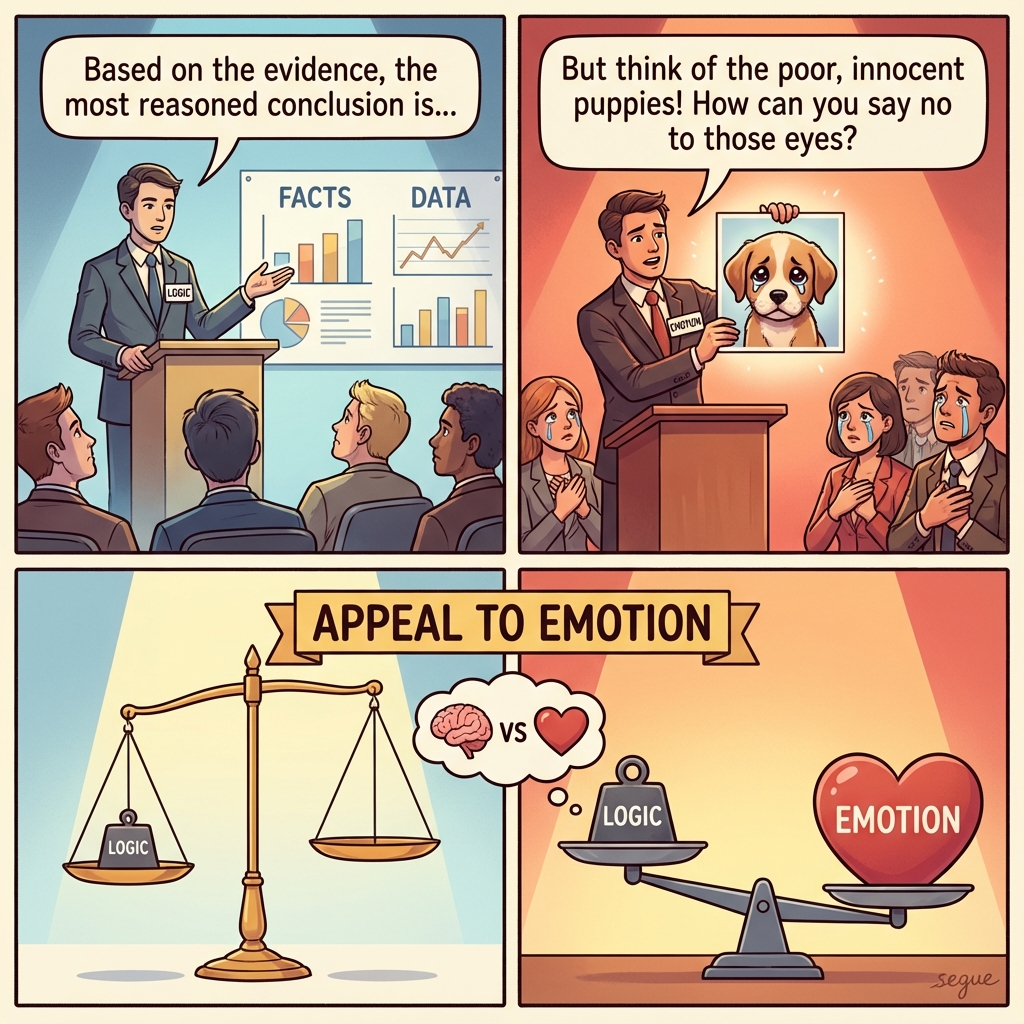
appeal to emotion
/əˌpiːl tuː ɪˈmoʊʃən/using feelings rather than logic to persuade
“Think of the children!—often an appeal to emotion rather than evidence.”

appeal to tradition
/əˌpiːl tuː trəˈdɪʃən/arguing something is right because it's always been done
“We've always done it this way—an appeal to tradition, not reason.”

appeal to nature
/əˌpiːl tuː ˈneɪtʃər/claiming something is good because it's natural
“It's natural, so it must be healthy—ignoring that arsenic is also natural.”
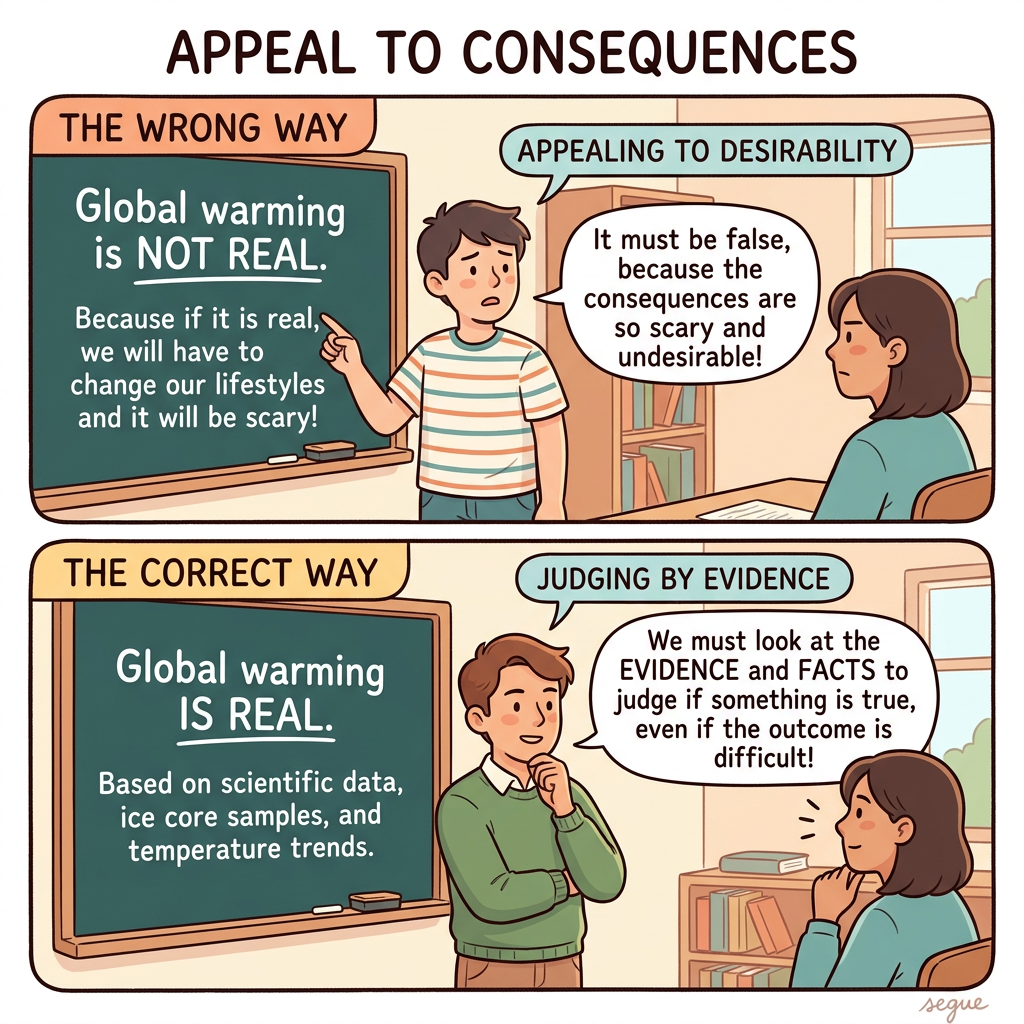
appeal to consequences
/əˌpiːl tuː ˈkɒnsɪkwənsɪz/judging truth by desirable or undesirable outcomes
“Evolution can't be true—imagine how people would behave! An appeal to consequences.”

red herring
/ˌred ˈherɪŋ/introducing an irrelevant topic to divert attention
“Asked about the budget deficit, he discussed crime rates—a red herring.”
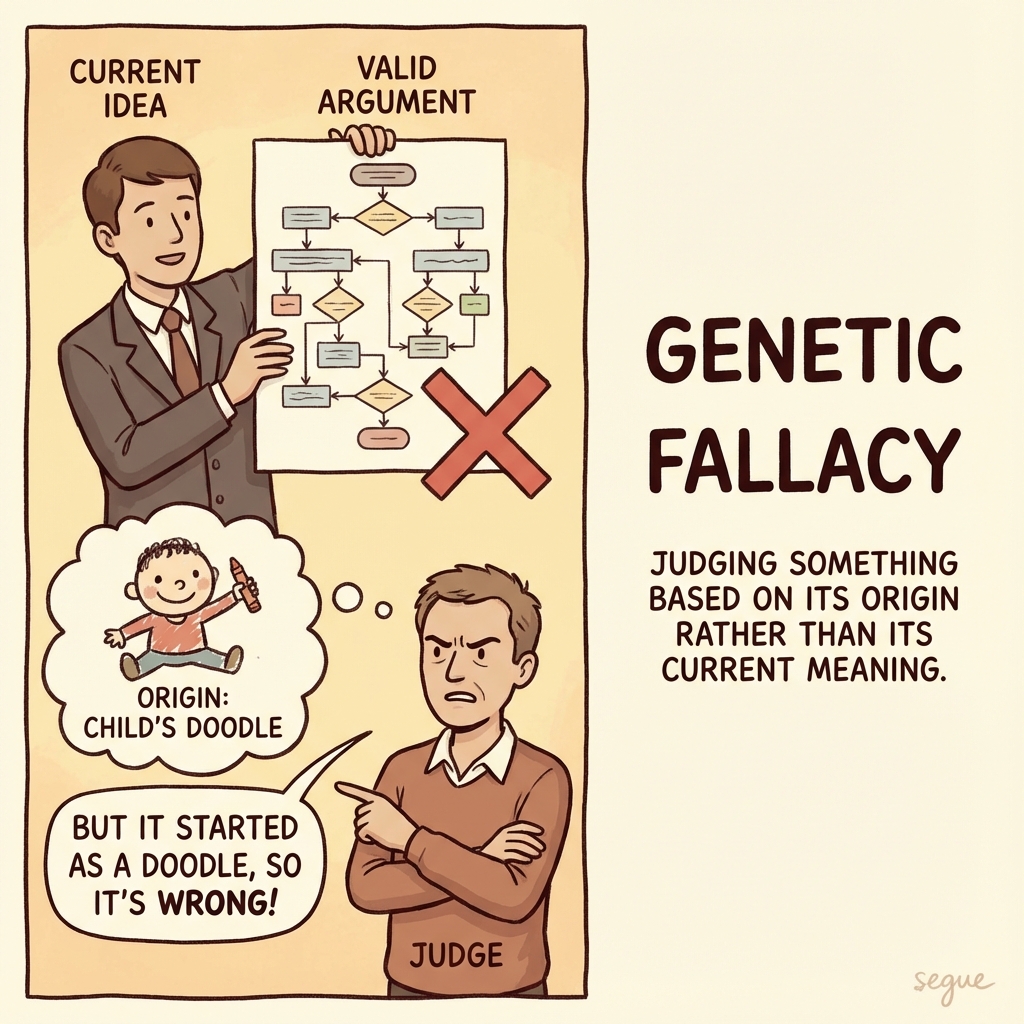
genetic fallacy
/dʒəˈnetɪk ˌfæləsi/judging something based on its origin rather than current meaning
“Democracy came from slave-owning Athens, so it's flawed—a genetic fallacy.”
More from Intellectual
Explore other vocabulary categories in this collection.