Loading collection...
🌫️
Fallacies of Ambiguity Vocabulary
Arguments that exploit unclear language
6 words
All 6 Words
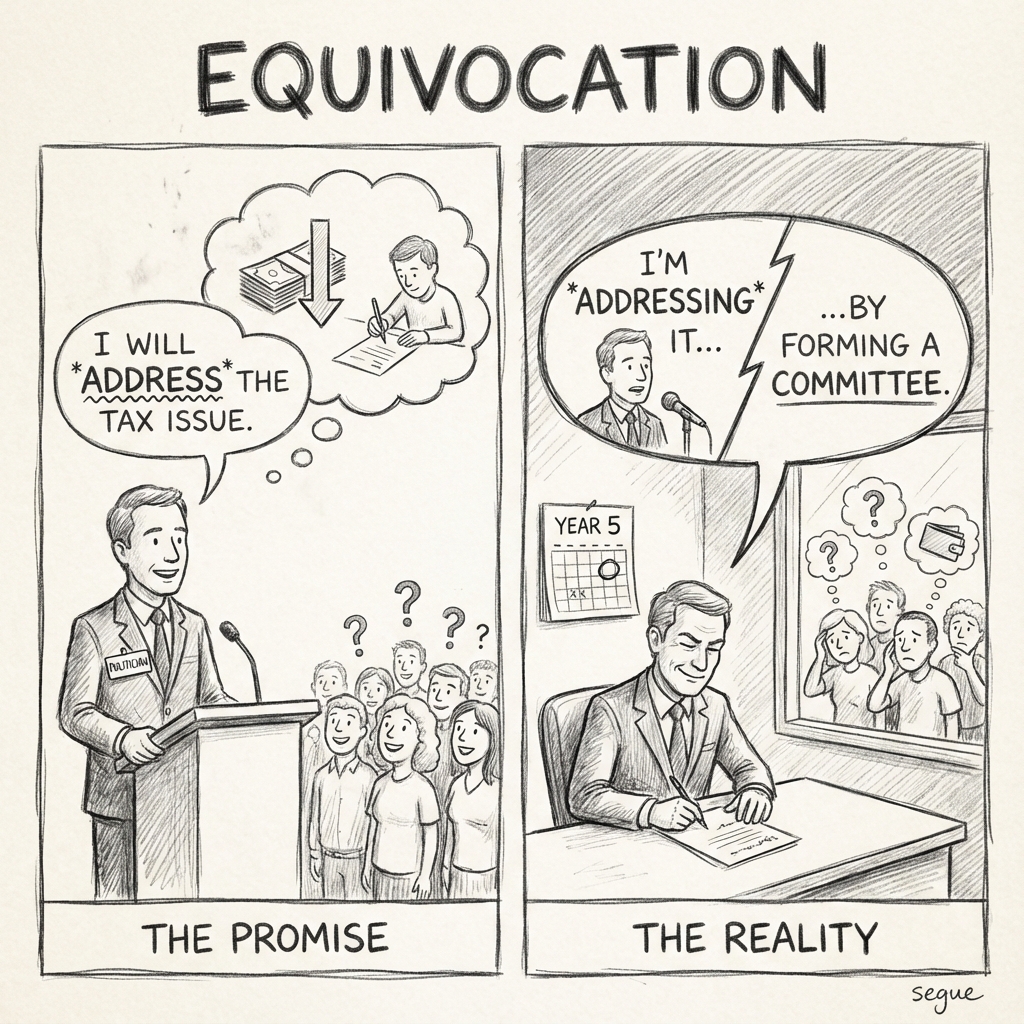
equivocation
/ɪkwɪvəˈkeɪʃən/using a word with multiple meanings to mislead
“A feather is light. Light is the opposite of dark. Therefore, a feather is the opposite of dark.”
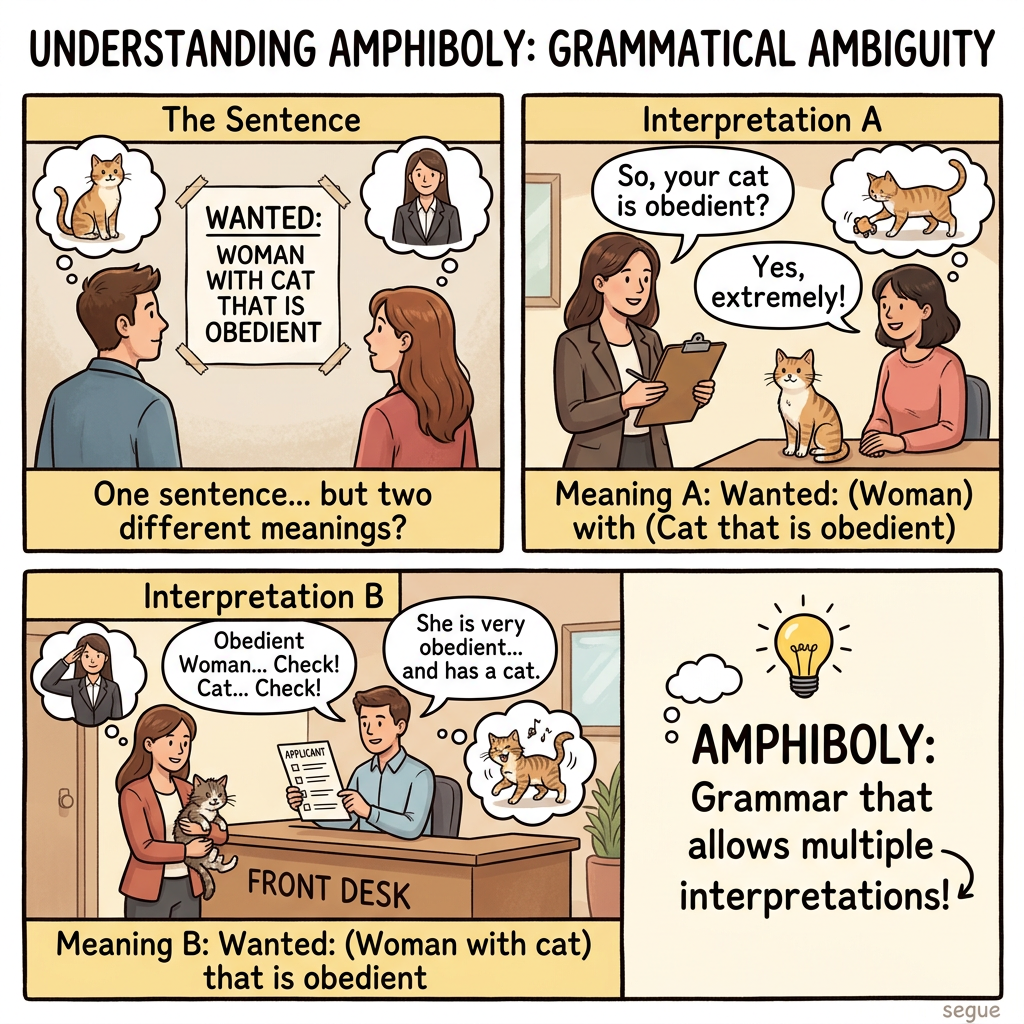
amphiboly
/æmˈfɪbəli/grammatical ambiguity allowing multiple interpretations
“I saw the man with binoculars—was I using them, or was he?”
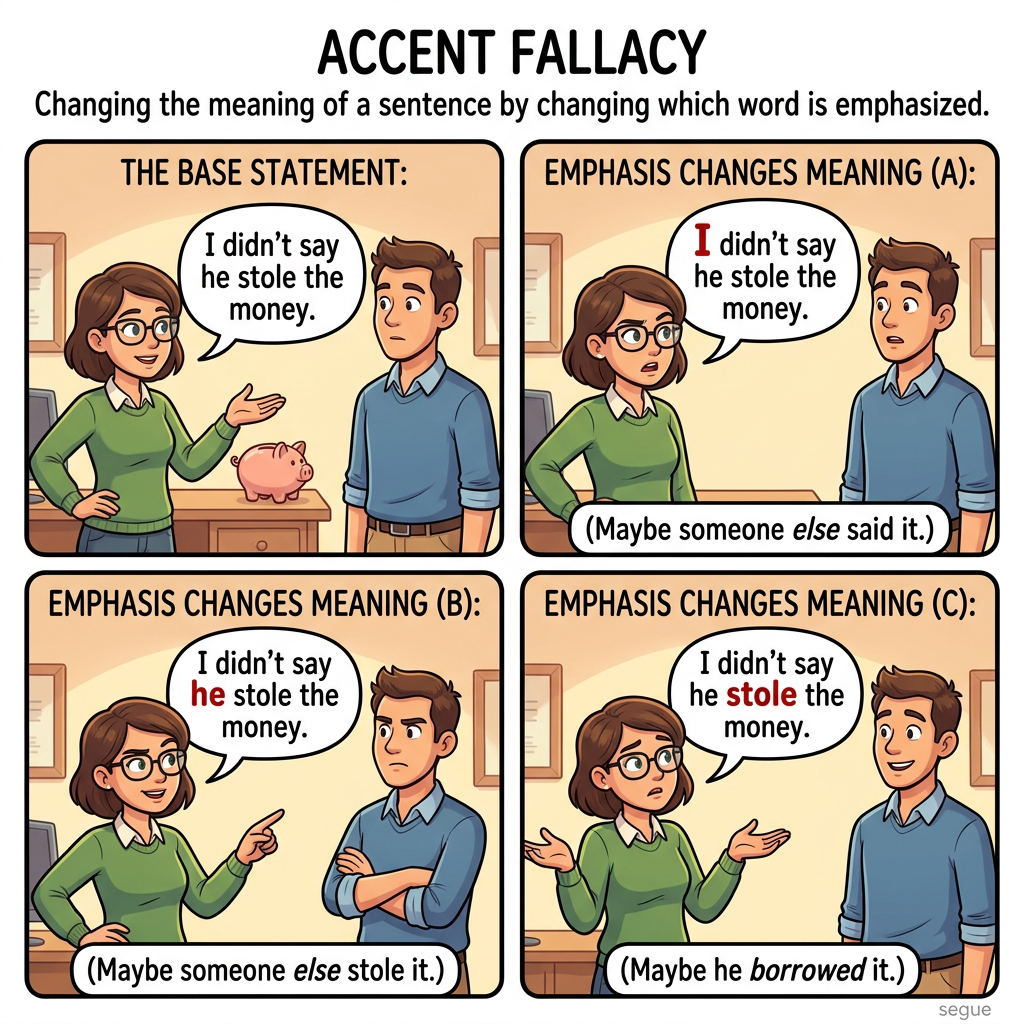
accent fallacy
/ˈæksent ˌfæləsi/changing meaning through emphasis or punctuation
“We should not speak ILL of our friends—implying we should speak ill otherwise.”
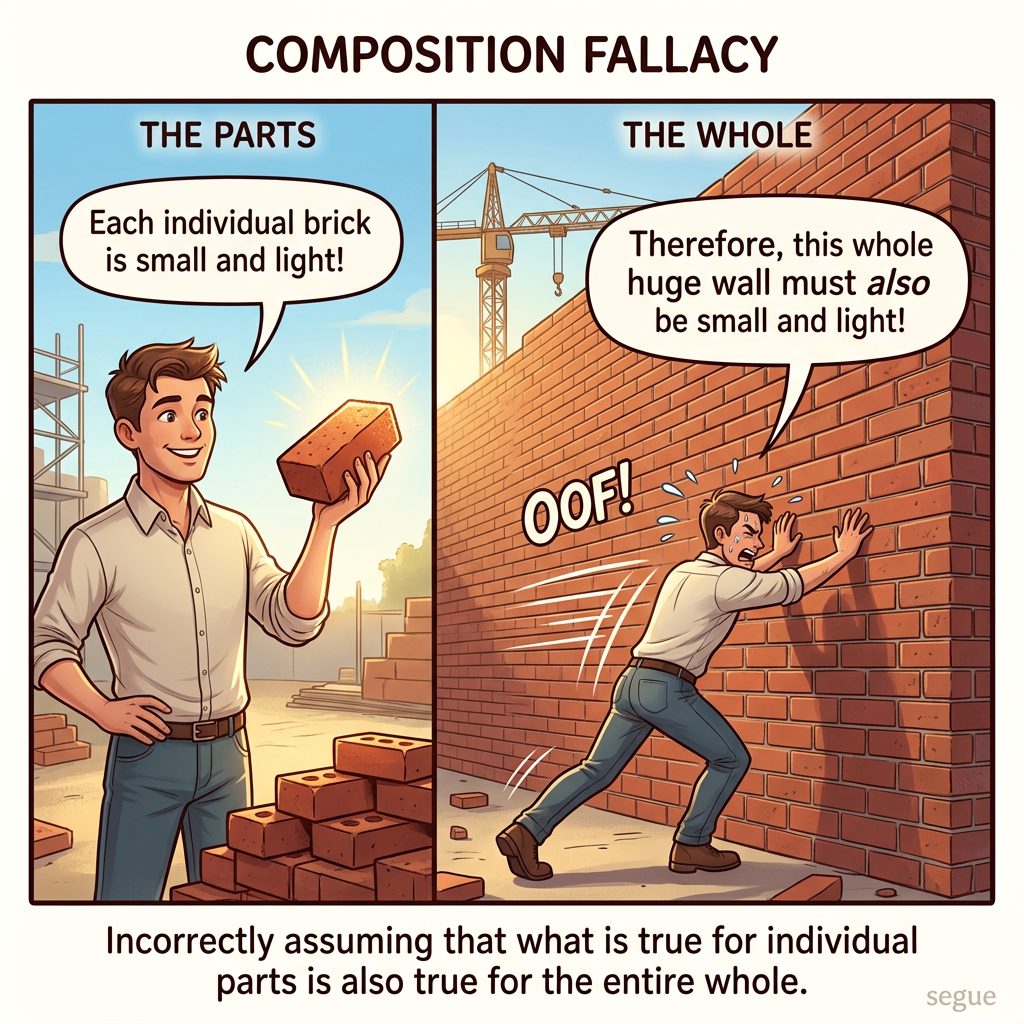
composition fallacy
/ˌkɒmpəˈzɪʃən ˌfæləsi/assuming the whole has properties of its parts
“Each brick is light, so the building must be light—composition fallacy.”
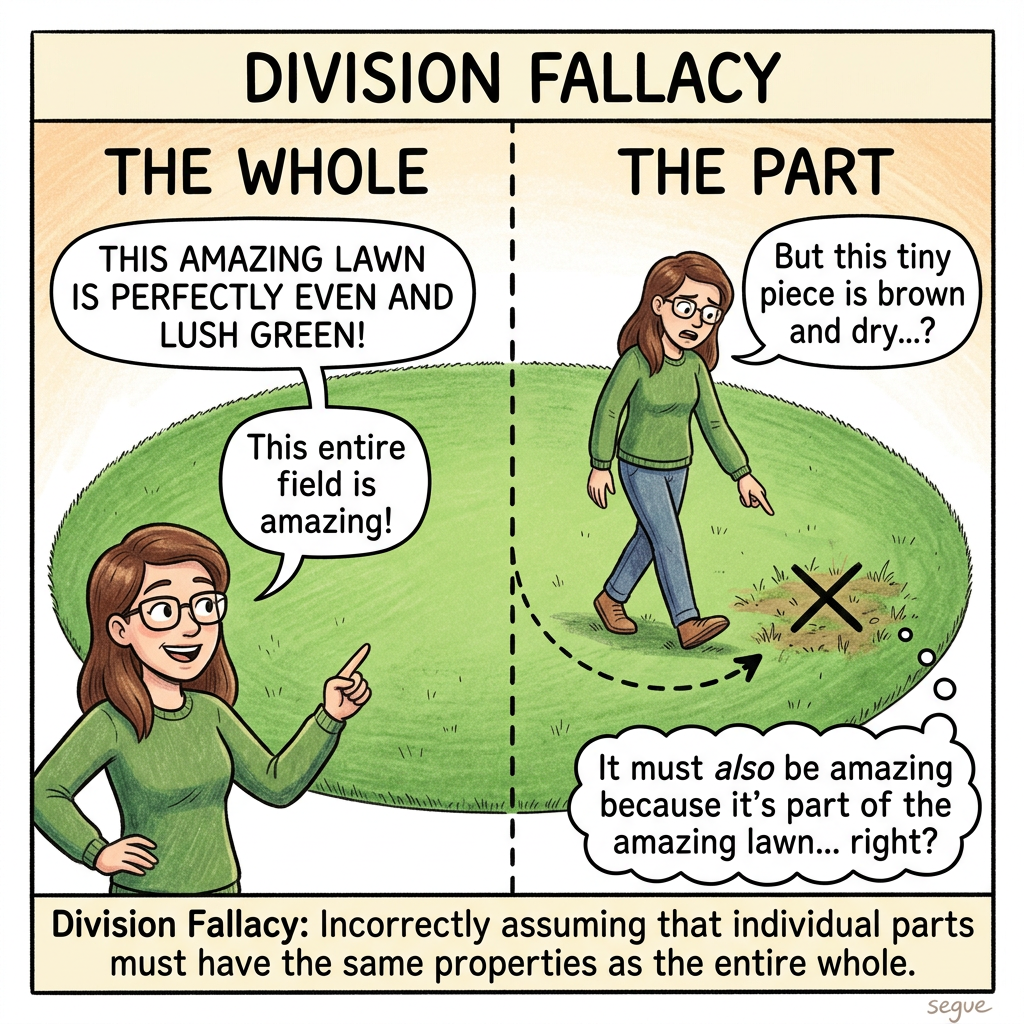
division fallacy
/dɪˈvɪʒən ˌfæləsi/assuming parts have properties of the whole
“The team is excellent, so each player must be excellent—division fallacy.”
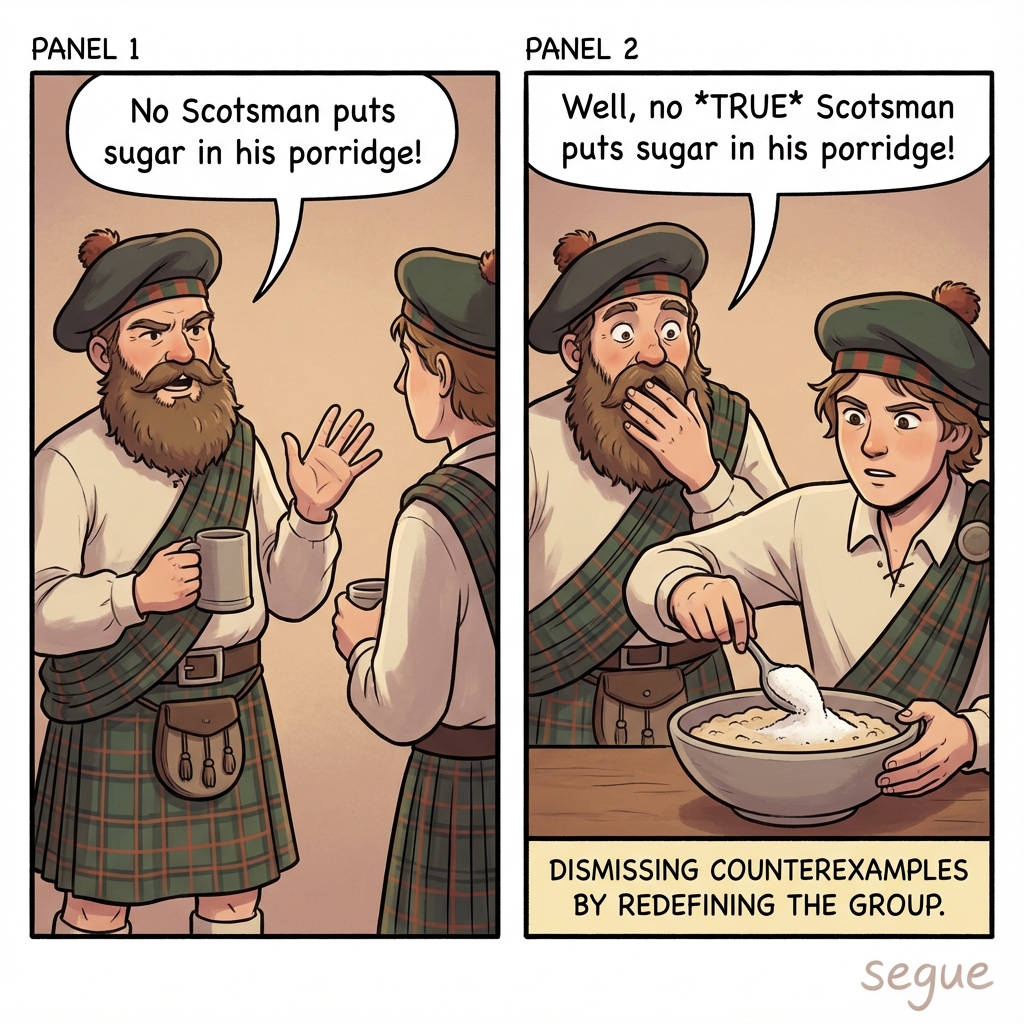
no true Scotsman
/ˌnoʊ ˌtruː ˈskɒtsmən/dismissing counterexamples by redefining the category
“No true professional would do that—shifting the goalposts when proven wrong.”
More from Intellectual
Explore other vocabulary categories in this collection.