Loading collection...
𓂀
Egyptian Pantheon & Sacred Vocabulary
Egyptian deities, temples, and sacred concepts
20 words
All 20 Words
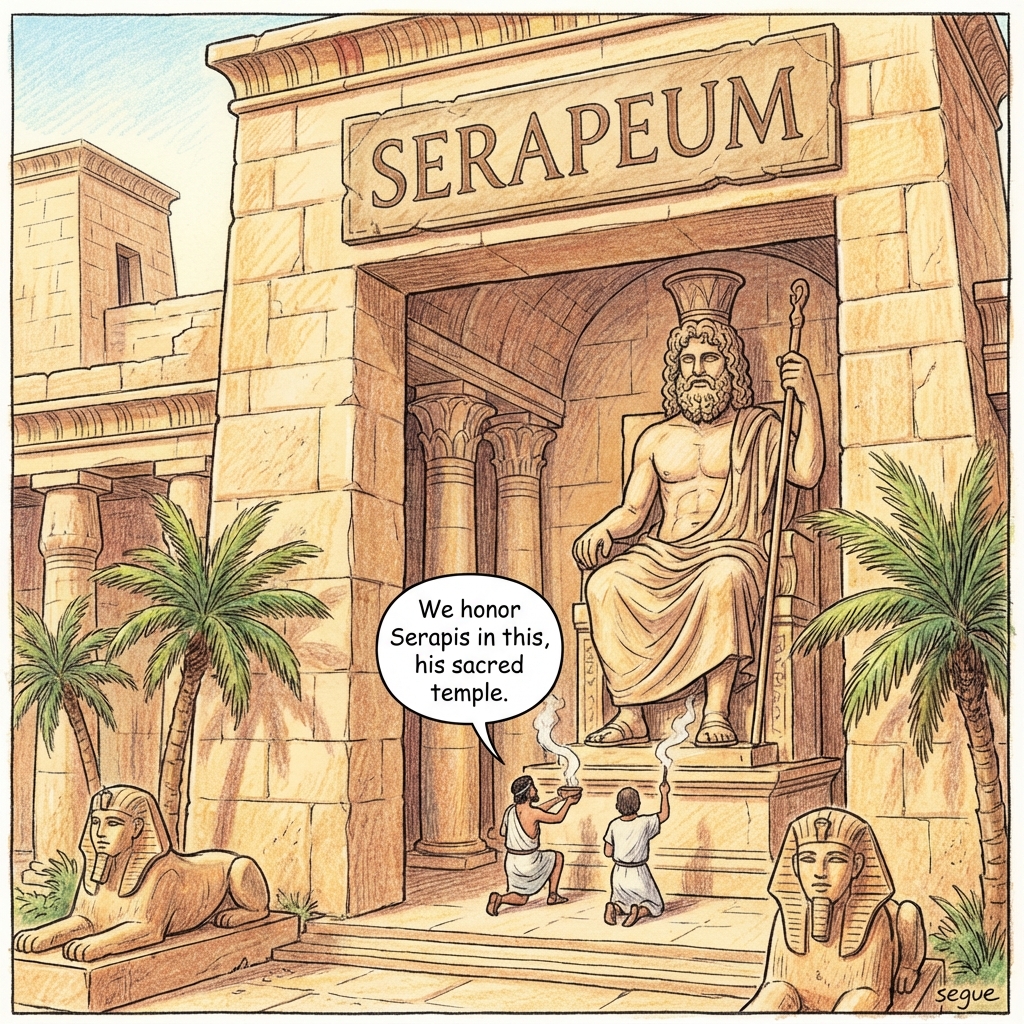
serapeum
/ˌserəˈpiːəm/a temple dedicated to the Greco-Egyptian god Serapis
“The Serapeum of Alexandria housed part of the Great Library.”
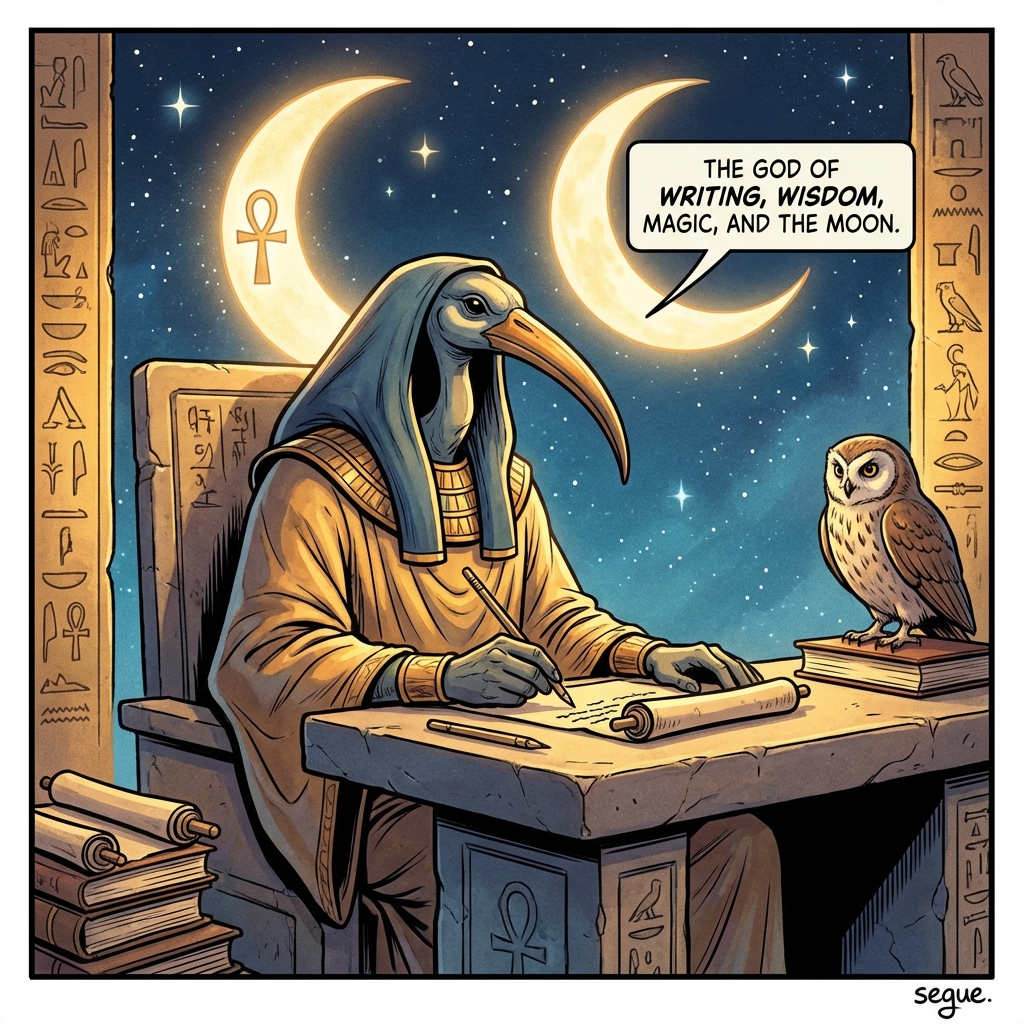
Thoth
/θoʊθ/ibis-headed god of writing, wisdom, magic, and the moon
“Thoth was said to have invented hieroglyphics and recorded the judgment of the dead.”
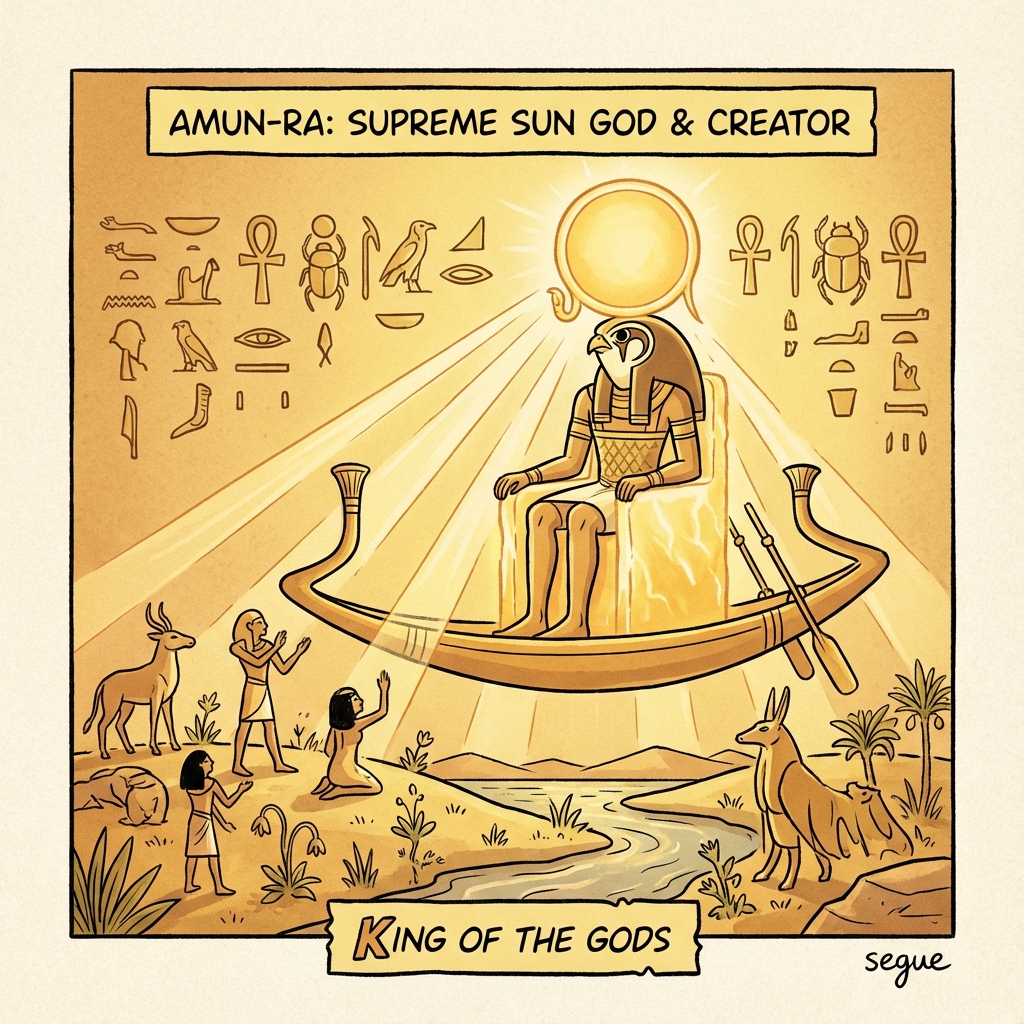
Ra / Amun-Ra
/rɑː ˈɑːmʊn rɑː/supreme sun god; creator deity and king of the gods
“The pharaoh was considered the living embodiment of Ra on earth.”
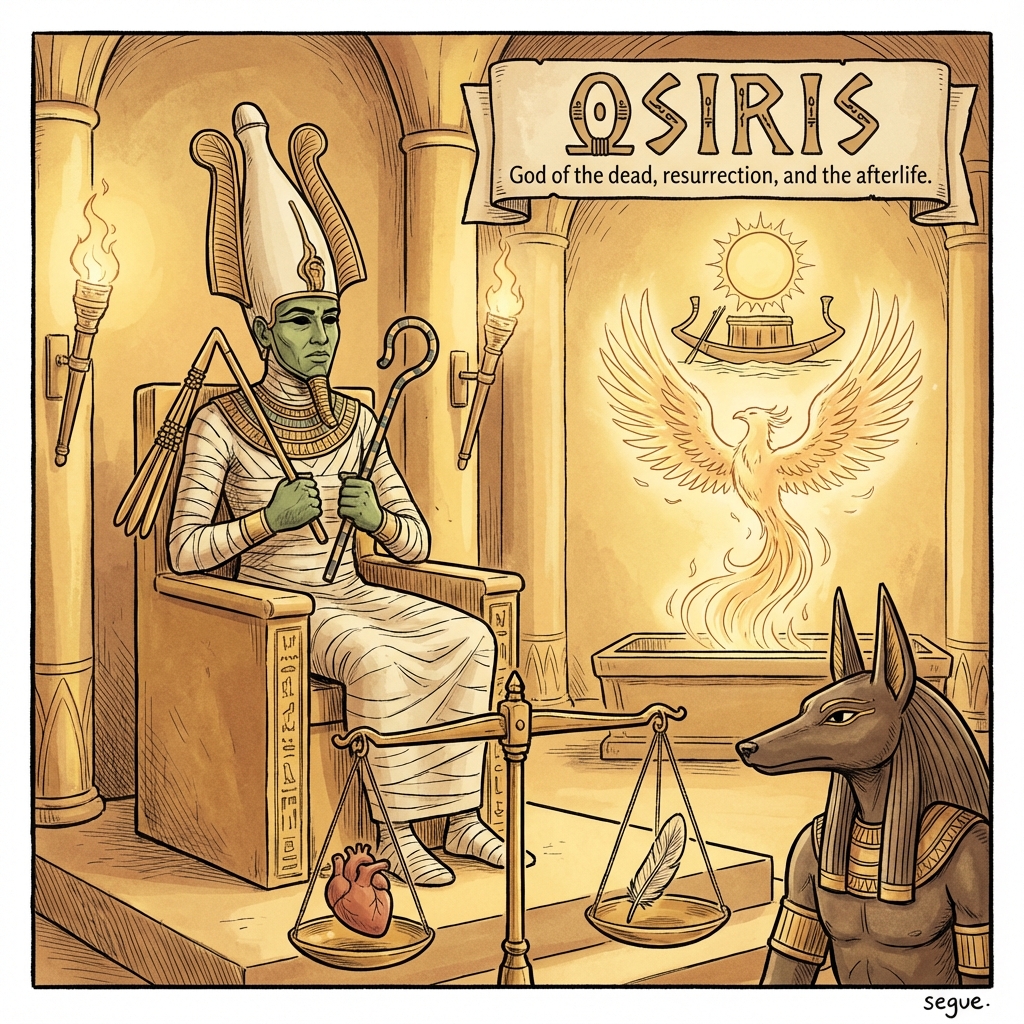
Osiris
/oʊˈsaɪrɪs/god of the dead, resurrection, and the afterlife
“Osiris presided over the weighing of souls in the underworld.”
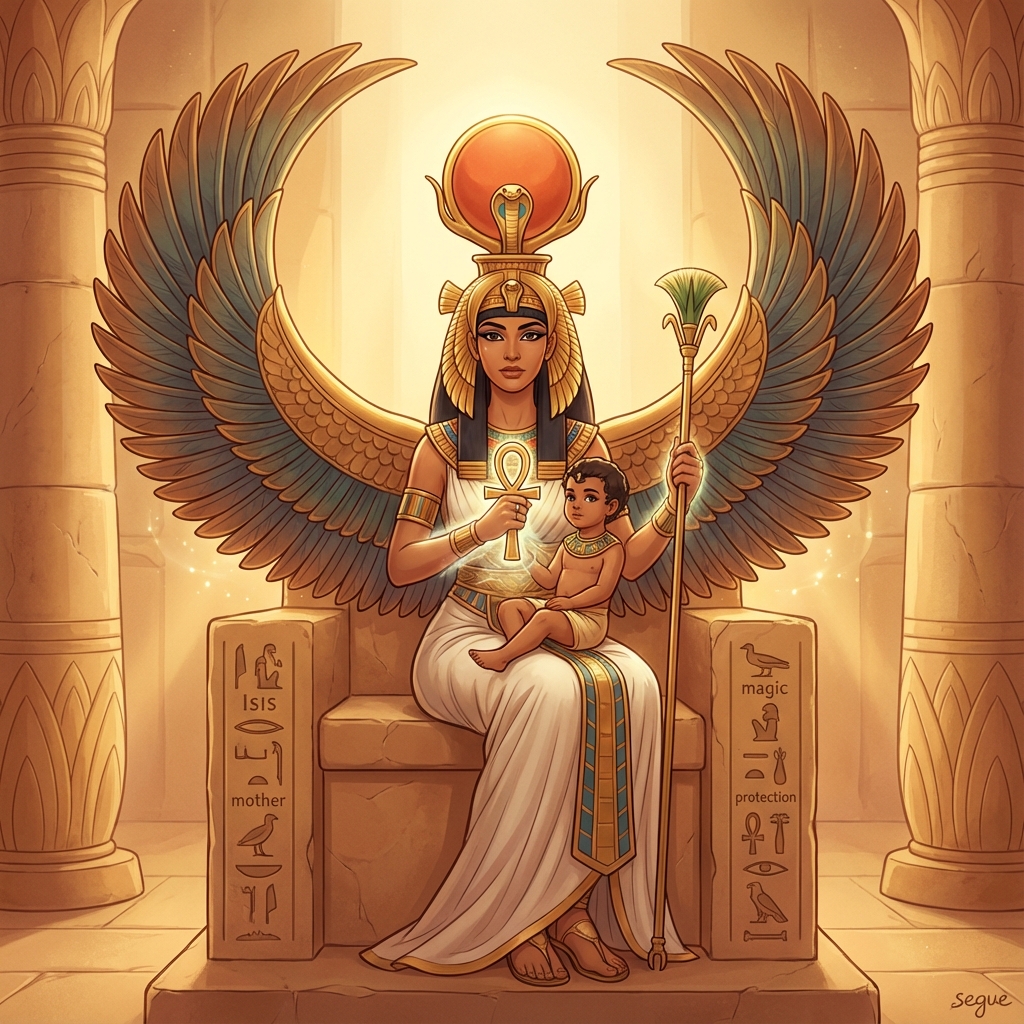
Isis
/ˈaɪsəs/goddess of magic, motherhood, and protection
“Isis used her magic to resurrect her husband Osiris.”
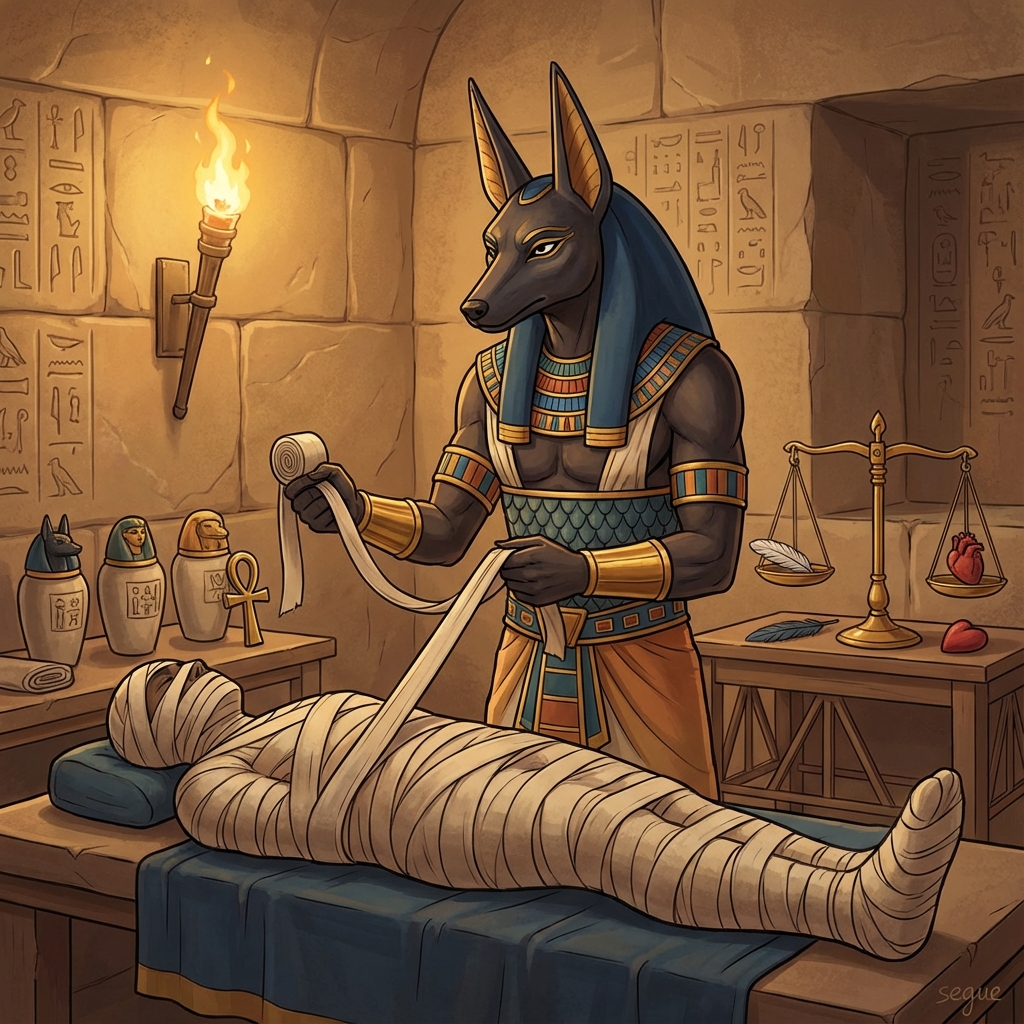
Anubis
/əˈnubɪs/jackal-headed god of mummification and the dead
“Anubis guided souls through the underworld to judgment.”
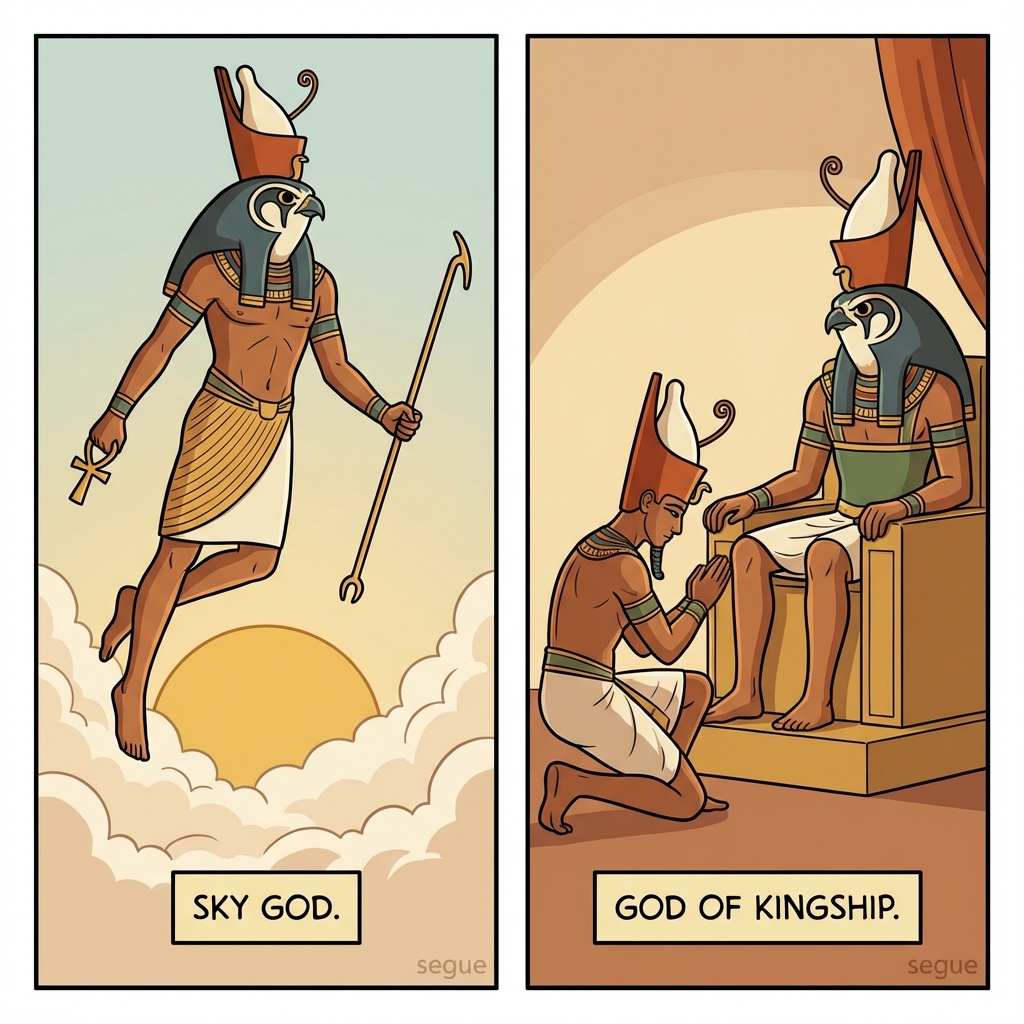
Horus
/ˈhɔɹəs/falcon-headed god of kingship and the sky
“Each pharaoh was the living Horus, avenger of his father.”
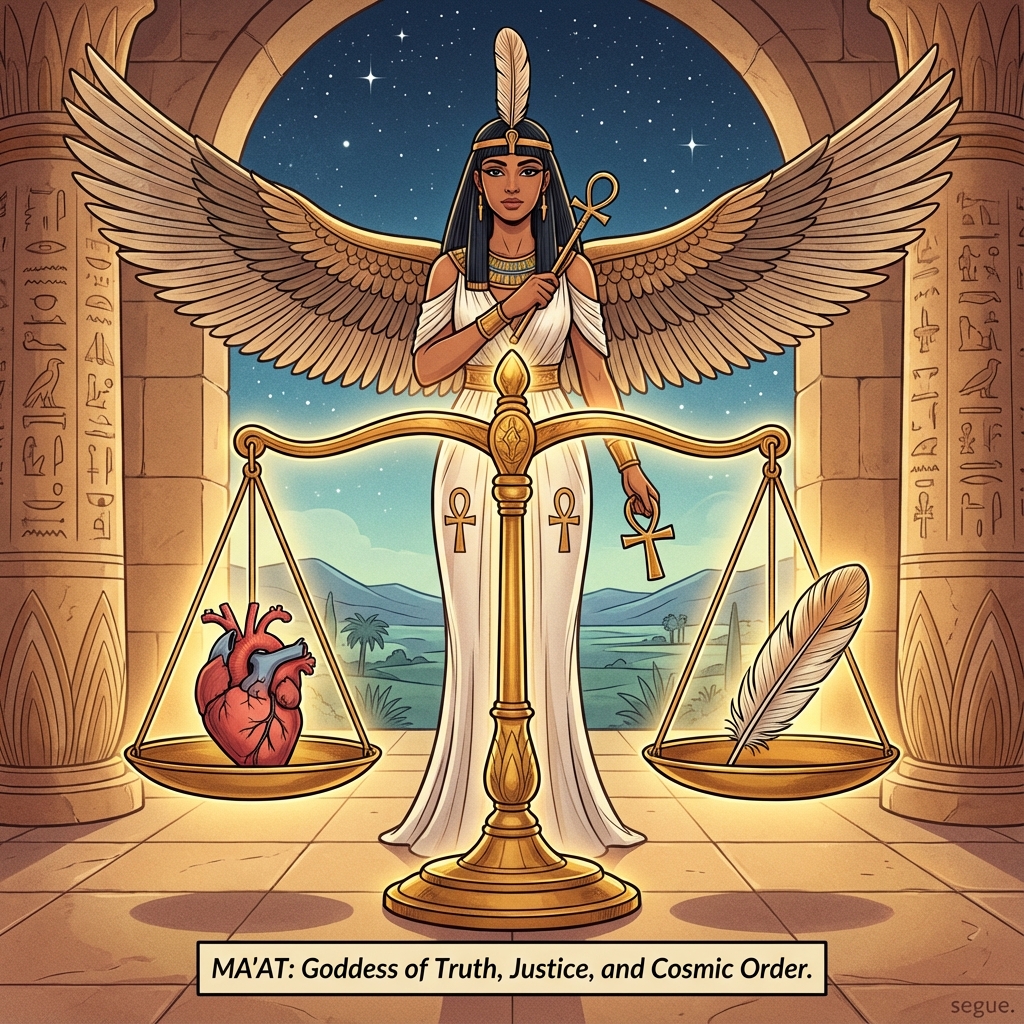
Ma'at
/mɑːˈɑːt/goddess personifying truth, justice, and cosmic order
“The heart was weighed against Ma'at's feather in the afterlife.”
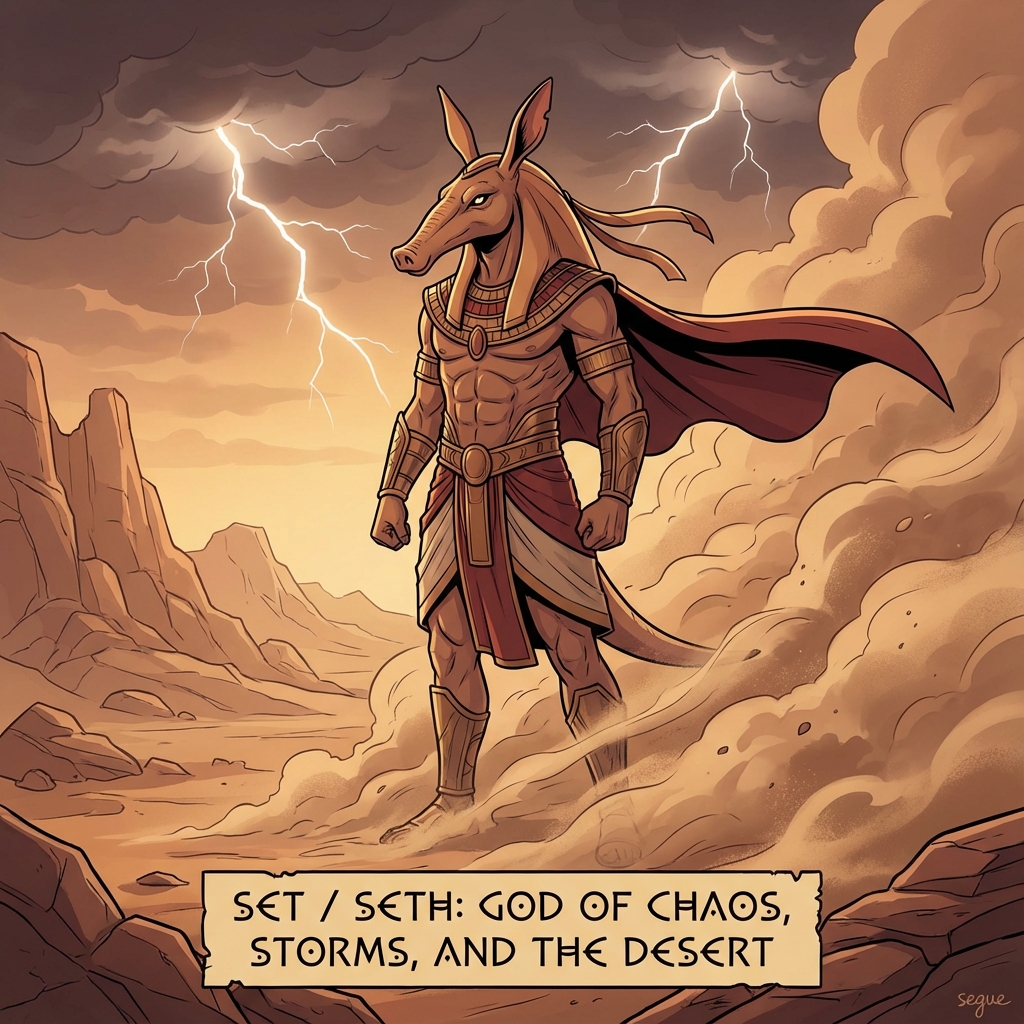
Set / Seth
/set seθ/god of chaos, storms, and the desert
“Set murdered his brother Osiris out of jealousy.”
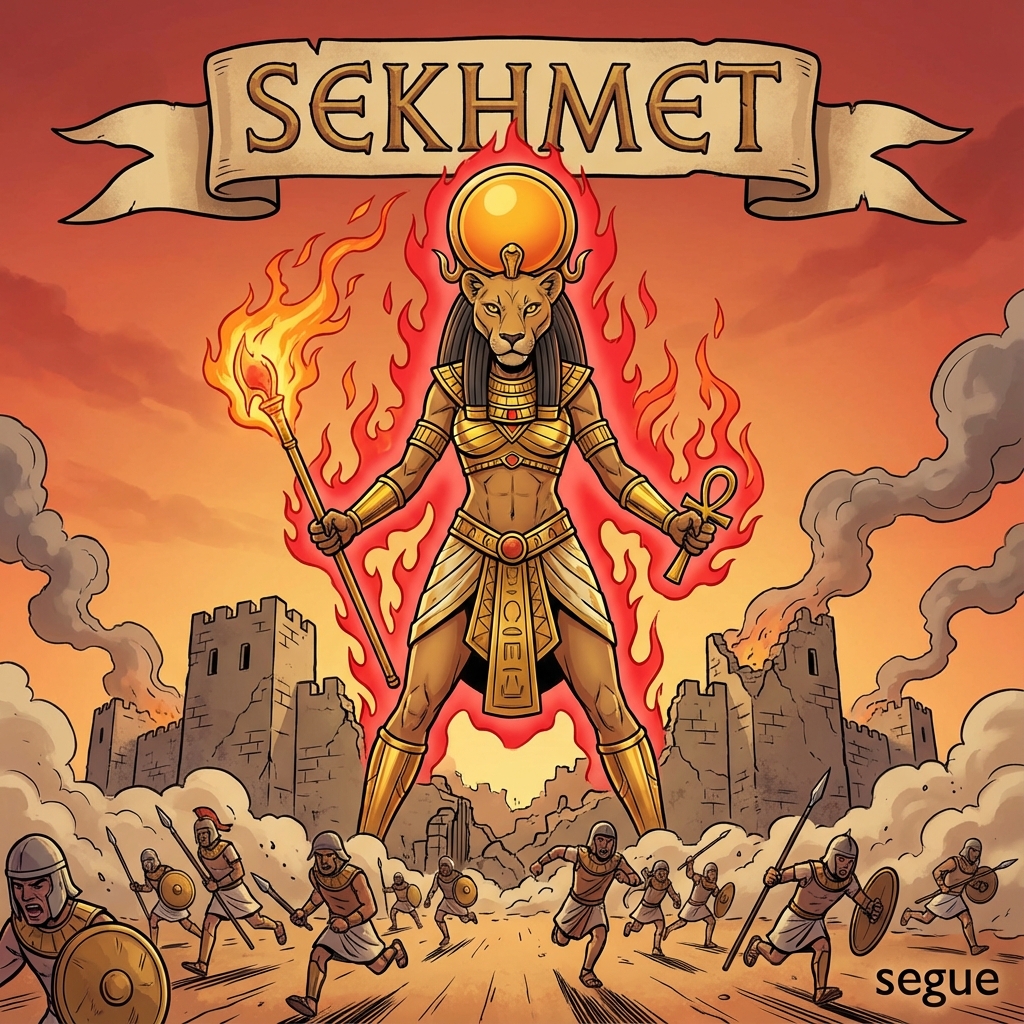
Sekhmet
/ˈsekmɛt/lioness-headed goddess of war and destruction
“Sekhmet's wrath was so fierce that Ra had to trick her to save humanity.”
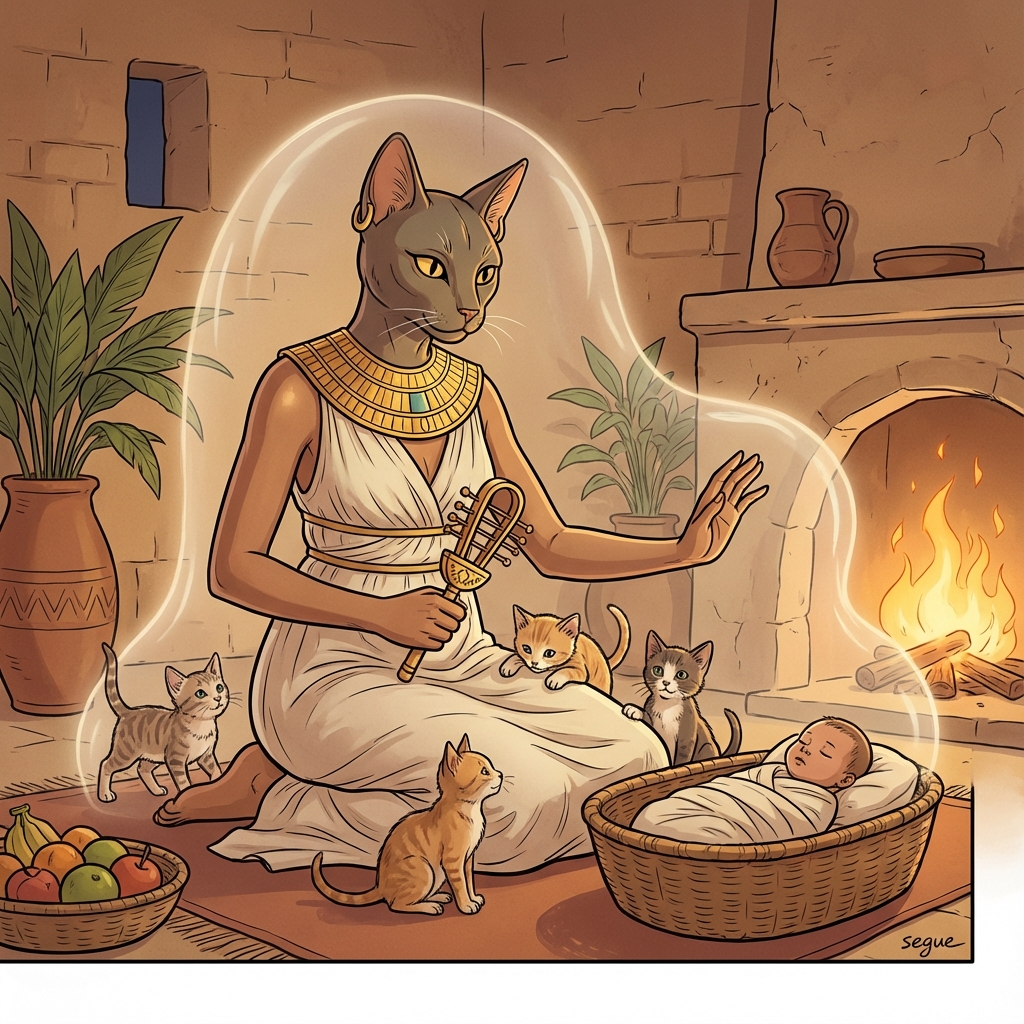
Bastet
/ˈbæstɛt/cat goddess of home, fertility, and protection
“Bastet was worshipped as the gentle counterpart to fierce Sekhmet.”
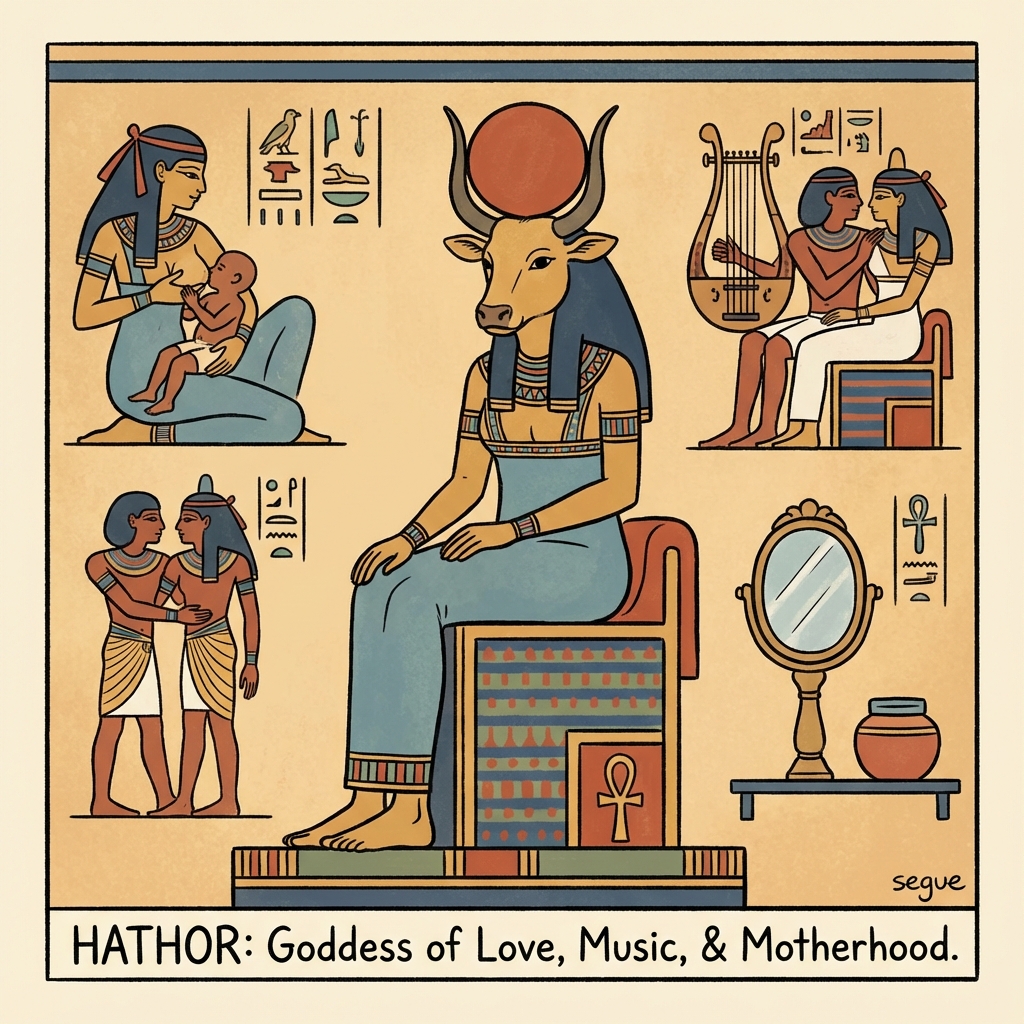
Hathor
/ˈhæθɔːr/cow goddess of love, beauty, music, and motherhood
“Hathor welcomed the dead into the afterlife with food and drink.”
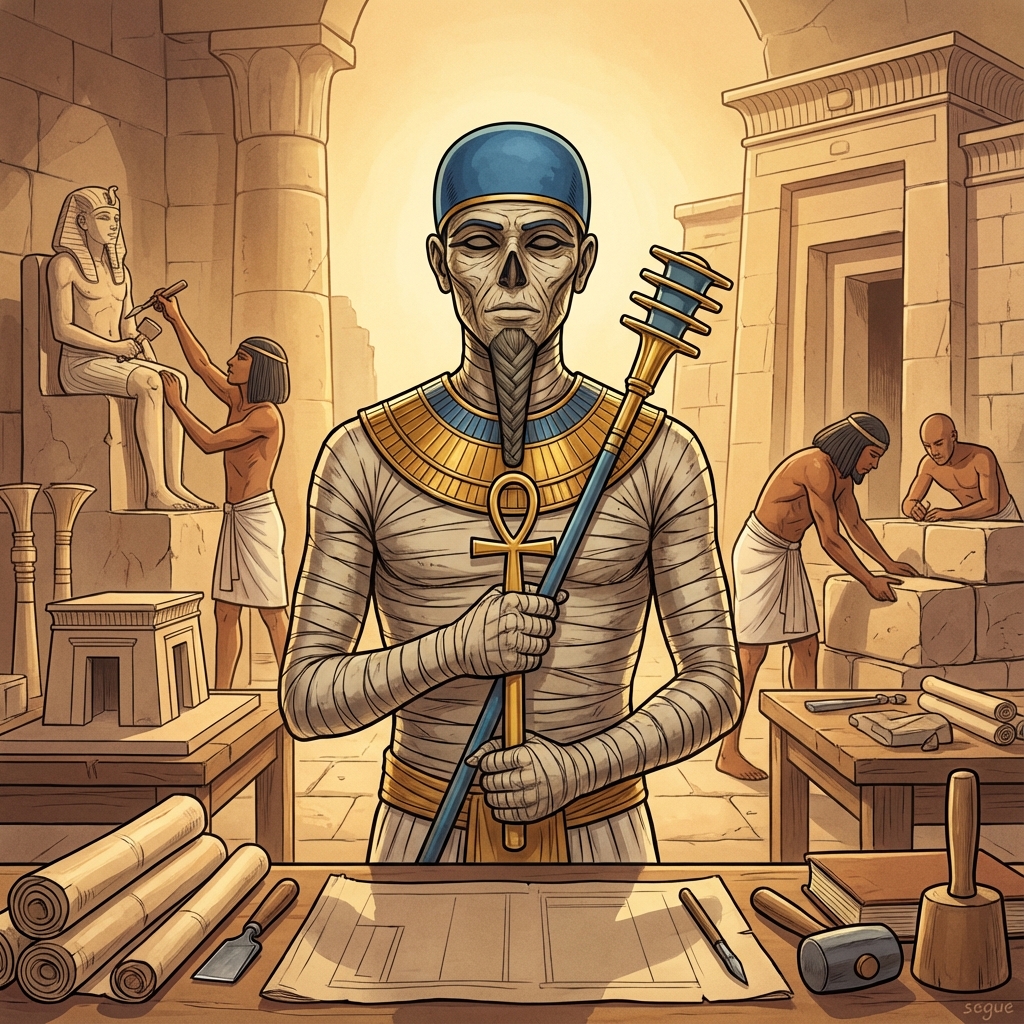
Ptah
/ptɑː/creator god of craftsmen and architects
“Ptah spoke the world into existence through divine utterance.”
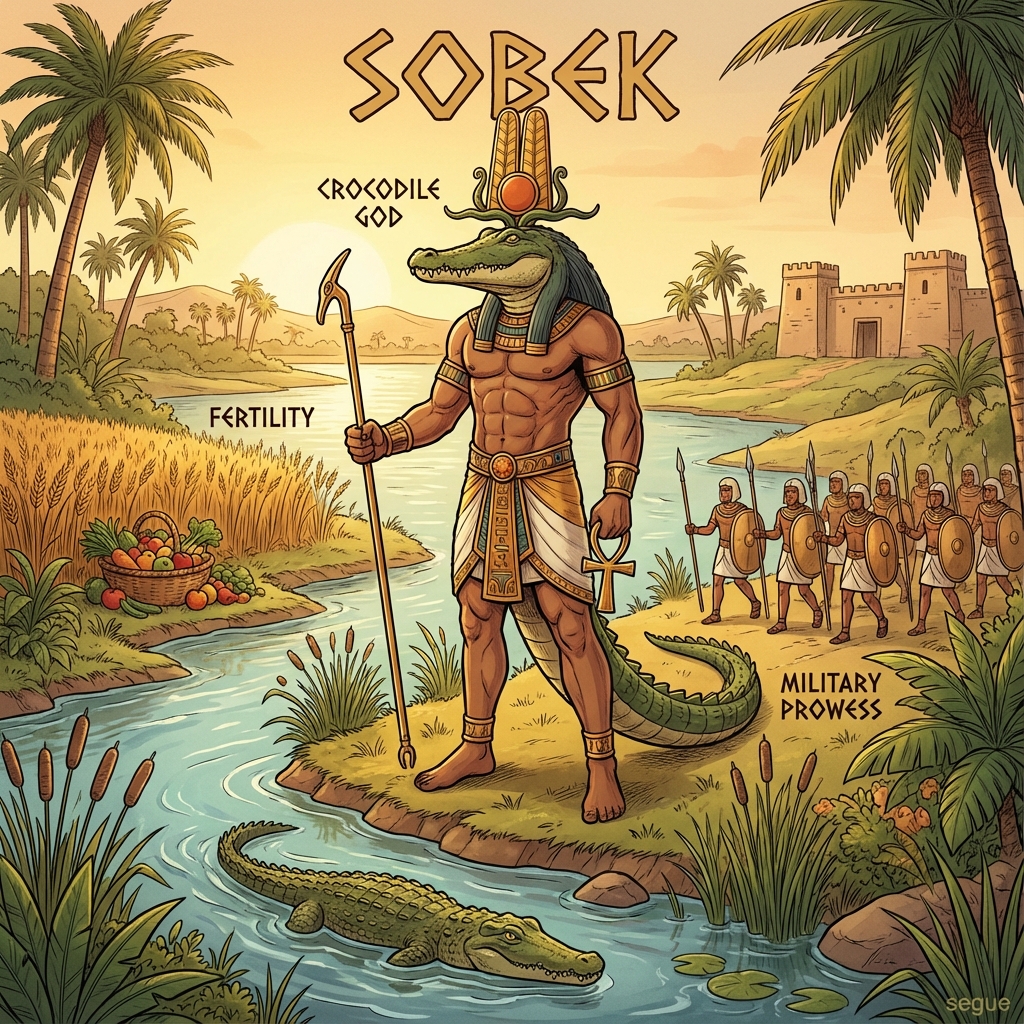
Sobek
/ˈsoʊbɪk/crocodile god of the Nile, fertility, and military prowess
“Sobek's temples kept sacred crocodiles adorned with gold.”
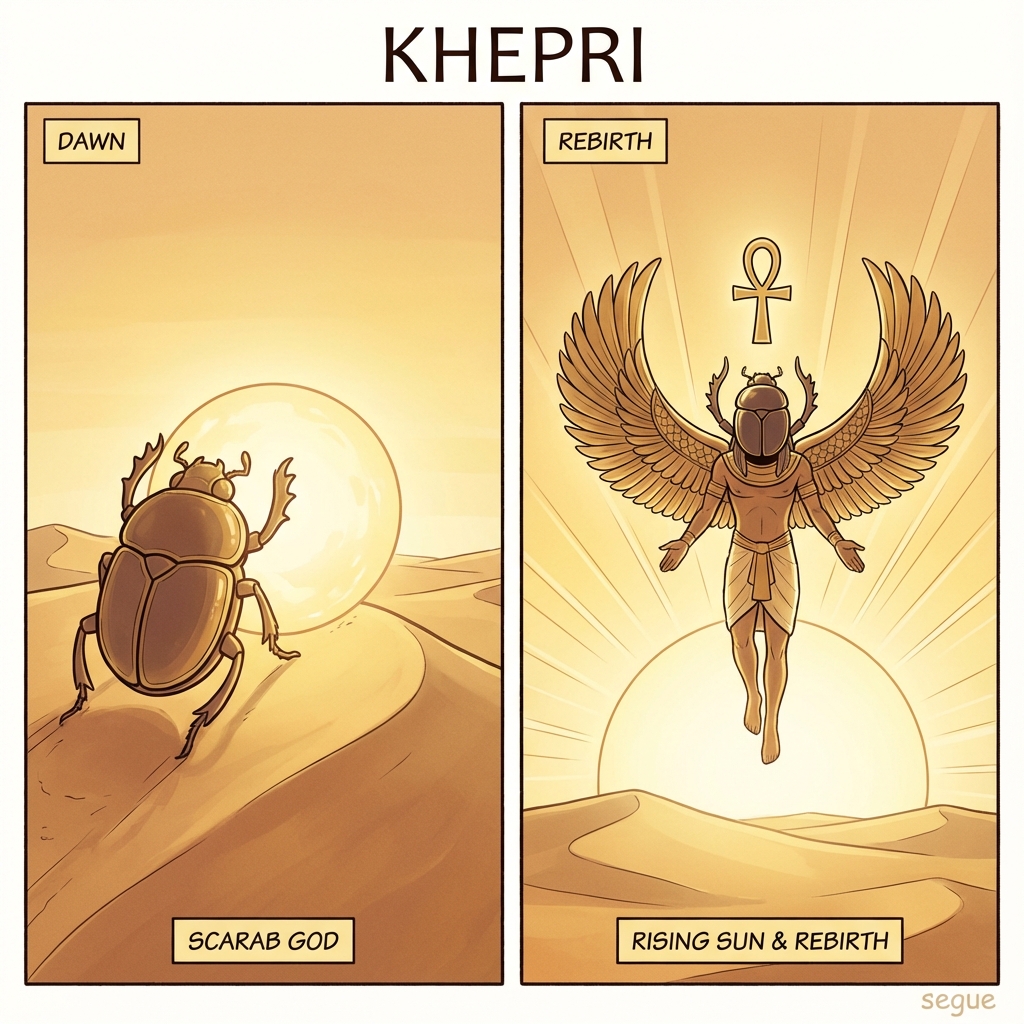
Khepri
/ˈkeprɪ/scarab god of the rising sun and rebirth
“Khepri pushed the sun across the sky like a dung beetle rolls its ball.”
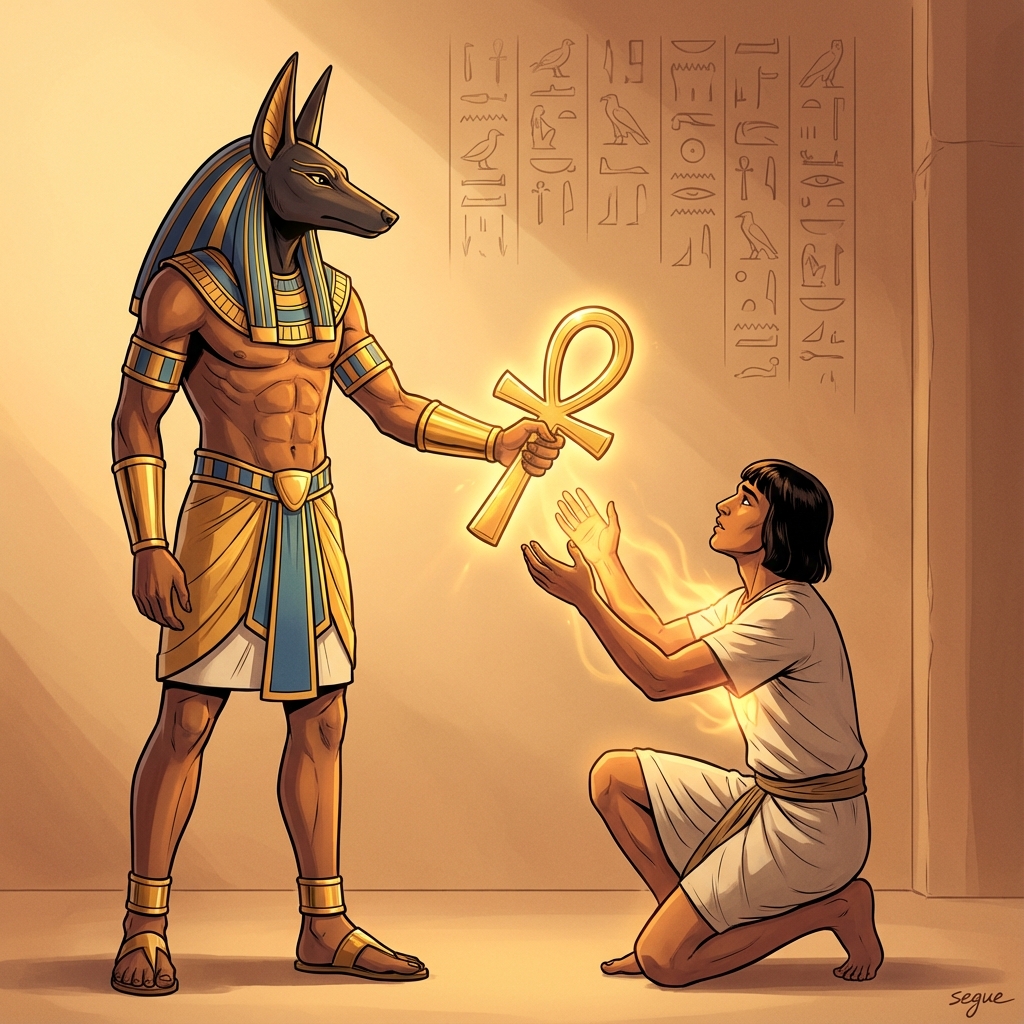
ankh
/ˈænk/the Egyptian symbol of life, carried by the gods
“The ankh became a symbol of eternal life.”
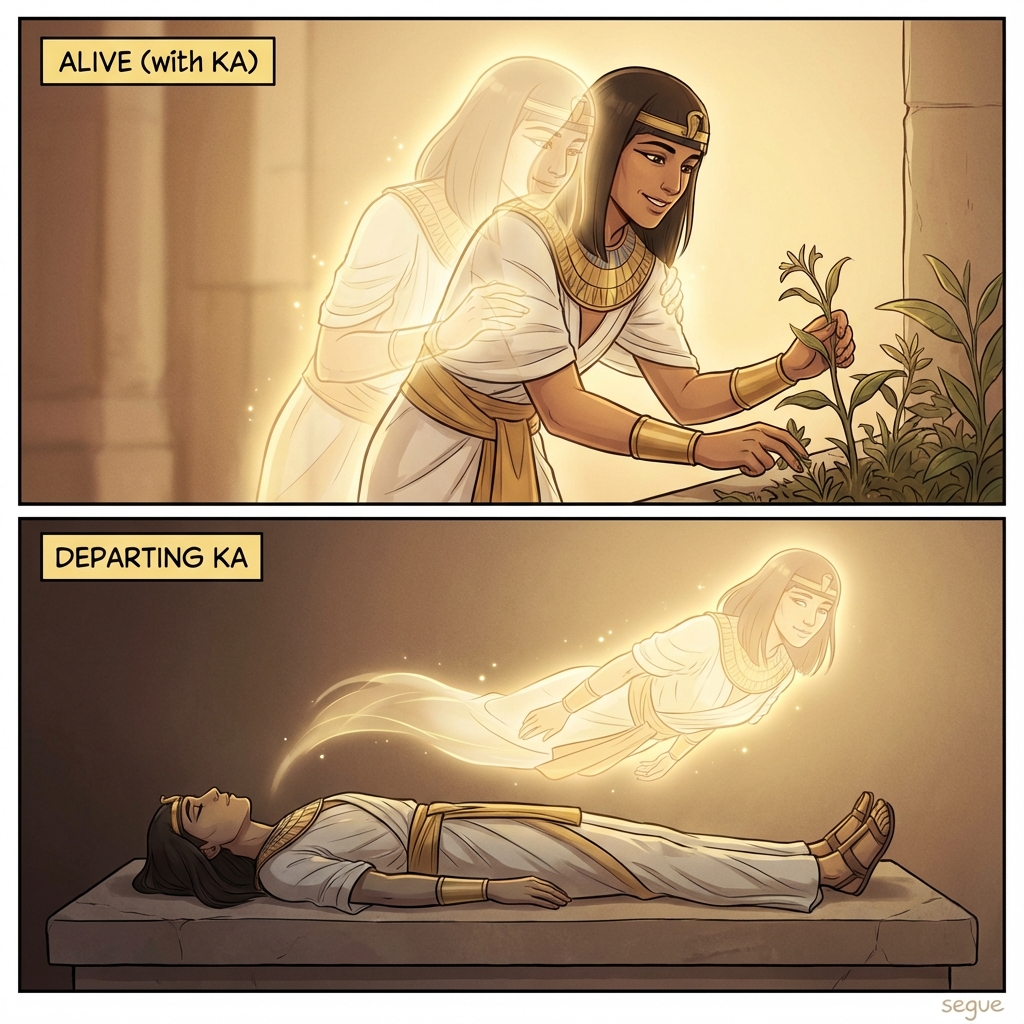
ka
/ˈkɑ/the vital essence or life force of a person
“Offerings were made to sustain the ka in the afterlife.”
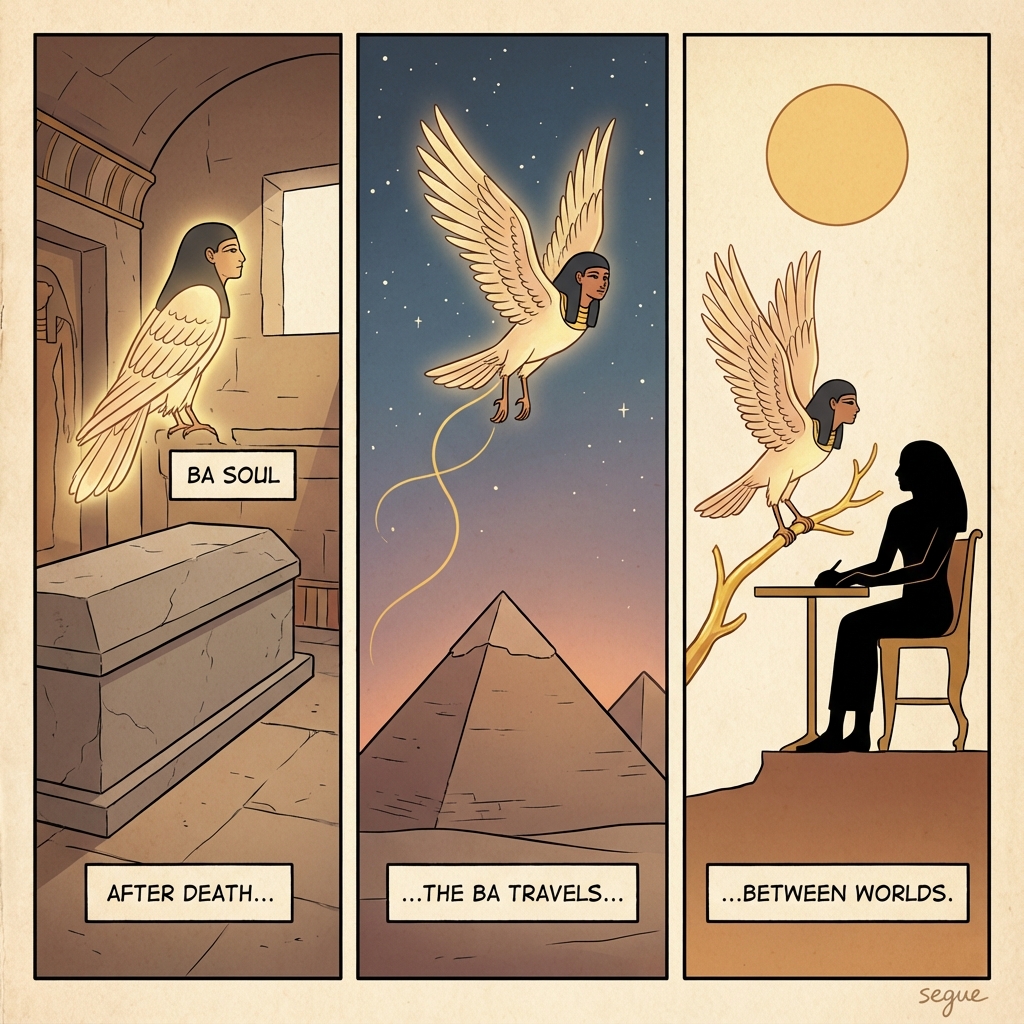
ba
/ˈbɑ/the personality or soul that could travel after death
“The ba was depicted as a bird with a human head.”
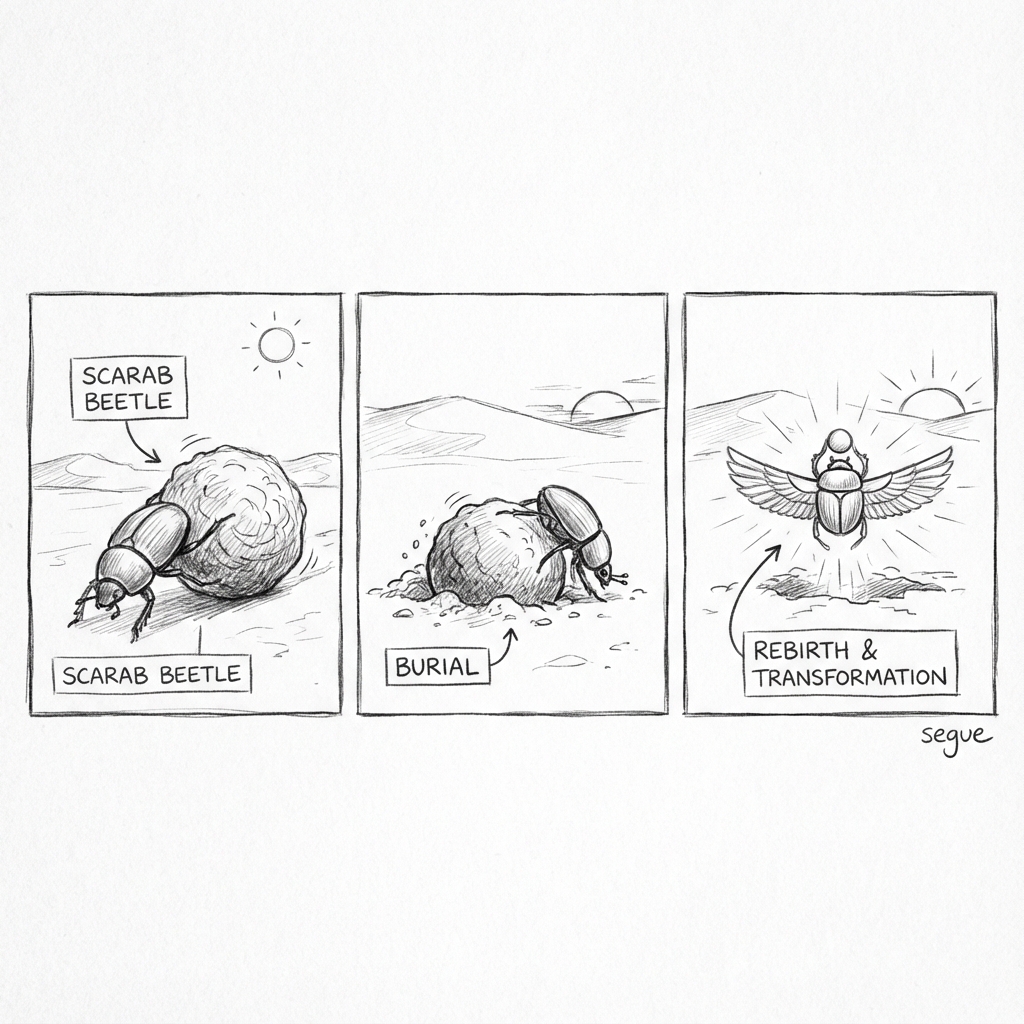
scarab
/ˈskærəb/sacred beetle symbolizing rebirth and transformation
“Scarab amulets were placed over the heart during mummification.”
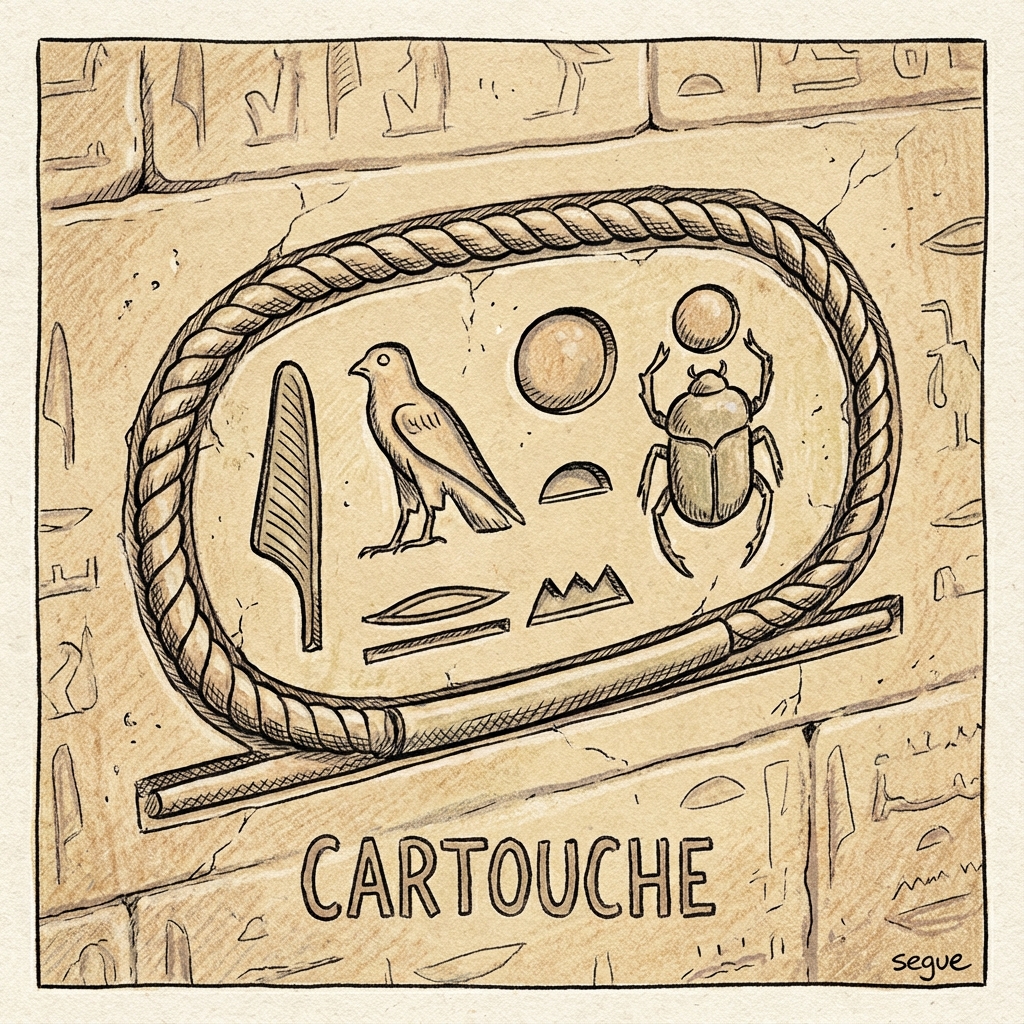
cartouche
/kɑːrˈtuːʃ/an oval frame enclosing royal names in hieroglyphics
“The pharaoh's cartouche was carved on every monument.”
More from Ancient World & Mythos
Explore other vocabulary categories in this collection.