Loading collection...
☯️
Eastern Philosophy Vocabulary
Concepts from Asian philosophical traditions
10 words
All 10 Words

dharma
/ˈdɑɹmə/cosmic law, moral duty, or righteous path
“Following one's dharma means fulfilling one's purpose in life.”
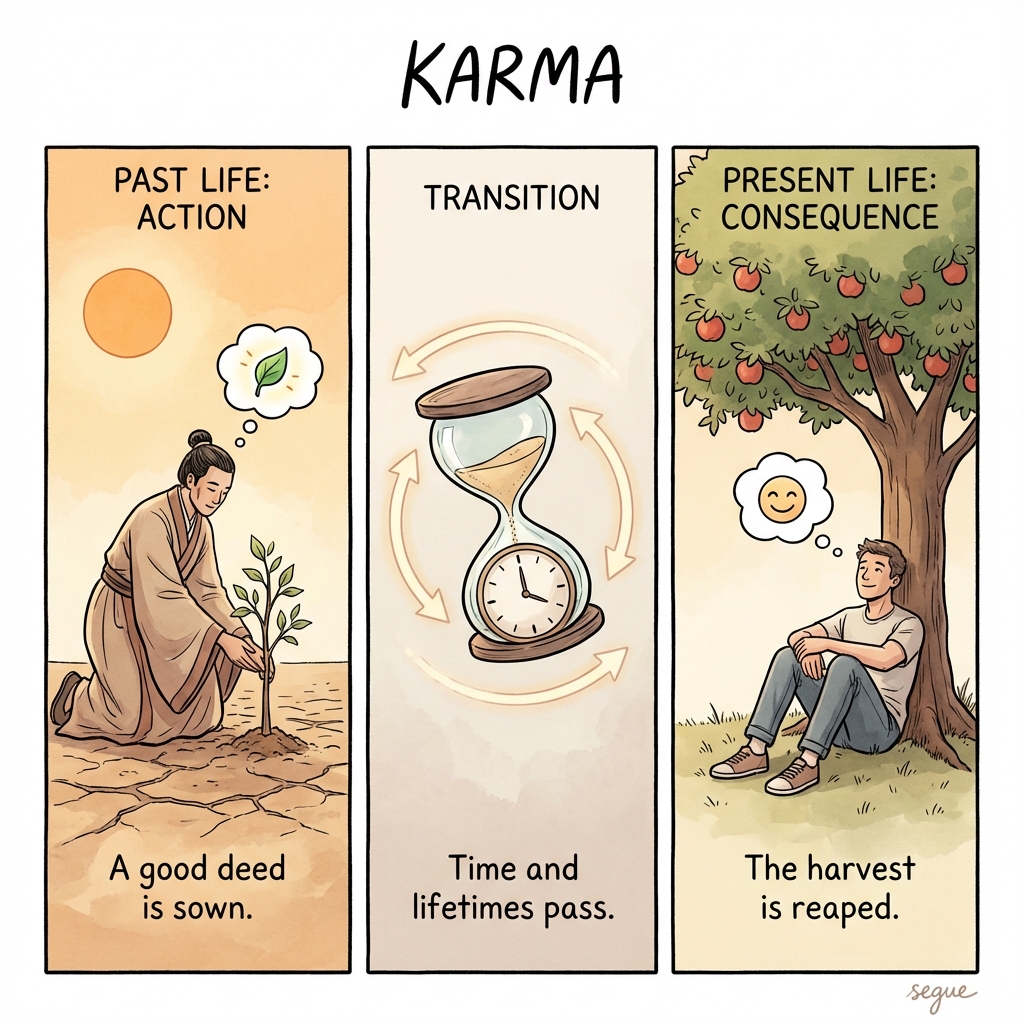
karma
/ˈkɑɹmə/the principle that actions have consequences across lifetimes
“Karma links present circumstances to past actions.”

samsara
/səmˈsɑɹə/the cycle of death and rebirth
“Liberation means escaping the wheel of samsara.”

nirvana
/nɝˈvɑnə/the extinction of desire and liberation from suffering
“The Buddha achieved nirvana under the Bodhi tree.”
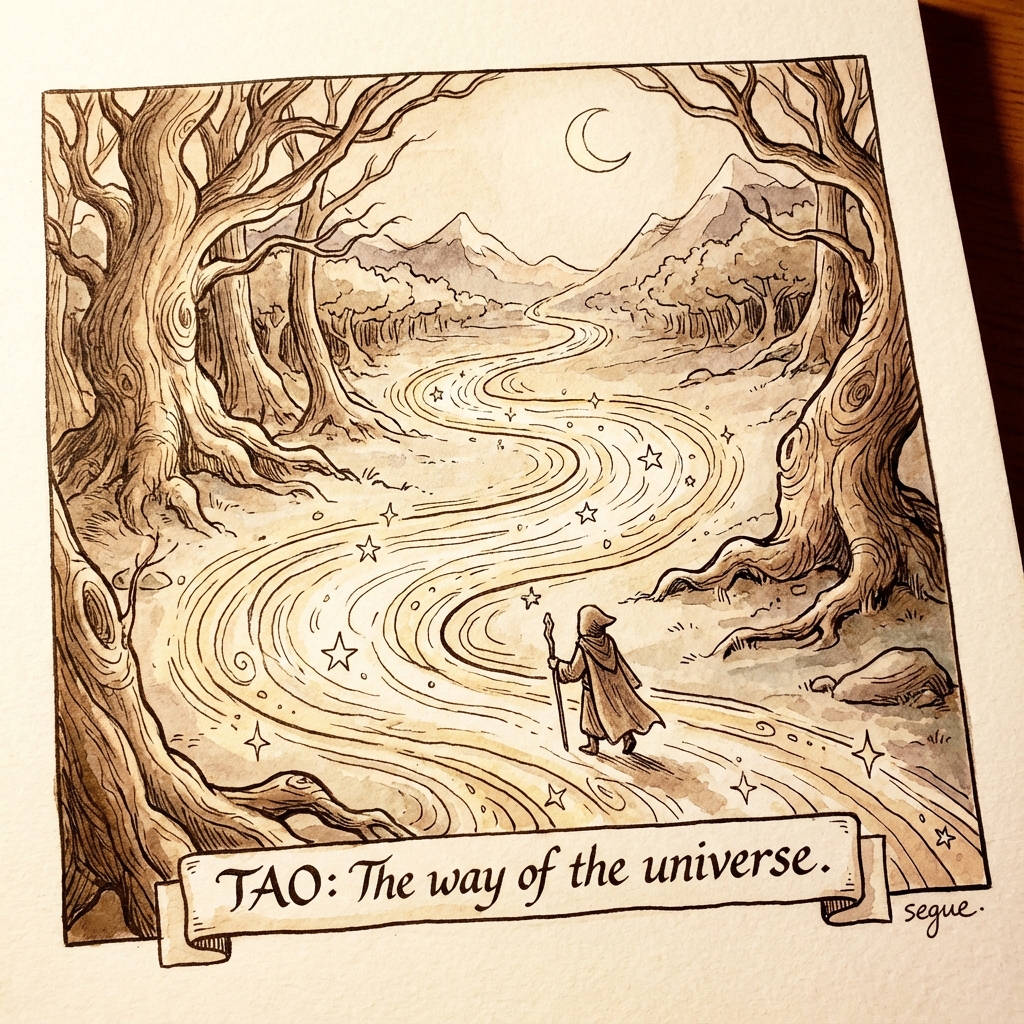
tao
/ˈdaʊ/the fundamental, nameless way of the universe
“The Tao that can be spoken is not the eternal Tao.”
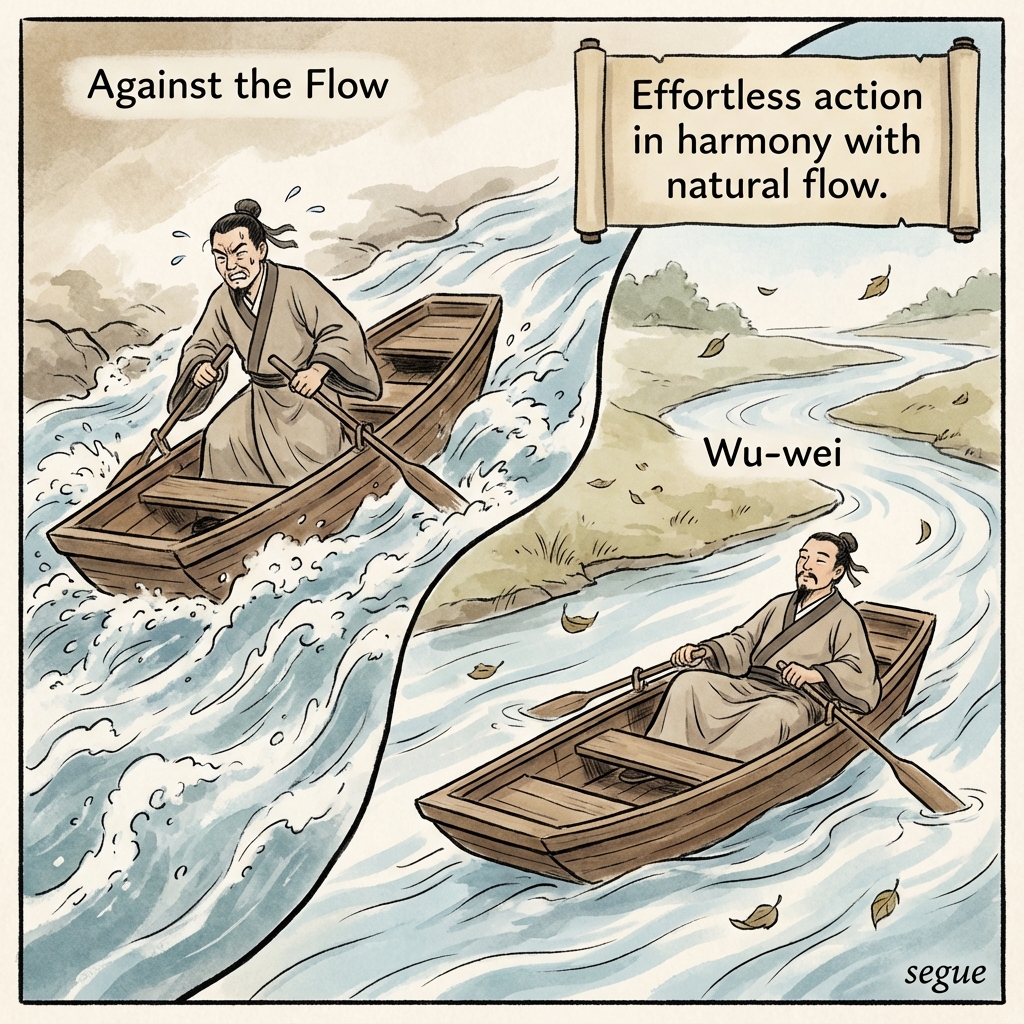
wu-wei
/ˌwuː ˈweɪ/effortless action in harmony with natural flow
“Wu-wei is acting without forcing or striving.”
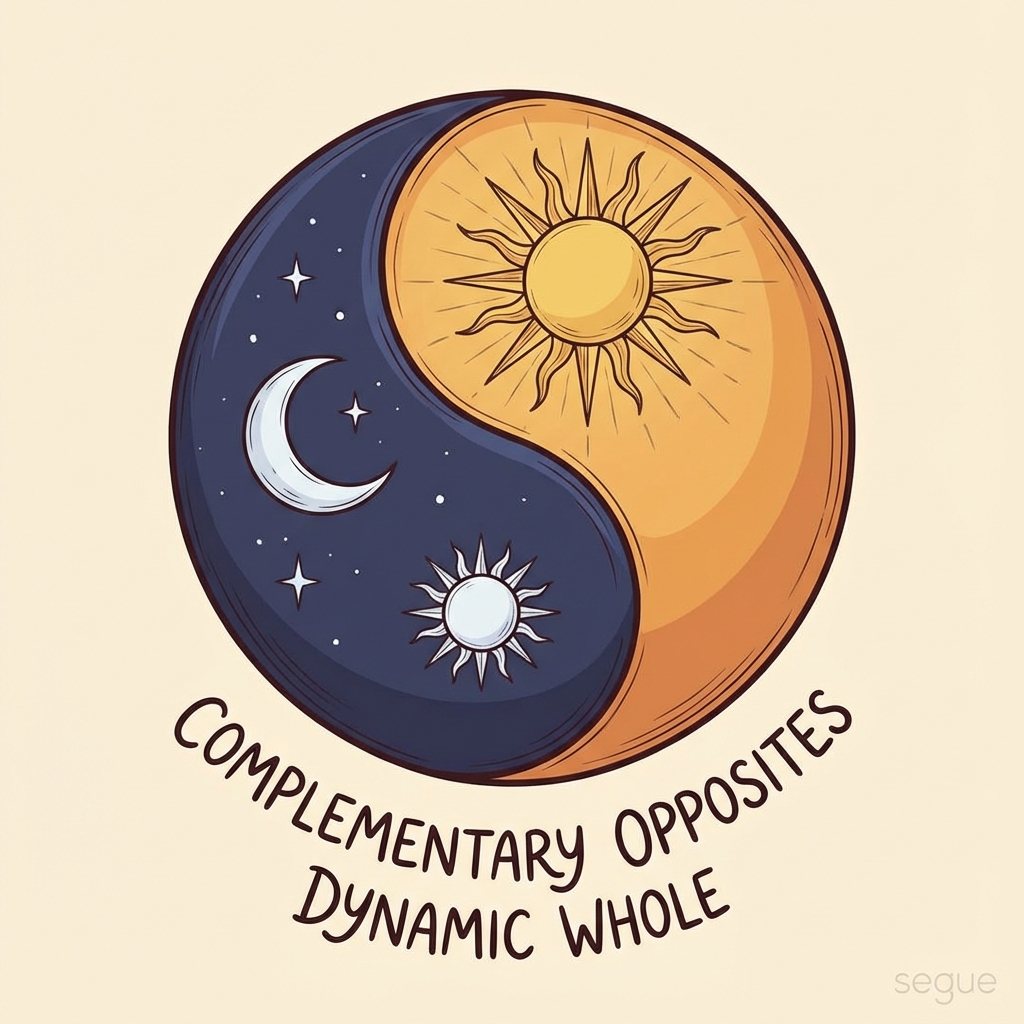
yin-yang
/ˌjɪn ˈjæŋ/complementary opposites that form a dynamic whole
“Yin-yang represents the interdependence of all dualities.”
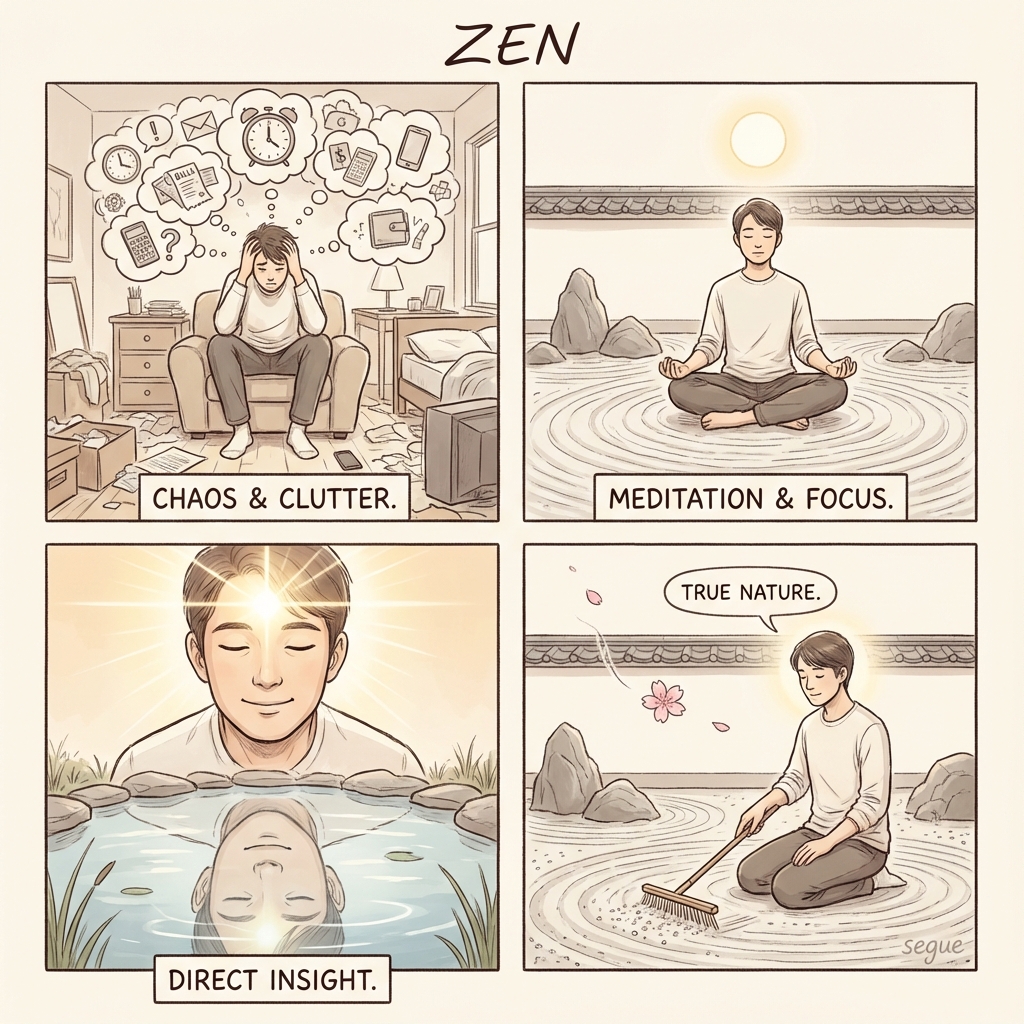
zen
/ˈzɛn/direct insight into one's true nature through meditation
“Zen emphasizes practice over scriptural study.”
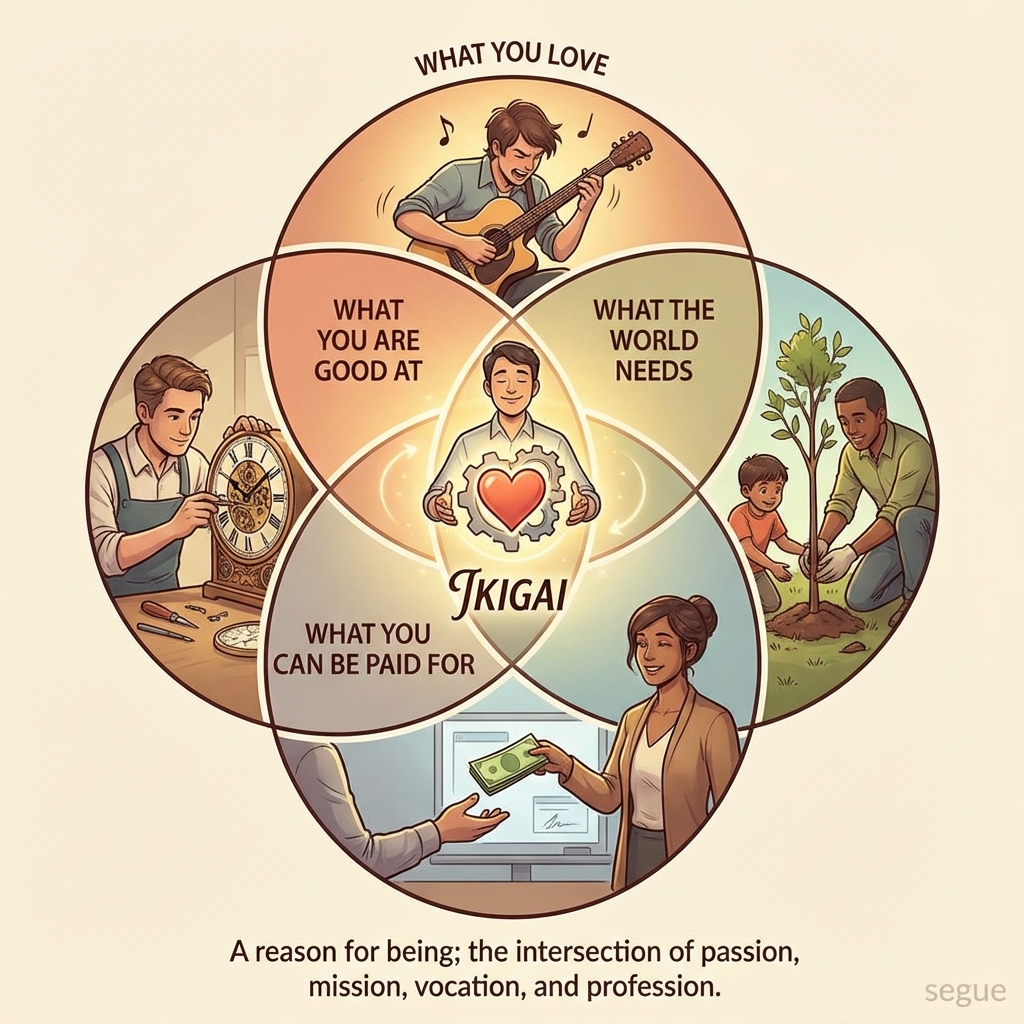
ikigai
/ˌiːkiˈɡaɪ/one's reason for being or sense of life purpose
“Finding ikigai brings deep satisfaction and meaning.”
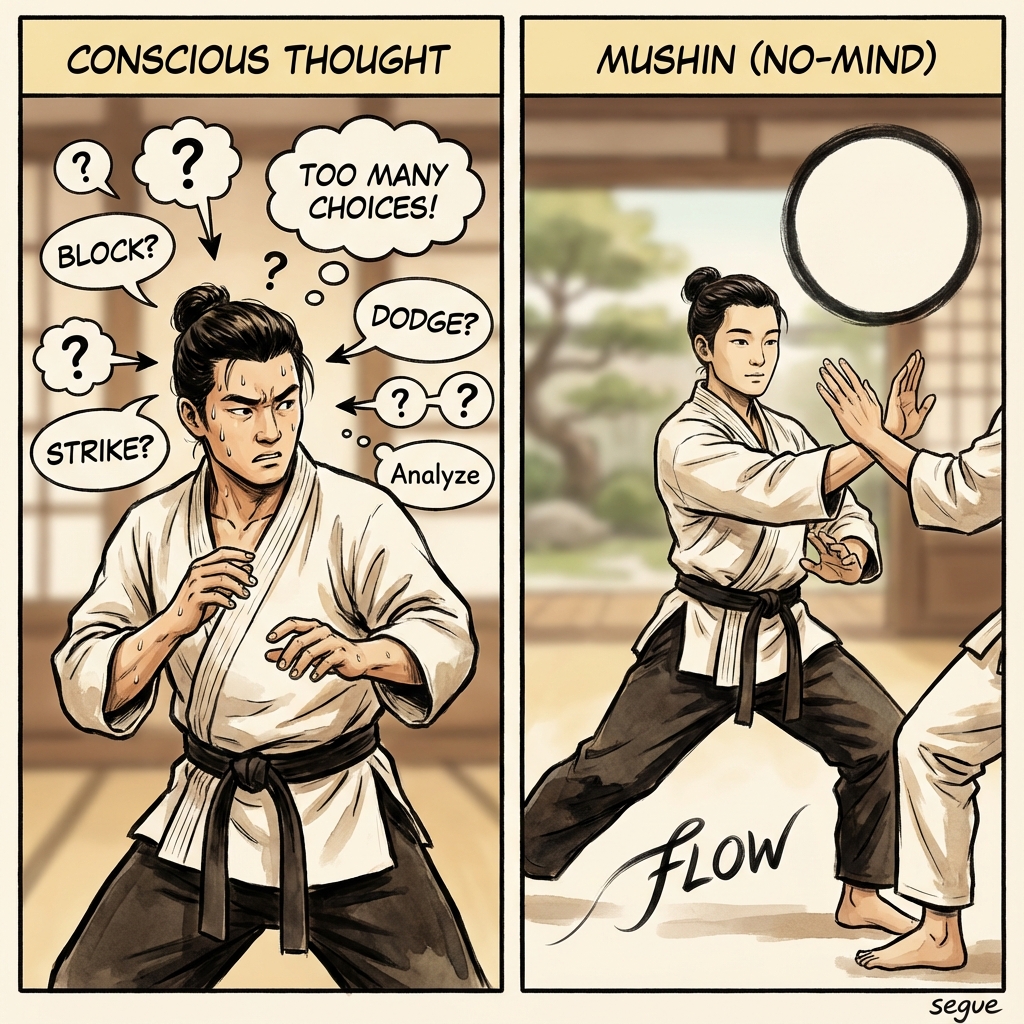
mushin
/ˈmuːʃɪn/the state of no-mind or empty awareness in action
“The swordsman acts from mushin, without hesitation.”
More from Philosophy Extended
Explore other vocabulary categories in this collection.