Loading collection...
⏳
Duration & Permanence Vocabulary
Words describing how long things last
12 words
All 12 Words
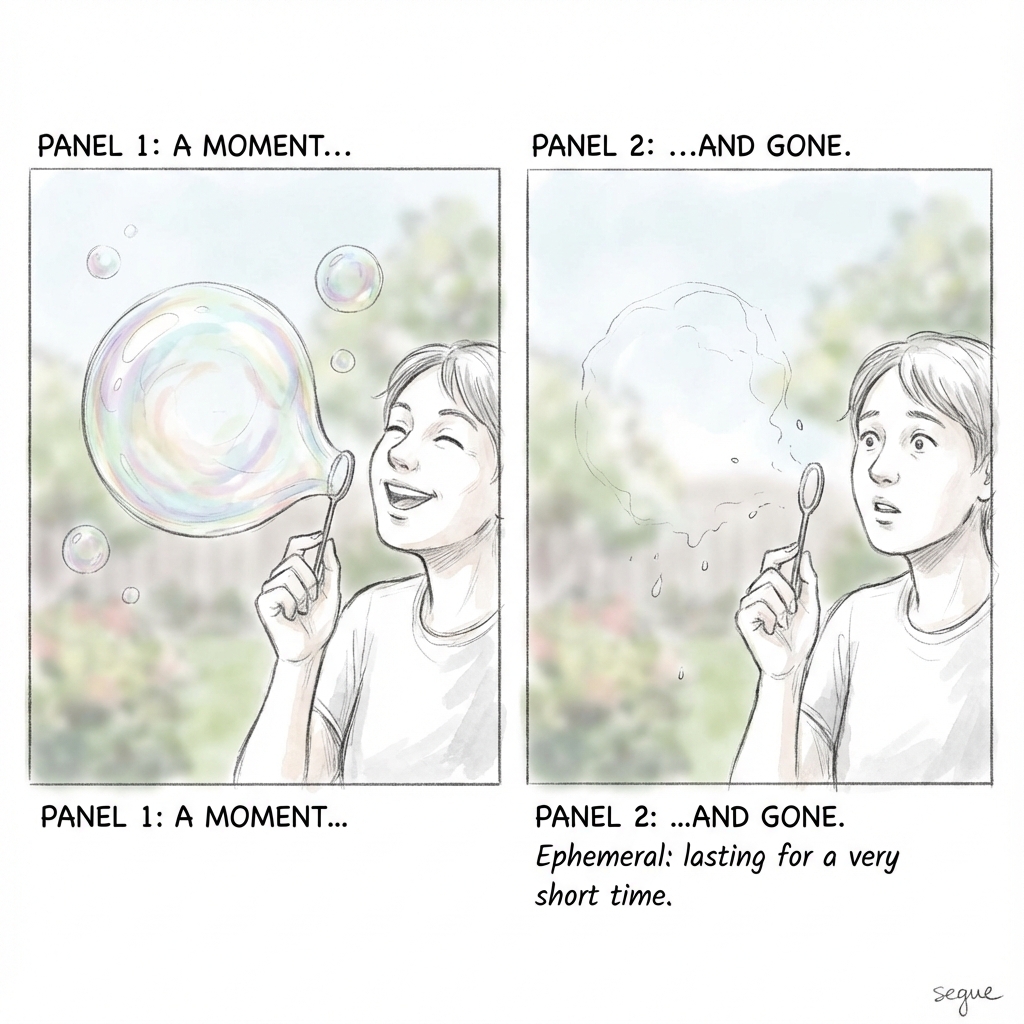
ephemeral
/ɪˈfɛmɝəɫ/lasting for a very short time
“Fame on social media is often ephemeral—here today, gone tomorrow.”
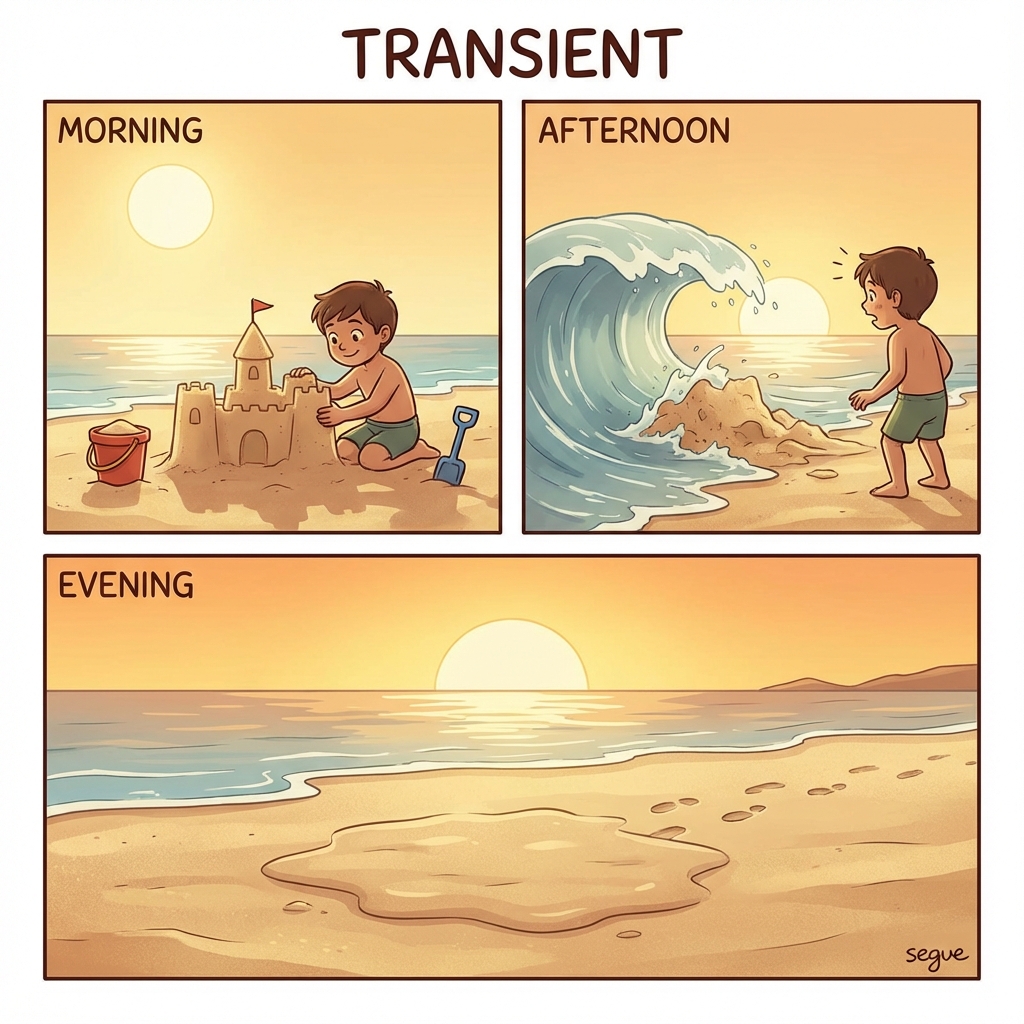
transient
/ˈtɹænʒənt/lasting only for a short time; impermanent
“The transient nature of youth makes it all the more precious.”
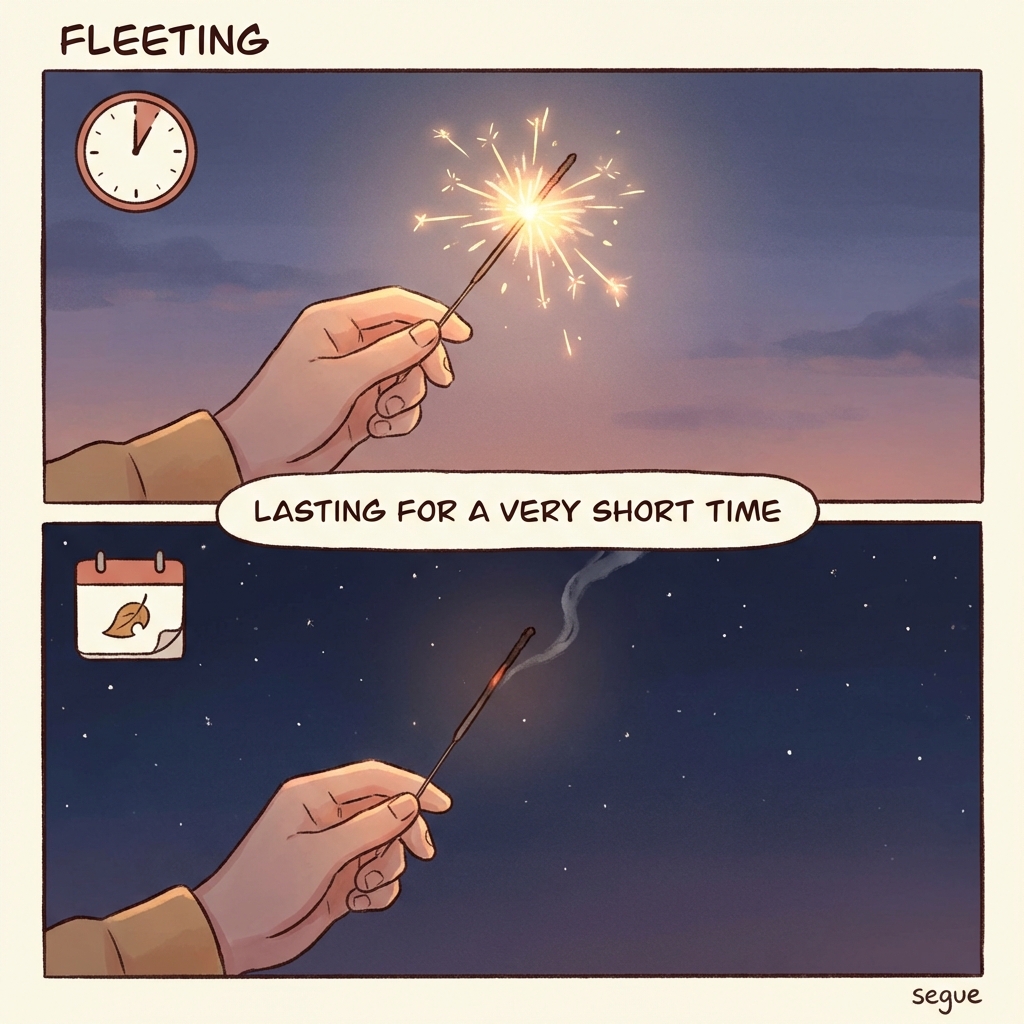
fleeting
/ˈfɫitɪŋ/lasting for a very short time; passing swiftly
“She caught only a fleeting glimpse of the rare bird.”
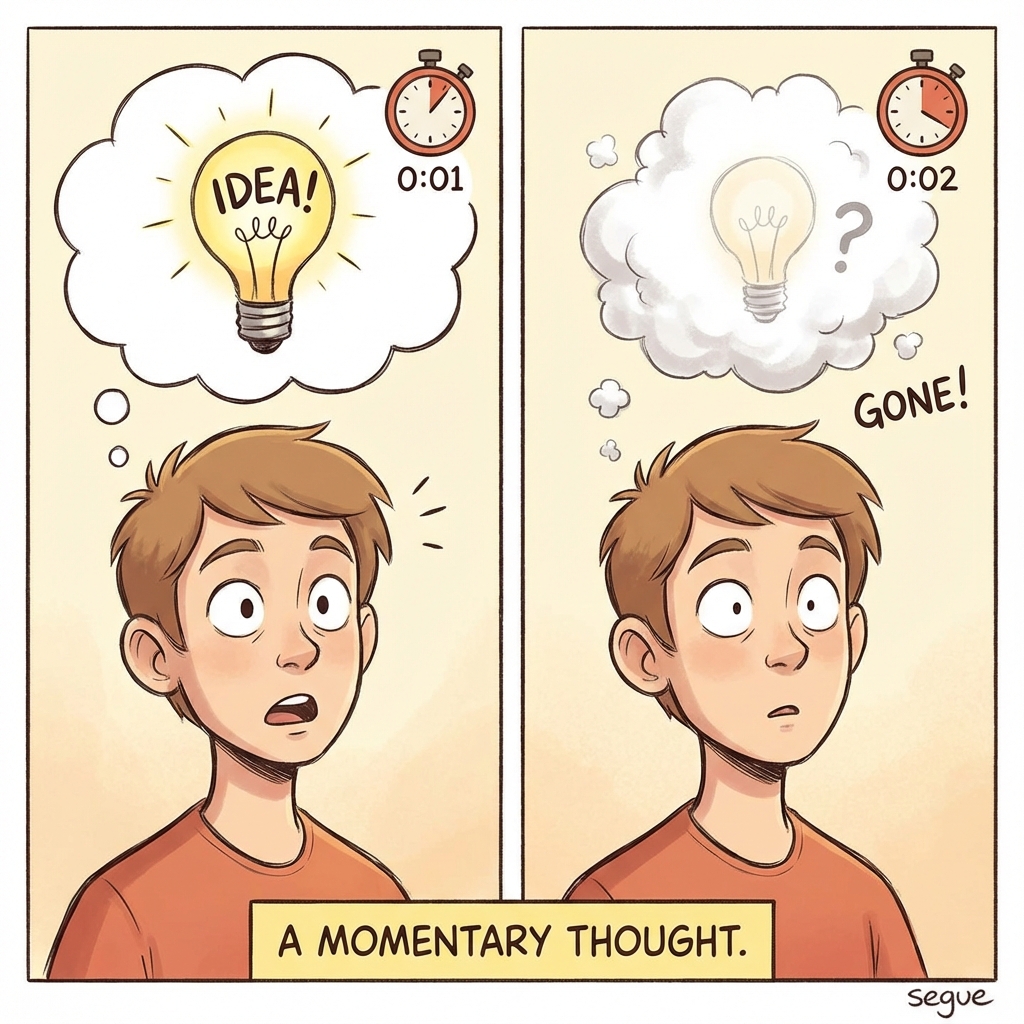
momentary
/ˈmoʊmənˌtɛɹi/lasting for a very short time; brief
“His momentary hesitation cost him the race.”
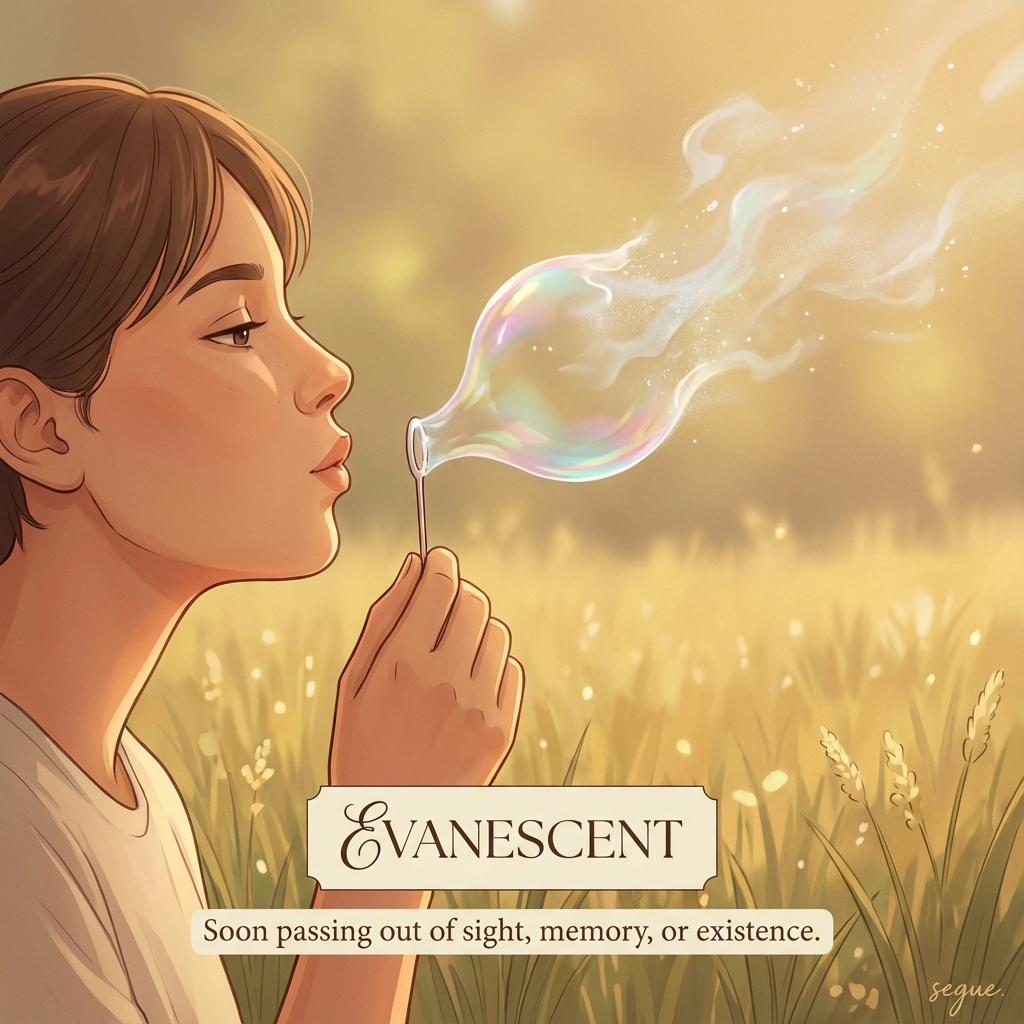
evanescent
/ˌɛvəˈnɛsənt/soon passing out of sight, memory, or existence
“The evanescent morning mist dissolved as the sun rose.”
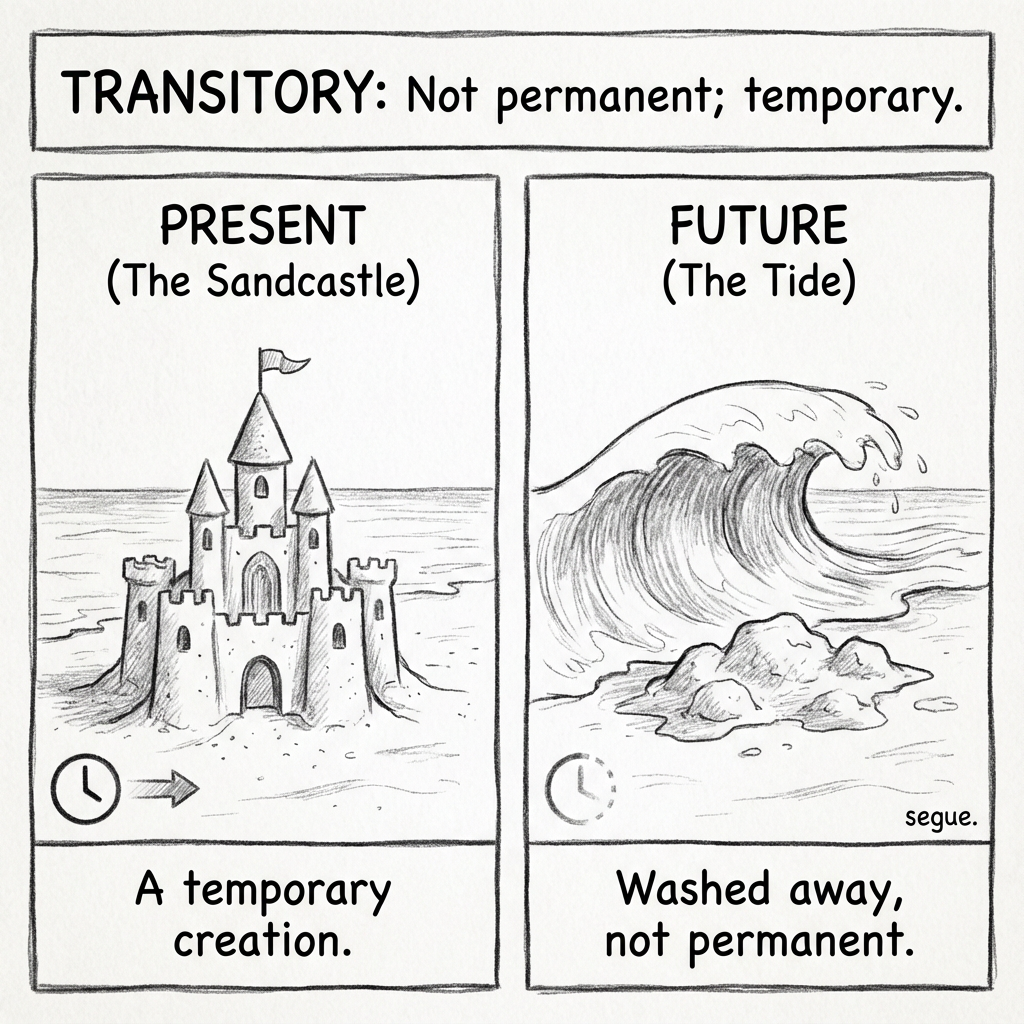
transitory
/ˈtɹænzəˌtɔɹi/not permanent; temporary
“All earthly pleasures are transitory.”
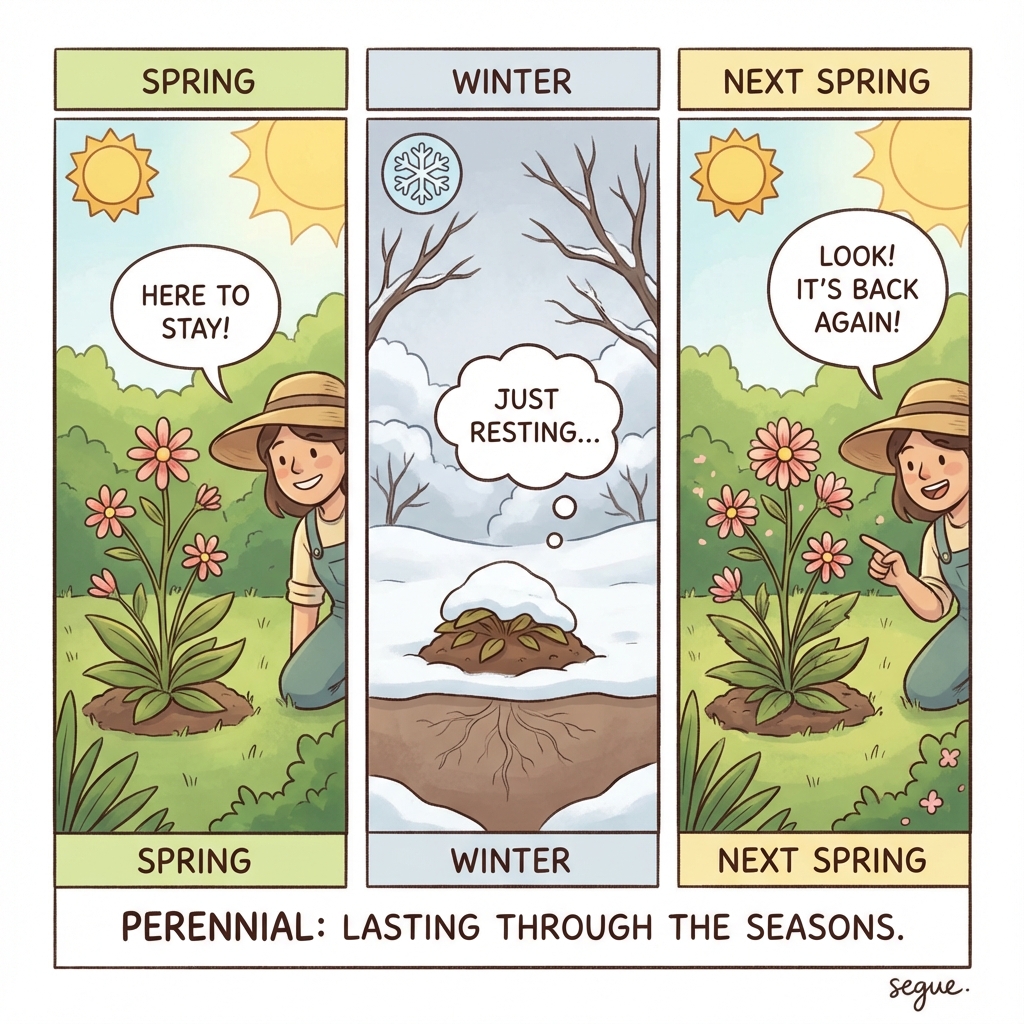
perennial
/pɝˈɛniəɫ/lasting for an indefinite time; enduring
“The perennial debate over nature versus nurture continues.”
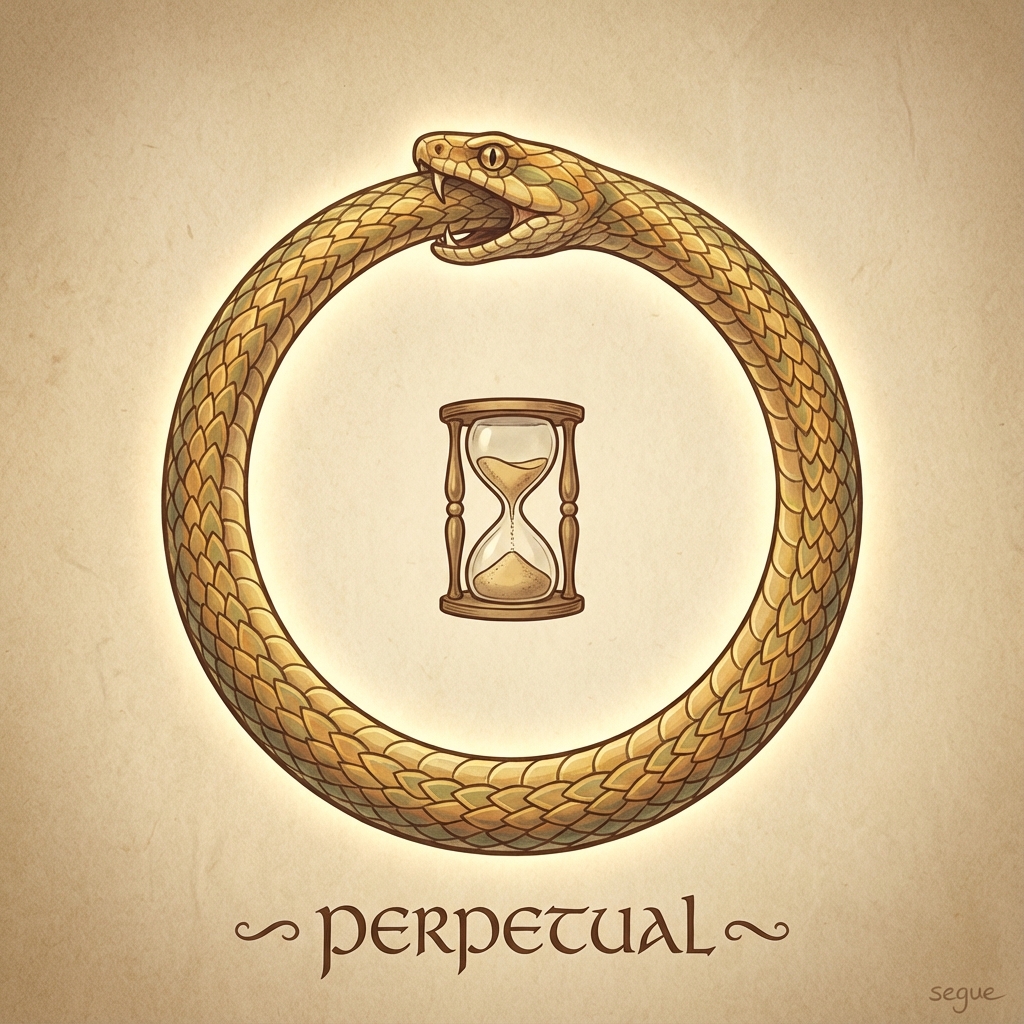
perpetual
/pɝˈpɛtʃuəɫ/never ending or changing; occurring repeatedly
“They lived in perpetual fear of discovery.”
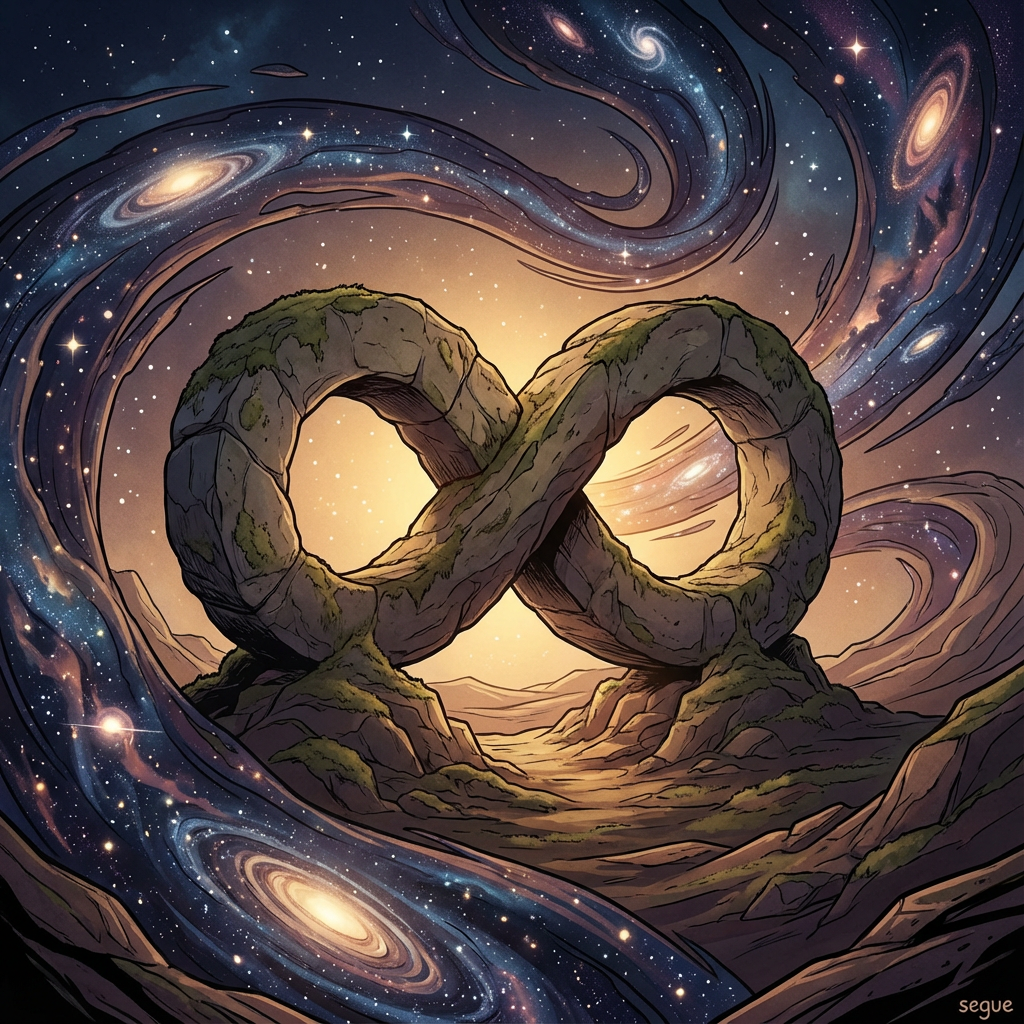
sempiternal
/ˌsempɪˈtɜːrnəl/eternal and unchanging; everlasting
“The philosopher spoke of sempiternal truths that transcend time.”
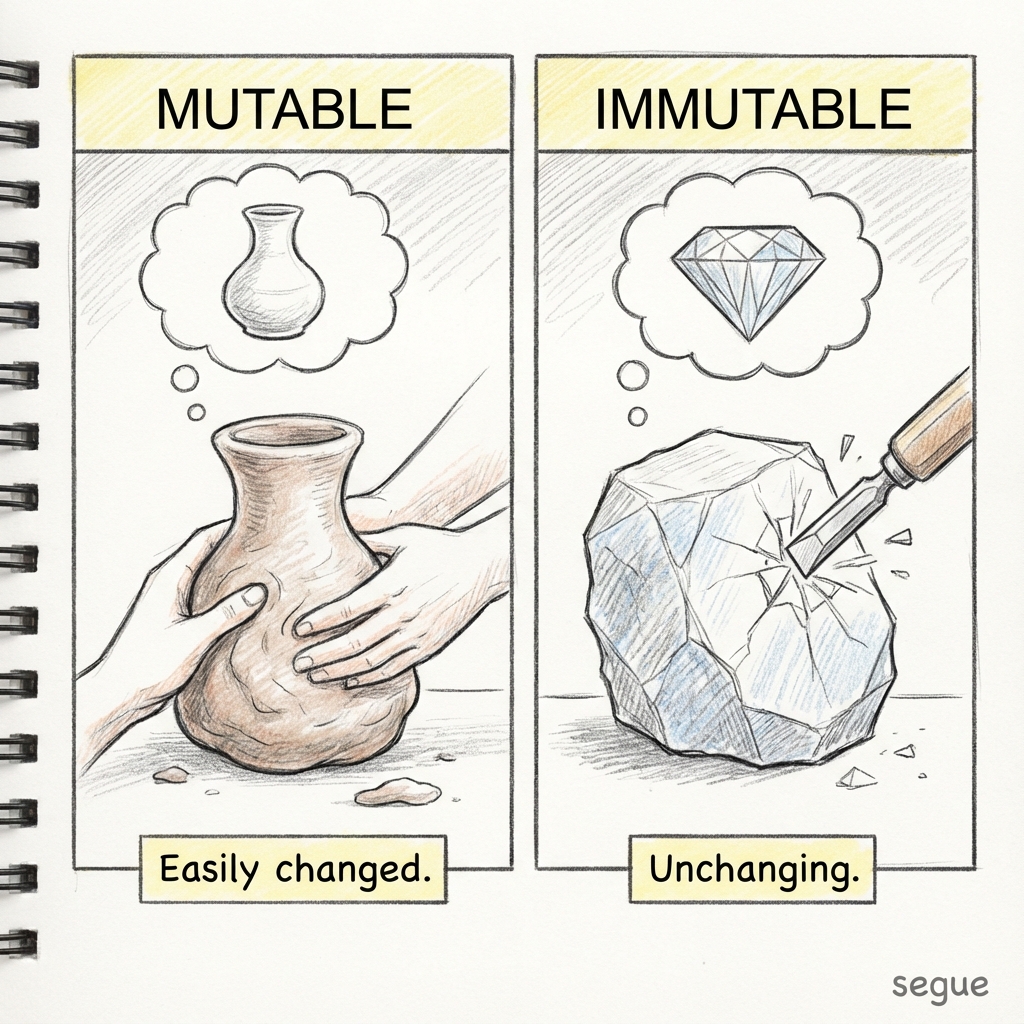
immutable
/ˌɪmˈjutəbəɫ/unchanging over time; permanent
“The laws of physics are immutable.”
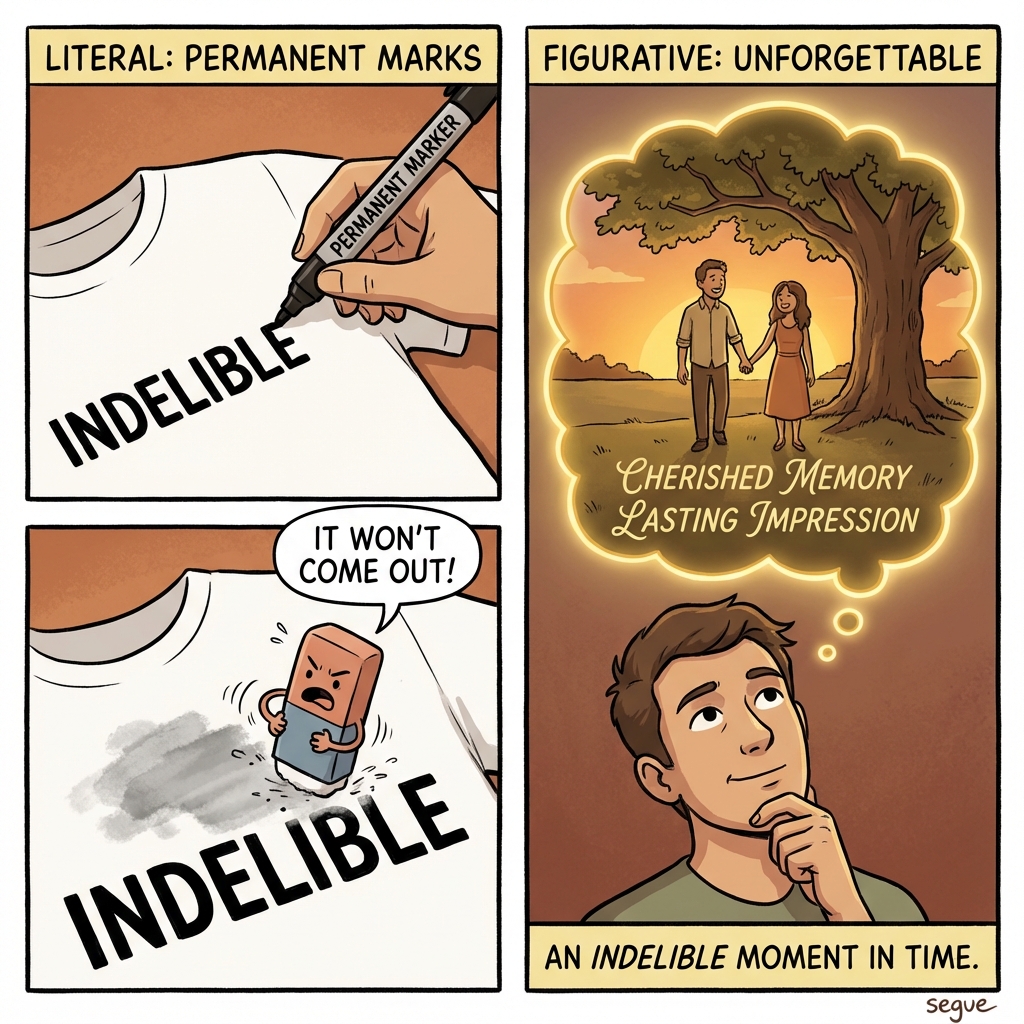
indelible
/ˌɪnˈdɛɫɪbəɫ/making marks that cannot be removed; unforgettable
“The war left an indelible impression on an entire generation.”
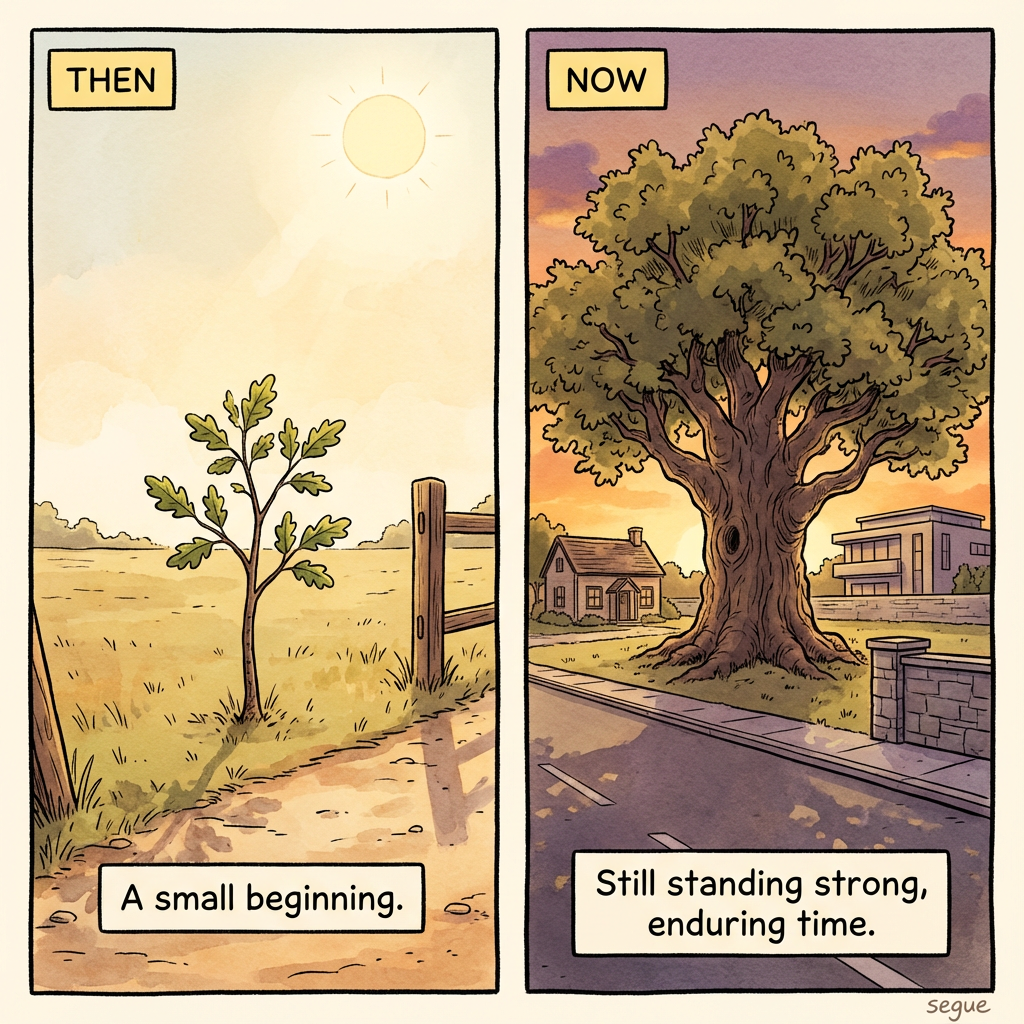
enduring
/ɛnˈdjʊɹɪŋ/lasting over a period of time; durable
“Their enduring friendship survived decades of separation.”
More from Time & Change
Explore other vocabulary categories in this collection.