Loading collection...
🤝
Diplomatic Phrases Vocabulary
Language for navigating difficult conversations with grace
10 words
All 10 Words
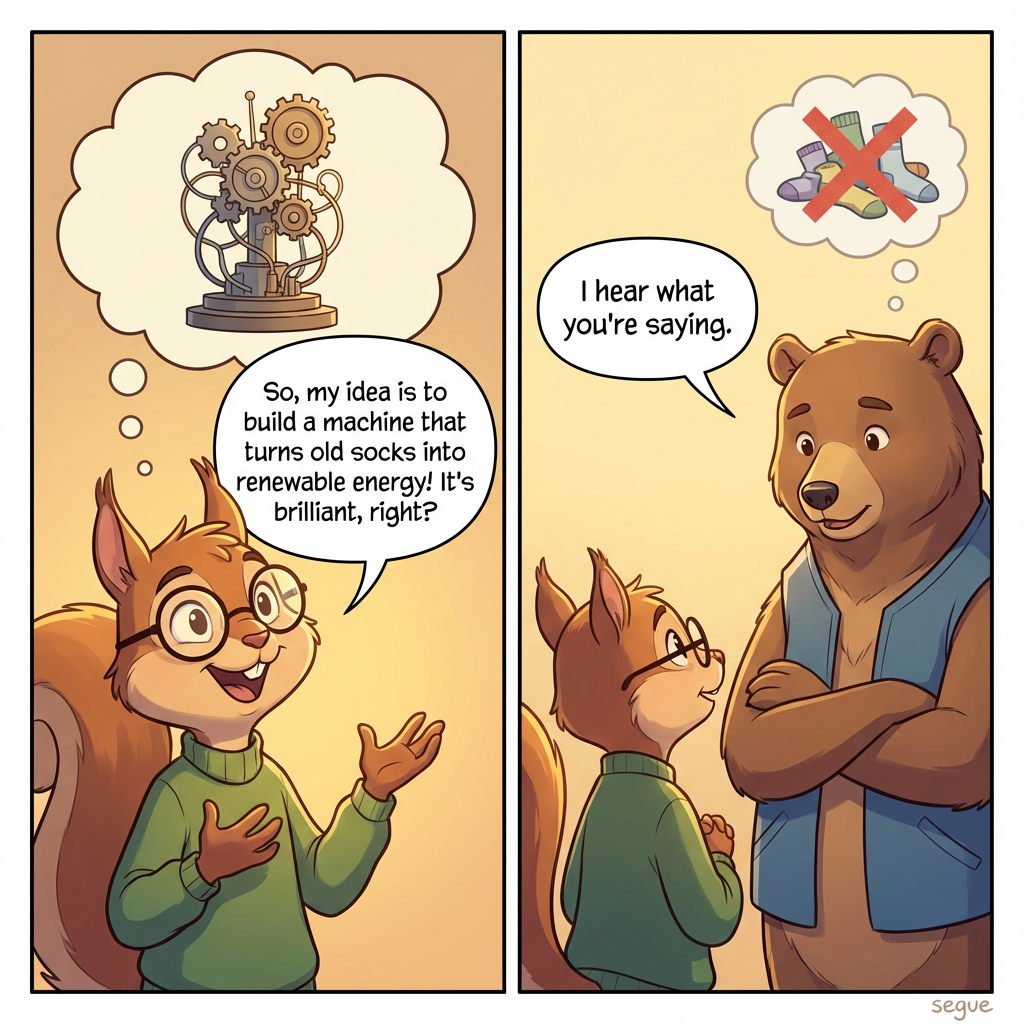
I hear what you're saying
/aɪ ˌhɪər wɒt jɔːr ˈseɪɪŋ/acknowledges the other's point without agreeing
“I hear what you're saying, and I'd like to offer a different perspective.”
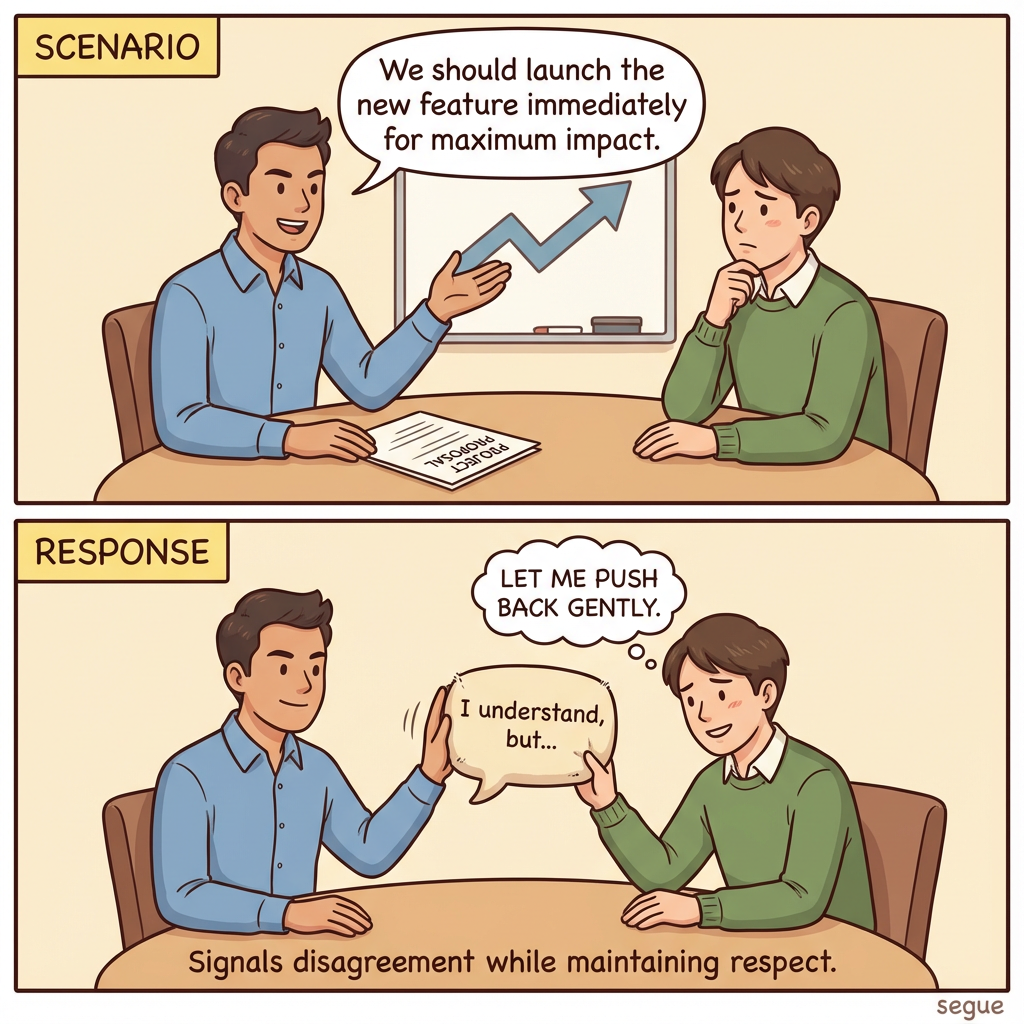
let me push back gently
/ˌlet miː ˌpʊʃ ˈbæk ˌdʒentli/signals disagreement while maintaining respect
“Let me push back gently on that assumption.”
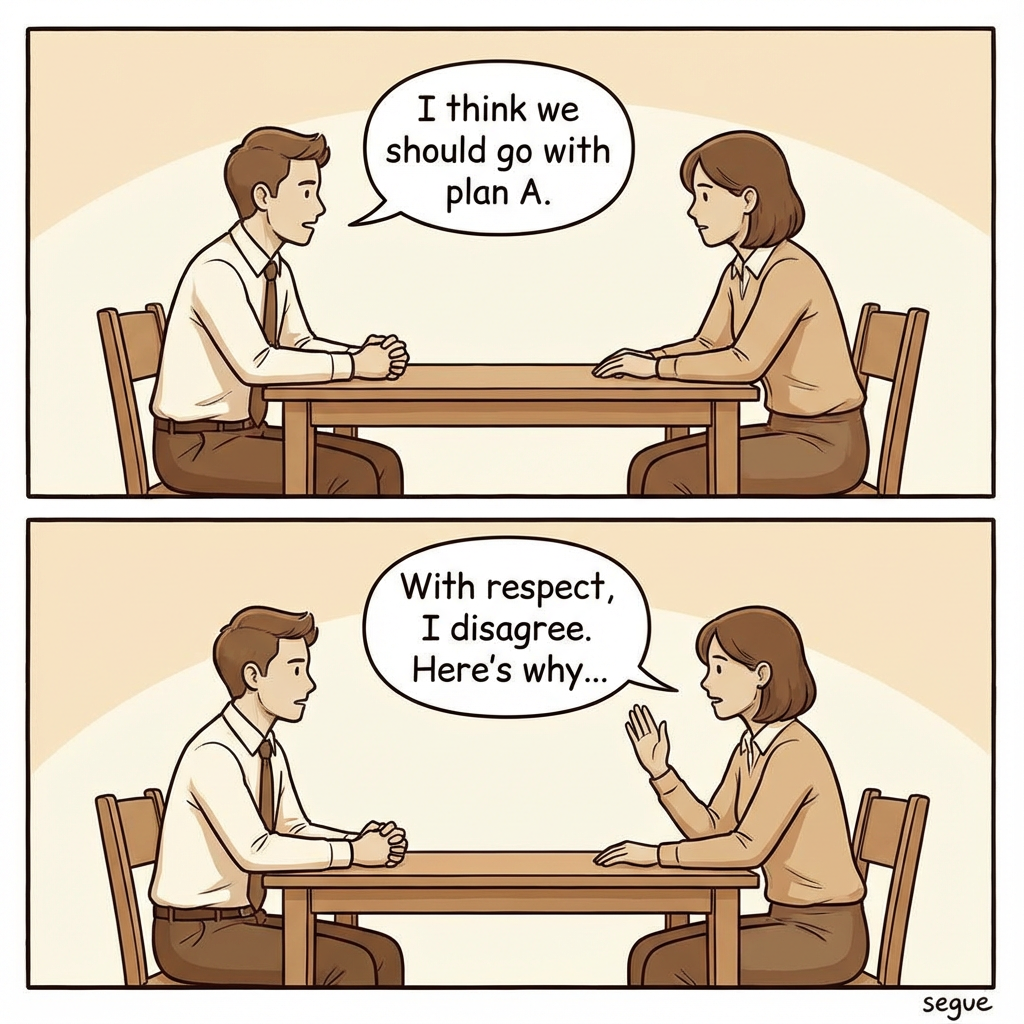
with respect
/wɪð rɪˈspekt/prefaces a contrary opinion while honoring the other person
“With respect, I see this differently.”

help me understand
/ˌhelp miː ˌʌndərˈstænd/requests clarification without implying the other is wrong
“Help me understand how you arrived at that conclusion.”
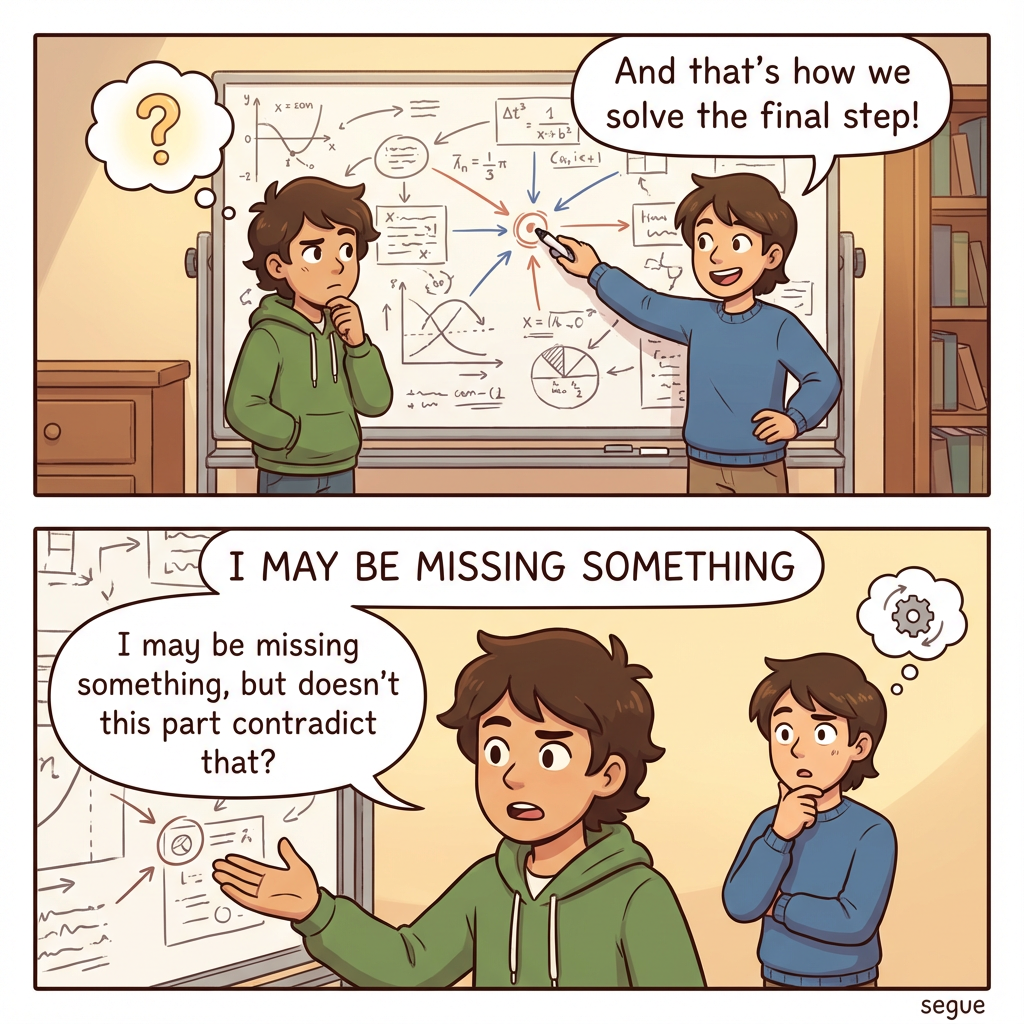
I may be missing something
/aɪ ˌmeɪ biː ˌmɪsɪŋ ˈsʌmθɪŋ/admits potential error while questioning the other's view
“I may be missing something, but doesn't that contradict what we agreed earlier?”
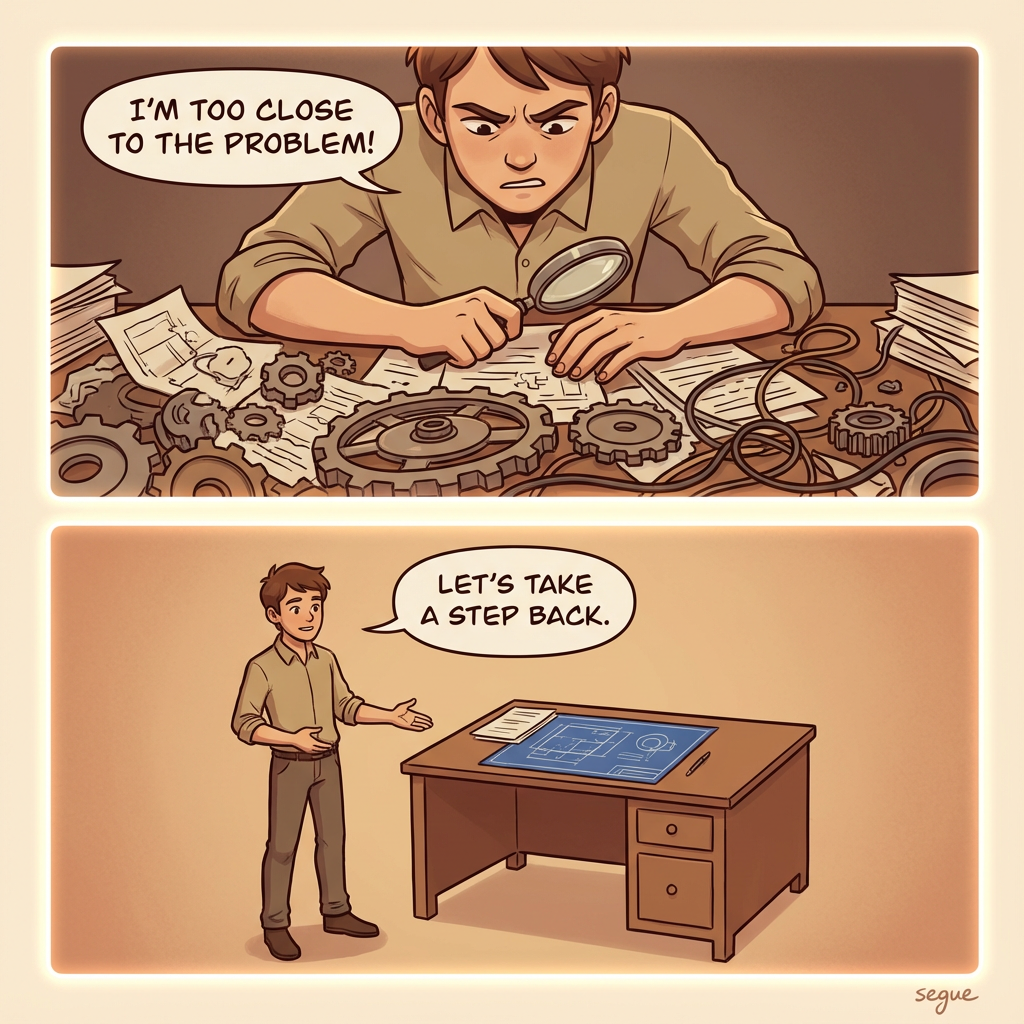
let's take a step back
/ˌlets ˌteɪk ə ˌstep ˈbæk/suggests pausing to reconsider the broader picture
“Let's take a step back and look at what we're really trying to achieve.”

I wonder if
/aɪ ˈwʌndər ɪf/introduces an idea tentatively to invite discussion
“I wonder if we might consider an alternative approach.”

fair point
/ˌfeər ˈpɔɪnt/concedes validity without full agreement
“Fair point. That said, there are other factors to consider.”
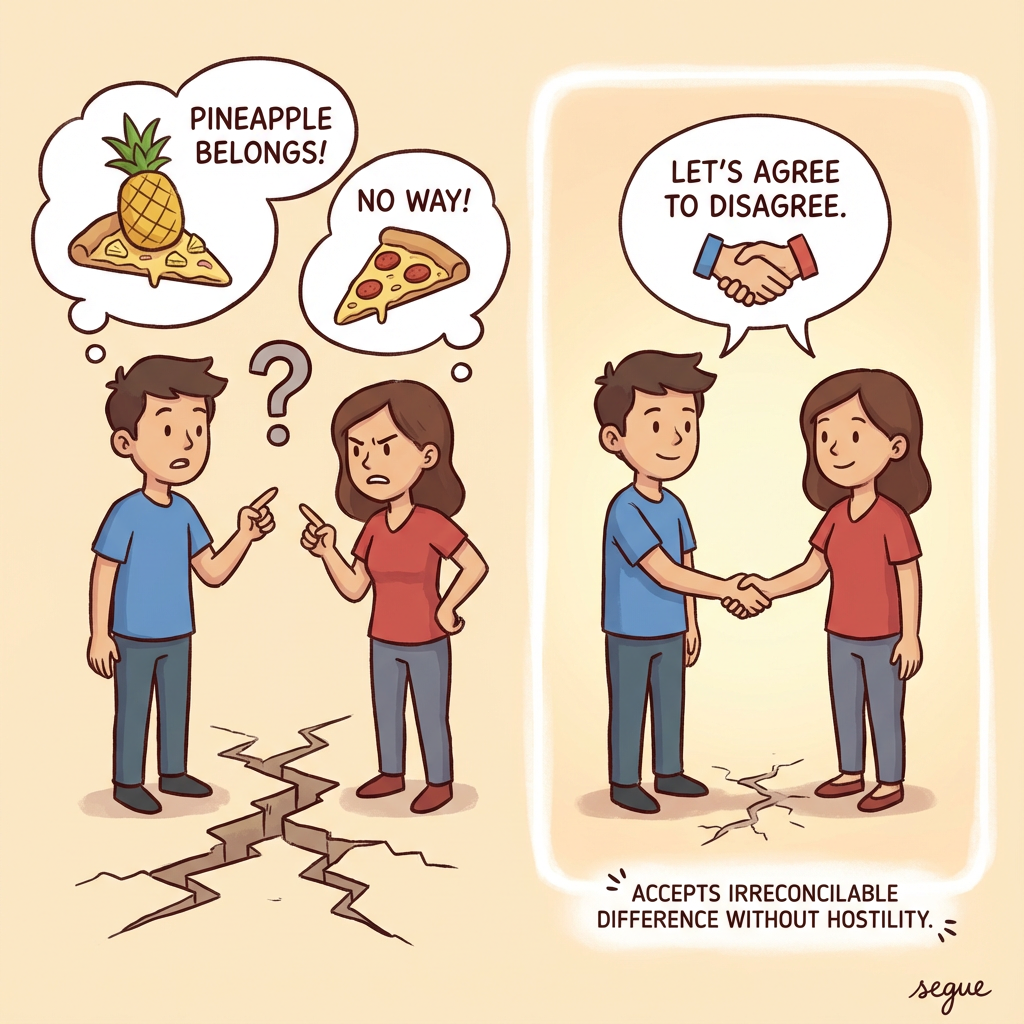
let's agree to disagree
/ˌlets əˌɡriː tə dɪsəˈɡriː/accepts irreconcilable difference without hostility
“On this, let's agree to disagree and move forward.”
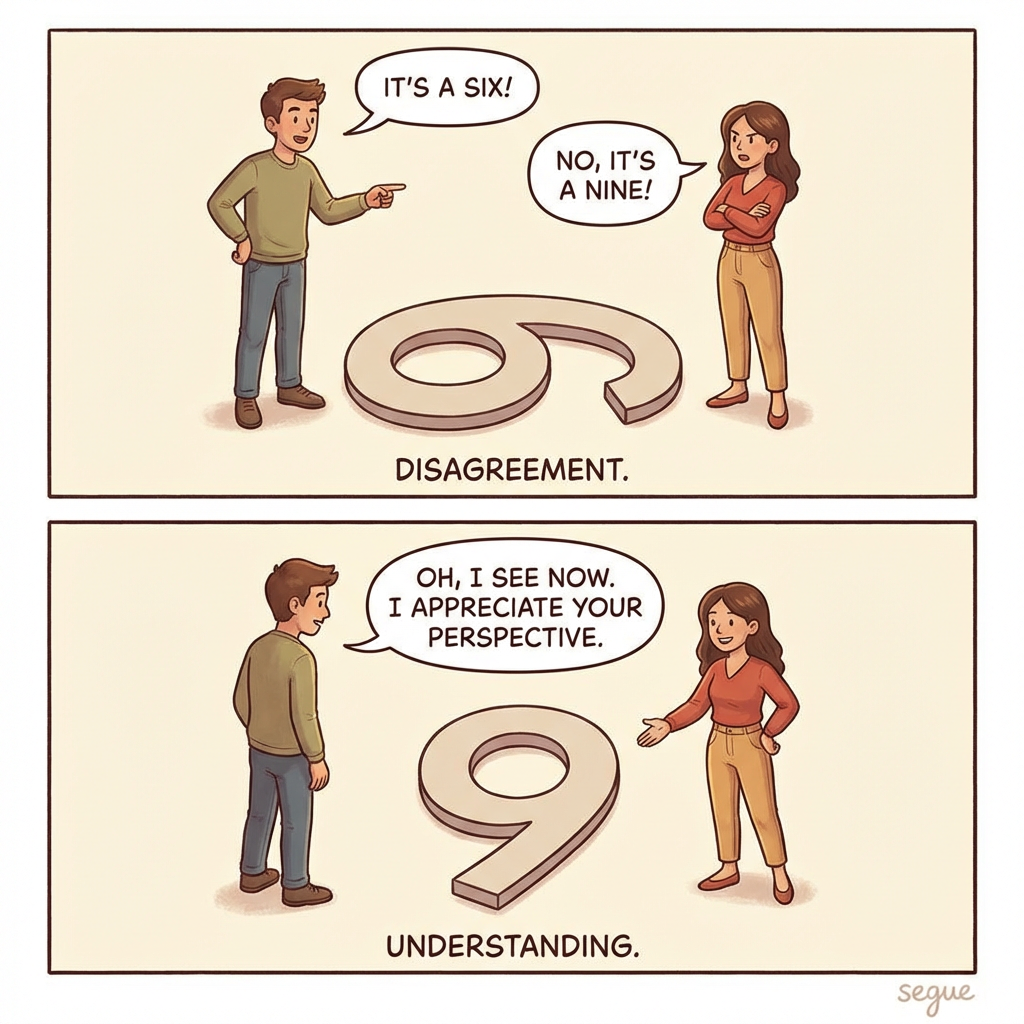
I appreciate your perspective
/aɪ əˌpriːʃieɪt jɔːr pərˈspektɪv/values the other's viewpoint even in disagreement
“I appreciate your perspective, even though I reach a different conclusion.”
More from Communication
Explore other vocabulary categories in this collection.