Loading collection...
🔥
Degree & Intensity Vocabulary
Words describing levels, extremes, and gradations
22 words
All 22 Words

paramount
/ˈpɛɹəˌmaʊnt/more important than anything else; supreme
“Safety is of paramount importance in this industry.”

quintessential
/ˌkwɪntɪˈsɛnʃəɫ/representing the most perfect example of a quality
“She is the quintessential professional.”

consummate
/ˈkɑnsəˌmeɪt/showing great skill and flair; complete or perfect
“He was a consummate diplomat who never offended anyone.”

superlative
/sʊˈpɝɫətɪv/of the highest quality or degree
“Her superlative performance earned a standing ovation.”

mediocre
/ˌmidiˈoʊkɝ/of only moderate quality; not very good
“The film received mediocre reviews from critics.”
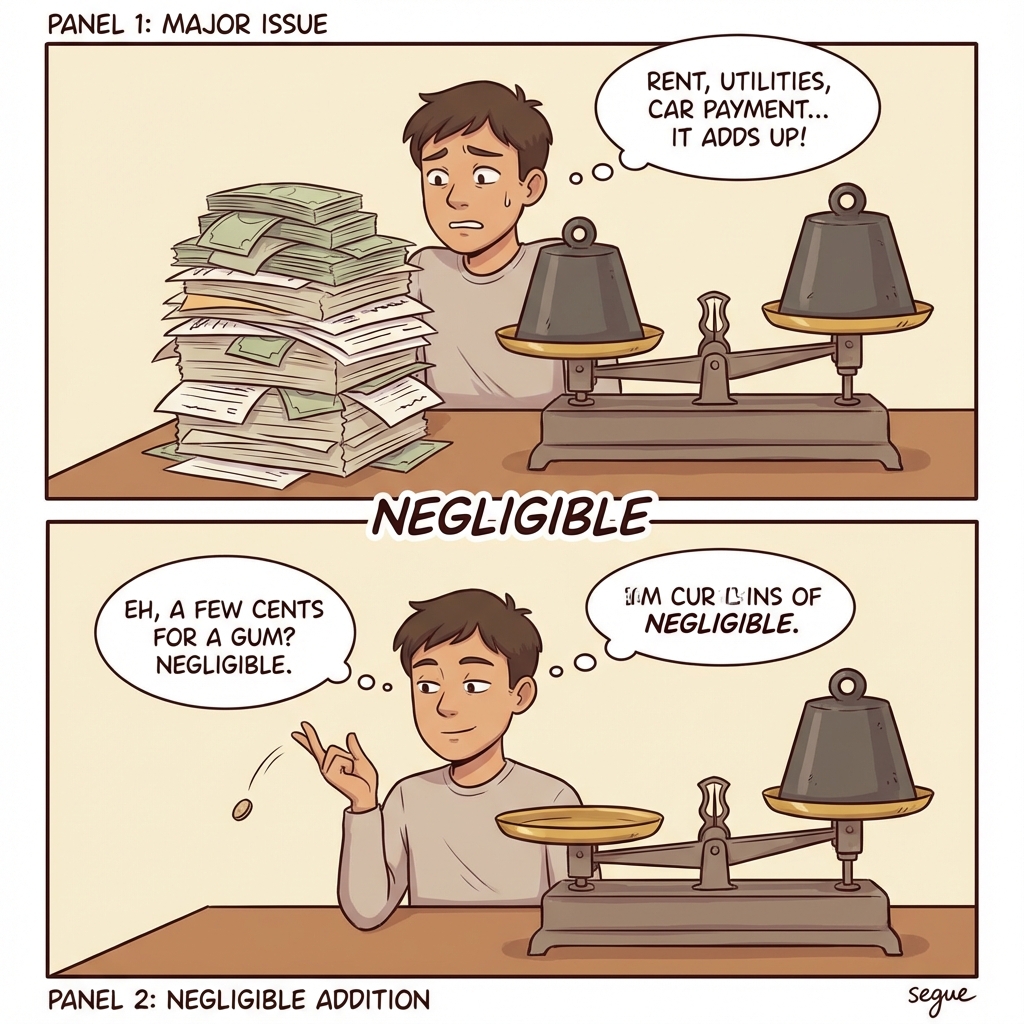
negligible
/ˈnɛɡɫədʒəbəɫ/so small or unimportant as to be not worth considering
“The difference in price is negligible.”
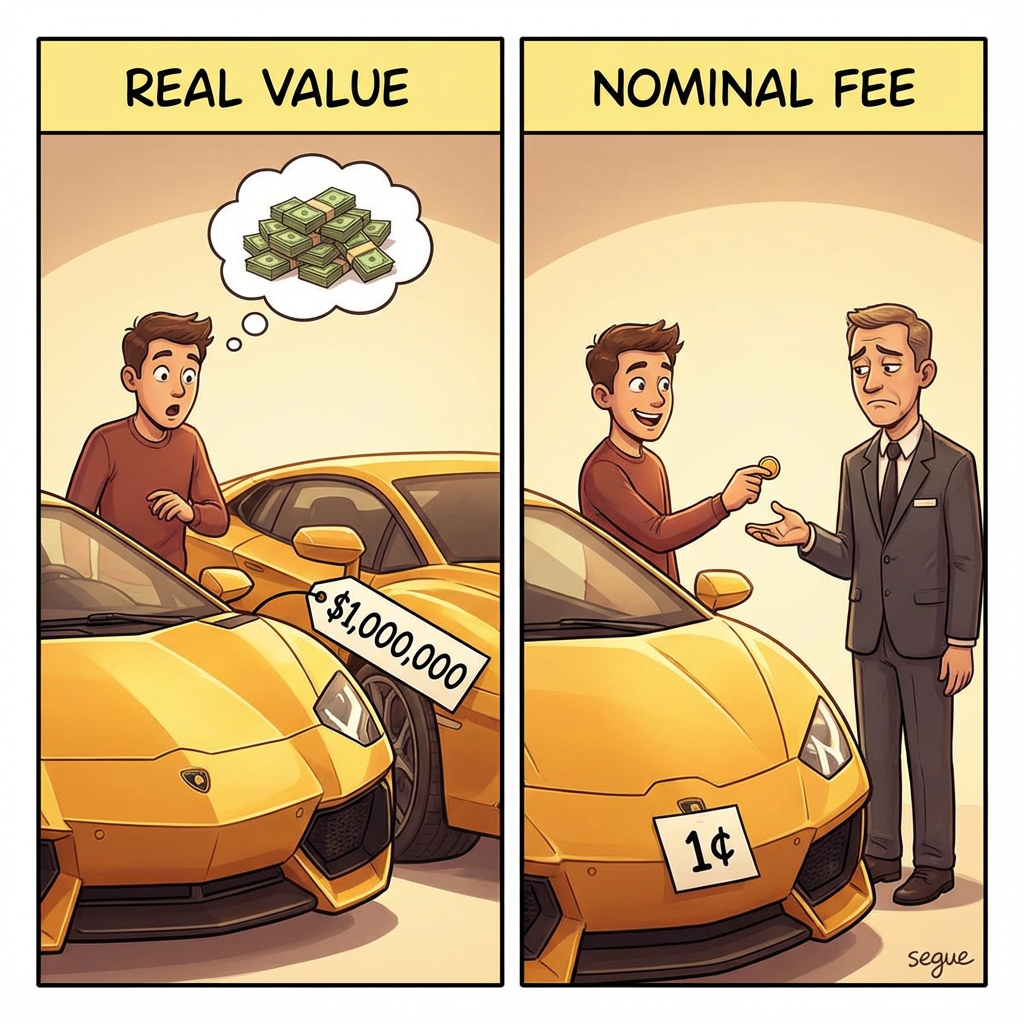
nominal
/ˈnɑmənəɫ/very small; far below the real value or cost
“They charge only a nominal fee for the service.”
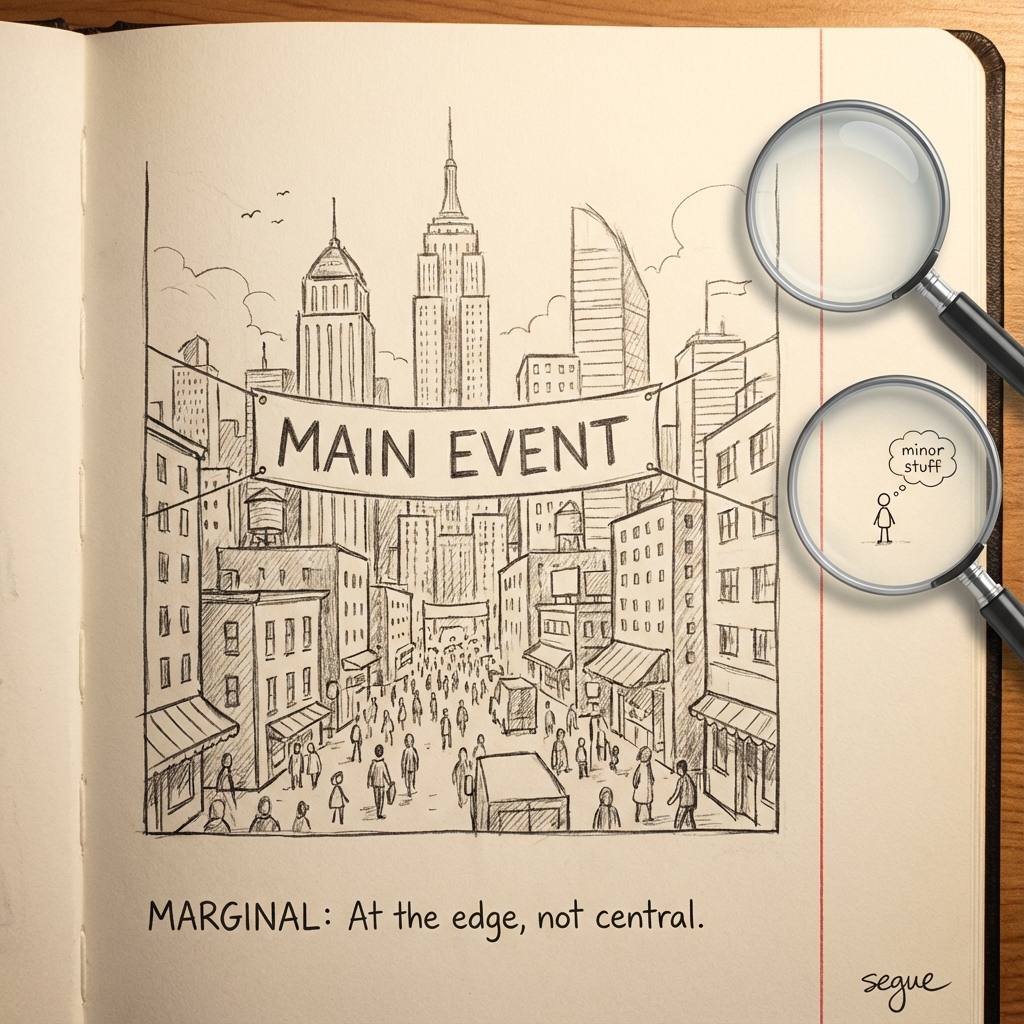
marginal
/ˈmɑɹdʒənəɫ/minor and not important; at the edge or limit
“The improvement was marginal at best.”
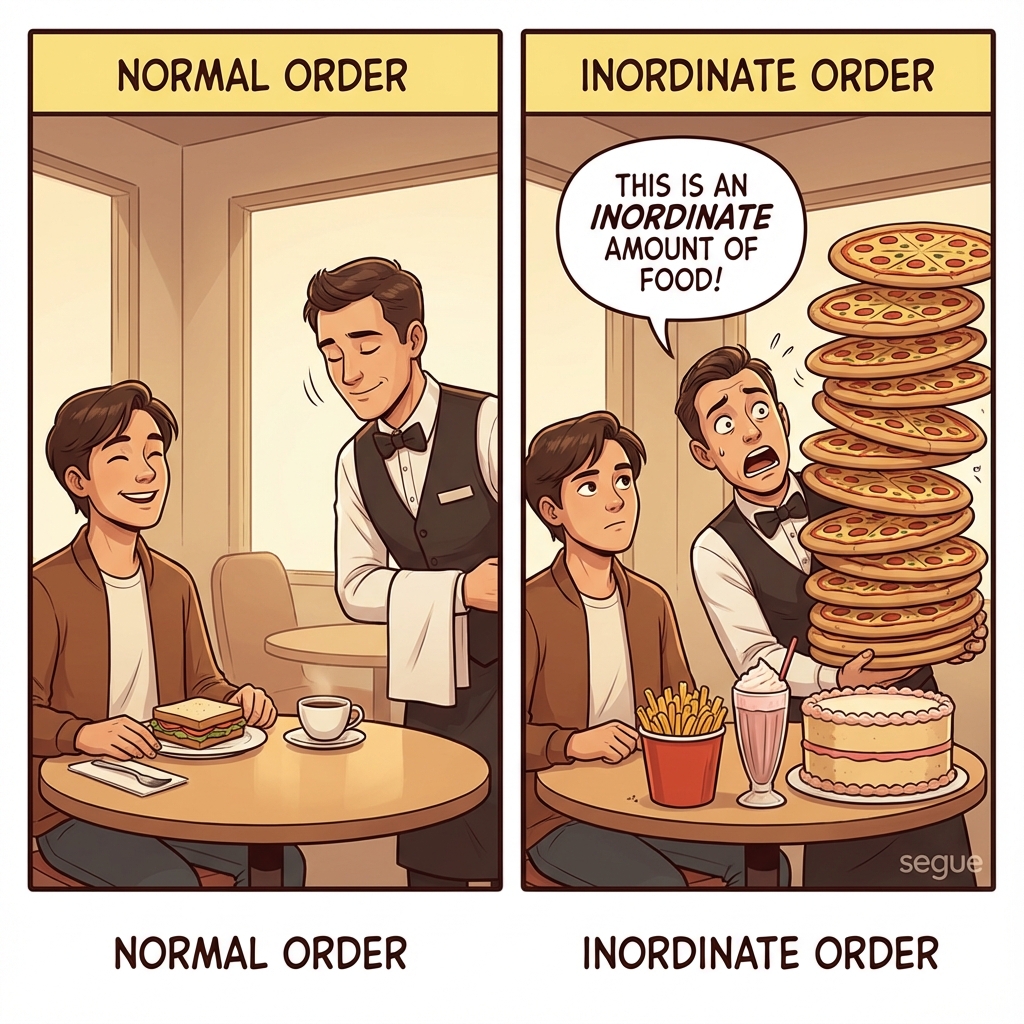
inordinate
/ˌɪˈnɔɹdənɪt/unusually or disproportionately large; excessive
“He spent an inordinate amount of time on trivial details.”

exorbitant
/ɪɡˈzɔɹbɪtənt/unreasonably high; exceeding proper limits
“The hotel charges exorbitant prices during peak season.”
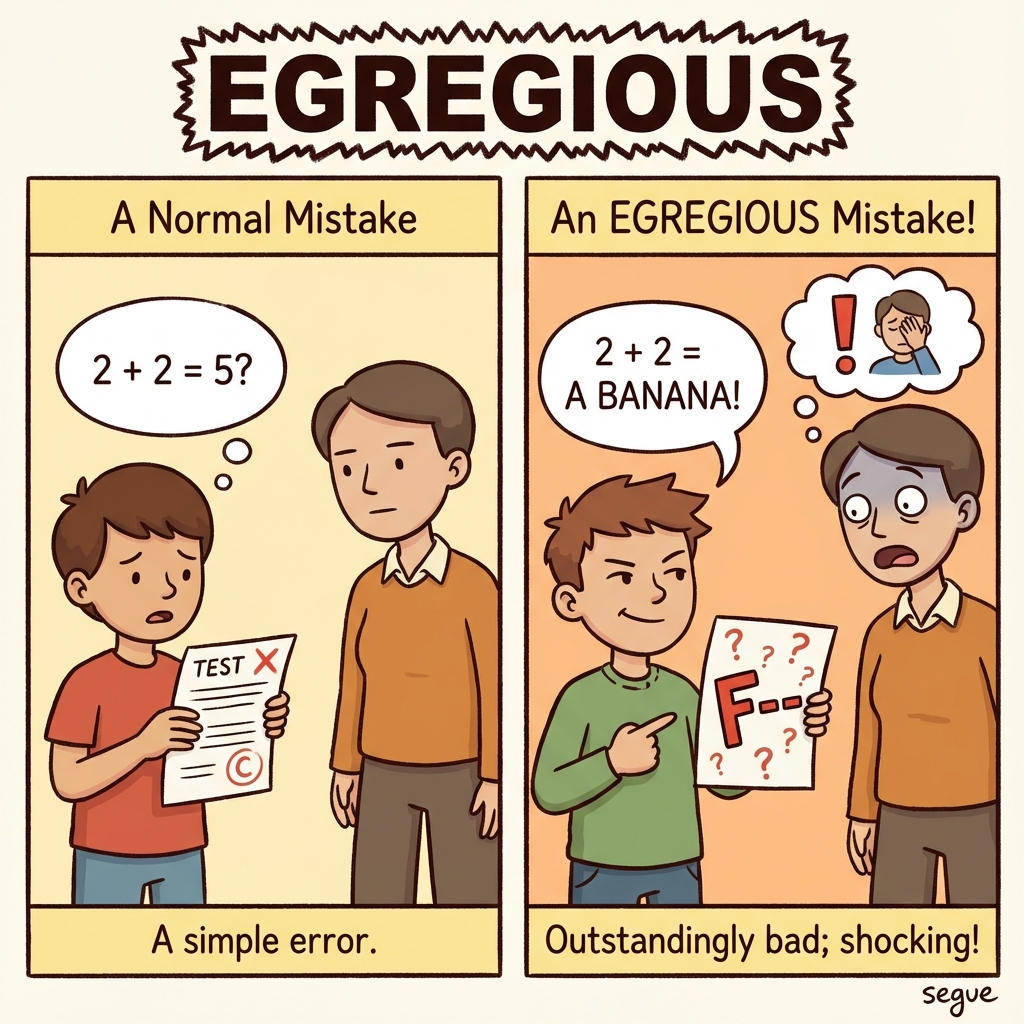
egregious
/ɪˈɡɹidʒəs/outstandingly bad; shocking
“The report contained egregious errors.”

flagrant
/ˈfɫeɪɡɹənt/conspicuously or obviously offensive
“The flagrant violation of rules led to disqualification.”

stark
/ˈstɑɹk/severe or bare in appearance; complete and absolute
“The stark contrast between rich and poor was evident.”

utter
/ˈətɝ/complete; absolute
“The project was an utter failure.”

sheer
/ˈʃɪɹ/nothing other than; unmitigated
“It was sheer luck that saved them.”

abject
/ˈæbdʒɛkt/experienced or present to the maximum degree
“They lived in abject poverty.”

profound
/pɹoʊˈfaʊnd/very great or intense; having deep meaning
“The loss had a profound effect on the family.”
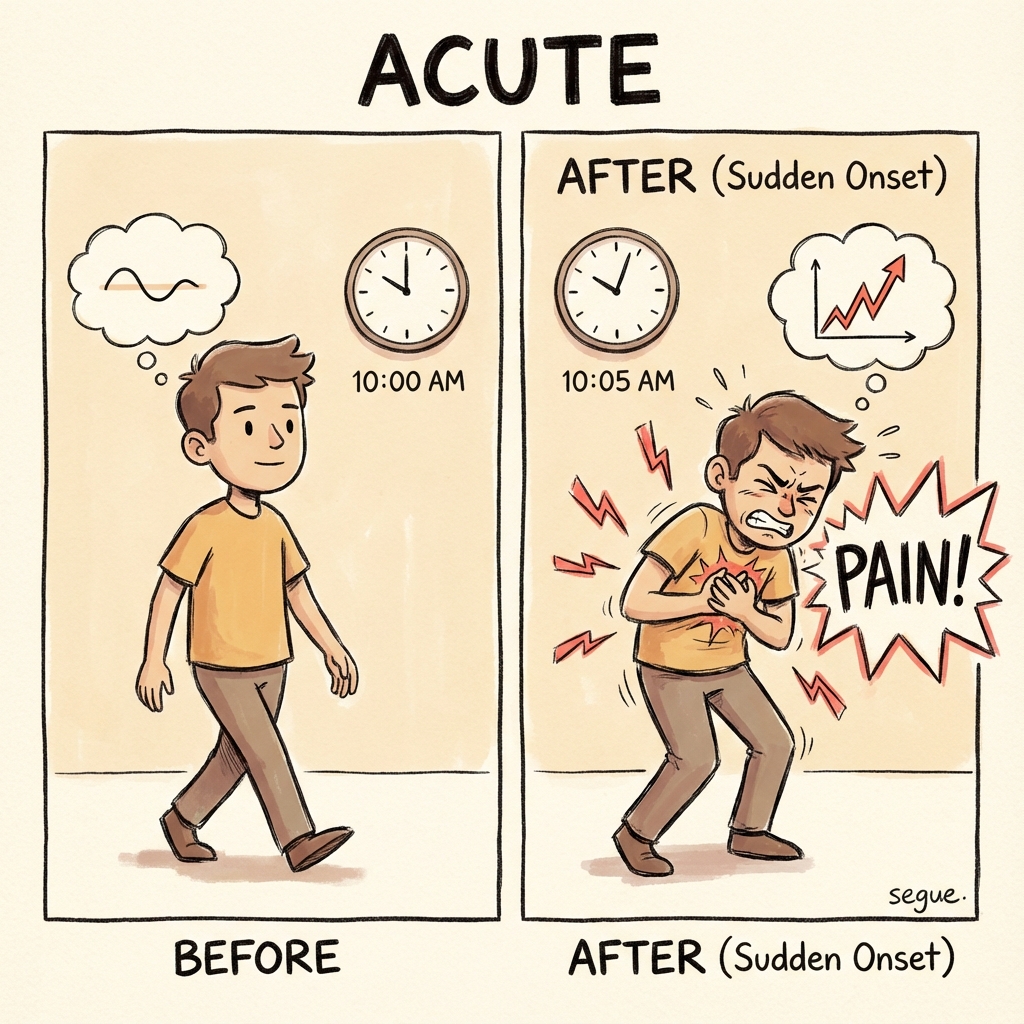
acute
/əkˈjut/present or experienced to a severe degree
“There is an acute shortage of nurses.”
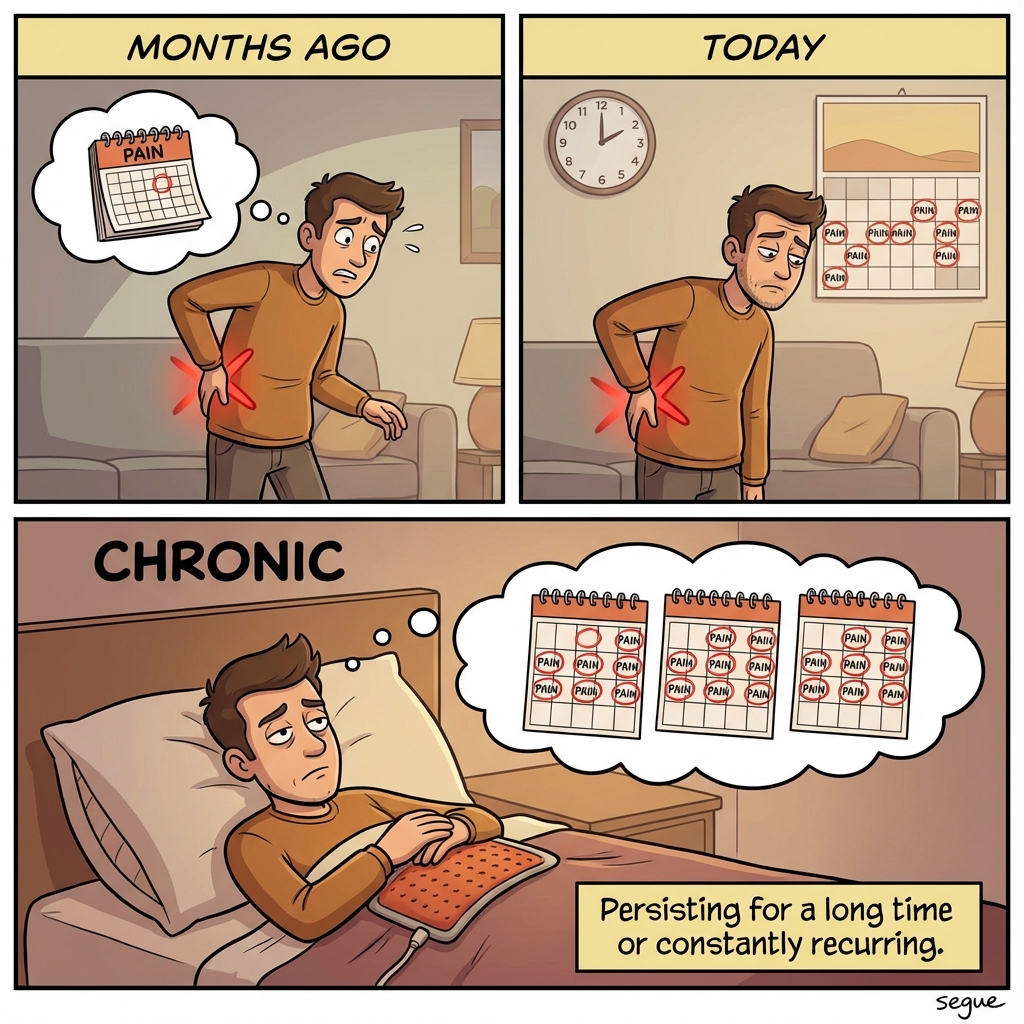
chronic
/ˈkɹɑnɪk/persisting for a long time; constantly recurring
“The region suffers from chronic underinvestment.”
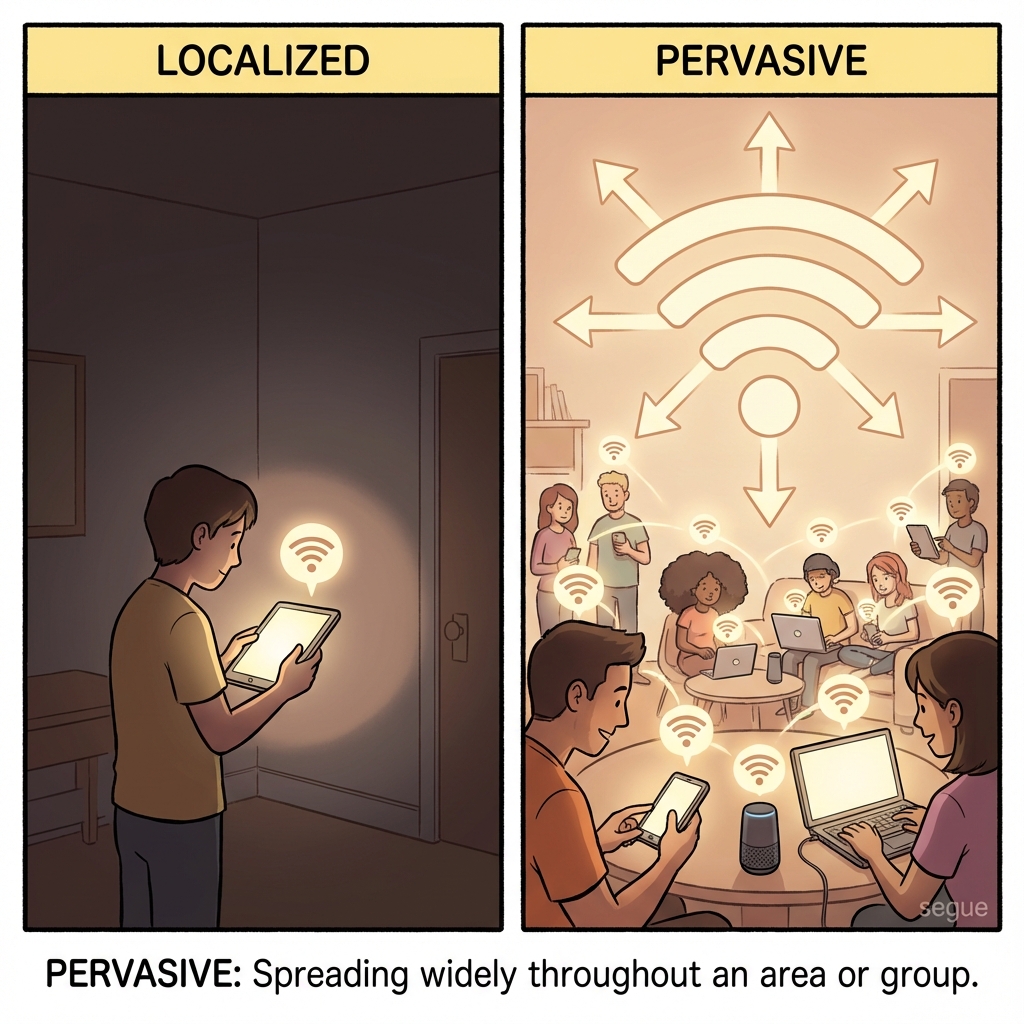
pervasive
/pɝˈveɪsɪv/spreading widely throughout an area or group
“Corruption is pervasive in the system.”
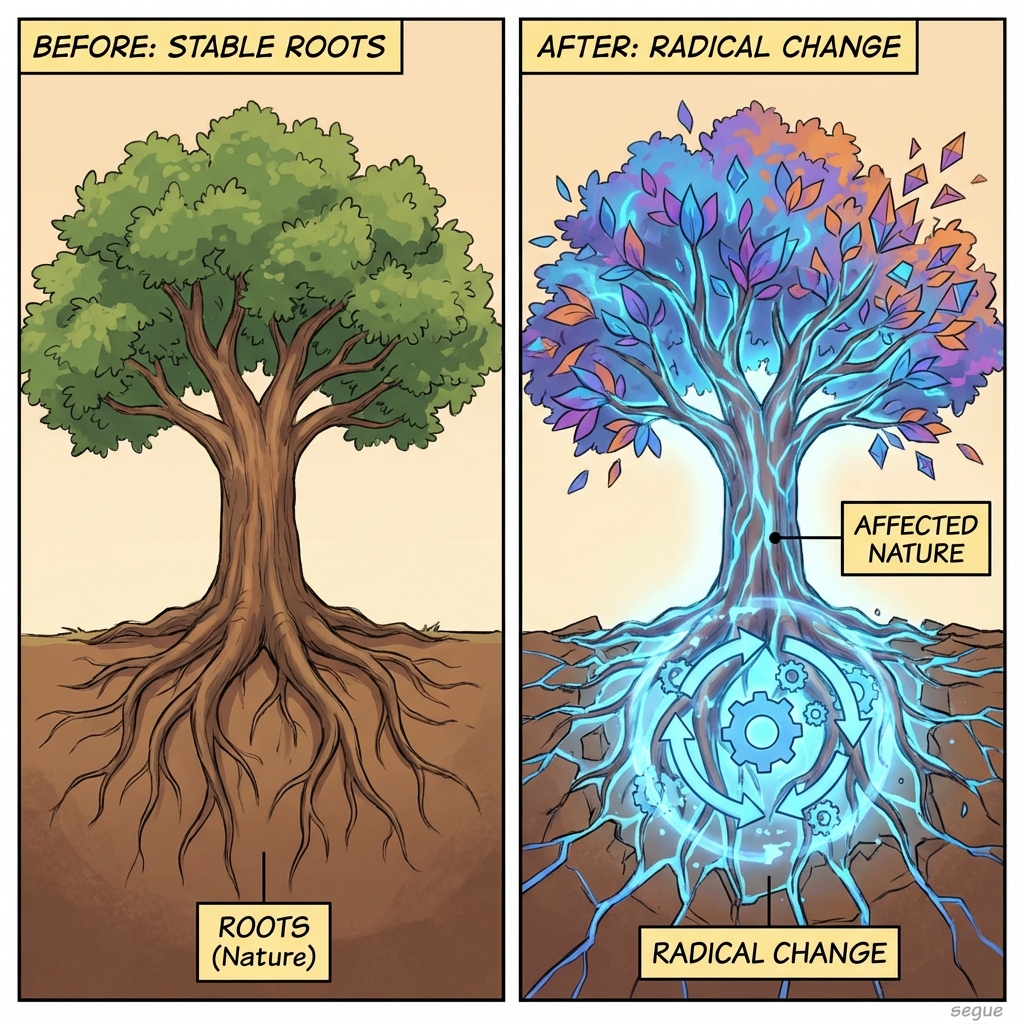
radical
/ˈɹædəkəɫ/relating to or affecting the fundamental nature of something
“Radical changes were needed to save the company.”

drastic
/ˈdɹæstɪk/likely to have a strong or far-reaching effect; radical and extreme
“They took drastic measures to cut costs.”
More from Quantity & Degree
Explore other vocabulary categories in this collection.