Loading collection...
🍂
Decay & Deterioration Vocabulary
Words for decline, rot, and environmental degradation
10 words
All 10 Words
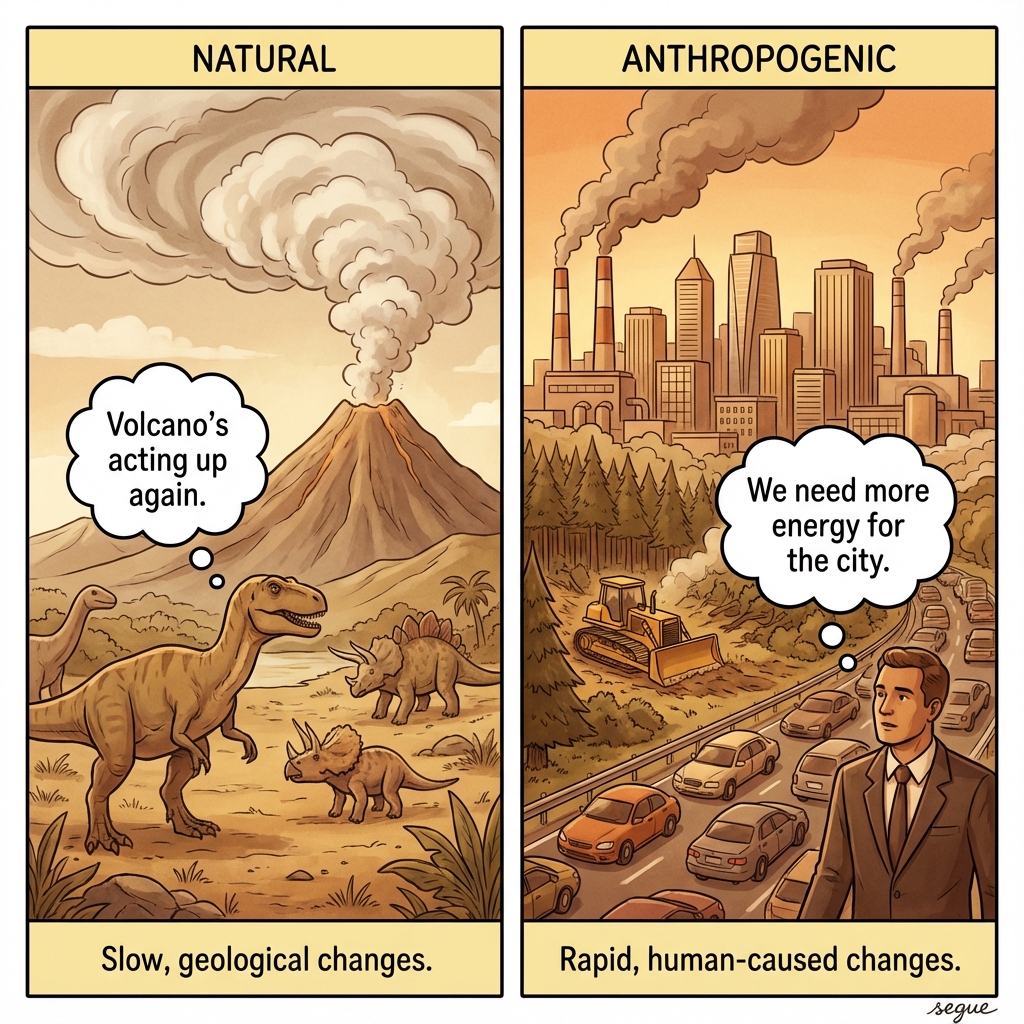
anthropogenic
/ˌænθɹəpəˈdʒɛnɪk/originating from human activity
“Climate change is largely anthropogenic in origin.”
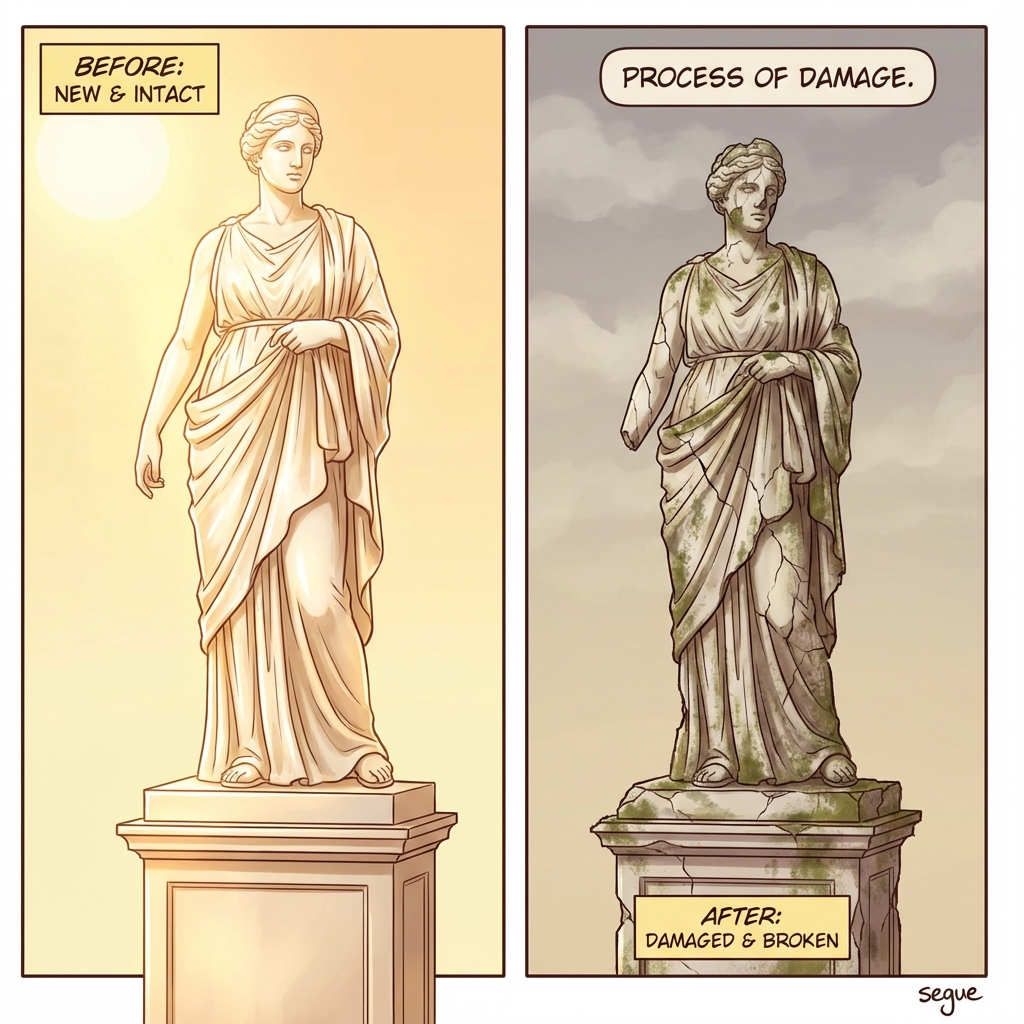
degradation
/ˌdɛɡɹəˈdeɪʃən/the condition of being damaged or the process of damaging
“Environmental degradation threatens future generations.”
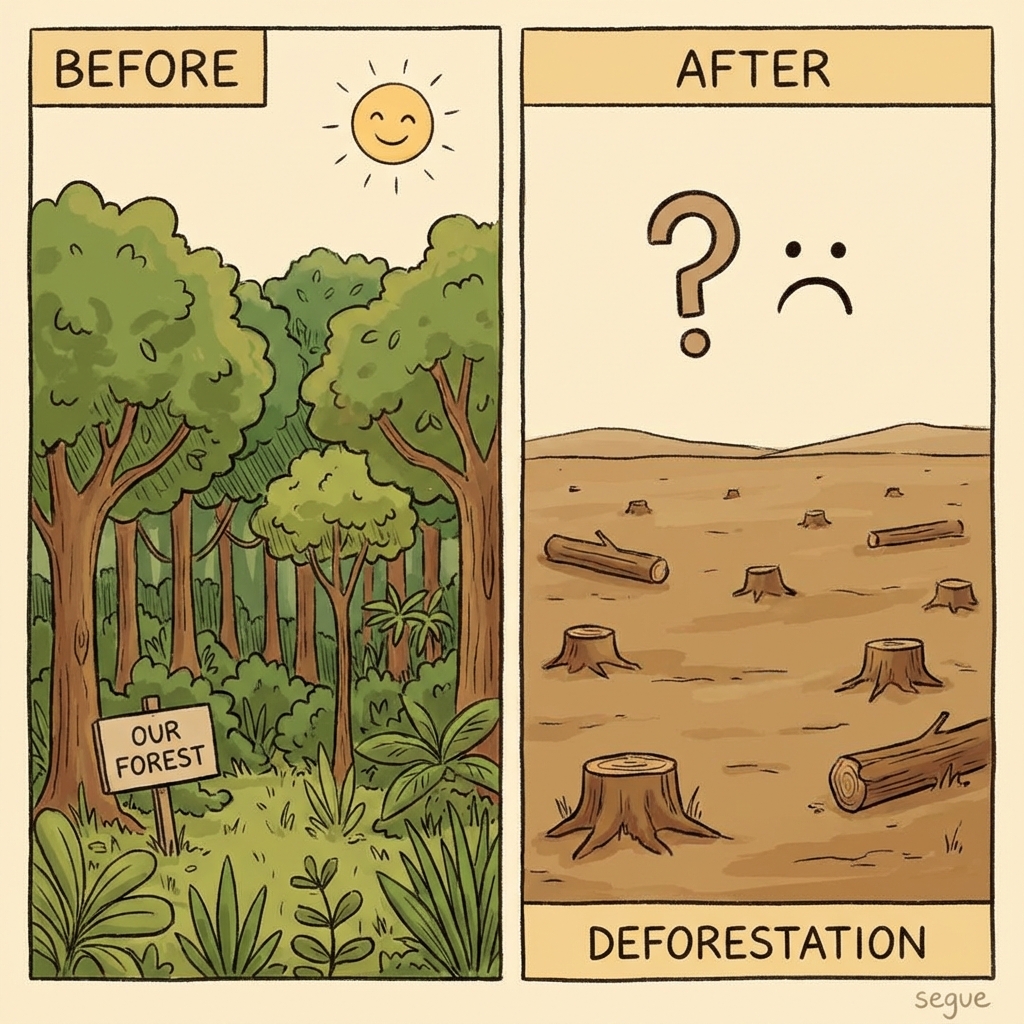
deforestation
/dɪˌfɔɹɪˈsteɪʃən/the action of clearing forests
“Deforestation in the Amazon has accelerated alarmingly.”
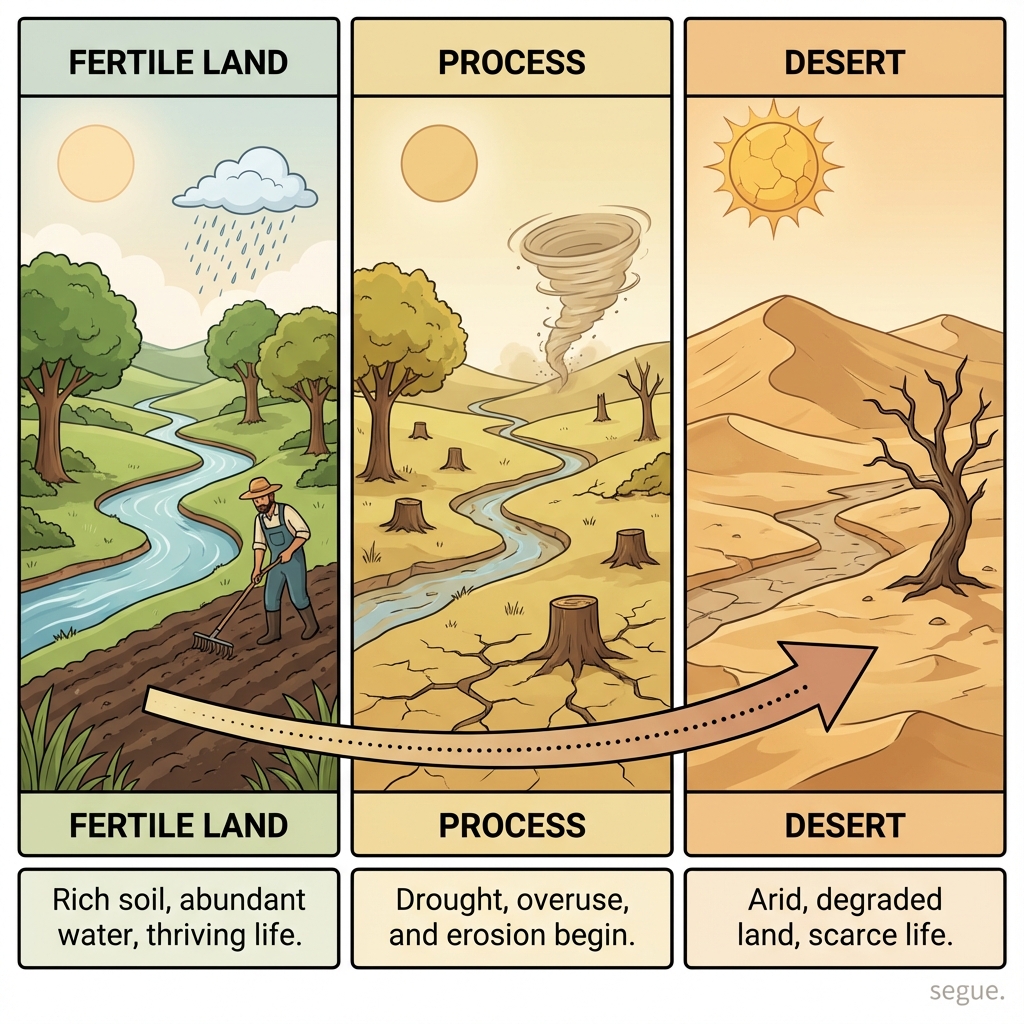
desertification
/dɪˌzɜːrtɪfɪˈkeɪʃən/the process by which fertile land becomes desert
“Overgrazing contributed to the desertification of the region.”
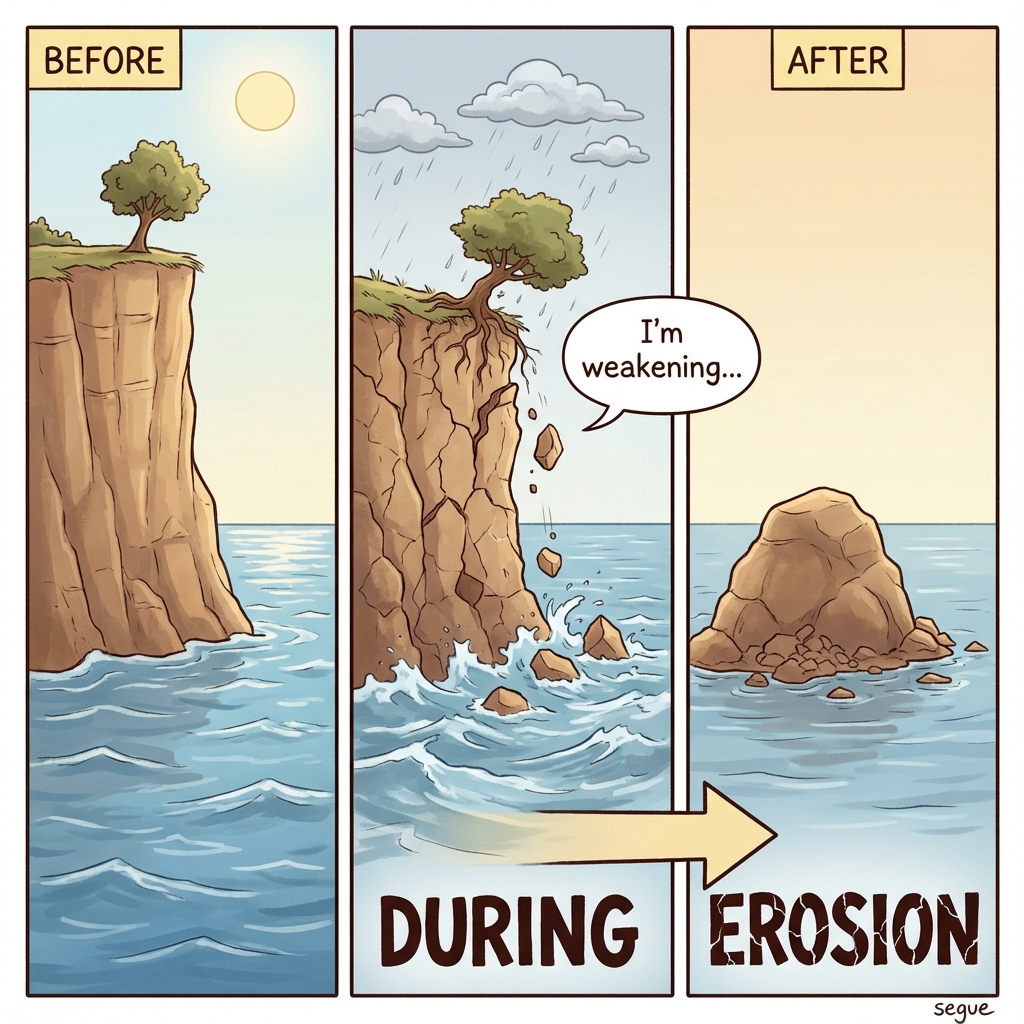
erosion
/ɪˈɹoʊʒən/the gradual destruction by natural forces
“Coastal erosion threatens properties along the shore.”
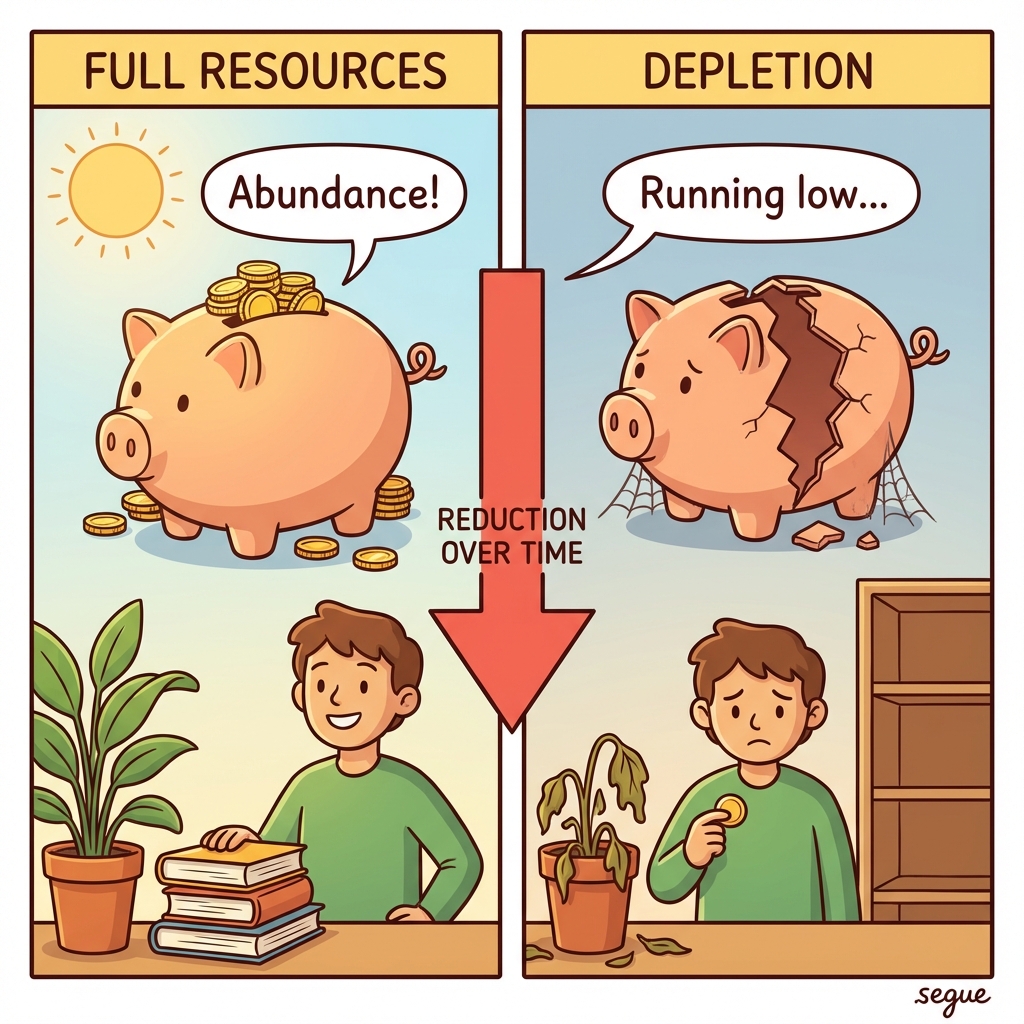
depletion
/dɪˈpɫiʃən/reduction in the number or quantity of something
“The depletion of fish stocks concerns environmentalists.”
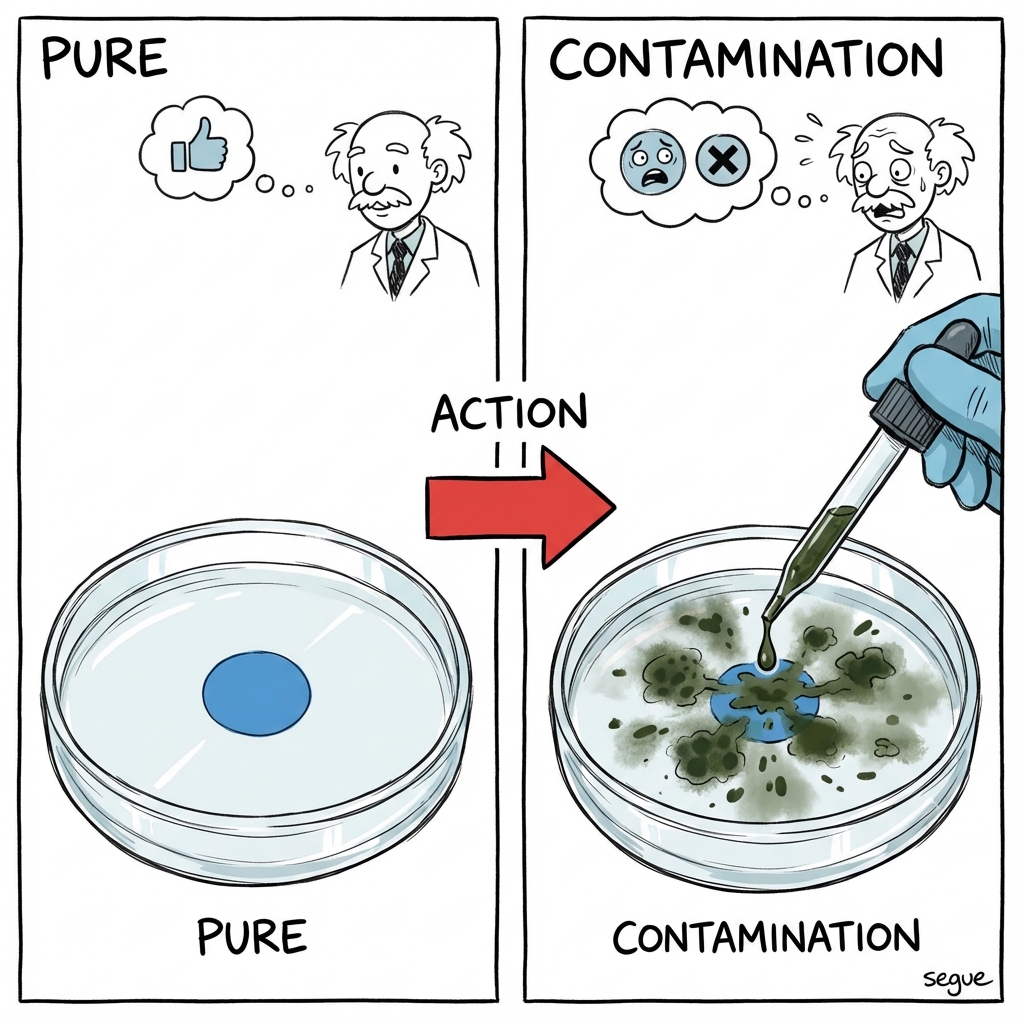
contamination
/kənˌtæməˈneɪʃən/the action of making something impure
“Groundwater contamination affected the entire community.”
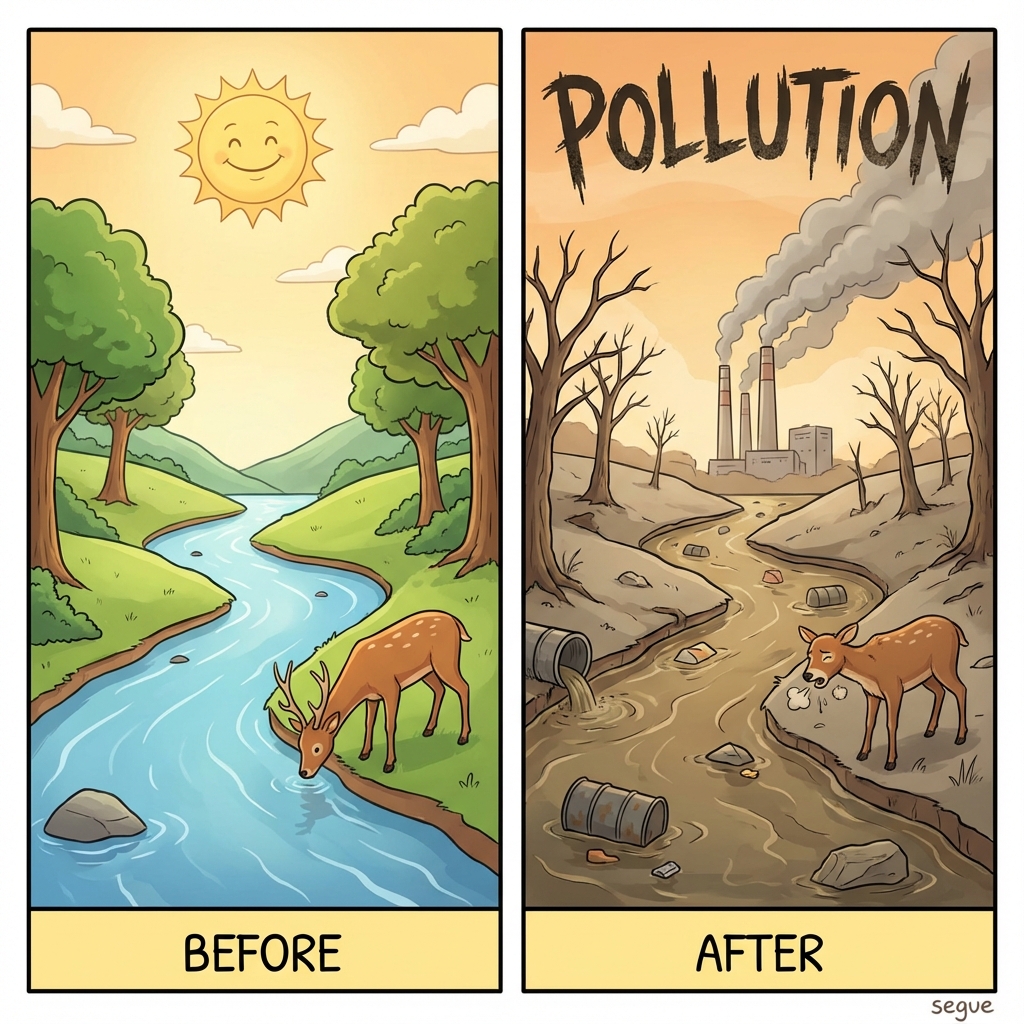
pollution
/pəˈɫuʃən/the presence of harmful substances in the environment
“Air pollution causes millions of premature deaths annually.”
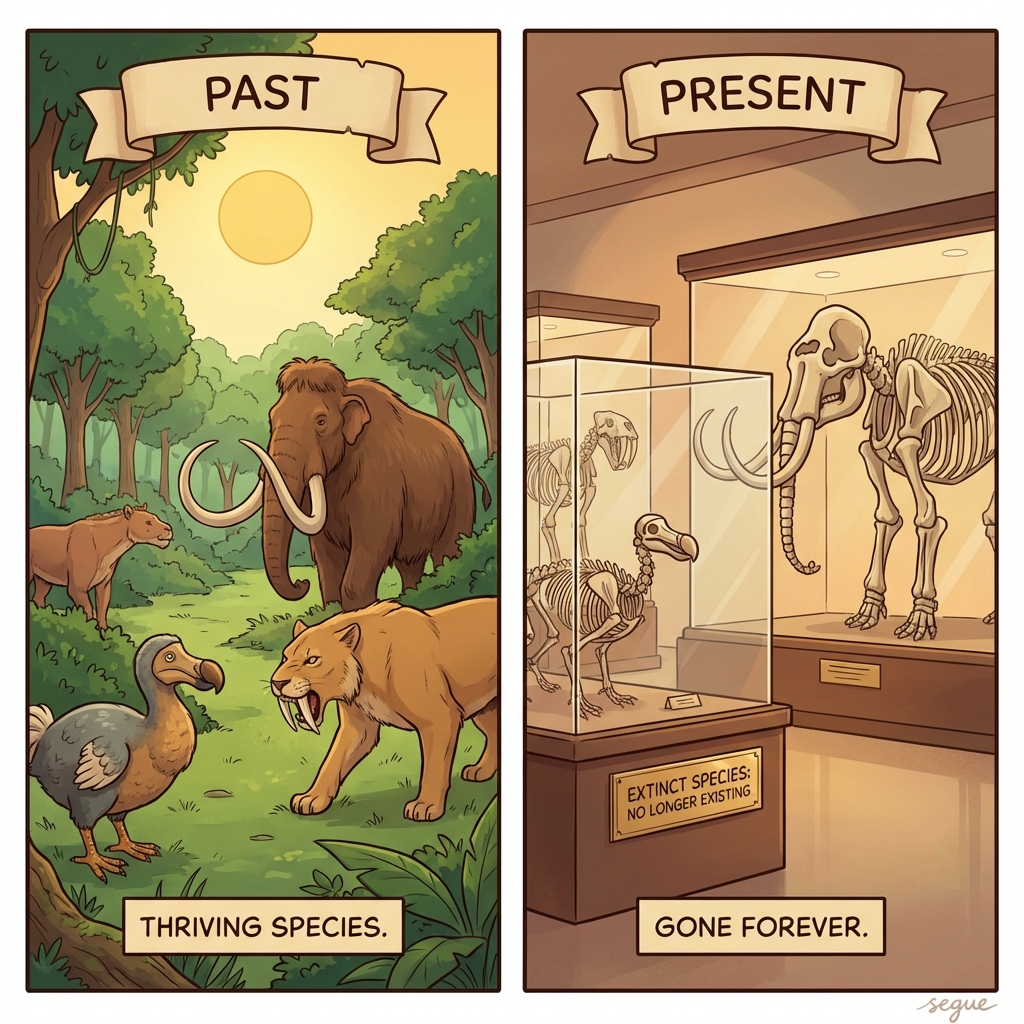
extinction
/ɪkˈstɪŋkʃən/the state of being extinct; no longer existing
“Human activity has accelerated the rate of species extinction.”
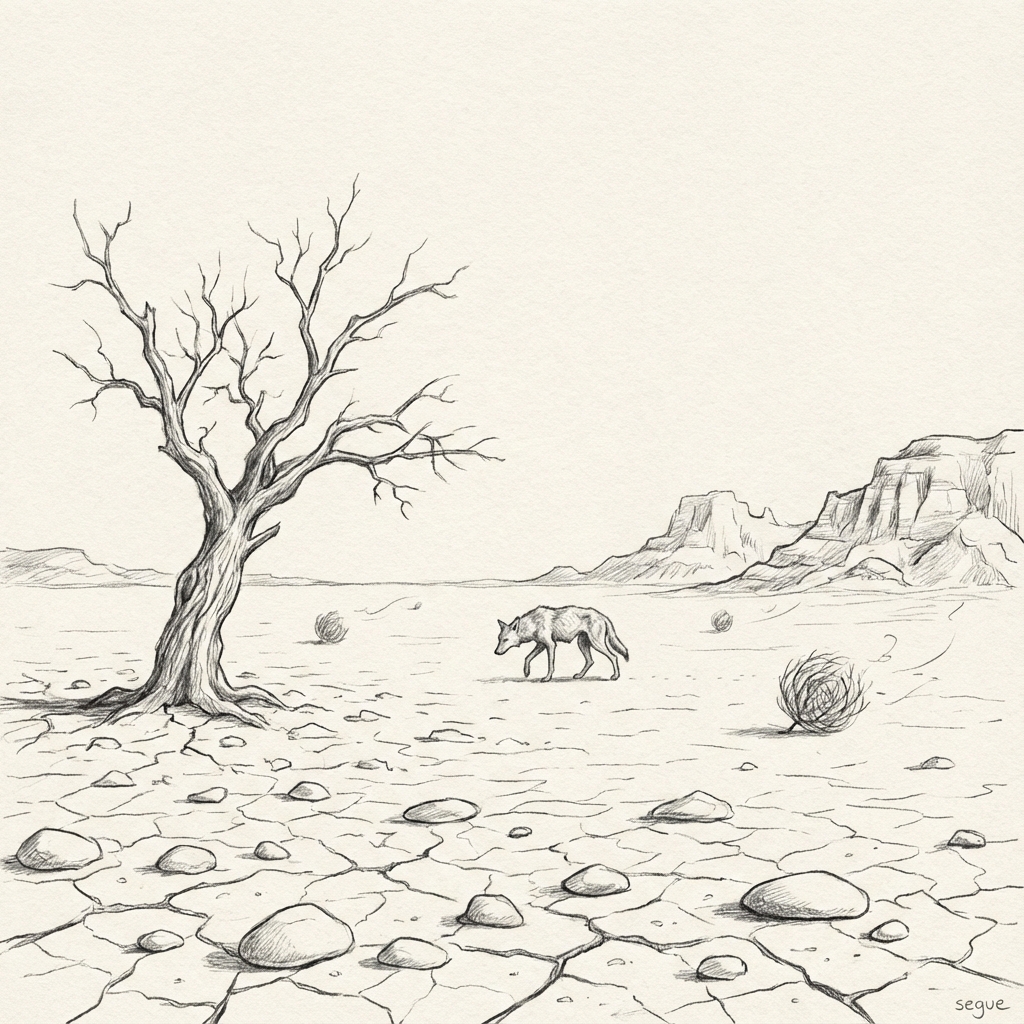
barren
/ˈbæɹən/too poor to produce much vegetation
“The barren landscape stretched to the horizon.”
More from Nature & Environment
Explore other vocabulary categories in this collection.