Loading collection...
♟️
Conversational Moves Vocabulary
Strategic techniques for effective dialogue
10 words
All 10 Words

the pivot
redirecting conversation to a more favorable topic
“That's an interesting point. What's really at stake here is...”
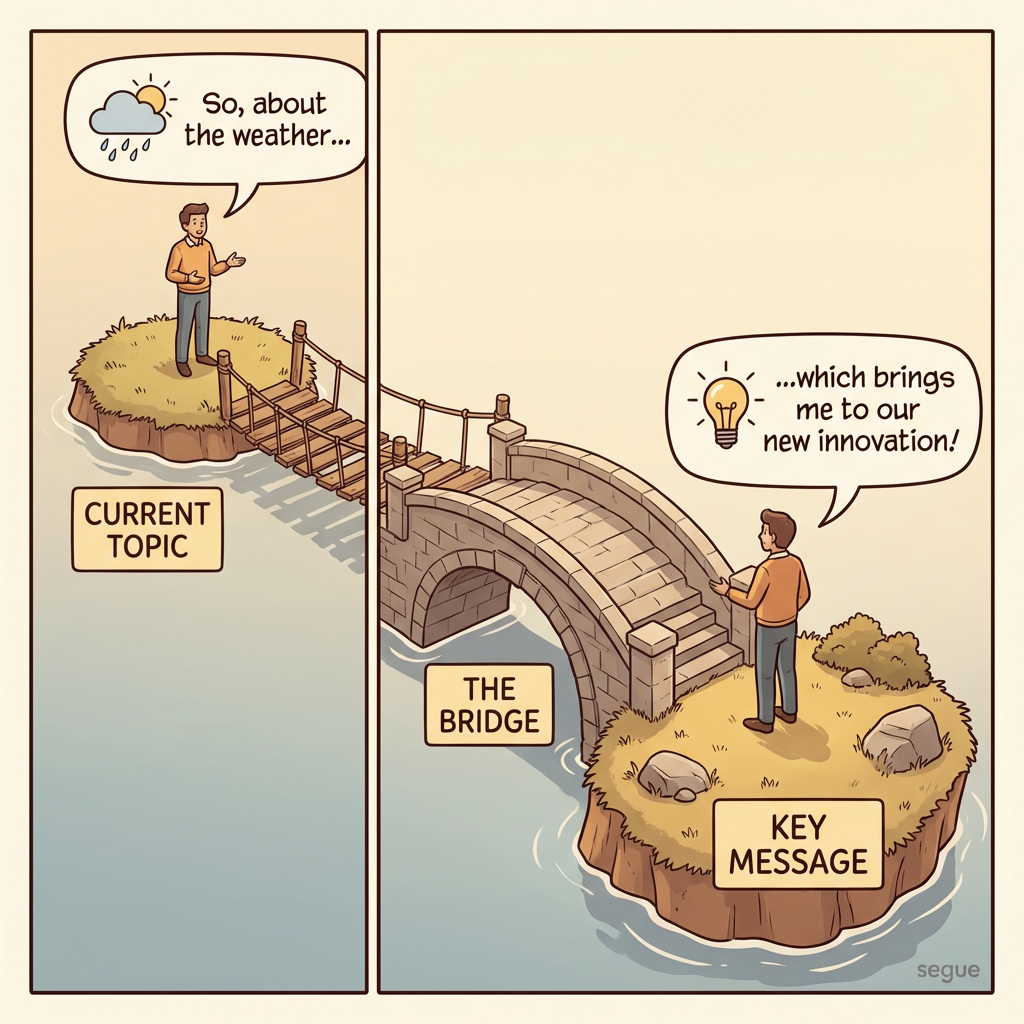
the bridge
connecting the current topic to your key message
“That reminds me of a broader issue we should address...”

the callback
referencing something said earlier to create connection
“Going back to what you said about trust—I think that's key here.”
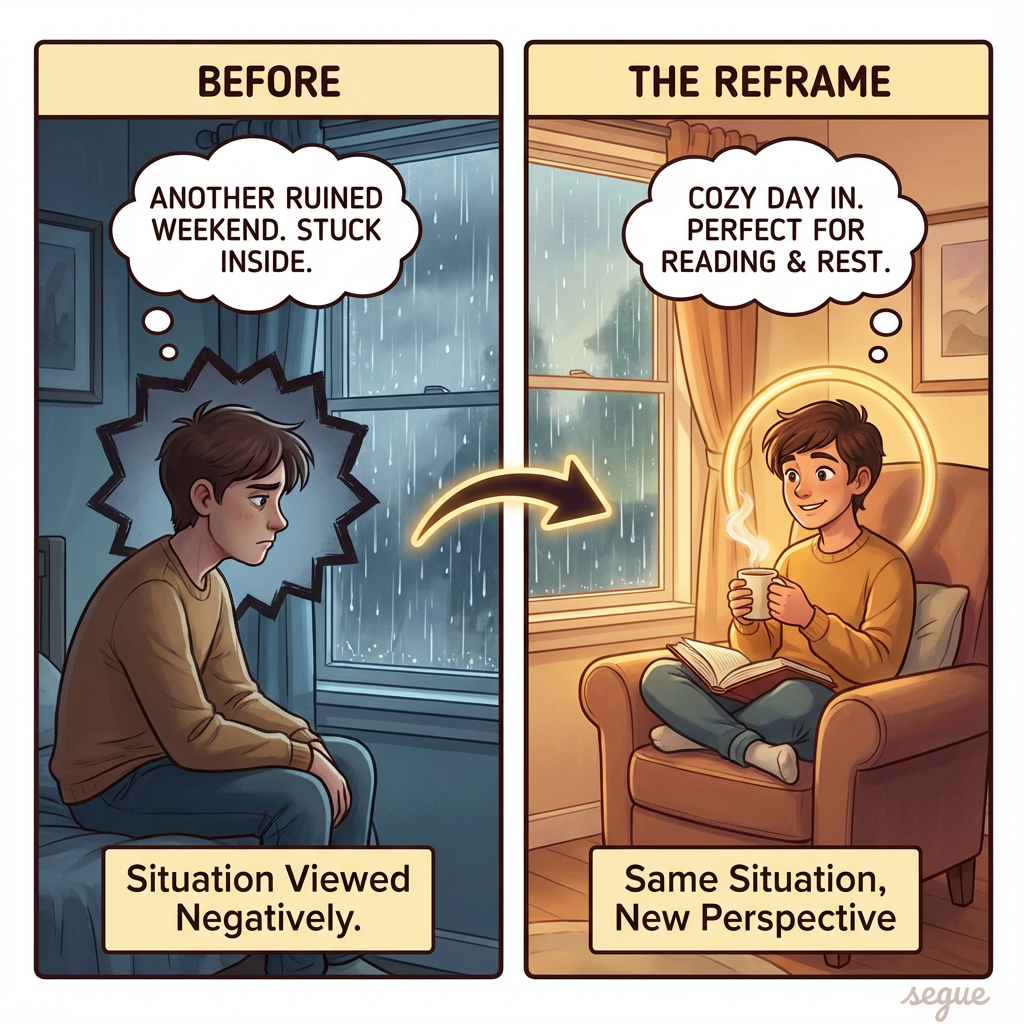
the reframe
presenting the same situation in a different light
“Rather than seeing this as a problem, what if we saw it as an opportunity?”
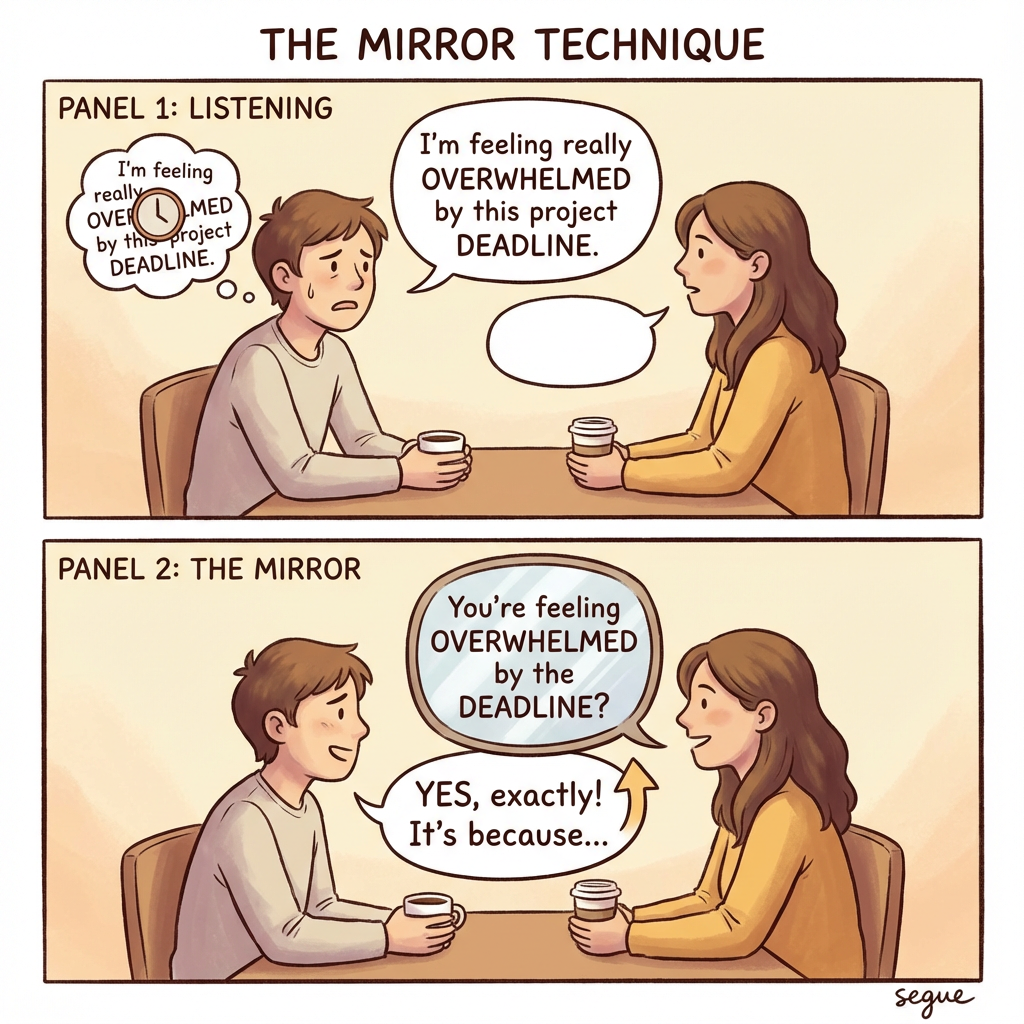
the mirror
repeating key words to show understanding and encourage elaboration
“You felt blindsided? (They: Yes, completely blindsided...)”
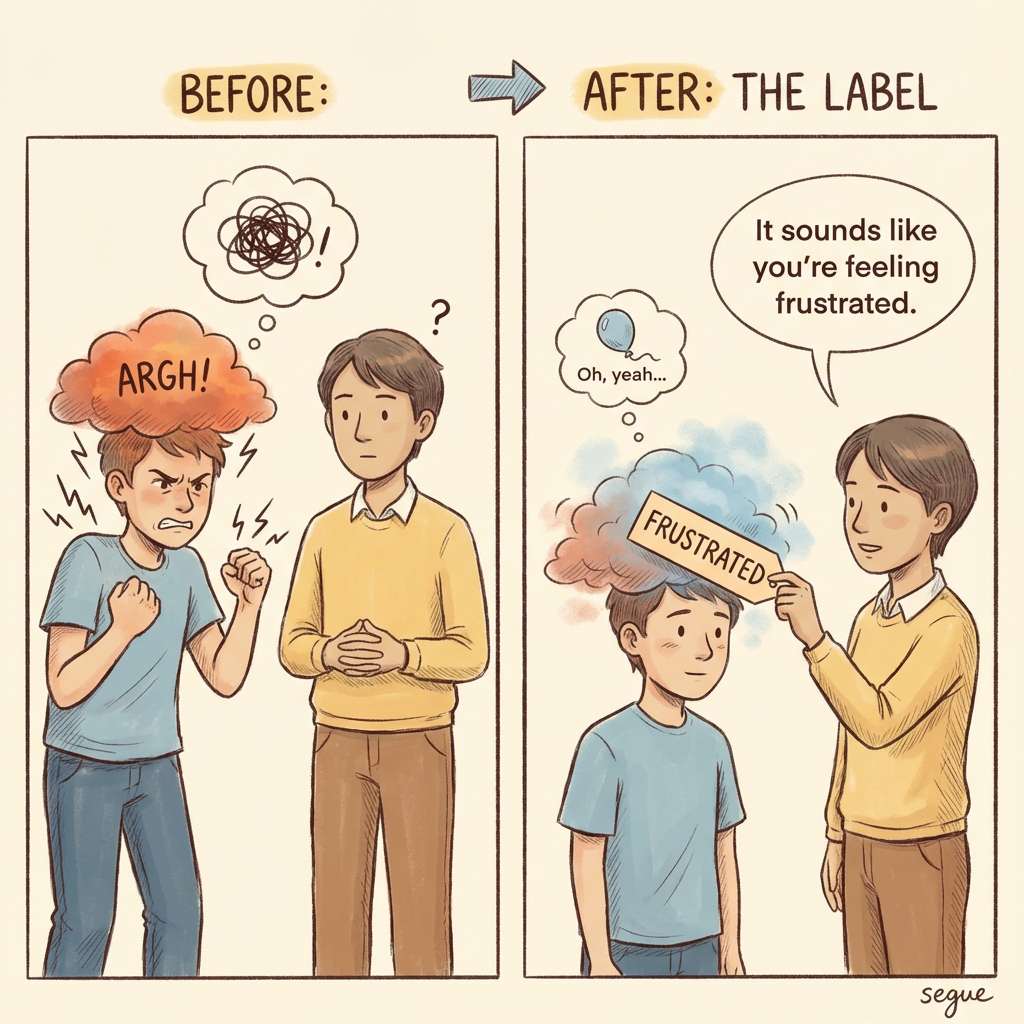
the label
naming the other's emotion to validate and defuse it
“It sounds like you're frustrated by the lack of communication.”
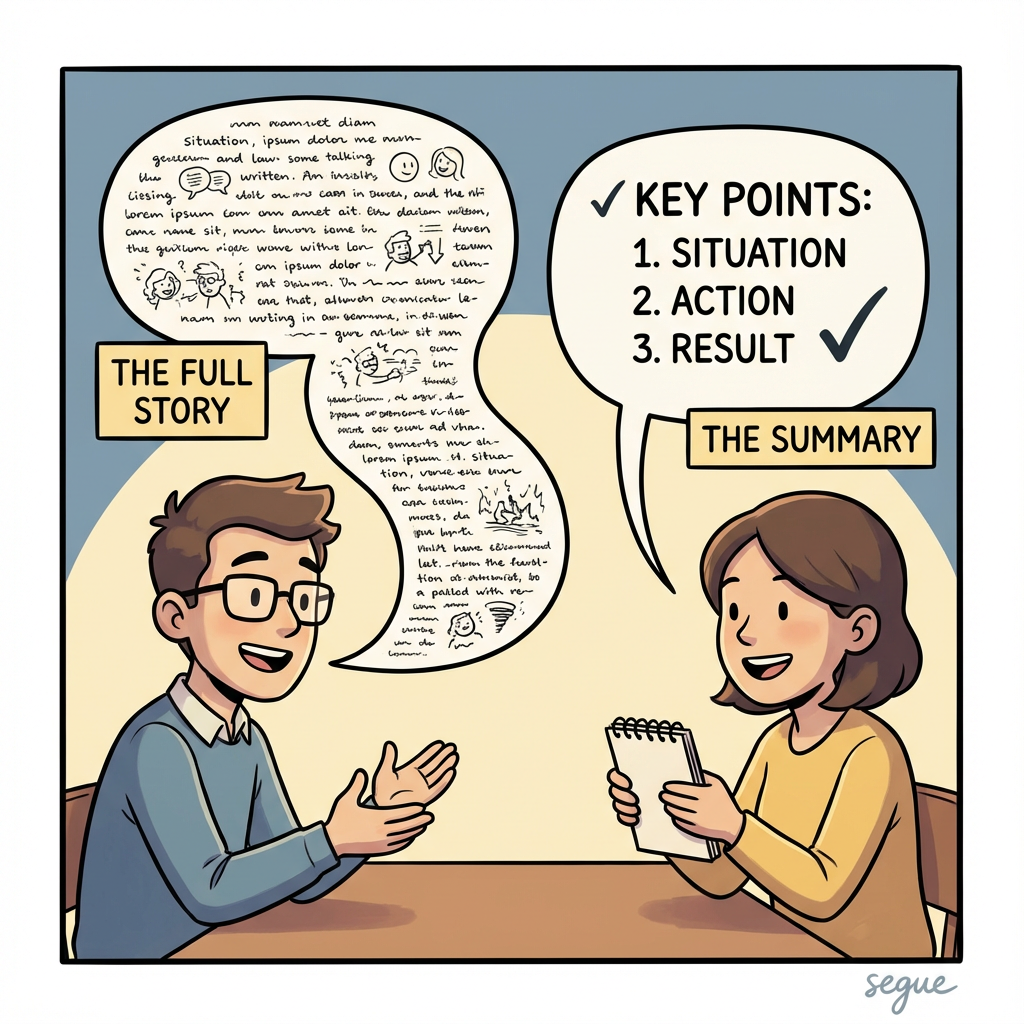
the summary
condensing what's been said to confirm understanding
“So if I'm hearing you correctly, your main concerns are...”
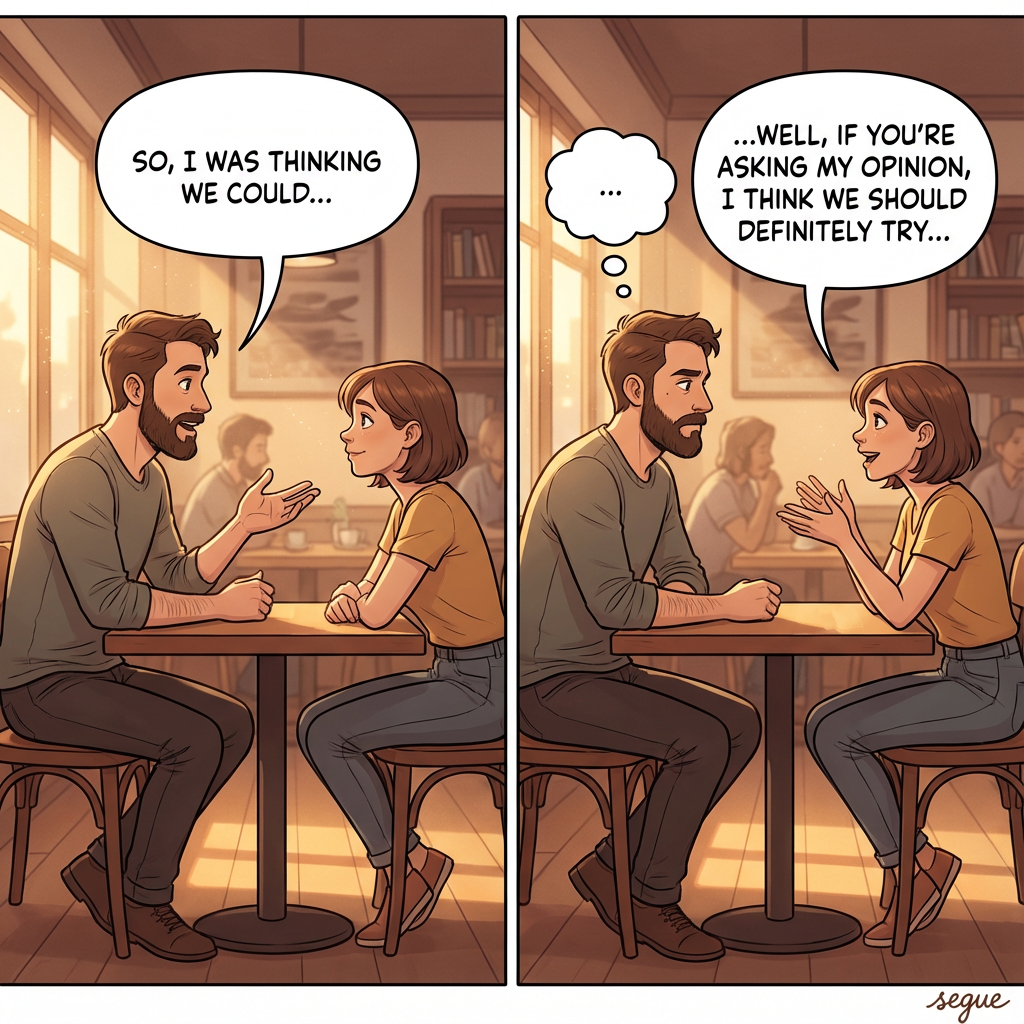
the pause
strategic silence that invites the other to fill the space
“After asking a tough question, don't rescue them. Wait.”
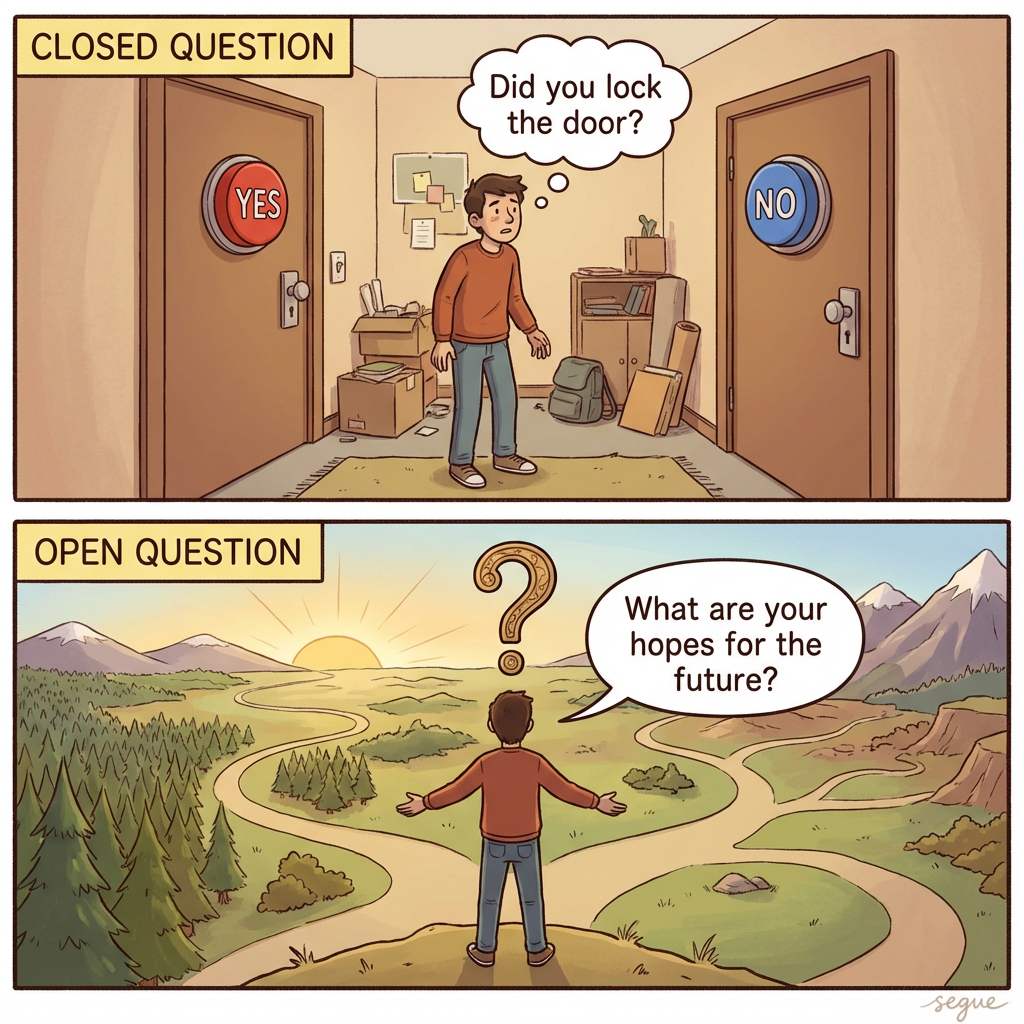
the open question
a question that can't be answered with yes or no
“What would success look like to you?”
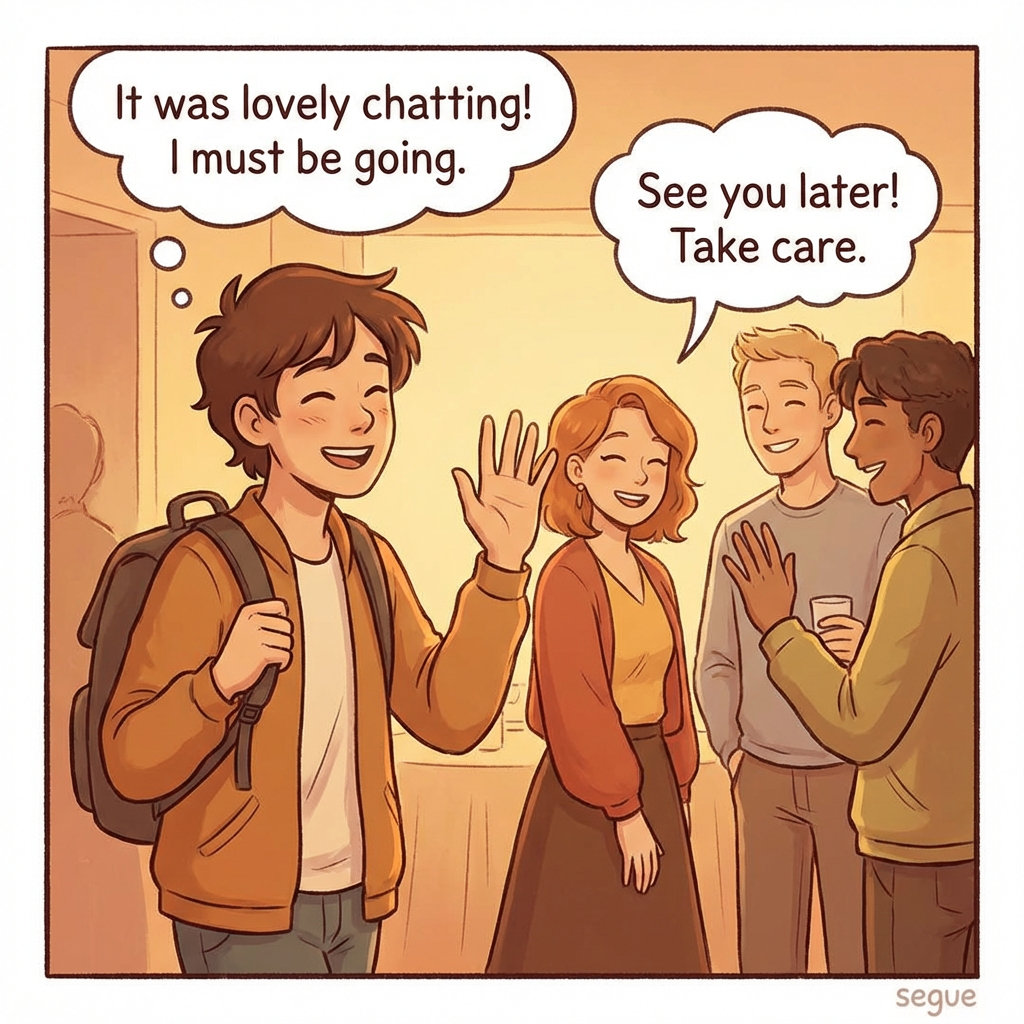
the graceful exit
ending a conversation without awkwardness
“I should let you go. Let's pick this up next week.”
More from Communication
Explore other vocabulary categories in this collection.