Loading collection...
💬
Communication Theory Vocabulary
How meaning is conveyed, negotiated, and understood
12 words
All 12 Words
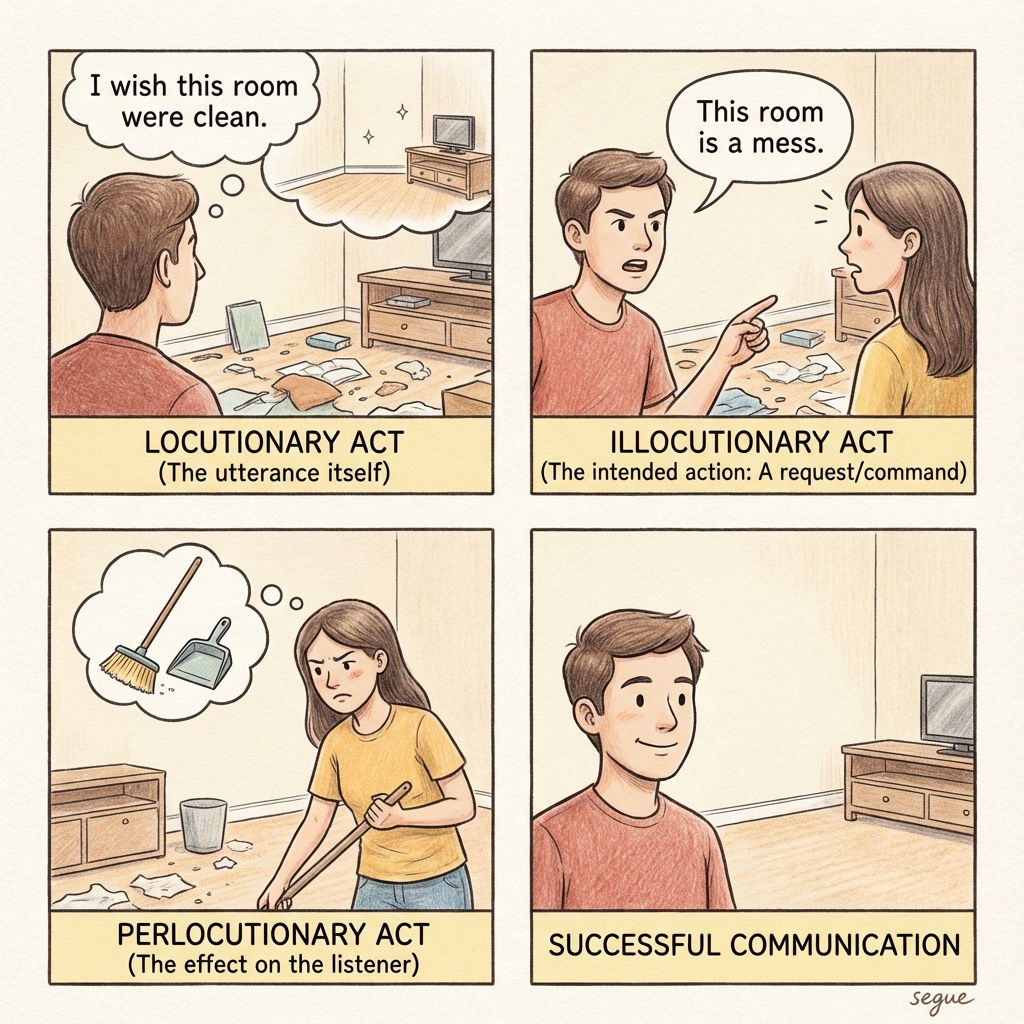
illocutionary
/ˌɪləˈkjuːʃəneri/the intended action performed by an utterance (requesting, promising)
“The illocutionary force of 'I promise' is making a commitment.”
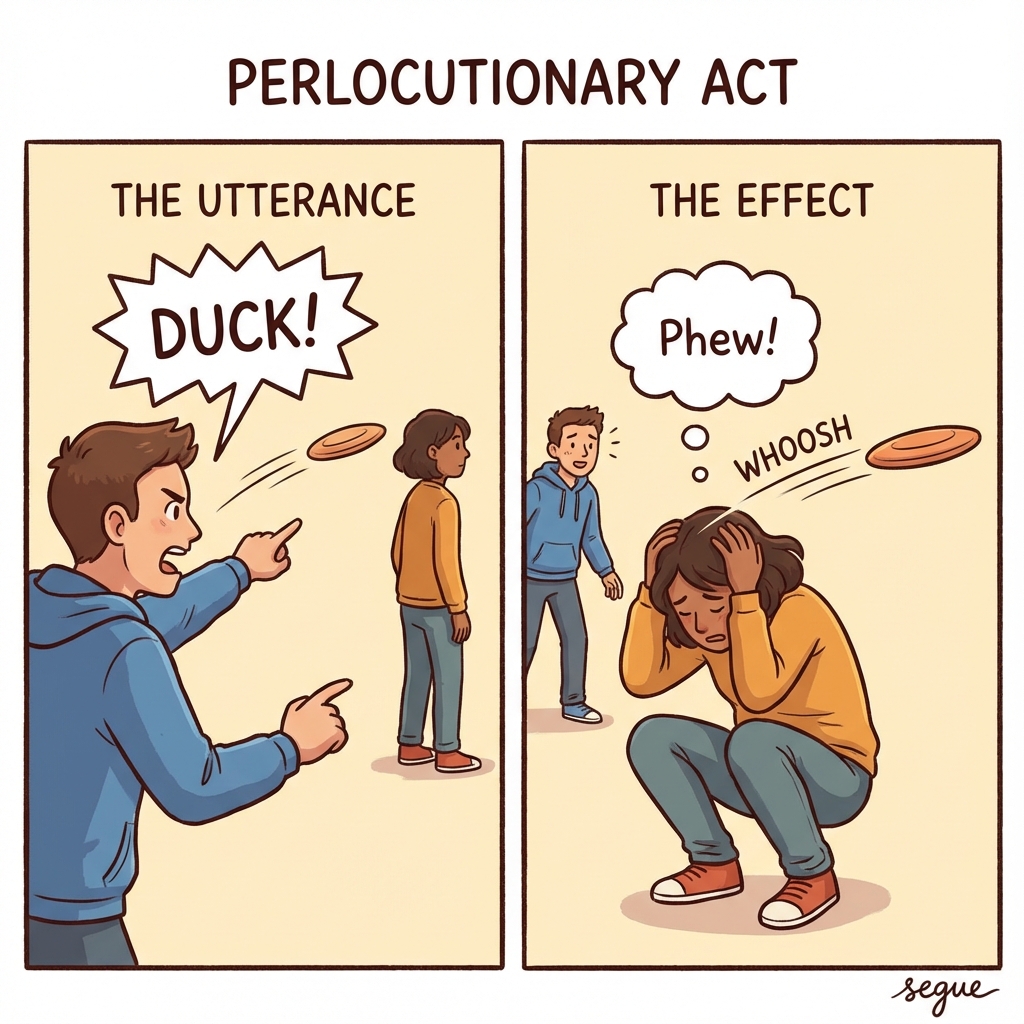
perlocutionary
/ˌpɜːrləˈkjuːʃəneri/the effect an utterance has on the listener
“The perlocutionary effect was persuading her to change her mind.”
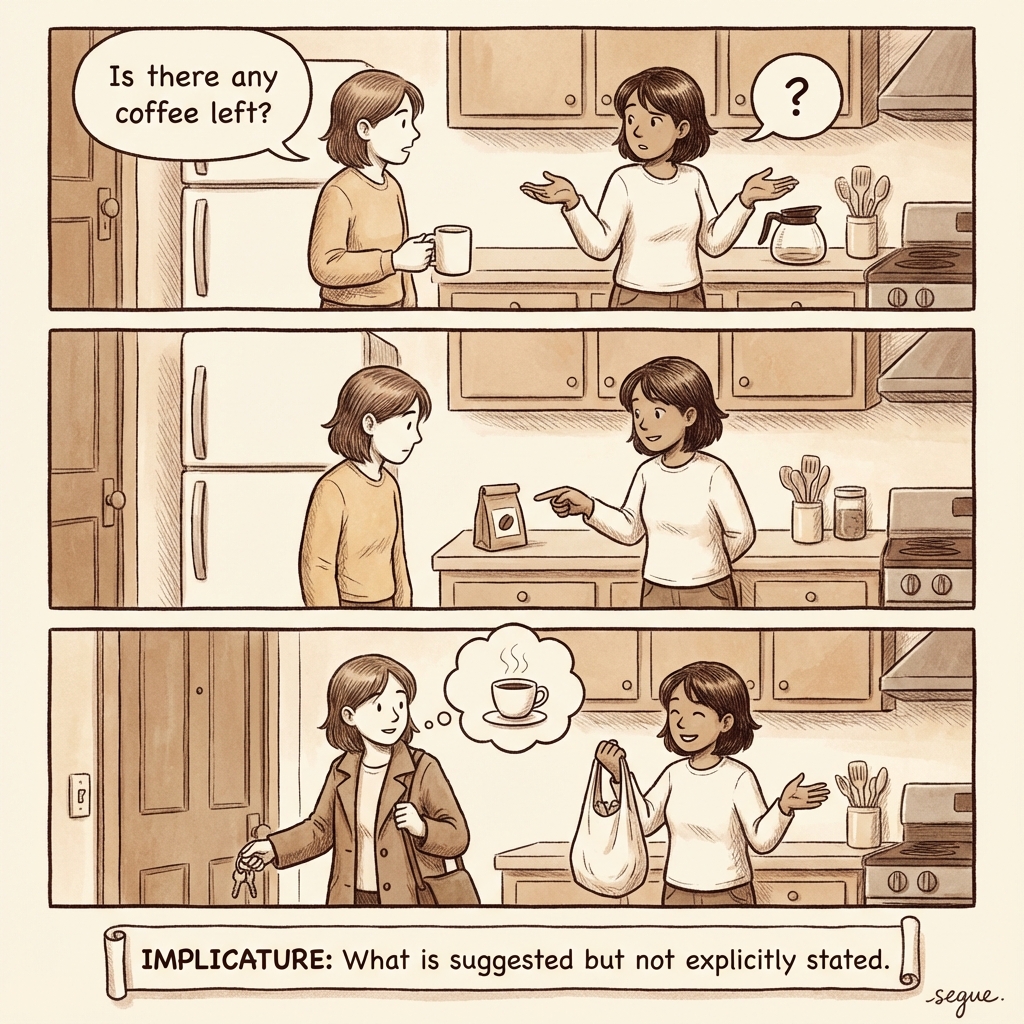
implicature
/ˈɪmplɪkətʃər/what is suggested but not explicitly stated
“Saying 'It's getting late' implicates that we should leave.”
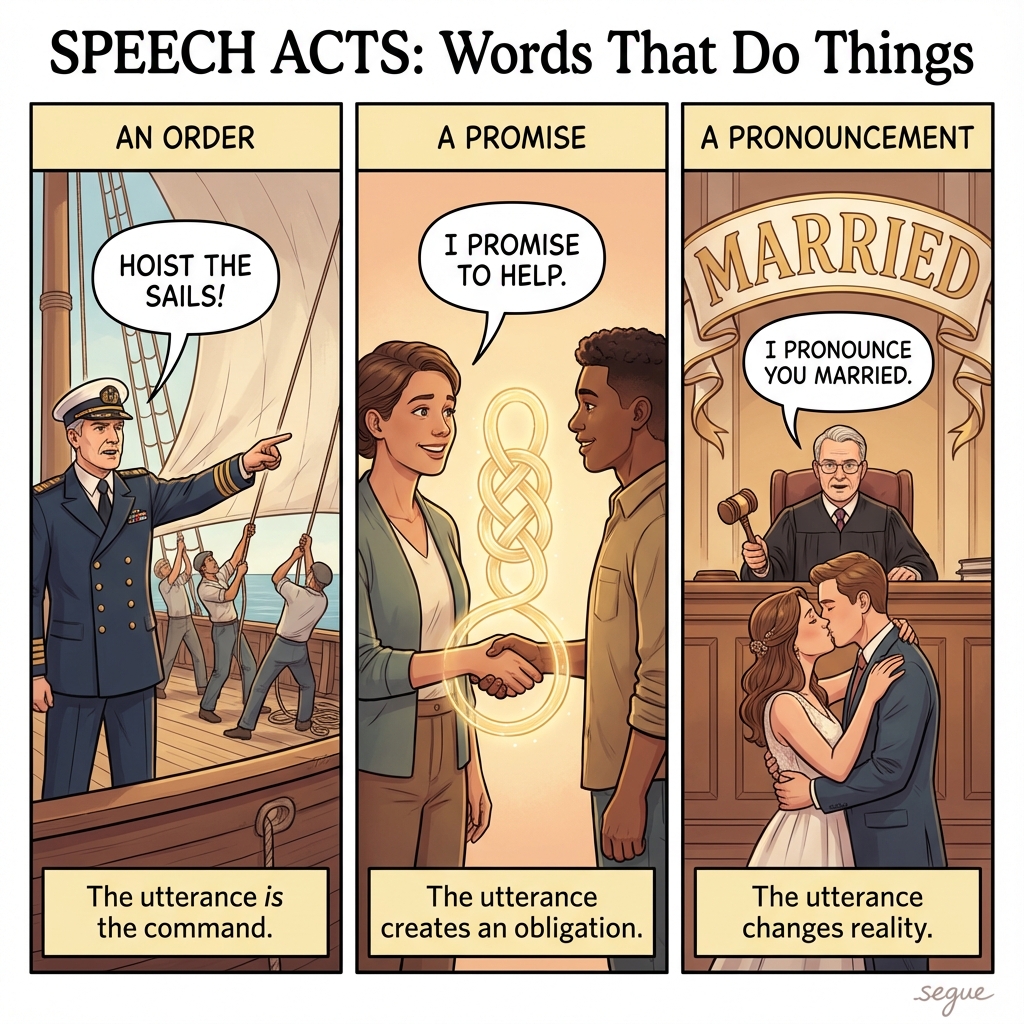
speech act
/ˈspiːtʃ ˌækt/an utterance that performs an action (promising, apologizing, ordering)
“Saying 'I do' in a wedding is a speech act that creates marriage.”
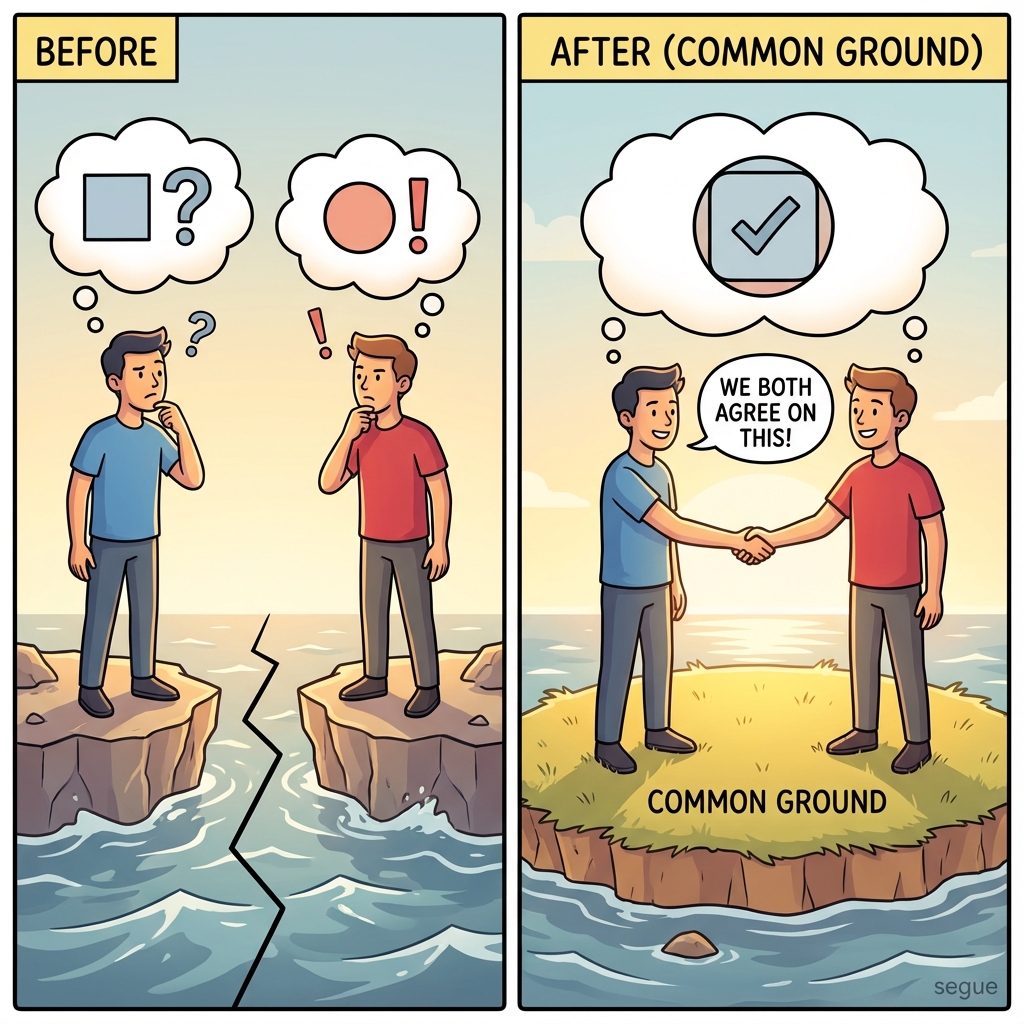
common ground
/ˌkɒmən ˈɡraʊnd/shared knowledge, beliefs, and assumptions between communicators
“Effective communication builds on common ground.”
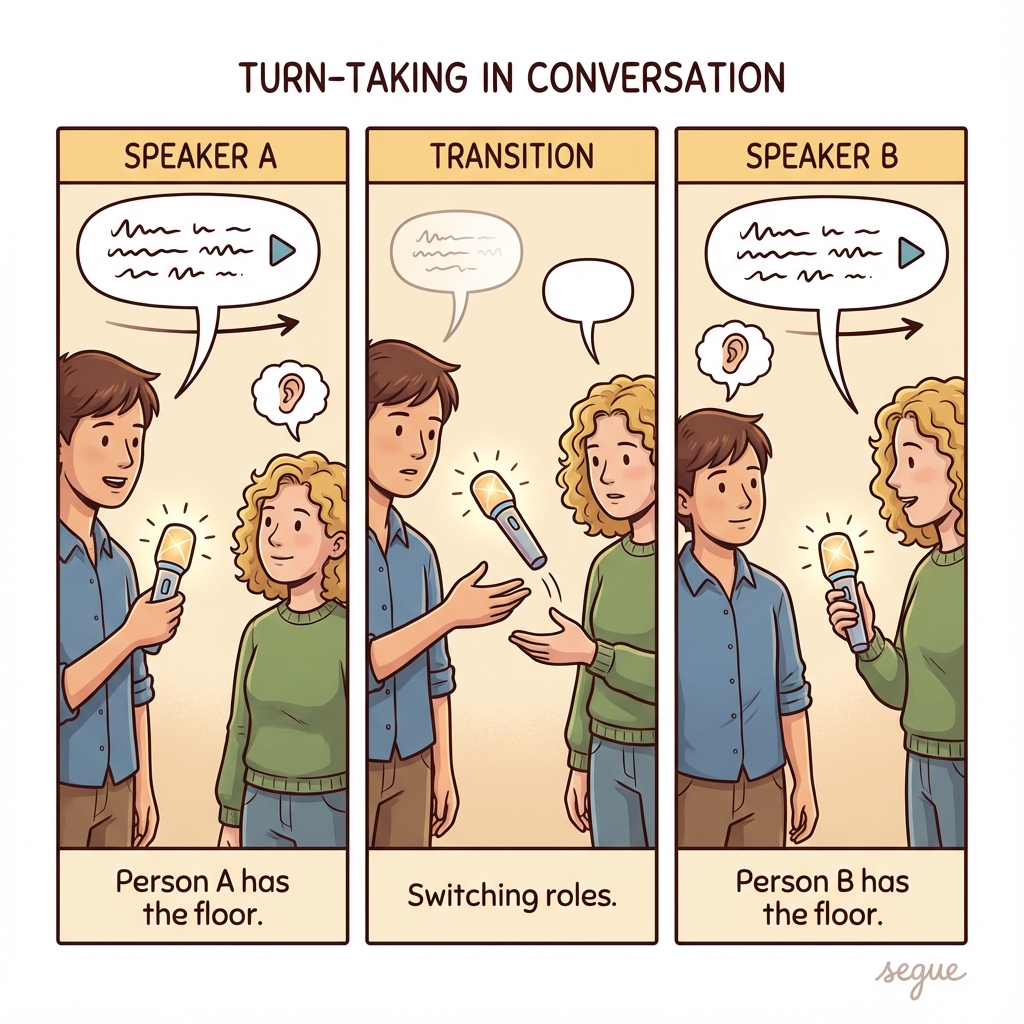
turn-taking
/ˈtɜːrn ˌteɪkɪŋ/the system by which speakers alternate in conversation
“Turn-taking conventions vary across cultures.”
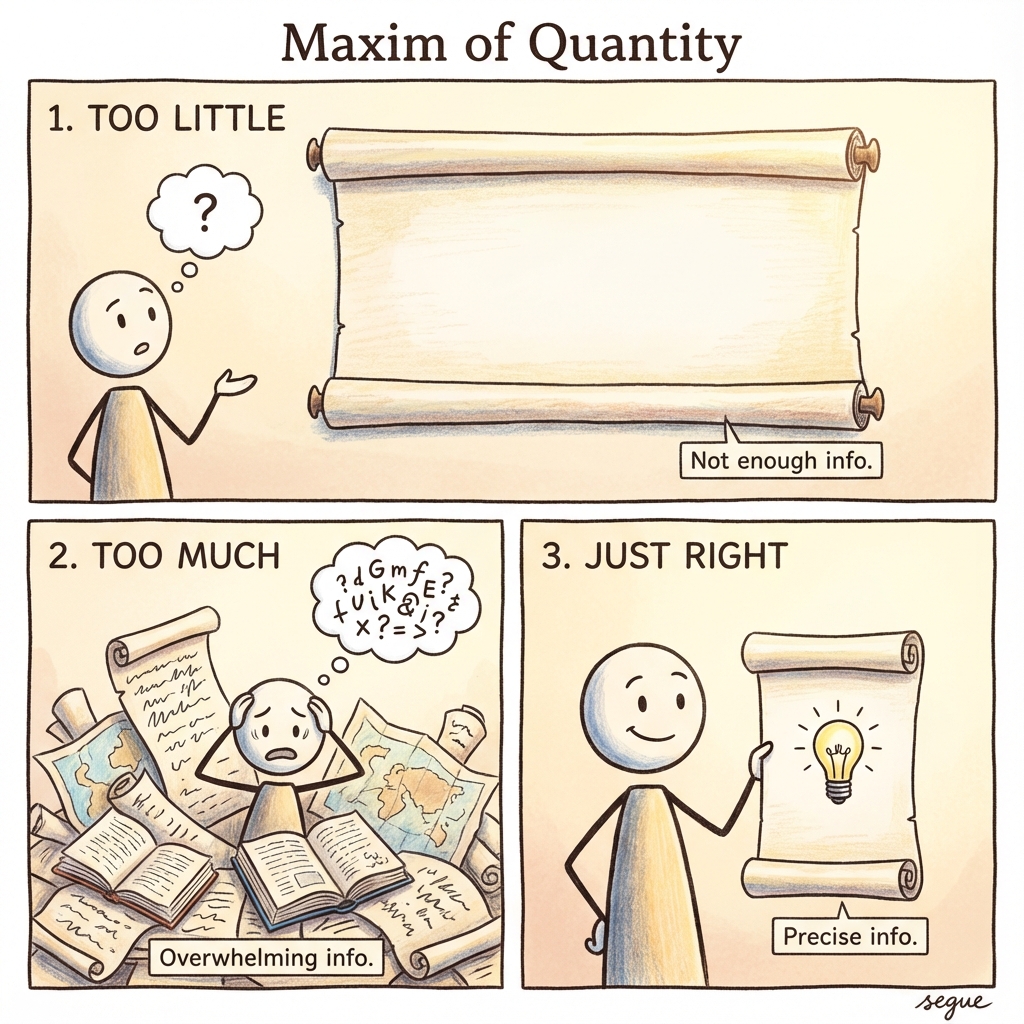
maxim of quantity
/ˌmæksɪm əv ˈkwɒntɪti/provide as much information as needed, but not more
“Violating the maxim of quantity makes responses seem evasive or verbose.”
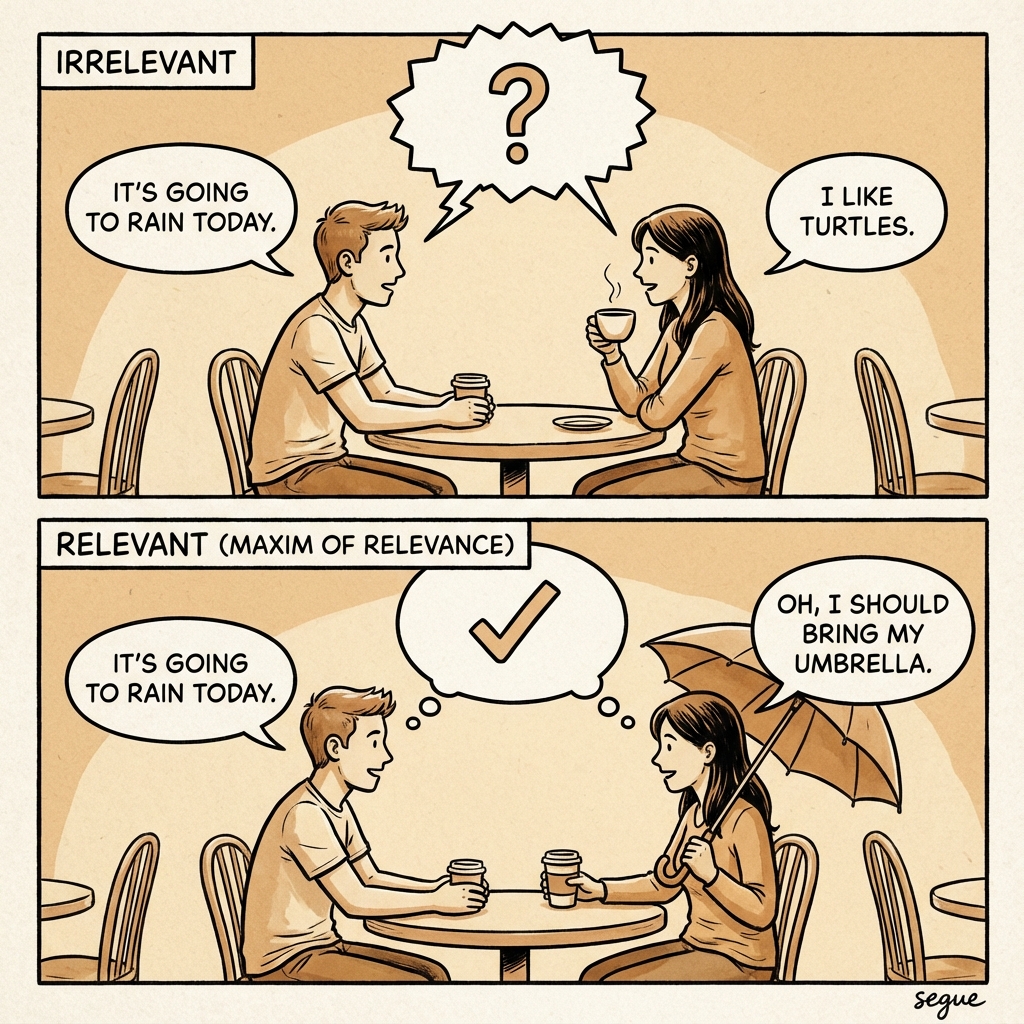
maxim of relevance
/ˌmæksɪm əv ˈreləvəns/make contributions relevant to the current exchange
“Off-topic remarks flout the maxim of relevance.”
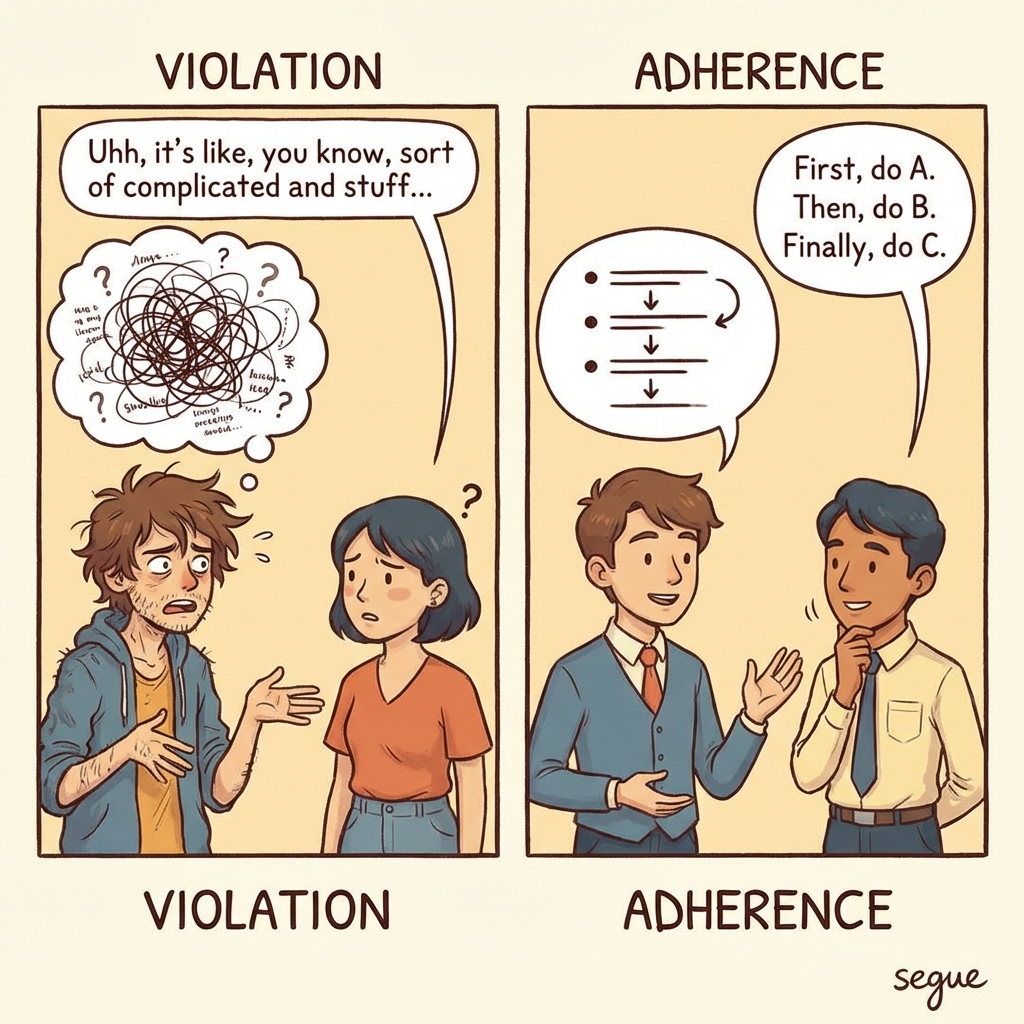
maxim of manner
/ˌmæksɪm əv ˈmænər/be clear, brief, and orderly; avoid obscurity and ambiguity
“Jargon-heavy writing violates the maxim of manner.”
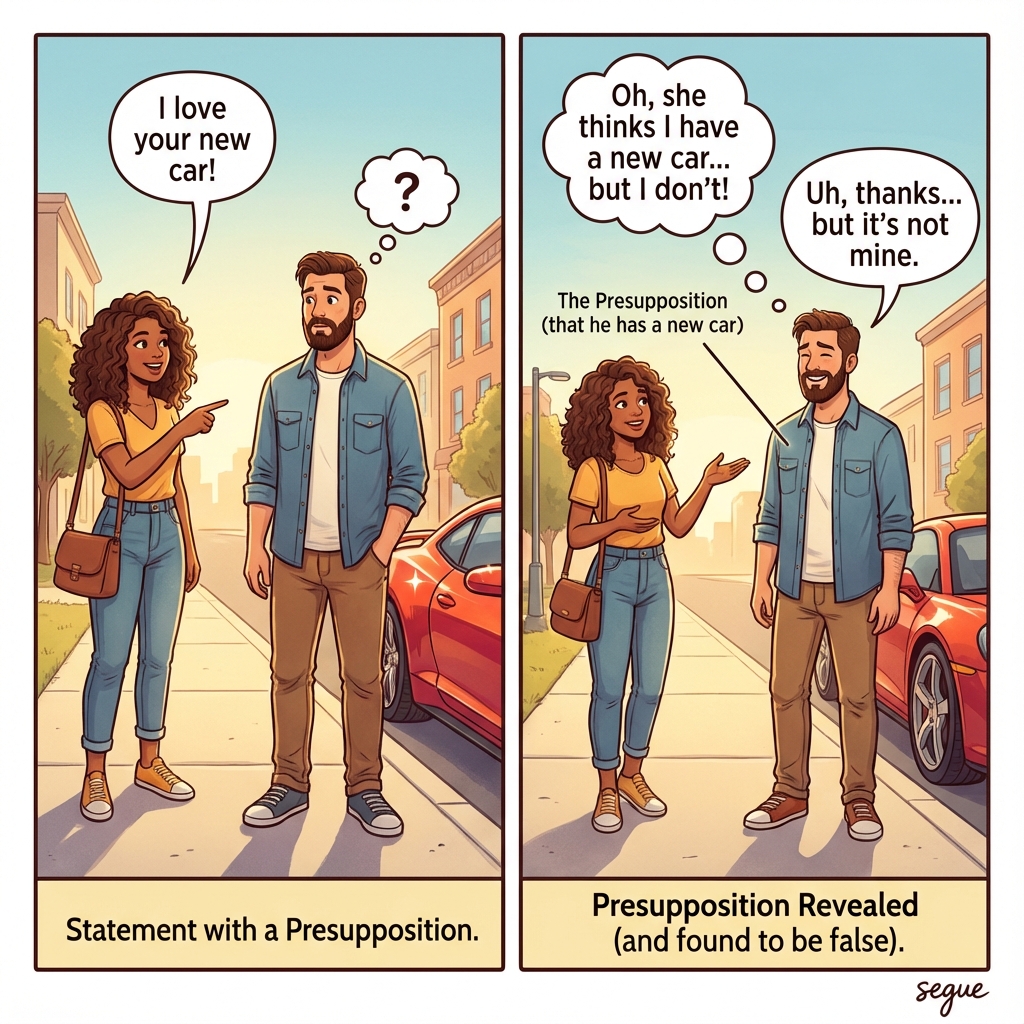
presupposition
/ˌpɹisəpəˈzɪʃən/something assumed to be true for an utterance to make sense
“'Have you stopped lying?' presupposes you were lying.”
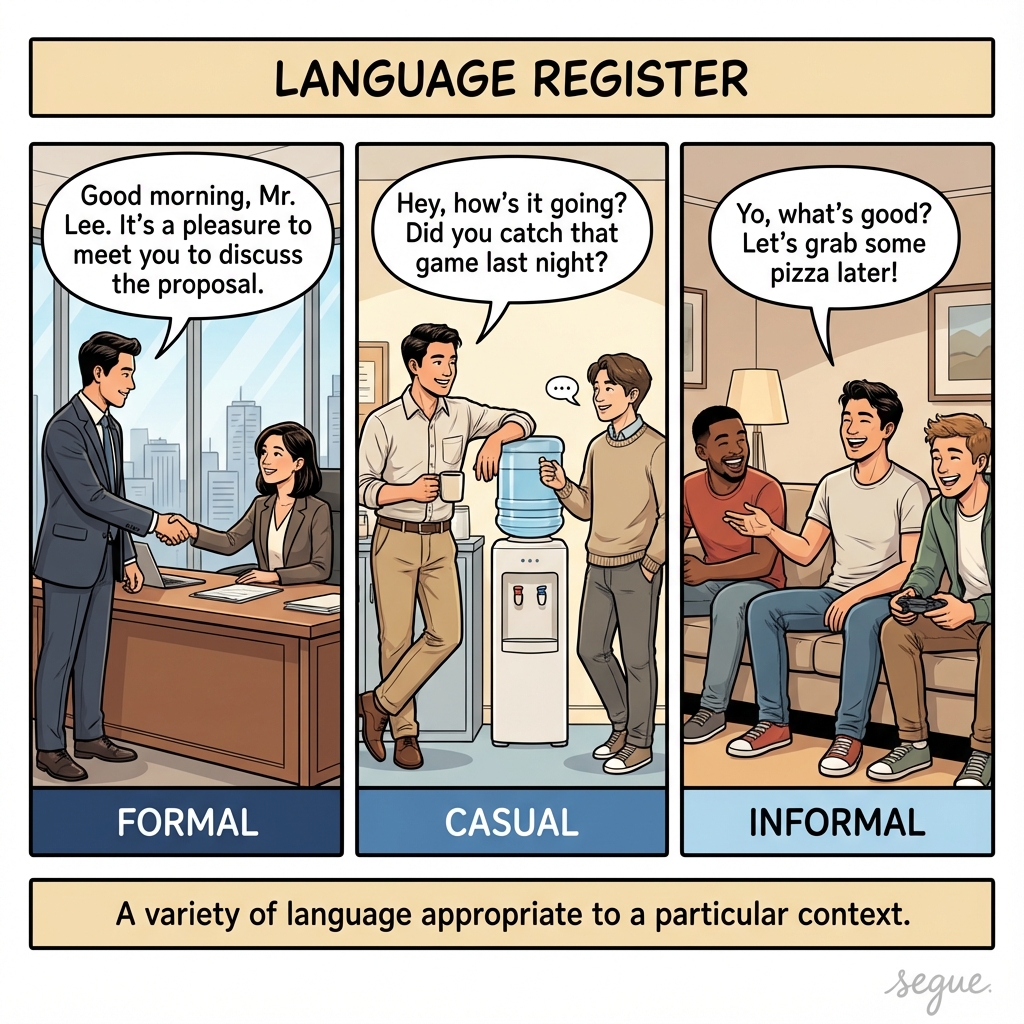
register
/ˈɹɛdʒɪstɝ/a variety of language appropriate to a particular context
“Formal register differs from casual conversation.”
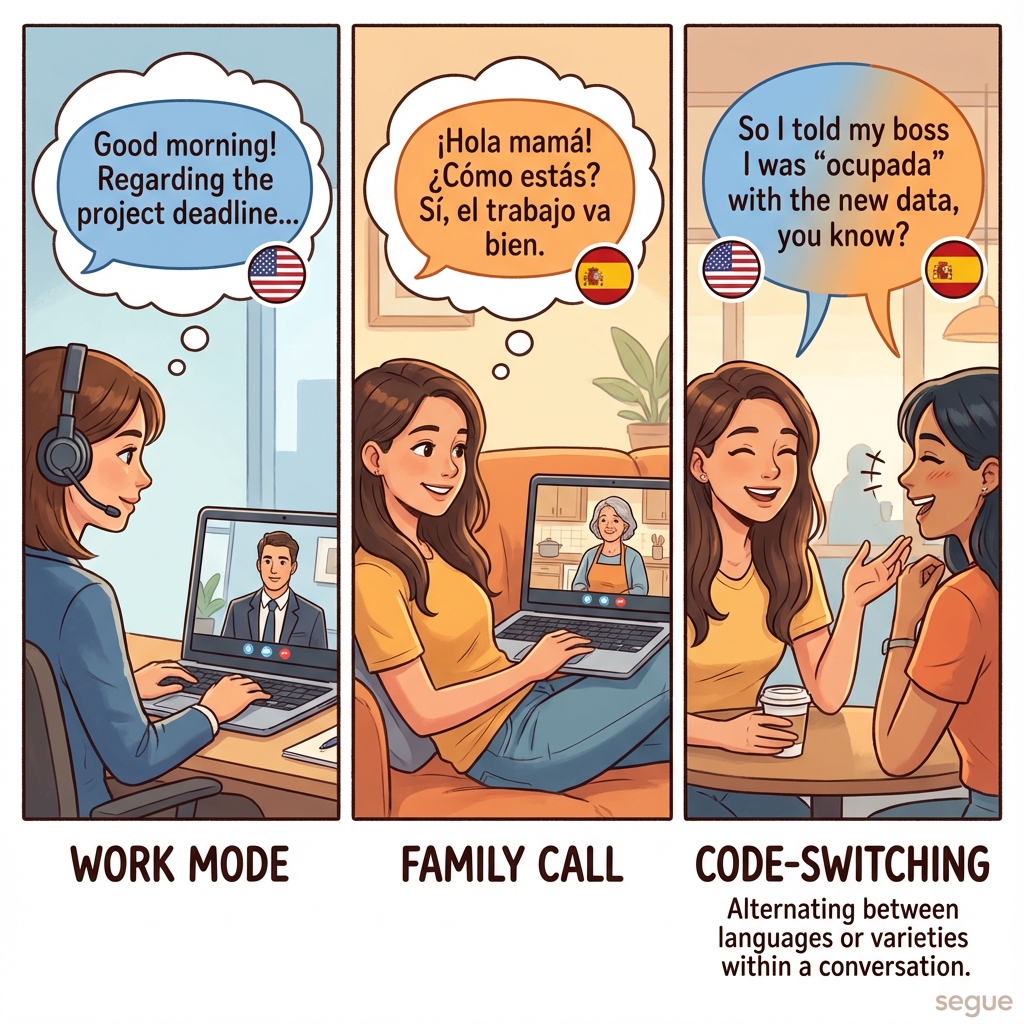
code-switching
/ˈkoʊd ˌswɪtʃɪŋ/alternating between languages or varieties within a conversation
“She code-switched between Spanish and English with her family.”
More from Technology & Systems
Explore other vocabulary categories in this collection.