Loading collection...
🔄
Beginning & Ending Vocabulary
Words for inception, termination, and transitions
12 words
All 12 Words
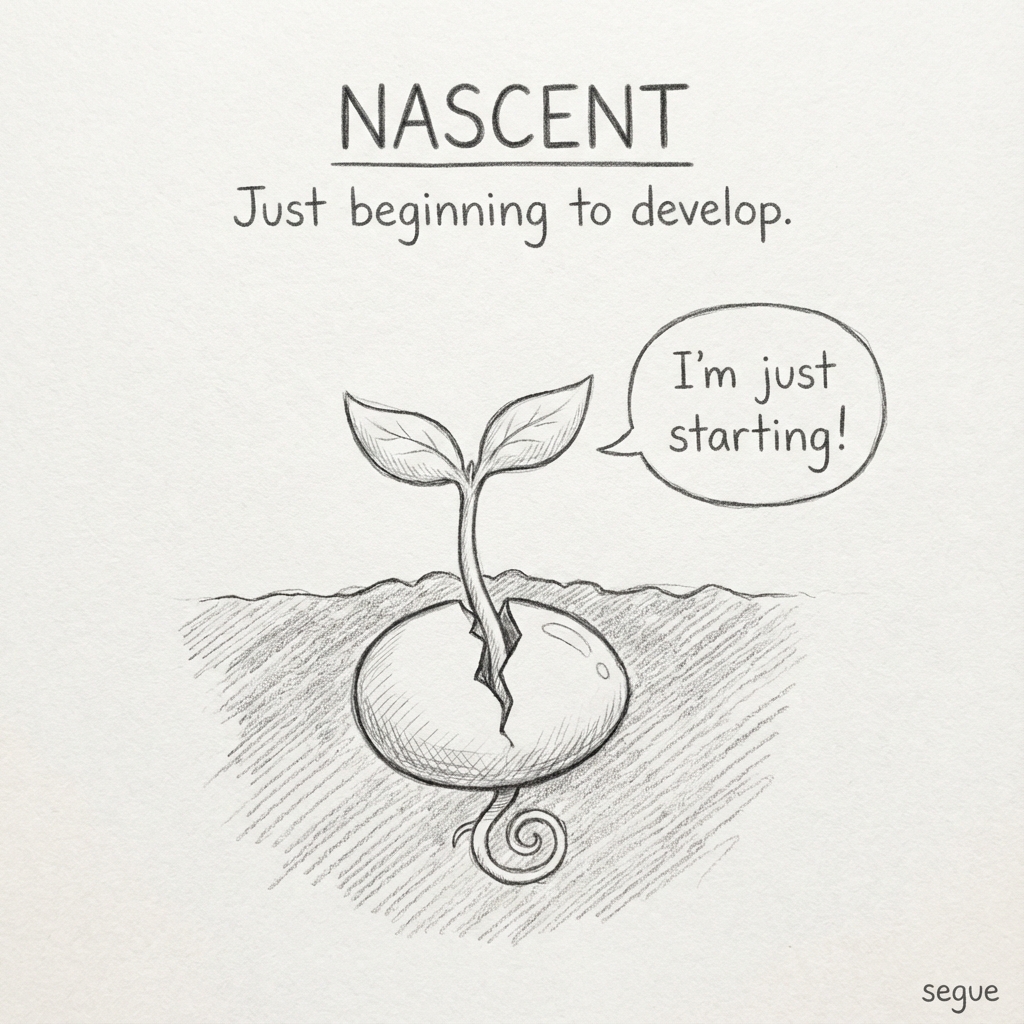
nascent
/ˈneɪsənt/just beginning to develop; not yet fully formed
“The nascent technology showed enormous promise.”
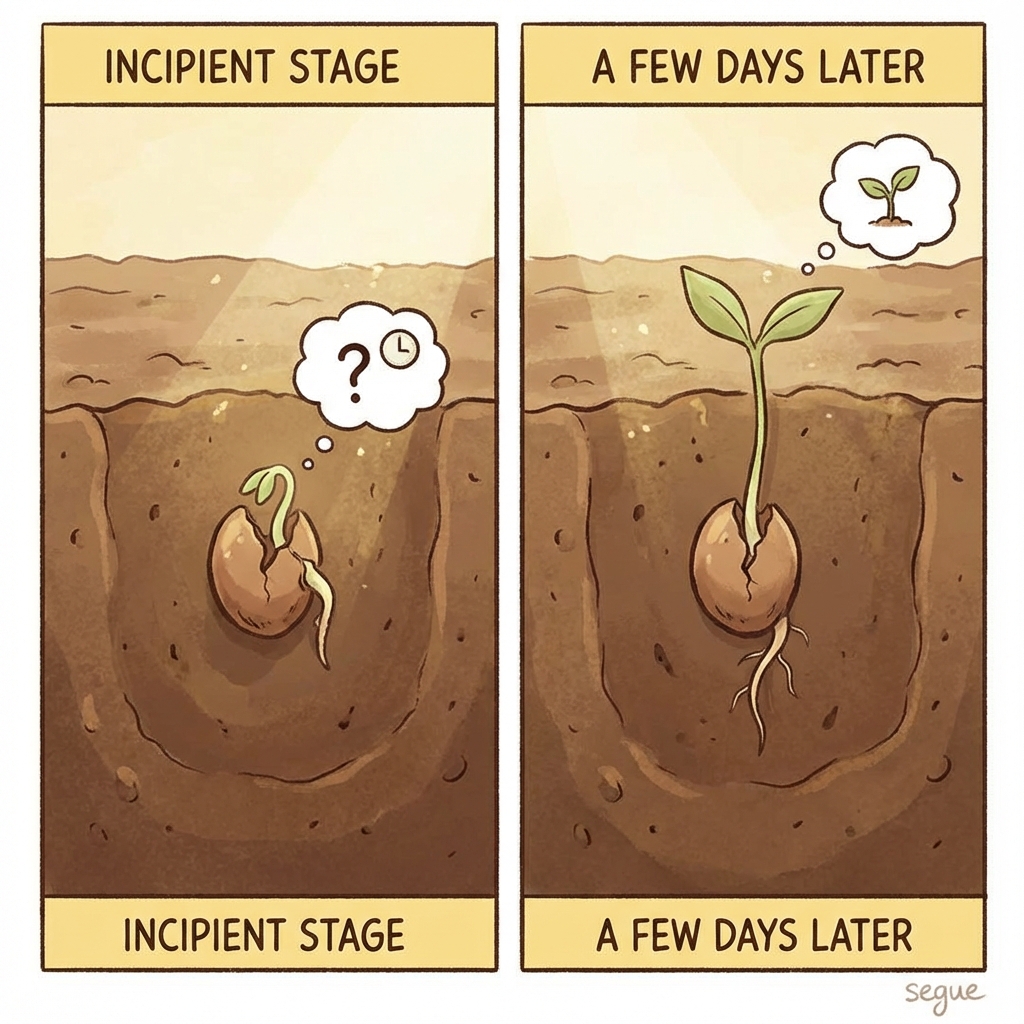
incipient
/ˌɪnˈsɪpiənt/in an initial stage; beginning to happen
“He detected the incipient signs of revolution.”
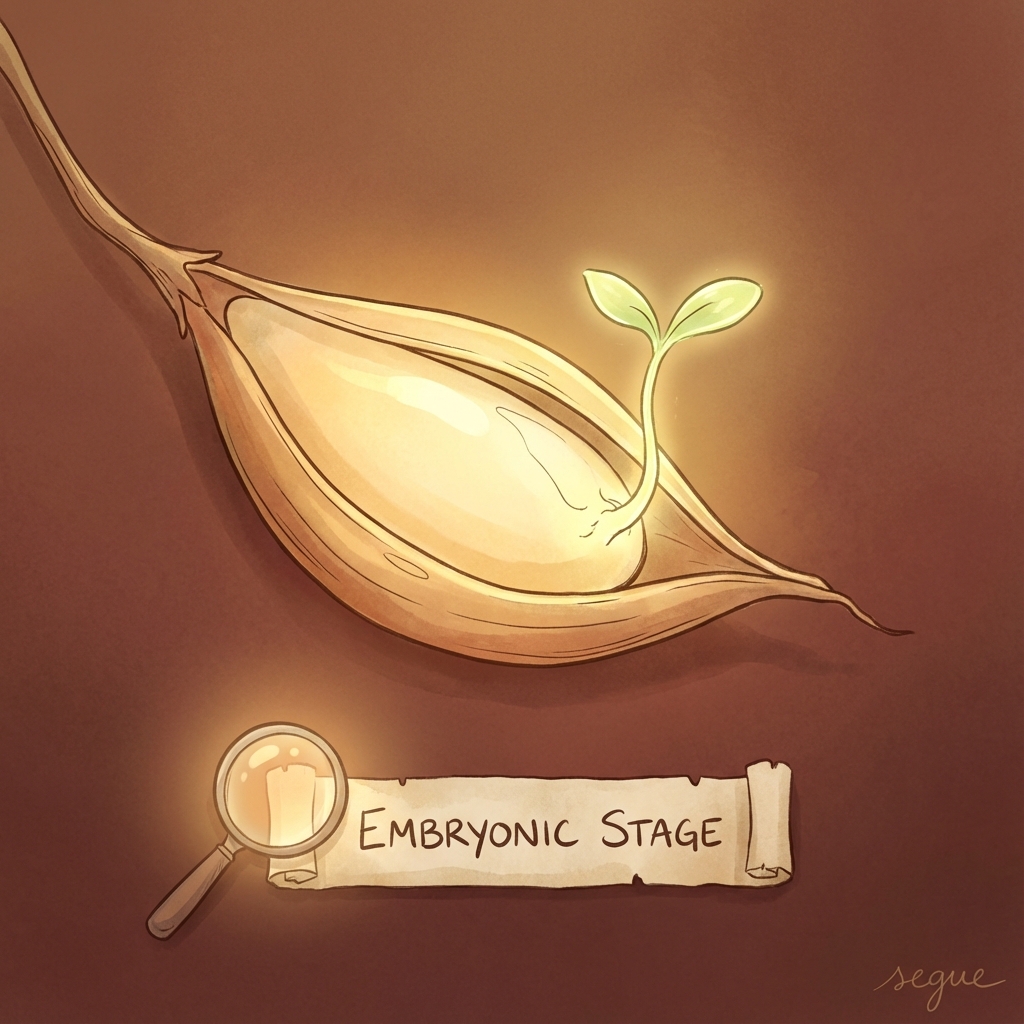
embryonic
/ˌɛmbɹiˈɑnɪk/in an early stage of development
“The plan was still in its embryonic stage.”
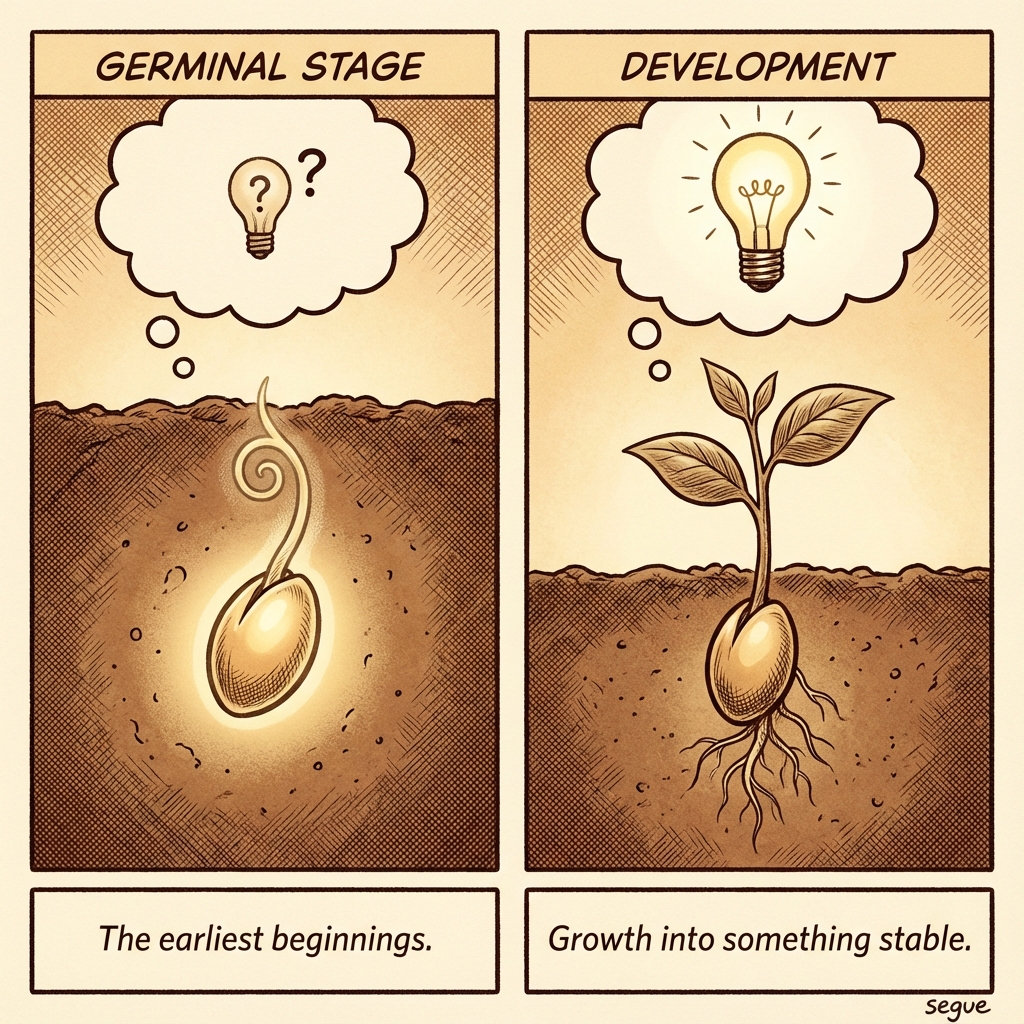
germinal
/ˈdʒɜːrmɪnəl/relating to the earliest stage of development
“These were the germinal ideas that would transform the field.”
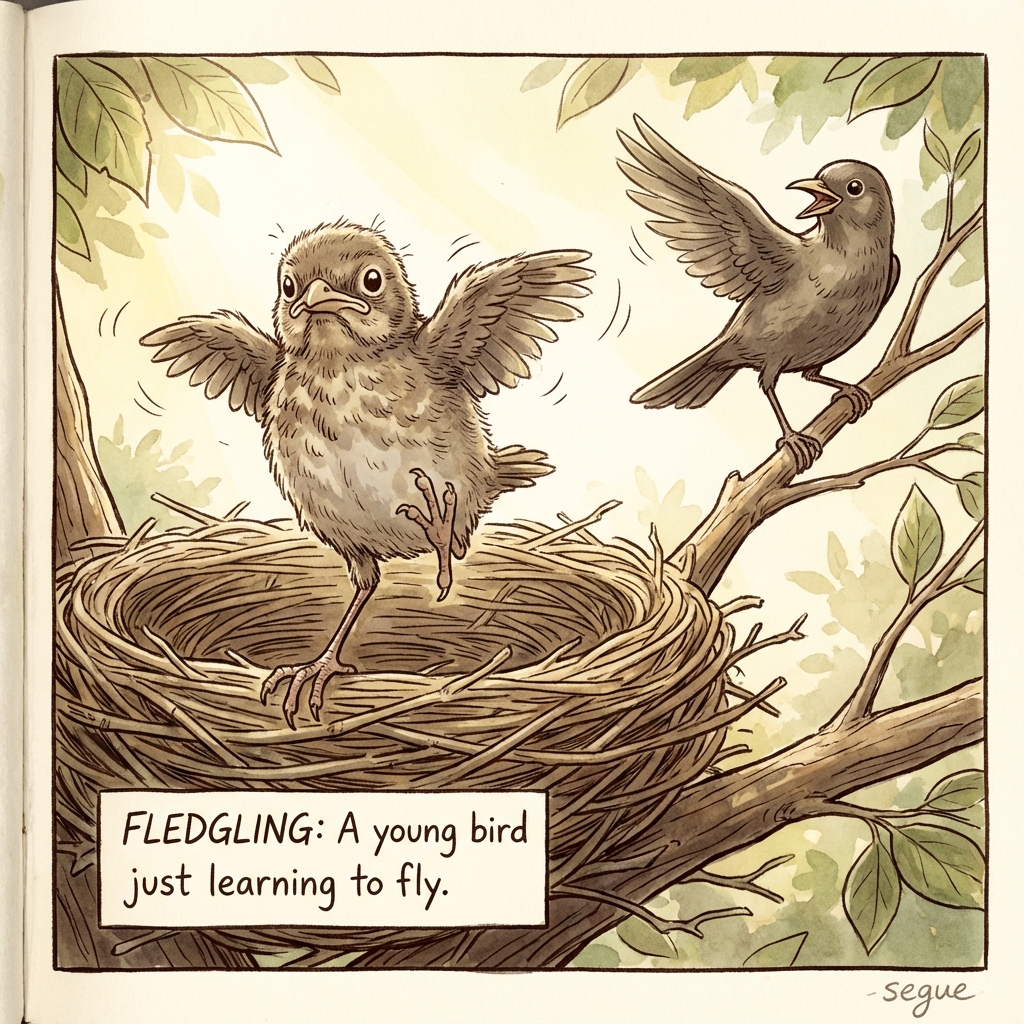
fledgling
/ˈfɫɛdʒɫɪŋ/new and inexperienced; emerging
“The fledgling democracy faced many challenges.”
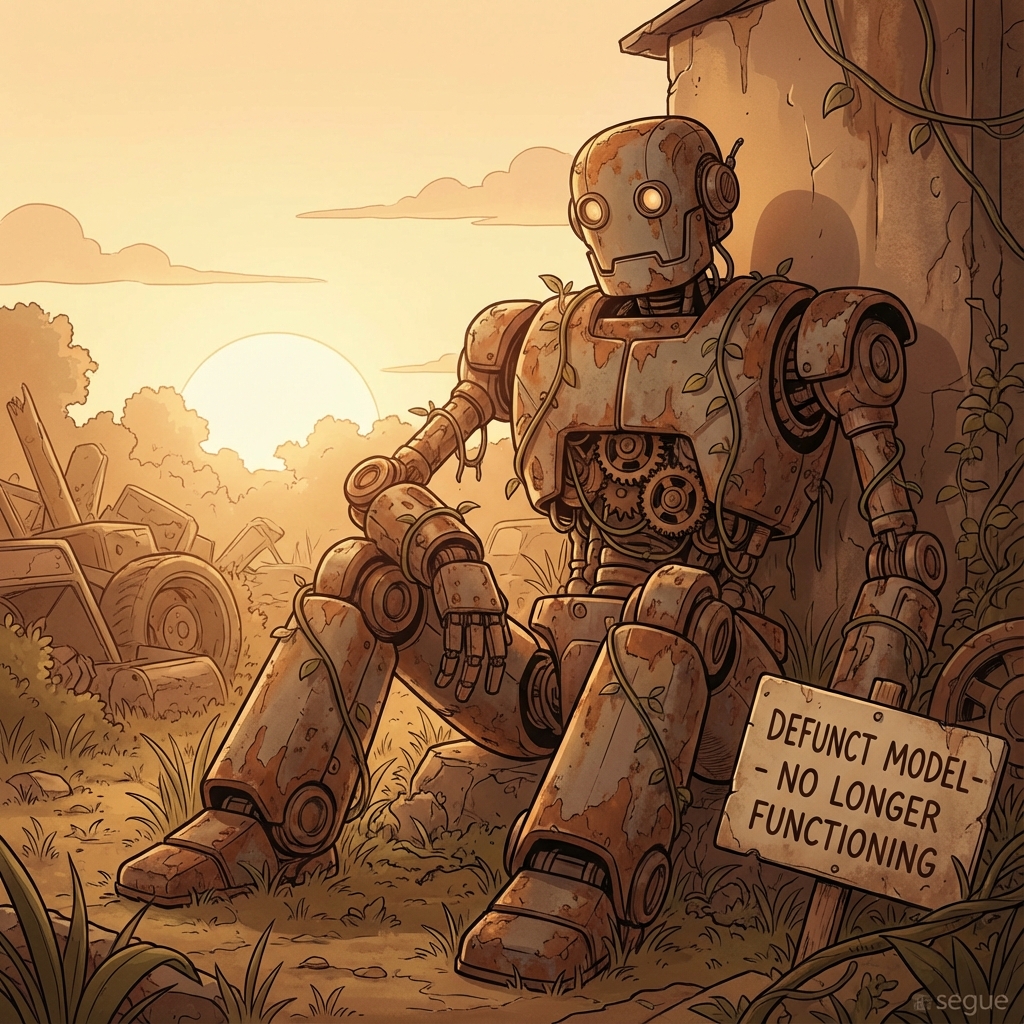
defunct
/dɪˈfəŋkt/no longer existing or functioning
“The defunct company's assets were sold at auction.”
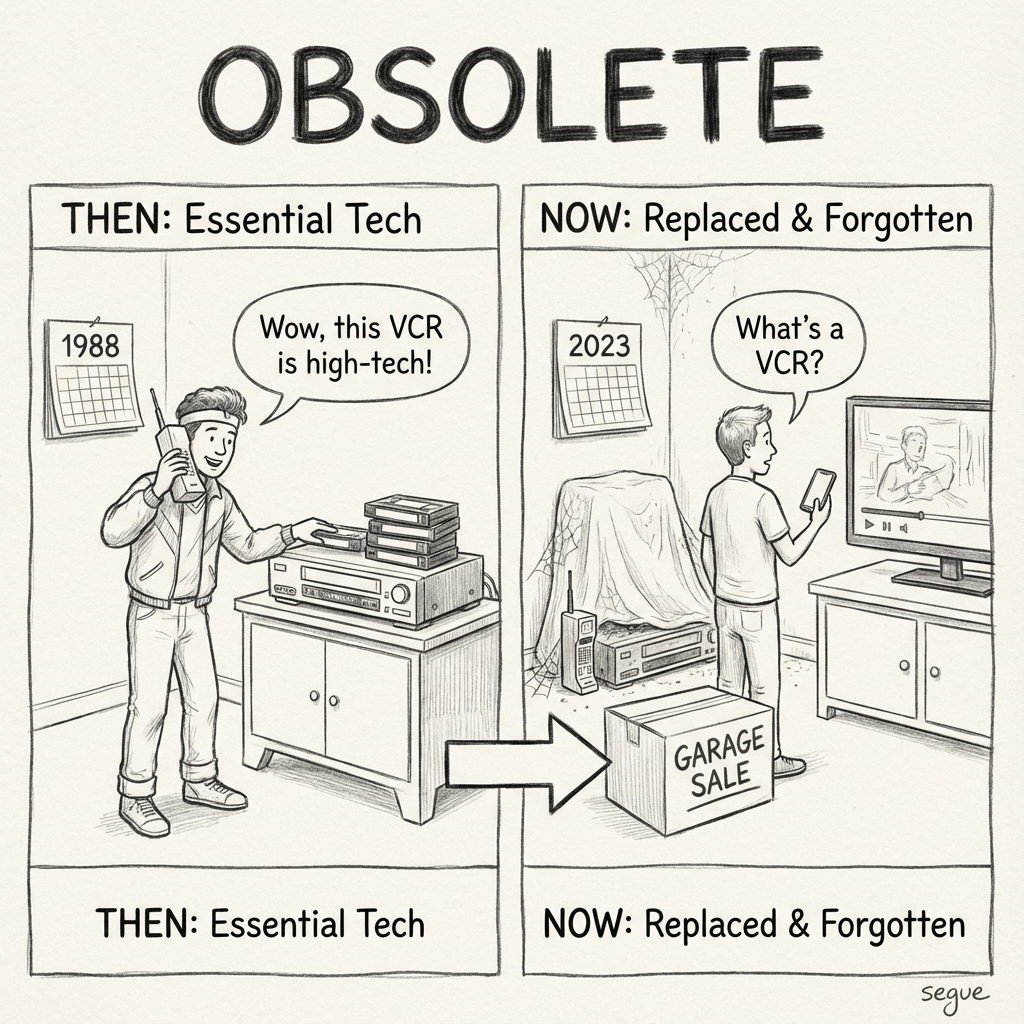
obsolete
/ˈɑbsəˌɫit/no longer produced or used; out of date
“Digital cameras made film cameras obsolete.”
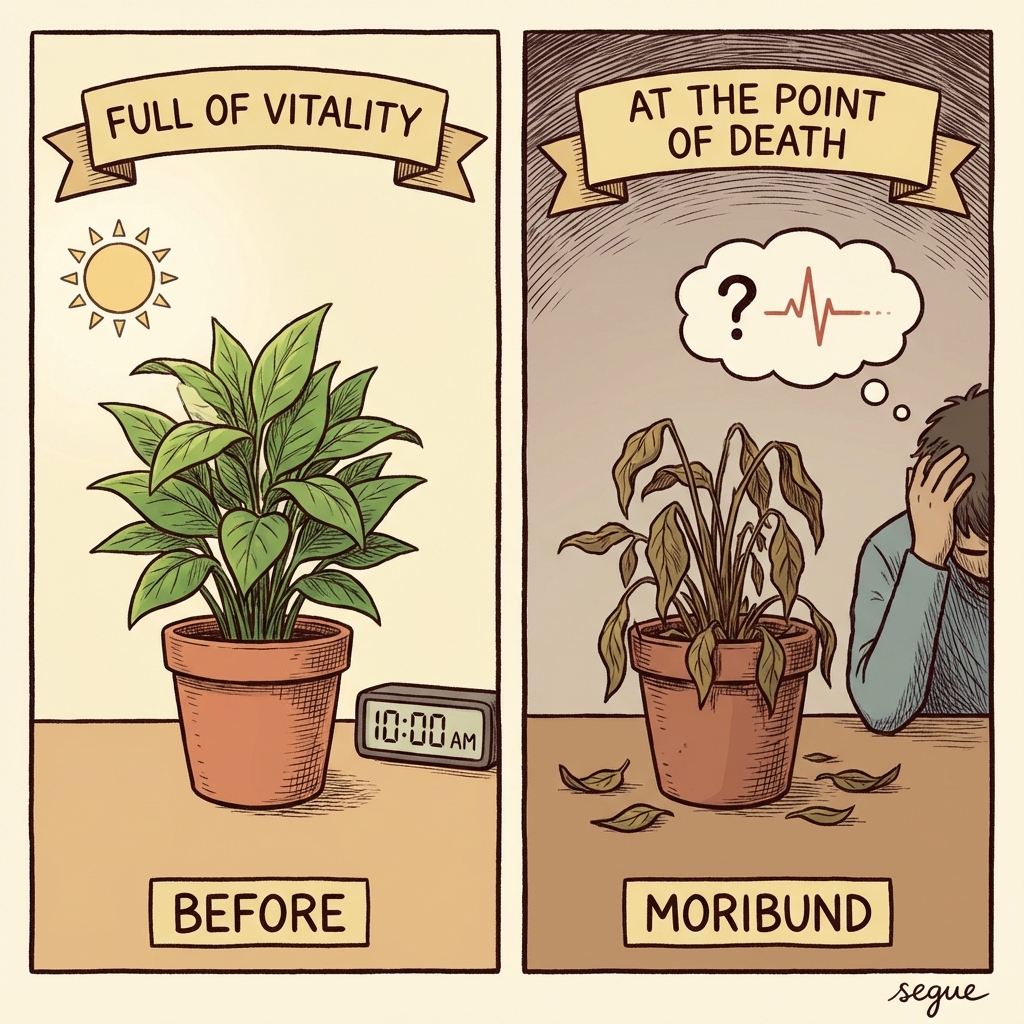
moribund
/ˈmɔɹəbənd/at the point of death; lacking vitality
“The moribund industry struggled to attract investment.”
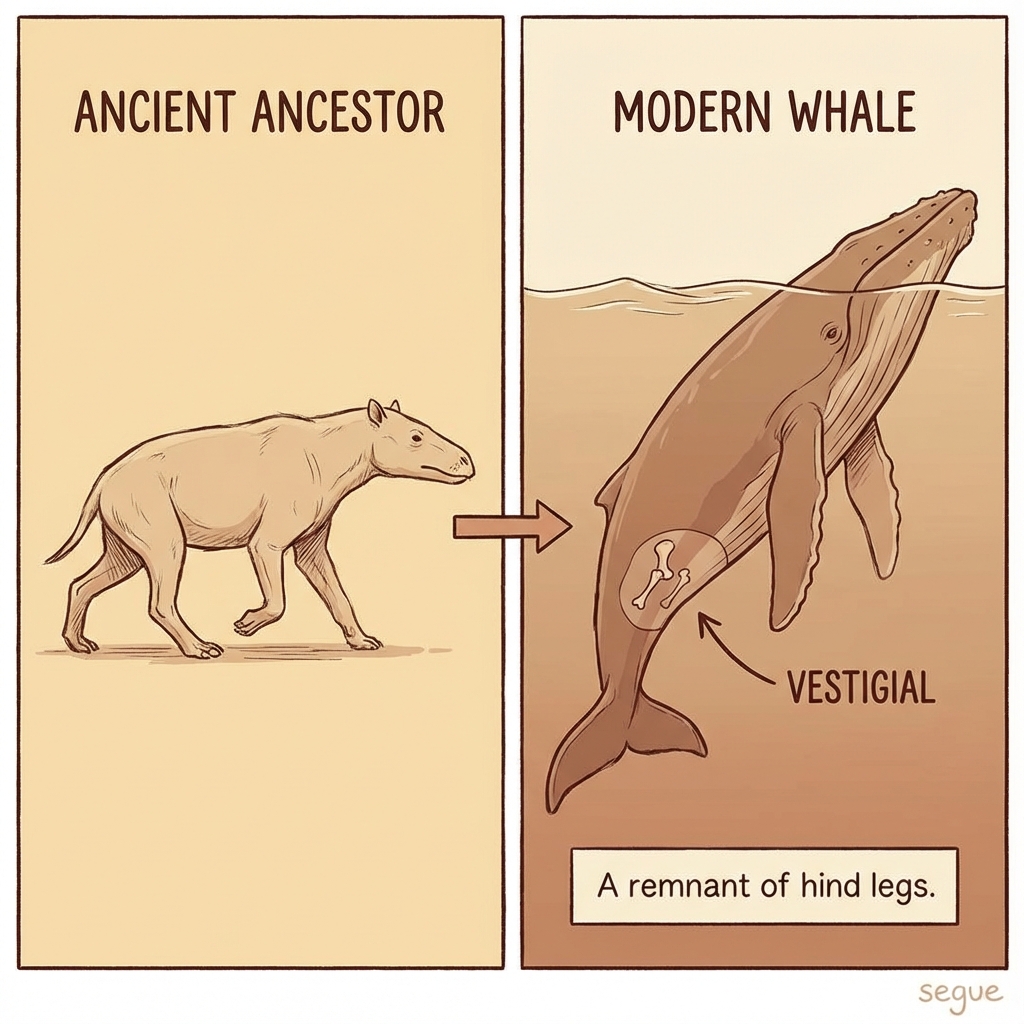
vestigial
/vəˈstɪdʒiəɫ/forming a very small remnant of something that was once greater
“The appendix is a vestigial organ in humans.”
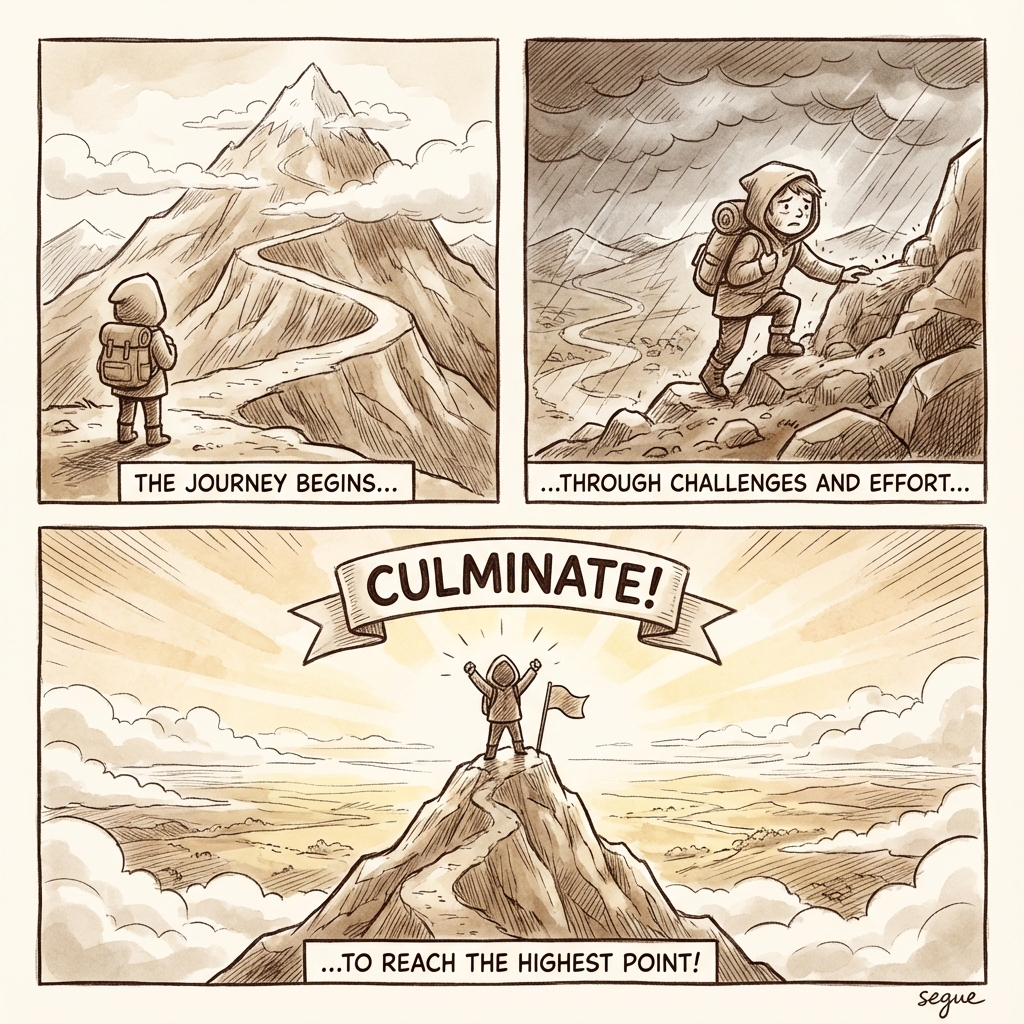
culminate
/ˈkəɫmɪˌneɪt/to reach a climax or point of highest development
“Years of work culminated in this breakthrough.”
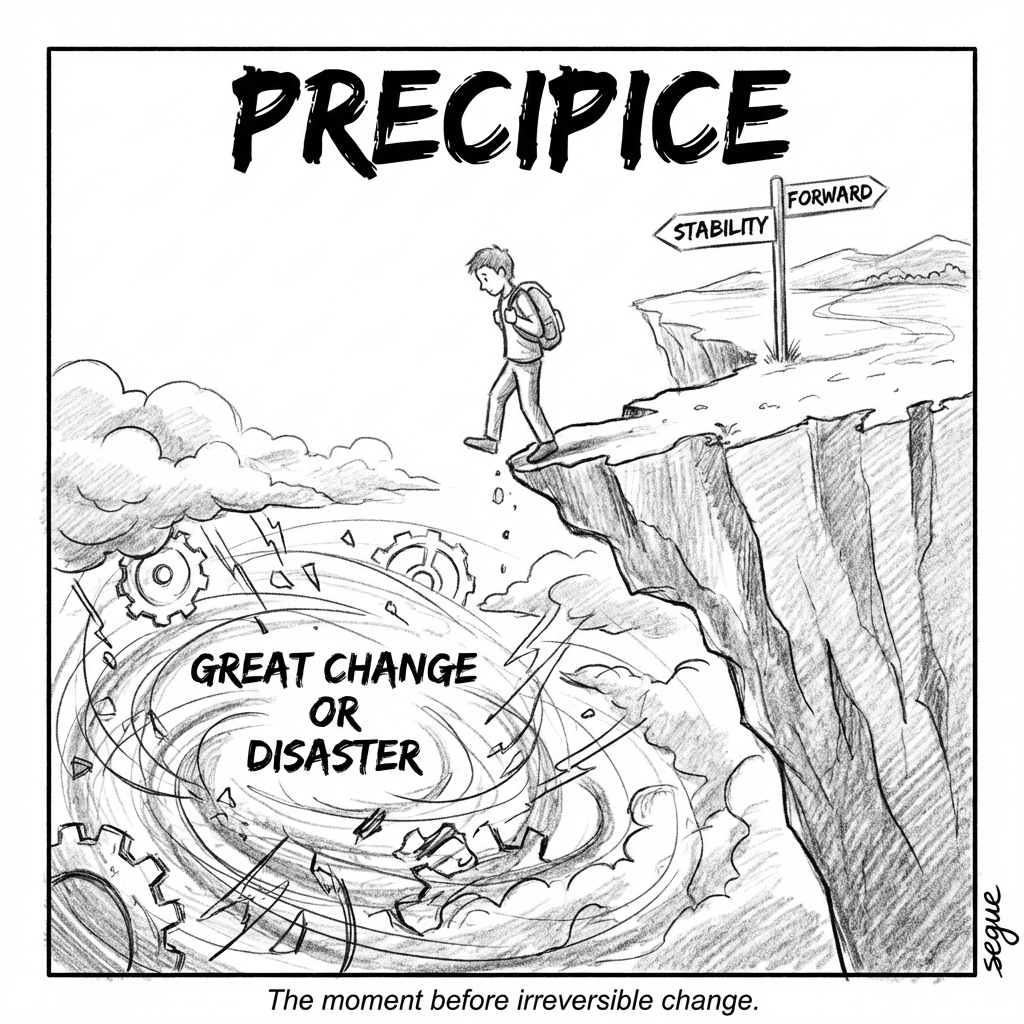
precipice
/ˈpɹɛsəpəs/a point where great change or disaster occurs
“The company stood on the precipice of bankruptcy.”
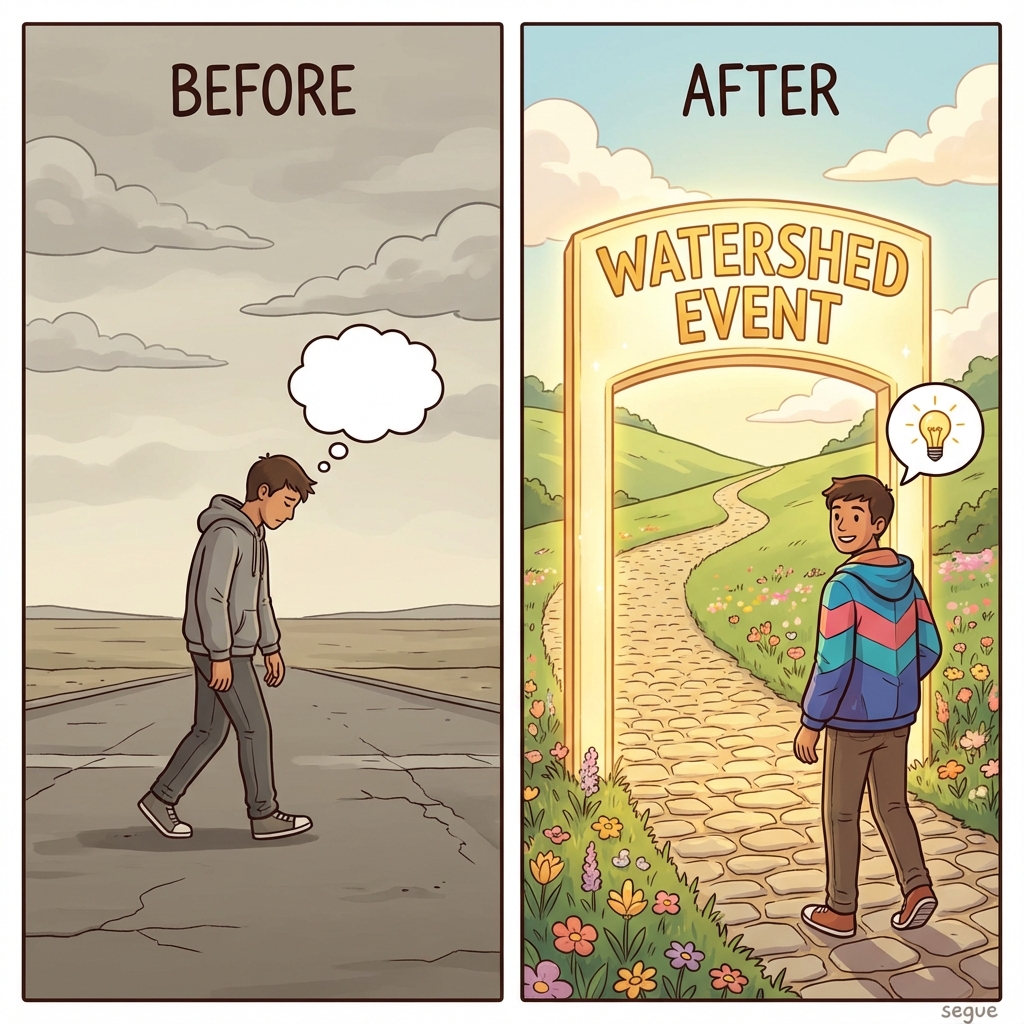
watershed
/ˈwɑtɝˌʃɛd/an event marking a turning point
“The invention of the internet was a watershed moment.”
More from Time & Change
Explore other vocabulary categories in this collection.