Loading collection...
🎨
Artistic References Vocabulary
Allusions to art, music, and cultural movements
10 words
All 10 Words
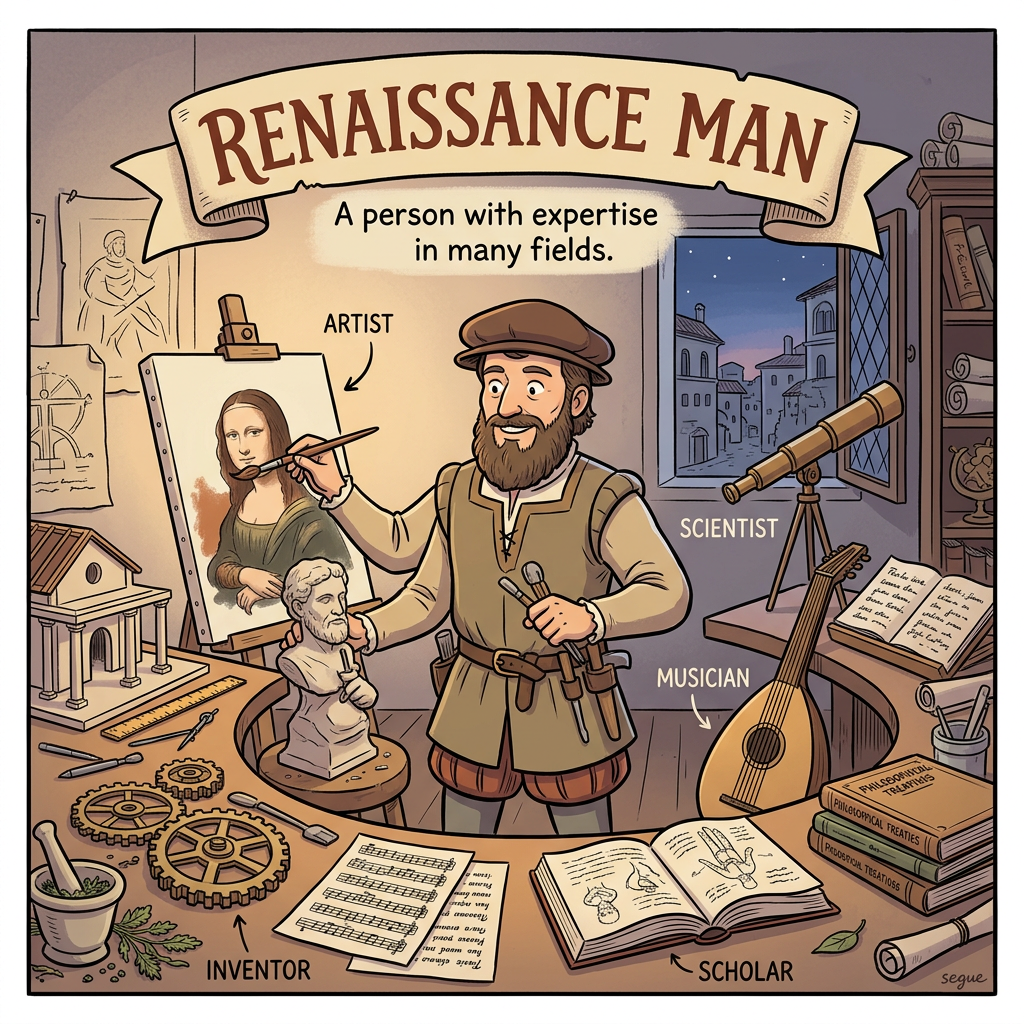
Renaissance man
/ˌrenəˌsɑːns ˈmæn/a person with expertise in many fields
“He was a Renaissance man—musician, scientist, and entrepreneur.”
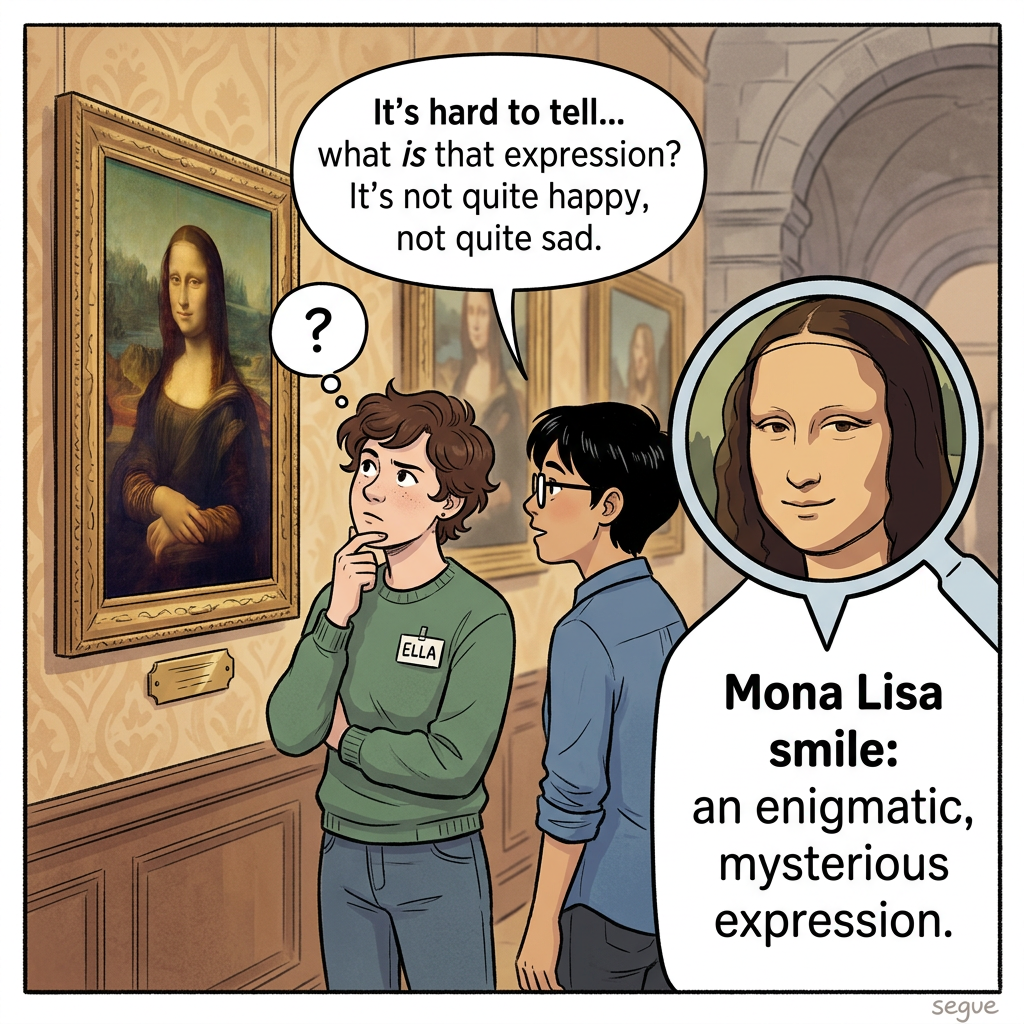
Mona Lisa smile
/ˌmoʊnə ˈliːzə ˌsmaɪl/an enigmatic, mysterious expression
“She answered with a Mona Lisa smile, revealing nothing.”
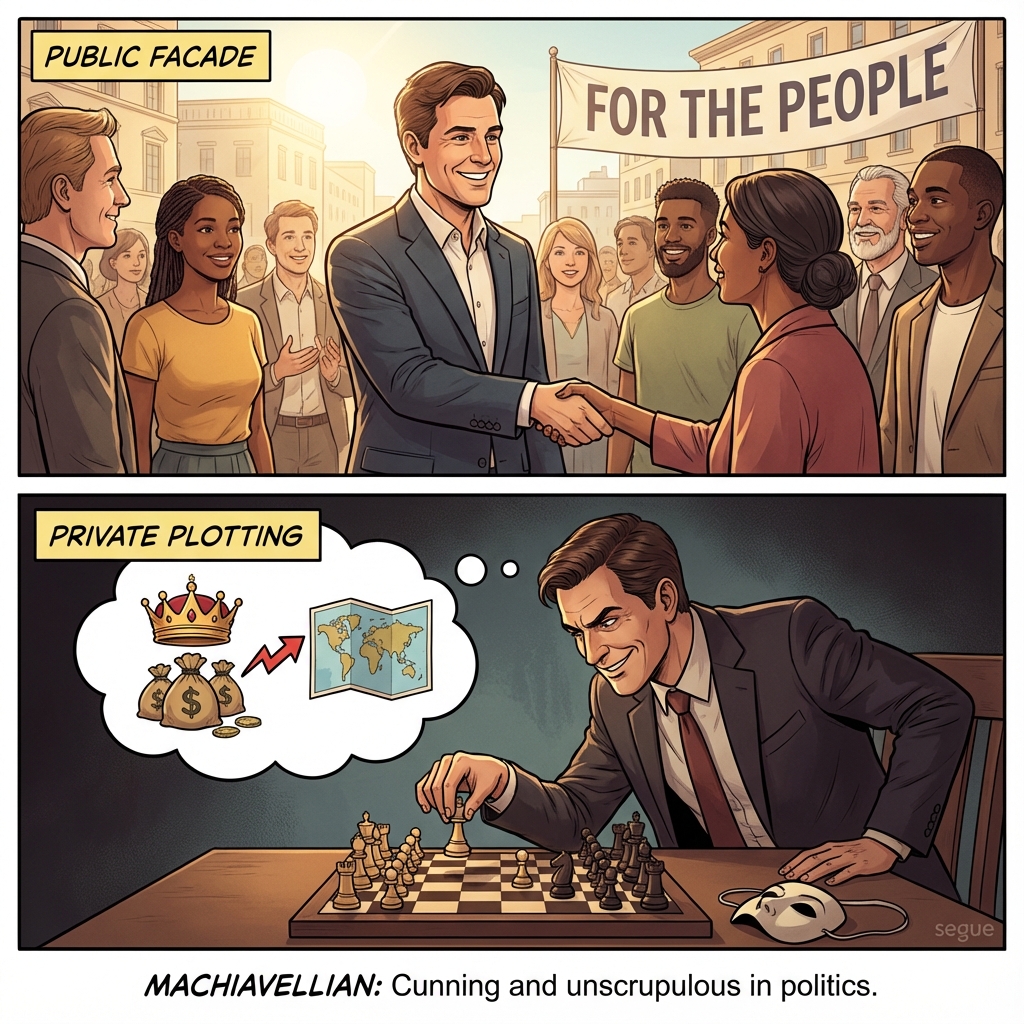
Machiavellian
/ˌmækiəˈveliən/cunning, manipulative, and unscrupulous
“His Machiavellian tactics alienated even allies.”
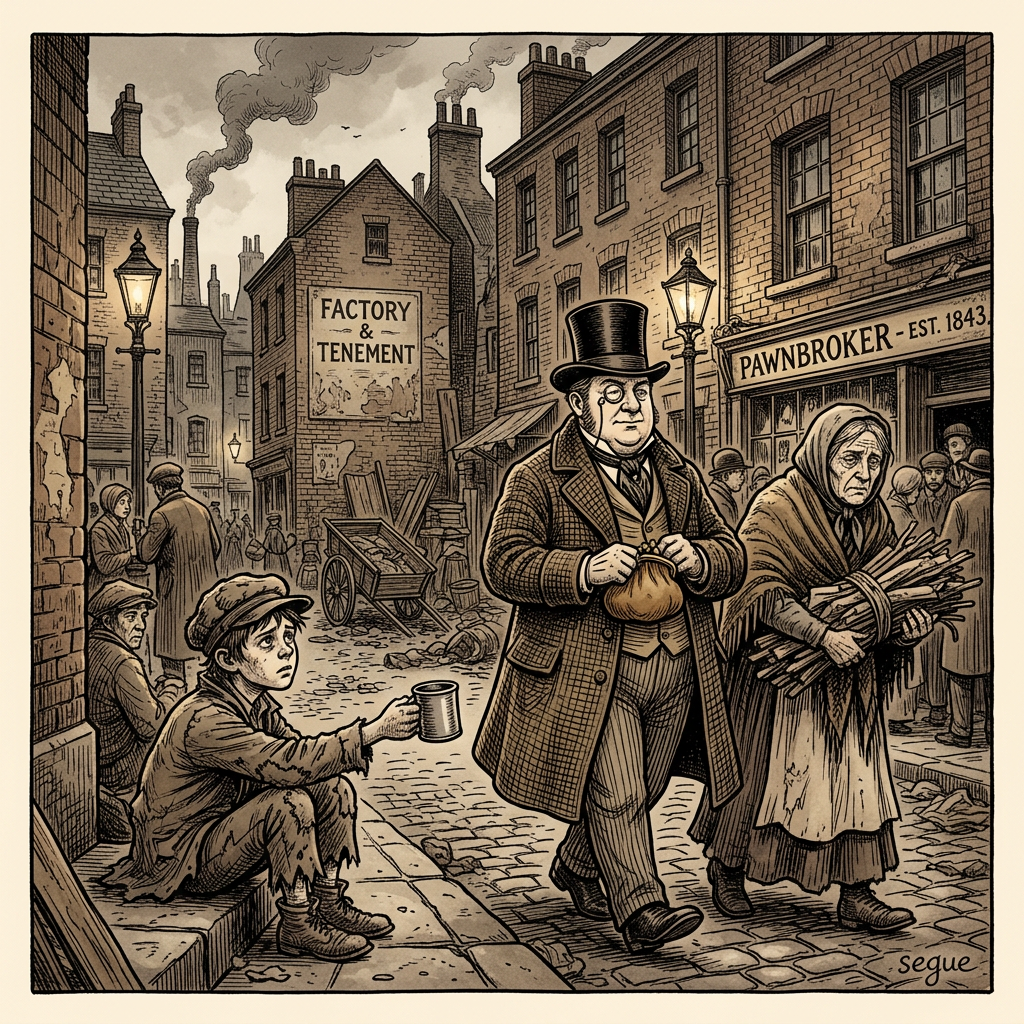
Dickensian
/dɪˈkɛnziən/characterized by poverty, social injustice, or colorful characters
“The working conditions were Dickensian.”
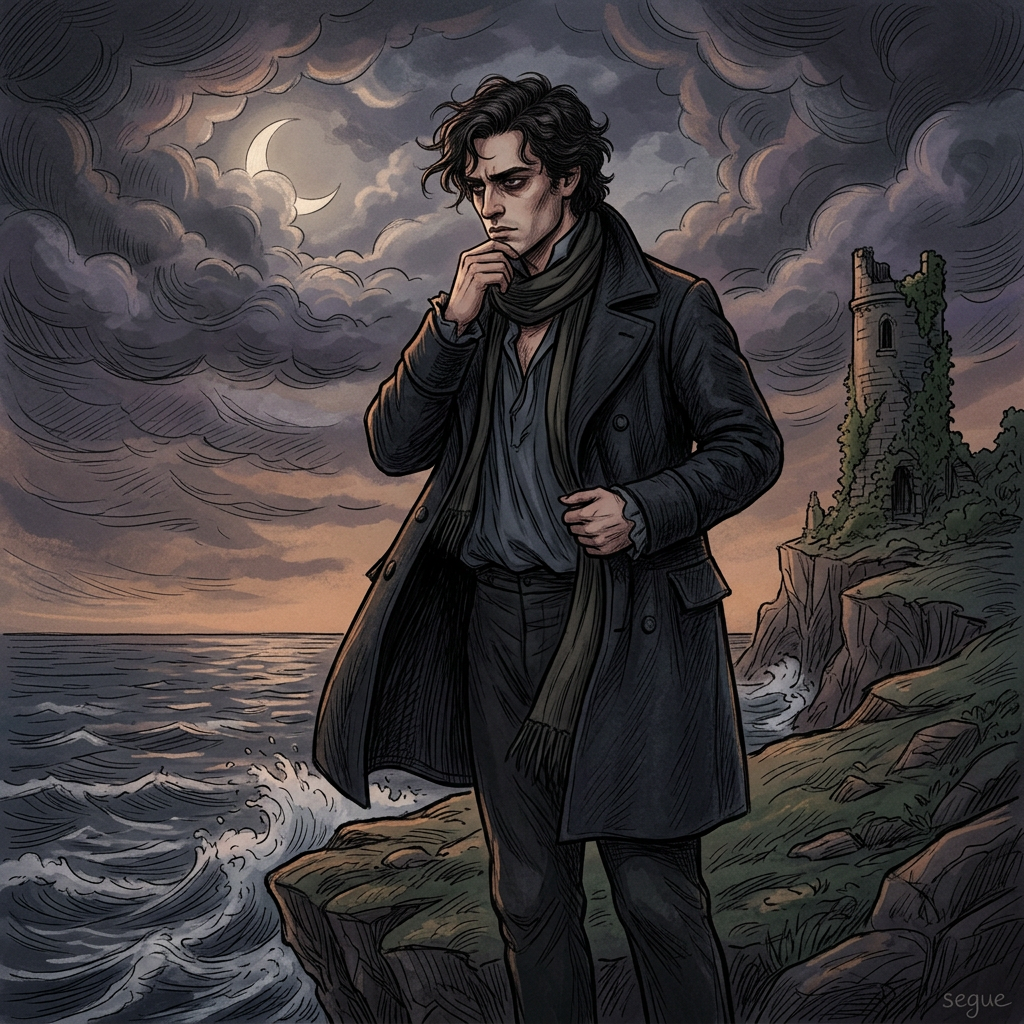
Byronic
/baɪˈrɒnɪk/romantically dark, brooding, and mysterious
“He cultivated a Byronic image—tortured, passionate, alone.”
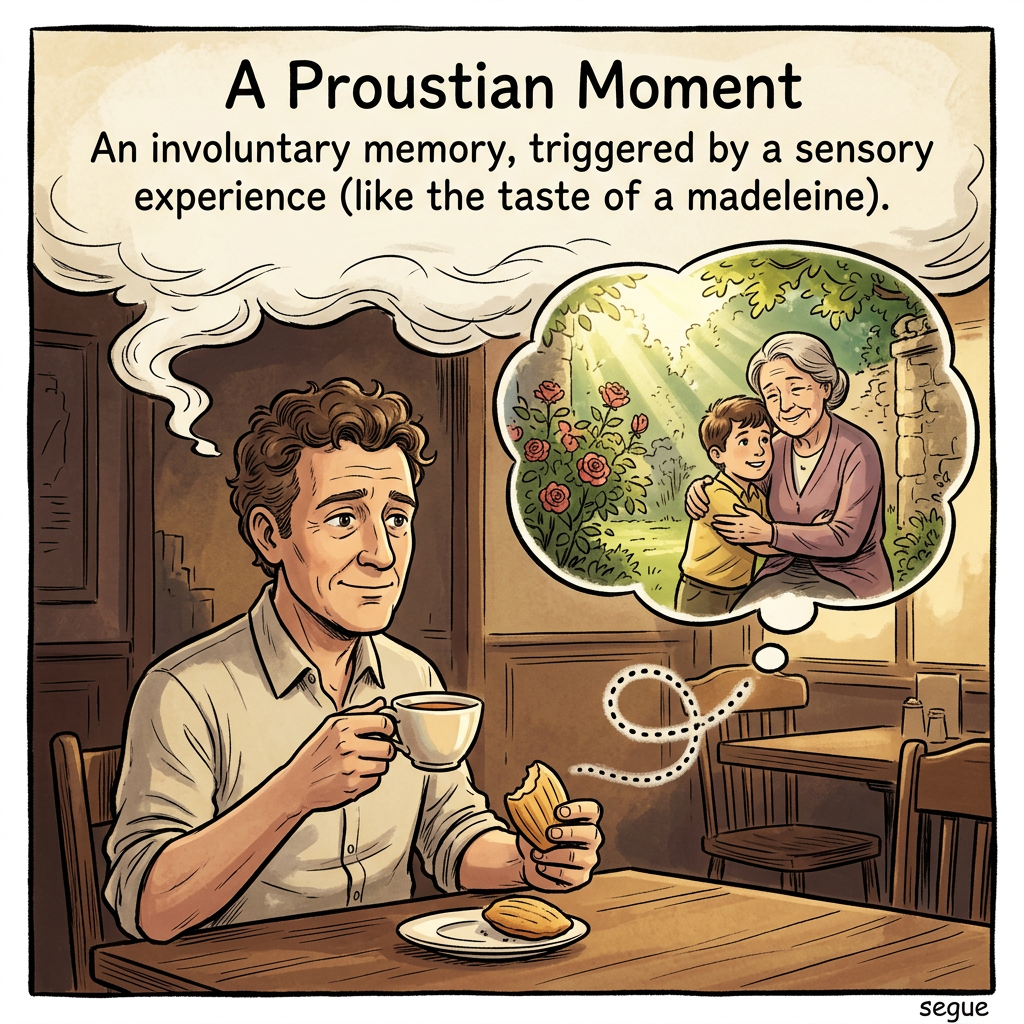
Proustian
/ˈpruːstiən/relating to involuntary memory triggered by sensory experience
“The smell triggered a Proustian flood of childhood memories.”
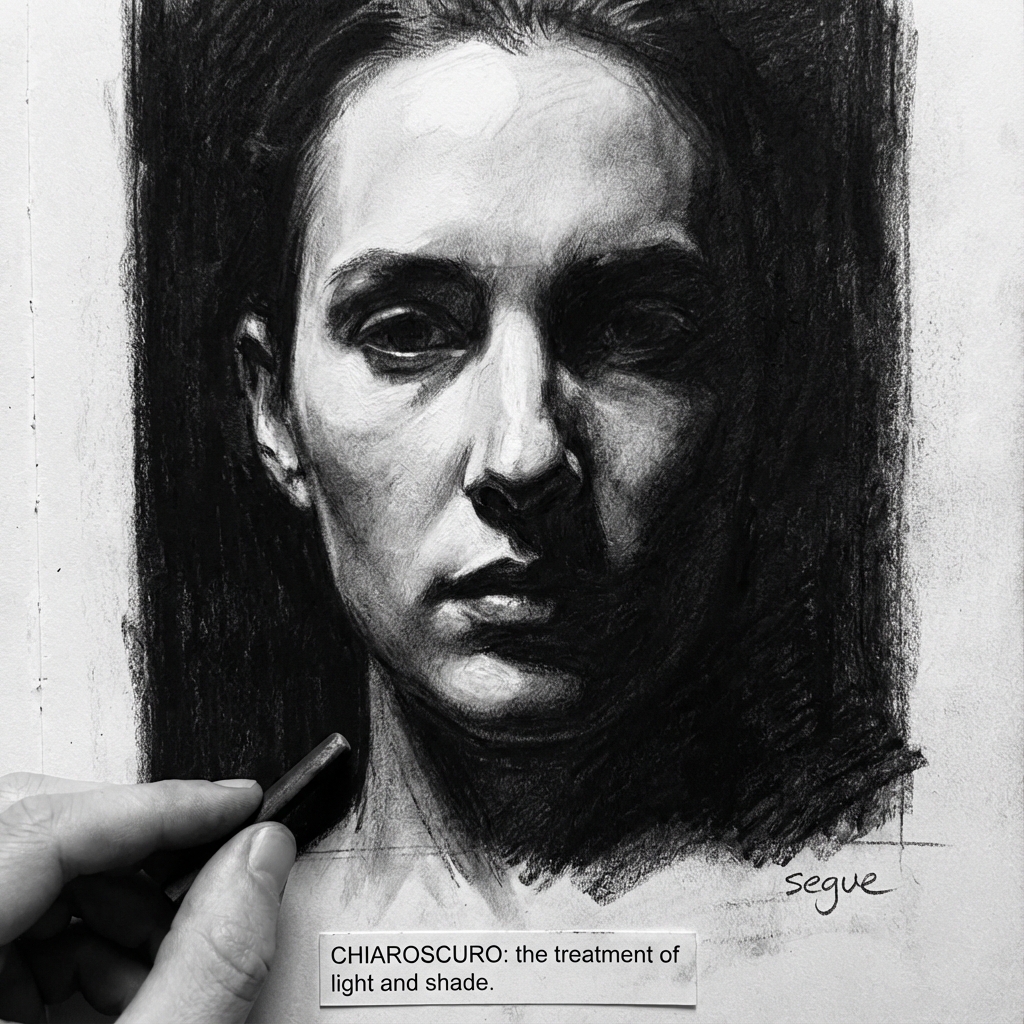
chiaroscuro
/kiˌɑːrəˈskʊəroʊ/strong contrasts between light and dark; moral ambiguity
“The film's moral chiaroscuro made heroes and villains indistinguishable.”
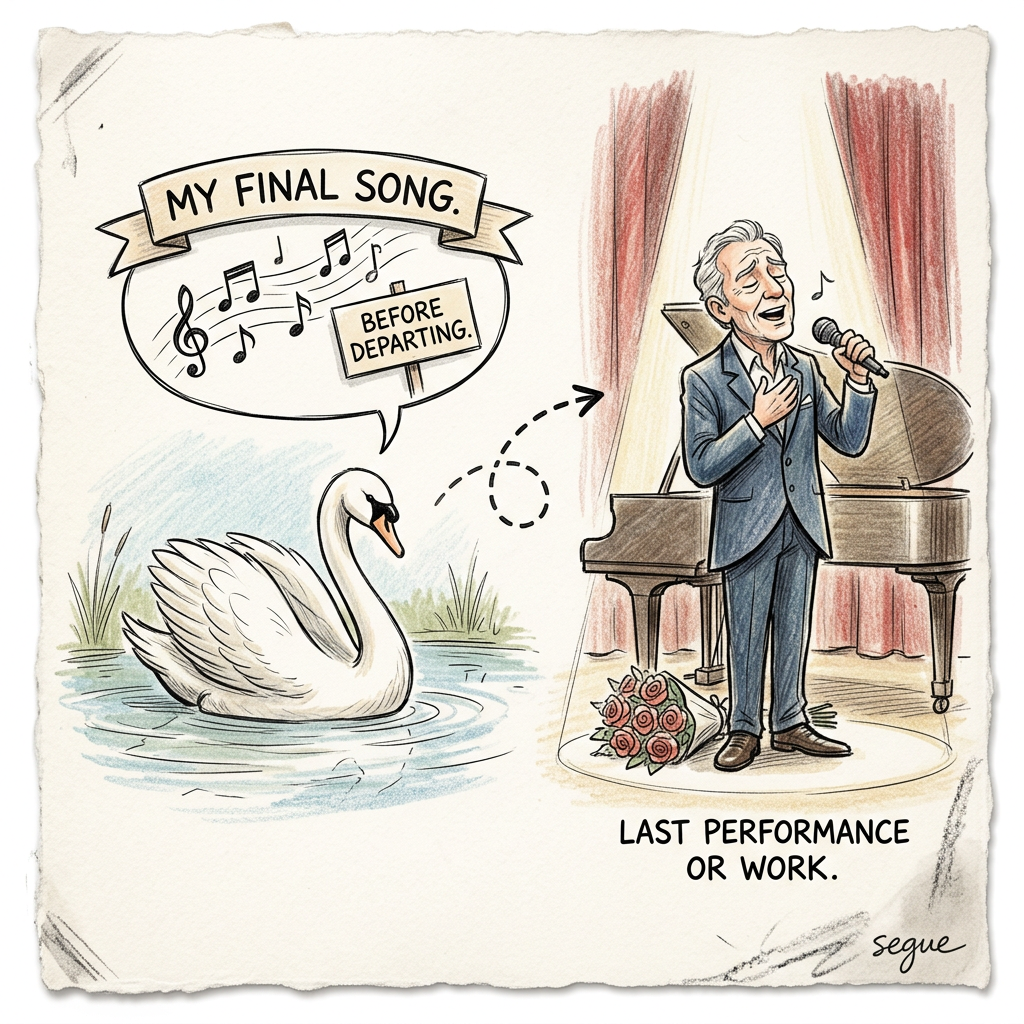
swan song
/ˈswɒn ˌsɒŋ/a final performance or work before death or retirement
“The album was his swan song—he retired immediately after.”
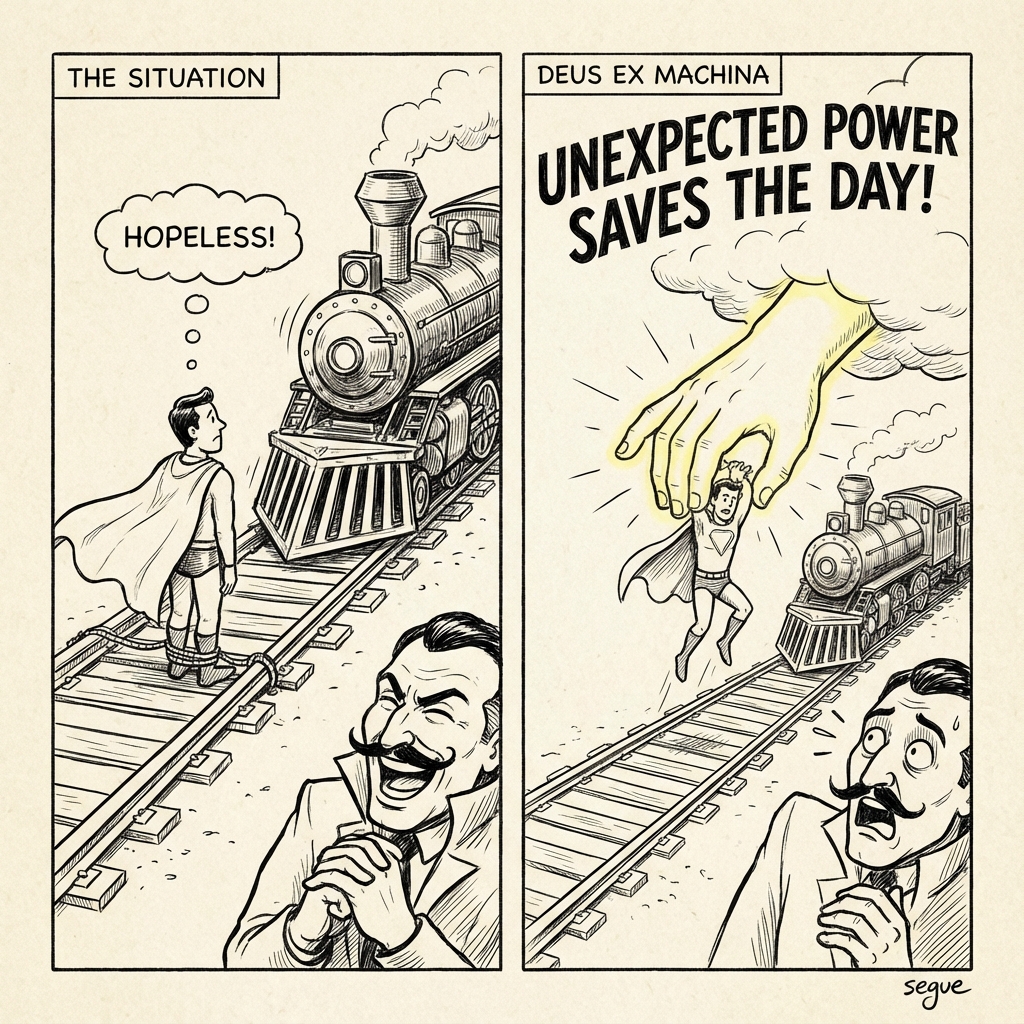
deus ex machina
/ˌdeɪəs eks ˈmækɪnə/an improbable device that resolves a plot
“The sudden inheritance was a deus ex machina that solved all problems.”
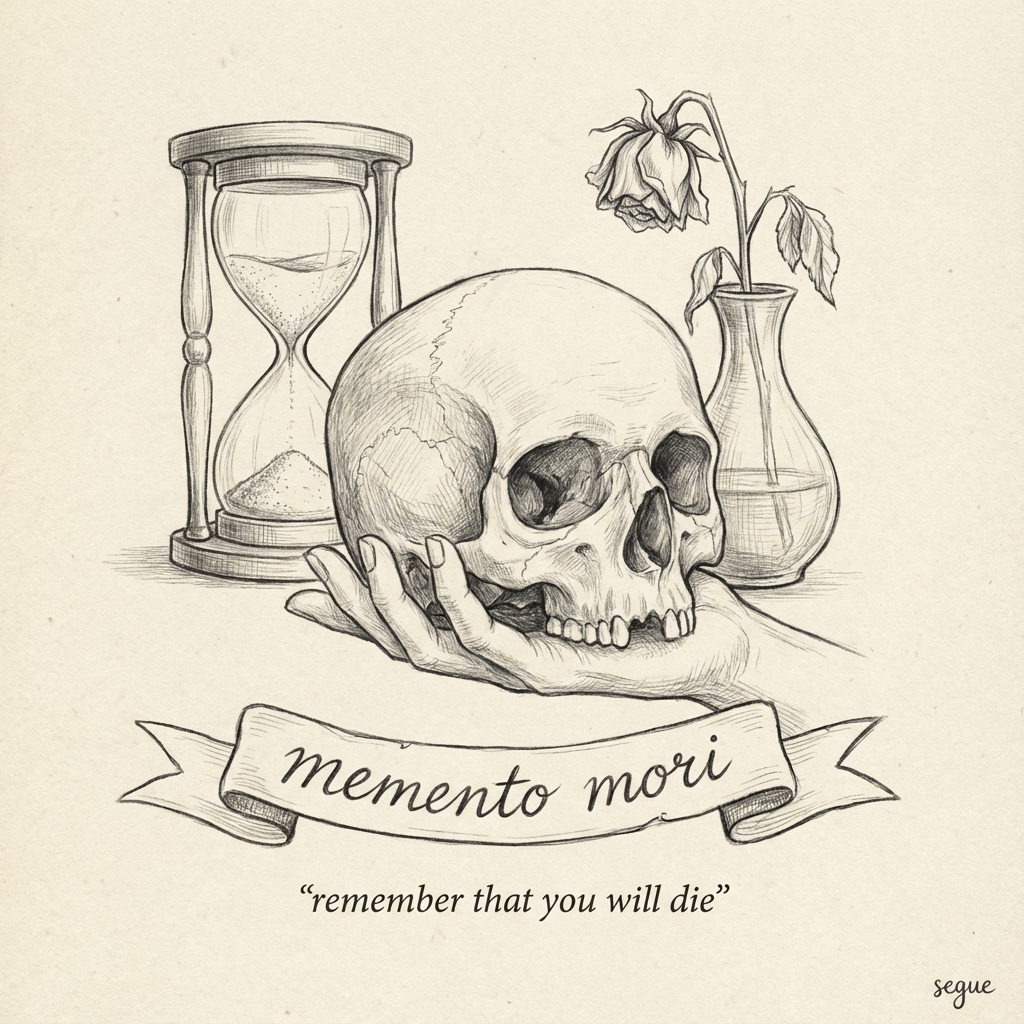
memento mori
/məˌmentoʊ ˈmɔːri/a reminder of mortality
“The skull on his desk was a memento mori.”
More from Cultural Literacy
Explore other vocabulary categories in this collection.