Loading collection...
💬
Arguments & Rhetoric Vocabulary
Words for debate, persuasion, and logical discourse
22 words
All 22 Words
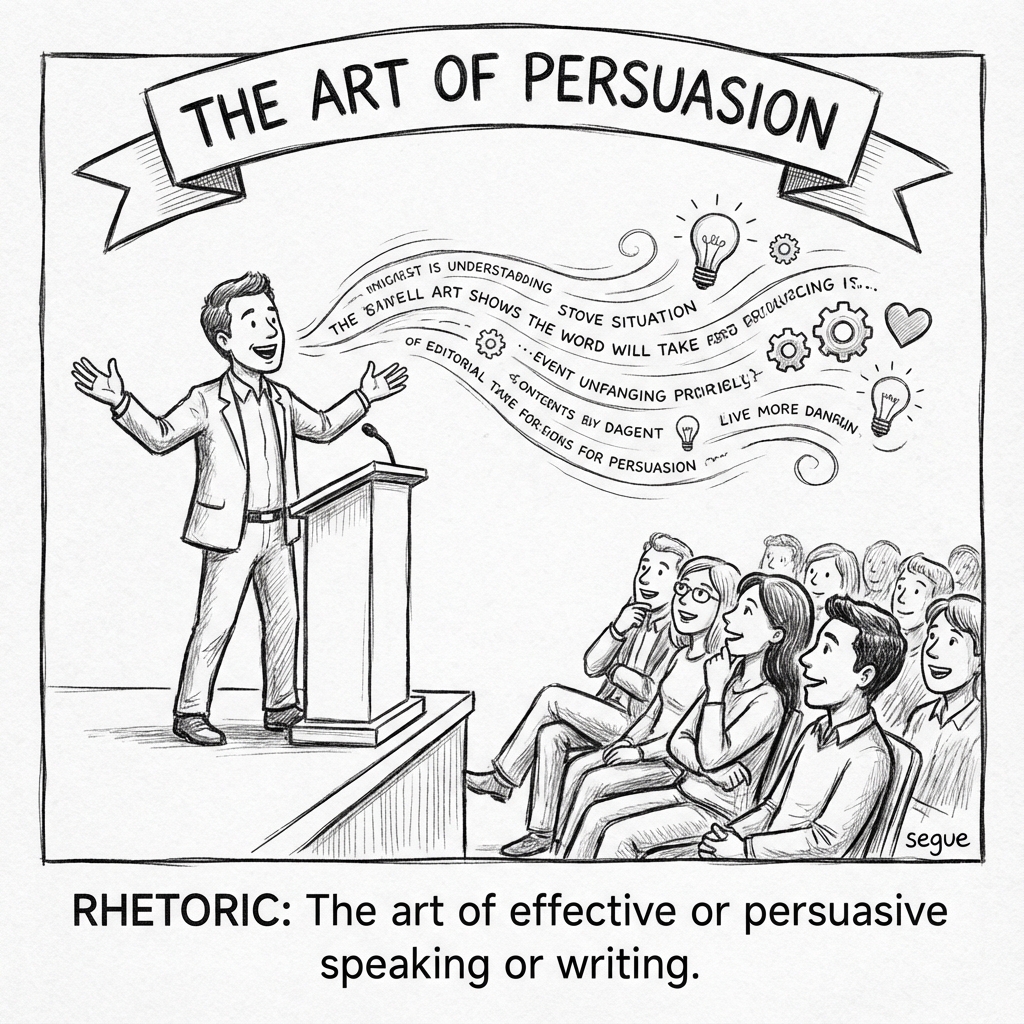
rhetoric
/ˈɹɛtɝɪk/the art of effective or persuasive speaking or writing
“His rhetoric inspired millions but lacked substance.”
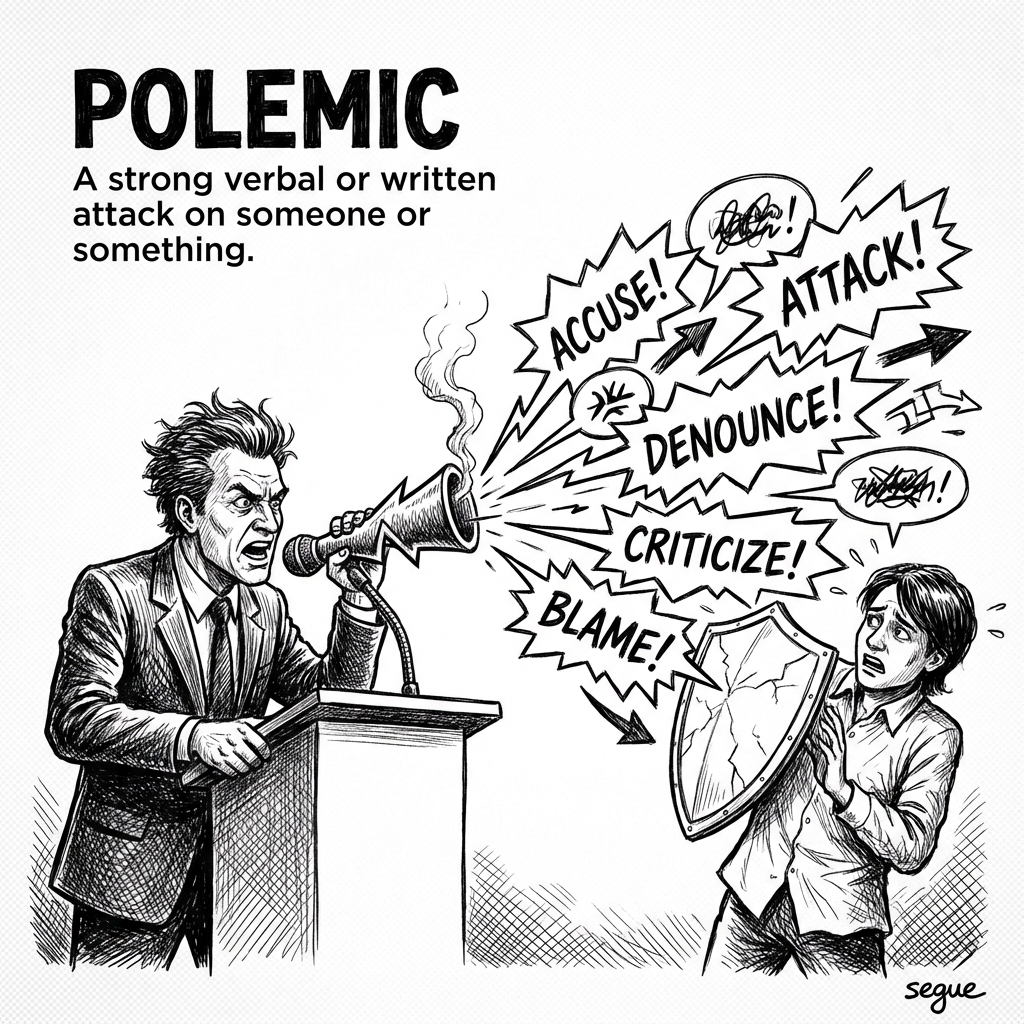
polemic
/pəˈɫɛmɪk/a strong verbal or written attack on someone's opinions or beliefs
“The essay was a polemic against corporate greed.”
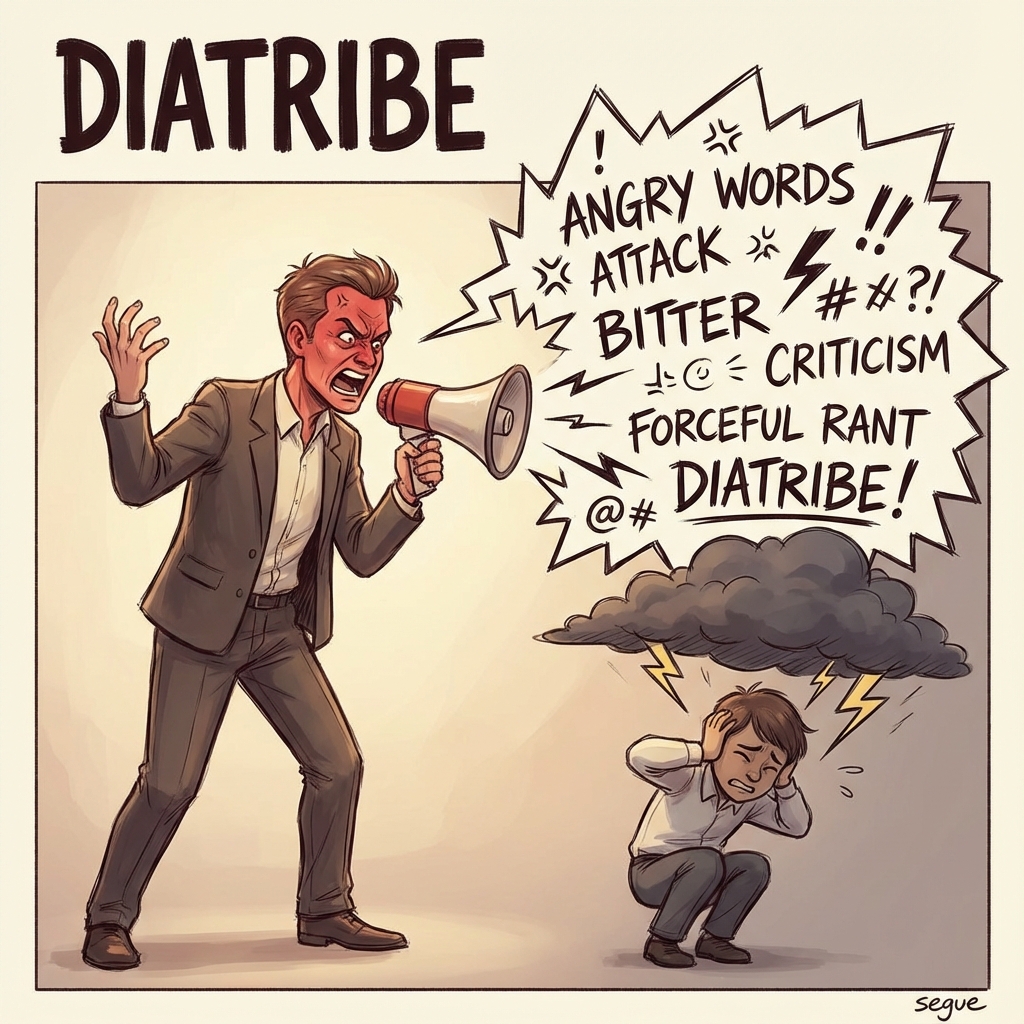
diatribe
/ˈdaɪəˌtɹaɪb/a forceful and bitter verbal attack against someone or something
“His diatribe against the new policy lasted twenty minutes.”
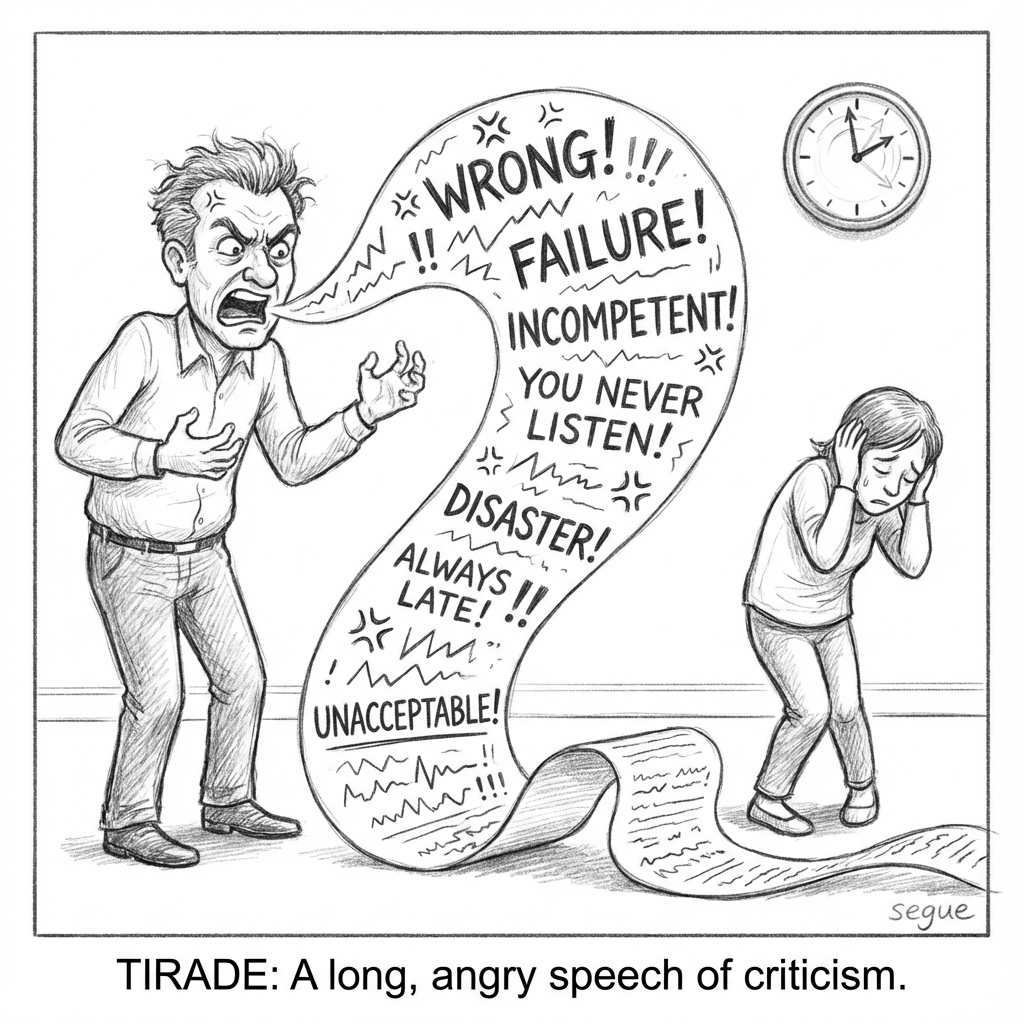
tirade
/taɪˈɹeɪd/a long, angry speech of criticism or accusation
“She launched into a tirade about the poor service.”
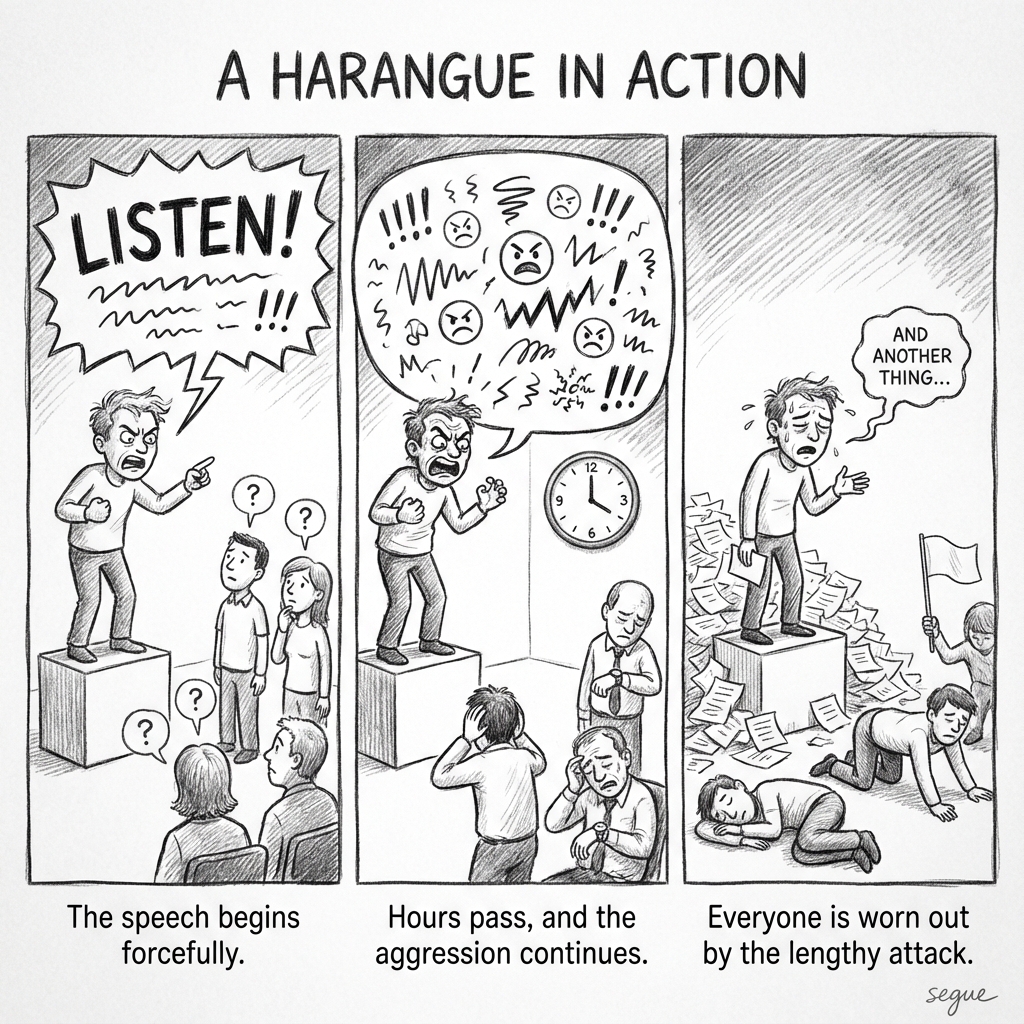
harangue
/hɝˈæŋ/a lengthy and aggressive speech
“The coach's harangue motivated the team to victory.”
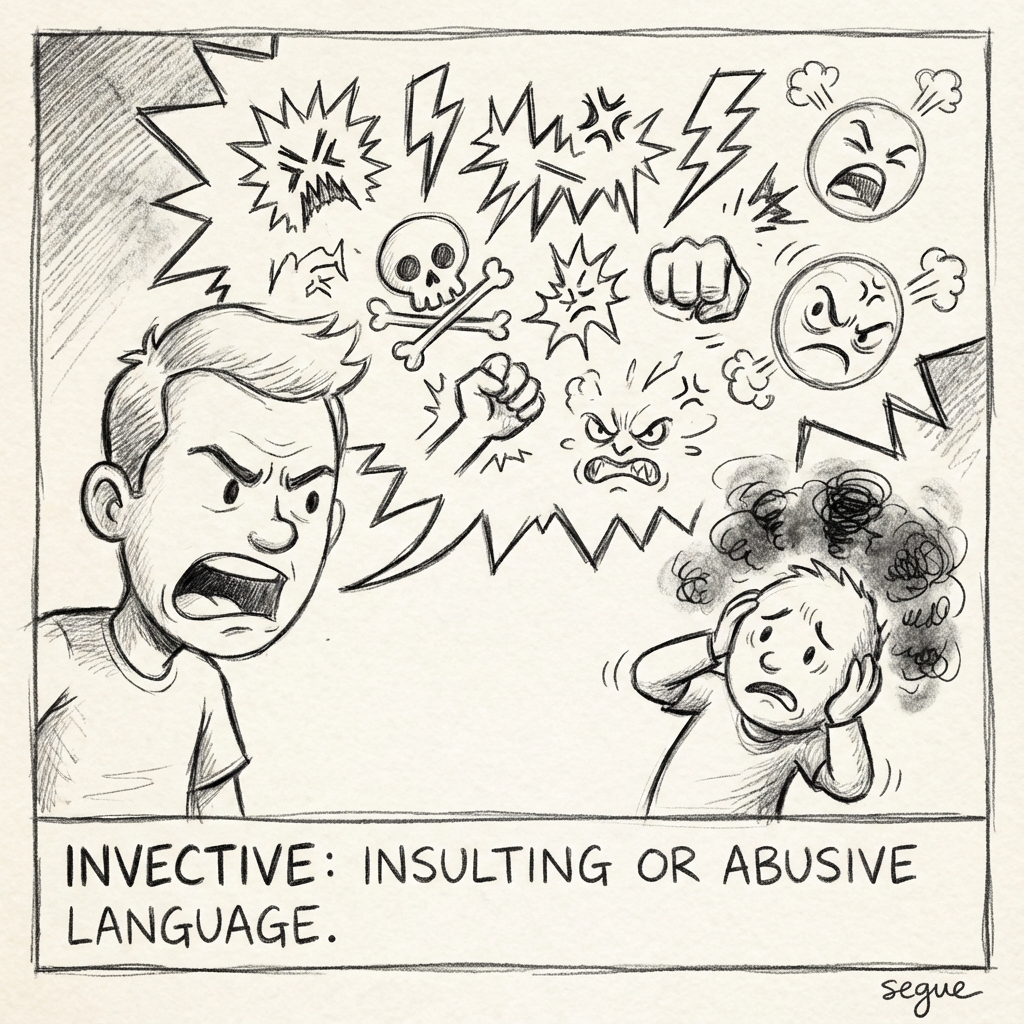
invective
/ˌɪnˈvɛktɪv/insulting, abusive, or highly critical language
“The debate devolved into personal invective.”
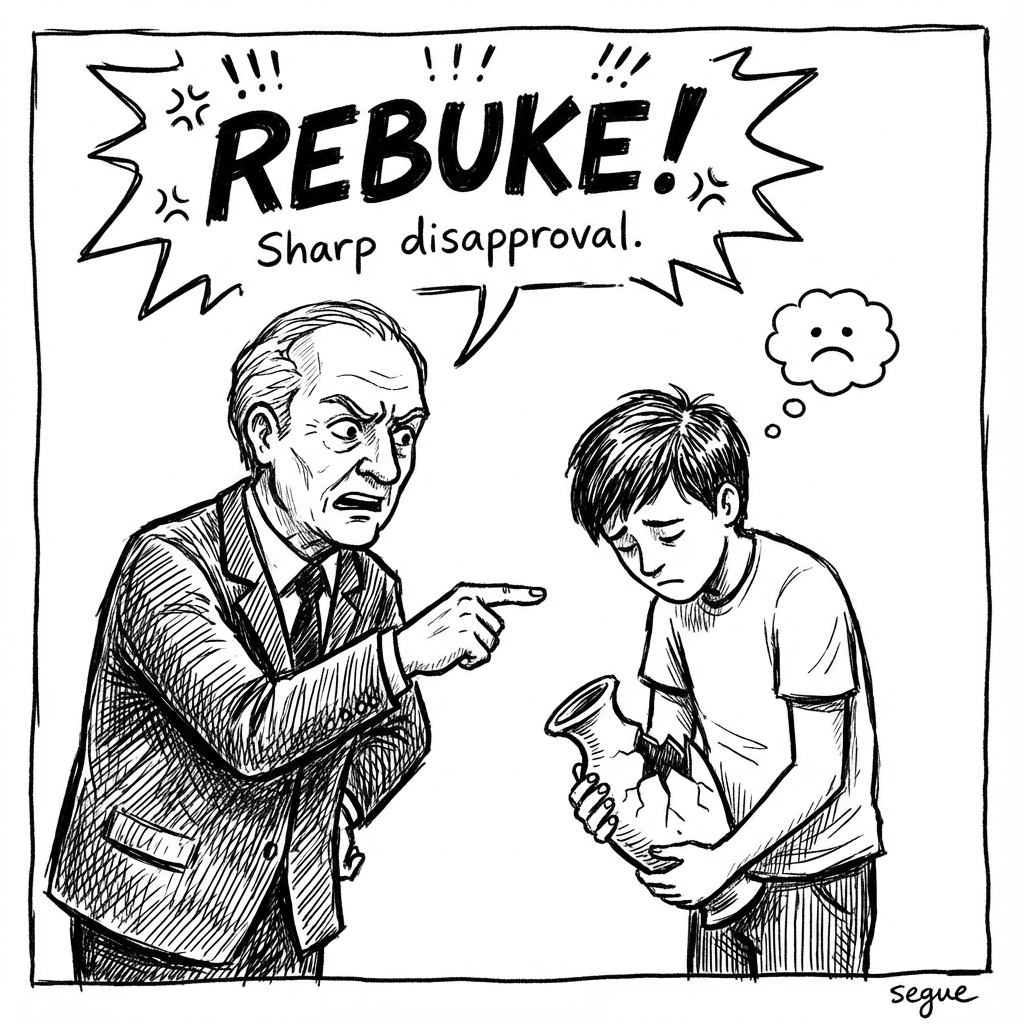
rebuke
/ɹibˈjuk/an expression of sharp disapproval or criticism
“The public rebuke damaged his reputation.”
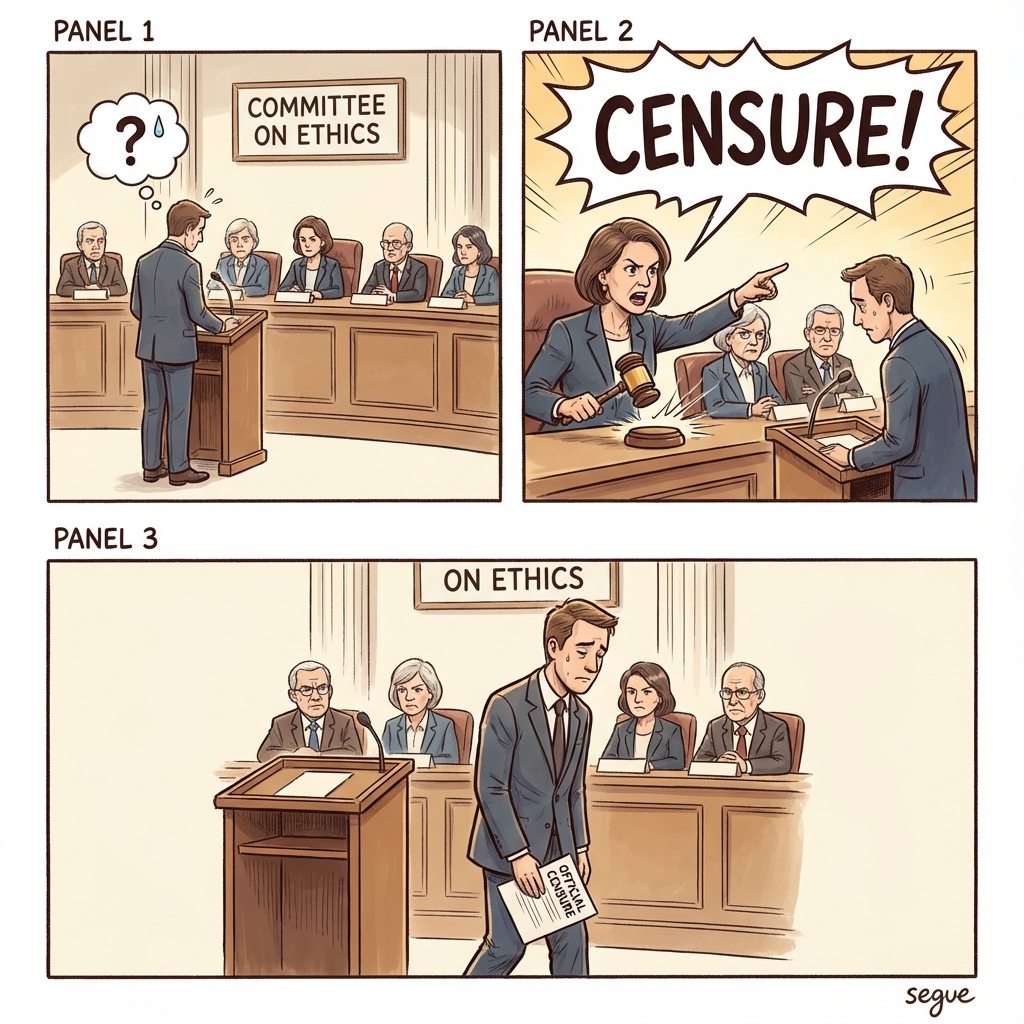
censure
/ˈsɛnʃɝ/the expression of formal disapproval
“The senator faced censure for ethical violations.”
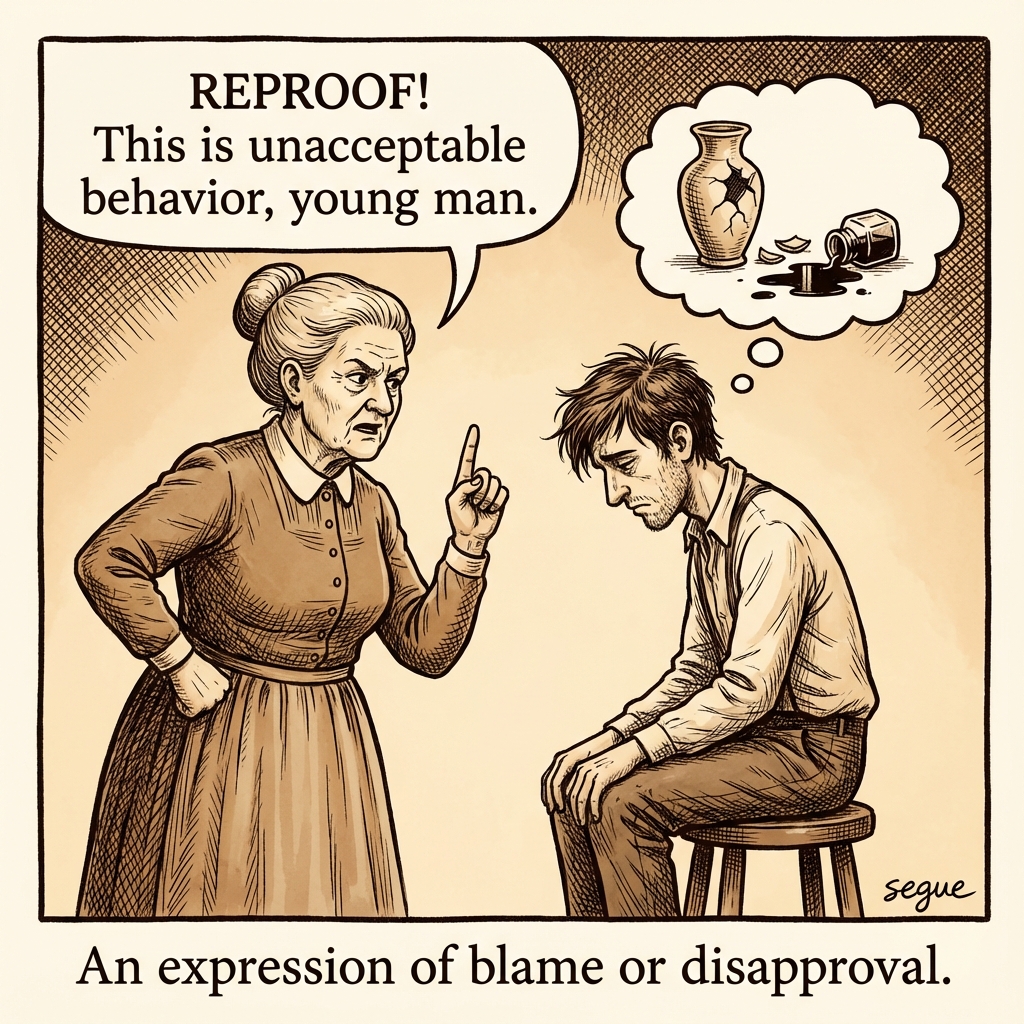
reproof
/rɪˈpruːf/an expression of blame or disapproval
“The gentle reproof was more effective than anger.”
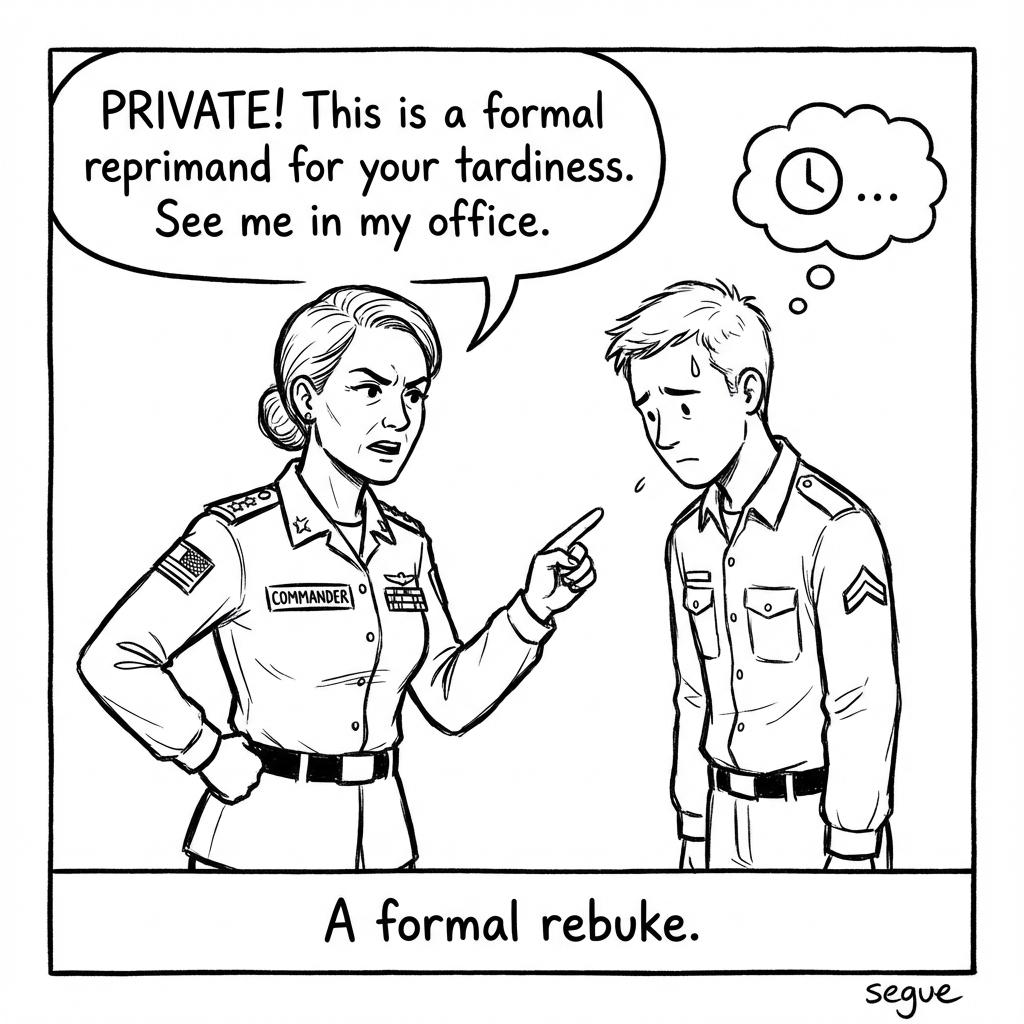
reprimand
/ˈɹɛpɹəˌmænd/a rebuke, especially an official one
“The employee received a formal reprimand for tardiness.”
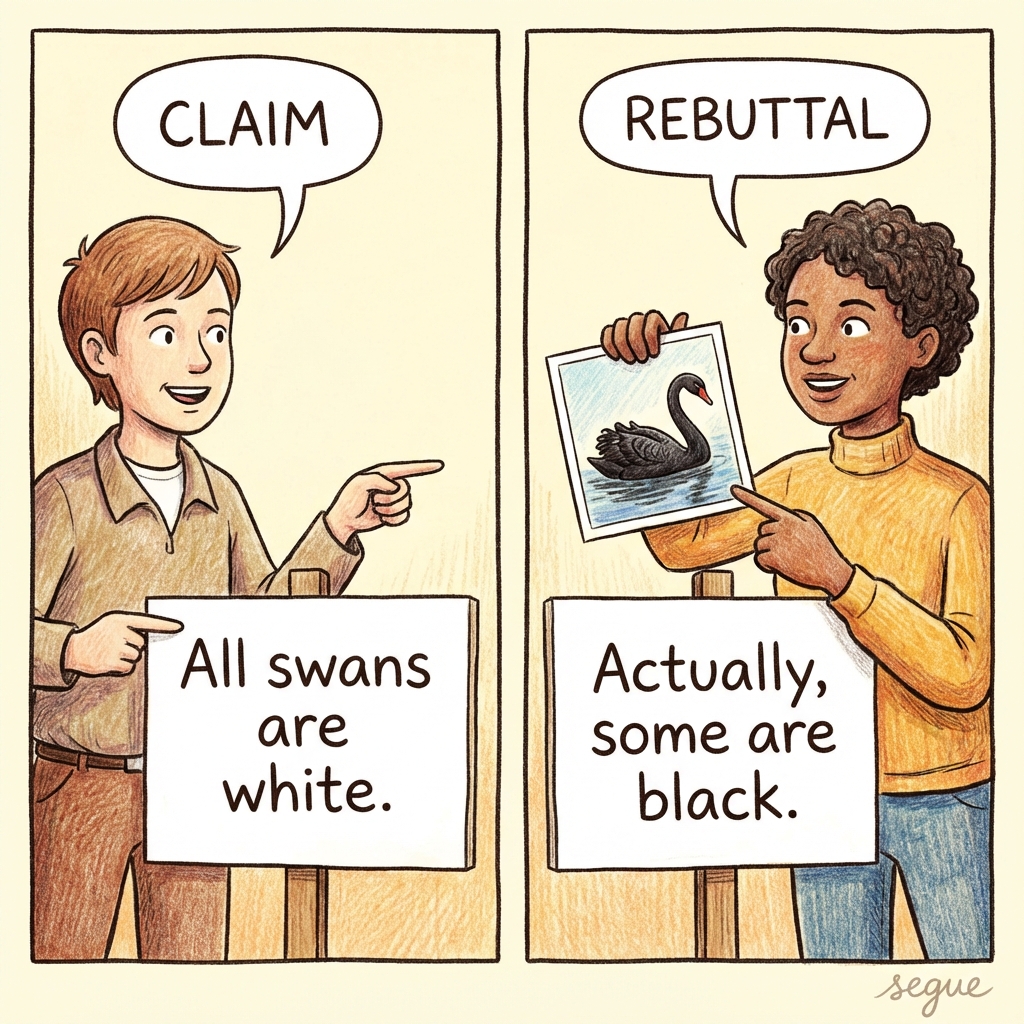
rebuttal
/ɹiˈbətəɫ/an argument or evidence that contradicts or refutes something
“Her rebuttal dismantled every point of his argument.”
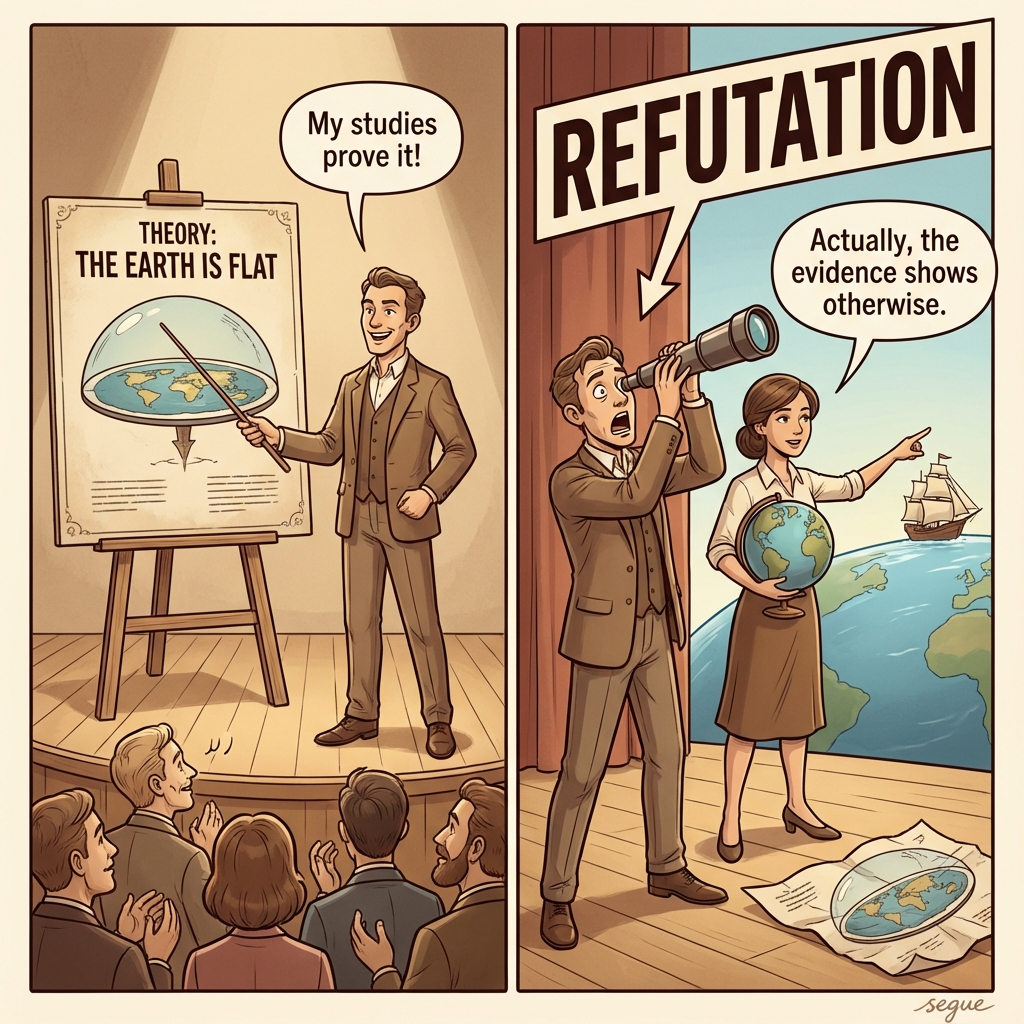
refutation
/ˌɹɛfjuˈteɪʃən/the action of proving a statement or theory wrong
“The scientist published a complete refutation of the study.”
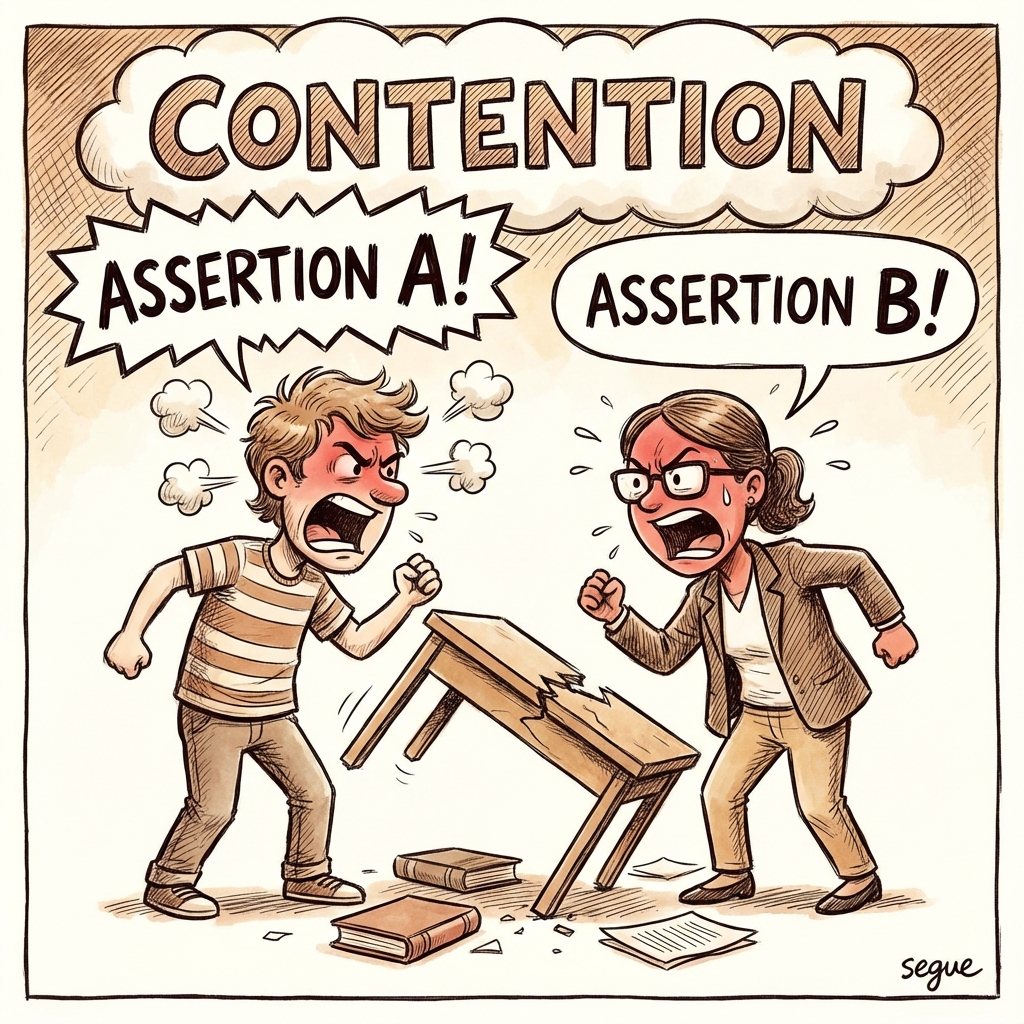
contention
/kənˈtɛnʃən/heated disagreement; an assertion in an argument
“His main contention was that the data was unreliable.”
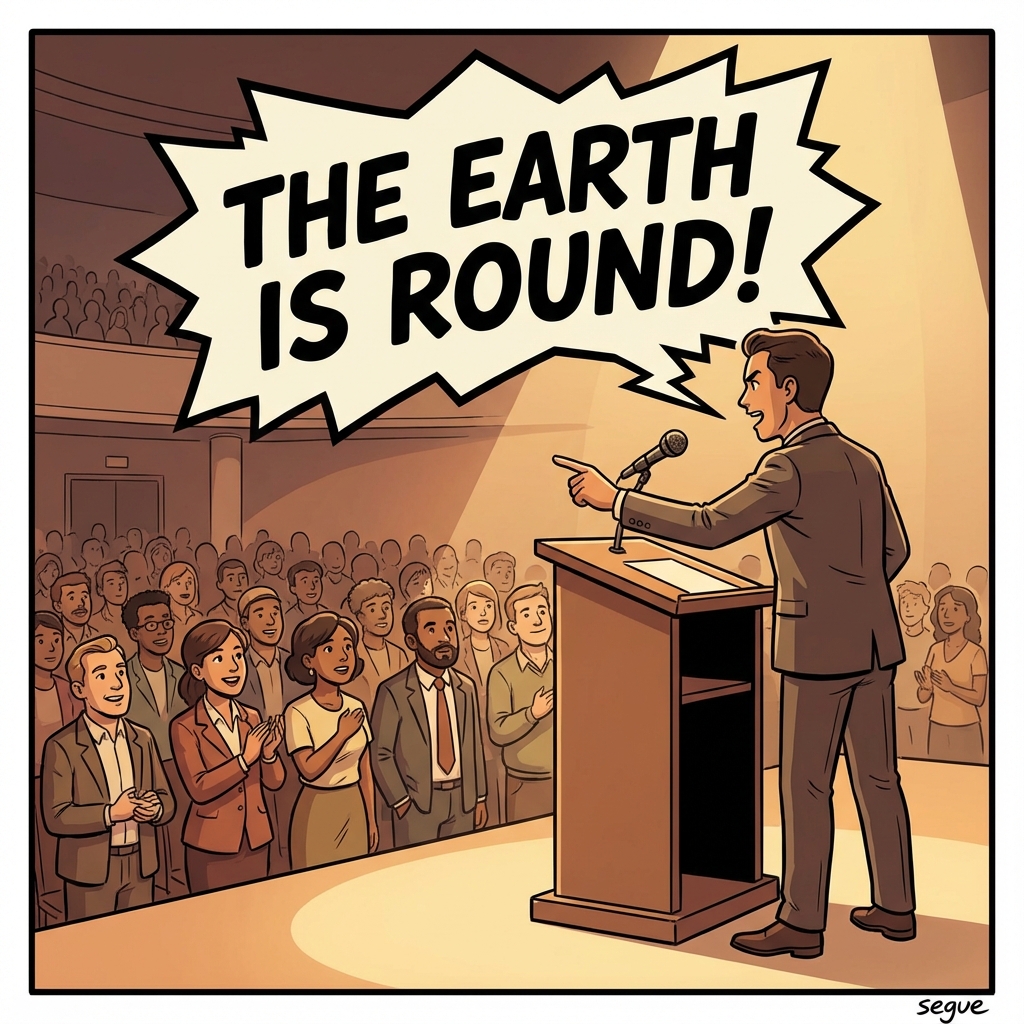
assertion
/əˈsɝʃən/a confident and forceful statement of fact or belief
“Her assertion required substantial evidence to support it.”
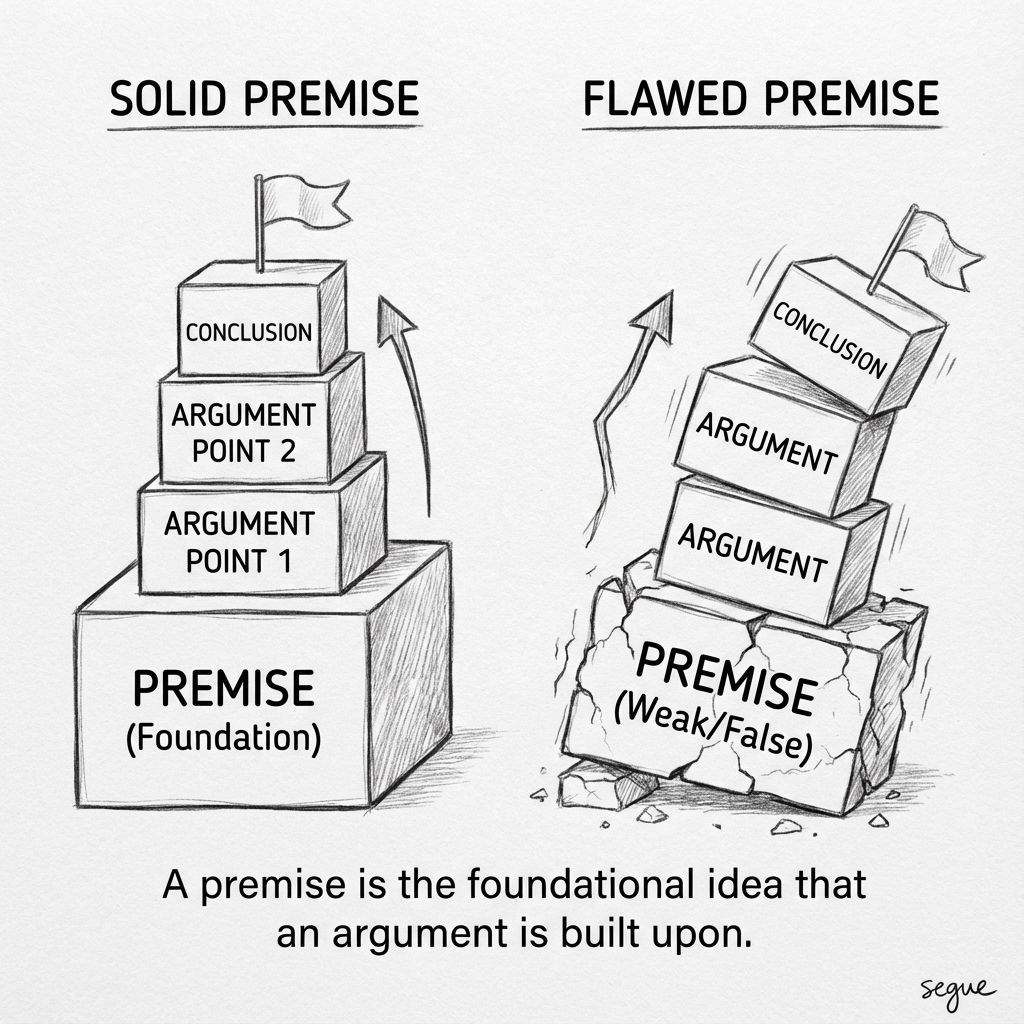
premise
/ˈpɹɛmɪs/a previous statement from which another is inferred
“The argument rested on a false premise.”
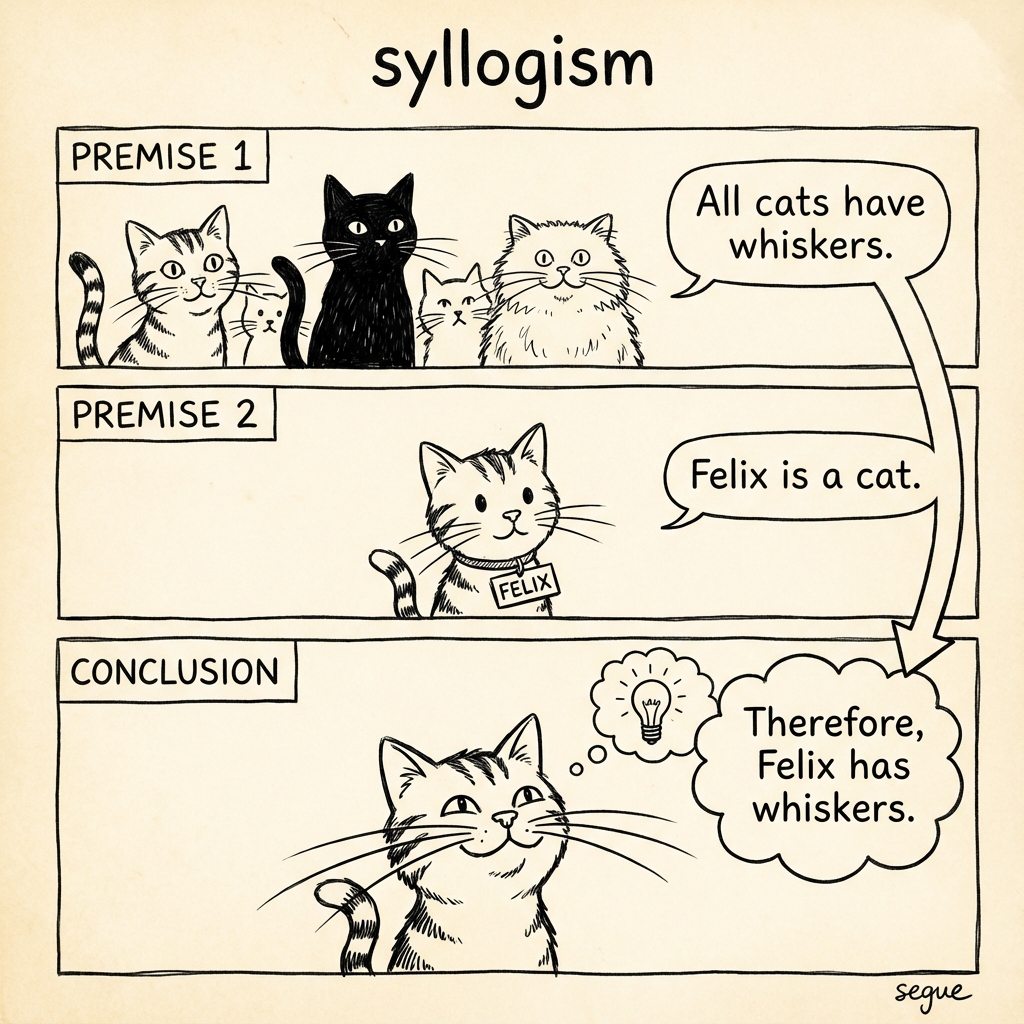
syllogism
/ˈsɪlədʒɪzəm/a form of reasoning in which a conclusion is drawn from two premises
“The classic syllogism: All men are mortal, Socrates is a man, therefore Socrates is mortal.”
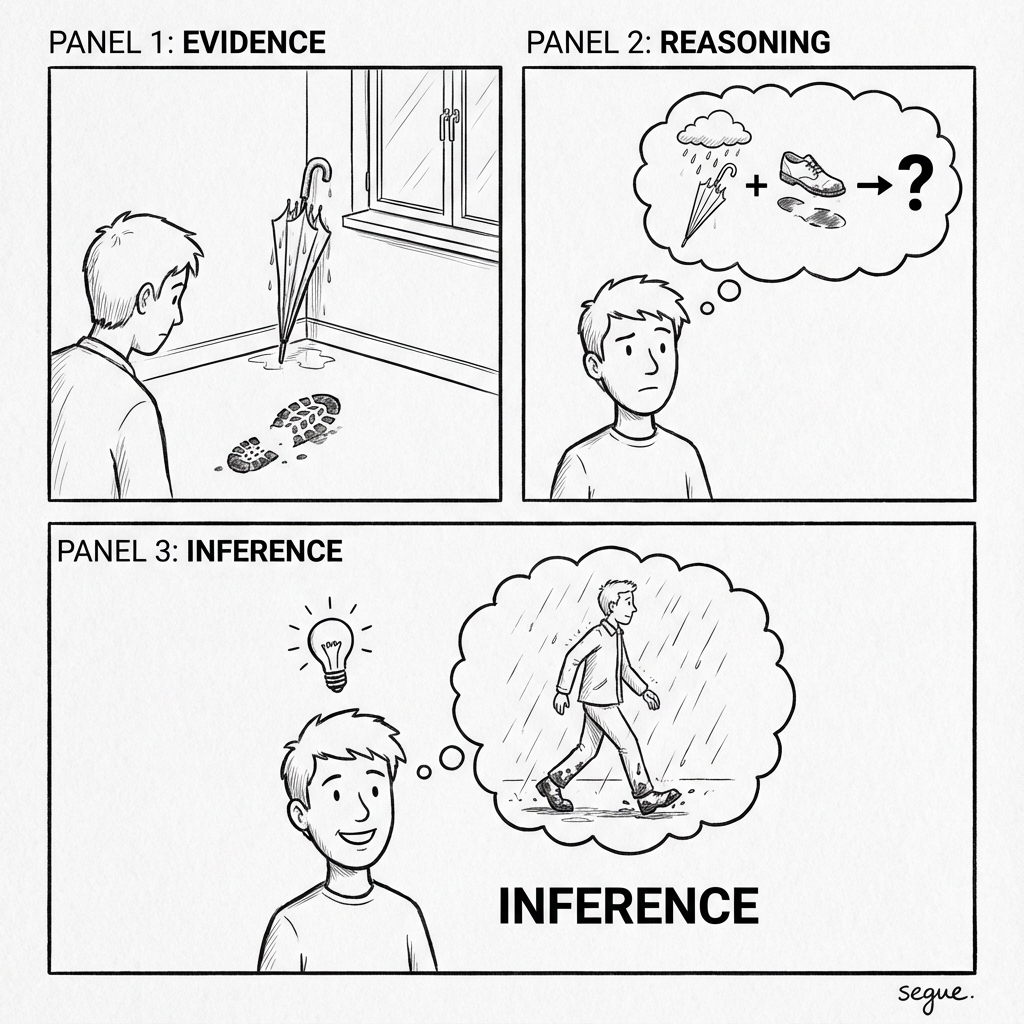
inference
/ˈɪnfɝəns/a conclusion reached on the basis of evidence and reasoning
“The inference was logical but the conclusion was wrong.”
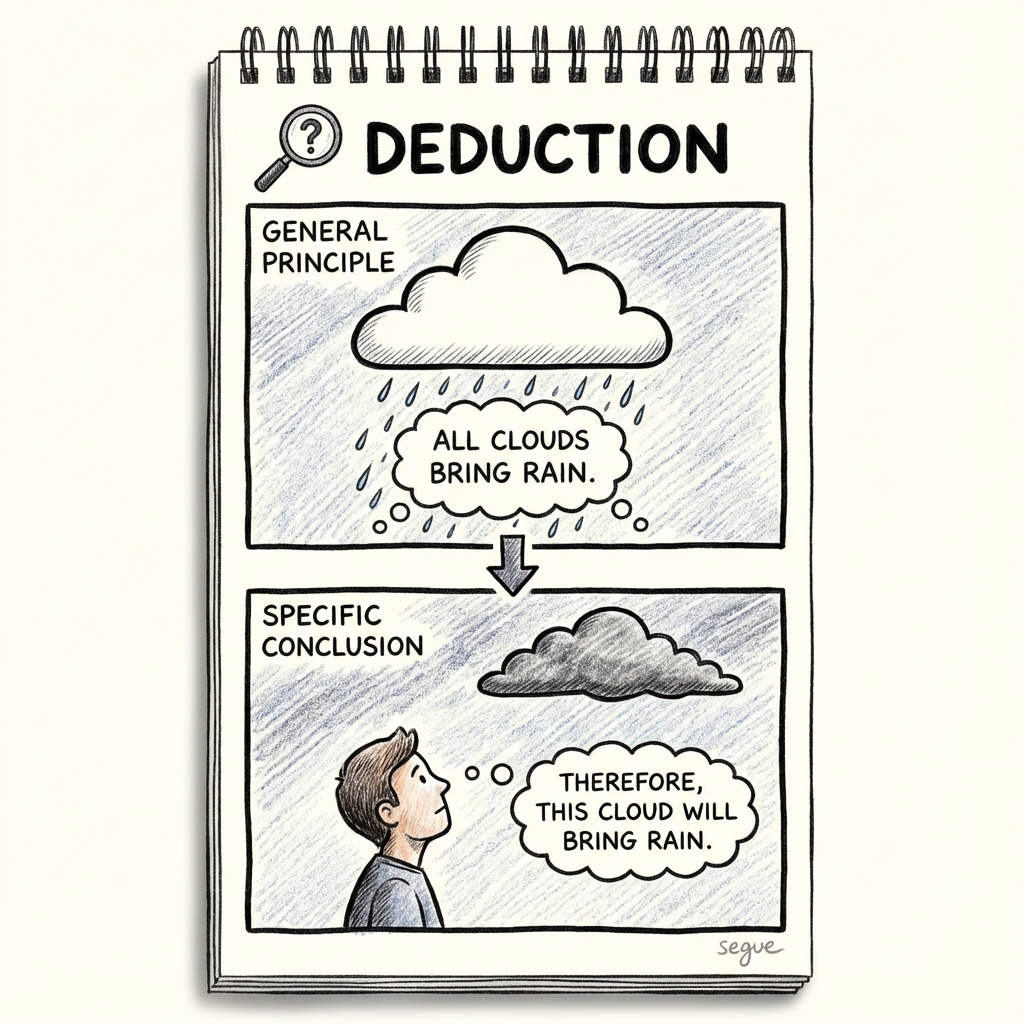
deduction
/dɪˈdəkʃən/the process of reaching a conclusion by reasoning from general principles
“Through deduction, she solved the mystery.”
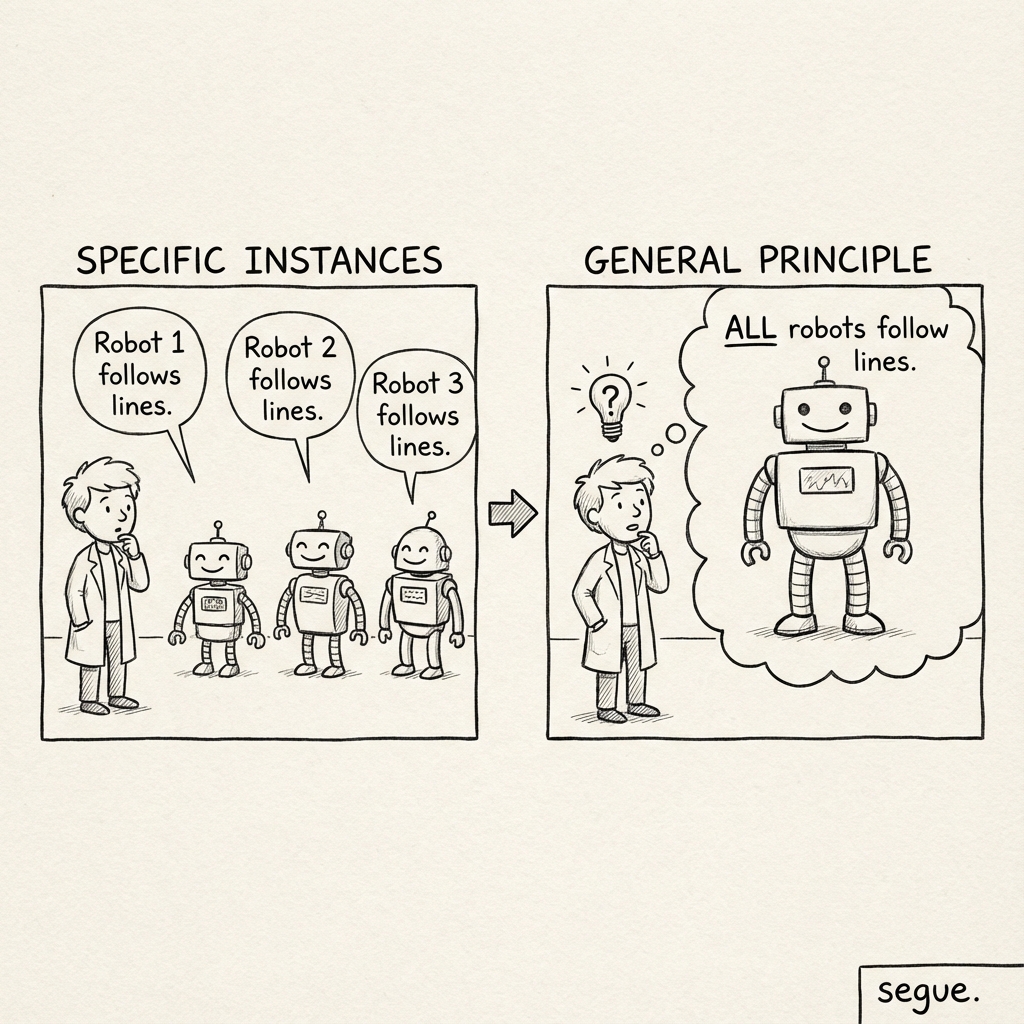
induction
/ˌɪnˈdəkʃən/the process of reaching a general conclusion from specific observations
“Scientific theories are often developed through induction.”
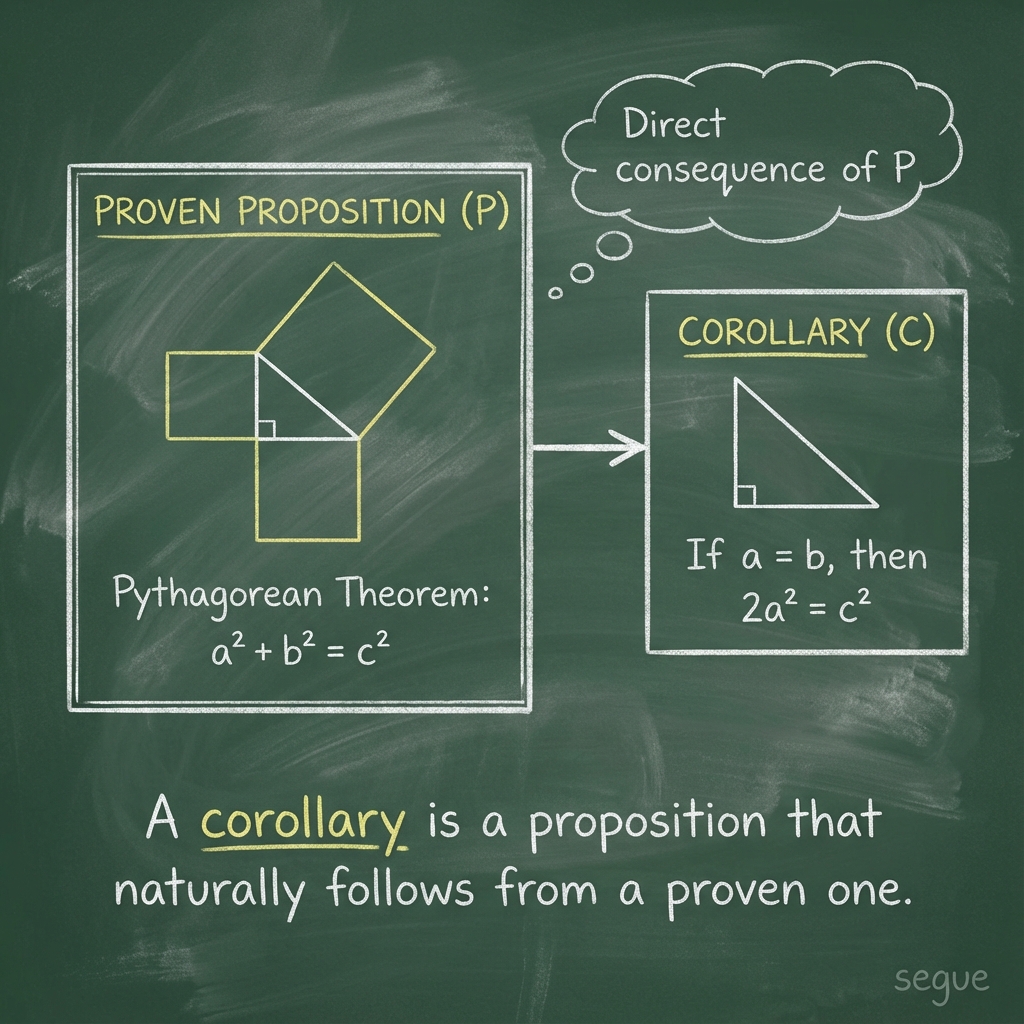
corollary
/ˈkɔɹəˌɫɛɹi/a proposition that follows from one already proved
“A corollary of economic growth is increased consumption.”
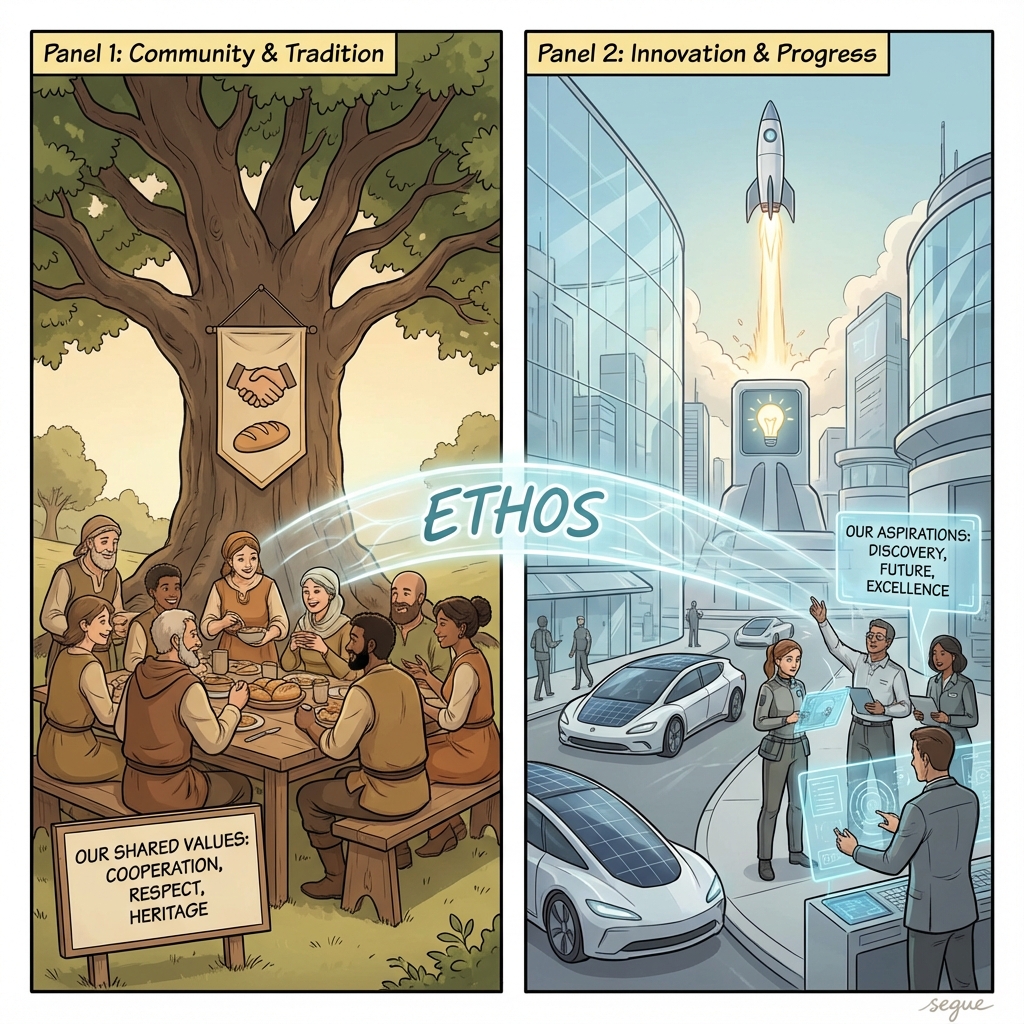
ethos
/ˈiθɑs/the characteristic spirit of a culture, era, or community
“The company's ethos was built on transparency and trust.”
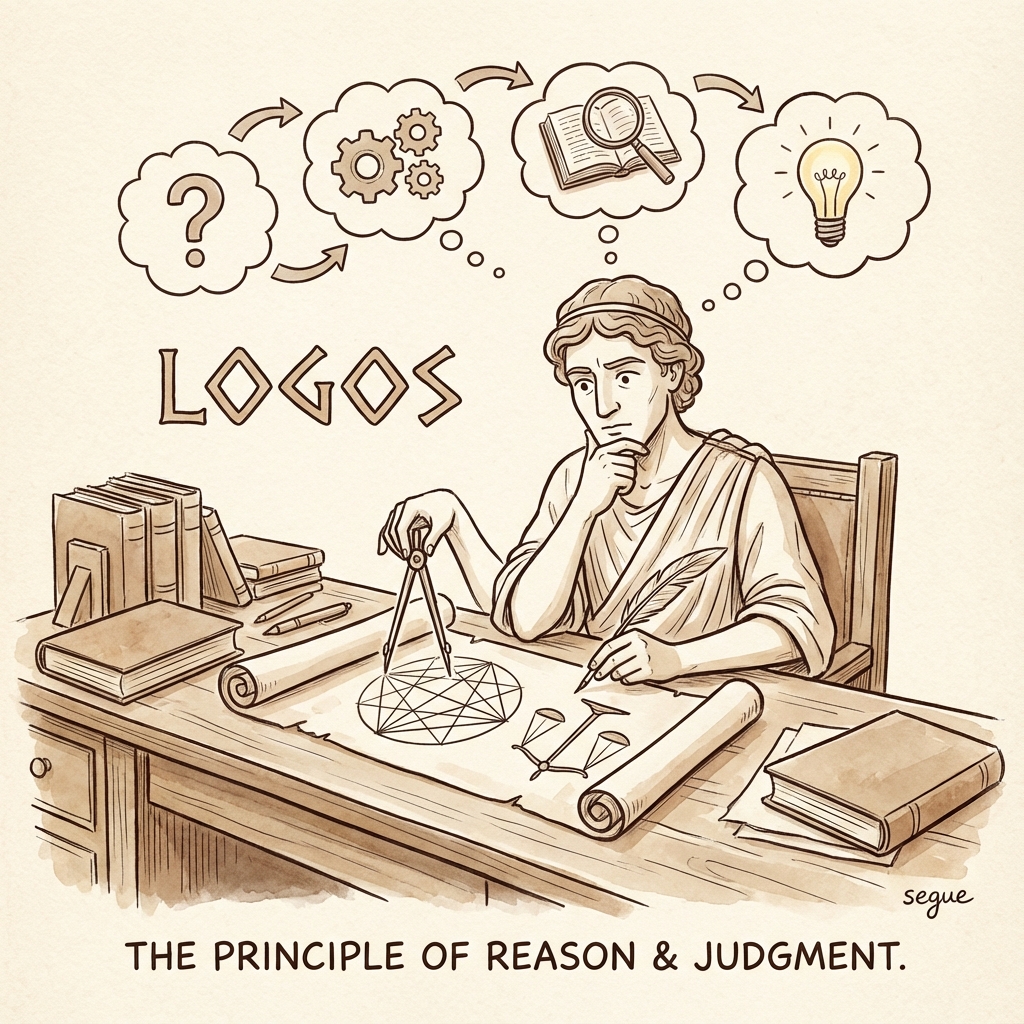
logos
/ˈɫoʊˌɡoʊz/the principle of reason and judgment
“His argument relied on logos rather than emotional appeal.”
More from Intellectual
Explore other vocabulary categories in this collection.