Loading collection...
🧱
Argument Elements Vocabulary
Words for components and qualities of arguments
12 words
All 12 Words
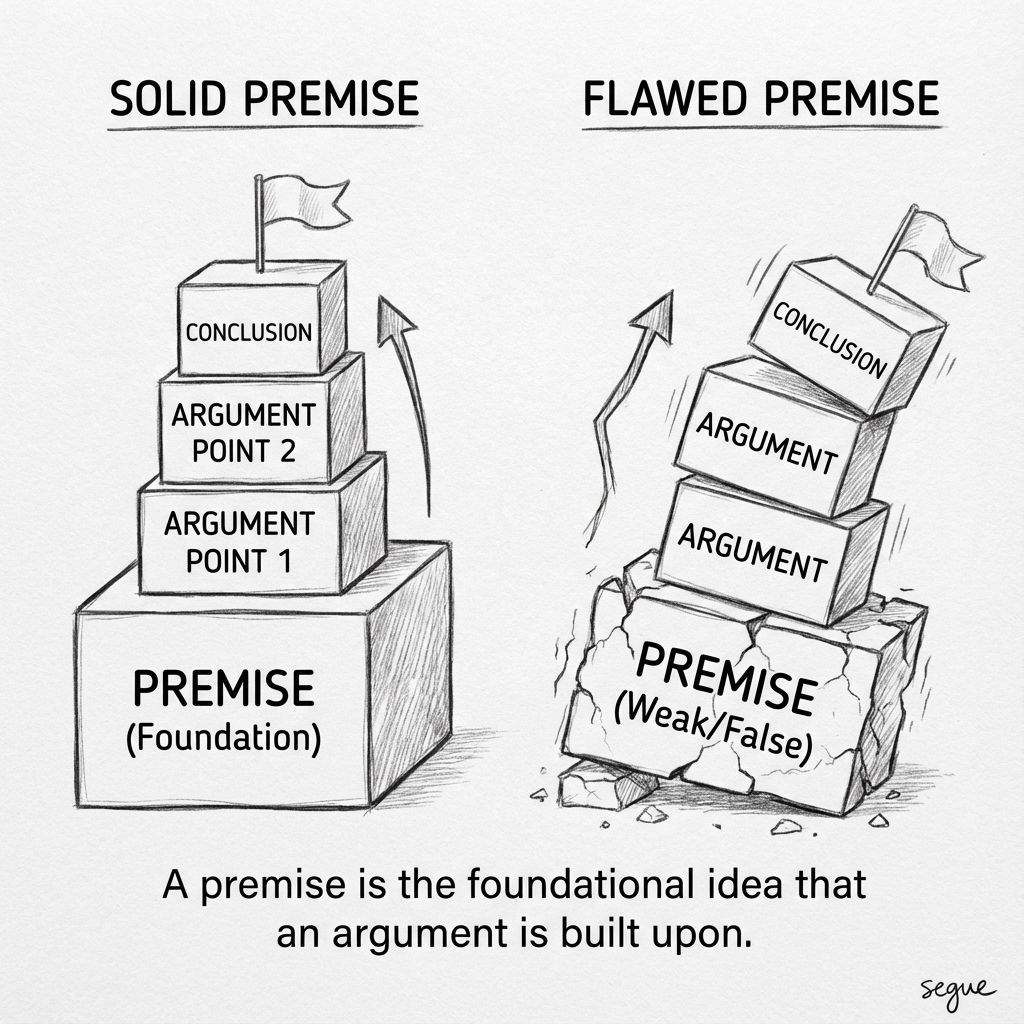
premise
/ˈpɹɛmɪs/a proposition forming the basis of an argument
“Your conclusion is flawed because your premise is wrong.”

thesis
/ˈθisəs/a statement put forward as a premise to be proved
“Her thesis challenged conventional wisdom about evolution.”
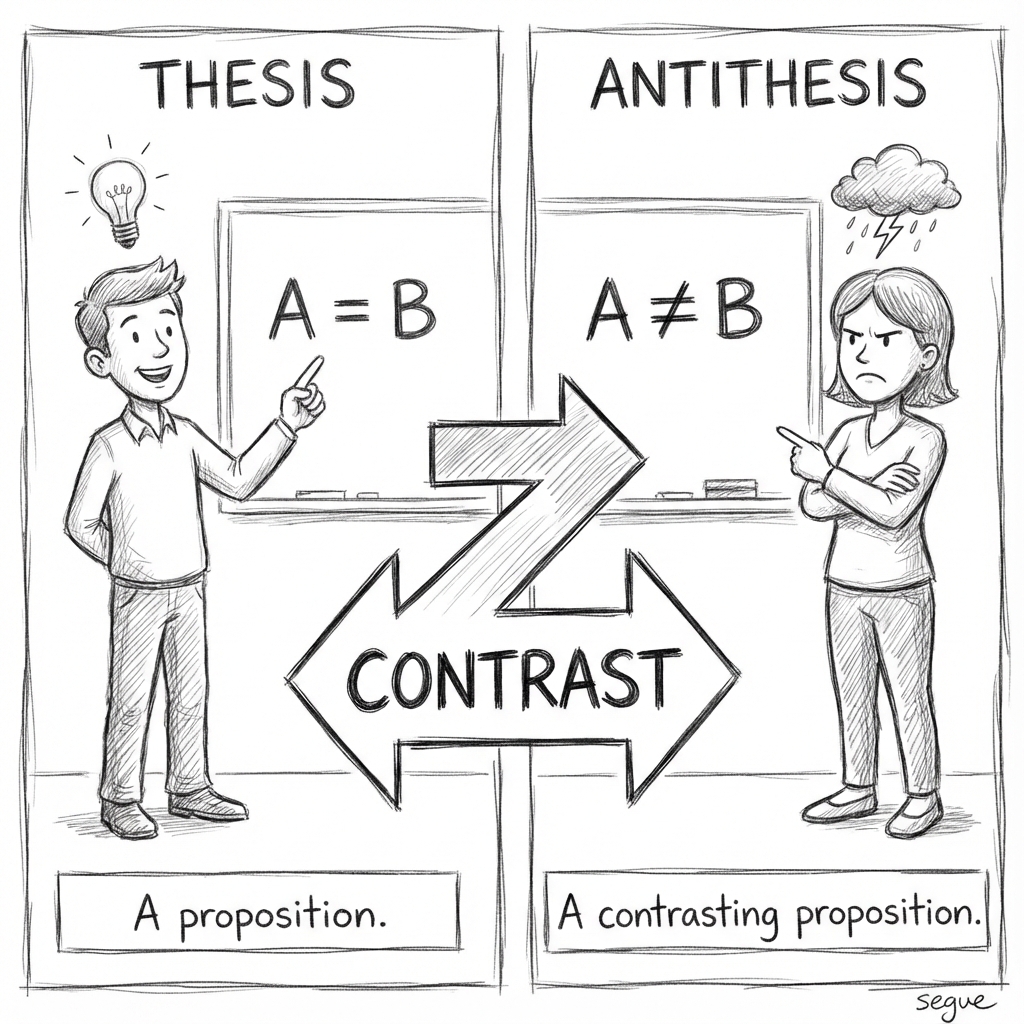
antithesis
/ænˈtɪθəsəs/a proposition contrasting with the original thesis
“His views represent the antithesis of traditional values.”
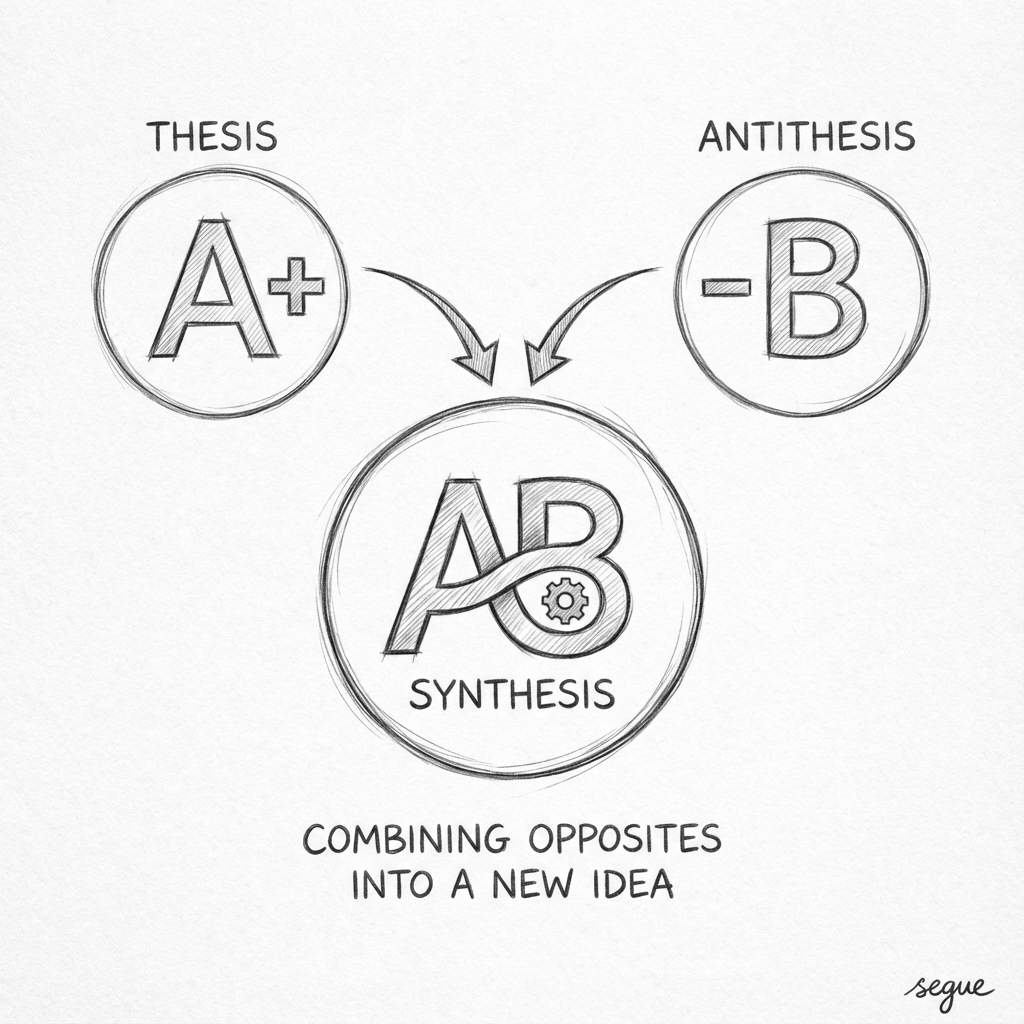
synthesis
/ˈsɪnθəsəs/the combining of thesis and antithesis into a new proposition
“The synthesis reconciled seemingly contradictory positions.”
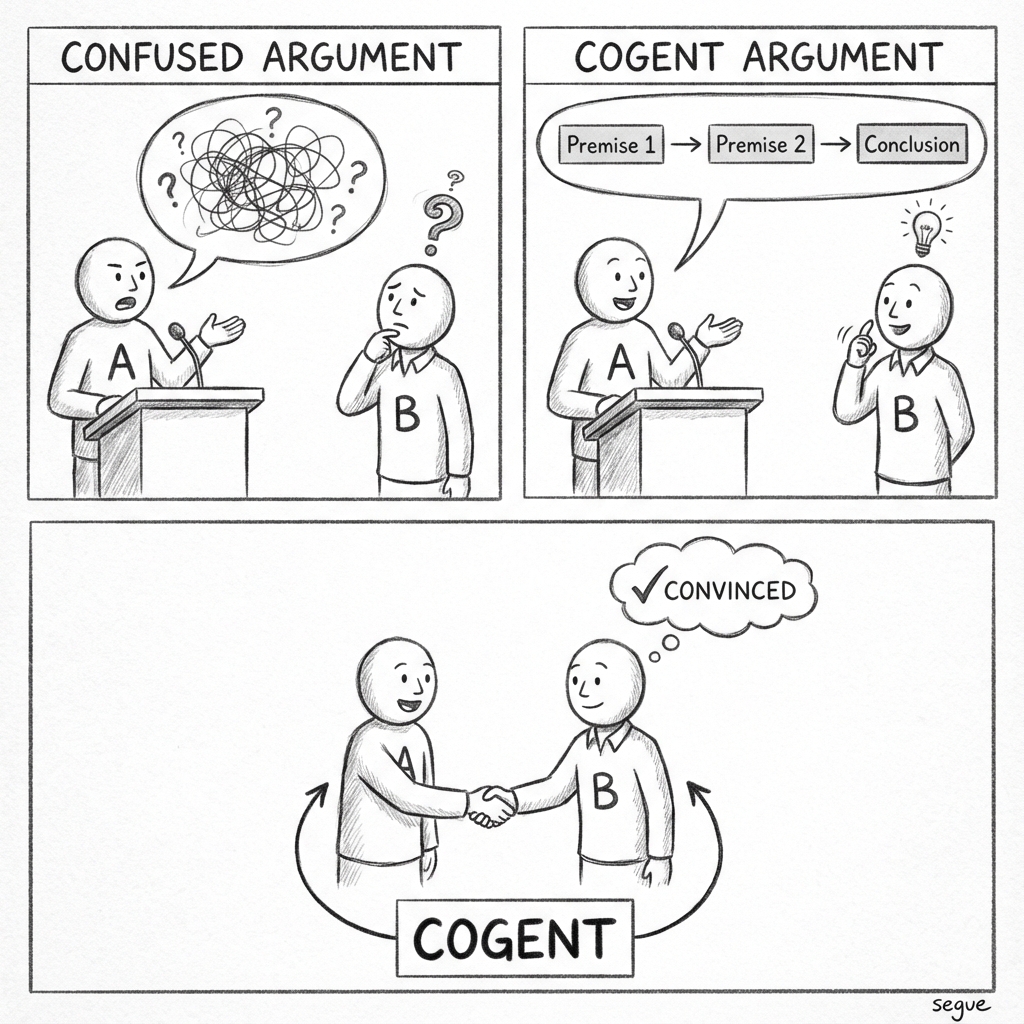
cogent
/ˈkoʊdʒənt/clear, logical, and convincing
“She presented a cogent argument for reform.”

compelling
/kəmˈpɛɫɪŋ/evoking interest or attention in an irresistible way
“The evidence was compelling beyond doubt.”
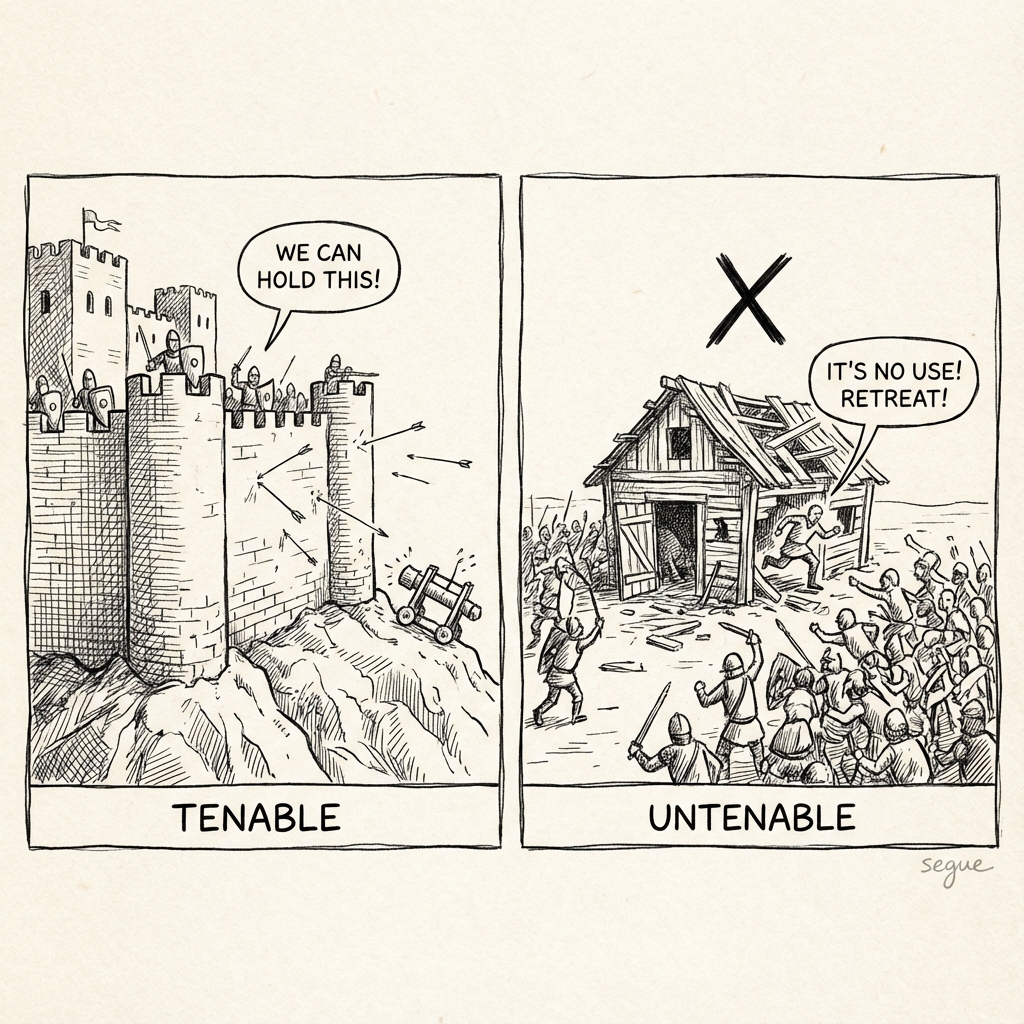
tenable
/ˈtɛnəbəɫ/able to be maintained or defended against attack
“His position is no longer tenable given the new evidence.”
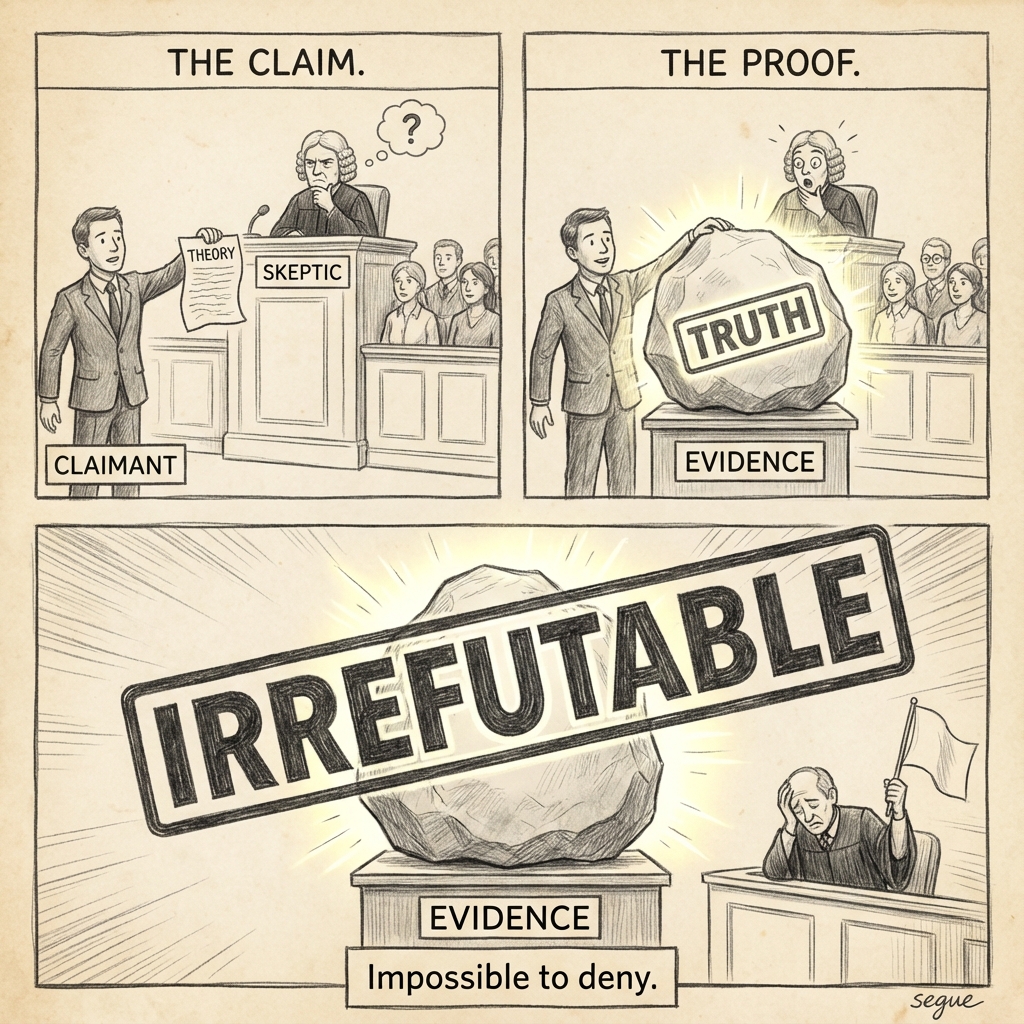
irrefutable
/ˌɪɹəfˈjutəbəɫ/impossible to deny or disprove
“The DNA evidence was irrefutable.”
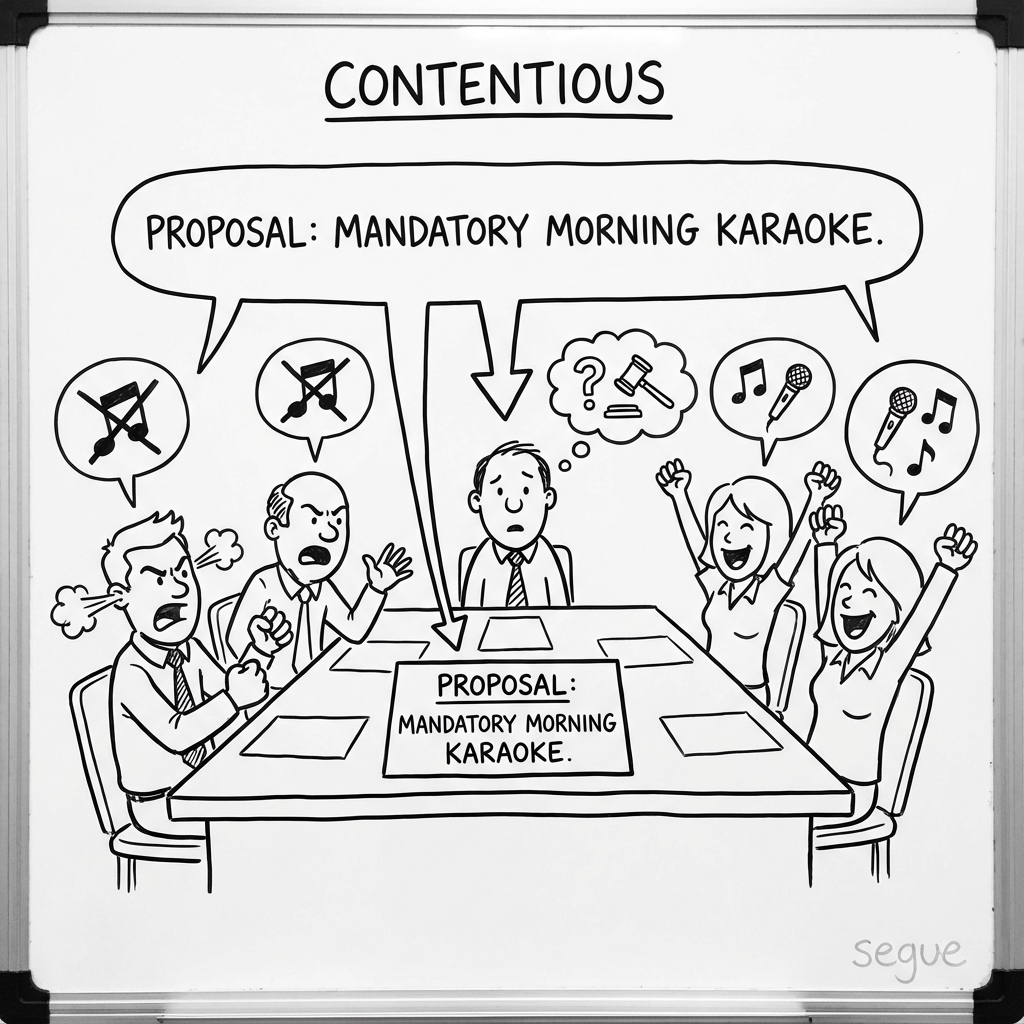
contentious
/kənˈtɛnʃəs/causing or likely to cause disagreement
“The contentious proposal divided the committee.”
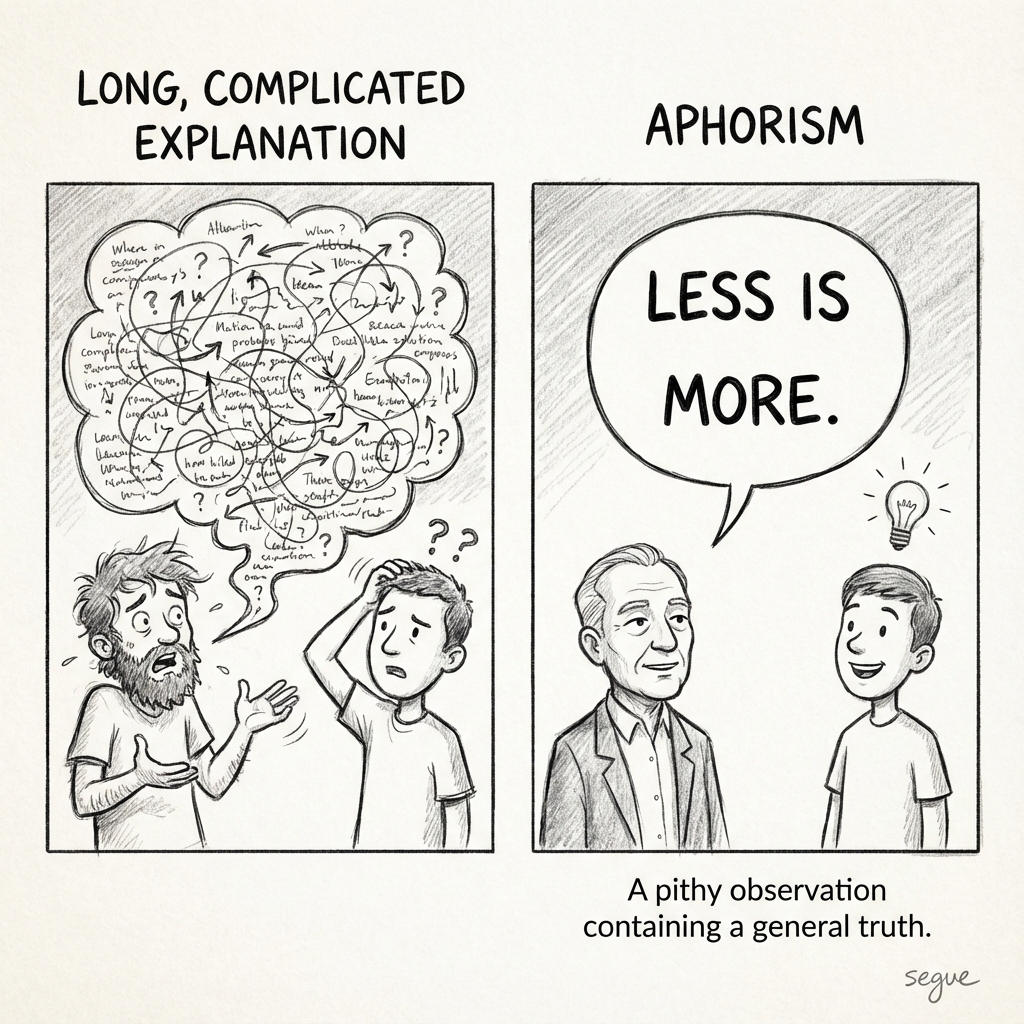
aphorism
/ˈæfɝˌɪzəm/a pithy observation containing a general truth
“The aphorism 'less is more' guides minimalist design.”
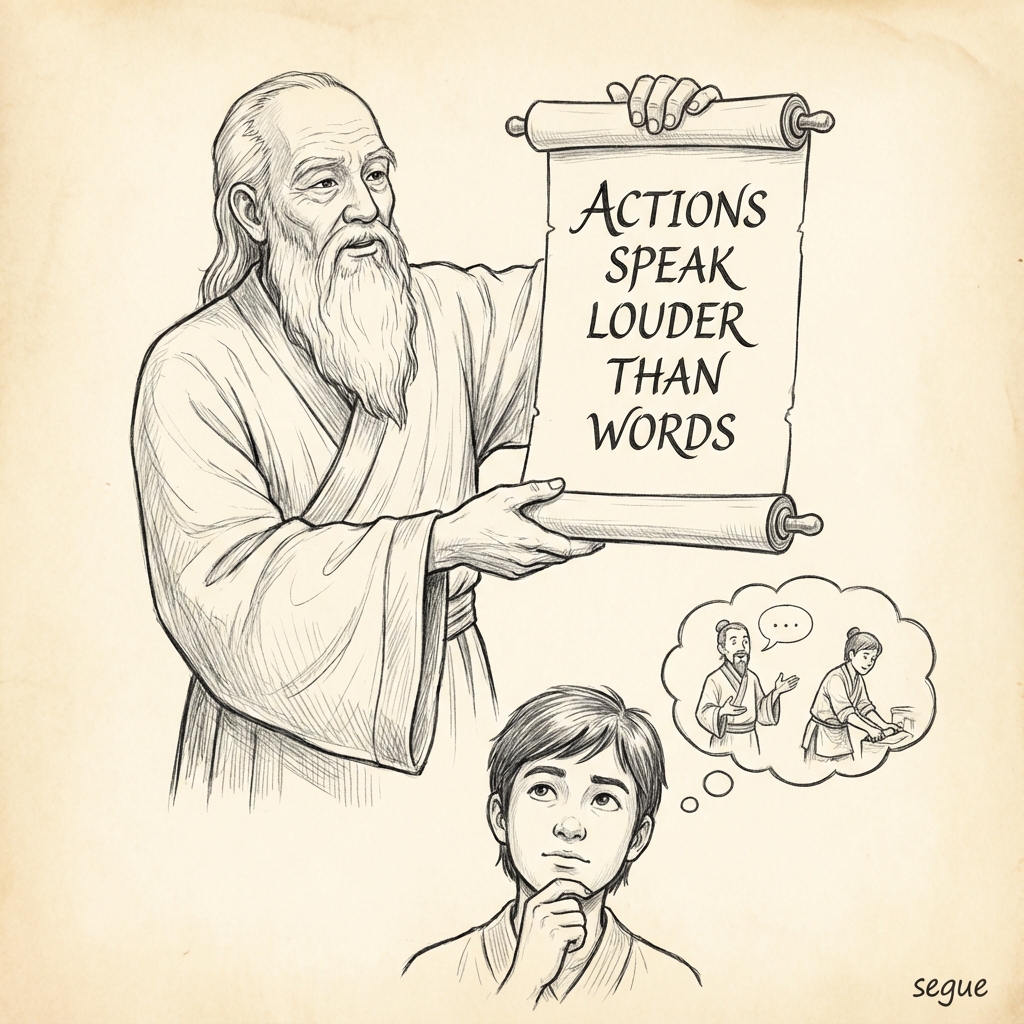
maxim
/ˈmæksəm/a short statement expressing a general truth
“He lived by the maxim 'do unto others as you would have them do unto you.'”
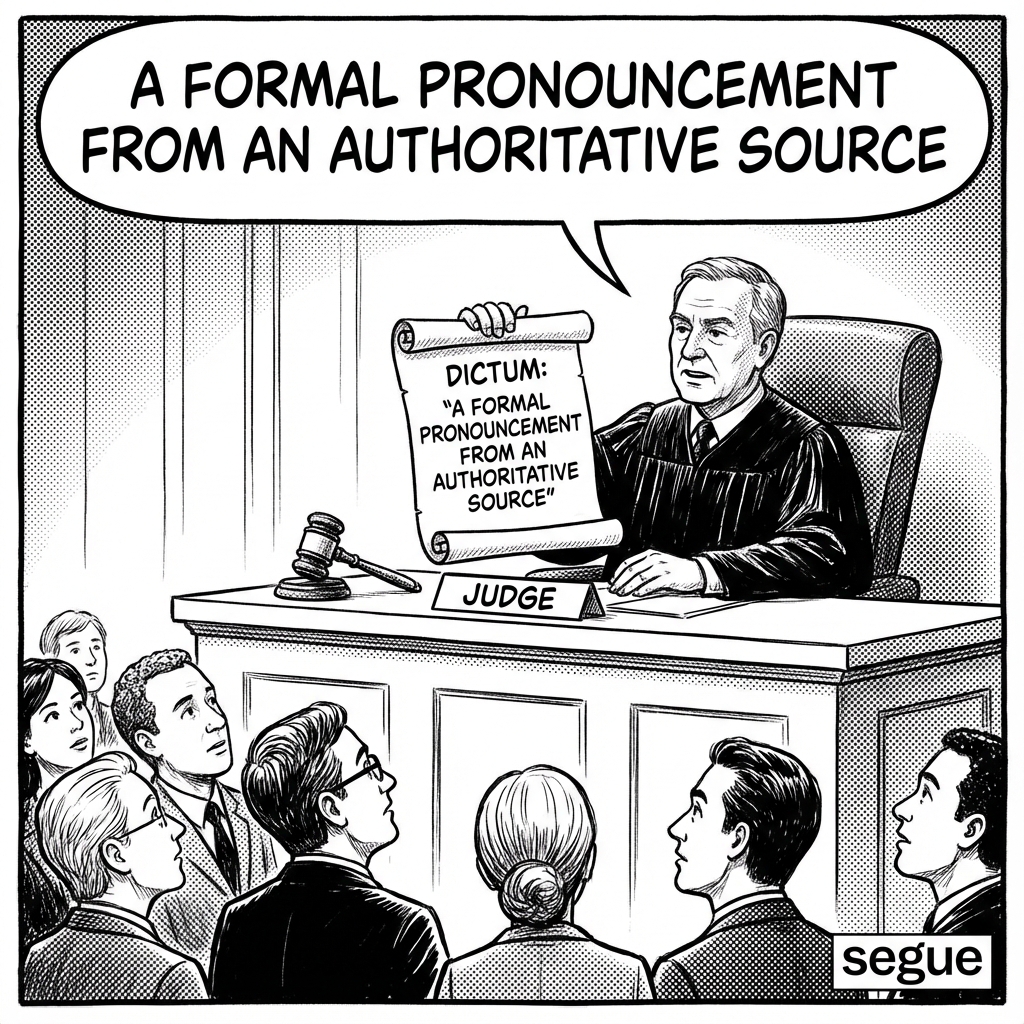
dictum
/ˈdɪktəm/a formal pronouncement from an authoritative source
“The judge's dictum became a guiding principle in later cases.”
More from Intellectual
Explore other vocabulary categories in this collection.