Loading collection...
🎨
Appearance & Aesthetics Vocabulary
Words describing looks, beauty, and visual qualities
22 words
All 22 Words
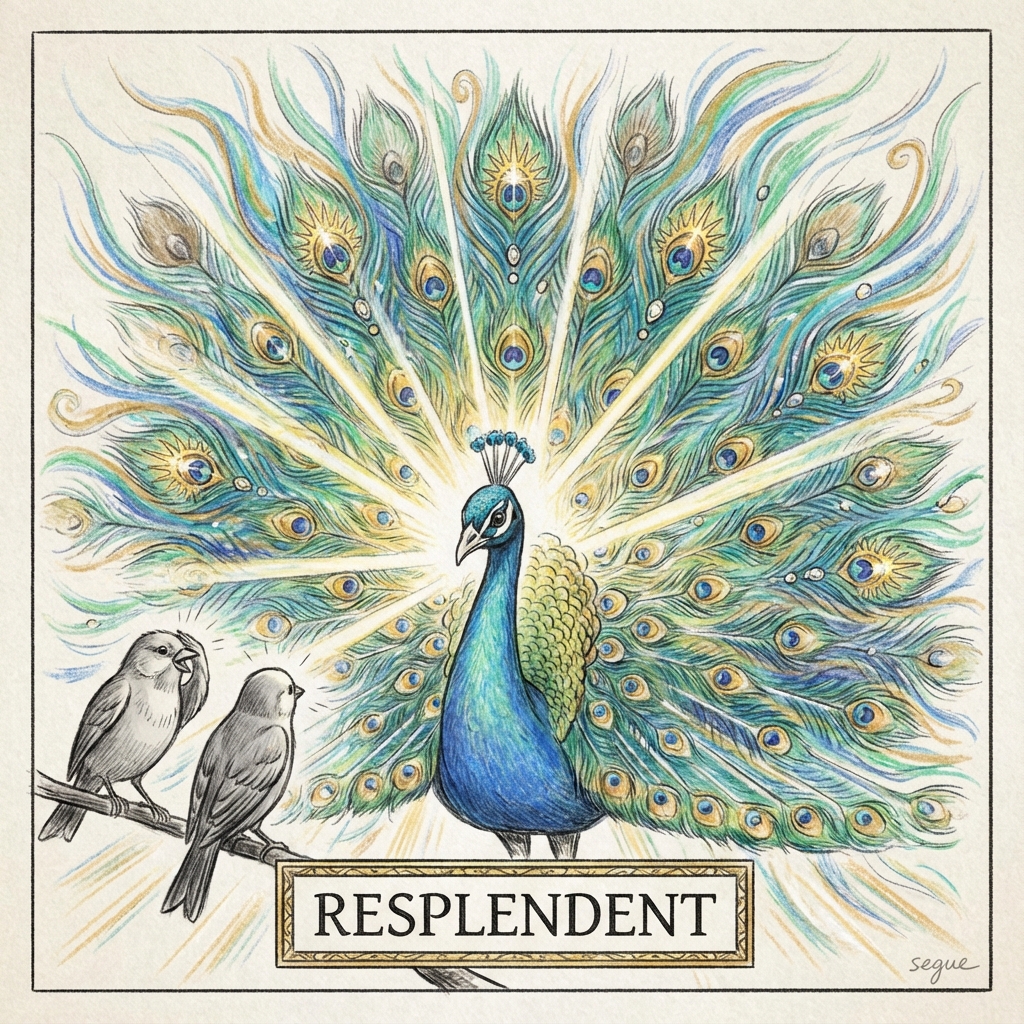
resplendent
/ɹisˈpɫɛndənt/impressive through richness or color; dazzling
“The bride looked resplendent in her elaborate gown.”
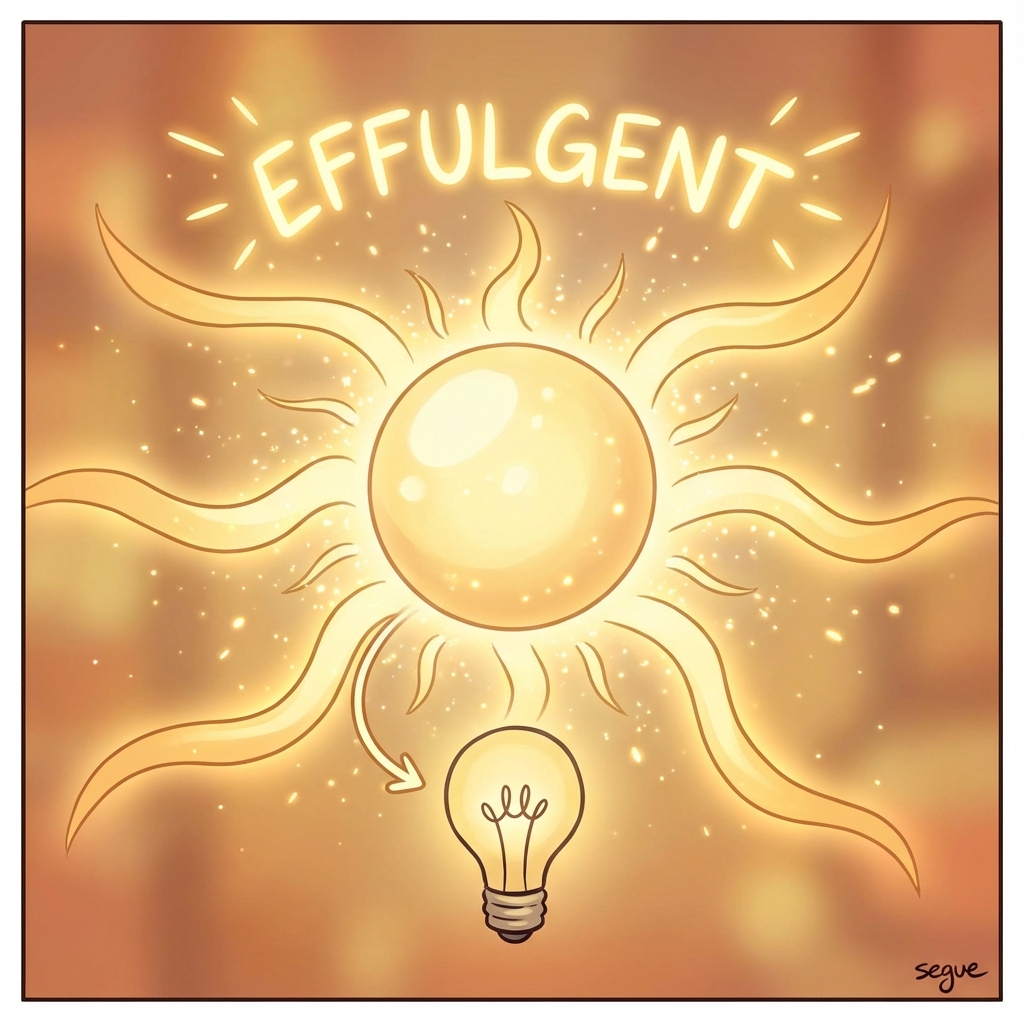
effulgent
/ɪˈfʌldʒənt/shining brightly; radiant
“The effulgent sunrise painted the sky in gold.”
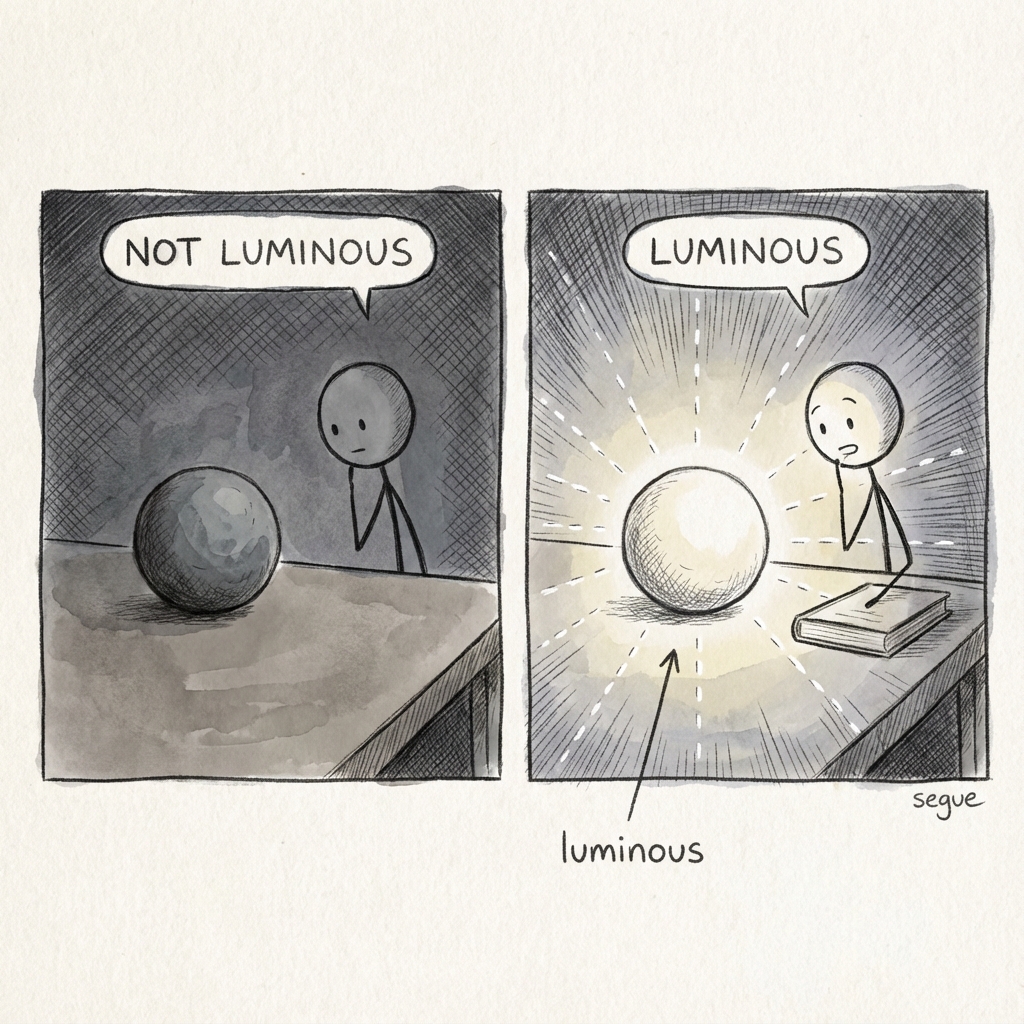
luminous
/ˈɫumənəs/full of or shedding light; bright or shining
“Her luminous skin glowed in the candlelight.”
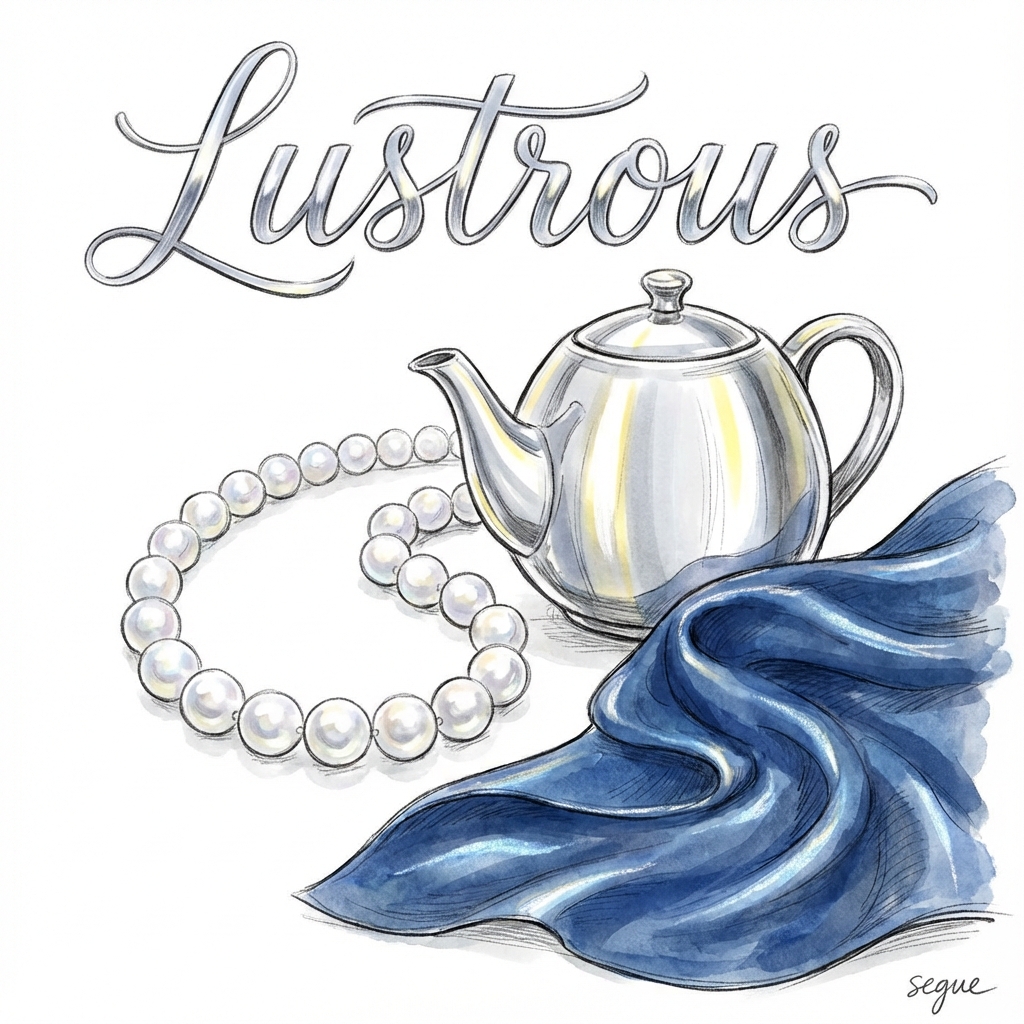
lustrous
/ˈɫəstɹəs/having luster; shining
“Her lustrous hair caught everyone's attention.”
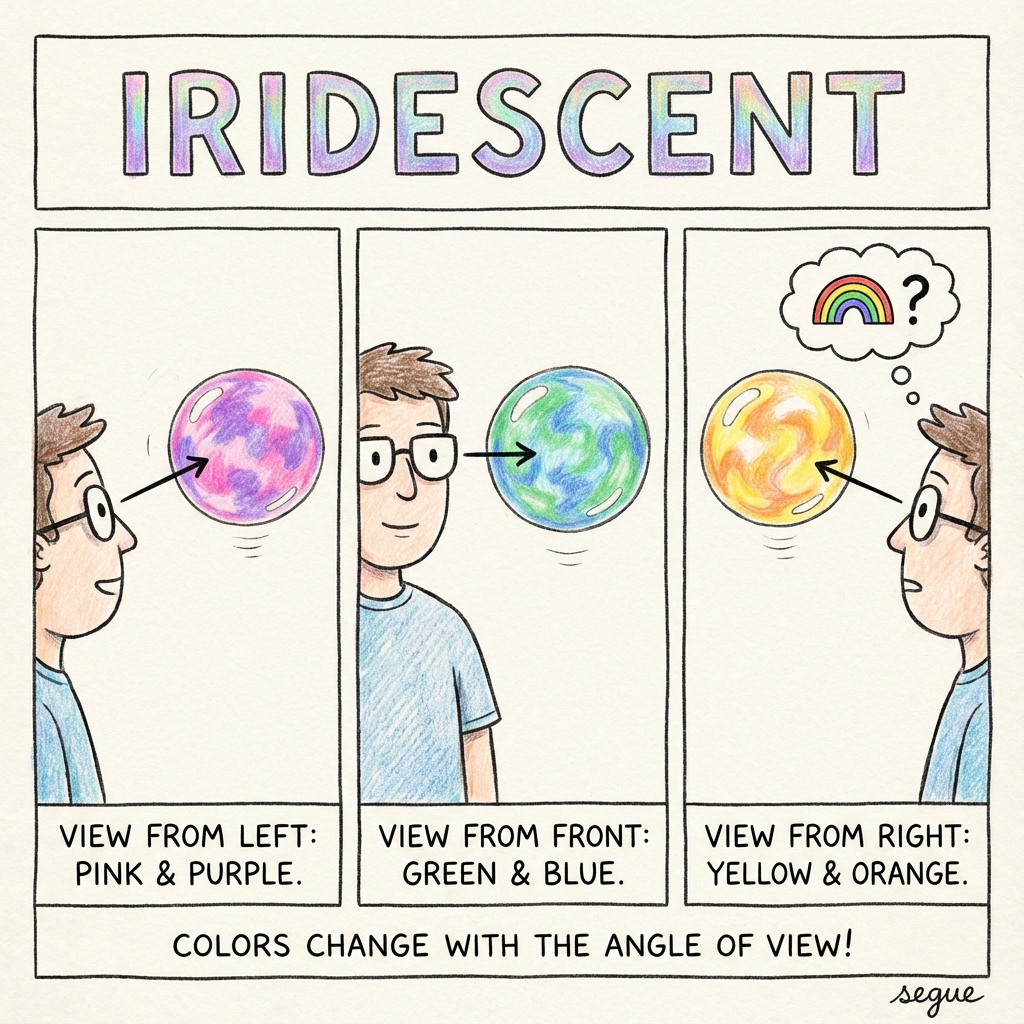
iridescent
/ˌɪɹəˈdɛsənt/showing luminous colors that seem to change when seen from different angles
“The iridescent wings of the butterfly were mesmerizing.”
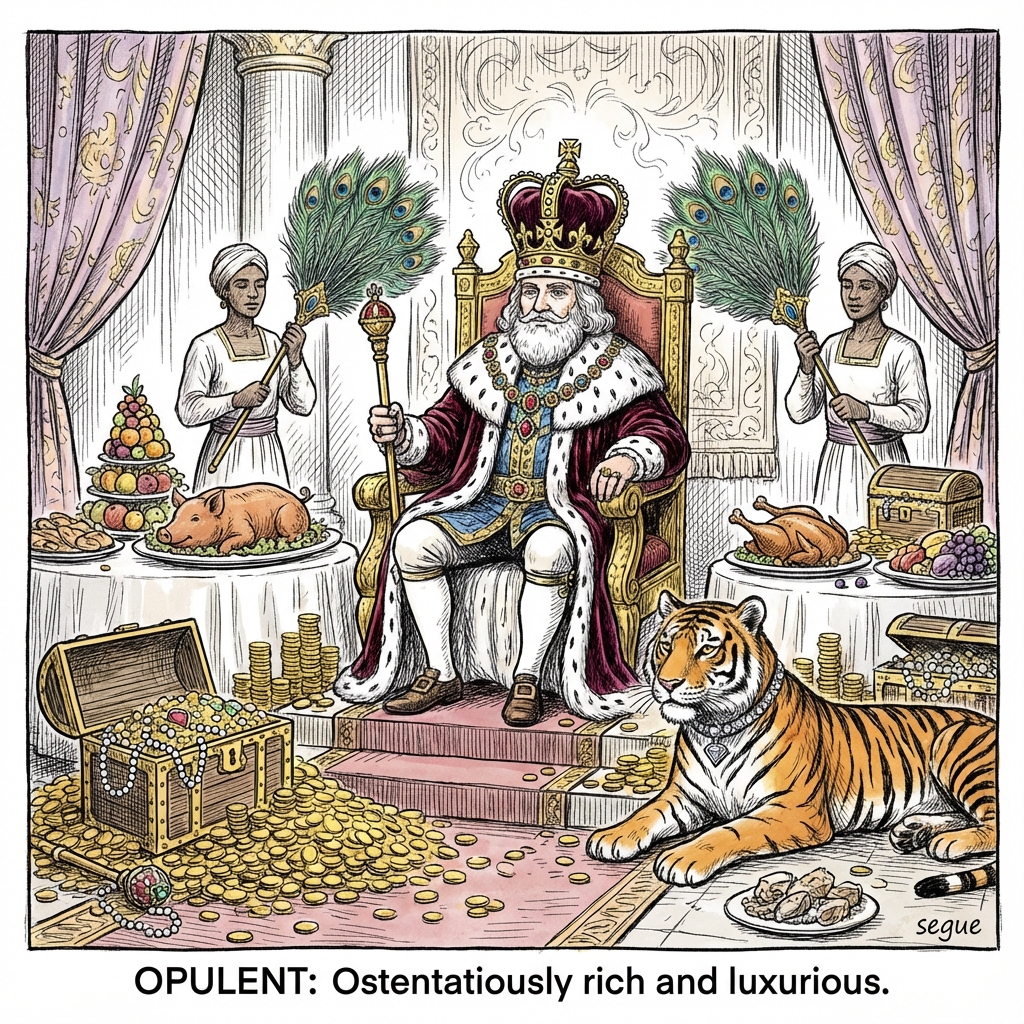
opulent
/ˈɑpjəɫənt/ostentatiously rich and luxurious
“The opulent mansion featured marble floors and crystal chandeliers.”
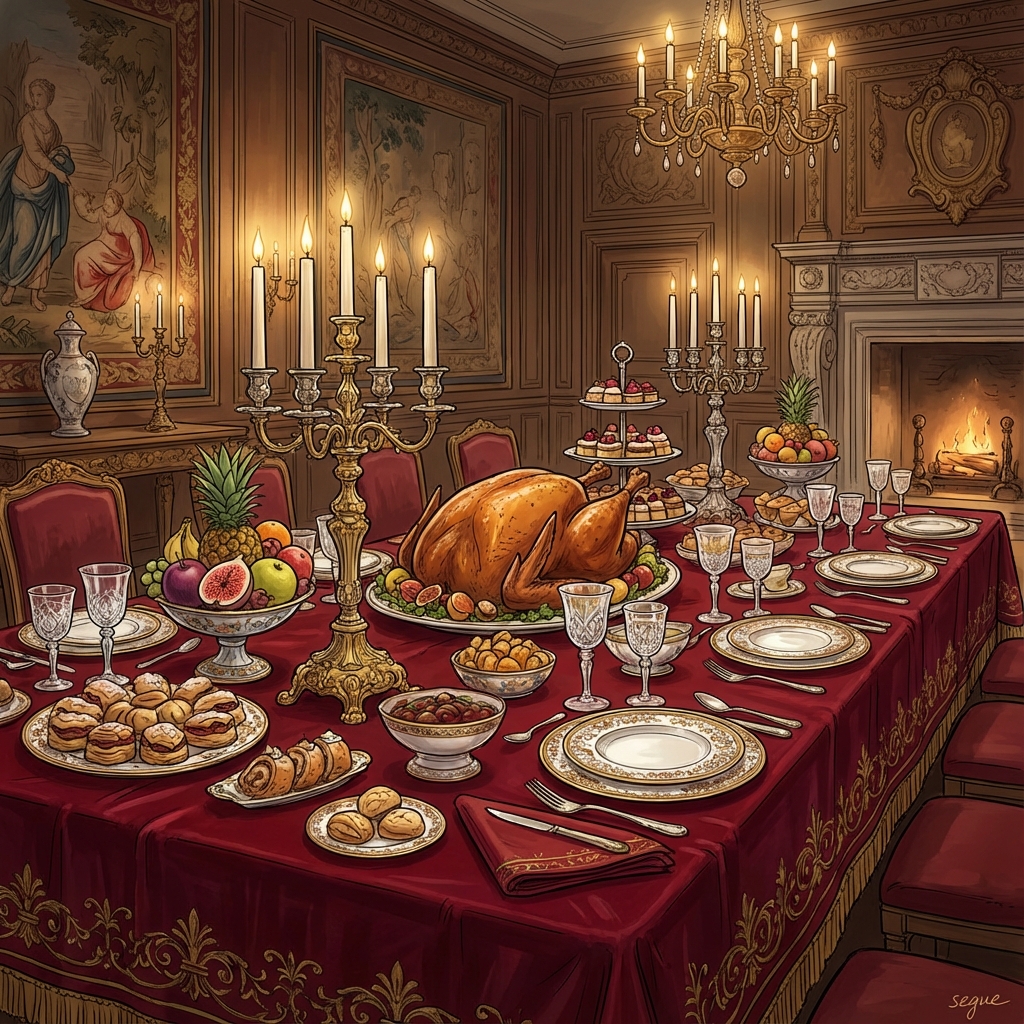
sumptuous
/ˈsəmptʃuəs/splendid and expensive-looking
“The sumptuous feast included delicacies from around the world.”
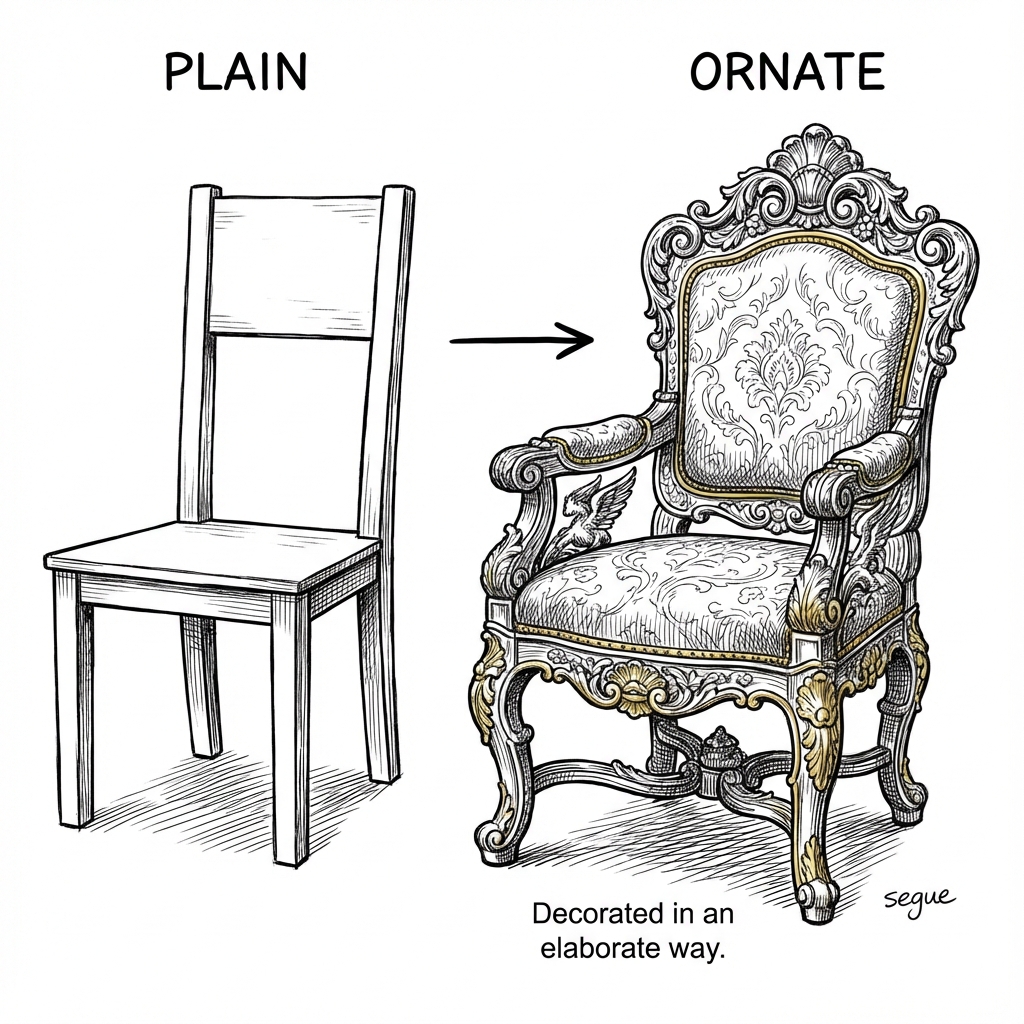
ornate
/ɔɹˈneɪt/made or decorated in an elaborate way
“The ornate frame was more impressive than the painting itself.”
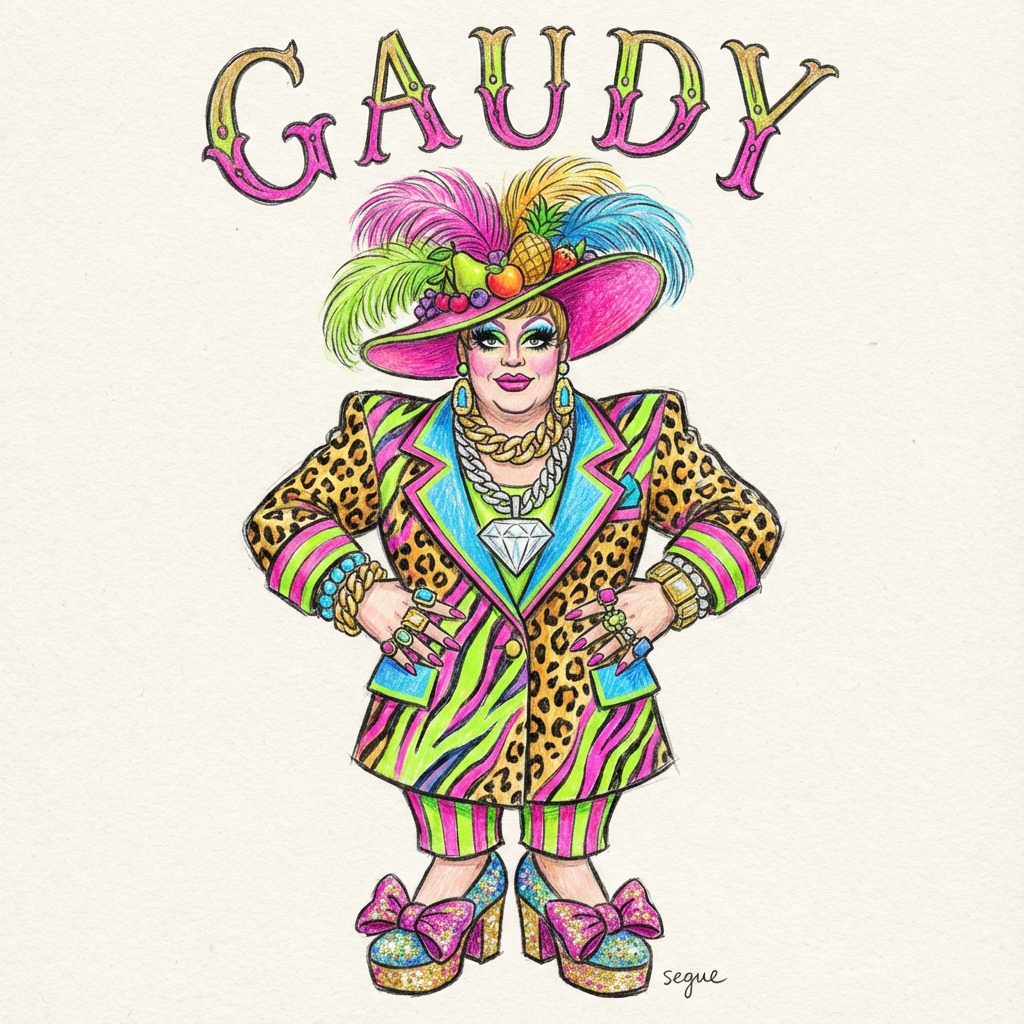
gaudy
/ˈɡɔdi/extravagantly bright or showy in a tasteless way
“The gaudy decorations overwhelmed the small room.”
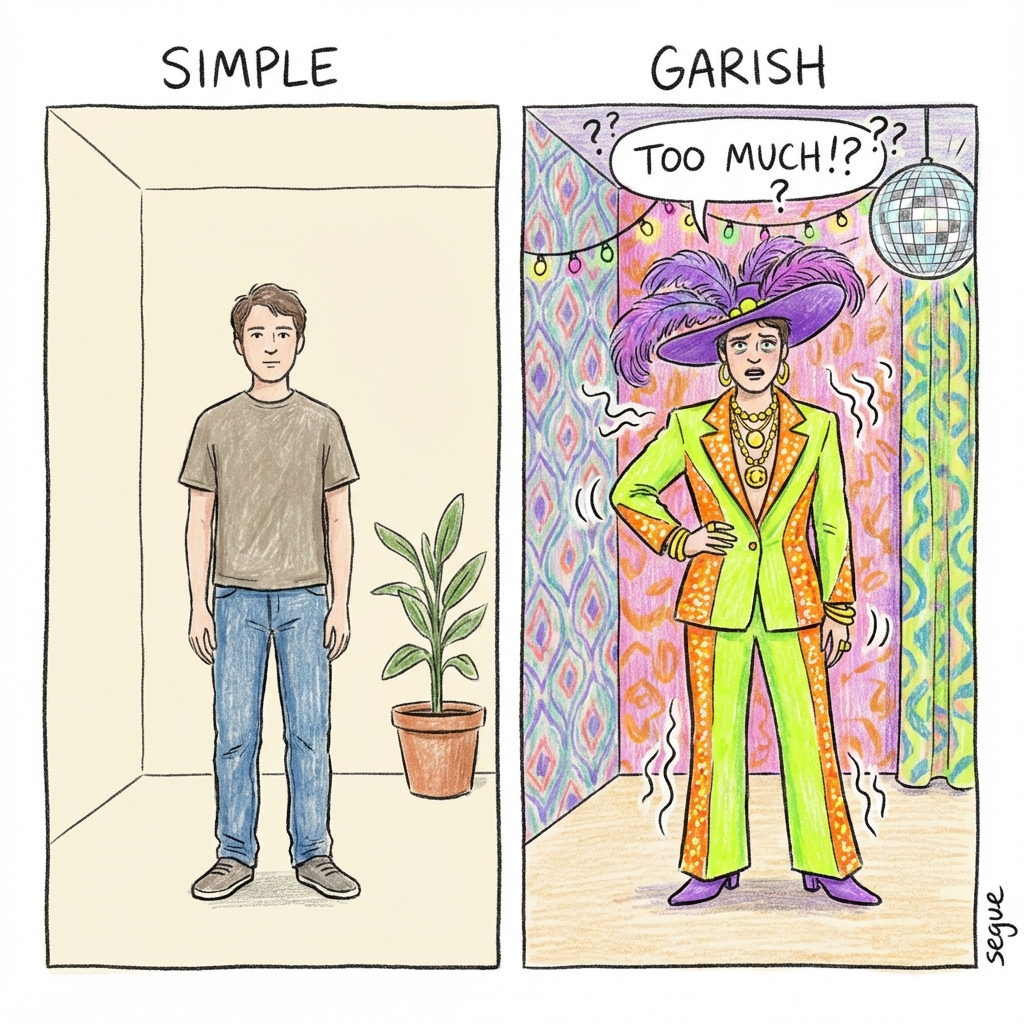
garish
/ˈɡɛɹɪʃ/obtrusively bright and showy; lurid
“The garish neon signs gave the street a seedy feel.”
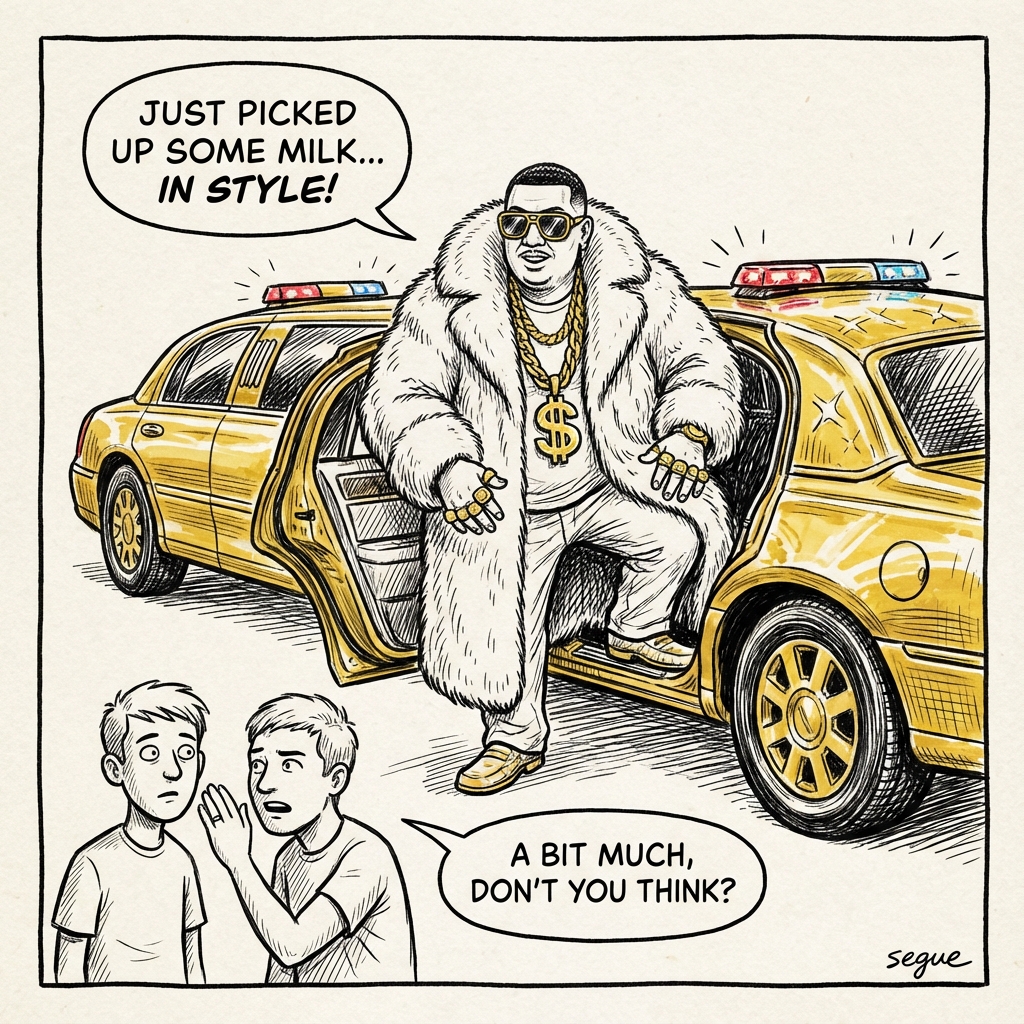
ostentatious
/ˌɑstənˈteɪʃəs/characterized by vulgar or pretentious display
“His ostentatious display of wealth was off-putting.”
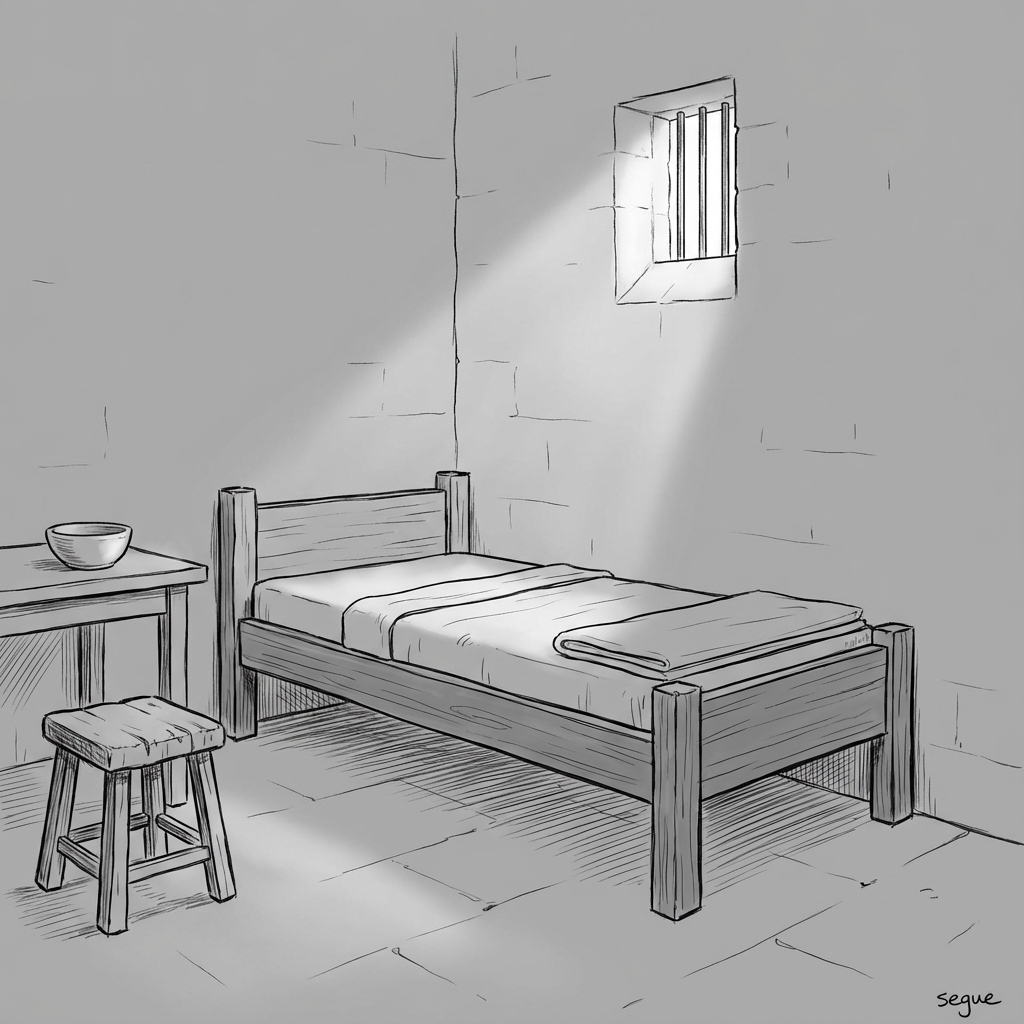
austere
/ɔˈstɪɹ/severe or strict in appearance; having no comforts
“The austere design emphasized function over form.”
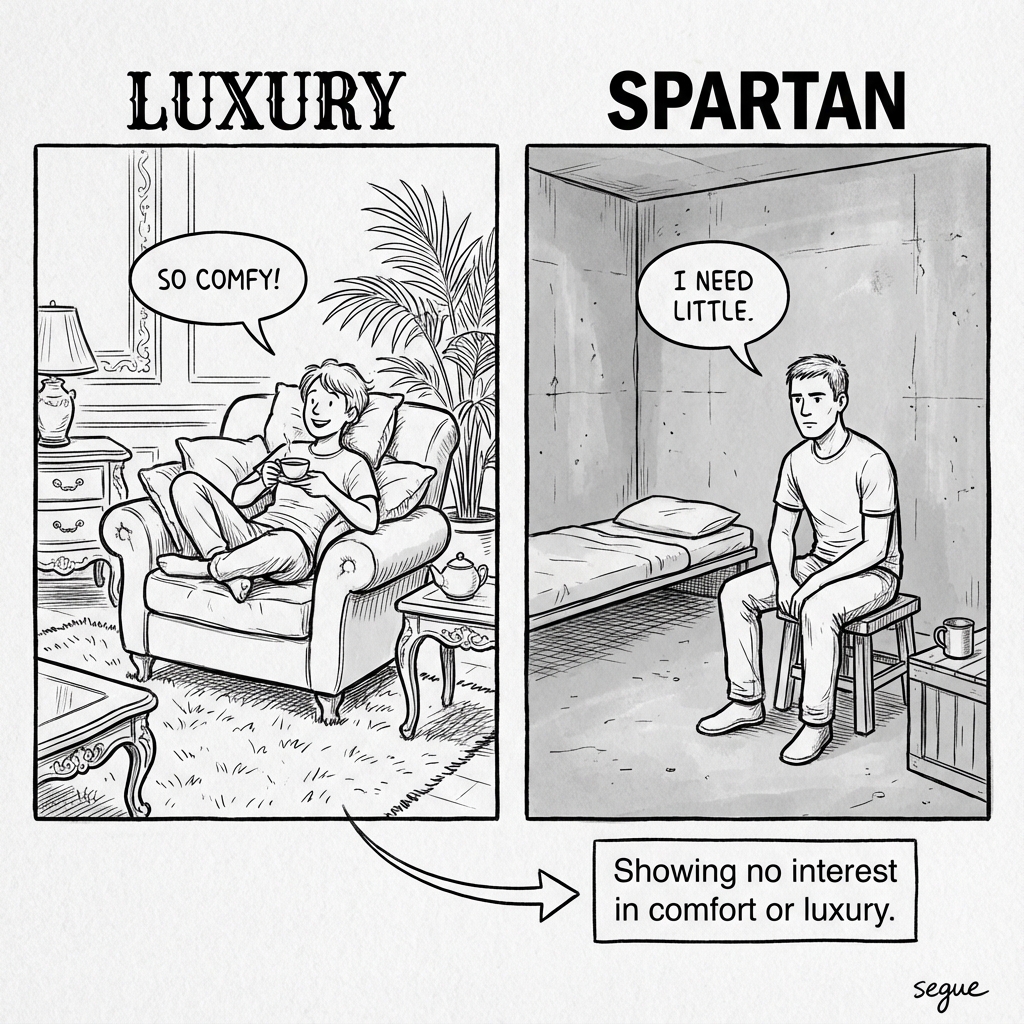
spartan
/ˈspɑɹtən/showing no interest in comfort or luxury; simple and severe
“The spartan room contained only a bed and desk.”
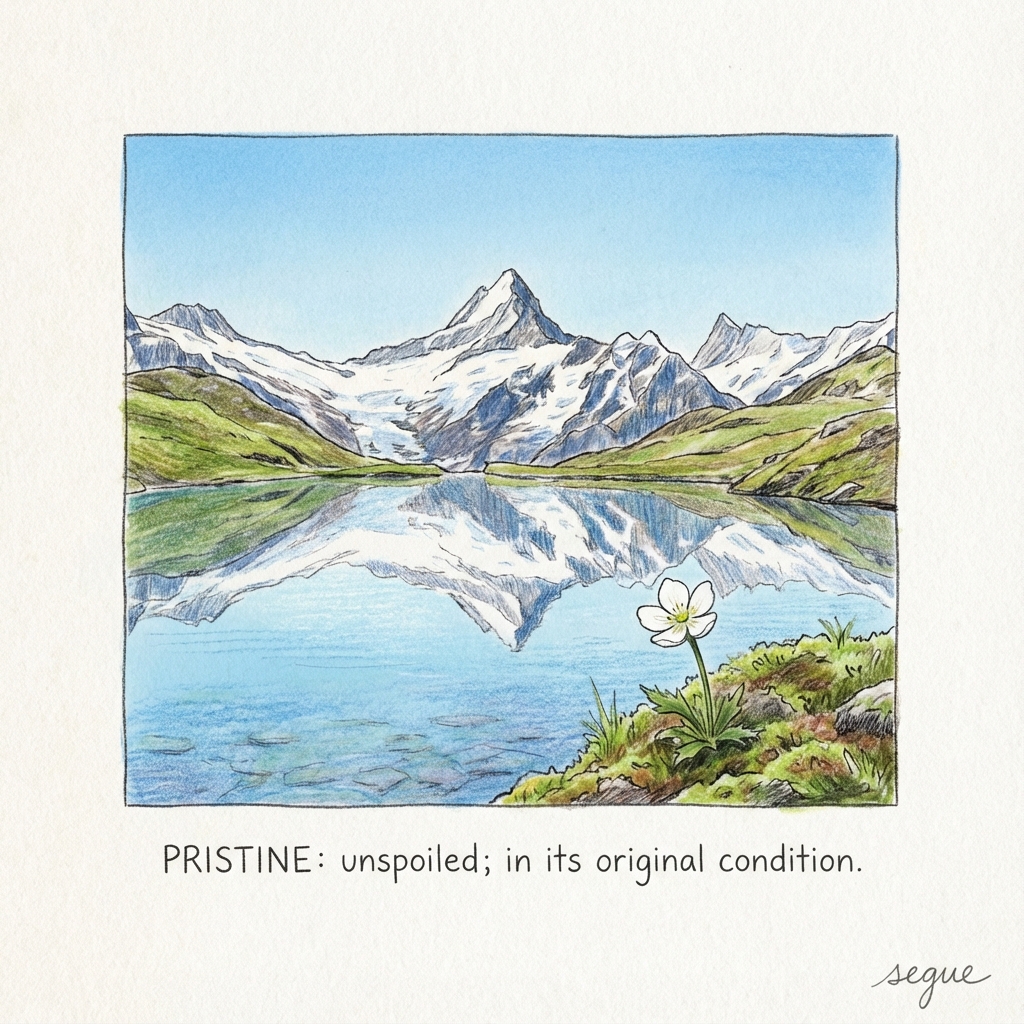
pristine
/ˈpɹɪstin/in its original condition; unspoiled; immaculately clean
“The pristine beach had no footprints in the sand.”
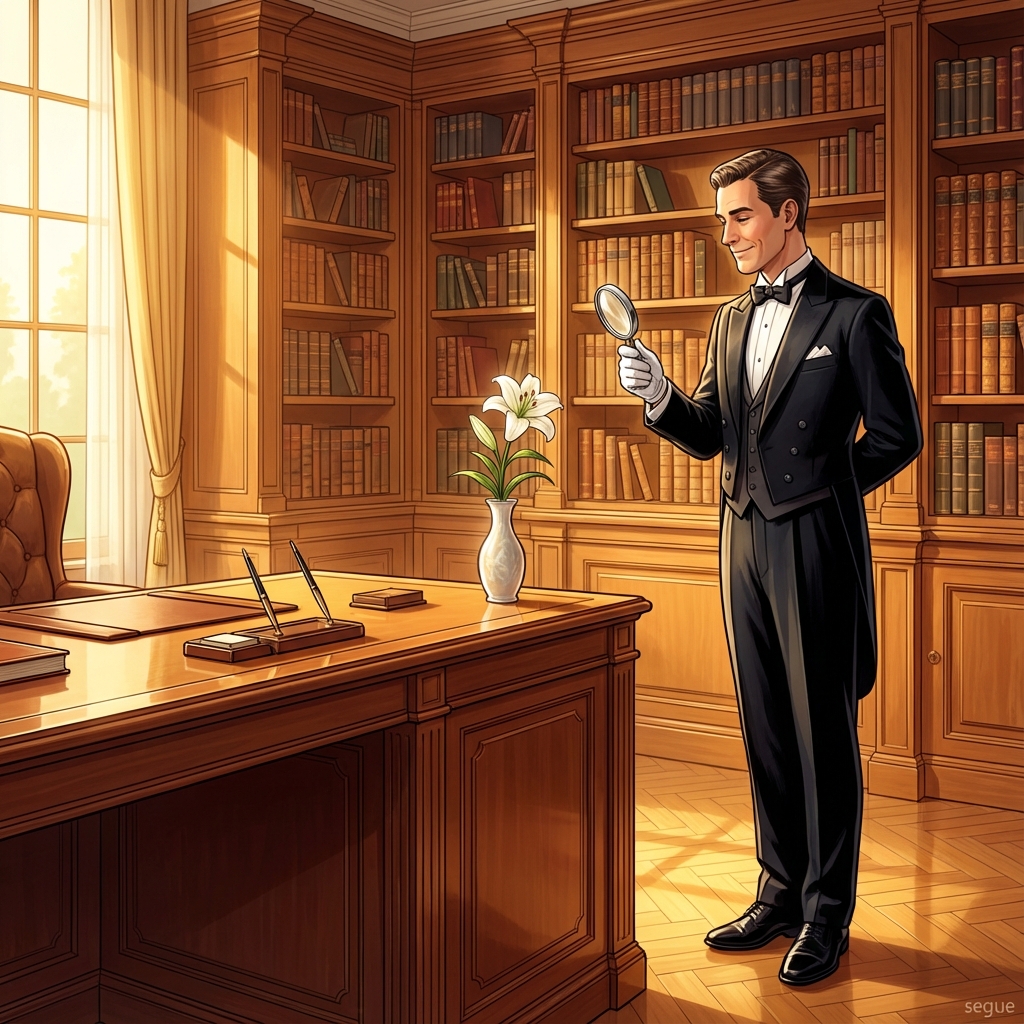
immaculate
/ˌɪˈmækjuɫɪt/perfectly clean, neat, or tidy
“Her immaculate appearance impressed the interviewers.”
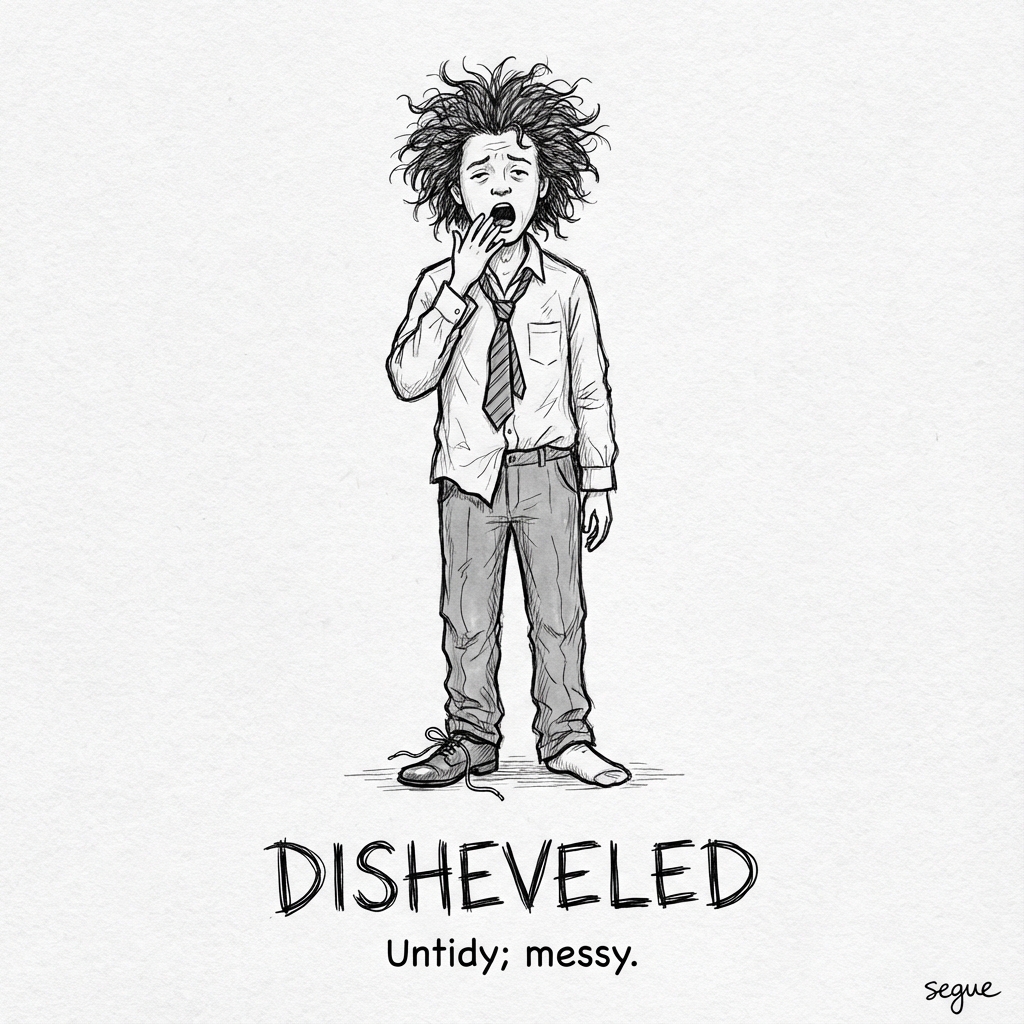
disheveled
/dɪˈʃɛvəɫd/untidy; messy
“He arrived disheveled after running through the rain.”
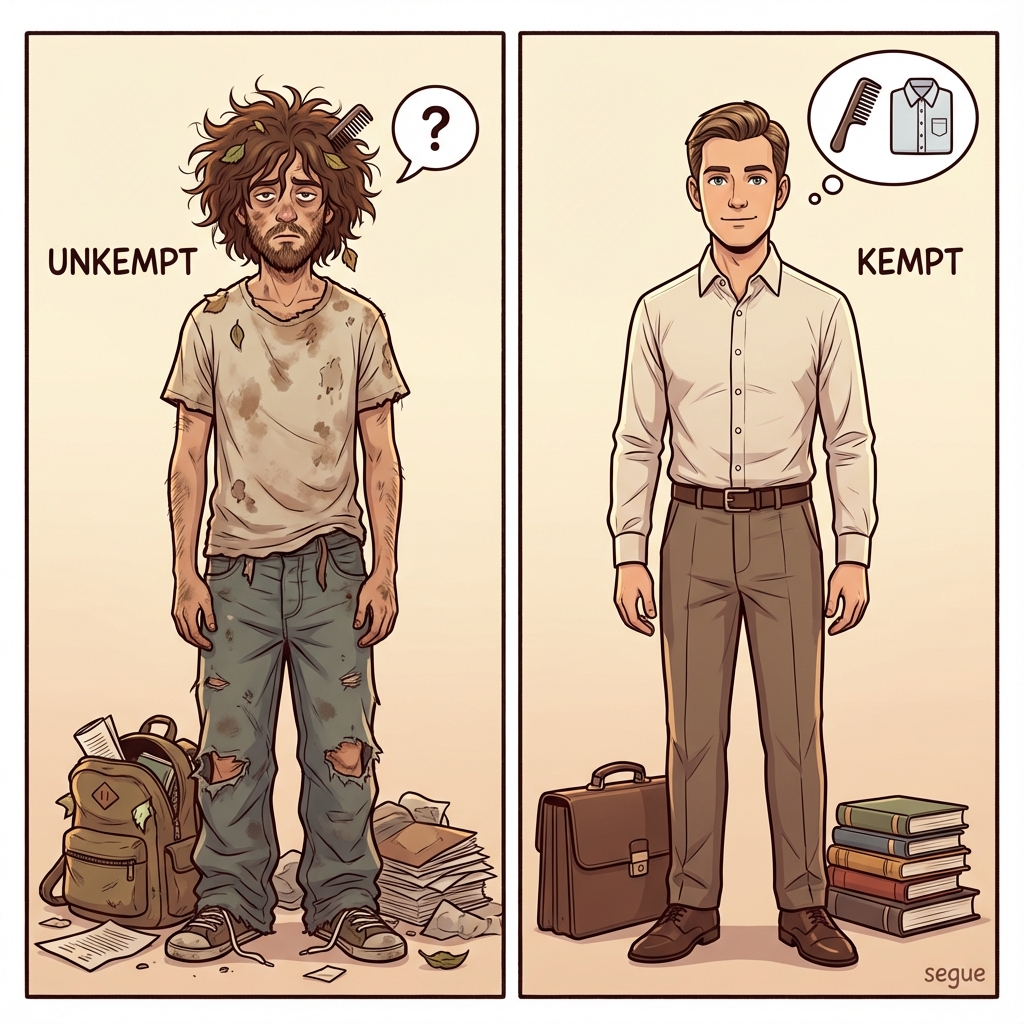
unkempt
/ənˈkɛmpt/having an untidy or messy appearance
“His unkempt beard suggested weeks without grooming.”
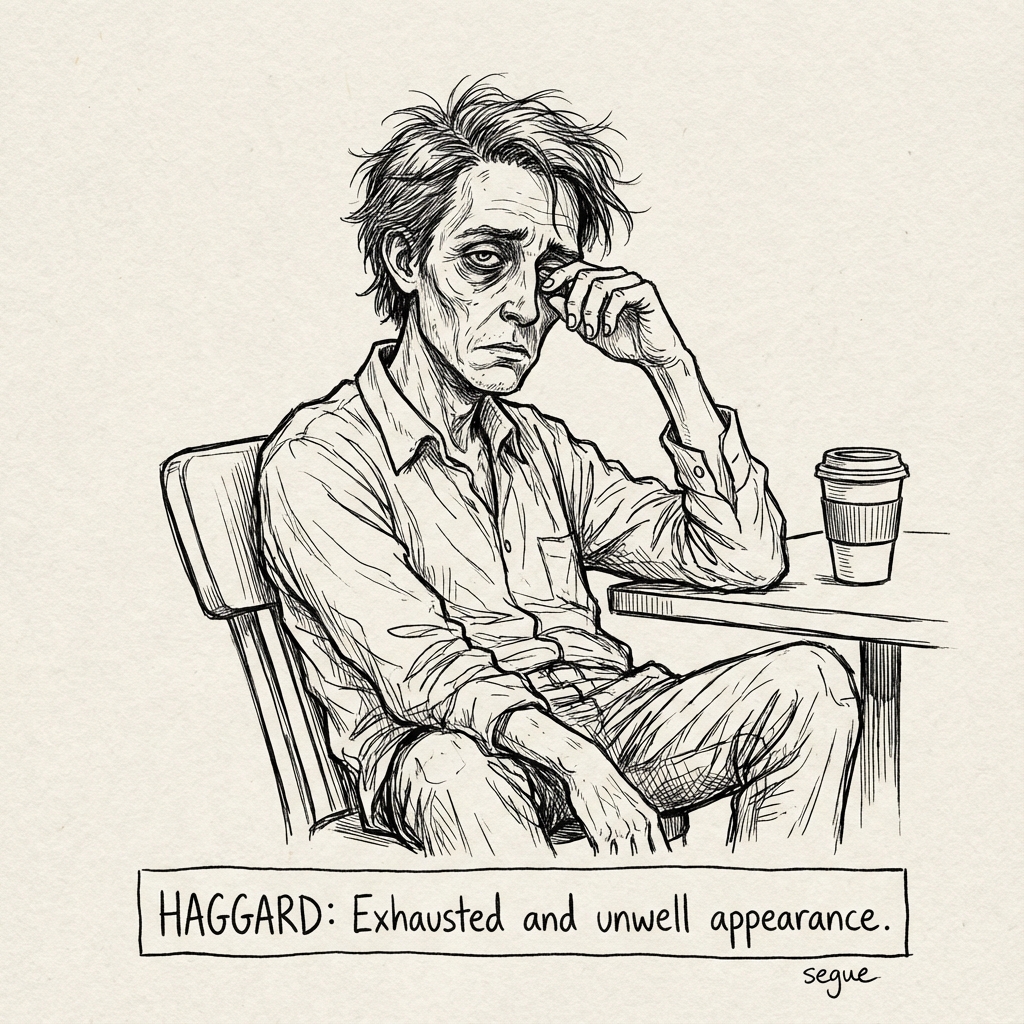
haggard
/ˈhæɡɝd/looking exhausted and unwell, especially from fatigue or suffering
“She looked haggard after working three consecutive night shifts.”
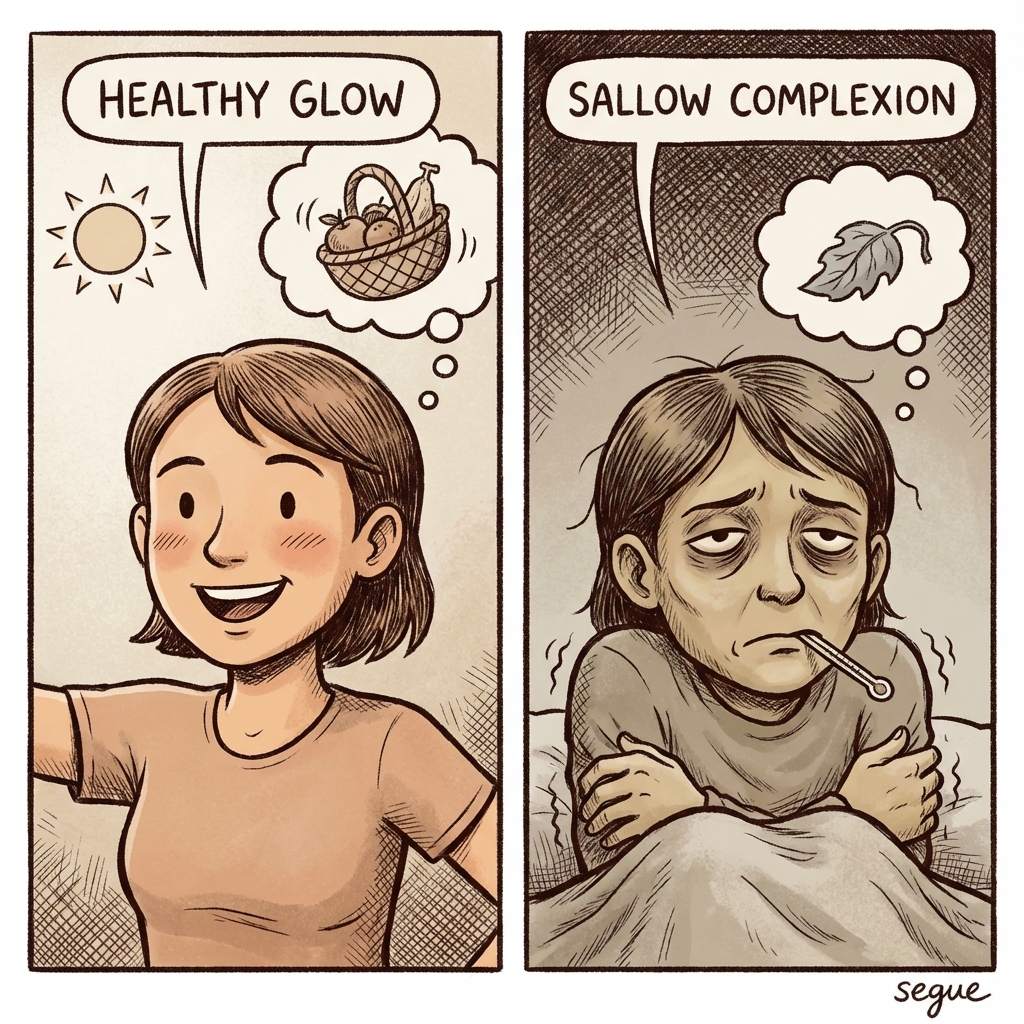
sallow
/ˈsæloʊ/having a yellowish or pale brown complexion, suggesting poor health
“His sallow complexion worried his doctor.”
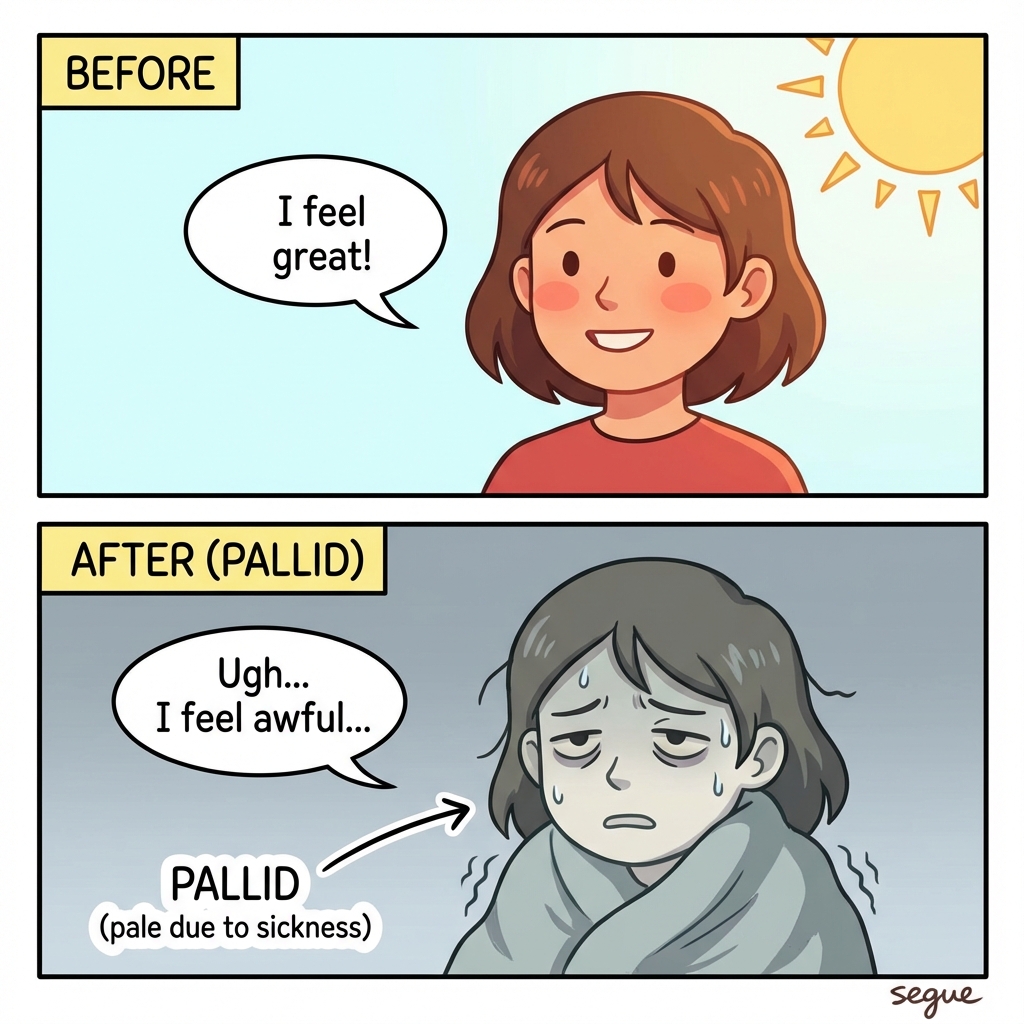
pallid
/ˈpæɫəd/pale, typically because of poor health or fear
“Her pallid face revealed her shock at the news.”
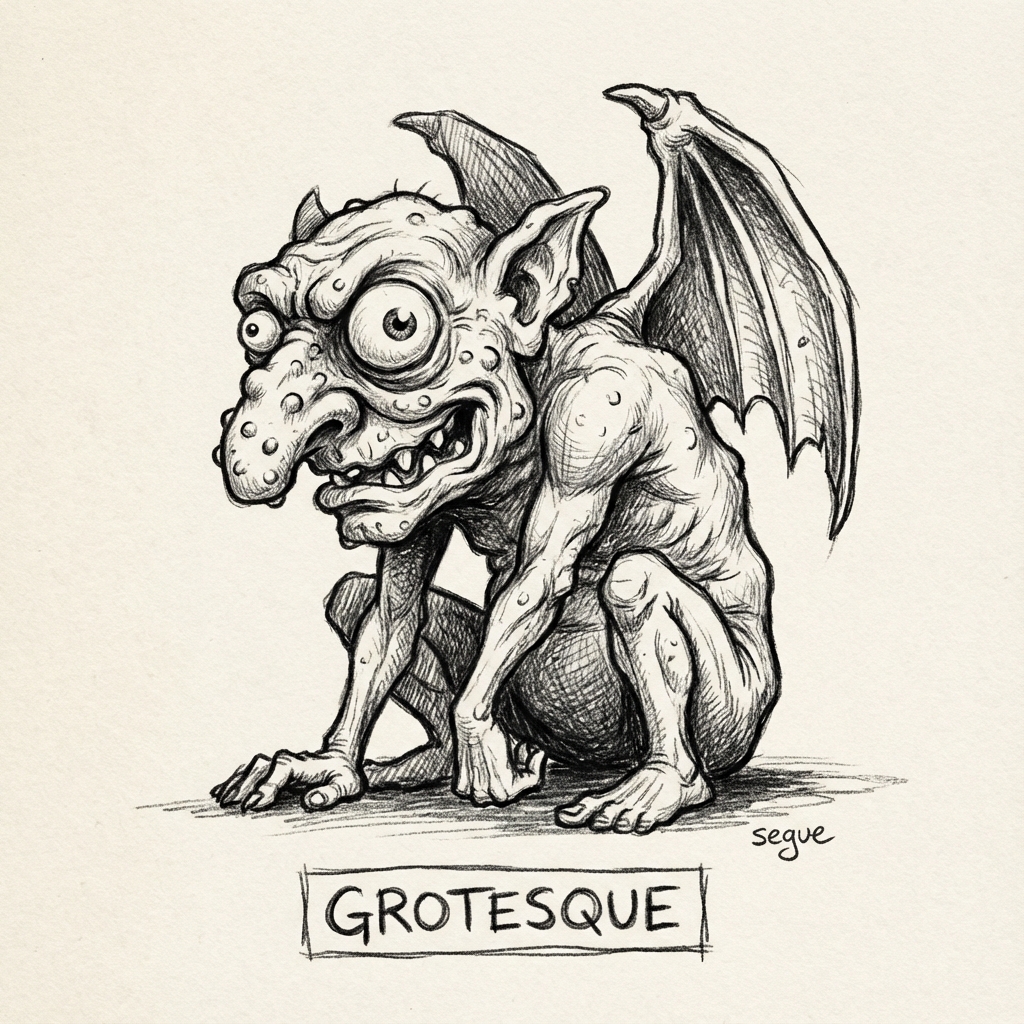
grotesque
/ɡɹoʊˈtɛsk/comically or repulsively ugly or distorted
“The gargoyles on the cathedral were truly grotesque.”
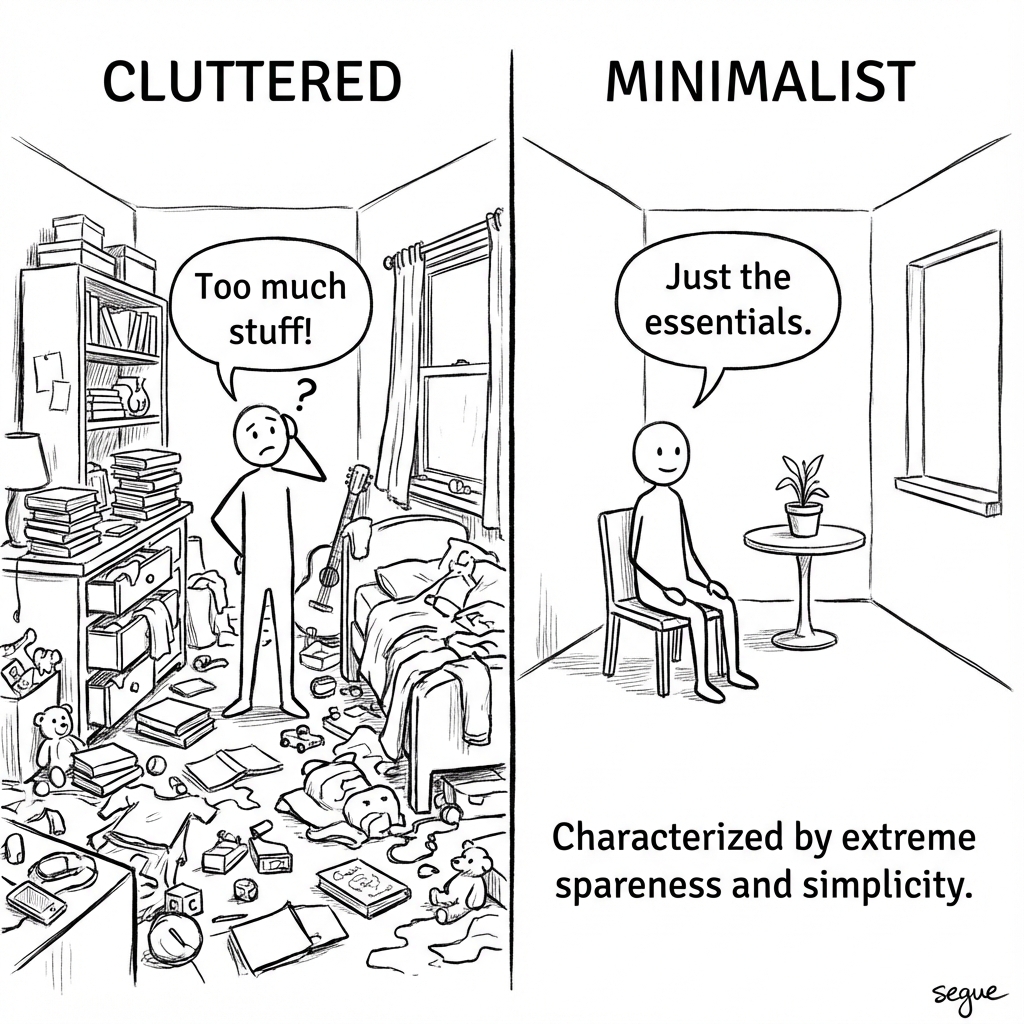
minimalist
/ˈmɪnəməɫɪst/characterized by extreme spareness and simplicity
“The minimalist design featured clean lines and white walls.”
More from Descriptive
Explore other vocabulary categories in this collection.