Loading collection...
🔬
Analysis & Breakdown Vocabulary
Words for examining components and relationships
16 words
All 16 Words
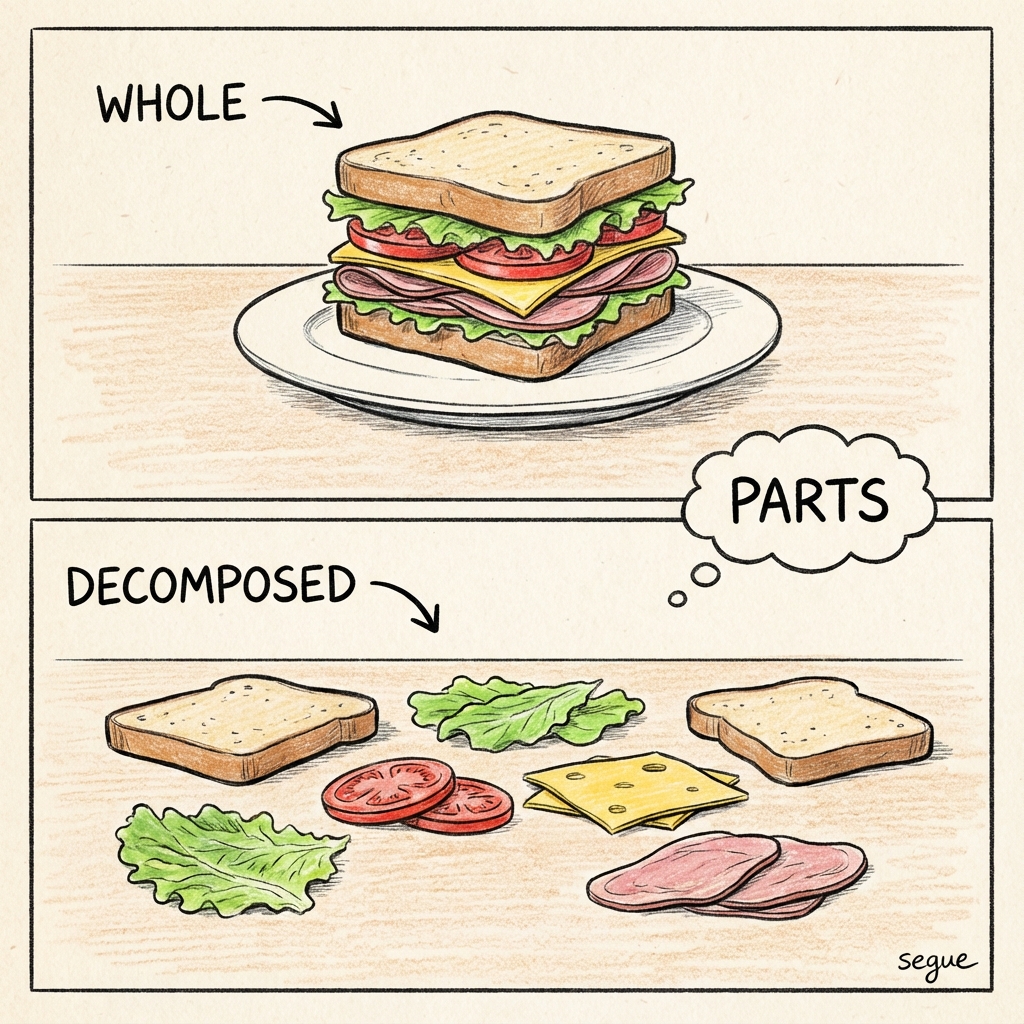
decompose
/ˌdikəmˈpoʊz/to break down into constituent parts
“Decompose the problem into smaller subproblems.”
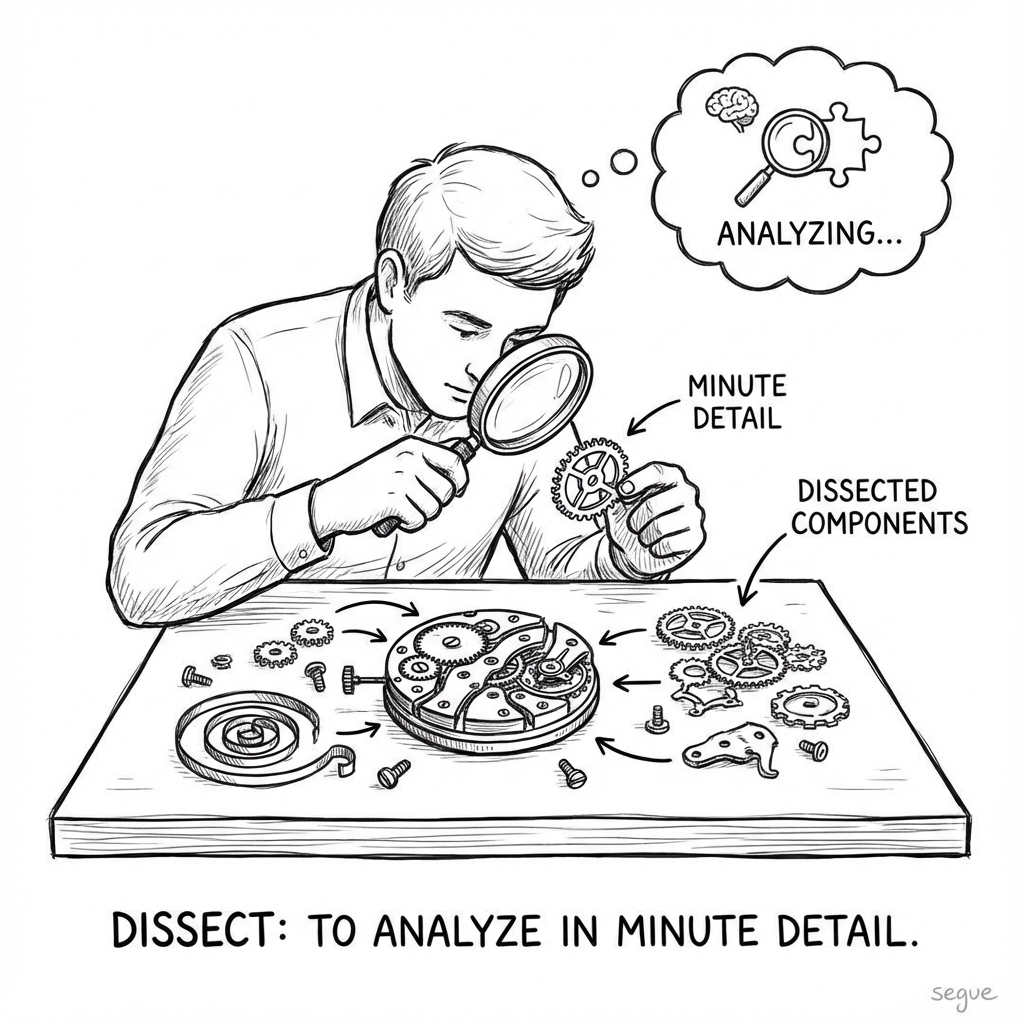
dissect
/daɪˈsɛkt/to analyze in minute detail
“Dissect the argument to understand its structure.”
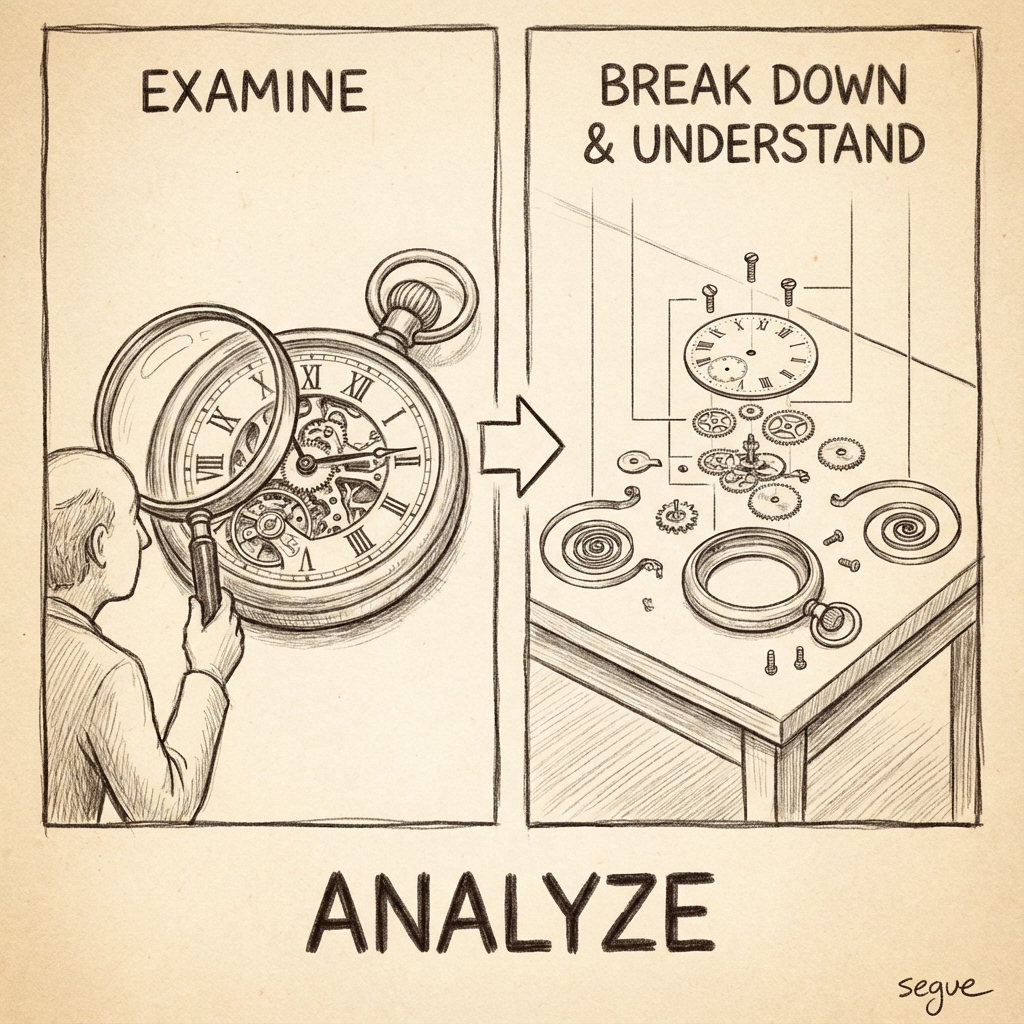
analyze
/ˈænəˌɫaɪz/to examine methodically by separating into parts
“Analyze the data to identify patterns.”
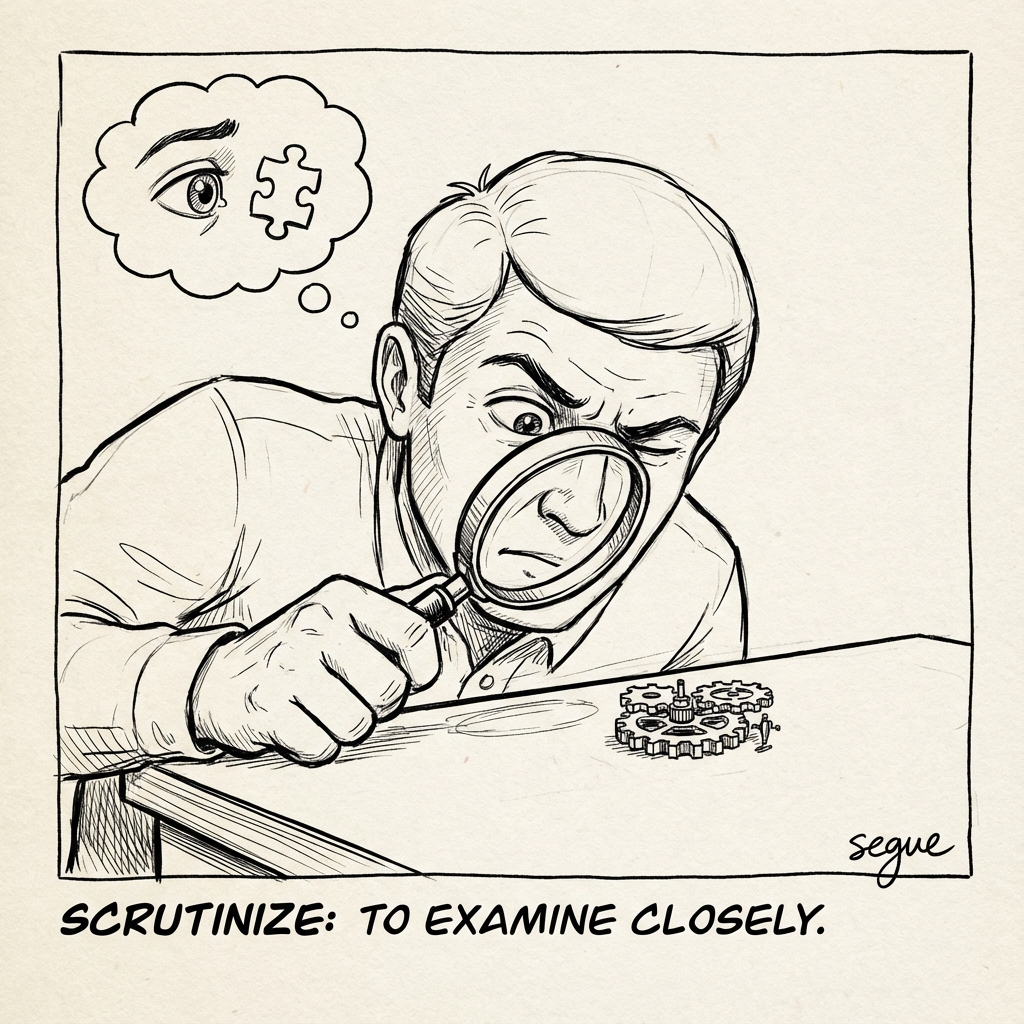
scrutinize
/ˈskɹutəˌnaɪz/to examine closely and thoroughly
“Scrutinize the proposal for potential issues.”
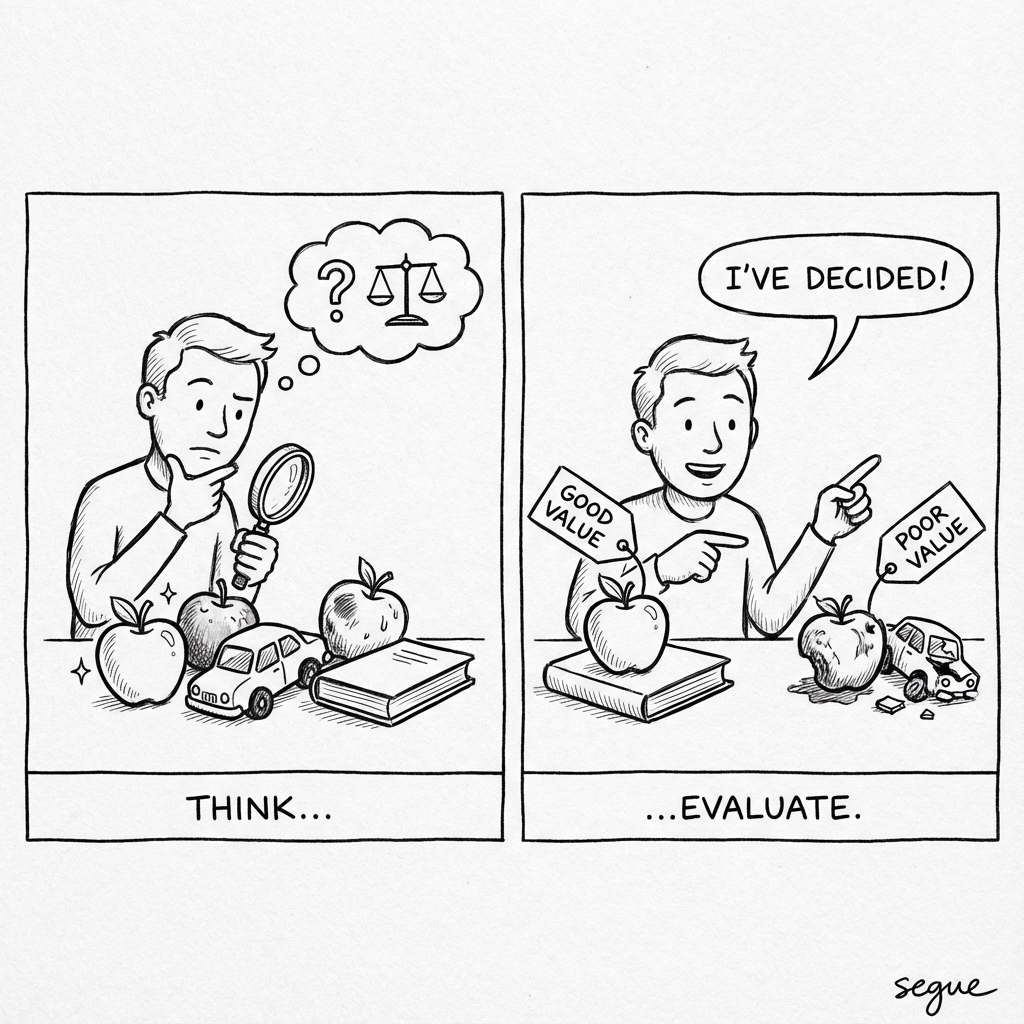
evaluate
/iˈvæɫjuˌeɪt/to form an idea of the value or quality of
“Evaluate each option against our criteria.”

assess
/əˈsɛs/to evaluate or estimate the nature or quality of
“Assess the risk before proceeding.”
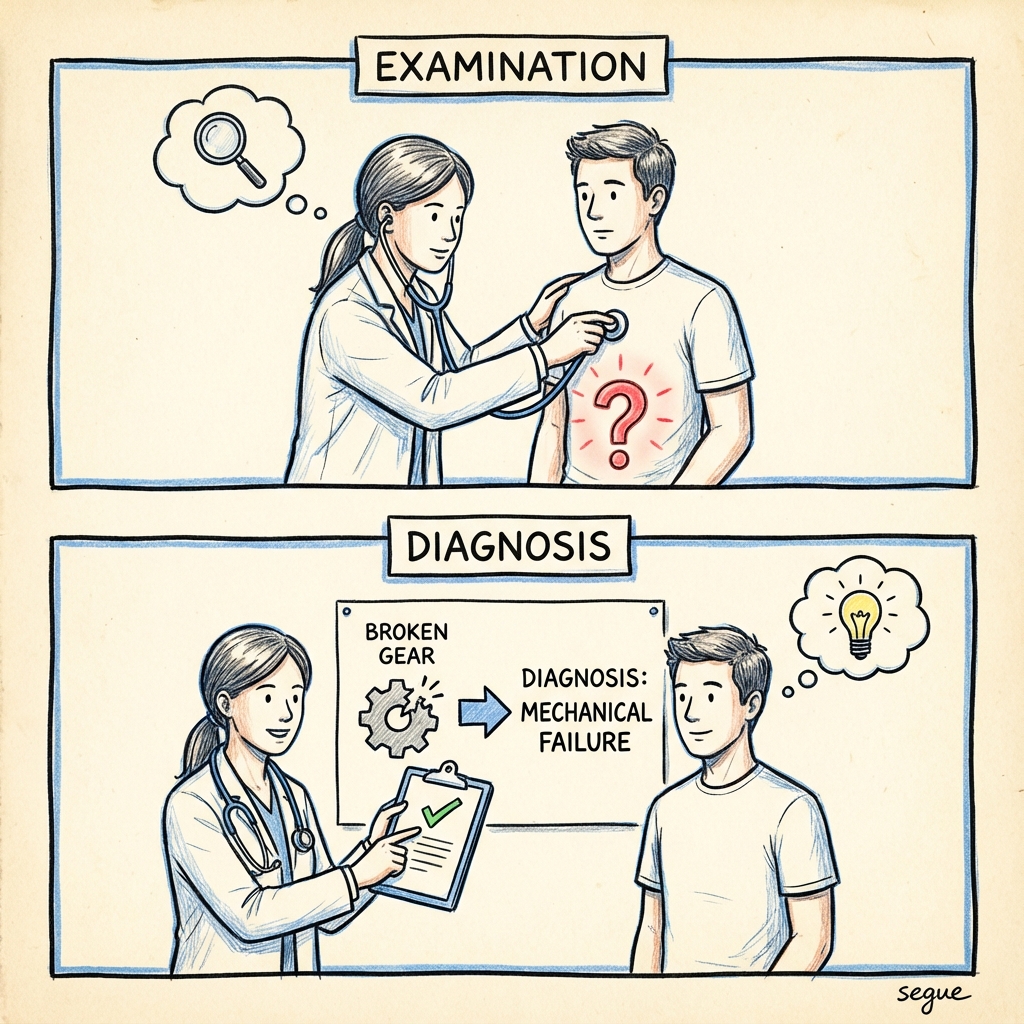
diagnose
/ˌdaɪəɡˈnoʊs/to identify the nature of a problem by examination
“Diagnose the root cause of the failure.”
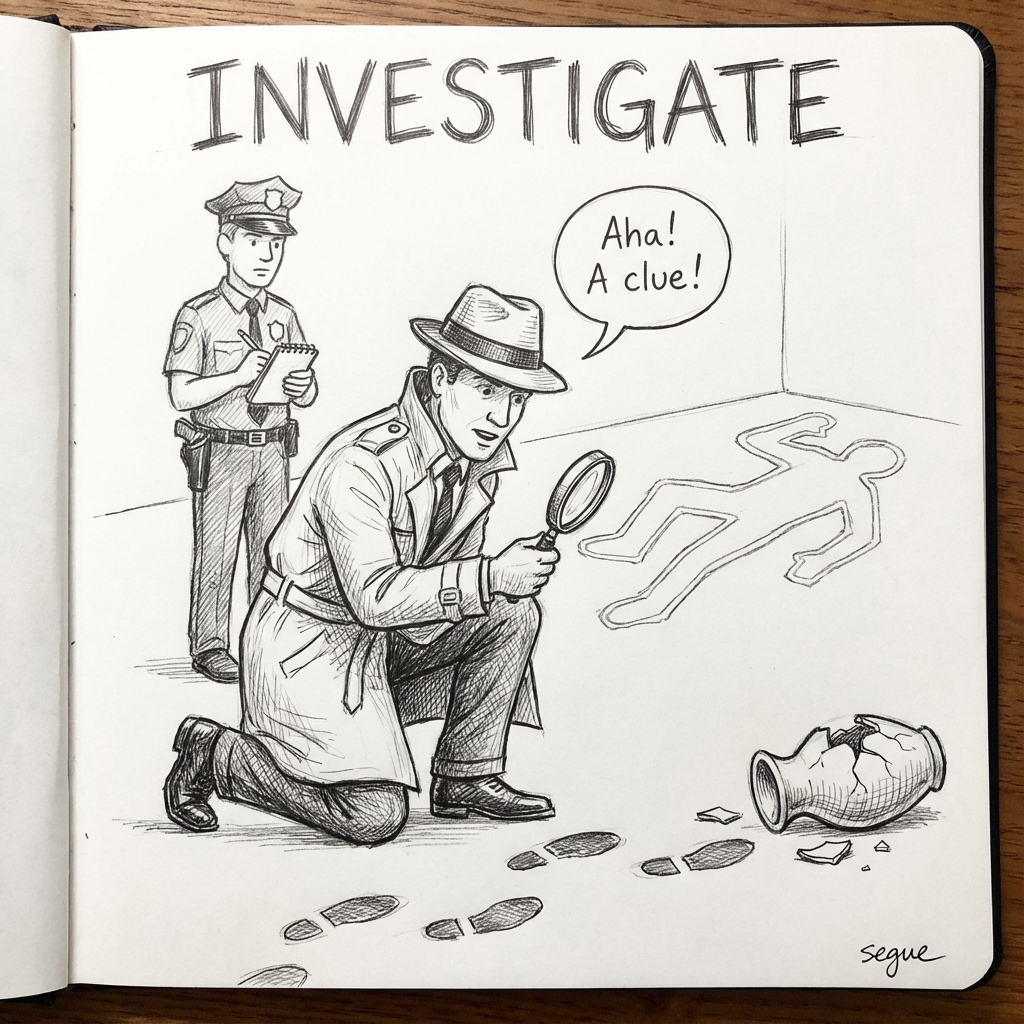
investigate
/ˌɪnˈvɛstəˌɡeɪt/to carry out a systematic inquiry or examination
“Investigate why the system behaved unexpectedly.”
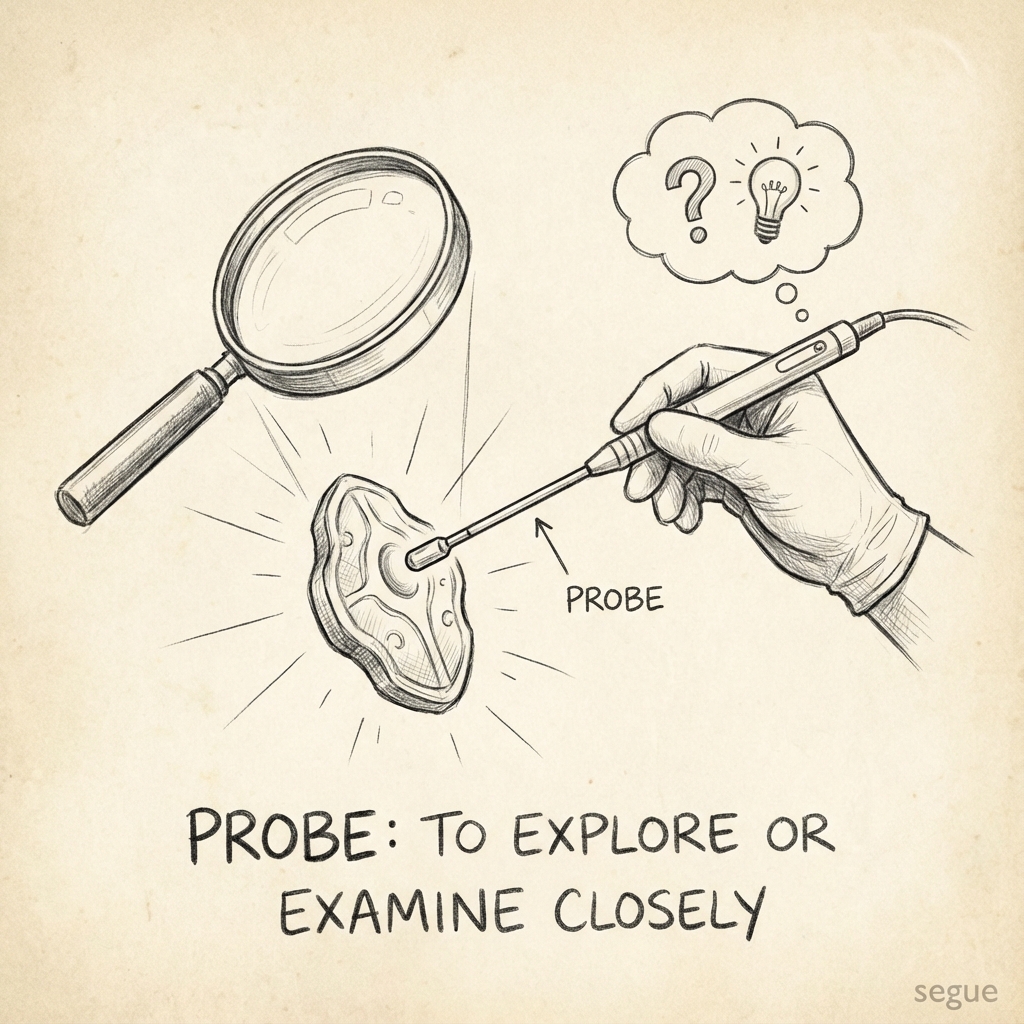
probe
/ˈpɹoʊb/to explore or examine something closely
“Probe deeper into the underlying assumptions.”
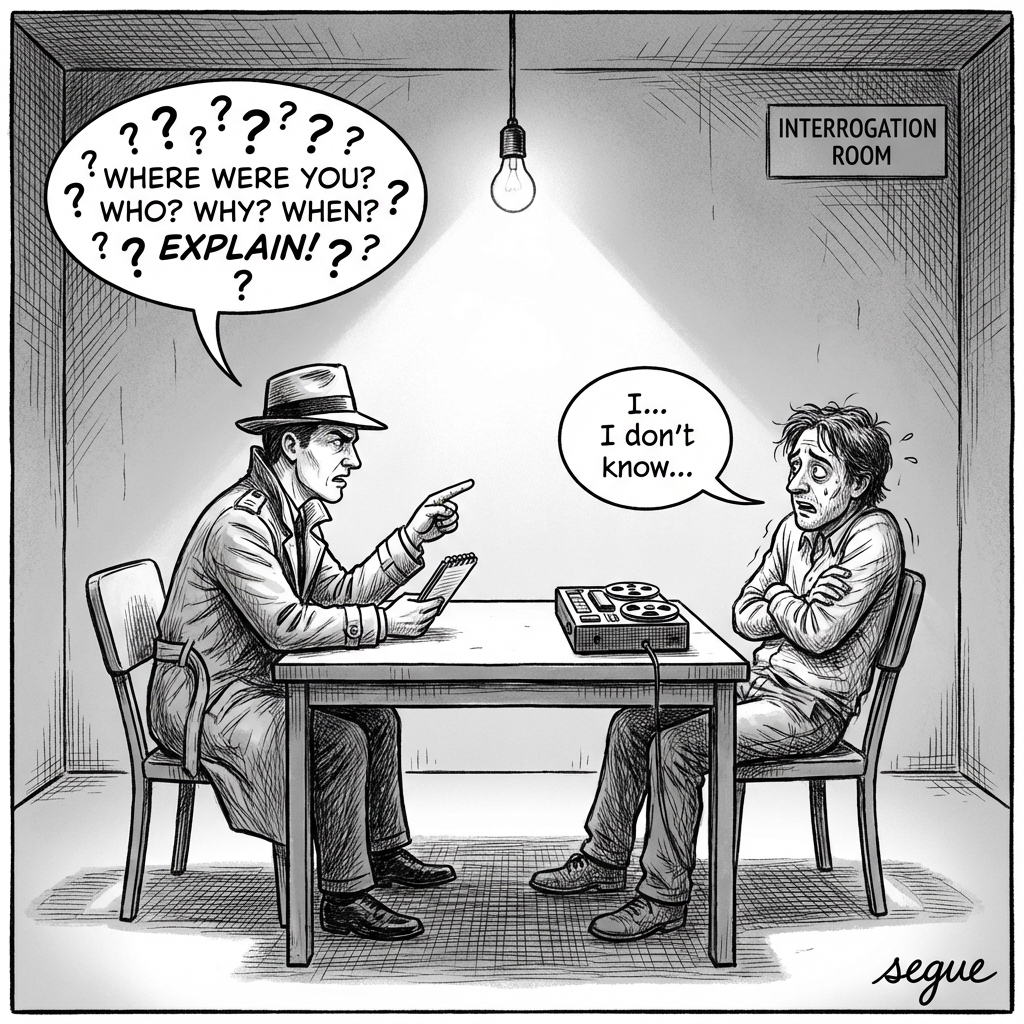
interrogate
/ˌɪnˈtɛɹəˌɡeɪt/to examine closely; question systematically
“Interrogate the data to find hidden insights.”
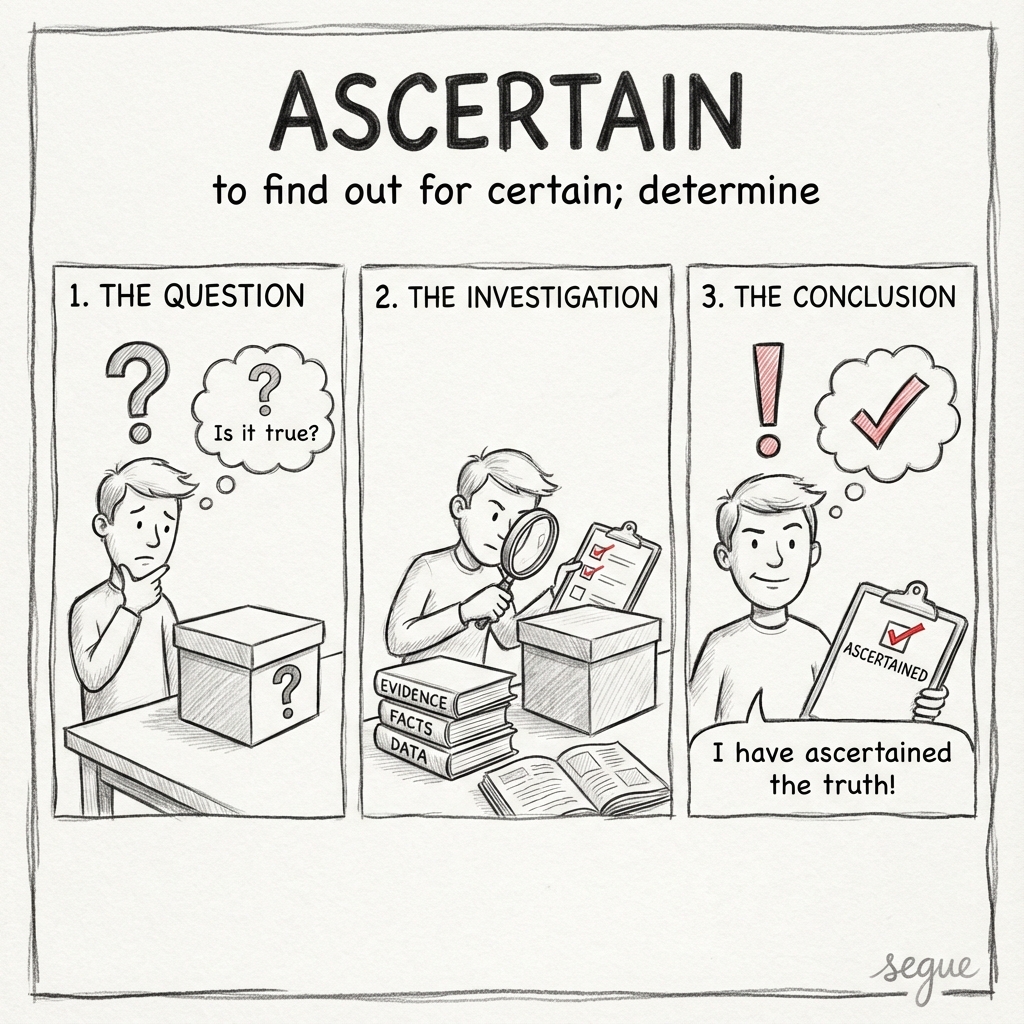
ascertain
/ˌæsɝˈteɪn/to find out for certain; determine
“Ascertain the facts before drawing conclusions.”
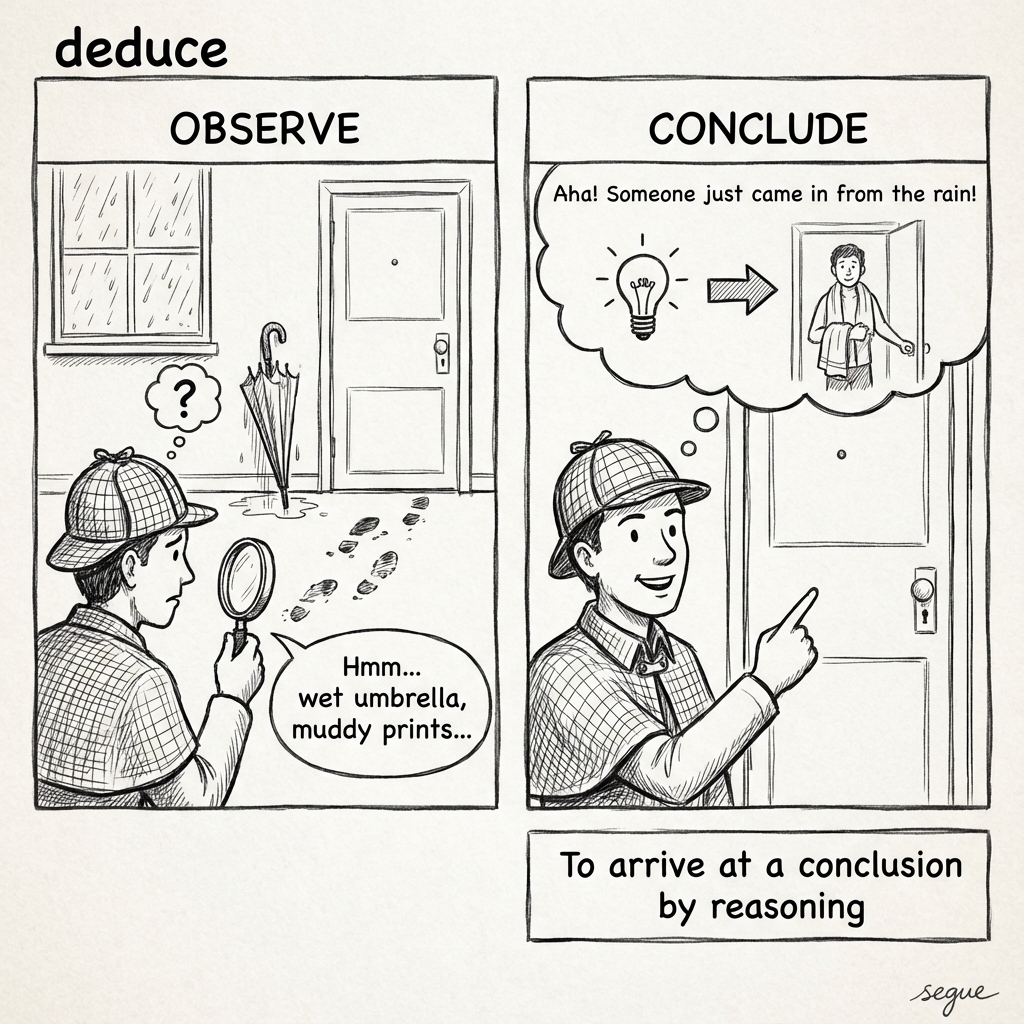
deduce
/dɪˈdus/to arrive at a conclusion by reasoning
“From these clues, we can deduce the cause.”
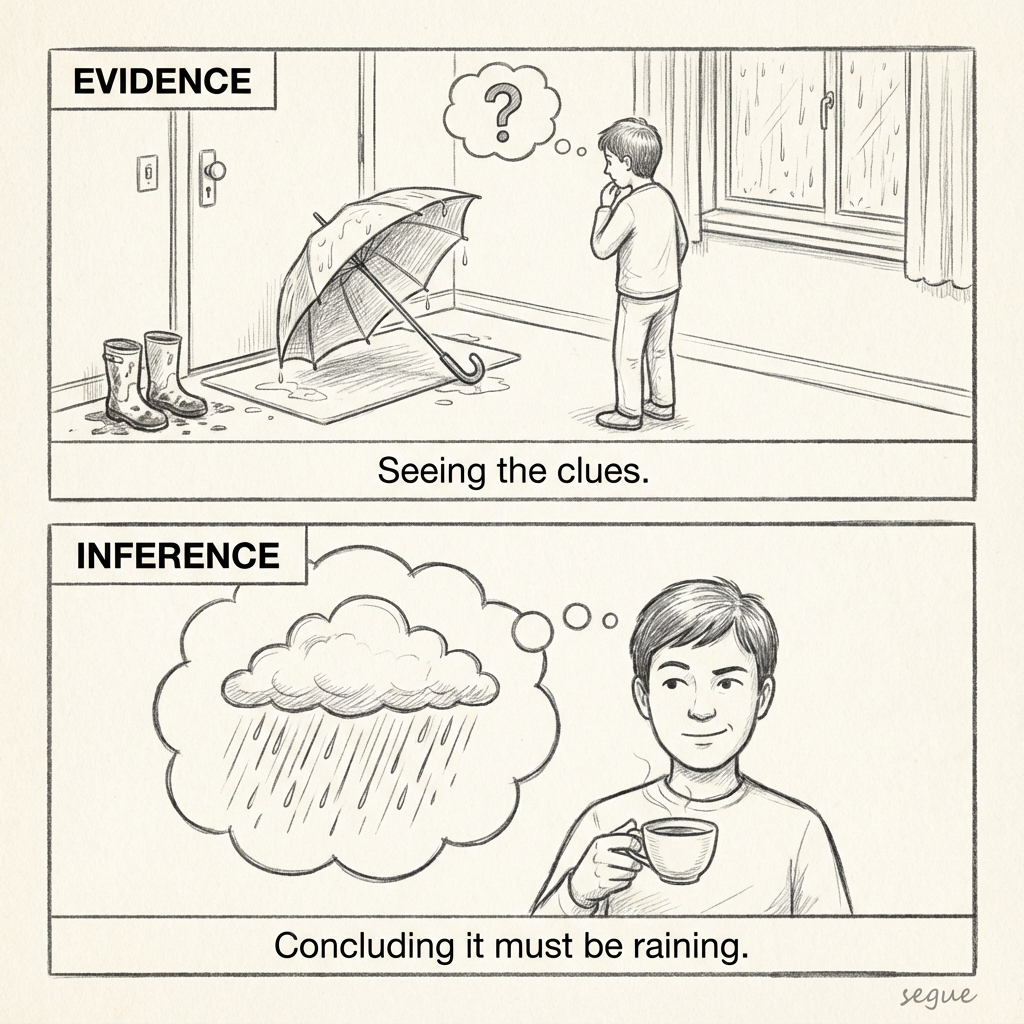
infer
/ˌɪnˈfɝ/to conclude from evidence and reasoning
“What can we infer from this behavior?”
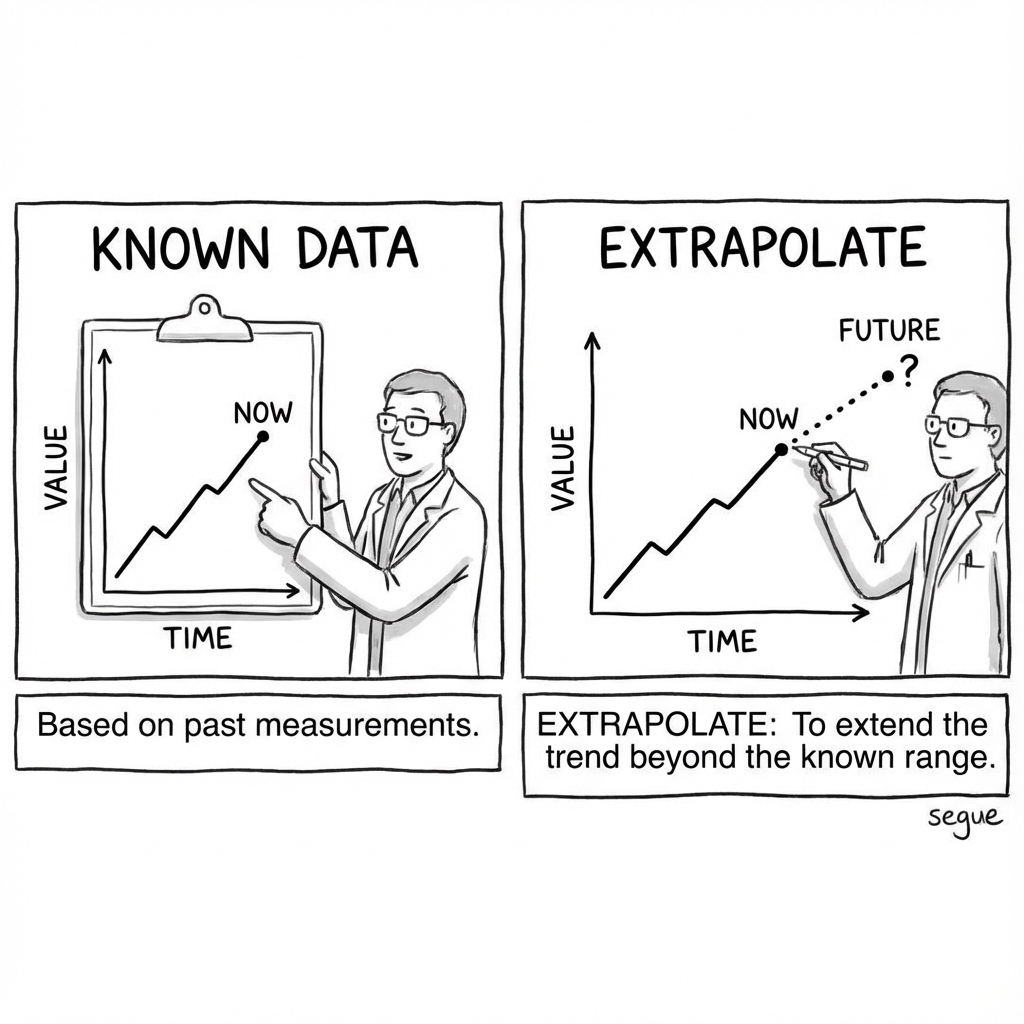
extrapolate
/ɛkˈstɹæpəˌɫeɪt/to extend trends or data beyond the known range
“Can we extrapolate these results to the general population?”
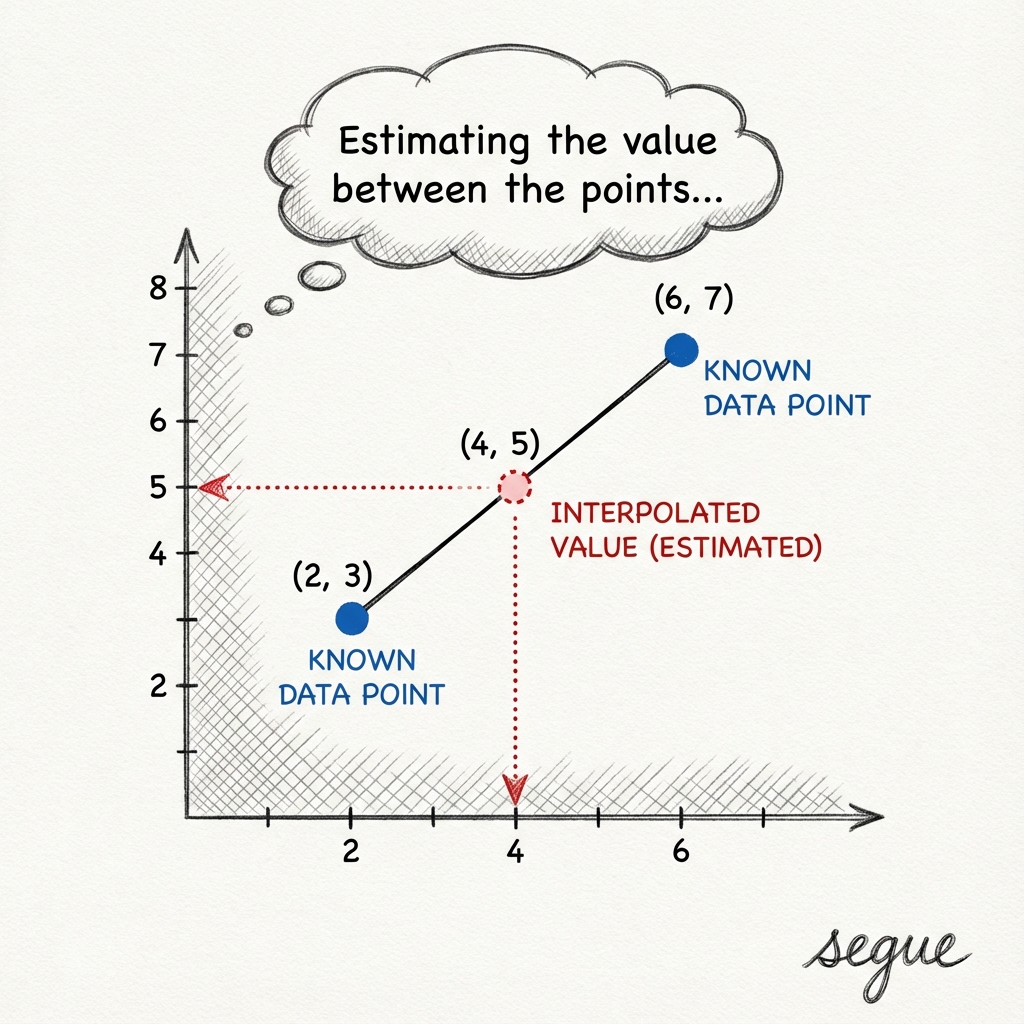
interpolate
/ˌɪˈtɝpəˌɫeɪt/to estimate values between known data points
“Interpolate the missing values based on the pattern.”
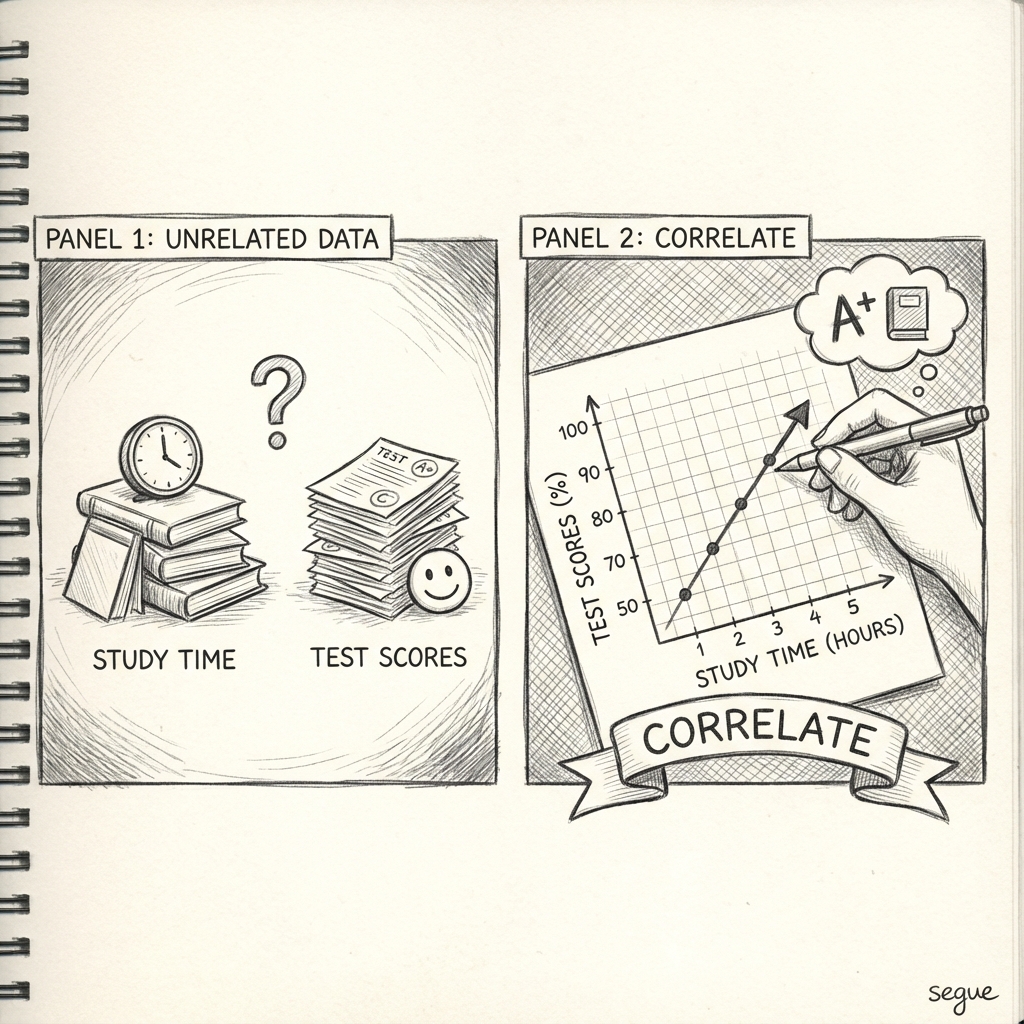
correlate
/ˈkɔɹəˌɫeɪt/to establish a relationship or connection between
“Correlate user behavior with conversion rates.”
More from Intellectual
Explore other vocabulary categories in this collection.