Loading collection...
⚡
Actions & Verbs Vocabulary
Sophisticated action words to enhance your vocabulary
22 words
All 22 Words
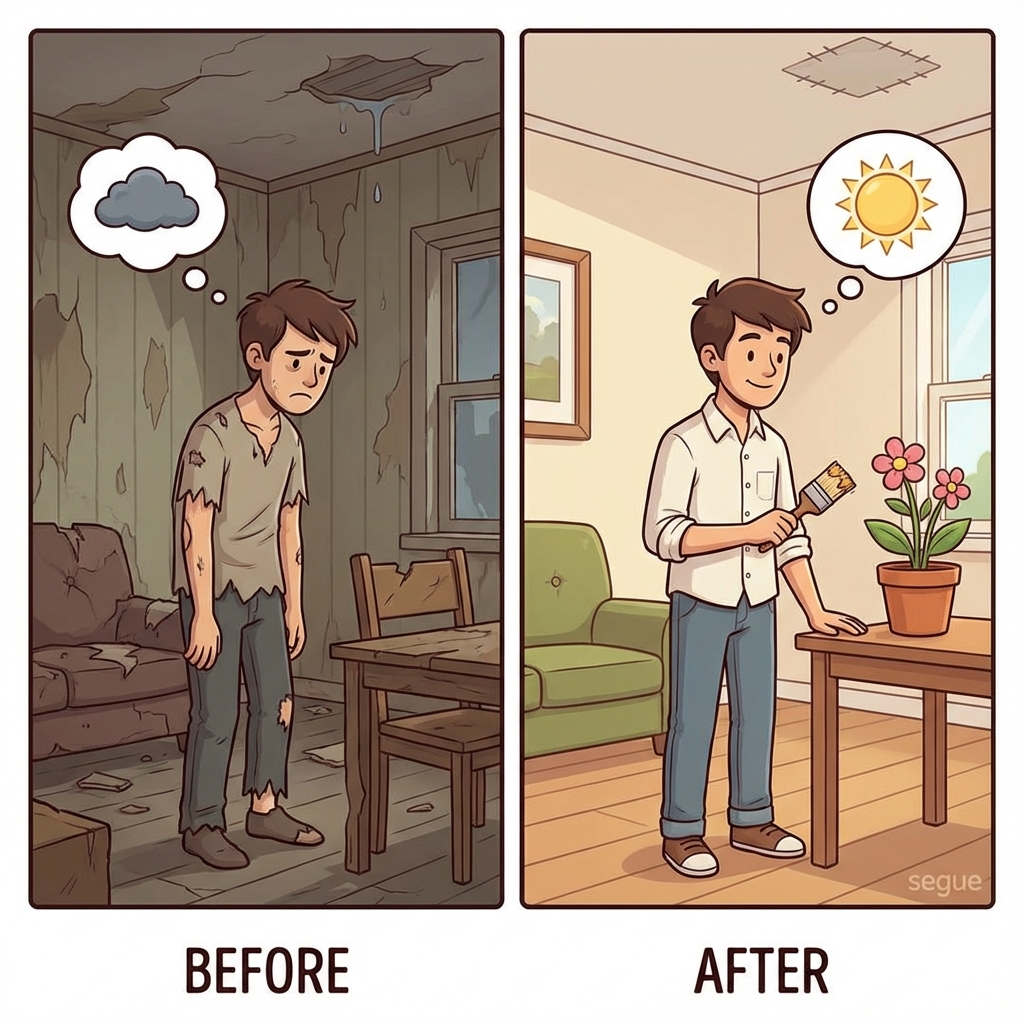
ameliorate
/əˈmiɫjɝˌeɪt/to make something bad or unsatisfactory better
“The new policy helped ameliorate the housing crisis.”
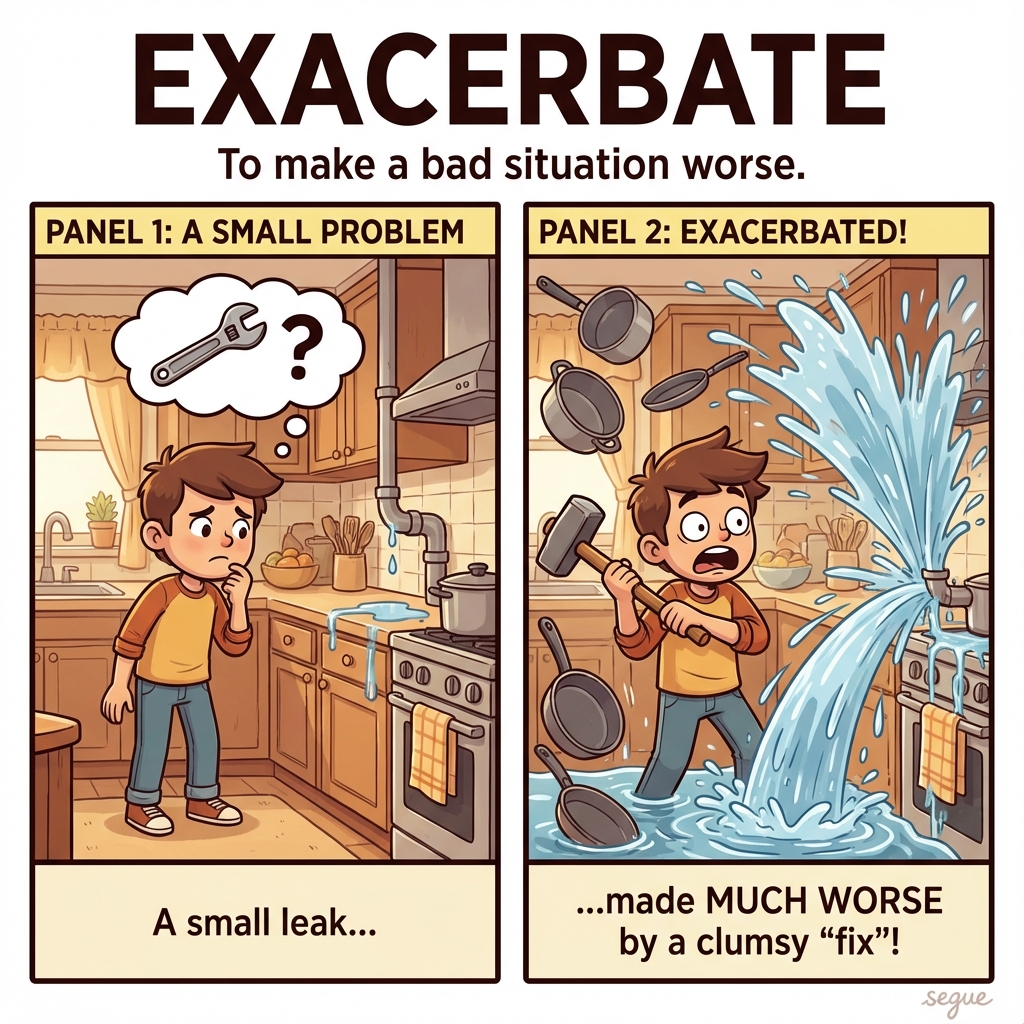
exacerbate
/ɪɡˈzæsɝˌbeɪt/to make a problem, bad situation, or negative feeling worse
“His comments only exacerbated the tension in the room.”
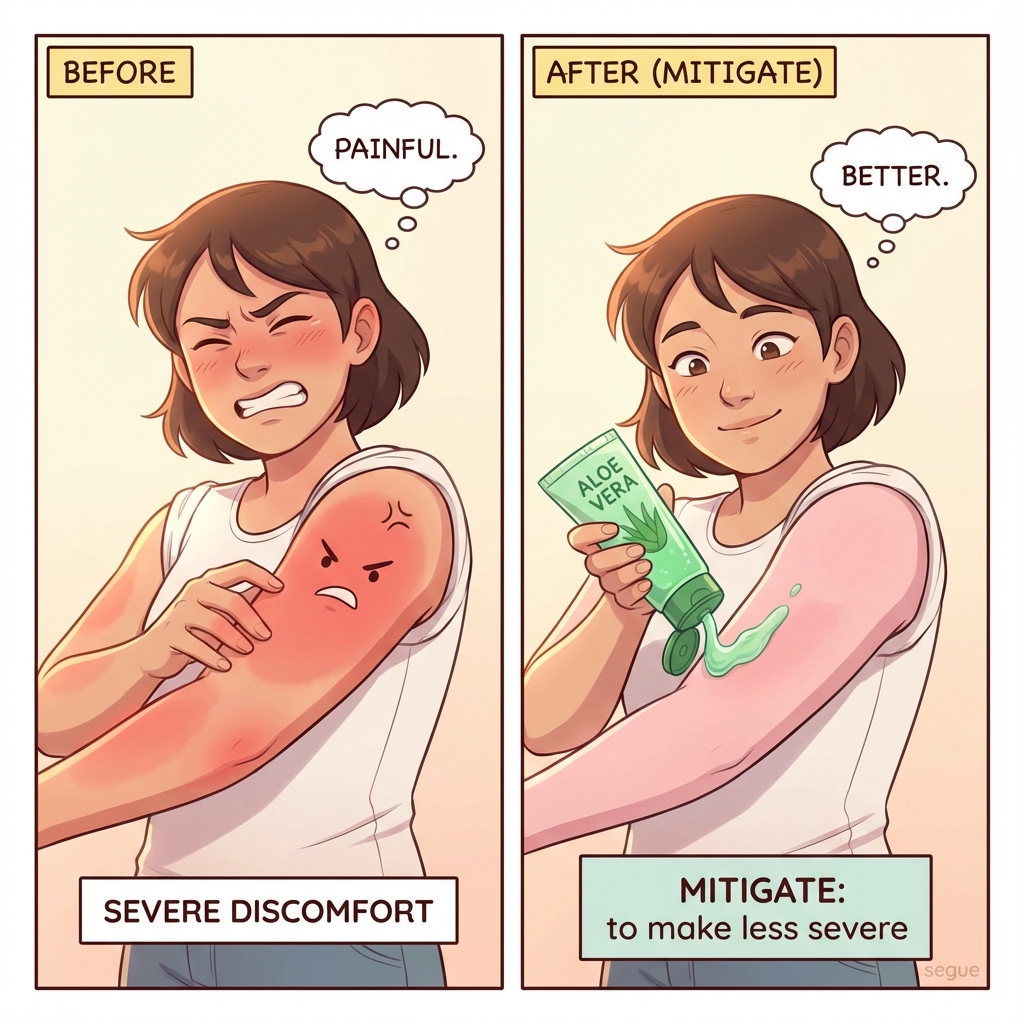
mitigate
/ˈmɪtəˌɡeɪt/to make less severe, serious, or painful
“The medication helped mitigate the symptoms of her illness.”
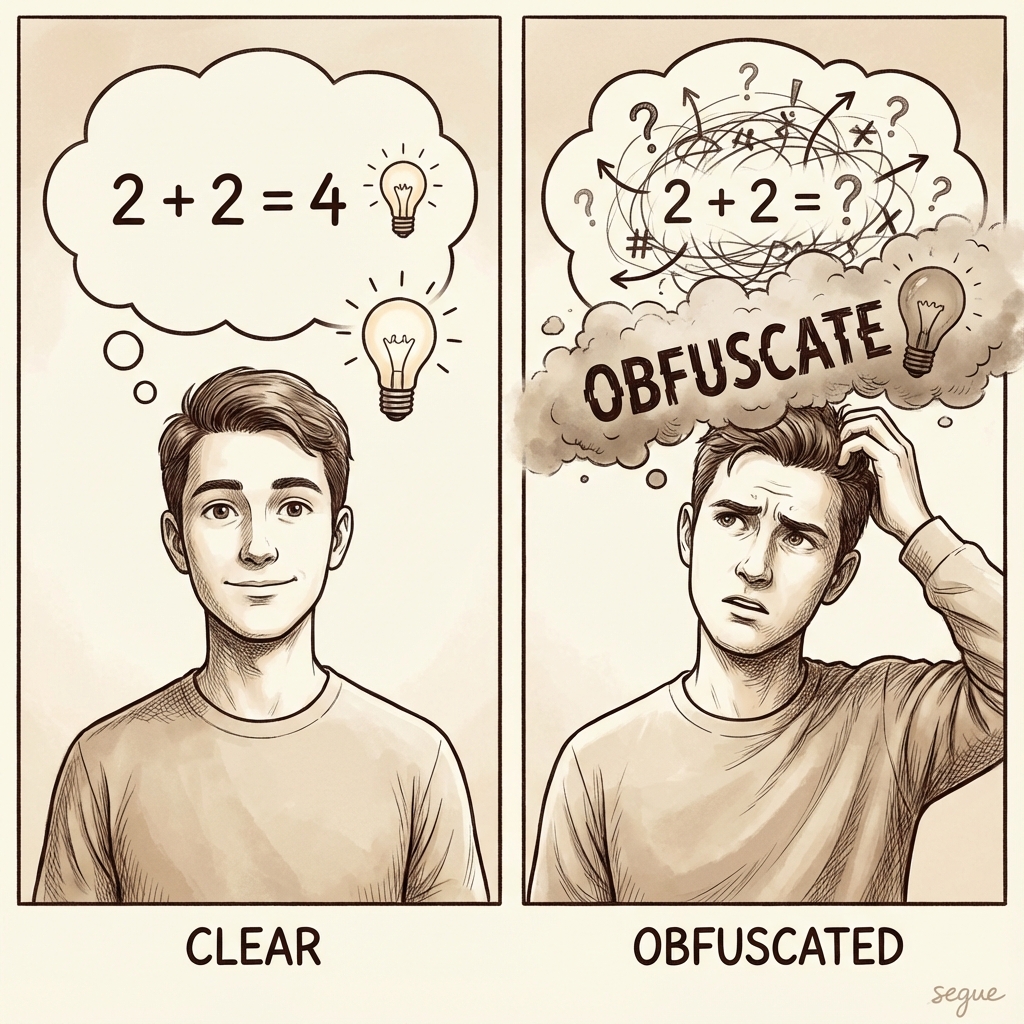
obfuscate
/ˈɑbfəˌskeɪt/to render obscure, unclear, or unintelligible
“The technical jargon served to obfuscate rather than clarify.”
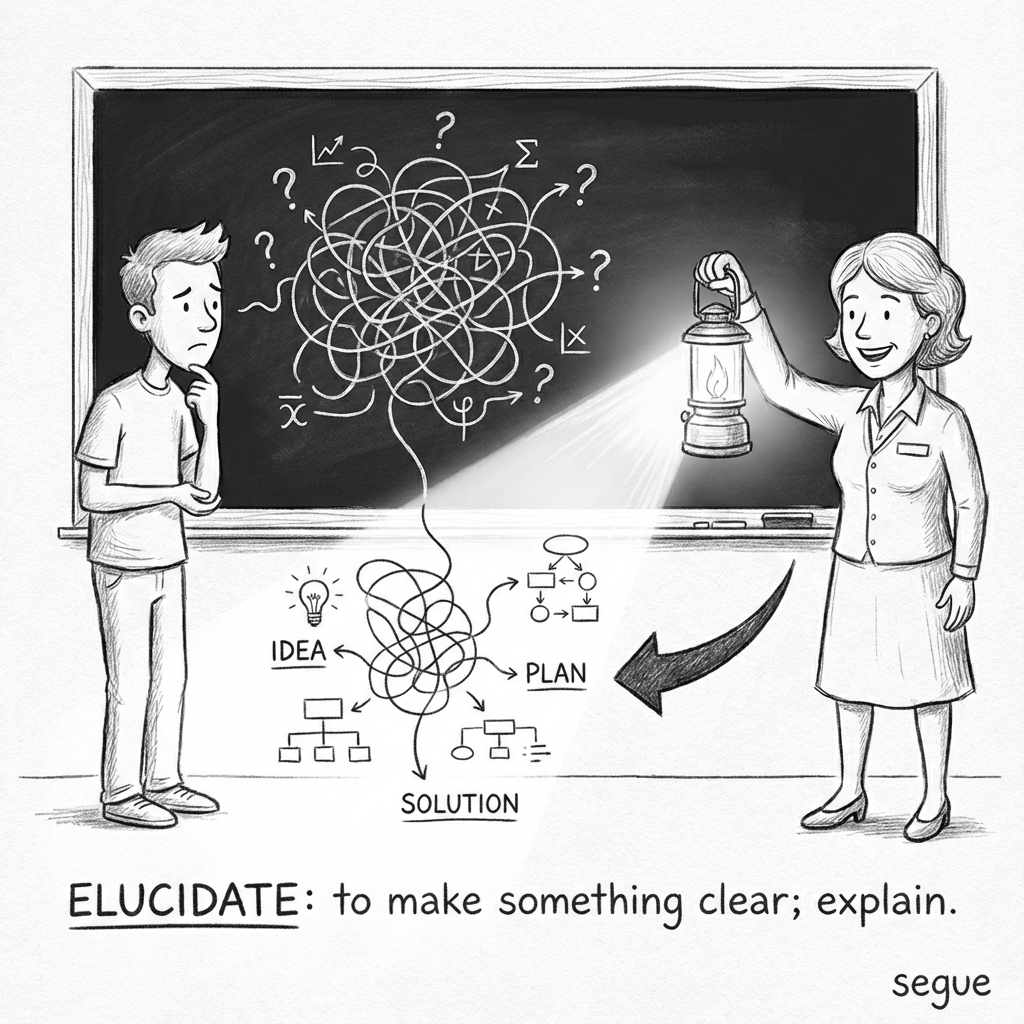
elucidate
/ɪˈɫusəˌdeɪt/to make something clear; to explain
“The professor elucidated the complex theory with simple examples.”
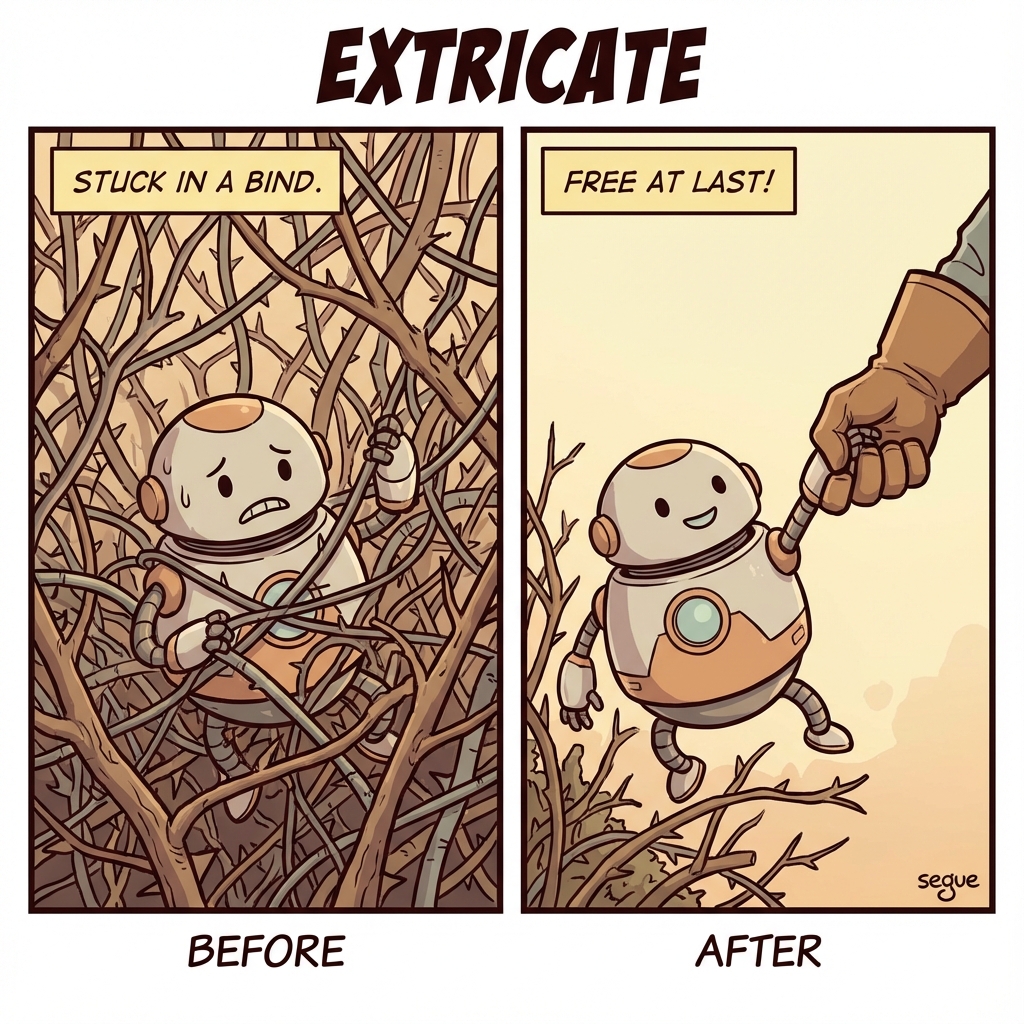
extricate
/ˈɛkstɹəˌkeɪt/to free someone or something from a constraint or difficulty
“It took hours to extricate the car from the mud.”

excoriate
/ɛkˈskɔɹiˌeɪt/to criticize someone severely; to damage the skin
“The review excoriated the film for its poor writing.”
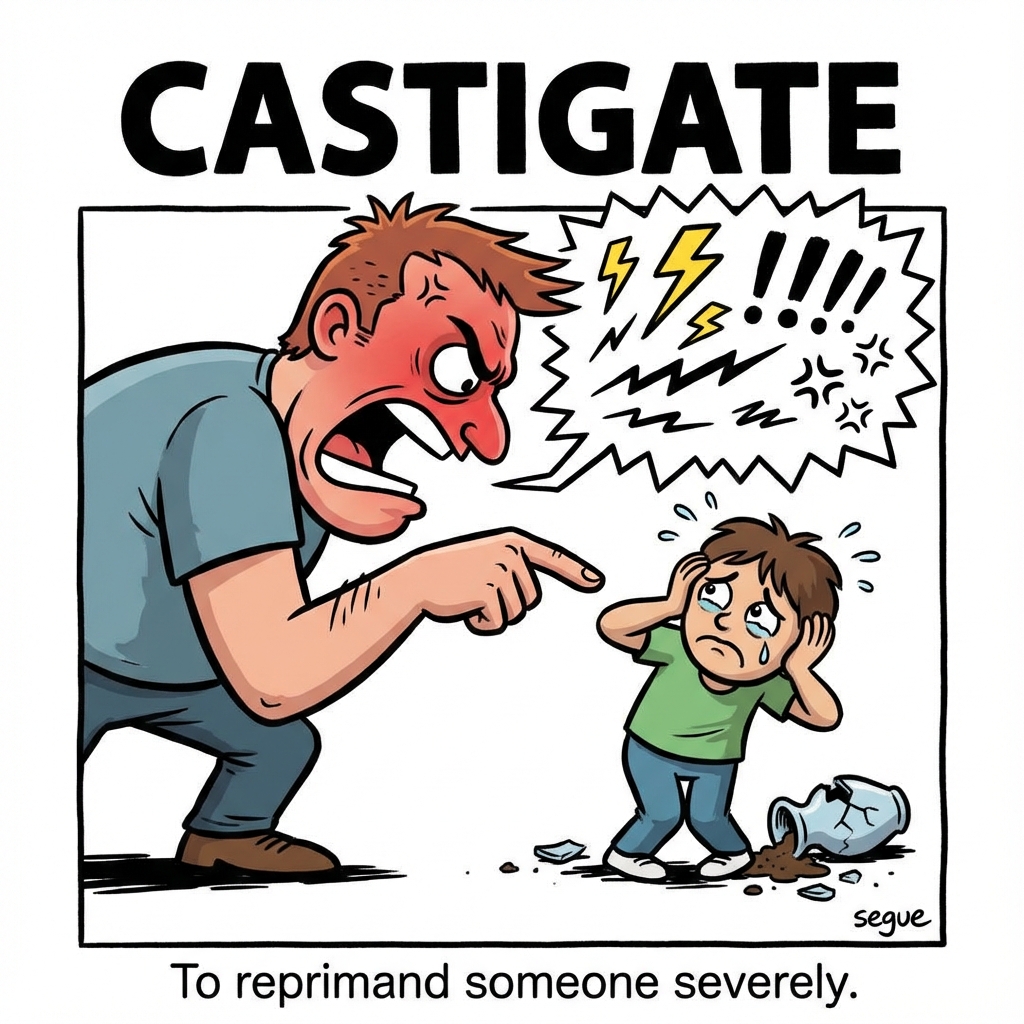
castigate
/ˈkæstəˌɡeɪt/to reprimand someone severely
“The manager castigated the team for missing the deadline.”
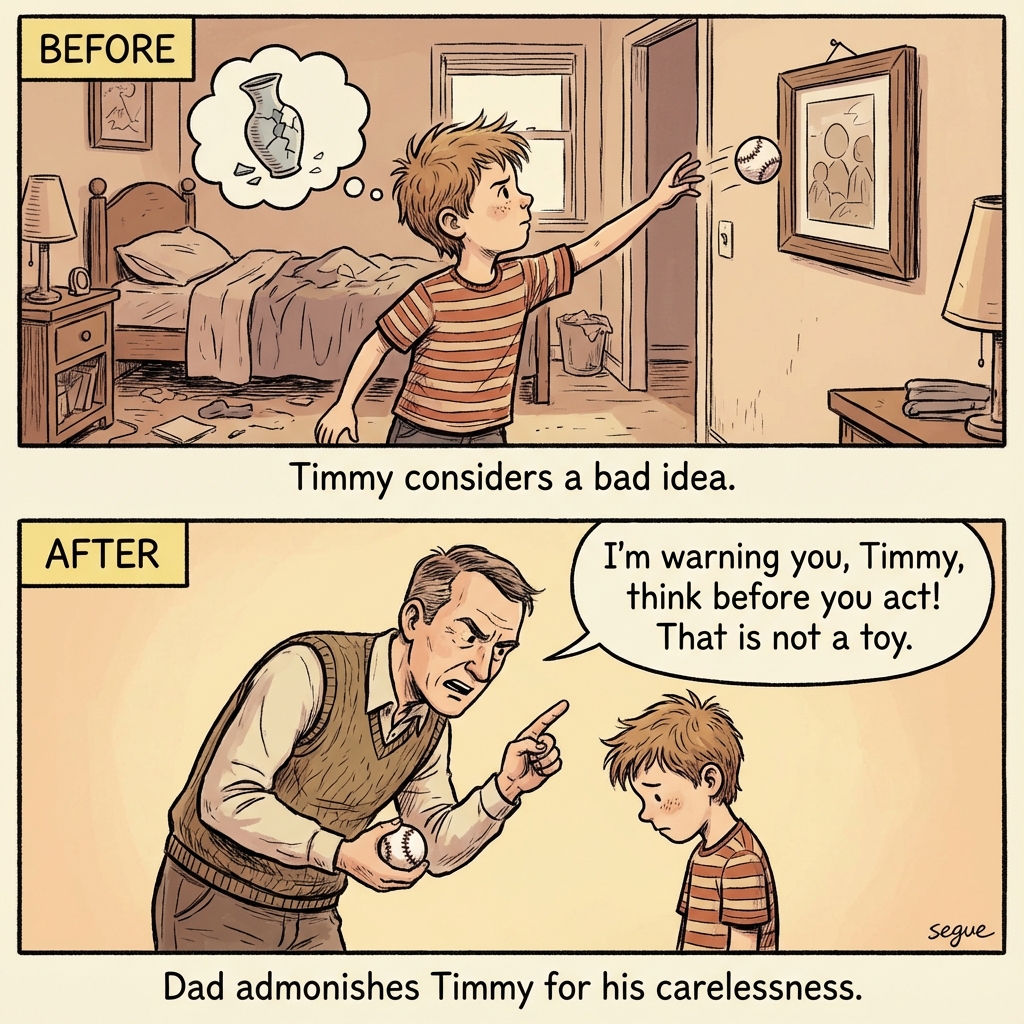
admonish
/ædˈmɑnɪʃ/to warn or reprimand someone firmly
“The teacher admonished the students for talking during the exam.”
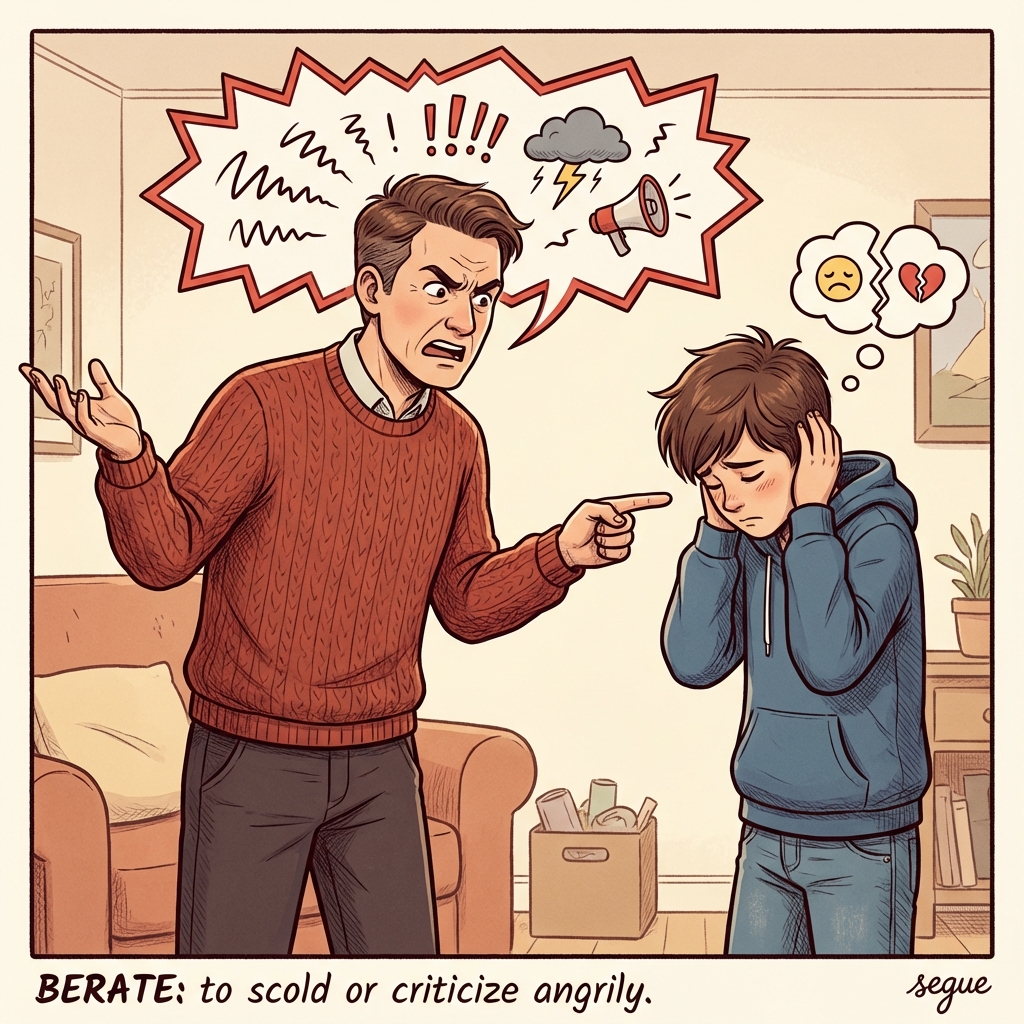
berate
/bɪˈɹeɪt/to scold or criticize someone angrily
“She berated him for his careless mistake.”

vilify
/ˈvɪɫɪˌfaɪ/to speak or write about in an abusively disparaging manner
“The media vilified the politician after the scandal broke.”

denigrate
/ˈdɛnəˌɡɹeɪt/to criticize unfairly; to disparage
“He constantly denigrated his colleagues' contributions.”

disparage
/dɪˈspɛɹɪdʒ/to regard or represent as being of little worth
“She disparaged his efforts despite his hard work.”

venerate
/ˈvɛnɝˌeɪt/to regard with great respect; to revere
“The community venerates the elderly for their wisdom.”
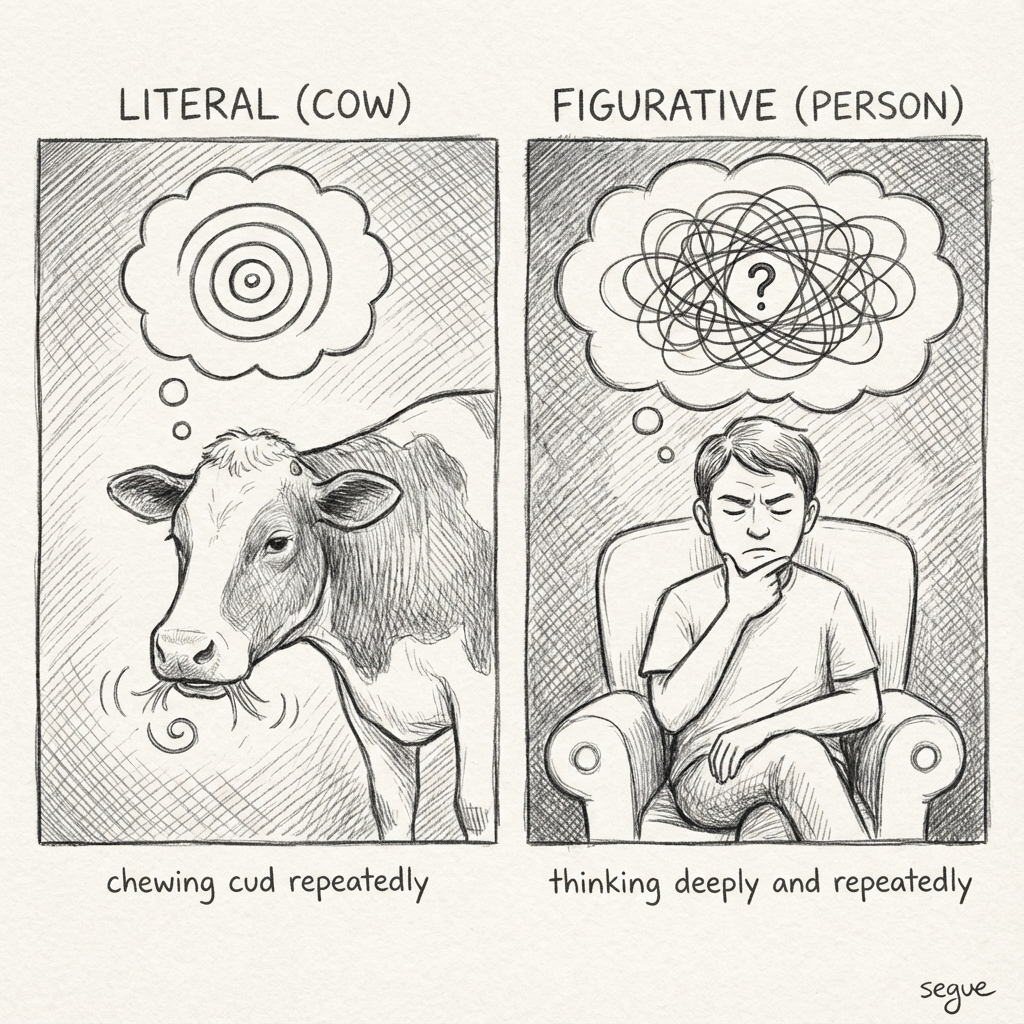
ruminate
/ˈɹumɪˌneɪt/to think deeply about something; to chew cud
“He spent hours ruminating on the meaning of life.”
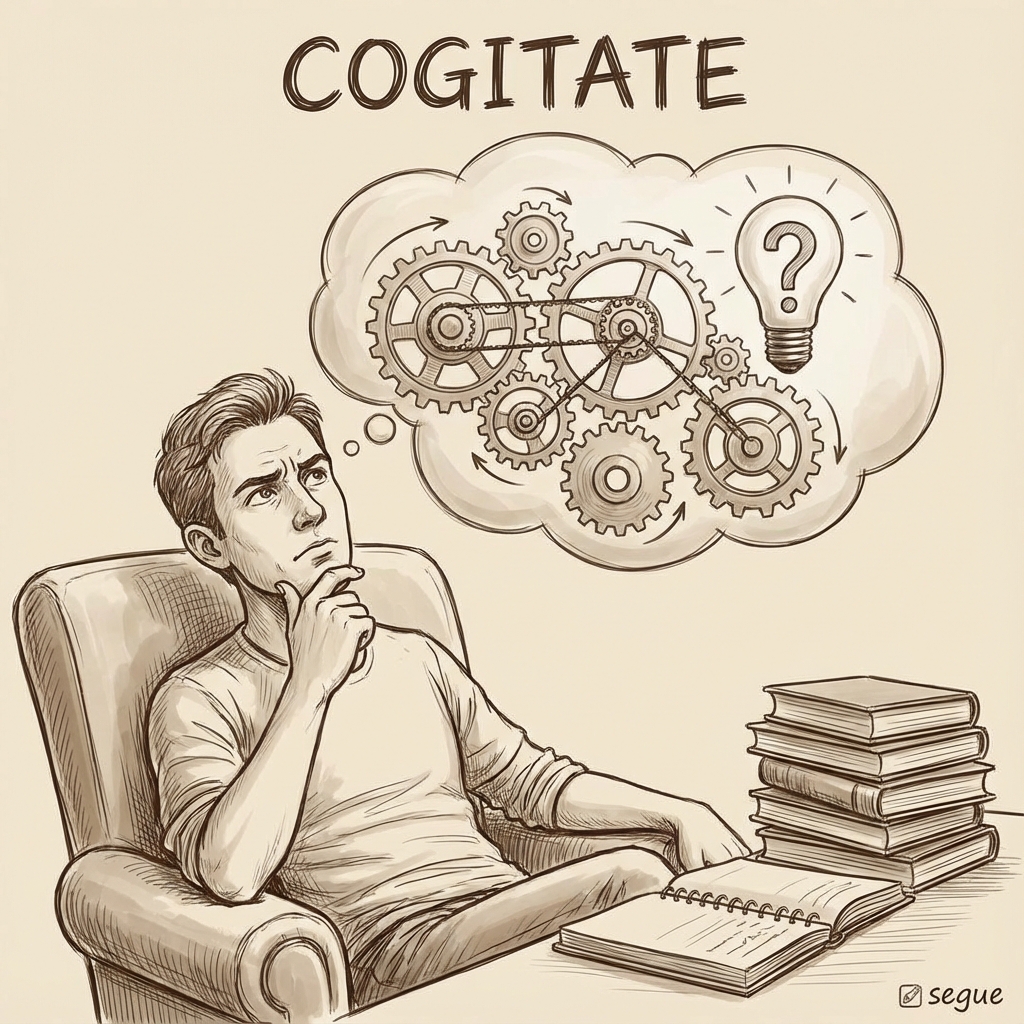
cogitate
/ˈkɑdʒɪˌteɪt/to think deeply about something; to ponder
“She cogitated on the problem before proposing a solution.”
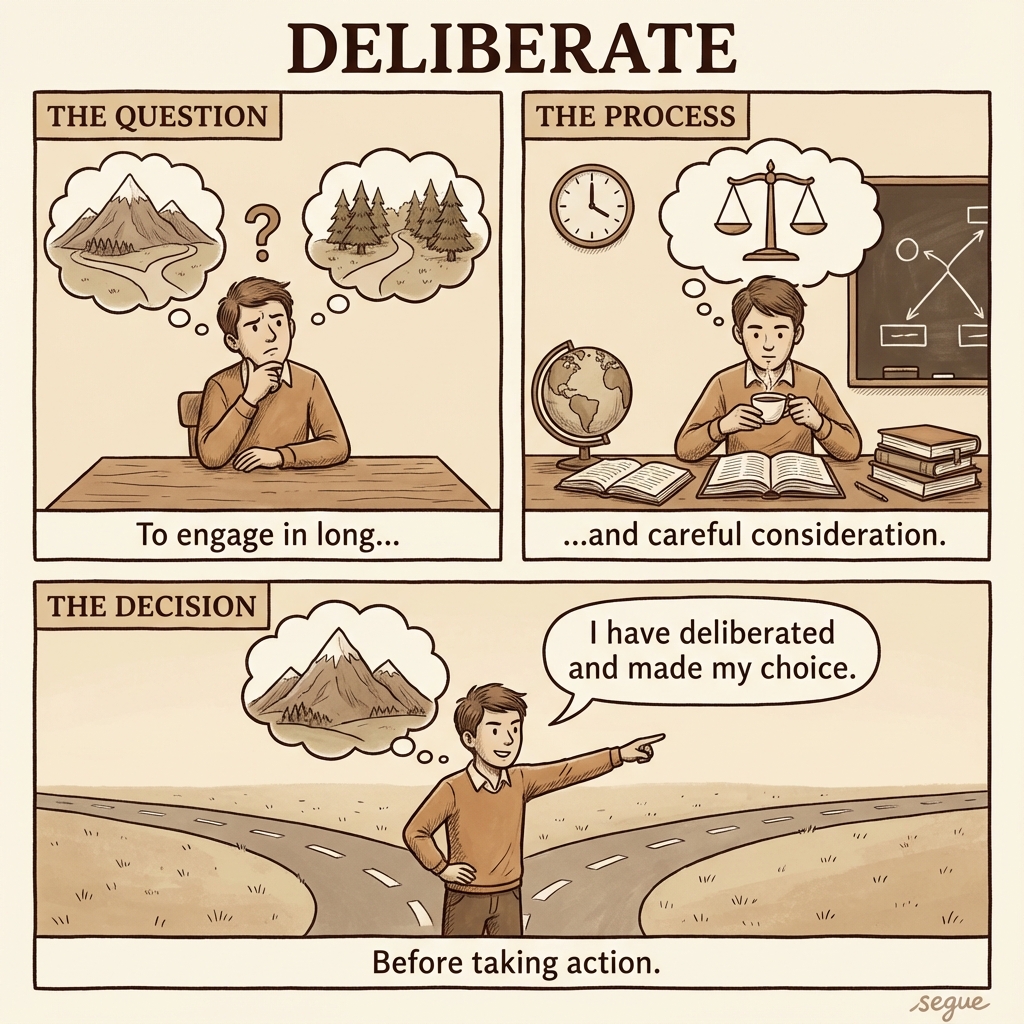
deliberate
/dɪˈɫɪbɝˌeɪt/to engage in long and careful consideration
“The jury deliberated for three days before reaching a verdict.”
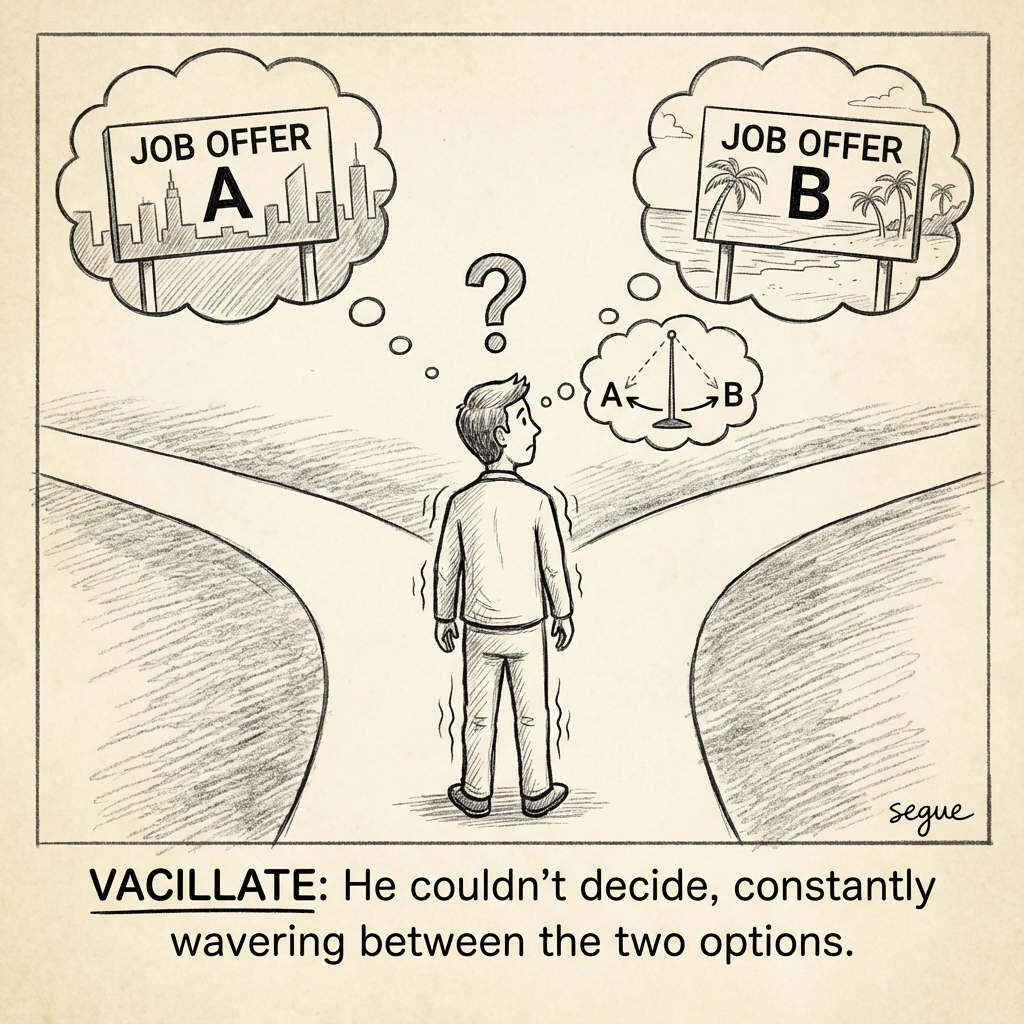
vacillate
/ˈvæsəˌɫeɪt/to waver between different opinions or actions
“He vacillated between accepting and declining the job offer.”
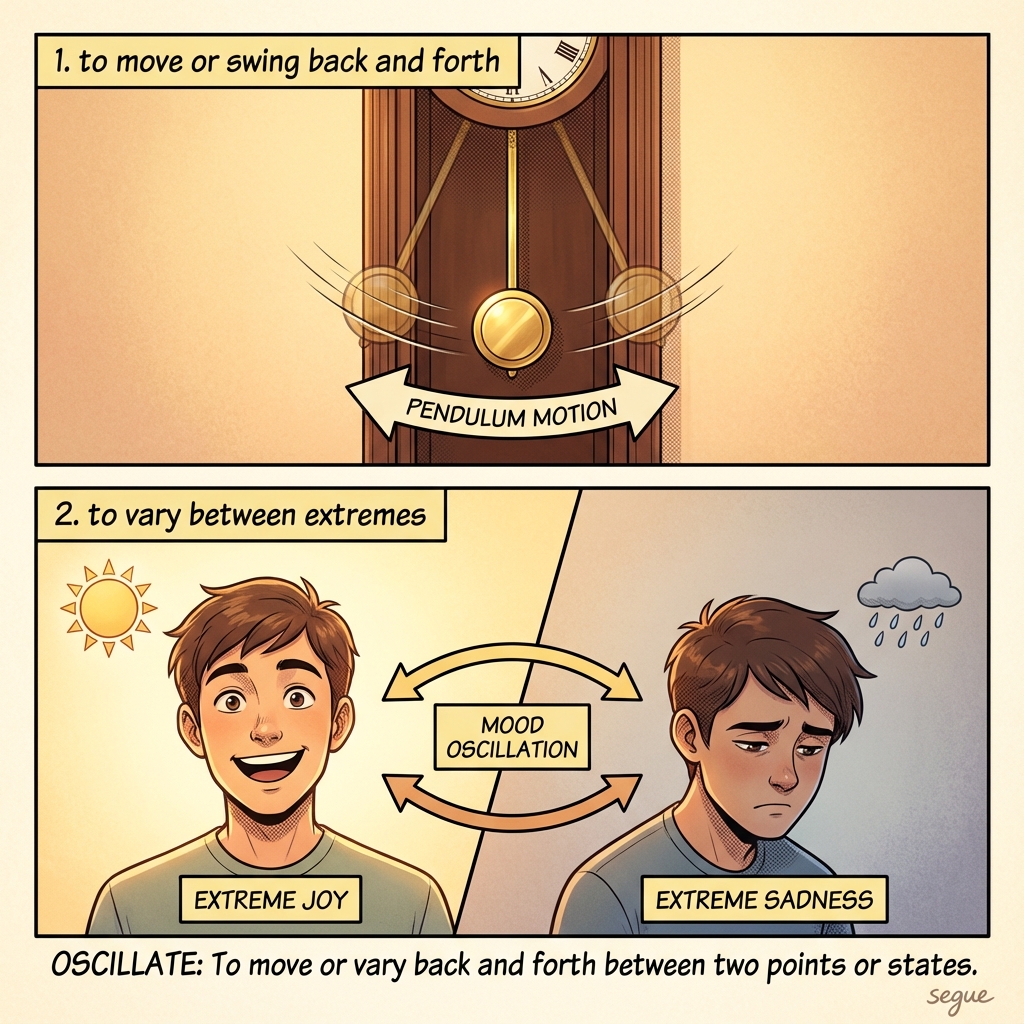
oscillate
/ˈɑsəˌɫeɪt/to move or swing back and forth; to vary between extremes
“Her mood oscillated between excitement and anxiety.”
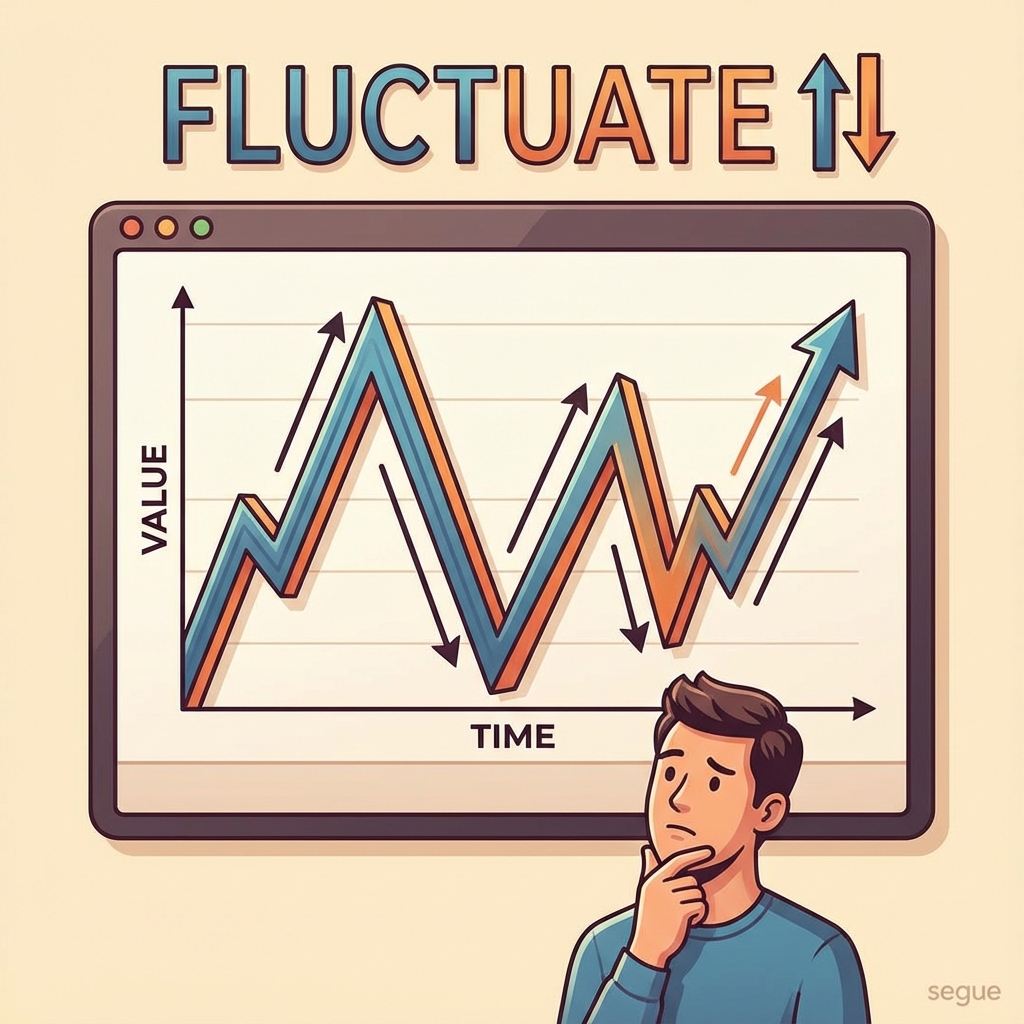
fluctuate
/ˈfɫəktʃəˌweɪt/to rise and fall irregularly in number or amount
“Stock prices fluctuate based on market conditions.”

manifest
/ˈmænəˌfɛst/to be clear or obvious to the eye or mind; to display or show
“Her anxiety manifested in a trembling voice.”
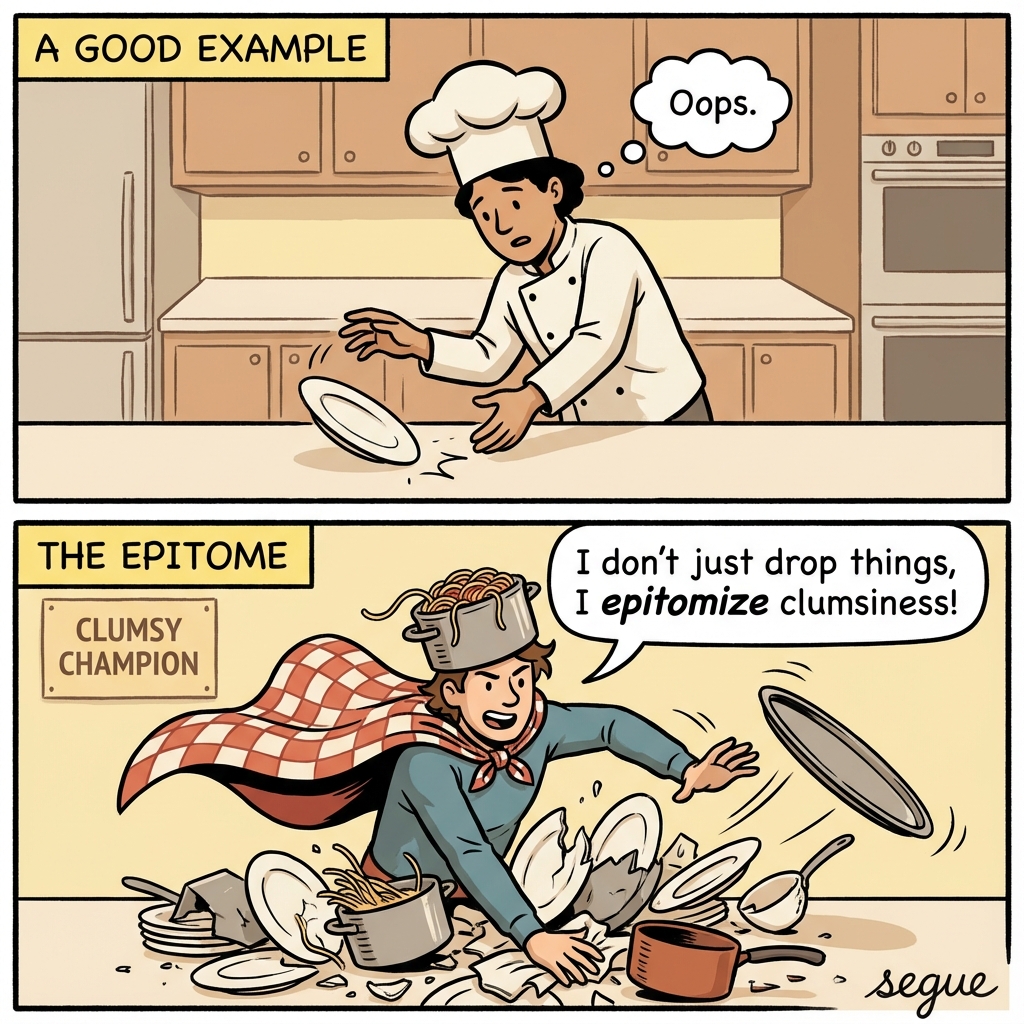
epitomize
/ɪˈpɪtəˌmaɪz/to be a perfect example of a particular quality or type
“The building epitomizes modern architecture.”
More from Descriptive
Explore other vocabulary categories in this collection.