150 Resume Action Verbs Grouped by the work they describe
Every resume verb is a claim about ownership. Choose the strongest one your evidence can support, then prove it with scope, method, and result.
Resume advice calls these power words, as though orchestrated could electrify a weak bullet by itself. It cannot. A verb has power only because it assigns the work: founded says you created it, led says you directed it, and supported says someone else owned it and you contributed.
Compare "Responsible for monthly reporting" with "Automated monthly reporting, cutting preparation from two days to three hours." The second version is stronger because it names the action and its effect, not because automated sounds grander than responsible for.
Use the categories below as a map of work, not a thesaurus of prestige. Pick the verb that fits your actual ownership, then supply the evidence behind it. A precise modest claim is more credible than an inflated one.
A useful bullet answers three questions: what changed, what part did you own, and how do you know it worked? The verb answers only the middle question. The figures below show the structure of evidence, not numbers to borrow.
Assignment only
Responsible for managing a team of 5 developers
Work and result
Led 5 developers through 3 releases; each shipped before its committed date
Assignment only
Helped improve customer satisfaction scores
Work and result
Redesigned onboarding with Support, raising 30-day satisfaction from 72% to 86%
Assignment only
Was in charge of social media accounts
Work and result
Planned and published the weekly social calendar, growing qualified demo traffic 18% in 6 months
Assignment only
Worked on reducing costs in the department
Work and result
Consolidated two vendor contracts, reducing annual spend by $120K with no service cuts
1. Leadership & Management Action Verbs
Match the verb to your authority. Founded means you created the organization; oversaw means you supervised it; championed means you advocated for it. Add team size, budget, duration, or decision scope.
OrchestratedTo arrange or direct the elements of a situation to produce a desired effect.
SpearheadedTo lead an attack or movement; to be the driving force.
MentoredTo develop someone through sustained guidance, feedback, and example.
GalvanizedTo shock or excite (someone) into taking action.
MobilizedTo prepare and organize (troops or resources) for active service.
ChampionedTo fight for or defend a cause or person.
DirectedTo manage or guide by advice, instruction, or command.
EstablishedTo set up on a firm or permanent basis.
FoundedTo establish or originate an institution or organization.
GovernedTo conduct the policy and affairs of a state or organization.
HeadedTo be in charge of; to lead.
InstitutedTo set in motion or establish something, typically a program or system.
OversawTo supervise or watch over.
DelegatedTo entrust responsibility or authority to another person.
PresidedTo be in the position of authority in a meeting or gathering.
SteeredTo guide or control the movement or course of.
SupervisedTo observe and direct the execution of a task or activity.
UnifiedTo make or become united, uniform, or whole.
2. Growth & Improvement Action Verbs
Growth verbs need a baseline and an endpoint. State what expanded or accelerated, over what period, and whether you caused the change or contributed to it.
RevitalizedTo imbue something with new life and vitality.
AugmentedTo make something greater by adding to it; increase.
OptimizedTo make the best or most effective use of a situation or resource.
AcceleratedTo cause to move faster; to bring about earlier.
AmplifiedTo increase the volume of; to cause to become more marked or intense.
BoostedTo help or encourage to increase or improve.
ElevatedTo raise to a more important or impressive level.
EnhancedTo intensify, increase, or further improve quality or value.
ExpandedTo become or make larger or more extensive.
MaximizedTo make the greatest or fullest use of.
StrengthenedTo make or become stronger.
TransformedTo make a thorough or dramatic change in form or appearance.
UpgradedTo raise to a higher standard or improve.
AdvancedTo move forward or make progress.
PropelledTo drive or push forward.
3. Execution & Results Action Verbs
Plain verbs such as completed and delivered are useful when the object and result are specific. Reserve implemented for a plan or system that reached use, not work that remained a proposal.
ExecutedTo carry out or put into effect (a plan, order, or course of action).
ImplementedTo put (a decision, plan, agreement, etc.) into effect.
FacilitatedTo make (an action or process) easy or easier.
FormalizedTo give a definite shape or legal formality to.
StreamlinedTo make (an organization or system) more efficient and effective.
AchievedTo successfully bring about or reach a desired objective through effort.
AttainedTo succeed in achieving something, especially after much effort.
CompletedTo finish making or doing.
DeliveredTo provide something promised or expected.
DispatchedTo deal with a task quickly and efficiently.
FulfilledTo carry out or bring to completion.
GeneratedTo cause something to arise or come about.
ProducedTo make, manufacture, or create.
RealizedTo achieve something desired or anticipated.
SecuredTo obtain or achieve definitively.
4. Collaboration & Teamwork Action Verbs
Name the people or functions you worked with and the shared result. Partnered with Finance to revise pricing says more than collaborated cross-functionally on its own.
CollaboratedTo work jointly with others on an activity or project.
CoordinatedTo bring the different elements into a harmonious relationship.
PartneredTo join as a partner or associate with another.
UnitedTo come or bring together for a common purpose.
AlignedTo bring into cooperation or agreement with a particular position.
CooperatedTo act jointly with others; work toward the same end.
ConvenedTo bring people together for a meeting, decision, or shared purpose.
LiaisedTo establish a working relationship, typically to cooperate on a matter.
MergedTo combine or cause to combine to form a single entity.
SynchronizedTo cause to occur or operate at the same time or rate.
TeamedTo come together as a team to achieve a common goal.
NetworkedTo interact with others to exchange information and develop professional contacts.
5. Problem-Solving & Analysis Action Verbs
State what you examined, the method or evidence you used, and what decision followed. Analyzed describes a process; it does not imply that the recommendation was adopted.
DiagnosedTo identify the nature or cause of a problem.
EvaluatedTo form an idea of the amount, value, or quality of.
InvestigatedTo carry out a systematic inquiry to discover facts.
ResolvedTo settle or find a solution to a problem or dispute.
AssessedTo evaluate or estimate the nature, quality, or ability of.
AuditedTo conduct an official examination and verification.
CalculatedTo determine mathematically or by reasoning.
DecipheredTo succeed in understanding or interpreting.
DiscoveredTo find unexpectedly or during a search.
ExaminedTo inspect closely to determine condition or quality.
ForecastedTo predict or estimate a future event or trend.
IdentifiedTo establish or indicate who or what something is.
InterpretedTo explain the meaning of information or actions.
MeasuredTo ascertain size, amount, or degree by comparison.
PinpointedTo locate exactly.
ResearchedTo investigate systematically.
SolvedTo find an answer or explanation for.
TroubleshotTo trace and correct faults in a system.
6. Communication & Influence Action Verbs
Include the audience, subject, and decision or behavior that followed. Presented quarterly risk findings to the audit committee is testable; excellent communicator is not.
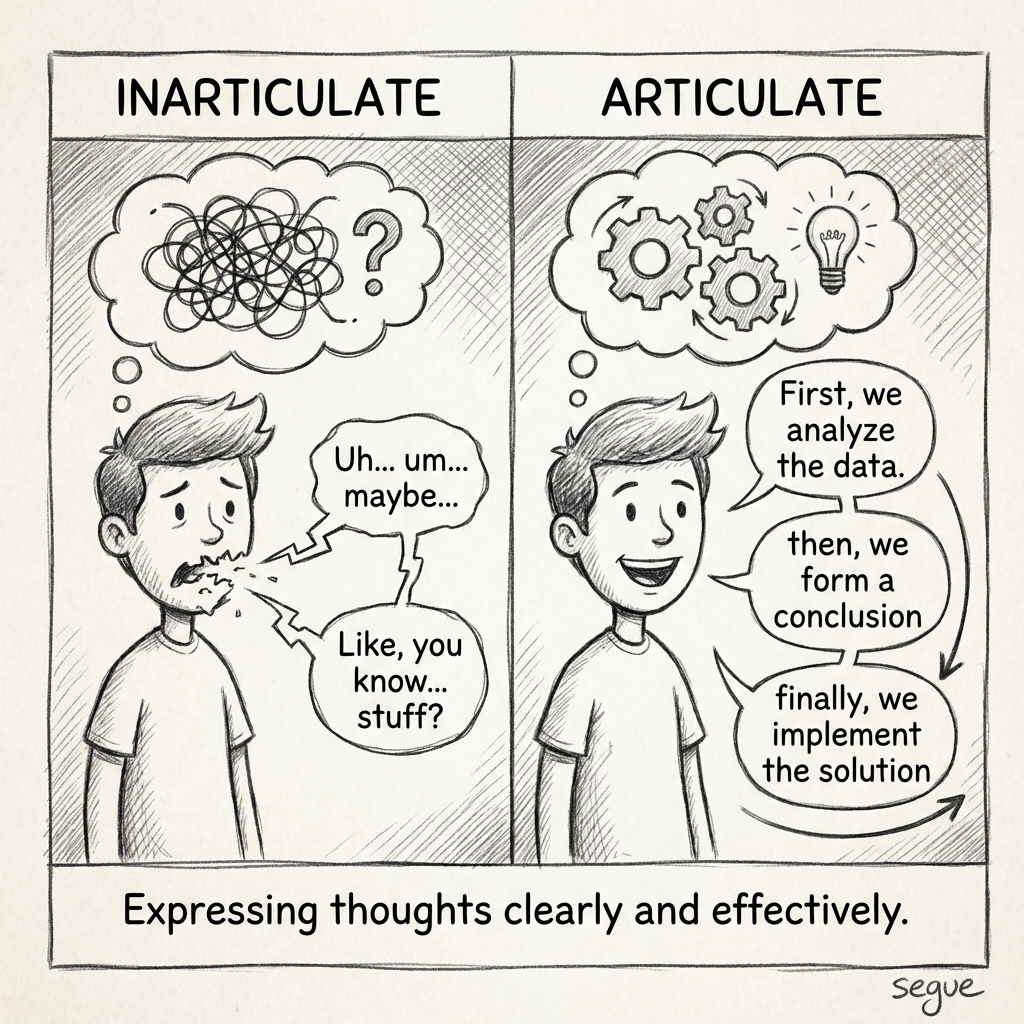
ArticulatedTo express an idea or feeling fluently and coherently.
ConvincedTo cause someone to believe firmly in the truth of something.
CorrespondedTo communicate by exchanging letters or emails.
CounseledTo give advice to someone.
DraftedTo prepare a preliminary version of a document.
EditedTo prepare written material for publication by correcting and revising.
InfluencedTo have an effect on the character, development, or behavior of.
MediatedTo intervene in a dispute to bring about agreement.
ModeratedTo preside over a meeting or discussion.
NegotiatedTo obtain or bring about by discussion.
PersuadedTo induce someone to do something through reasoning.
PresentedTo show or offer something for others to consider.
PromotedTo further the progress of; to publicize.
PublicizedTo make widely known.
ReconciledTo restore friendly relations between.
TranslatedTo express the sense of words in another language.
7. Creative & Innovation Action Verbs
Name the thing you made: a service, campaign, workflow, model, or visual system. Use pioneered or revolutionized only when you can show that the work was genuinely first or field-changing.
ConceptualizedTo form a concept or idea of something.
CreatedTo bring something into existence.
DesignedTo plan and make decisions about something being built or created.
DevelopedTo grow or cause to grow and become more advanced.
InnovatedTo make changes by introducing new methods or ideas.
IntroducedTo bring into use or operation for the first time.
InventedTo create or design something not existing before.
LaunchedTo start or set in motion an activity or enterprise.
OriginatedTo have one's origin in a specified place or situation.
PioneeredTo develop or be the first to use new methods.
RedesignedTo design something again in a different way.
RevolutionizedTo change something radically or fundamentally.
ShapedTo give a particular form or shape to.
8. Technical & Engineering Action Verbs
Pair the verb with the system, technology, and operating constraint. A reader should be able to distinguish a prototype from a production deployment and maintenance from a migration.
ArchitectedTo design the structure of a complex system.
AutomatedTo convert a process to operate automatically.
BuiltTo construct by putting parts together.
CodedTo write instructions for a computer program.
ConfiguredTo arrange or set up in a particular way.
DebuggedTo identify and remove errors from software.
DeployedTo bring into effective action; to install.
EngineeredTo design, build, or manage using scientific principles.
InstalledTo place or fix equipment in position for use.
IntegratedTo combine one system with another.
MaintainedTo keep in good condition by checking regularly.
MigratedTo move from one system or platform to another.
ModernizedTo adapt something to modern needs or standards.
ProgrammedTo write computer programs.
RefactoredTo restructure existing code without changing behavior.
ScaledTo increase or adjust to a larger size or level.
TestedTo take measures to check quality or performance.
9. Sales & Business Development Action Verbs
Connect sales verbs to revenue, pipeline, retention, deal size, or cycle time and give the period measured. Clarify whether you sourced, negotiated, or closed the business.
AcquiredTo buy or obtain an asset or object for oneself.
CapturedTo take possession of; to gain control of a market.
ClosedTo bring a negotiation to a successful conclusion.
ConvertedTo change from one state to another; turn prospects into customers.
CultivatedTo develop a relationship with a potential client.
ExceededTo be greater than or go beyond a quota or target.
GrewTo increase revenue, pipeline, market share, or the value of an account.
ForgedTo create a strong relationship or agreement.
SourcedTo identify and originate leads, opportunities, suppliers, or candidates.
LandedTo succeed in obtaining a contract or client.
OutperformedTo perform better than others or expectations.
PenetratedTo succeed in entering a new market.
ProcuredTo obtain something, especially with care or effort.
ProspectedTo search for potential customers or opportunities.
RetainedTo keep possession of; to maintain customer loyalty.
SoldTo give or hand over in exchange for money.
SurpassedTo exceed or be better than.
WonTo gain victory in a competition or business deal.
Rules for Choosing the Verb
What are action verbs for a resume?
They are verbs that name the work in a bullet: analyzed, built, coordinated, negotiated, or trained, for example. The verb establishes the action; the rest of the bullet should establish its scope and result.
Why are action verbs important on a resume?
A precise verb lets a reader identify your role quickly. It distinguishes an assignment from an accomplishment and separates work you led from work you supported. It cannot compensate for missing evidence or unclear outcomes.
What words should I avoid on my resume?
Avoid inflated verbs that overstate your ownership and vague claims such as 'results-driven' that offer no evidence. 'Helped' and 'supported' are acceptable when they accurately describe your role; follow them with the specific contribution.
How many action verbs should I use on my resume?
Most accomplishment bullets benefit from a clear action verb, but there is no required count and no rule that every verb must be different. Repeat the most accurate word when a synonym would change or blur the meaning.
Should I use the same action verbs for every job application?
Tailor the accomplishments you emphasize to the role, and use the employer's terminology when it truthfully matches your experience. Do not swap in keywords merely to imitate a job description.
The list is long because work is varied, not because every bullet needs a novel synonym. The right action verb makes your part visible and survives the interview question that follows: what, exactly, did you do?
Use the verb you can defend
Choose from the collection, then rehearse the proof behind the word: the project, your contribution, and the result.