Creative Direction Is a Vocabulary Problem60 words for more precise AI prompts
“Make it better” asks for taste without naming it. A working vocabulary turns taste into visible choices: where the light falls, how the frame breathes, and what the sentence sounds like.
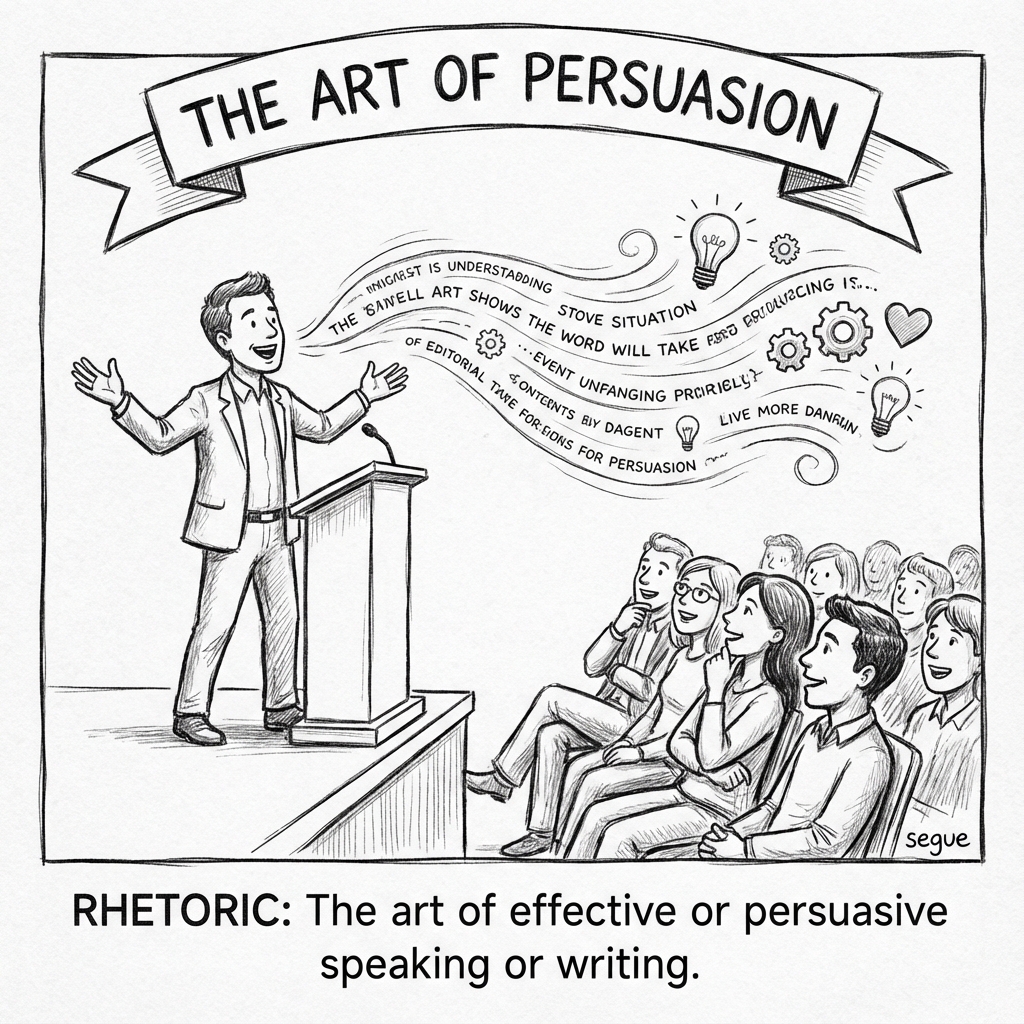
Better is a verdict, not a direction. It tells a model that the first attempt failed without saying whether to change the light, palette, framing, register, rhythm, or restraint. The model has to spend the next attempt guessing at a taste its user has not expressed.
Prompt mechanics build the frame: a clear objective, relevant context, good examples, and an explicit output contract give a model the structure of the task. Creative vocabulary locates the target inside that frame. A term is a compact handle for choices that would otherwise take a sentence to describe.
A model asked for a better logo, a nicer email, or a more professional tone has broad latitude and may fall back on familiar, generic conventions. Ask instead for a backlit, desaturated portrait with shallow depth of field, or an apology that is earnest and plainspoken with no hedging. Those choices are concrete enough to inspect in the result: the portrait is backlit or it is not; the apology hedges or it does not.
Not knowing a term does not make an idea inaccessible. You can describe the effect or show an example. But a shared name makes the distinction cheaper to state, easier to repeat, and easier to judge. The sixty terms below provide those names, each linked to a full illustrated entry.
Light
Lighting terms specify direction, contrast, and edge behavior. They also make the result easier to judge: an image is backlit, silhouetted, or neither.
Color & surface
Color and surface terms name observable properties. Mood words can still help, but they leave more room for interpretation than a defined palette or finish.
Composition & lens
Composition and lens terms say where the subject sits, how the scene projects, and which planes remain sharp. They come from established photographic and design practice.
Tone & register
Tone labels work best when paired with a boundary or example. "Plainspoken, with no euphemism" is easier to assess than "professional but friendly."
Prompt and model literacy
The last group names the frame around creative direction: where instructions sit, how examples teach, what shape an answer takes, and how outputs are sampled. These words describe the instrument rather than the desired image or voice.
Recognition is not the goal. A term earns its place when it helps you make a distinction and judge whether the result honors it. Pair visual terms with references when fidelity matters; pair tonal terms with examples that show the boundary you mean.
This vocabulary existed before generative models because the work existed before them: photographers placed light, designers balanced frames, and editors tuned register. Prompting has made that old act of direction newly visible. Creative direction is a vocabulary problem because names turn private taste into choices that can be requested, repeated, and revised.
Put the words back to work
Creative Direction trains the language of the result. Practical LLM Fluency covers the system around the request: objectives, context, evidence, tools, and verification. Learn both vocabularies, but do not confuse the instrument with the thing you are trying to make.